10 Books Similar to "The Leader Who Had No Title: A Modern Fable on Real Success in Business and in Life"
by Robin Sharma

The Greatness Guide: Powerful Secrets for Getting to World Class

"The Greatness Guide" is a collection of concise, actionable essays designed to empower individuals to achieve peak performance and profound satisfaction in their personal and professional lives. It distills complex leadership and self-improvement principles into easily digestible wisdom, encouraging a proactive and intentional approach to cultivating excellence, embracing change, and leaving a meaningful imprint.
This book is similar to "The Leader Who Had No Title" in its core philosophy: that leadership and remarkable achievement are accessible to everyone, regardless of formal position. Both books emphasize the importance of internal drive, personal responsibility, and a commitment to continuous growth as the foundational elements for significant impact. They both advocate for a holistic view of success, encompassing inner fulfillment alongside external accomplishments.
Individuals seeking practical strategies for personal development and professional advancement will find this book particularly valuable. It offers direct, inspiring guidance for cultivating a world-class mindset, enhancing productivity, and fostering positive relationships, all contributing to a more purposeful and impactful existence.
The Greatness Guide: Powerful Secrets for Getting to World Class
"The Greatness Guide" is a collection of concise, actionable essays designed to empower individuals to achieve peak performance and profound satisfaction in their personal and professional lives. It distills complex leadership and self-improvement principles into easily digestible wisdom, encouraging a proactive and intentional approach to cultivating excellence, embracing change, and leaving a meaningful imprint.
This book is similar to "The Leader Who Had No Title" in its core philosophy: that leadership and remarkable achievement are accessible to everyone, regardless of formal position. Both books emphasize the importance of internal drive, personal responsibility, and a commitment to continuous growth as the foundational elements for significant impact. They both advocate for a holistic view of success, encompassing inner fulfillment alongside external accomplishments.
Individuals seeking practical strategies for personal development and professional advancement will find this book particularly valuable. It offers direct, inspiring guidance for cultivating a world-class mindset, enhancing productivity, and fostering positive relationships, all contributing to a more purposeful and impactful existence.
The Monk Who Sold His Ferrari: A Fable About Fulfilling Your Dreams and Reaching Your Destiny
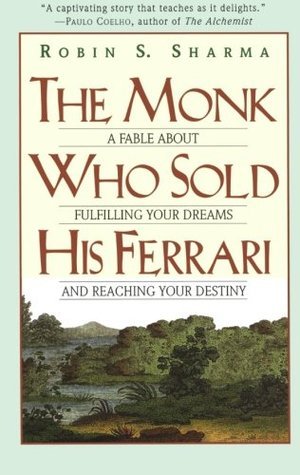
"The Monk Who Sold His Ferrari" tells the story of Julian Mantle, a high-flying, materialistic lawyer who suffers a heart attack. This pivotal event prompts him to sell all his possessions and journey to the Himalayas in search of meaning and spiritual enlightenment. The book chronicles his transformation, revealing ancient wisdom and practical strategies for a more balanced, fulfilling life, both personally and professionally.
It shares common ground with "The Leader Who Had No Title" primarily through its fable-like structure and focus on accessible, principle-based self-improvement. Both books present transformative philosophies through fictional narratives, offering readers tangible lessons on leadership, personal mastery, and achieving success rooted in character and purpose, rather than solely external achievements.
This book offers a compelling narrative on re-evaluating priorities and embracing a holistic approach to success. Its blend of storytelling and actionable insights provides a clear roadmap for cultivating inner peace, resilience, and a sense of purpose. It will resonate with anyone seeking to align their career aspirations with a deeper sense of personal fulfillment and well-being.
The Monk Who Sold His Ferrari: A Fable About Fulfilling Your Dreams and Reaching Your Destiny
"The Monk Who Sold His Ferrari" tells the story of Julian Mantle, a high-flying, materialistic lawyer who suffers a heart attack. This pivotal event prompts him to sell all his possessions and journey to the Himalayas in search of meaning and spiritual enlightenment. The book chronicles his transformation, revealing ancient wisdom and practical strategies for a more balanced, fulfilling life, both personally and professionally.
It shares common ground with "The Leader Who Had No Title" primarily through its fable-like structure and focus on accessible, principle-based self-improvement. Both books present transformative philosophies through fictional narratives, offering readers tangible lessons on leadership, personal mastery, and achieving success rooted in character and purpose, rather than solely external achievements.
This book offers a compelling narrative on re-evaluating priorities and embracing a holistic approach to success. Its blend of storytelling and actionable insights provides a clear roadmap for cultivating inner peace, resilience, and a sense of purpose. It will resonate with anyone seeking to align their career aspirations with a deeper sense of personal fulfillment and well-being.
The Secret Letters of the Monk Who Sold His Ferrari
"The Secret Letters of the Monk Who Sold His Ferrari" unravels a philosophical journey through letters penned by Julian Mantle, the former high-powered lawyer from Sharma's earlier work. It delves into the practical application of ancient wisdom and spiritual principles in contemporary life, offering actionable advice on achieving inner peace, purpose, and lasting happiness, presented as a series of profound lessons.
This book shares significant common ground with "The Leader Who Had No Title" primarily through its narrative structure and core thematic explorations. Both books employ a fable-like approach to convey profound life and leadership lessons, focusing on individual transformation as the bedrock for external success and influence. They both champion the idea that true power and fulfillment stem from cultivating inner virtues and applying universal principles, rather than relying solely on external titles or material possessions.
It will appeal to those seeking practical wisdom for personal growth, spiritual development, and a more fulfilling existence. The book provides a clear roadmap for living intentionally, fostering strong relationships, and making a positive impact, offering actionable strategies for anyone looking to integrate mindfulness and purpose into their daily routines.
The Secret Letters of the Monk Who Sold His Ferrari
"The Secret Letters of the Monk Who Sold His Ferrari" unravels a philosophical journey through letters penned by Julian Mantle, the former high-powered lawyer from Sharma's earlier work. It delves into the practical application of ancient wisdom and spiritual principles in contemporary life, offering actionable advice on achieving inner peace, purpose, and lasting happiness, presented as a series of profound lessons.
This book shares significant common ground with "The Leader Who Had No Title" primarily through its narrative structure and core thematic explorations. Both books employ a fable-like approach to convey profound life and leadership lessons, focusing on individual transformation as the bedrock for external success and influence. They both champion the idea that true power and fulfillment stem from cultivating inner virtues and applying universal principles, rather than relying solely on external titles or material possessions.
It will appeal to those seeking practical wisdom for personal growth, spiritual development, and a more fulfilling existence. The book provides a clear roadmap for living intentionally, fostering strong relationships, and making a positive impact, offering actionable strategies for anyone looking to integrate mindfulness and purpose into their daily routines.
Family Wisdom from the Monk Who Sold His Ferrari
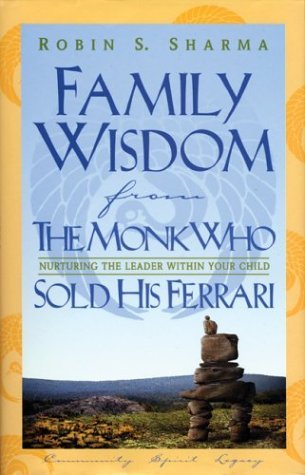
"Family Wisdom from the Monk Who Sold His Ferrari" extends the philosophical narrative of its predecessor by offering practical guidance on integrating profound life principles into the dynamics of family life. It explores how ancient wisdom, self-mastery, and the pursuit of meaning can enrich relationships, foster resilience in children, and create a harmonious home environment, presenting these concepts through relatable stories and actionable advice.
This book shares significant common ground with "The Leader Who Had No Title" in its core objective: empowering individuals to lead fulfilling lives regardless of their formal roles. Both fables utilize accessible storytelling to convey universal truths about personal growth, purpose, and impact. They advocate for an internal locus of control and a proactive approach to shaping one's reality, whether in a corporate setting or within the family unit.
This work will resonate with individuals seeking to cultivate deeper connections, instill strong values in their households, and navigate the complexities of modern family life with greater intention and peace. It offers a compassionate blueprint for transforming everyday interactions into opportunities for growth and legacy-building, proving invaluable for anyone aspiring to build a truly enriching family experience.
Family Wisdom from the Monk Who Sold His Ferrari
"Family Wisdom from the Monk Who Sold His Ferrari" extends the philosophical narrative of its predecessor by offering practical guidance on integrating profound life principles into the dynamics of family life. It explores how ancient wisdom, self-mastery, and the pursuit of meaning can enrich relationships, foster resilience in children, and create a harmonious home environment, presenting these concepts through relatable stories and actionable advice.
This book shares significant common ground with "The Leader Who Had No Title" in its core objective: empowering individuals to lead fulfilling lives regardless of their formal roles. Both fables utilize accessible storytelling to convey universal truths about personal growth, purpose, and impact. They advocate for an internal locus of control and a proactive approach to shaping one's reality, whether in a corporate setting or within the family unit.
This work will resonate with individuals seeking to cultivate deeper connections, instill strong values in their households, and navigate the complexities of modern family life with greater intention and peace. It offers a compassionate blueprint for transforming everyday interactions into opportunities for growth and legacy-building, proving invaluable for anyone aspiring to build a truly enriching family experience.
Who Will Cry When You Die?

"Who Will Cry When You Die?" is a collection of 101 simple yet profound reflections on how to live a more meaningful life, focusing on practical advice for personal growth, daily habits, and finding purpose. It tackles themes of legacy, self-mastery, and the importance of savoring life's moments through accessible, bite-sized lessons.
Both books, authored by Robin Sharma, share a core philosophy of personal leadership and self-improvement, albeit through different narrative structures. While "The Leader Who Had No Title" utilizes a fable to illustrate its principles, "Who Will Cry When You Die?" opts for direct, actionable insights. Both champion the idea that everyone can be a leader in their own life, regardless of formal position, by embracing responsibility and making a positive impact.
This book will appeal to individuals seeking readily applicable wisdom for enhancing their daily existence and cultivating a more fulfilling life. Its accessible format and focus on actionable tips make it a valuable guide for anyone looking to introspect, refine their habits, and ultimately leave a positive mark on the world.
Who Will Cry When You Die?
"Who Will Cry When You Die?" is a collection of 101 simple yet profound reflections on how to live a more meaningful life, focusing on practical advice for personal growth, daily habits, and finding purpose. It tackles themes of legacy, self-mastery, and the importance of savoring life's moments through accessible, bite-sized lessons.
Both books, authored by Robin Sharma, share a core philosophy of personal leadership and self-improvement, albeit through different narrative structures. While "The Leader Who Had No Title" utilizes a fable to illustrate its principles, "Who Will Cry When You Die?" opts for direct, actionable insights. Both champion the idea that everyone can be a leader in their own life, regardless of formal position, by embracing responsibility and making a positive impact.
This book will appeal to individuals seeking readily applicable wisdom for enhancing their daily existence and cultivating a more fulfilling life. Its accessible format and focus on actionable tips make it a valuable guide for anyone looking to introspect, refine their habits, and ultimately leave a positive mark on the world.
The Go-Giver: A Little Story About a Powerful Business Idea
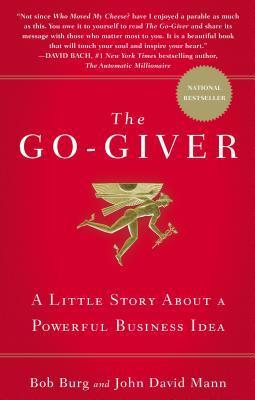
"The Go-Giver" is a compelling parable about Joe, an ambitious but struggling businessman, who learns the transformative power of giving from a series of enigmatic mentors. Through their teachings, Joe discovers that true success and wealth are not accumulated by taking, but by consistently providing immense value to others. The narrative elegantly unpacks five laws of stratospheric success, demonstrating how generosity, a focus on others' needs, and an authentic desire to contribute ultimately lead to personal and professional fulfillment.
This book shares a core philosophical alignment with "The Leader Who Had No Title." Both narratives champion the idea that influence and achievement are not tied to formal hierarchy or self-serving ambition, but rather to an individual's commitment to adding value and serving those around them. They both use accessible, story-driven formats to convey profound principles of leadership and success applicable in any role, highlighting the importance of a 'contribution mindset' over a 'consumption mindset'.
Experienced professionals and aspiring leaders will appreciate its clear, actionable insights presented within an engaging story. It offers a refreshing perspective on business and life, suggesting that a shift from a purely transactional approach to one rooted in generous contribution can unlock exponential growth and genuine impact. The lessons are intuitive, inspiring, and provide a practical framework for cultivating a purpose-driven and ultimately more prosperous career and existence.
The Go-Giver: A Little Story About a Powerful Business Idea
"The Go-Giver" is a compelling parable about Joe, an ambitious but struggling businessman, who learns the transformative power of giving from a series of enigmatic mentors. Through their teachings, Joe discovers that true success and wealth are not accumulated by taking, but by consistently providing immense value to others. The narrative elegantly unpacks five laws of stratospheric success, demonstrating how generosity, a focus on others' needs, and an authentic desire to contribute ultimately lead to personal and professional fulfillment.
This book shares a core philosophical alignment with "The Leader Who Had No Title." Both narratives champion the idea that influence and achievement are not tied to formal hierarchy or self-serving ambition, but rather to an individual's commitment to adding value and serving those around them. They both use accessible, story-driven formats to convey profound principles of leadership and success applicable in any role, highlighting the importance of a 'contribution mindset' over a 'consumption mindset'.
Experienced professionals and aspiring leaders will appreciate its clear, actionable insights presented within an engaging story. It offers a refreshing perspective on business and life, suggesting that a shift from a purely transactional approach to one rooted in generous contribution can unlock exponential growth and genuine impact. The lessons are intuitive, inspiring, and provide a practical framework for cultivating a purpose-driven and ultimately more prosperous career and existence.
The 21 Indispensable Qualities of a Leader: Becoming the Person Others Will Want to Follow

"The 21 Indispensable Qualities of a Leader" distills effective leadership into a series of actionable traits, from character and charisma to courage and humility. Maxwell presents each quality with practical advice and illustrative anecdotes, emphasizing that true leadership isn't just about position but about personal development and influence. It serves as a comprehensive guide for anyone seeking to cultivate the attributes that inspire others and drive success.
This book shares a core philosophy with "The Leader Who Had No Title" in its focus on intrinsic, character-based leadership over hierarchical authority. Both argue that leadership is accessible to everyone, regardless of their official role, and is built upon cultivating personal virtues and proactive behaviors. They both empower individuals to take ownership of their impact and influence.
The practical, digestible format and clear articulation of essential leadership qualities in Maxwell's work make it highly appealing. It offers a structured path for self-improvement and professional growth, providing concrete principles that can be immediately applied in various settings. It holds significant value for anyone aspiring to enhance their leadership capabilities and positively influence their teams and organizations.
The 21 Indispensable Qualities of a Leader: Becoming the Person Others Will Want to Follow
"The 21 Indispensable Qualities of a Leader" distills effective leadership into a series of actionable traits, from character and charisma to courage and humility. Maxwell presents each quality with practical advice and illustrative anecdotes, emphasizing that true leadership isn't just about position but about personal development and influence. It serves as a comprehensive guide for anyone seeking to cultivate the attributes that inspire others and drive success.
This book shares a core philosophy with "The Leader Who Had No Title" in its focus on intrinsic, character-based leadership over hierarchical authority. Both argue that leadership is accessible to everyone, regardless of their official role, and is built upon cultivating personal virtues and proactive behaviors. They both empower individuals to take ownership of their impact and influence.
The practical, digestible format and clear articulation of essential leadership qualities in Maxwell's work make it highly appealing. It offers a structured path for self-improvement and professional growth, providing concrete principles that can be immediately applied in various settings. It holds significant value for anyone aspiring to enhance their leadership capabilities and positively influence their teams and organizations.
What Got You Here Won't Get You There
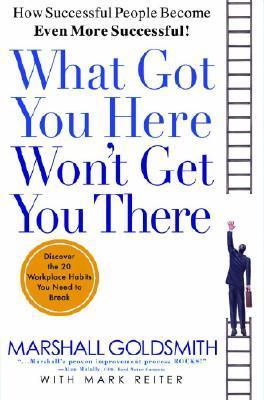
"What Got You Here Won't Get You There" by Marshall Goldsmith explores the limiting behaviors that can hinder otherwise successful professionals from reaching the next level of their careers. It identifies common "bad habits" – often subtle interpersonal issues or communication flaws – that impede growth, even in high achievers, and offers actionable strategies for overcoming them to unlock further potential. It's a pragmatic guide to self-correction for the already accomplished.
This book shares a core philosophy with "The Leader Who Had No Title": both emphasize that continued success isn't about maintaining the status quo, but about continuous self-improvement and adapting one's approach. While Sharma’s book uses a fable to illustrate principles of leadership and personal excellence regardless of formal role, Goldsmith’s work provides a direct, diagnostic approach to identifying and rectifying specific behavioral roadblocks, much like the internal transformations encouraged by Sharma’s narrative. Both underscore that true leadership and professional advancement stem from an evolving, self-aware mindset.
Individuals seeking to refine their professional impact and leadership style will find immense value in this book. It offers practical insights and a clear framework for recognizing and addressing behavioral patterns that might be unconsciously stalling their progress. For those ambitious professionals who feel they’ve hit a plateau, or simply wish to optimize their influence and effectiveness, this book provides the tools for critical self-assessment and strategic personal development, leading to tangible improvements in both career trajectory and interpersonal relationships.
What Got You Here Won't Get You There
"What Got You Here Won't Get You There" by Marshall Goldsmith explores the limiting behaviors that can hinder otherwise successful professionals from reaching the next level of their careers. It identifies common "bad habits" – often subtle interpersonal issues or communication flaws – that impede growth, even in high achievers, and offers actionable strategies for overcoming them to unlock further potential. It's a pragmatic guide to self-correction for the already accomplished.
This book shares a core philosophy with "The Leader Who Had No Title": both emphasize that continued success isn't about maintaining the status quo, but about continuous self-improvement and adapting one's approach. While Sharma’s book uses a fable to illustrate principles of leadership and personal excellence regardless of formal role, Goldsmith’s work provides a direct, diagnostic approach to identifying and rectifying specific behavioral roadblocks, much like the internal transformations encouraged by Sharma’s narrative. Both underscore that true leadership and professional advancement stem from an evolving, self-aware mindset.
Individuals seeking to refine their professional impact and leadership style will find immense value in this book. It offers practical insights and a clear framework for recognizing and addressing behavioral patterns that might be unconsciously stalling their progress. For those ambitious professionals who feel they’ve hit a plateau, or simply wish to optimize their influence and effectiveness, this book provides the tools for critical self-assessment and strategic personal development, leading to tangible improvements in both career trajectory and interpersonal relationships.
The Leader in Me: How Schools and Parents Around the World Are Inspiring Greatness, One Child At a Time

"The Leader in Me" details a transformative educational philosophy, implementing Stephen Covey's "7 Habits of Highly Effective People" within schools. It's a practical guide demonstrating how cultivating habits like proactivity and goal-setting empowers children, fostering leadership skills, self-reliance, and a positive learning environment from an early age. The book showcases real-world examples of schools successfully integrating these principles to elevate student achievement and well-being.
This book aligns with "The Leader Who Had No Title" by championing the idea that leadership isn't confined to a formal position; it's a set of behaviors and a mindset accessible to everyone. Both books emphasize personal responsibility, self-improvement, and the impact of individual actions on a larger scale, whether in a corporation or a classroom. They share the core message that genuine influence stems from developing positive character traits and consistently applying them.
Individuals seeking actionable strategies for personal and collective betterment will find immense value in "The Leader in Me." It offers a compelling vision of how nurturing innate potential, particularly in young people, can lead to widespread positive change. The clear methods and inspirational success stories provide a blueprint for anyone interested in fostering a culture of empowerment and achievement, whether in their own lives, their children's education, or broader community initiatives.
The Leader in Me: How Schools and Parents Around the World Are Inspiring Greatness, One Child At a Time
"The Leader in Me" details a transformative educational philosophy, implementing Stephen Covey's "7 Habits of Highly Effective People" within schools. It's a practical guide demonstrating how cultivating habits like proactivity and goal-setting empowers children, fostering leadership skills, self-reliance, and a positive learning environment from an early age. The book showcases real-world examples of schools successfully integrating these principles to elevate student achievement and well-being.
This book aligns with "The Leader Who Had No Title" by championing the idea that leadership isn't confined to a formal position; it's a set of behaviors and a mindset accessible to everyone. Both books emphasize personal responsibility, self-improvement, and the impact of individual actions on a larger scale, whether in a corporation or a classroom. They share the core message that genuine influence stems from developing positive character traits and consistently applying them.
Individuals seeking actionable strategies for personal and collective betterment will find immense value in "The Leader in Me." It offers a compelling vision of how nurturing innate potential, particularly in young people, can lead to widespread positive change. The clear methods and inspirational success stories provide a blueprint for anyone interested in fostering a culture of empowerment and achievement, whether in their own lives, their children's education, or broader community initiatives.
Dare: Accepting the Challenge of Trusting Leadership
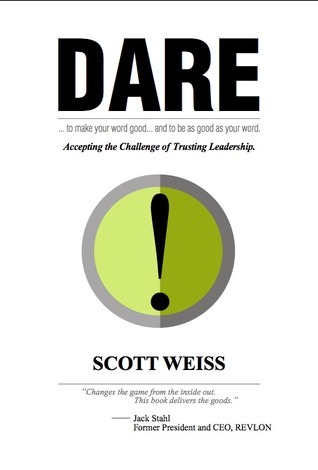
"Dare: Accepting the Challenge of Trusting Leadership" proposes that genuine leadership hinges on vulnerability, building trust, and fostering environments where teams feel secure to innovate and take risks. Scott Weiss, drawing from his entrepreneurial journey, argues that relinquishing direct control and empowering others through authentic trust leads to superior performance and stronger organizational culture. It's a call to action for leaders to embrace discomfort and lead with integrity, rather than relying solely on hierarchical power.
This resonates with "The Leader Who Had No Title" by emphasizing that leadership isn't confined to a job title, but rather a set of behaviors and principles. Both books champion the idea of influence over authority, advocating for a leadership style rooted in personal responsibility, service, and empowering those around you. They challenge conventional notions of leadership by suggesting that impact stems from how one conducts themselves, regardless of their formal position.
This book will appeal to individuals seeking to cultivate a more impactful and authentic leadership style, whether they are executives, managers, or aspiring influencers. Its practical insights into building trust and fostering psychological safety offer actionable strategies for improving team dynamics and driving innovation. It is valuable for anyone looking to inspire loyalty and achieve sustained success through ethical, people-centric leadership.
Dare: Accepting the Challenge of Trusting Leadership
"Dare: Accepting the Challenge of Trusting Leadership" proposes that genuine leadership hinges on vulnerability, building trust, and fostering environments where teams feel secure to innovate and take risks. Scott Weiss, drawing from his entrepreneurial journey, argues that relinquishing direct control and empowering others through authentic trust leads to superior performance and stronger organizational culture. It's a call to action for leaders to embrace discomfort and lead with integrity, rather than relying solely on hierarchical power.
This resonates with "The Leader Who Had No Title" by emphasizing that leadership isn't confined to a job title, but rather a set of behaviors and principles. Both books champion the idea of influence over authority, advocating for a leadership style rooted in personal responsibility, service, and empowering those around you. They challenge conventional notions of leadership by suggesting that impact stems from how one conducts themselves, regardless of their formal position.
This book will appeal to individuals seeking to cultivate a more impactful and authentic leadership style, whether they are executives, managers, or aspiring influencers. Its practical insights into building trust and fostering psychological safety offer actionable strategies for improving team dynamics and driving innovation. It is valuable for anyone looking to inspire loyalty and achieve sustained success through ethical, people-centric leadership.
More Books to Explore
Discover more titles that expand on these ideas and themes.
The Greatness Guide: Powerful Secrets for Getting to World Class
The Monk Who Sold His Ferrari: A Fable About Fulfilling Your Dreams and Reaching Your Destiny
The Secret Letters of the Monk Who Sold His Ferrari
Family Wisdom from the Monk Who Sold His Ferrari
Who Will Cry When You Die?
The Go-Giver: A Little Story About a Powerful Business Idea