10 Books Similar to "The Lady of the Sorrows"
by Cecilia Dart-Thornton
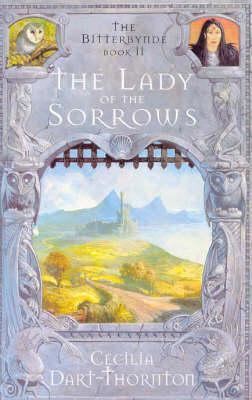
The Ill-Made Mute

"The Ill-Made Mute" introduces us to Imrhien, a young woman found mute and amnesiac, clad in armor but with no memory of her past. She embarks on a quest across the magical realm of Erith, seeking her identity and a cure for her muteness, while unwittingly becoming entangled in ancient prophecies and the looming conflict between the Children of the Stars and the demonic Shadow-folk. Her journey is one of self-discovery, resilience, and confronting hidden truths.
Both novels share Dart-Thornton's signature blend of meticulously crafted high fantasy, intricate world-building rooted in Celtic mythology, and a profound sense of melancholic beauty. They feature protagonists who are deeply connected to the land's magic and history, grappling with lost identities and facing epic, mystical threats that demand courage and self-sacrifice. The lyrical prose and atmospheric descriptions are also hallmarks present in both works.
This book offers a captivating dive into a richly imagined world, presenting a compelling narrative of perseverance against overwhelming odds. It explores themes of identity, belonging, the nature of good versus evil, and the enduring power of hope amidst darkness. Its sophisticated storytelling and immersive atmosphere provide an enriching experience, appealing to those who appreciate thoughtful, character-driven fantasy with a strong sense of place and mythos.
The Ill-Made Mute
"The Ill-Made Mute" introduces us to Imrhien, a young woman found mute and amnesiac, clad in armor but with no memory of her past. She embarks on a quest across the magical realm of Erith, seeking her identity and a cure for her muteness, while unwittingly becoming entangled in ancient prophecies and the looming conflict between the Children of the Stars and the demonic Shadow-folk. Her journey is one of self-discovery, resilience, and confronting hidden truths.
Both novels share Dart-Thornton's signature blend of meticulously crafted high fantasy, intricate world-building rooted in Celtic mythology, and a profound sense of melancholic beauty. They feature protagonists who are deeply connected to the land's magic and history, grappling with lost identities and facing epic, mystical threats that demand courage and self-sacrifice. The lyrical prose and atmospheric descriptions are also hallmarks present in both works.
This book offers a captivating dive into a richly imagined world, presenting a compelling narrative of perseverance against overwhelming odds. It explores themes of identity, belonging, the nature of good versus evil, and the enduring power of hope amidst darkness. Its sophisticated storytelling and immersive atmosphere provide an enriching experience, appealing to those who appreciate thoughtful, character-driven fantasy with a strong sense of place and mythos.
The Iron Tree

"The Iron Tree" follows Warden, a gifted shapeshifter battling encroaching mental instability, as he defends his people from a terrifying enemy that absorbs life force and corrupts nature. His quest intertwines with a powerful, ancient tree, the source of incredible magic, which he must protect to save his world and perhaps, himself. The narrative delves into themes of sacrifice, the fight against internal and external darkness, and the profound connection between magic and the natural world.
Both novels share Dart-Thornton’s signature blend of rich, evocative world-building, deeply resonant fantasy elements, and characters grappling with profound internal struggles. The intricate magic systems, the exploration of ancient lore, and the vivid, almost palpable settings are consistent across both works. Moreover, the emphasis on destiny, hidden powers, and the struggle against overwhelming odds forms a strong thematic parallel.
This book offers a captivating journey into a world brimming with wonder and peril, appealing to those who appreciate epic fantasy rooted in myth and folklore. Its exploration of complex morality, the allure of ancient magic, and the resilient human spirit in the face of despair provides a deeply satisfying and thought-provoking experience, cementing its value as a significant work in contemporary fantasy literature.
The Iron Tree
"The Iron Tree" follows Warden, a gifted shapeshifter battling encroaching mental instability, as he defends his people from a terrifying enemy that absorbs life force and corrupts nature. His quest intertwines with a powerful, ancient tree, the source of incredible magic, which he must protect to save his world and perhaps, himself. The narrative delves into themes of sacrifice, the fight against internal and external darkness, and the profound connection between magic and the natural world.
Both novels share Dart-Thornton’s signature blend of rich, evocative world-building, deeply resonant fantasy elements, and characters grappling with profound internal struggles. The intricate magic systems, the exploration of ancient lore, and the vivid, almost palpable settings are consistent across both works. Moreover, the emphasis on destiny, hidden powers, and the struggle against overwhelming odds forms a strong thematic parallel.
This book offers a captivating journey into a world brimming with wonder and peril, appealing to those who appreciate epic fantasy rooted in myth and folklore. Its exploration of complex morality, the allure of ancient magic, and the resilient human spirit in the face of despair provides a deeply satisfying and thought-provoking experience, cementing its value as a significant work in contemporary fantasy literature.
The Battle of Evernight

"The Battle of Evernight" concludes the Bitterbynde trilogy, focusing on the prophesied confrontation between the ancient Fae and encroaching human forces. It sees protagonist Imrhien, now fully embracing her arcane heritage and formidable powers, leading her people in a desperate fight for survival and the preservation of their forgotten realm. The narrative delves deep into themes of destiny, magic, and the intricate balance between opposing cultures, culminating in a high-stakes conflict that determines the fate of both worlds.
This novel shares a strong thematic and stylistic kinship with "The Lady of the Sorrows" through its continued exploration of Celtic-infused fantasy, complex character development, and evocative world-building. Both books feature a central female protagonist navigating a perilous journey of self-discovery amidst ancient magical conflicts. The same rich, descriptive prose, intricate lore, and emphasis on the blurring lines between myth and reality are consistently present, appealing to a similar reader demographic who appreciates detailed, atmospheric fantasy.
The book will appeal to those who enjoy epic fantasy sagas with a strong emphasis on magic, mythology, and deeply drawn characters. Its value lies in providing a satisfying resolution to a compelling narrative arc, offering a grand-scale confrontation that is both emotionally resonant and strategically intricate. The rich tapestry of its world and the well-developed mythology offer a rewarding reading experience for anyone seeking an immersive escape into a beautifully crafted, magical realm.
The Battle of Evernight
"The Battle of Evernight" concludes the Bitterbynde trilogy, focusing on the prophesied confrontation between the ancient Fae and encroaching human forces. It sees protagonist Imrhien, now fully embracing her arcane heritage and formidable powers, leading her people in a desperate fight for survival and the preservation of their forgotten realm. The narrative delves deep into themes of destiny, magic, and the intricate balance between opposing cultures, culminating in a high-stakes conflict that determines the fate of both worlds.
This novel shares a strong thematic and stylistic kinship with "The Lady of the Sorrows" through its continued exploration of Celtic-infused fantasy, complex character development, and evocative world-building. Both books feature a central female protagonist navigating a perilous journey of self-discovery amidst ancient magical conflicts. The same rich, descriptive prose, intricate lore, and emphasis on the blurring lines between myth and reality are consistently present, appealing to a similar reader demographic who appreciates detailed, atmospheric fantasy.
The book will appeal to those who enjoy epic fantasy sagas with a strong emphasis on magic, mythology, and deeply drawn characters. Its value lies in providing a satisfying resolution to a compelling narrative arc, offering a grand-scale confrontation that is both emotionally resonant and strategically intricate. The rich tapestry of its world and the well-developed mythology offer a rewarding reading experience for anyone seeking an immersive escape into a beautifully crafted, magical realm.
Elegy for a Lost Star

"Elegy for a Lost Star" delves into a sprawling narrative centered on a young woman, Ari, who embarks on a quest across a magical realm to reclaim her stolen heritage and understand her destiny. Confronted with ancient prophecies, powerful adversaries, and complex magical systems, her journey is one of self-discovery and the forging of unlikely alliances in a world teetering on the brink of war.
The resemblance to "The Lady of the Sorrows" lies in their shared epic fantasy foundations. Both novels feature protagonists thrust into grand, perilous journeys within richly imagined worlds, guided by magic and prophecy. They explore themes of destiny, the discovery of hidden magical lineage, and the formation of deep, often complicated, personal bonds amidst widespread conflict and political intrigue. The intricate world-building and emphasis on a heroine's developing powers also create a strong parallel.
This book will appeal to those who appreciate expansive fantasy epics with strong female leads and intricate magical lore. It offers a rewarding experience through its detailed character development, immersive world-building, and a compelling narrative driven by classic fantasy tropes reinterpreted with fresh perspectives. The depth of its mythology and the emotional stakes involved provide significant escapism and intellectual engagement, offering enduring value beyond a single read.
Elegy for a Lost Star
"Elegy for a Lost Star" delves into a sprawling narrative centered on a young woman, Ari, who embarks on a quest across a magical realm to reclaim her stolen heritage and understand her destiny. Confronted with ancient prophecies, powerful adversaries, and complex magical systems, her journey is one of self-discovery and the forging of unlikely alliances in a world teetering on the brink of war.
The resemblance to "The Lady of the Sorrows" lies in their shared epic fantasy foundations. Both novels feature protagonists thrust into grand, perilous journeys within richly imagined worlds, guided by magic and prophecy. They explore themes of destiny, the discovery of hidden magical lineage, and the formation of deep, often complicated, personal bonds amidst widespread conflict and political intrigue. The intricate world-building and emphasis on a heroine's developing powers also create a strong parallel.
This book will appeal to those who appreciate expansive fantasy epics with strong female leads and intricate magical lore. It offers a rewarding experience through its detailed character development, immersive world-building, and a compelling narrative driven by classic fantasy tropes reinterpreted with fresh perspectives. The depth of its mythology and the emotional stakes involved provide significant escapism and intellectual engagement, offering enduring value beyond a single read.
The Crow

"The Crow" centers on Maerad, a young girl enslaved and unaware of her extraordinary magical heritage. She is rescued by a powerful Bard, Cadvan, who recognizes her innate talent, and together they embark on a dangerous quest to rekindle ancient songs of power and thwart the Dark, a malevolent force threatening their world of Annar. It’s a journey steeped in prophecy, ancient lore, and the gradual awakening of Maerad’s immense destiny.
The similarity to "The Lady of the Sorrows" lies in the rich, evocative world-building and the exploration of ancient, fading magic systems. Both narratives feature a young protagonist embarking on a perilous journey of self-discovery, guided by older, wiser mentors. A strong sense of pre-Christian mythology, forgotten lineages, and the battle against encroaching darkness are central to both, appealing to those who appreciate a meticulously crafted fantasy realm with deep roots in folklore.
This book will appeal due to its intricate magic system, well-developed characters, and the engrossing quest narrative. Its lyrical prose and exploration of profound themes like memory, destiny, and the power of art resonate deeply. It provides a compelling escape into a world brimming with danger and wonder, offering a satisfying and intelligent fantasy experience.
The Crow
"The Crow" centers on Maerad, a young girl enslaved and unaware of her extraordinary magical heritage. She is rescued by a powerful Bard, Cadvan, who recognizes her innate talent, and together they embark on a dangerous quest to rekindle ancient songs of power and thwart the Dark, a malevolent force threatening their world of Annar. It’s a journey steeped in prophecy, ancient lore, and the gradual awakening of Maerad’s immense destiny.
The similarity to "The Lady of the Sorrows" lies in the rich, evocative world-building and the exploration of ancient, fading magic systems. Both narratives feature a young protagonist embarking on a perilous journey of self-discovery, guided by older, wiser mentors. A strong sense of pre-Christian mythology, forgotten lineages, and the battle against encroaching darkness are central to both, appealing to those who appreciate a meticulously crafted fantasy realm with deep roots in folklore.
This book will appeal due to its intricate magic system, well-developed characters, and the engrossing quest narrative. Its lyrical prose and exploration of profound themes like memory, destiny, and the power of art resonate deeply. It provides a compelling escape into a world brimming with danger and wonder, offering a satisfying and intelligent fantasy experience.
Queen of Song and Souls
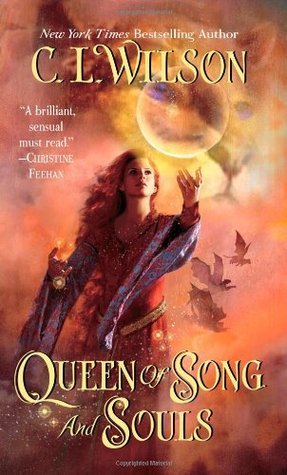
"Queen of Song and Souls" culminates a sweeping epic fantasy romance, following Princess Rain as she navigates prophesied doom, intricate political machinations, and formidable magical threats to unite her kingdom. Central to the narrative is her complex, fated love story with the enigmatic warrior, Kharel, and her journey to embrace a powerful, ancient magic to safeguard her people and realm.
The similarity to "The Lady of the Sorrows" lies in their shared exploration of powerful female protagonists deeply entangled in destinies tied to ancient magic and significant political upheaval. Both feature heroines with burgeoning magical abilities who must rise to lead their people against overwhelming odds, often with a compelling romantic thread woven into the fabric of their epic quests. The narrative scope, combining intricate world-building with personal stakes, resonates strongly between the two.
It appeals through its rich, immersive world-building and deeply developed character arcs. The blending of high fantasy adventure with a passionate, often angsty, romance offers a satisfying escapism. The compelling themes of duty, destiny, sacrifice, and the enduring power of love provide a resonant and emotionally fulfilling experience.
Queen of Song and Souls
"Queen of Song and Souls" culminates a sweeping epic fantasy romance, following Princess Rain as she navigates prophesied doom, intricate political machinations, and formidable magical threats to unite her kingdom. Central to the narrative is her complex, fated love story with the enigmatic warrior, Kharel, and her journey to embrace a powerful, ancient magic to safeguard her people and realm.
The similarity to "The Lady of the Sorrows" lies in their shared exploration of powerful female protagonists deeply entangled in destinies tied to ancient magic and significant political upheaval. Both feature heroines with burgeoning magical abilities who must rise to lead their people against overwhelming odds, often with a compelling romantic thread woven into the fabric of their epic quests. The narrative scope, combining intricate world-building with personal stakes, resonates strongly between the two.
It appeals through its rich, immersive world-building and deeply developed character arcs. The blending of high fantasy adventure with a passionate, often angsty, romance offers a satisfying escapism. The compelling themes of duty, destiny, sacrifice, and the enduring power of love provide a resonant and emotionally fulfilling experience.
Heart's Blood
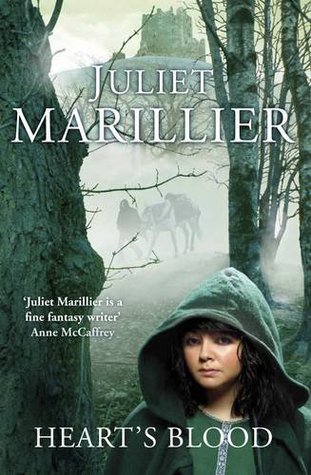
"Heart's Blood" reimagines the Beauty and the Beast tale within a richly detailed, Dark Ages Irish setting. It follows Caitrin, a young woman seeking refuge as a scribe, who arrives at a remote, haunted fortress ruled by Anluan, a lord afflicted by a mysterious illness and a fearsome reputation. As Caitrin uncovers the secrets of the fortress and its curse, she navigates ancient magic, treacherous family dynamics, and a burgeoning connection with Anluan.
The similarity to "The Lady of the Sorrows" lies in their shared essence of historical fantasy deeply rooted in folklore. Both novels feature protagonists confronting ancient, powerful magic within isolated, atmospheric settings. They delve into themes of curses, forgotten histories, and the transformative power of love and understanding in overcoming darkness, all while maintaining a strong sense of place and time.
This book offers a compelling narrative for those who appreciate meticulously researched historical backdrops infused with authentic Celtic mythology. Its strength lies in its intricate plotting, evocative prose, and complex character development, particularly the nuanced portrayal of its seemingly monstrous male lead. It delivers a deeply satisfying blend of romance, mystery, and fantasy, demonstrating the enduring power of ancient tales retold with depth and sophistication.
Heart's Blood
"Heart's Blood" reimagines the Beauty and the Beast tale within a richly detailed, Dark Ages Irish setting. It follows Caitrin, a young woman seeking refuge as a scribe, who arrives at a remote, haunted fortress ruled by Anluan, a lord afflicted by a mysterious illness and a fearsome reputation. As Caitrin uncovers the secrets of the fortress and its curse, she navigates ancient magic, treacherous family dynamics, and a burgeoning connection with Anluan.
The similarity to "The Lady of the Sorrows" lies in their shared essence of historical fantasy deeply rooted in folklore. Both novels feature protagonists confronting ancient, powerful magic within isolated, atmospheric settings. They delve into themes of curses, forgotten histories, and the transformative power of love and understanding in overcoming darkness, all while maintaining a strong sense of place and time.
This book offers a compelling narrative for those who appreciate meticulously researched historical backdrops infused with authentic Celtic mythology. Its strength lies in its intricate plotting, evocative prose, and complex character development, particularly the nuanced portrayal of its seemingly monstrous male lead. It delivers a deeply satisfying blend of romance, mystery, and fantasy, demonstrating the enduring power of ancient tales retold with depth and sophistication.
Requiem for the Sun

"Requiem for the Sun" opens as Rhapsody, a Singer, flees a devastating battle on the mythical world of Sarachek. She finds herself transported to a future Earth, a ravaged landscape ruled by the ancient, powerful Firbolg. Rhapsody, along with a reluctant assassin and a formidable warrior, must navigate this broken world, uncover forgotten history, and confront the very forces that shaped both realities. It’s an epic of survival, destiny, and the clash of cultures across vast stretches of time and space.
This novel shares a foundational similarity with "The Lady of the Sorrows" through its intricate world-building and the pervasive sense of ancient, powerful magic intertwined with a heroine's arduous journey amidst a perilous landscape. Both feature protagonists with unique gifts thrust into circumstances far beyond their control, forcing them to confront their personal limitations and the daunting challenges of a complex, often dangerous, fantasy realm. The blend of high stakes, arcane lore, and a central female figure navigating epic events connects these two works.
Fans of sweeping epic fantasy will appreciate "Requiem for the Sun" for its imaginative scope, compelling characters, and the masterful way it blends traditional fantasy elements with a unique sci-fi twist. Its exploration of identity, resilience, and the enduring power of music and storytelling offers rich thematic depth. This book provides a truly immersive experience, rewarding those who enjoy delving into intricately crafted universes and following characters through trials that shape not just their own fates, but the destiny of entire worlds.
Requiem for the Sun
"Requiem for the Sun" opens as Rhapsody, a Singer, flees a devastating battle on the mythical world of Sarachek. She finds herself transported to a future Earth, a ravaged landscape ruled by the ancient, powerful Firbolg. Rhapsody, along with a reluctant assassin and a formidable warrior, must navigate this broken world, uncover forgotten history, and confront the very forces that shaped both realities. It’s an epic of survival, destiny, and the clash of cultures across vast stretches of time and space.
This novel shares a foundational similarity with "The Lady of the Sorrows" through its intricate world-building and the pervasive sense of ancient, powerful magic intertwined with a heroine's arduous journey amidst a perilous landscape. Both feature protagonists with unique gifts thrust into circumstances far beyond their control, forcing them to confront their personal limitations and the daunting challenges of a complex, often dangerous, fantasy realm. The blend of high stakes, arcane lore, and a central female figure navigating epic events connects these two works.
Fans of sweeping epic fantasy will appreciate "Requiem for the Sun" for its imaginative scope, compelling characters, and the masterful way it blends traditional fantasy elements with a unique sci-fi twist. Its exploration of identity, resilience, and the enduring power of music and storytelling offers rich thematic depth. This book provides a truly immersive experience, rewarding those who enjoy delving into intricately crafted universes and following characters through trials that shape not just their own fates, but the destiny of entire worlds.
The Stone Key
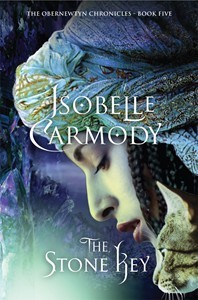
"The Stone Key" is the concluding volume of Isobelle Carmody's "Obernewtyn Chronicles," following Elspeth Gordie as she confronts the climactic battle against the Destroyer, a malevolent force threatening the known world. Her journey is one of self-discovery, unraveling ancient secrets, and gathering allies across a post-apocalyptic landscape scarred by psychic abilities and political intrigue, all while navigating her destiny as the prophesied Teller.
This novel shares a remarkable kinship with "The Lady of the Sorrows" through its intricate world-building, where a powerful, ancient magic system is central to the narrative. Both books feature resilient female protagonists burdened by extraordinary destinies and the weight of uncovering forgotten truths. The journey in each is deeply personal, interwoven with a sprawling, epic quest against a seemingly insurmountable, often mystical, antagonist.
The book offers a satisfying culmination to a beloved epic fantasy series, providing a rich, immersive experience for those who appreciate complex magic, detailed historical lore, and character-driven narratives. Its exploration of themes like prophecy, sacrifice, and the enduring power of hope provides meaningful engagement, leaving a lasting impression on those who value depth and resolution in their fantasy literature.
The Stone Key
"The Stone Key" is the concluding volume of Isobelle Carmody's "Obernewtyn Chronicles," following Elspeth Gordie as she confronts the climactic battle against the Destroyer, a malevolent force threatening the known world. Her journey is one of self-discovery, unraveling ancient secrets, and gathering allies across a post-apocalyptic landscape scarred by psychic abilities and political intrigue, all while navigating her destiny as the prophesied Teller.
This novel shares a remarkable kinship with "The Lady of the Sorrows" through its intricate world-building, where a powerful, ancient magic system is central to the narrative. Both books feature resilient female protagonists burdened by extraordinary destinies and the weight of uncovering forgotten truths. The journey in each is deeply personal, interwoven with a sprawling, epic quest against a seemingly insurmountable, often mystical, antagonist.
The book offers a satisfying culmination to a beloved epic fantasy series, providing a rich, immersive experience for those who appreciate complex magic, detailed historical lore, and character-driven narratives. Its exploration of themes like prophecy, sacrifice, and the enduring power of hope provides meaningful engagement, leaving a lasting impression on those who value depth and resolution in their fantasy literature.
Tower of Thorns

Explanation could not be generated at this time.
Tower of Thorns
Explanation could not be generated at this time.
More Books to Explore
Discover more titles that expand on these ideas and themes.
The Ill-Made Mute
The Iron Tree
The Battle of Evernight
Elegy for a Lost Star
The Crow
Queen of Song and Souls