10 Books Similar to "The Hunger Games"
by Suzanne Collins
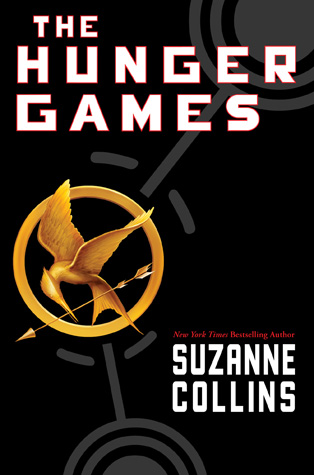
The Hunger Games Trilogy Boxset
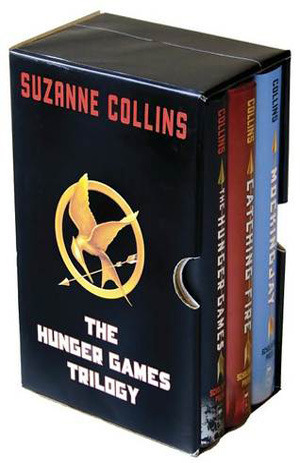
"The Hunger Games Trilogy Boxset" compiles all three novels in Suzanne Collins' dystopian young adult series: *The Hunger Games*, *Catching Fire*, and *Mockingjay*. The narrative centers on Katniss Everdeen, a teenage girl living in the impoverished District 12, as she's forced to participate in the brutal, televised death match known as the Hunger Games. The trilogy expands upon this initial premise, chronicling Katniss's journey as a reluctant symbol of rebellion against the oppressive Capitol and its tyrannical President Snow, exploring themes of survival, sacrifice, and the corrupting nature of power.
This boxset is directly similar to "The Hunger Games" because the first novel of the trilogy, "The Hunger Games," is contained within it. The boxset therefore offers the identical core narrative of Katniss's initial ordeal in the arena, alongside the subsequent development of the revolution and the personal toll it takes on its participants. It captures the same tone of suspense and social commentary found in the original book, merely extending the story beyond its initial conclusion.
The collection offers immense value to those seeking to immerse themselves fully in this acclaimed saga. It provides the complete narrative arc, allowing for an uninterrupted exploration of Katniss's complex character development and the evolution of the dystopian world. It’s also an efficient way to own the entire series, appreciated by anyone who values cohesive storytelling and an impactful narrative that resonates with contemporary issues of inequality and political manipulation.
The Hunger Games Trilogy Boxset
"The Hunger Games Trilogy Boxset" compiles all three novels in Suzanne Collins' dystopian young adult series: *The Hunger Games*, *Catching Fire*, and *Mockingjay*. The narrative centers on Katniss Everdeen, a teenage girl living in the impoverished District 12, as she's forced to participate in the brutal, televised death match known as the Hunger Games. The trilogy expands upon this initial premise, chronicling Katniss's journey as a reluctant symbol of rebellion against the oppressive Capitol and its tyrannical President Snow, exploring themes of survival, sacrifice, and the corrupting nature of power.
This boxset is directly similar to "The Hunger Games" because the first novel of the trilogy, "The Hunger Games," is contained within it. The boxset therefore offers the identical core narrative of Katniss's initial ordeal in the arena, alongside the subsequent development of the revolution and the personal toll it takes on its participants. It captures the same tone of suspense and social commentary found in the original book, merely extending the story beyond its initial conclusion.
The collection offers immense value to those seeking to immerse themselves fully in this acclaimed saga. It provides the complete narrative arc, allowing for an uninterrupted exploration of Katniss's complex character development and the evolution of the dystopian world. It’s also an efficient way to own the entire series, appreciated by anyone who values cohesive storytelling and an impactful narrative that resonates with contemporary issues of inequality and political manipulation.
Catching Fire
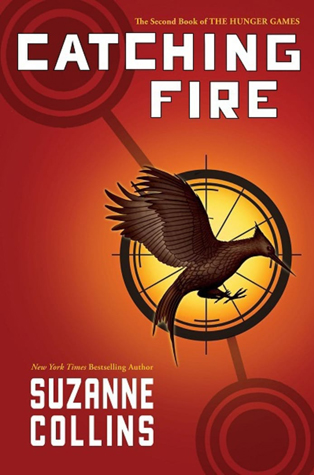
"Catching Fire" picks up after Katniss Everdeen and Peeta Mellark's unprecedented joint victory in the 74th Hunger Games. Their defiance ignited a spark of rebellion among the districts, prompting President Snow to launch a new, more brutal form of the Games, the Quarter Quell, specifically designed to reassert the Capitol's control and eliminate the symbols of hope. The narrative delves into the complexities of their public romance, the escalating political unrest, and the high stakes of their return to the arena.
The striking similarities between "Catching Fire" and "The Hunger Games" stem from their shared thematic core. Both novels explore the insidious nature of totalitarianism, the resilience of the human spirit in the face of oppression, and the moral dilemmas of survival. The structure, centered around the life-or-death competition of the Games, provides a familiar yet intensified framework for exploring these themes, deepening the reader's understanding of Panem's dystopian reality.
This book will appeal to those who appreciate nuanced character development and intricate world-building. Its exploration of political machinations, societal control, and individual agency against insurmountable odds offers significant intellectual and emotional engagement. The narrative tension and ethical challenges presented provide ample ground for reflection on courage, sacrifice, and the fight for freedom, making it a truly valuable reading experience.
Catching Fire
"Catching Fire" picks up after Katniss Everdeen and Peeta Mellark's unprecedented joint victory in the 74th Hunger Games. Their defiance ignited a spark of rebellion among the districts, prompting President Snow to launch a new, more brutal form of the Games, the Quarter Quell, specifically designed to reassert the Capitol's control and eliminate the symbols of hope. The narrative delves into the complexities of their public romance, the escalating political unrest, and the high stakes of their return to the arena.
The striking similarities between "Catching Fire" and "The Hunger Games" stem from their shared thematic core. Both novels explore the insidious nature of totalitarianism, the resilience of the human spirit in the face of oppression, and the moral dilemmas of survival. The structure, centered around the life-or-death competition of the Games, provides a familiar yet intensified framework for exploring these themes, deepening the reader's understanding of Panem's dystopian reality.
This book will appeal to those who appreciate nuanced character development and intricate world-building. Its exploration of political machinations, societal control, and individual agency against insurmountable odds offers significant intellectual and emotional engagement. The narrative tension and ethical challenges presented provide ample ground for reflection on courage, sacrifice, and the fight for freedom, making it a truly valuable reading experience.
SAMPLER ONLY: Catching Fire
"SAMPLER ONLY: Catching Fire" offers an introductory glimpse into the second installment of "The Hunger Games" trilogy. It picks up shortly after Katniss Everdeen and Peeta Mellark's improbable joint victory in the 74th Hunger Games, forcing them to confront the political ramifications of their defiance and the Capitol's unwavering control over the Districts. The sampler provides an early look at their mandatory Victor's Tour and the growing unrest bubbling beneath Panem's surface.
This sampler shares significant thematic and narrative DNA with "The Hunger Games." Both works immerse the reader in a dystopian society where oppression and propaganda are tools of control, and personal survival often clashes with moral principles. The core struggle against an authoritarian regime remains central, as does the exploration of media manipulation, the psychological impact of trauma, and the complexities of rebellion. The familiar protagonists and the established world of Panem also create a strong sense of continuity.
This offering will appeal to those who enjoyed "The Hunger Games" by immediately re-engaging them with the characters and world they've come to know. It serves as a compelling bridge, inviting them to continue the overarching narrative of Katniss's journey and witness the escalating conflict. The sampler allows for a low-commitment preview, effectively demonstrating how the stakes are raised and the story develops, thereby encouraging investment in the full sequel.
SAMPLER ONLY: Catching Fire
"SAMPLER ONLY: Catching Fire" offers an introductory glimpse into the second installment of "The Hunger Games" trilogy. It picks up shortly after Katniss Everdeen and Peeta Mellark's improbable joint victory in the 74th Hunger Games, forcing them to confront the political ramifications of their defiance and the Capitol's unwavering control over the Districts. The sampler provides an early look at their mandatory Victor's Tour and the growing unrest bubbling beneath Panem's surface.
This sampler shares significant thematic and narrative DNA with "The Hunger Games." Both works immerse the reader in a dystopian society where oppression and propaganda are tools of control, and personal survival often clashes with moral principles. The core struggle against an authoritarian regime remains central, as does the exploration of media manipulation, the psychological impact of trauma, and the complexities of rebellion. The familiar protagonists and the established world of Panem also create a strong sense of continuity.
This offering will appeal to those who enjoyed "The Hunger Games" by immediately re-engaging them with the characters and world they've come to know. It serves as a compelling bridge, inviting them to continue the overarching narrative of Katniss's journey and witness the escalating conflict. The sampler allows for a low-commitment preview, effectively demonstrating how the stakes are raised and the story develops, thereby encouraging investment in the full sequel.
Mockingjay
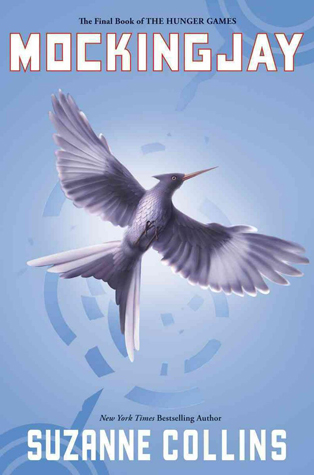
"Mockingjay," the concluding installment of the Hunger Games trilogy, follows Katniss Everdeen as she grapples with her role as the symbol of the burgeoning rebellion against the oppressive Capitol. Set amidst the ruins of District 13, the narrative explores the complexities of war, propaganda, and the personal toll of leadership, ultimately culminating in a final, brutal confrontation for Panem's future.
The fundamental similarities to "The Hunger Games" lie in its exploration of dystopian themes, survival, and a protagonist thrust into extraordinary circumstances. Both novels feature Katniss at their core, battling systemic injustice and facing impossible moral choices, albeit at different scales – from arena survival to full-blown revolution. The series maintains its signature blend of action, political intrigue, and character-driven drama.
This book offers readers a profound examination of power dynamics, trauma, and the blurred lines between hero and weapon. Its continued relevance lies in its unflinching look at post-conflict realities and the human cost of political upheaval, providing valuable insights into resilience and the fight for freedom.
Mockingjay
"Mockingjay," the concluding installment of the Hunger Games trilogy, follows Katniss Everdeen as she grapples with her role as the symbol of the burgeoning rebellion against the oppressive Capitol. Set amidst the ruins of District 13, the narrative explores the complexities of war, propaganda, and the personal toll of leadership, ultimately culminating in a final, brutal confrontation for Panem's future.
The fundamental similarities to "The Hunger Games" lie in its exploration of dystopian themes, survival, and a protagonist thrust into extraordinary circumstances. Both novels feature Katniss at their core, battling systemic injustice and facing impossible moral choices, albeit at different scales – from arena survival to full-blown revolution. The series maintains its signature blend of action, political intrigue, and character-driven drama.
This book offers readers a profound examination of power dynamics, trauma, and the blurred lines between hero and weapon. Its continued relevance lies in its unflinching look at post-conflict realities and the human cost of political upheaval, providing valuable insights into resilience and the fight for freedom.
Sunrise on the Reaping

"Sunrise on the Reaping" is a prequel novel set during the 50th Hunger Games, also known as the Second Quarter Quell. It delves into the story of Haymitch Abernathy's victory, offering a detailed look at his early life in District 12 and the brutal circumstances that shaped him into the cynical mentor we meet in "The Hunger Games." The narrative explores the unique challenges and heightened stakes of a Quarter Quell with double the tributes, providing a fresh perspective on the Capitol's oppressive control and the districts' enduring suffering.
The similarity to "The Hunger Games" is profound, extending beyond the shared dystopian setting and the core concept of the deadly arena. Both novels explore themes of rebellion, survival, the psychological toll of state-sponsored violence, and the emergence of unexpected heroes. "Sunrise on the Reaping" revisits familiar elements like the Reaping, training, and the Games themselves, but through the lens of a different protagonist and a different historical moment within Panem, enriching the established lore.
This prequel will appeal because it offers a highly anticipated deep dive into the formative experiences of a beloved, complex character. It satisfies the desire for expanded universe content, providing crucial backstory that enriches the original trilogy and offers new insights into the systemic injustices of Panem. It promises a compelling narrative filled with tension, moral dilemmas, and the signature unflinching social commentary that made "The Hunger Games" so impactful.
Sunrise on the Reaping
"Sunrise on the Reaping" is a prequel novel set during the 50th Hunger Games, also known as the Second Quarter Quell. It delves into the story of Haymitch Abernathy's victory, offering a detailed look at his early life in District 12 and the brutal circumstances that shaped him into the cynical mentor we meet in "The Hunger Games." The narrative explores the unique challenges and heightened stakes of a Quarter Quell with double the tributes, providing a fresh perspective on the Capitol's oppressive control and the districts' enduring suffering.
The similarity to "The Hunger Games" is profound, extending beyond the shared dystopian setting and the core concept of the deadly arena. Both novels explore themes of rebellion, survival, the psychological toll of state-sponsored violence, and the emergence of unexpected heroes. "Sunrise on the Reaping" revisits familiar elements like the Reaping, training, and the Games themselves, but through the lens of a different protagonist and a different historical moment within Panem, enriching the established lore.
This prequel will appeal because it offers a highly anticipated deep dive into the formative experiences of a beloved, complex character. It satisfies the desire for expanded universe content, providing crucial backstory that enriches the original trilogy and offers new insights into the systemic injustices of Panem. It promises a compelling narrative filled with tension, moral dilemmas, and the signature unflinching social commentary that made "The Hunger Games" so impactful.
The Ballad of Songbirds and Snakes
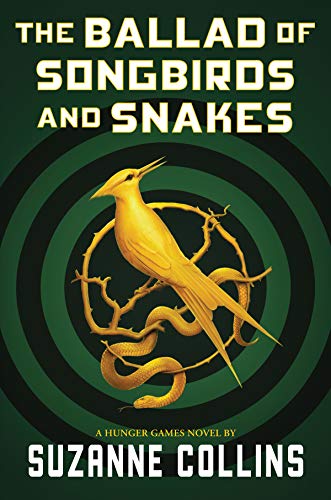
"The Ballad of Songbirds and Snakes" serves as a prequel to "The Hunger Games" trilogy, delving into the origins of the titular games and the ruthless rise of Coriolanus Snow. It explores his formative years as a mentor during the 10th annual Hunger Games, his complex relationship with District 12 tribute Lucy Gray Baird, and the moral compromises that forge his tyrannical future.
The novel shares its grim dystopian setting and thematic preoccupation with state-sanctioned violence, oppression, and individual survival within a brutal system. Both books feature the distinctive arena design, the political machinations of the Capitol, and the stark contrast between the districts' deprivation and the Capitol's excess. The core concept of children fighting to the death for entertainment and control remains central.
This prequel offers invaluable insight into the creation and evolution of the Hunger Games, providing a deeper understanding of the motivations behind the Capitol's cruelty and the psychological development of its most iconic villain. It illuminates the ethical compromises made under duress and the way power corrupts, enriching the established narrative and offering a fresh perspective on the well-known world of Panem.
The Ballad of Songbirds and Snakes
"The Ballad of Songbirds and Snakes" serves as a prequel to "The Hunger Games" trilogy, delving into the origins of the titular games and the ruthless rise of Coriolanus Snow. It explores his formative years as a mentor during the 10th annual Hunger Games, his complex relationship with District 12 tribute Lucy Gray Baird, and the moral compromises that forge his tyrannical future.
The novel shares its grim dystopian setting and thematic preoccupation with state-sanctioned violence, oppression, and individual survival within a brutal system. Both books feature the distinctive arena design, the political machinations of the Capitol, and the stark contrast between the districts' deprivation and the Capitol's excess. The core concept of children fighting to the death for entertainment and control remains central.
This prequel offers invaluable insight into the creation and evolution of the Hunger Games, providing a deeper understanding of the motivations behind the Capitol's cruelty and the psychological development of its most iconic villain. It illuminates the ethical compromises made under duress and the way power corrupts, enriching the established narrative and offering a fresh perspective on the well-known world of Panem.
The Hunger Games Tribute Guide

"The Hunger Games Tribute Guide" serves as an exhaustive, behind-the-scenes companion to Suzanne Collins' original novel. It meticulously details the world of Panem, its districts, the history of the Hunger Games, and provides in-depth profiles of key characters, particularly the tributes themselves.
Its similarity to "The Hunger Games" lies in its direct expansion upon the fictional universe and narrative. It enriches the reader’s understanding of the original story's context, characters' motivations, and the complex societal structures that underpin the Games, making the experience of the novel more layered and comprehensible.
Fans of the series will appreciate its detailed insights, offering a deeper dive into the lore and emotional stakes. It provides valuable context for character decisions and the grim realities of Panem, solidifying the immersive quality of Collins' world and allowing for a more nuanced appreciation of its themes.
The Hunger Games Tribute Guide
"The Hunger Games Tribute Guide" serves as an exhaustive, behind-the-scenes companion to Suzanne Collins' original novel. It meticulously details the world of Panem, its districts, the history of the Hunger Games, and provides in-depth profiles of key characters, particularly the tributes themselves.
Its similarity to "The Hunger Games" lies in its direct expansion upon the fictional universe and narrative. It enriches the reader’s understanding of the original story's context, characters' motivations, and the complex societal structures that underpin the Games, making the experience of the novel more layered and comprehensible.
Fans of the series will appreciate its detailed insights, offering a deeper dive into the lore and emotional stakes. It provides valuable context for character decisions and the grim realities of Panem, solidifying the immersive quality of Collins' world and allowing for a more nuanced appreciation of its themes.
Legend

"Legend" by Marie Lu is a dystopian novel set in a future Los Angeles, now the capital of the Republic of America. It follows the intertwined narratives of Daniel "Day" Altan Wing, the country's most wanted criminal, and June Iparis, a prodigious military prodigy tasked with hunting him down. Their paths converge amidst political intrigue and a deadly plague, revealing deeper truths about their society.
The similarity to "The Hunger Games" lies in their shared dystopian settings, featuring oppressive governments, severe social stratification, and young protagonists forced into high-stakes conflicts. Both novels explore themes of rebellion, injustice, and the manipulation of truth by those in power, while also presenting compelling, action-driven narratives centered on survival and societal critique.
This book appeals due to its fast-paced plot, well-developed characters, and thoughtful commentary on class inequality and governmental control. Its exploration of morality in extreme circumstances, combined with a compelling romance, offers a deeply engaging and thought-provoking experience, contributing to a broader understanding of dystopian literature's enduring relevance.
Legend
"Legend" by Marie Lu is a dystopian novel set in a future Los Angeles, now the capital of the Republic of America. It follows the intertwined narratives of Daniel "Day" Altan Wing, the country's most wanted criminal, and June Iparis, a prodigious military prodigy tasked with hunting him down. Their paths converge amidst political intrigue and a deadly plague, revealing deeper truths about their society.
The similarity to "The Hunger Games" lies in their shared dystopian settings, featuring oppressive governments, severe social stratification, and young protagonists forced into high-stakes conflicts. Both novels explore themes of rebellion, injustice, and the manipulation of truth by those in power, while also presenting compelling, action-driven narratives centered on survival and societal critique.
This book appeals due to its fast-paced plot, well-developed characters, and thoughtful commentary on class inequality and governmental control. Its exploration of morality in extreme circumstances, combined with a compelling romance, offers a deeply engaging and thought-provoking experience, contributing to a broader understanding of dystopian literature's enduring relevance.
Divergent
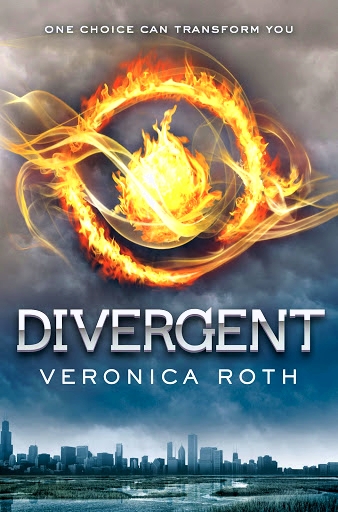
"Divergent" centers on Tris Prior, a young woman navigating a dystopian Chicago society stratified into five factions, each representing a core virtue. At 16, she must choose her lifelong allegiance, but a crucial aptitude test reveals she is "Divergent"—possessing aptitudes for multiple factions, a dangerous and suppressed trait. The narrative follows her integration into the Dauntless faction, a high-octane, physically demanding group, while she struggles to conceal her true nature amidst rising political unrest and a looming civil conflict.
This novel shares several compelling parallels with "The Hunger Games." Both feature a strong, resilient female protagonist challenging an oppressive, futuristic society. Both involve young adults forced into high-stakes, life-or-death decision-making within a rigidly controlled system. The thematic threads of individualism versus conformity, the fight against tyranny, and the profound impact of societal structures on personal identity are prominently explored in both narratives.
Its appeal lies in its exploration of identity, choice, and courage in the face of systemic adversity. Engaging with its themes provides a valuable lens through which to examine social conformity, the potential for dissent, and the complexities of human nature when pushed to extremes. The novel offers a thrilling and thought-provoking experience, encouraging reflection on personal values and societal constructs within a compelling, action-driven plot.
Divergent
"Divergent" centers on Tris Prior, a young woman navigating a dystopian Chicago society stratified into five factions, each representing a core virtue. At 16, she must choose her lifelong allegiance, but a crucial aptitude test reveals she is "Divergent"—possessing aptitudes for multiple factions, a dangerous and suppressed trait. The narrative follows her integration into the Dauntless faction, a high-octane, physically demanding group, while she struggles to conceal her true nature amidst rising political unrest and a looming civil conflict.
This novel shares several compelling parallels with "The Hunger Games." Both feature a strong, resilient female protagonist challenging an oppressive, futuristic society. Both involve young adults forced into high-stakes, life-or-death decision-making within a rigidly controlled system. The thematic threads of individualism versus conformity, the fight against tyranny, and the profound impact of societal structures on personal identity are prominently explored in both narratives.
Its appeal lies in its exploration of identity, choice, and courage in the face of systemic adversity. Engaging with its themes provides a valuable lens through which to examine social conformity, the potential for dissent, and the complexities of human nature when pushed to extremes. The novel offers a thrilling and thought-provoking experience, encouraging reflection on personal values and societal constructs within a compelling, action-driven plot.
The Kill Order
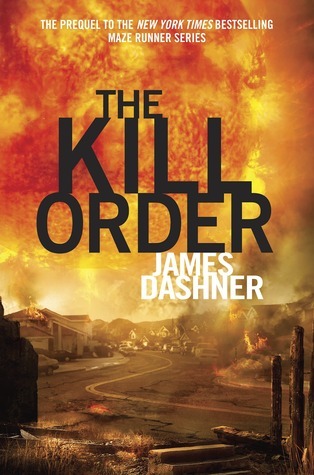
"The Kill Order" functions as a prequel to "The Maze Runner" series, detailing the catastrophic solar flares that decimated Earth and the ensuing release of the Flare virus, which drives infected individuals to madness. It follows Mark and Trina, and their group of survivors, as they navigate this post-apocalyptic landscape, desperately seeking refuge and understanding amidst the unraveling of civilization and the emergence of a merciless new world order.
This novel shares thematic bedrock with "The Hunger Games" through its unflinching portrayal of dystopian survival and government-engineered crises. Both narratives feature young protagonists thrust into incredibly violent and unfair circumstances, forced to make life-or-death decisions in a world designed to break them. The desperation, the constant threat of lethal force, and the questioning of authority are strong echoes between the two.
The appeal of "The Kill Order" lies in its raw depiction of humanity's struggle against overwhelming odds and its exploration of societal collapse from a ground-level perspective. It offers a gripping, fast-paced narrative that delves into the origins of a complex dystopian world, providing depth and context that satisfies a curiosity about how such a future could realistically unfold. It is valuable as both an exciting standalone narrative and an insightful companion piece to a popular series.
The Kill Order
"The Kill Order" functions as a prequel to "The Maze Runner" series, detailing the catastrophic solar flares that decimated Earth and the ensuing release of the Flare virus, which drives infected individuals to madness. It follows Mark and Trina, and their group of survivors, as they navigate this post-apocalyptic landscape, desperately seeking refuge and understanding amidst the unraveling of civilization and the emergence of a merciless new world order.
This novel shares thematic bedrock with "The Hunger Games" through its unflinching portrayal of dystopian survival and government-engineered crises. Both narratives feature young protagonists thrust into incredibly violent and unfair circumstances, forced to make life-or-death decisions in a world designed to break them. The desperation, the constant threat of lethal force, and the questioning of authority are strong echoes between the two.
The appeal of "The Kill Order" lies in its raw depiction of humanity's struggle against overwhelming odds and its exploration of societal collapse from a ground-level perspective. It offers a gripping, fast-paced narrative that delves into the origins of a complex dystopian world, providing depth and context that satisfies a curiosity about how such a future could realistically unfold. It is valuable as both an exciting standalone narrative and an insightful companion piece to a popular series.
More Books to Explore
Discover more titles that expand on these ideas and themes.
The Hunger Games Trilogy Boxset
Catching Fire
SAMPLER ONLY: Catching Fire
Mockingjay
Sunrise on the Reaping
The Ballad of Songbirds and Snakes