10 Books Similar to "The Hellbound Heart"
by Clive Barker

The Damnation Game

*The Damnation Game* centers on Joseph Whitehead, a reclusive millionaire whose past bargain with a demonic entity, Mamoulian, returns to collect its terrible due. As Mamoulian unleashes unspeakable horrors, Whitehead and his bodyguard, Marty Strapp, are drawn into a desperate fight for their souls, sanity, and the very fabric of reality. It's a tale of Faustian pacts and the inescapable consequences of forbidden desires.
Both novels explore the seductive and destructive nature of extraordinary sensation, often at a terrible price. Like *The Hellbound Heart*'s Cenobites, Mamoulian in *The Damnation Game* represents an otherworldly, amoral force that transcends conventional good and evil, offering experiences beyond human comprehension while simultaneously exacting a grotesque toll. The narratives in each book delve into the darkest corners of human desire and the visceral consequences of its pursuit.
This book offers a compelling dive into existential horror and the allure of damnation. Its intricate mythology, richly drawn characters, and unflinching exploration of suffering and transcendence provide a deeply unsettling yet thought-provoking experience. The narrative challenges perceptions of pleasure, pain, and the boundaries of human morality, leaving a lasting impression.
The Damnation Game
*The Damnation Game* centers on Joseph Whitehead, a reclusive millionaire whose past bargain with a demonic entity, Mamoulian, returns to collect its terrible due. As Mamoulian unleashes unspeakable horrors, Whitehead and his bodyguard, Marty Strapp, are drawn into a desperate fight for their souls, sanity, and the very fabric of reality. It's a tale of Faustian pacts and the inescapable consequences of forbidden desires.
Both novels explore the seductive and destructive nature of extraordinary sensation, often at a terrible price. Like *The Hellbound Heart*'s Cenobites, Mamoulian in *The Damnation Game* represents an otherworldly, amoral force that transcends conventional good and evil, offering experiences beyond human comprehension while simultaneously exacting a grotesque toll. The narratives in each book delve into the darkest corners of human desire and the visceral consequences of its pursuit.
This book offers a compelling dive into existential horror and the allure of damnation. Its intricate mythology, richly drawn characters, and unflinching exploration of suffering and transcendence provide a deeply unsettling yet thought-provoking experience. The narrative challenges perceptions of pleasure, pain, and the boundaries of human morality, leaving a lasting impression.
Cabal

*Cabal* follows Boone, a troubled man framed for horrific murders, who discovers a hidden world of monstrous outcasts called the Midianites. Convinced he belongs among them, Boone seeks refuge in their subterranean necropolis, only to become entangled in their ancient conflicts and the machinations of the psychologist who framed him. It's a dark exploration of identity, belonging, and what truly constitutes a monster.
The similarity to *The Hellbound Heart* lies in their shared exploration of transgression and hidden, often grotesque, realities just beneath the surface of the mundane. Both novels feature protagonists drawn into dangerous, otherworldly realms that promise a different kind of sensation or belonging, realms governed by beings with alien moral codes. Barker's signature blend of the beautiful and the horrifying, and the blurring of lines between victim and perpetrator, are central to both narratives.
This book will appeal to those who appreciate philosophical horror and stories that challenge conventional notions of good and evil. Its value stems from its intricate world-building, psychological depth, and Barker's unflinching examination of societal outcasts and the allure of forbidden knowledge. It offers a provocative commentary on otherness and the human search for acceptance, packaged within a compelling, visceral narrative.
Cabal
*Cabal* follows Boone, a troubled man framed for horrific murders, who discovers a hidden world of monstrous outcasts called the Midianites. Convinced he belongs among them, Boone seeks refuge in their subterranean necropolis, only to become entangled in their ancient conflicts and the machinations of the psychologist who framed him. It's a dark exploration of identity, belonging, and what truly constitutes a monster.
The similarity to *The Hellbound Heart* lies in their shared exploration of transgression and hidden, often grotesque, realities just beneath the surface of the mundane. Both novels feature protagonists drawn into dangerous, otherworldly realms that promise a different kind of sensation or belonging, realms governed by beings with alien moral codes. Barker's signature blend of the beautiful and the horrifying, and the blurring of lines between victim and perpetrator, are central to both narratives.
This book will appeal to those who appreciate philosophical horror and stories that challenge conventional notions of good and evil. Its value stems from its intricate world-building, psychological depth, and Barker's unflinching examination of societal outcasts and the allure of forbidden knowledge. It offers a provocative commentary on otherness and the human search for acceptance, packaged within a compelling, visceral narrative.
Books of Blood, Volumes Four to Six

*Books of Blood, Volumes Four to Six* delves into a collection of short horror stories, each a self-contained narrative woven with Barker’s signature blend of the visceral, the surreal, and the darkly poetic. These tales explore various facets of fear, desire, and the uncanny, often pushing boundaries with unsettling imagery and philosophical undercurrents. Expect encounters with entities both grotesque and alluring, and explorations of humanity's hidden capacities for both cruelty and salvation.
The similarity to *The Hellbound Heart* lies in their shared exploration of transgressive desire and the blurring lines between pleasure and pain, good and evil. Both works present characters who are drawn to extreme experiences, encountering supernatural forces that challenge conventional morality and push them beyond ordinary existence. The explicit nature of sensory experience and the concept of infernal or otherworldly dimensions as a source of profound, albeit dangerous, fulfillment are central to both narratives.
This collection will appeal to those who appreciate sophisticated horror that transcends mere jump scares. It offers a rich tapestry of darkly imaginative scenarios that provoke thought and challenge perceptions of reality. The value lies in Barker's unparalleled ability to craft compelling narratives that are not only terrifying but also deeply insightful into the human condition, offering a unique blend of intellectual stimulation and visceral dread.
Books of Blood, Volumes Four to Six
*Books of Blood, Volumes Four to Six* delves into a collection of short horror stories, each a self-contained narrative woven with Barker’s signature blend of the visceral, the surreal, and the darkly poetic. These tales explore various facets of fear, desire, and the uncanny, often pushing boundaries with unsettling imagery and philosophical undercurrents. Expect encounters with entities both grotesque and alluring, and explorations of humanity's hidden capacities for both cruelty and salvation.
The similarity to *The Hellbound Heart* lies in their shared exploration of transgressive desire and the blurring lines between pleasure and pain, good and evil. Both works present characters who are drawn to extreme experiences, encountering supernatural forces that challenge conventional morality and push them beyond ordinary existence. The explicit nature of sensory experience and the concept of infernal or otherworldly dimensions as a source of profound, albeit dangerous, fulfillment are central to both narratives.
This collection will appeal to those who appreciate sophisticated horror that transcends mere jump scares. It offers a rich tapestry of darkly imaginative scenarios that provoke thought and challenge perceptions of reality. The value lies in Barker's unparalleled ability to craft compelling narratives that are not only terrifying but also deeply insightful into the human condition, offering a unique blend of intellectual stimulation and visceral dread.
Books of Blood: Volume One

"Books of Blood: Volume One" introduces a harrowing collection of short horror stories, each carving a unique and disturbing path into the human psyche and the grotesque. It explores themes of primal fear, the fragility of the human condition, and the often-unseen horrors lurking beneath the veneer of ordinary life, culminating in visceral and unforgettable narratives.
Like "The Hellbound Heart," this collection delves unflinchingly into extreme body horror, forbidden desires, and the transgressive nature of pleasure and pain. Both works showcase Barker's masterful ability to craft intricate mythologies, pushing the boundaries of conventional horror by blending the supernatural with the deeply psychological and often erotic. The aesthetic is gothic, the violence explicit, and the characters are frequently ensnared by forces beyond their comprehension or control.
This volume offers a compelling exploration of Barker's early genius, providing a diverse yet cohesive showcase of his signature style. It satisfies a desire for dark, intelligent, and boundary-pushing fiction, proving valuable for those who appreciate horror that is not merely scary, but profoundly unsettling and thought-provoking.
Books of Blood: Volume One
"Books of Blood: Volume One" introduces a harrowing collection of short horror stories, each carving a unique and disturbing path into the human psyche and the grotesque. It explores themes of primal fear, the fragility of the human condition, and the often-unseen horrors lurking beneath the veneer of ordinary life, culminating in visceral and unforgettable narratives.
Like "The Hellbound Heart," this collection delves unflinchingly into extreme body horror, forbidden desires, and the transgressive nature of pleasure and pain. Both works showcase Barker's masterful ability to craft intricate mythologies, pushing the boundaries of conventional horror by blending the supernatural with the deeply psychological and often erotic. The aesthetic is gothic, the violence explicit, and the characters are frequently ensnared by forces beyond their comprehension or control.
This volume offers a compelling exploration of Barker's early genius, providing a diverse yet cohesive showcase of his signature style. It satisfies a desire for dark, intelligent, and boundary-pushing fiction, proving valuable for those who appreciate horror that is not merely scary, but profoundly unsettling and thought-provoking.
Books of Blood: Volumes One to Three

"Books of Blood: Volumes One to Three" is a seminal collection of short horror stories, each a distinct exploration of the macabre and the fantastic. Barker delves into the psychological and corporeal extremities of human experience, presenting tales that range from surreal dreamscapes to visceral body horror, often blurring the lines between reality and nightmare. Themes of identity, desire, transgression, and the boundary between life and death are consistently interrogated through inventive narrative structures and striking imagery.
The similarity to "The Hellbound Heart" lies in their shared exploration of forbidden desires and the terrifying beauty of transgression. Both works feature entities or forces that exist beyond conventional human understanding, offering a perverse form of fulfillment or a horrific awakening. The emphasis on consensual depravity, the allure of the esoteric, and the visceral consequences of pushing beyond societal and personal limits directly connects these two works in Barker's canon.
This collection will appeal to those who appreciate horror that challenges perceptions and delves deeply into the darker corners of the human psyche. It offers a rich tapestry of inventive stories that are both disturbing and thought-provoking, showcasing Barker's unparalleled ability to craft compelling narratives from unsettling premises. Its value lies in its pioneering contribution to the horror genre, influencing generations of writers with its bold vision and uncompromising exploration of primal fears and desires.
Books of Blood: Volumes One to Three
"Books of Blood: Volumes One to Three" is a seminal collection of short horror stories, each a distinct exploration of the macabre and the fantastic. Barker delves into the psychological and corporeal extremities of human experience, presenting tales that range from surreal dreamscapes to visceral body horror, often blurring the lines between reality and nightmare. Themes of identity, desire, transgression, and the boundary between life and death are consistently interrogated through inventive narrative structures and striking imagery.
The similarity to "The Hellbound Heart" lies in their shared exploration of forbidden desires and the terrifying beauty of transgression. Both works feature entities or forces that exist beyond conventional human understanding, offering a perverse form of fulfillment or a horrific awakening. The emphasis on consensual depravity, the allure of the esoteric, and the visceral consequences of pushing beyond societal and personal limits directly connects these two works in Barker's canon.
This collection will appeal to those who appreciate horror that challenges perceptions and delves deeply into the darker corners of the human psyche. It offers a rich tapestry of inventive stories that are both disturbing and thought-provoking, showcasing Barker's unparalleled ability to craft compelling narratives from unsettling premises. Its value lies in its pioneering contribution to the horror genre, influencing generations of writers with its bold vision and uncompromising exploration of primal fears and desires.
Books of Blood, Volumes 1-6
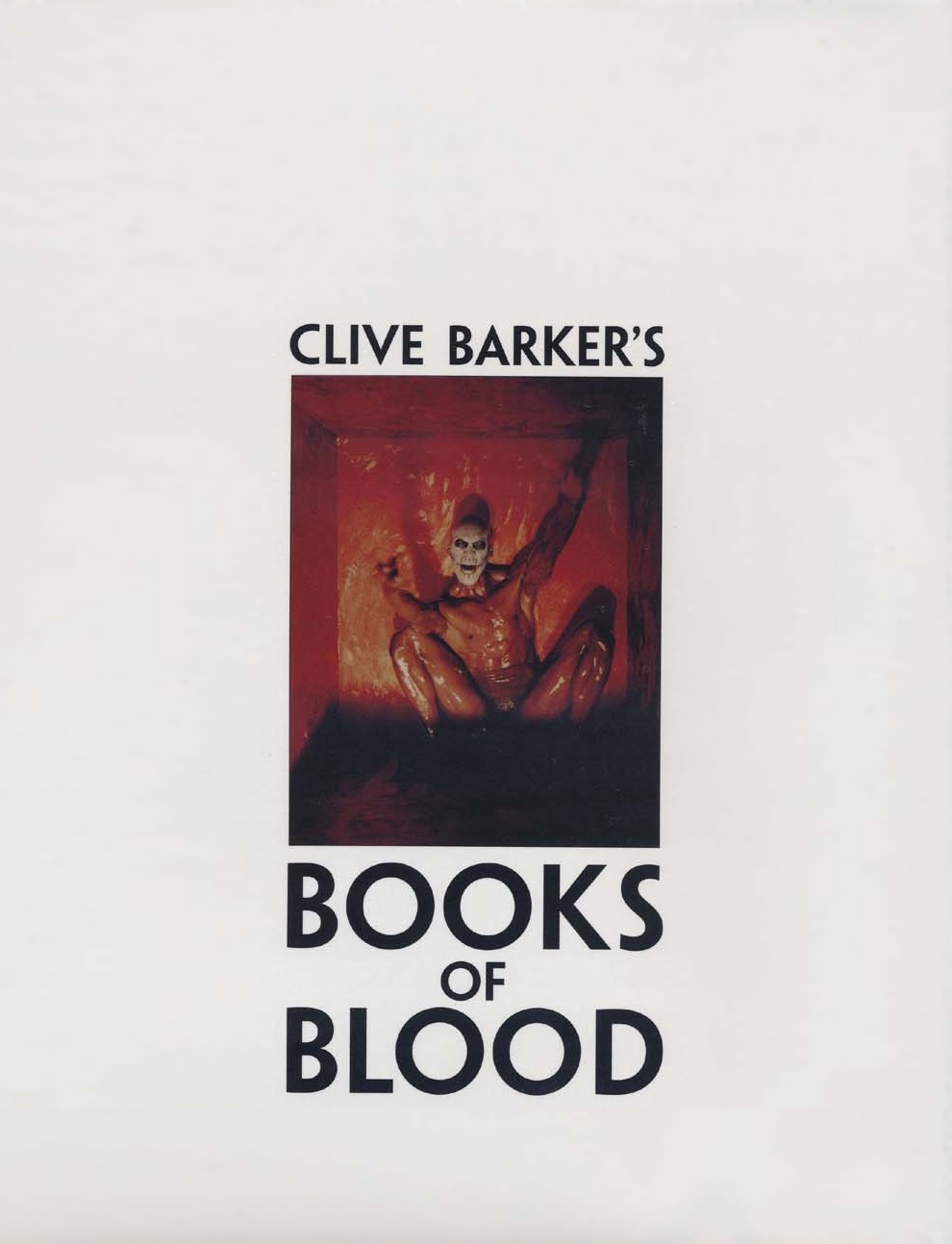
"Books of Blood" is a collection of short horror stories, spanning six volumes, that delves into the darkest corners of human experience, blurring the lines between life and death. Each tale is a standalone exploration of supernatural dread, psychological torment, and the grotesque, often featuring ordinary individuals thrust into extraordinary, terrifying circumstances. It's a masterclass in visceral, imaginative horror, demonstrating Barker's early prowess in crafting unique and disturbing narratives.
The similarity to "The Hellbound Heart" lies in their shared thematic core: the exploration of forbidden desires, the seductive nature of pain, and the intersection of pleasure and agony. Both works showcase Barker's unflinching gaze into the human psyche's capacity for both profound beauty and unimaginable horror, often personified by entities that transcend conventional moral boundaries. The visceral prose and imaginative world-building are hallmarks of both.
This collection will appeal to those drawn to sophisticated, literary horror that doesn't shy away from confronting uncomfortable truths. Its value lies in its breadth of imagination, offering a diverse array of nightmares that nonetheless resonate with a consistent artistic vision. It’s a vital entry point into Barker’s signature style, showcasing his ability to provoke thought and shivers in equal measure.
Books of Blood, Volumes 1-6
"Books of Blood" is a collection of short horror stories, spanning six volumes, that delves into the darkest corners of human experience, blurring the lines between life and death. Each tale is a standalone exploration of supernatural dread, psychological torment, and the grotesque, often featuring ordinary individuals thrust into extraordinary, terrifying circumstances. It's a masterclass in visceral, imaginative horror, demonstrating Barker's early prowess in crafting unique and disturbing narratives.
The similarity to "The Hellbound Heart" lies in their shared thematic core: the exploration of forbidden desires, the seductive nature of pain, and the intersection of pleasure and agony. Both works showcase Barker's unflinching gaze into the human psyche's capacity for both profound beauty and unimaginable horror, often personified by entities that transcend conventional moral boundaries. The visceral prose and imaginative world-building are hallmarks of both.
This collection will appeal to those drawn to sophisticated, literary horror that doesn't shy away from confronting uncomfortable truths. Its value lies in its breadth of imagination, offering a diverse array of nightmares that nonetheless resonate with a consistent artistic vision. It’s a vital entry point into Barker’s signature style, showcasing his ability to provoke thought and shivers in equal measure.
Coldheart Canyon

"Coldheart Canyon" delves into the grotesque reality behind Hollywood glamour when successful actor Todd Pickett retreats to a secluded mansion with a dark past. As he uncovers the estate's gruesome history, particularly its connection to an infamous 1920s horror star, he stumbles upon a portal to a dimension of unfathomable beauty and terror, where sensual pleasures and horrifying disfigurements intertwine. The novel explores the price of desire, the corrupting influence of art, and the insatiable thirst for experiences beyond mortal ken.
The similarity to "The Hellbound Heart" lies in their shared exploration of forbidden pleasure and otherworldly realms. Both novels feature protagonists who, driven by a profound dissatisfaction with conventional existence, seek out extreme sensations, only to discover that such desires lead to horrific transformations and immersion in non-human realities. Barker's signature blend of baroque horror and profound eroticism is central to both narratives, challenging conventional morality and exploring the darker facets of human yearning.
This novel will appeal to those who appreciate sophisticated horror that transcends jump scares, offering a deep dive into psychological and existential dread. It’s a compelling read for anyone fascinated by the corrupting nature of obsession, the allure of the forbidden, and the thin veil between our world and something far more terrifying and beautiful. The intricate plotting and vivid, often disturbing, imagery offer a rich, thought-provoking experience that lingers long after the final page.
Coldheart Canyon
"Coldheart Canyon" delves into the grotesque reality behind Hollywood glamour when successful actor Todd Pickett retreats to a secluded mansion with a dark past. As he uncovers the estate's gruesome history, particularly its connection to an infamous 1920s horror star, he stumbles upon a portal to a dimension of unfathomable beauty and terror, where sensual pleasures and horrifying disfigurements intertwine. The novel explores the price of desire, the corrupting influence of art, and the insatiable thirst for experiences beyond mortal ken.
The similarity to "The Hellbound Heart" lies in their shared exploration of forbidden pleasure and otherworldly realms. Both novels feature protagonists who, driven by a profound dissatisfaction with conventional existence, seek out extreme sensations, only to discover that such desires lead to horrific transformations and immersion in non-human realities. Barker's signature blend of baroque horror and profound eroticism is central to both narratives, challenging conventional morality and exploring the darker facets of human yearning.
This novel will appeal to those who appreciate sophisticated horror that transcends jump scares, offering a deep dive into psychological and existential dread. It’s a compelling read for anyone fascinated by the corrupting nature of obsession, the allure of the forbidden, and the thin veil between our world and something far more terrifying and beautiful. The intricate plotting and vivid, often disturbing, imagery offer a rich, thought-provoking experience that lingers long after the final page.
The Great and Secret Show

"The Great and Secret Show" delves into a cosmic struggle between two extraordinary beings, Randolph Jaffe and Joseph Darrieux, who accidentally stumble upon the deepest secrets of existence through mundane means. Their pursuit of "the Art"—a primal, creative force underlying reality—unleashes devastating consequences, transforming a quiet American town into a battleground for ultimate power and reshaping the very fabric of the universe.
Like "The Hellbound Heart," this novel explores themes of forbidden knowledge, transgressive desire, and the blurring lines between pleasure and pain, the corporeal and the metaphysical. Both works feature characters driven by an insatiable hunger for experiences beyond human comprehension, encountering entities and dimensions that defy conventional morality and physical laws, often at great personal and societal cost.
This book will appeal to those who appreciate sophisticated horror and dark fantasy that transcends simple gore. Its intricate world-building, philosophical undertones about creation and destruction, and exploration of humanity's hidden potential—both glorious and monstrous—offer a profound and often unnerving introspection into the nature of reality and consciousness.
The Great and Secret Show
"The Great and Secret Show" delves into a cosmic struggle between two extraordinary beings, Randolph Jaffe and Joseph Darrieux, who accidentally stumble upon the deepest secrets of existence through mundane means. Their pursuit of "the Art"—a primal, creative force underlying reality—unleashes devastating consequences, transforming a quiet American town into a battleground for ultimate power and reshaping the very fabric of the universe.
Like "The Hellbound Heart," this novel explores themes of forbidden knowledge, transgressive desire, and the blurring lines between pleasure and pain, the corporeal and the metaphysical. Both works feature characters driven by an insatiable hunger for experiences beyond human comprehension, encountering entities and dimensions that defy conventional morality and physical laws, often at great personal and societal cost.
This book will appeal to those who appreciate sophisticated horror and dark fantasy that transcends simple gore. Its intricate world-building, philosophical undertones about creation and destruction, and exploration of humanity's hidden potential—both glorious and monstrous—offer a profound and often unnerving introspection into the nature of reality and consciousness.
Mister B. Gone
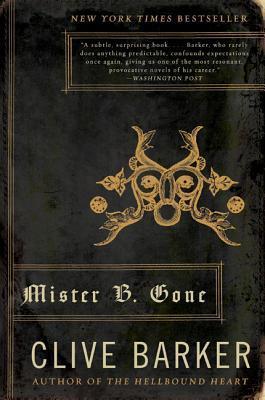
"Mister B. Gone" is a first-person narrative from a demon, Jakabok Botch, who, having escaped hell, finds himself trapped within the pages of the very book the reader holds. He desperately attempts to persuade the reader to destroy the book, fearing a return to his infernal tormentors. The story unfolds his brutal origins in hell, his journey through the destructive human world, and his ironic connection to Gutenberg's printing press, all while manipulating the reader with pleas, threats, and a surprisingly vulnerable perspective.
Both novels delve into the nature of forbidden desire and the allure of malevolent entities. Like "The Hellbound Heart," "Mister B. Gone" explores the complex relationship between pain, pleasure, and human curiosity. While "The Hellbound Heart" examines the physical and psychological pull towards ultimate sensation through the Cenobites, "Mister B. Gone" presents a central demonic figure who embodies suffering and corruption, yet still holds a captivating, almost sympathetic, draw. Both narratives challenge conventional notions of good and evil by presenting their monstrous figures with compelling internal logic.
This novel will appeal to those who appreciate Barker's unflinching exploration of dark fantasy, body horror, and psychological intensity. Its value lies in its unique meta-narrative structure, directly engaging the reader in a visceral, unsettling experience. It offers a sophisticated meditation on fear, control, and the corrupting power of knowledge, wrapped in a genuinely innovative and unsettling narrative voice. The raw, confessional style of Jakabok provides a fresh perspective on demonic lore and the human capacity for both cruelty and fascination.
Mister B. Gone
"Mister B. Gone" is a first-person narrative from a demon, Jakabok Botch, who, having escaped hell, finds himself trapped within the pages of the very book the reader holds. He desperately attempts to persuade the reader to destroy the book, fearing a return to his infernal tormentors. The story unfolds his brutal origins in hell, his journey through the destructive human world, and his ironic connection to Gutenberg's printing press, all while manipulating the reader with pleas, threats, and a surprisingly vulnerable perspective.
Both novels delve into the nature of forbidden desire and the allure of malevolent entities. Like "The Hellbound Heart," "Mister B. Gone" explores the complex relationship between pain, pleasure, and human curiosity. While "The Hellbound Heart" examines the physical and psychological pull towards ultimate sensation through the Cenobites, "Mister B. Gone" presents a central demonic figure who embodies suffering and corruption, yet still holds a captivating, almost sympathetic, draw. Both narratives challenge conventional notions of good and evil by presenting their monstrous figures with compelling internal logic.
This novel will appeal to those who appreciate Barker's unflinching exploration of dark fantasy, body horror, and psychological intensity. Its value lies in its unique meta-narrative structure, directly engaging the reader in a visceral, unsettling experience. It offers a sophisticated meditation on fear, control, and the corrupting power of knowledge, wrapped in a genuinely innovative and unsettling narrative voice. The raw, confessional style of Jakabok provides a fresh perspective on demonic lore and the human capacity for both cruelty and fascination.
Weave World

*Weaveworld* chronicles the collision of two realities: the mundane world and the Weaveworld, a fantastical realm woven into a carpet to protect its inhabitants, the Seerkind, from an ancient evil known as the Scourge. When the carpet is disturbed, its magic begins to unravel, drawing a young woman named Susanna into a sprawling, perilous adventure to save this hidden world and its unique, often monstrous, denizens.
Both novels delve deeply into the terrifying beauty of other dimensions intersecting with our own, exploring the allure and danger of forbidden knowledge and extraordinary experiences. They share Barker's signature blend of visceral body horror and cosmic fantasy, featuring powerful, often grotesque, entities with ambiguous morality and protagonists caught between immense, otherworldly forces.
This narrative promises an immersive journey into the extraordinary. Its rich, imaginative world-building and exploration of human connection to the fantastical offer a compelling escape. The intricate mythology and Barker's unflinching portrayal of existential awe and terror provide a thought-provoking experience, appealing to those who appreciate dark fantasy that challenges perceptions of reality and explores the boundaries of good and evil.
Weave World
*Weaveworld* chronicles the collision of two realities: the mundane world and the Weaveworld, a fantastical realm woven into a carpet to protect its inhabitants, the Seerkind, from an ancient evil known as the Scourge. When the carpet is disturbed, its magic begins to unravel, drawing a young woman named Susanna into a sprawling, perilous adventure to save this hidden world and its unique, often monstrous, denizens.
Both novels delve deeply into the terrifying beauty of other dimensions intersecting with our own, exploring the allure and danger of forbidden knowledge and extraordinary experiences. They share Barker's signature blend of visceral body horror and cosmic fantasy, featuring powerful, often grotesque, entities with ambiguous morality and protagonists caught between immense, otherworldly forces.
This narrative promises an immersive journey into the extraordinary. Its rich, imaginative world-building and exploration of human connection to the fantastical offer a compelling escape. The intricate mythology and Barker's unflinching portrayal of existential awe and terror provide a thought-provoking experience, appealing to those who appreciate dark fantasy that challenges perceptions of reality and explores the boundaries of good and evil.
More Books to Explore
Discover more titles that expand on these ideas and themes.
The Damnation Game
Cabal
Books of Blood, Volumes Four to Six
Books of Blood: Volume One
Books of Blood: Volumes One to Three
Books of Blood, Volumes 1-6