10 Books Similar to "The Healing Power of Stories"
by Daniel Taylor
Waking the Tiger: Healing Trauma
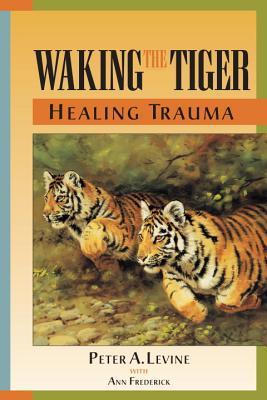
"Waking the Tiger: Healing Trauma" delves into the physiological roots of trauma, arguing that the human nervous system, much like an animal's, possesses an innate capacity to heal from overwhelming experiences. Peter Levine introduces somatic experiencing, a unique therapeutic approach that helps individuals release "frozen" survival energies stored in the body, restoring balance and well-being. The book demystifies trauma and offers insights into its often subtle, yet profound, impact on daily life.
This book resonates with "The Healing Power of Stories" due to its exploration of deep-seated human experiences and the pathways to restoration. Both works highlight transformative processes, whether through narrative or somatic release, that help individuals integrate past wounds and move towards wholeness. They share a fundamental belief in the human capacity for recovery and growth.
The book's appeal lies in its compassionate and accessible explanation of trauma, moving beyond purely psychological models to include the body's wisdom. It offers practical understanding and a hopeful perspective for anyone grappling with past difficult events, providing a framework for self-healing and a renewed sense of agency. Its insights are invaluable for mental health professionals and individuals seeking a deeper understanding of trauma and recovery.
Waking the Tiger: Healing Trauma
"Waking the Tiger: Healing Trauma" delves into the physiological roots of trauma, arguing that the human nervous system, much like an animal's, possesses an innate capacity to heal from overwhelming experiences. Peter Levine introduces somatic experiencing, a unique therapeutic approach that helps individuals release "frozen" survival energies stored in the body, restoring balance and well-being. The book demystifies trauma and offers insights into its often subtle, yet profound, impact on daily life.
This book resonates with "The Healing Power of Stories" due to its exploration of deep-seated human experiences and the pathways to restoration. Both works highlight transformative processes, whether through narrative or somatic release, that help individuals integrate past wounds and move towards wholeness. They share a fundamental belief in the human capacity for recovery and growth.
The book's appeal lies in its compassionate and accessible explanation of trauma, moving beyond purely psychological models to include the body's wisdom. It offers practical understanding and a hopeful perspective for anyone grappling with past difficult events, providing a framework for self-healing and a renewed sense of agency. Its insights are invaluable for mental health professionals and individuals seeking a deeper understanding of trauma and recovery.
My Grandfather's Blessings : Stories of Strength, Refuge, and Belonging
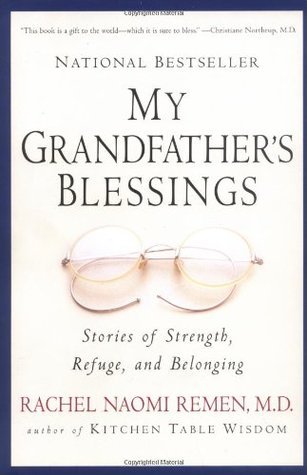
"My Grandfather's Blessings" is a collection of compassionate stories and reflections drawn from Rachel Naomi Remen's experiences as a physician, therapist, and daughter of Jewish mystics. It explores themes of healing, connection, and the sacred in everyday life, often through the lens of her grandfather's wisdom and the lessons learned from her patients. Remen emphasizes the importance of shared humanity, acknowledging vulnerability, and finding meaning and resilience amidst life's challenges.
The similarity to "The Healing Power of Stories" lies in their shared conviction regarding the profound, restorative impact of narrative. Both books illuminate how stories, whether personal anecdotes or traditional tales, serve not just as entertainment but as vital tools for understanding ourselves, connecting with others, and navigating suffering. Each author demonstrates how listening to and sharing stories can facilitate emotional processing, cultivate empathy, and ultimately contribute to well-being.
This book will appeal to those seeking gentle wisdom and a deeper understanding of the human condition. Its blend of clinical insight and spiritual depth offers solace and perspective. It provides a valuable resource for anyone contemplating the nature of healing, the power of human connection, and the enduring strength found in vulnerability and shared experience.
My Grandfather's Blessings : Stories of Strength, Refuge, and Belonging
"My Grandfather's Blessings" is a collection of compassionate stories and reflections drawn from Rachel Naomi Remen's experiences as a physician, therapist, and daughter of Jewish mystics. It explores themes of healing, connection, and the sacred in everyday life, often through the lens of her grandfather's wisdom and the lessons learned from her patients. Remen emphasizes the importance of shared humanity, acknowledging vulnerability, and finding meaning and resilience amidst life's challenges.
The similarity to "The Healing Power of Stories" lies in their shared conviction regarding the profound, restorative impact of narrative. Both books illuminate how stories, whether personal anecdotes or traditional tales, serve not just as entertainment but as vital tools for understanding ourselves, connecting with others, and navigating suffering. Each author demonstrates how listening to and sharing stories can facilitate emotional processing, cultivate empathy, and ultimately contribute to well-being.
This book will appeal to those seeking gentle wisdom and a deeper understanding of the human condition. Its blend of clinical insight and spiritual depth offers solace and perspective. It provides a valuable resource for anyone contemplating the nature of healing, the power of human connection, and the enduring strength found in vulnerability and shared experience.
Messages from the Masters: Tapping into the Power of Love

"Messages from the Masters" explores the concept of universal wisdom and profound insights gained through Weiss's work as a hypnotherapist, particularly through past-life regression. It delves into the idea that deep-seated spiritual knowledge can be accessed, offering guidance on love, compassion, and the interconnectedness of all beings, ultimately aiming to alleviate suffering and promote peace.
This book shares thematic resonance with "The Healing Power of Stories" through its exploration of narrative's therapeutic potential. Both works posit that understanding and integrating profound stories—whether personal past-life narratives or universal archetypes—can facilitate emotional and spiritual healing, offering new perspectives on life's challenges and purpose.
Individuals drawn to spiritual growth, the exploration of consciousness, and the healing aspects of narrative will find this book deeply engaging. It offers a unique lens through which to consider life's greater meaning, providing solace, promoting self-reflection, and encouraging a more compassionate outlook on both personal experiences and the human condition.
Messages from the Masters: Tapping into the Power of Love
"Messages from the Masters" explores the concept of universal wisdom and profound insights gained through Weiss's work as a hypnotherapist, particularly through past-life regression. It delves into the idea that deep-seated spiritual knowledge can be accessed, offering guidance on love, compassion, and the interconnectedness of all beings, ultimately aiming to alleviate suffering and promote peace.
This book shares thematic resonance with "The Healing Power of Stories" through its exploration of narrative's therapeutic potential. Both works posit that understanding and integrating profound stories—whether personal past-life narratives or universal archetypes—can facilitate emotional and spiritual healing, offering new perspectives on life's challenges and purpose.
Individuals drawn to spiritual growth, the exploration of consciousness, and the healing aspects of narrative will find this book deeply engaging. It offers a unique lens through which to consider life's greater meaning, providing solace, promoting self-reflection, and encouraging a more compassionate outlook on both personal experiences and the human condition.
The Wounded Heart

"The Wounded Heart" by Dan B. Allender delves into the profound impact of sexual abuse and betrayal, offering a compassionate and deeply Christian perspective on healing. It meticulously unpacks the ways trauma fragments the soul and distorts our understanding of ourselves, others, and God. Allender guides survivors through a process of acknowledging pain, grieving losses, and reclaiming their authentic self, emphasizing that true recovery involves confronting, rather than suppressing, the wounds.
Both "The Wounded Heart" and "The Healing Power of Stories" converge on the transformative potential of narrative. While Taylor focuses on the universal human need for stories to make sense of life, Allender specifically leverages the *story* of personal trauma and the *story* of redemption to facilitate healing. Each book recognizes that understanding and articulating one's narrative is a crucial step in moving from brokenness to wholeness.
This book will resonate deeply with those seeking a faith-based approach to recovering from sexual abuse or other profound betrayals. Its unflinching honesty combined with a hopeful vision for restoration provides a robust framework for understanding trauma and embarking on a journey of healing. It offers not quick fixes, but a thoughtful, empathetic path toward navigating intense pain and discovering profound grace.
The Wounded Heart
"The Wounded Heart" by Dan B. Allender delves into the profound impact of sexual abuse and betrayal, offering a compassionate and deeply Christian perspective on healing. It meticulously unpacks the ways trauma fragments the soul and distorts our understanding of ourselves, others, and God. Allender guides survivors through a process of acknowledging pain, grieving losses, and reclaiming their authentic self, emphasizing that true recovery involves confronting, rather than suppressing, the wounds.
Both "The Wounded Heart" and "The Healing Power of Stories" converge on the transformative potential of narrative. While Taylor focuses on the universal human need for stories to make sense of life, Allender specifically leverages the *story* of personal trauma and the *story* of redemption to facilitate healing. Each book recognizes that understanding and articulating one's narrative is a crucial step in moving from brokenness to wholeness.
This book will resonate deeply with those seeking a faith-based approach to recovering from sexual abuse or other profound betrayals. Its unflinching honesty combined with a hopeful vision for restoration provides a robust framework for understanding trauma and embarking on a journey of healing. It offers not quick fixes, but a thoughtful, empathetic path toward navigating intense pain and discovering profound grace.
A Shining Affliction: A Story of Harm and Healing in Psychotherapy
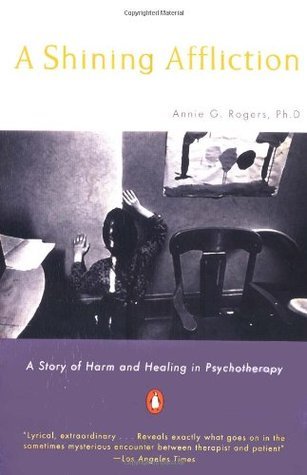
"A Shining Affliction" delves into the deeply personal and often unsettling experience of an academic and therapist, Annie G. Rogers, as she navigates a severe depression. It offers an unflinching, intimate account of her breakdown, her challenging therapeutic journey, and the profound questions this experience raises about the nature of mental illness, recovery, and the therapeutic relationship itself. It's a raw exploration of vulnerability, the search for meaning amidst suffering, and the complex process of healing.
This memoir strikingly resonates with "The Healing Power of Stories" by illustrating a real-world application of storytelling's transformative capacity. Rogers's narrative isn't merely an academic exploration; it IS the story of her healing, demonstrating how recounting and processing personal trauma, even in its most painful forms, can be a crucial element of recovery. Both books explore how narratives provide meaning, facilitate understanding, and offer a pathway to integration and growth.
This book will appeal to those seeking authentic, insightful perspectives on mental health and the human condition. Its raw honesty provides an invaluable window into the internal landscape of depression and the arduous, yet ultimately hopeful, path to healing. It offers profound insights for both mental health professionals and individuals grappling with their own struggles, highlighting the critical role of personal narratives in navigating psychological distress and fostering resilience.
A Shining Affliction: A Story of Harm and Healing in Psychotherapy
"A Shining Affliction" delves into the deeply personal and often unsettling experience of an academic and therapist, Annie G. Rogers, as she navigates a severe depression. It offers an unflinching, intimate account of her breakdown, her challenging therapeutic journey, and the profound questions this experience raises about the nature of mental illness, recovery, and the therapeutic relationship itself. It's a raw exploration of vulnerability, the search for meaning amidst suffering, and the complex process of healing.
This memoir strikingly resonates with "The Healing Power of Stories" by illustrating a real-world application of storytelling's transformative capacity. Rogers's narrative isn't merely an academic exploration; it IS the story of her healing, demonstrating how recounting and processing personal trauma, even in its most painful forms, can be a crucial element of recovery. Both books explore how narratives provide meaning, facilitate understanding, and offer a pathway to integration and growth.
This book will appeal to those seeking authentic, insightful perspectives on mental health and the human condition. Its raw honesty provides an invaluable window into the internal landscape of depression and the arduous, yet ultimately hopeful, path to healing. It offers profound insights for both mental health professionals and individuals grappling with their own struggles, highlighting the critical role of personal narratives in navigating psychological distress and fostering resilience.
What Happened To You?: Conversations on Trauma, Resilience, and Healing
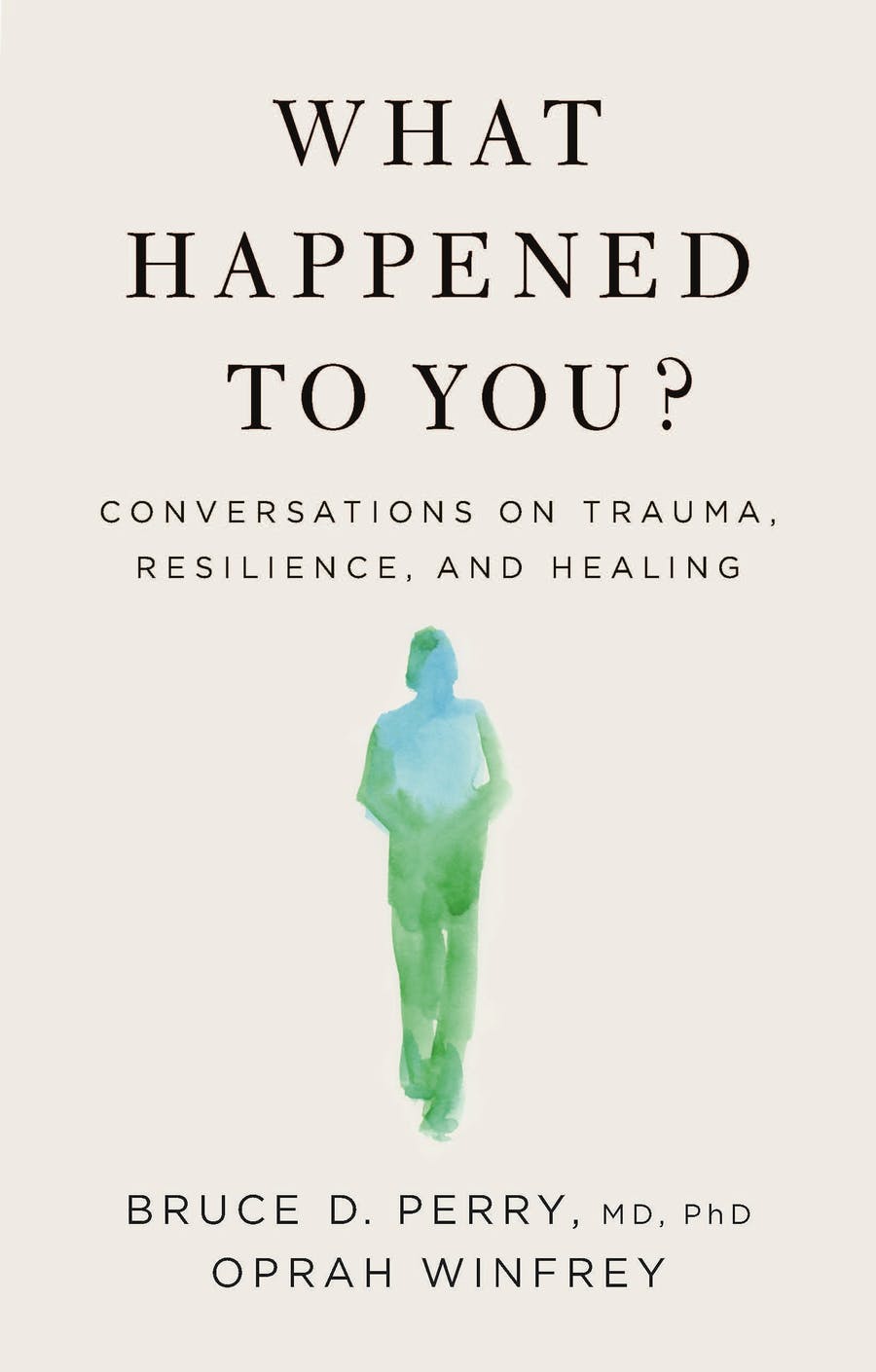
"What Happened To You?" explores how childhood trauma shapes adult behaviors and patterns. Through Dr. Bruce Perry's conversations with Oprah Winfrey, it reframes the question from "What's wrong with you?" to "What happened to you?" This shift encourages empathy and understanding, offering a scientific yet accessible look at how the brain responds to adversity and how resilience can be fostered.
This book resonates with "The Healing Power of Stories" by emphasizing the transformative impact of narrative. Both works highlight how understanding past experiences, whether through personal recounting or therapeutic storytelling, is crucial for processing trauma and fostering growth. They underscore the power of perspective and reframing obstacles into opportunities for healing.
Individuals seeking deeper insights into human behavior, particularly in the context of childhood experiences and their lasting effects, will find this immensely illuminating. Its blend of scientific explanation and relatable dialogue provides practical frameworks for self-understanding and compassion, offering pathways to healing and improved relationships.
What Happened To You?: Conversations on Trauma, Resilience, and Healing
"What Happened To You?" explores how childhood trauma shapes adult behaviors and patterns. Through Dr. Bruce Perry's conversations with Oprah Winfrey, it reframes the question from "What's wrong with you?" to "What happened to you?" This shift encourages empathy and understanding, offering a scientific yet accessible look at how the brain responds to adversity and how resilience can be fostered.
This book resonates with "The Healing Power of Stories" by emphasizing the transformative impact of narrative. Both works highlight how understanding past experiences, whether through personal recounting or therapeutic storytelling, is crucial for processing trauma and fostering growth. They underscore the power of perspective and reframing obstacles into opportunities for healing.
Individuals seeking deeper insights into human behavior, particularly in the context of childhood experiences and their lasting effects, will find this immensely illuminating. Its blend of scientific explanation and relatable dialogue provides practical frameworks for self-understanding and compassion, offering pathways to healing and improved relationships.
Momma and the Meaning of Life: Tales of Psychotherapy

Irvin D. Yalom’s *Momma and the Meaning of Life* presents a collection of compelling vignettes drawn from his psychotherapy practice, interspersed with personal reflections and philosophical inquiries. Through these brief but profound tales, Yalom explores core existential themes – death, freedom, isolation, and meaninglessness – as experienced by both his patients and himself. It's a deeply human look at the struggles and triumphs inherent in the therapeutic process, revealing the powerful interplay between therapist and client.
This book resonates strongly with *The Healing Power of Stories* by virtue of its central thesis: the transformative capacity of narrative. Yalom masterfully demonstrates how his patients, and even he, construct and reconstruct their life stories to find meaning, cope with suffering, and achieve a sense of integration. Both books illuminate how stories, whether shared in therapy or consumed through literature, offer frameworks for understanding, empathizing, and ultimately, healing.
Individuals drawn to introspection and the complexities of the human psyche will find abundant reflections within these pages. The accessible yet profound case studies offer insights into personal growth, the nature of suffering, and the search for purpose. It is a valuable resource for anyone contemplating their own narrative, offering a gentle yet potent exploration of how we make sense of our lives through the stories we tell.
Momma and the Meaning of Life: Tales of Psychotherapy
Irvin D. Yalom’s *Momma and the Meaning of Life* presents a collection of compelling vignettes drawn from his psychotherapy practice, interspersed with personal reflections and philosophical inquiries. Through these brief but profound tales, Yalom explores core existential themes – death, freedom, isolation, and meaninglessness – as experienced by both his patients and himself. It's a deeply human look at the struggles and triumphs inherent in the therapeutic process, revealing the powerful interplay between therapist and client.
This book resonates strongly with *The Healing Power of Stories* by virtue of its central thesis: the transformative capacity of narrative. Yalom masterfully demonstrates how his patients, and even he, construct and reconstruct their life stories to find meaning, cope with suffering, and achieve a sense of integration. Both books illuminate how stories, whether shared in therapy or consumed through literature, offer frameworks for understanding, empathizing, and ultimately, healing.
Individuals drawn to introspection and the complexities of the human psyche will find abundant reflections within these pages. The accessible yet profound case studies offer insights into personal growth, the nature of suffering, and the search for purpose. It is a valuable resource for anyone contemplating their own narrative, offering a gentle yet potent exploration of how we make sense of our lives through the stories we tell.
Soul Cure: How to Heal Your Pain and Discover Your Purpose

"Soul Cure: How to Heal Your Pain and Discover Your Purpose" delves into the concept that emotional and spiritual wounds can be actively healed, leading to a life rich with meaning and direction. Gregory Dickow presents practical approaches, often rooted in faith-based principles, for identifying the sources of personal suffering and transforming them into catalysts for growth and self-discovery. It's a guide to moving beyond past hurts to embrace a purposeful future.
This book resonates with "The Healing Power of Stories" due to its foundational belief in narratives as transformative tools. While Taylor focuses on the broader impact of stories culturally and individually, Dickow emphasizes personal narratives—the stories we tell ourselves about our pain and potential—as key to healing. Both works highlight the therapeutic power of understanding, reframing, and engaging with compelling narratives, whether internal or external, to foster well-being and a sense of direction.
The book's appeal lies in its promise of actionable strategies for profound personal change. Individuals seeking concrete methods to overcome emotional setbacks and articulate their life's purpose will find its guidance particularly valuable. Its emphasis on healing as a pathway to purpose offers a hopeful and empowering perspective for those navigating personal struggles and striving for a more fulfilling existence.
Soul Cure: How to Heal Your Pain and Discover Your Purpose
"Soul Cure: How to Heal Your Pain and Discover Your Purpose" delves into the concept that emotional and spiritual wounds can be actively healed, leading to a life rich with meaning and direction. Gregory Dickow presents practical approaches, often rooted in faith-based principles, for identifying the sources of personal suffering and transforming them into catalysts for growth and self-discovery. It's a guide to moving beyond past hurts to embrace a purposeful future.
This book resonates with "The Healing Power of Stories" due to its foundational belief in narratives as transformative tools. While Taylor focuses on the broader impact of stories culturally and individually, Dickow emphasizes personal narratives—the stories we tell ourselves about our pain and potential—as key to healing. Both works highlight the therapeutic power of understanding, reframing, and engaging with compelling narratives, whether internal or external, to foster well-being and a sense of direction.
The book's appeal lies in its promise of actionable strategies for profound personal change. Individuals seeking concrete methods to overcome emotional setbacks and articulate their life's purpose will find its guidance particularly valuable. Its emphasis on healing as a pathway to purpose offers a hopeful and empowering perspective for those navigating personal struggles and striving for a more fulfilling existence.
Connect: 12 Vital Ties That Open Your Heart, Lengthen Your Life, and Deepen Your Soul
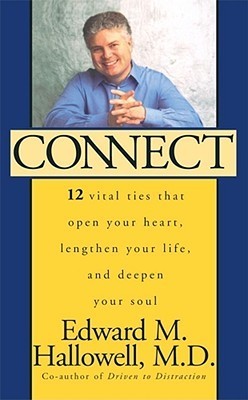
"Connect" by Edward M. Hallowell explores the fundamental human need for meaningful connection, outlining twelve distinct "ties" – from family and friends to community and self – that are essential for psychological well-being and a fulfilling life. Hallowell, a psychiatrist, blends clinical insights with personal anecdotes, demonstrating how fostering these connections mitigates loneliness, stress, and isolation, ultimately enhancing health and longevity.
This book shares a core thematic resonance with "The Healing Power of Stories" in its emphasis on the restorative and transformative power of narrative and shared experience. Both authors highlight how engaging with, creating, and understanding narratives – whether personal stories or collective myths, or the unfolding story of our relationships – provides meaning, builds empathy, and fosters resilience. They both assert that our engagement with these deeper human elements is not merely pleasant but vital for thriving.
This work offers a compelling framework for understanding and actively cultivating the relationships that contribute to a richer existence. Its practical advice and affirmation of deeply ingrained human needs can empower individuals to proactively enhance their social fabric, leading to a more connected, healthier, and ultimately more meaningful life.
Connect: 12 Vital Ties That Open Your Heart, Lengthen Your Life, and Deepen Your Soul
"Connect" by Edward M. Hallowell explores the fundamental human need for meaningful connection, outlining twelve distinct "ties" – from family and friends to community and self – that are essential for psychological well-being and a fulfilling life. Hallowell, a psychiatrist, blends clinical insights with personal anecdotes, demonstrating how fostering these connections mitigates loneliness, stress, and isolation, ultimately enhancing health and longevity.
This book shares a core thematic resonance with "The Healing Power of Stories" in its emphasis on the restorative and transformative power of narrative and shared experience. Both authors highlight how engaging with, creating, and understanding narratives – whether personal stories or collective myths, or the unfolding story of our relationships – provides meaning, builds empathy, and fosters resilience. They both assert that our engagement with these deeper human elements is not merely pleasant but vital for thriving.
This work offers a compelling framework for understanding and actively cultivating the relationships that contribute to a richer existence. Its practical advice and affirmation of deeply ingrained human needs can empower individuals to proactively enhance their social fabric, leading to a more connected, healthier, and ultimately more meaningful life.
Epiphany: True Stories of Sudden Insight to Inspire, Encourage, and Transform
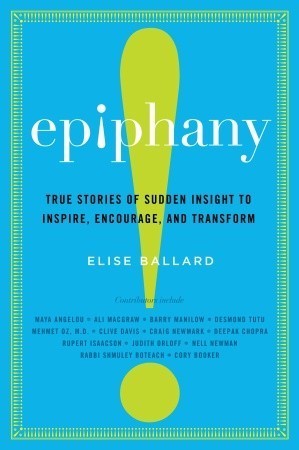
"Epiphany: True Stories of Sudden Insight to Inspire, Encourage, and Transform" compiles diverse, real-life accounts of individuals encountering profound moments of sudden realization. These aren't just anecdotes but serve as powerful narratives illustrating how unexpected insights can fundamentally shift perspectives, guiding personal growth, transformation, and a deeper understanding of oneself and the world. The book explores the origins and impact of these epiphanies across various human experiences.
This collection resonates with "The Healing Power of Stories" due to its shared emphasis on the transformative capacity of narrative. Both books highlight how lived experiences, when distilled into compelling stories, offer profound lessons and solace. While Taylor focuses on the therapeutic function of storytelling, Ballard curates stories specifically designed to illuminate and spark similar moments of insight in the audience, underscoring the universal human need for meaning and understanding found within shared narratives.
The book will appeal to those seeking inspiration, a deeper connection to shared human experience, and practical examples of personal transformation. It offers a unique lens through which to consider life's challenges and opportunities for growth. The diverse perspectives and authentic voices within provide a rich tapestry of wisdom, encouraging self-reflection and fostering a sense of possibility for positive change in one's own life, making it a valuable resource for anyone navigating their personal journey.
Epiphany: True Stories of Sudden Insight to Inspire, Encourage, and Transform
"Epiphany: True Stories of Sudden Insight to Inspire, Encourage, and Transform" compiles diverse, real-life accounts of individuals encountering profound moments of sudden realization. These aren't just anecdotes but serve as powerful narratives illustrating how unexpected insights can fundamentally shift perspectives, guiding personal growth, transformation, and a deeper understanding of oneself and the world. The book explores the origins and impact of these epiphanies across various human experiences.
This collection resonates with "The Healing Power of Stories" due to its shared emphasis on the transformative capacity of narrative. Both books highlight how lived experiences, when distilled into compelling stories, offer profound lessons and solace. While Taylor focuses on the therapeutic function of storytelling, Ballard curates stories specifically designed to illuminate and spark similar moments of insight in the audience, underscoring the universal human need for meaning and understanding found within shared narratives.
The book will appeal to those seeking inspiration, a deeper connection to shared human experience, and practical examples of personal transformation. It offers a unique lens through which to consider life's challenges and opportunities for growth. The diverse perspectives and authentic voices within provide a rich tapestry of wisdom, encouraging self-reflection and fostering a sense of possibility for positive change in one's own life, making it a valuable resource for anyone navigating their personal journey.
More Books to Explore
Discover more titles that expand on these ideas and themes.
Waking the Tiger: Healing Trauma
My Grandfather's Blessings : Stories of Strength, Refuge, and Belonging
Messages from the Masters: Tapping into the Power of Love
The Wounded Heart
A Shining Affliction: A Story of Harm and Healing in Psychotherapy
What Happened To You?: Conversations on Trauma, Resilience, and Healing