10 Books Similar to "The Happiness Project"
by Gretchen Rubin
Better Than Before: Mastering the Habits of Our Everyday Lives
"Better Than Before" delves into the fascinating world of habits, offering practical insights and strategies for forming new ones and breaking old ones. Gretchen Rubin explores the "Four Tendencies" framework, categorizing individuals by their responses to expectations (Upholders, Questioners, Obligers, and Rebels), and explains how understanding one's tendency can significantly impact habit formation. The book provides actionable advice on how to tailor habit-changing approaches to individual personalities for greater success.
This book shares "The Happiness Project's" core theme of intentional self-improvement and a structured approach to enhancing daily life. Both prioritize personal reflection, experimentation, and the pursuit of a more fulfilling existence through deliberate choices. They also demonstrate Rubin's signature accessible, analytical style, blending personal anecdotes with research to explore universal human experiences in a practical way.
Readers interested in self-development, personal well-being, and understanding human behavior will deeply appreciate "Better Than Before." It offers concrete tools and a personalized framework for navigating the often-challenging process of habit change, leading to sustained personal growth and a more efficient, satisfying daily routine. The insights provided are genuinely transformative for anyone seeking to master the aspects of their lives they wish to improve.
Better Than Before: Mastering the Habits of Our Everyday Lives
"Better Than Before" delves into the fascinating world of habits, offering practical insights and strategies for forming new ones and breaking old ones. Gretchen Rubin explores the "Four Tendencies" framework, categorizing individuals by their responses to expectations (Upholders, Questioners, Obligers, and Rebels), and explains how understanding one's tendency can significantly impact habit formation. The book provides actionable advice on how to tailor habit-changing approaches to individual personalities for greater success.
This book shares "The Happiness Project's" core theme of intentional self-improvement and a structured approach to enhancing daily life. Both prioritize personal reflection, experimentation, and the pursuit of a more fulfilling existence through deliberate choices. They also demonstrate Rubin's signature accessible, analytical style, blending personal anecdotes with research to explore universal human experiences in a practical way.
Readers interested in self-development, personal well-being, and understanding human behavior will deeply appreciate "Better Than Before." It offers concrete tools and a personalized framework for navigating the often-challenging process of habit change, leading to sustained personal growth and a more efficient, satisfying daily routine. The insights provided are genuinely transformative for anyone seeking to master the aspects of their lives they wish to improve.
Lucky Go Happy: Make Happiness Happen!
"Lucky Go Happy: Make Happiness Happen!" offers a practical, actionable guide to cultivating personal happiness. Paul Van Der Merwe presents a direct approach, outlining concrete strategies and exercises designed to empower individuals to reshape their mindset and daily habits, ultimately fostering a more positive and fulfilling life experience. The book emphasizes personal responsibility and proactive engagement in one's own well-being.
This book shares a core thematic kinship with "The Happiness Project" in its exploration of intentional happiness cultivation. Both authors embark on personal journeys to understand and implement practices that genuinely enhance contentment, moving beyond abstract philosophy to deliver tangible advice. They both encourage a systematic, experimental approach to improving one's emotional landscape, inviting the reader to become an active participant in their own pursuit of joy.
This book will appeal to individuals seeking practical, evidence-based methods for improving their daily happiness. Its direct, no-nonsense style provides clear pathways for action, making it valuable for those who appreciate actionable steps and a results-oriented approach to personal development. The emphasis on self-efficacy and the systematic breakdown of happiness principles offer a robust framework for lasting positive change.
Lucky Go Happy: Make Happiness Happen!
"Lucky Go Happy: Make Happiness Happen!" offers a practical, actionable guide to cultivating personal happiness. Paul Van Der Merwe presents a direct approach, outlining concrete strategies and exercises designed to empower individuals to reshape their mindset and daily habits, ultimately fostering a more positive and fulfilling life experience. The book emphasizes personal responsibility and proactive engagement in one's own well-being.
This book shares a core thematic kinship with "The Happiness Project" in its exploration of intentional happiness cultivation. Both authors embark on personal journeys to understand and implement practices that genuinely enhance contentment, moving beyond abstract philosophy to deliver tangible advice. They both encourage a systematic, experimental approach to improving one's emotional landscape, inviting the reader to become an active participant in their own pursuit of joy.
This book will appeal to individuals seeking practical, evidence-based methods for improving their daily happiness. Its direct, no-nonsense style provides clear pathways for action, making it valuable for those who appreciate actionable steps and a results-oriented approach to personal development. The emphasis on self-efficacy and the systematic breakdown of happiness principles offer a robust framework for lasting positive change.
Happy Women Live Better

"Happy Women Live Better" by Valorie Burton offers a practical guide for women seeking to cultivate sustainable personal contentment. Burton presents actionable strategies and reflective practices designed to help individuals identify their core values, set meaningful goals, and build habits that foster a greater sense of purpose and joy in daily life. It’s less about ephemeral feelings and more about intentional living for lasting happiness.
This book resonates with "The Happiness Project" due to its shared emphasis on a structured, deliberate pursuit of happiness. Both authors encourage readers to actively engage in self-improvement through concrete steps, rather than passively waiting for happiness to arrive. They advocate for a proactive approach to well-being, breaking down the often-abstract concept of happiness into manageable, implementable facets of life.
The immediate appeal of "Happy Women Live Better" lies in its direct, empowering message and its focus on tangible results. It offers a blueprint for personal transformation, appealing to anyone who feels a desire for more fulfillment but needs guidance on how to achieve it. Its value stems from providing accessible, evidence-based methods for women to create a life aligned with their deepest aspirations, fostering a sense of accomplishment and genuine well-being.
Happy Women Live Better
"Happy Women Live Better" by Valorie Burton offers a practical guide for women seeking to cultivate sustainable personal contentment. Burton presents actionable strategies and reflective practices designed to help individuals identify their core values, set meaningful goals, and build habits that foster a greater sense of purpose and joy in daily life. It’s less about ephemeral feelings and more about intentional living for lasting happiness.
This book resonates with "The Happiness Project" due to its shared emphasis on a structured, deliberate pursuit of happiness. Both authors encourage readers to actively engage in self-improvement through concrete steps, rather than passively waiting for happiness to arrive. They advocate for a proactive approach to well-being, breaking down the often-abstract concept of happiness into manageable, implementable facets of life.
The immediate appeal of "Happy Women Live Better" lies in its direct, empowering message and its focus on tangible results. It offers a blueprint for personal transformation, appealing to anyone who feels a desire for more fulfillment but needs guidance on how to achieve it. Its value stems from providing accessible, evidence-based methods for women to create a life aligned with their deepest aspirations, fostering a sense of accomplishment and genuine well-being.
The Simplest Book Ever on Life Attitude and Happiness

"The Simplest Book Ever on Life Attitude and Happiness" offers practical, actionable advice for cultivating a more positive outlook and fostering genuine happiness. Gover distills complex psychological concepts into easily digestible principles, guiding individuals toward a clearer understanding of their emotional landscape and how to intentionally shape it. Each chapter presents straightforward techniques for reframing thoughts, building resilience, and appreciating everyday joys.
This book shares a core philosophy with "The Happiness Project" in its emphasis on an intentional, systematic pursuit of well-being. Both authors believe happiness is not merely a passive state but an active endeavor requiring conscious effort and consistent, small actions. While Rubin chronicled her personal journey and experiments, Gover provides universal frameworks and exercises directly applicable to anyone seeking to improve their daily experience, much like Rubin’s practical “resolutions.”
This resource will appeal to those seeking tangible strategies for self-improvement and emotional mastery. Its concise format and direct approach make it an excellent choice for individuals who appreciate clarity and actionable steps over extensive theoretical discussions. It provides a valuable roadmap for anyone looking to proactively enhance their mindset and build a more fulfilling life.
The Simplest Book Ever on Life Attitude and Happiness
"The Simplest Book Ever on Life Attitude and Happiness" offers practical, actionable advice for cultivating a more positive outlook and fostering genuine happiness. Gover distills complex psychological concepts into easily digestible principles, guiding individuals toward a clearer understanding of their emotional landscape and how to intentionally shape it. Each chapter presents straightforward techniques for reframing thoughts, building resilience, and appreciating everyday joys.
This book shares a core philosophy with "The Happiness Project" in its emphasis on an intentional, systematic pursuit of well-being. Both authors believe happiness is not merely a passive state but an active endeavor requiring conscious effort and consistent, small actions. While Rubin chronicled her personal journey and experiments, Gover provides universal frameworks and exercises directly applicable to anyone seeking to improve their daily experience, much like Rubin’s practical “resolutions.”
This resource will appeal to those seeking tangible strategies for self-improvement and emotional mastery. Its concise format and direct approach make it an excellent choice for individuals who appreciate clarity and actionable steps over extensive theoretical discussions. It provides a valuable roadmap for anyone looking to proactively enhance their mindset and build a more fulfilling life.
The How of Happiness: A Scientific Approach to Getting the Life You Want
"The How of Happiness" by Sonja Lyubomirsky translates decades of scientific research into practical strategies for increasing personal well-being. It moves beyond anecdotal advice, exploring the psychology behind happiness and offering evidence-based practices—such as cultivating gratitude, practicing optimism, and nurturing social connections—that individuals can integrate into their daily lives to foster lasting contentment.
This book shares thematic DNA with "The Happiness Project" as both authors embark on journeys to understand and actively cultivate happiness, rather than just passively experiencing it. Where Rubin chronicles her year-long experiential project, Lyubomirsky provides the scientific scaffolding and empirical foundation for such endeavors, demonstrating *why* certain approaches work. Both books empower individuals to take deliberate steps towards a more joyful existence.
Its appeal lies in its grounded, authoritative approach. Individuals seeking actionable, proven methods for enhancing their life satisfaction will appreciate the clear outline of scientifically validated strategies. The book offers a refreshing antidote to fleeting self-help trends by providing a robust framework for understanding and achieving sustained happiness, making it a valuable resource for anyone committed to personal growth and fulfillment.
The How of Happiness: A Scientific Approach to Getting the Life You Want
"The How of Happiness" by Sonja Lyubomirsky translates decades of scientific research into practical strategies for increasing personal well-being. It moves beyond anecdotal advice, exploring the psychology behind happiness and offering evidence-based practices—such as cultivating gratitude, practicing optimism, and nurturing social connections—that individuals can integrate into their daily lives to foster lasting contentment.
This book shares thematic DNA with "The Happiness Project" as both authors embark on journeys to understand and actively cultivate happiness, rather than just passively experiencing it. Where Rubin chronicles her year-long experiential project, Lyubomirsky provides the scientific scaffolding and empirical foundation for such endeavors, demonstrating *why* certain approaches work. Both books empower individuals to take deliberate steps towards a more joyful existence.
Its appeal lies in its grounded, authoritative approach. Individuals seeking actionable, proven methods for enhancing their life satisfaction will appreciate the clear outline of scientifically validated strategies. The book offers a refreshing antidote to fleeting self-help trends by providing a robust framework for understanding and achieving sustained happiness, making it a valuable resource for anyone committed to personal growth and fulfillment.
Authentic Happiness: Using the New Positive Psychology to Realize Your Potential for Lasting Fulfillment
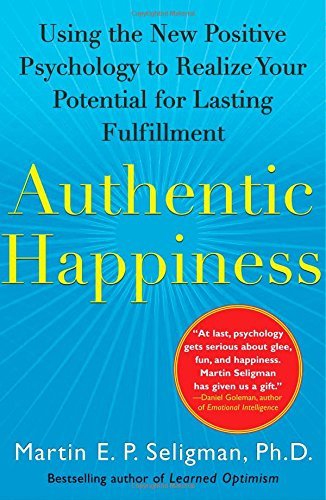
"Authentic Happiness" by Martin E.P. Seligman introduces the field of positive psychology, moving beyond merely alleviating distress to actively cultivating well-being. Seligman outlines how individuals can identify and leverage their signature strengths – natural talents and virtues – to build a life rich in engagement, meaning, and positive emotions, ultimately achieving lasting fulfillment. It's a pragmatic guide encouraging readers to understand the science behind happiness and apply its principles to their daily lives.
This work resonates with "The Happiness Project" because both books explore the deliberate pursuit of happiness and personal fulfillment. While Rubin's approach is a personal, year-long experiment, Seligman provides the academic and scientific framework underpinning such endeavors. Both emphasize actionable strategies and self-awareness as cornerstones for a more joyful existence, moving beyond passive hope towards intentional cultivation of well-being.
The book will likely attract individuals seeking a structured, evidence-based approach to improving their lives. Its value lies in providing a robust scientific foundation for understanding happiness, offering practical exercises for self-discovery and strength utilization. Those interested in personal growth and a more fulfilling life, grounded in psychological research rather than anecdotal evidence, will appreciate its insights and actionable guidance.
Authentic Happiness: Using the New Positive Psychology to Realize Your Potential for Lasting Fulfillment
"Authentic Happiness" by Martin E.P. Seligman introduces the field of positive psychology, moving beyond merely alleviating distress to actively cultivating well-being. Seligman outlines how individuals can identify and leverage their signature strengths – natural talents and virtues – to build a life rich in engagement, meaning, and positive emotions, ultimately achieving lasting fulfillment. It's a pragmatic guide encouraging readers to understand the science behind happiness and apply its principles to their daily lives.
This work resonates with "The Happiness Project" because both books explore the deliberate pursuit of happiness and personal fulfillment. While Rubin's approach is a personal, year-long experiment, Seligman provides the academic and scientific framework underpinning such endeavors. Both emphasize actionable strategies and self-awareness as cornerstones for a more joyful existence, moving beyond passive hope towards intentional cultivation of well-being.
The book will likely attract individuals seeking a structured, evidence-based approach to improving their lives. Its value lies in providing a robust scientific foundation for understanding happiness, offering practical exercises for self-discovery and strength utilization. Those interested in personal growth and a more fulfilling life, grounded in psychological research rather than anecdotal evidence, will appreciate its insights and actionable guidance.
Stumbling on Happiness

"Stumbling on Happiness" delves into the fascinating science of why humans are so bad at predicting what will make them happy. Daniel Gilbert, aHarvard psychologist, illuminates the cognitive biases and illusions of foresight that consistently lead us astray when we imagine our future emotional states. He explains how our memories, perceptions, and predictions are often unreliable, making genuine contentment elusive unless we understand these fundamental psychological mechanisms.
Both books rigorously explore the concept of happiness, but from distinct angles. While "The Happiness Project" is a practical, experiential journey focused on actionable strategies for improving well-being, "Stumbling on Happiness" provides the underlying scientific framework, dissecting the very nature of happiness and our flawed pursuit of it. They both ultimately aim to empower individuals to achieve greater satisfaction, one through conscious effort and the other through intellectual understanding.
This book will resonate with anyone who has contemplated the nature of happiness or felt frustrated by their own pursuit of it. Its accessible yet academically sound explanations offer deep insights into human psychology, providing a powerful lens through which to re-evaluate personal goals and expectations. It offers readers a richer understanding of themselves and paves the way for more informed and potentially more successful paths to well-being.
Stumbling on Happiness
"Stumbling on Happiness" delves into the fascinating science of why humans are so bad at predicting what will make them happy. Daniel Gilbert, aHarvard psychologist, illuminates the cognitive biases and illusions of foresight that consistently lead us astray when we imagine our future emotional states. He explains how our memories, perceptions, and predictions are often unreliable, making genuine contentment elusive unless we understand these fundamental psychological mechanisms.
Both books rigorously explore the concept of happiness, but from distinct angles. While "The Happiness Project" is a practical, experiential journey focused on actionable strategies for improving well-being, "Stumbling on Happiness" provides the underlying scientific framework, dissecting the very nature of happiness and our flawed pursuit of it. They both ultimately aim to empower individuals to achieve greater satisfaction, one through conscious effort and the other through intellectual understanding.
This book will resonate with anyone who has contemplated the nature of happiness or felt frustrated by their own pursuit of it. Its accessible yet academically sound explanations offer deep insights into human psychology, providing a powerful lens through which to re-evaluate personal goals and expectations. It offers readers a richer understanding of themselves and paves the way for more informed and potentially more successful paths to well-being.
From Hurt to Happiness: Emotional Rescue from the Ground Up
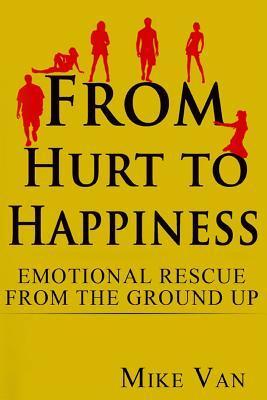
“From Hurt to Happiness: Emotional Rescue from the Ground Up” offers a practical framework for understanding and resolving emotional distress. It guides individuals through identifying the roots of their unhappiness, often stemming from past experiences or ingrained reactions, and provides actionable steps to build resilience and cultivate a more positive emotional state. The book emphasizes self-awareness and incremental changes for lasting well-being.
This book shares a core similarity with “The Happiness Project” in its empirical, self-improvement approach to personal well-being. Both authors embark on a journey to actively and systematically improve their emotional lives, offering readers a structured and tangible path to greater happiness, rather than abstract philosophical musings. They both advocate for deliberate, sustained effort in shaping one's inner world.
Individuals seeking pragmatic tools to navigate emotional challenges and proactively foster happiness will find this book particularly appealing. It offers a tangible roadmap for personal growth and emotional regulation, making it valuable for anyone feeling overwhelmed by negative emotions or simply desiring a more fulfilling emotional existence. Its grounded methodology provides a sense of empowerment and control over one's emotional landscape.
From Hurt to Happiness: Emotional Rescue from the Ground Up
“From Hurt to Happiness: Emotional Rescue from the Ground Up” offers a practical framework for understanding and resolving emotional distress. It guides individuals through identifying the roots of their unhappiness, often stemming from past experiences or ingrained reactions, and provides actionable steps to build resilience and cultivate a more positive emotional state. The book emphasizes self-awareness and incremental changes for lasting well-being.
This book shares a core similarity with “The Happiness Project” in its empirical, self-improvement approach to personal well-being. Both authors embark on a journey to actively and systematically improve their emotional lives, offering readers a structured and tangible path to greater happiness, rather than abstract philosophical musings. They both advocate for deliberate, sustained effort in shaping one's inner world.
Individuals seeking pragmatic tools to navigate emotional challenges and proactively foster happiness will find this book particularly appealing. It offers a tangible roadmap for personal growth and emotional regulation, making it valuable for anyone feeling overwhelmed by negative emotions or simply desiring a more fulfilling emotional existence. Its grounded methodology provides a sense of empowerment and control over one's emotional landscape.
Happiness in Hard Times

"Happiness in Hard Times" by Andrew Matthews offers practical wisdom for navigating life's inevitable challenges with a positive mindset. It emphasizes personal responsibility for one's emotional state, even amidst adversity, and provides actionable strategies for cultivating resilience, reframing negative experiences, and discovering joy in difficult circumstances. The book champions the idea that happiness is an internal pursuit, not solely dependent on external factors.
This book shares thematic DNA with "The Happiness Project" as both delve into the active pursuit of personal well-being and the power of intentional effort in shaping one's emotional landscape. While Rubin chronicles her year-long experiment, Matthews offers a more consolidated, philosophical yet practical guide to achieving happiness regardless of current predicaments. Both authors encourage introspection and a proactive approach to mental and emotional betterment.
This title will appeal to individuals seeking concrete methods for managing stress, overcoming setbacks, and fostering inner peace during turbulent periods. The straightforward advice and relatable anecdotes can empower those feeling overwhelmed by life's pressures, demonstrating that a positive outlook is attainable and within their control, irrespective of external hardship. Its enduring value lies in equipping an audience with tools for sustained emotional strength.
Happiness in Hard Times
"Happiness in Hard Times" by Andrew Matthews offers practical wisdom for navigating life's inevitable challenges with a positive mindset. It emphasizes personal responsibility for one's emotional state, even amidst adversity, and provides actionable strategies for cultivating resilience, reframing negative experiences, and discovering joy in difficult circumstances. The book champions the idea that happiness is an internal pursuit, not solely dependent on external factors.
This book shares thematic DNA with "The Happiness Project" as both delve into the active pursuit of personal well-being and the power of intentional effort in shaping one's emotional landscape. While Rubin chronicles her year-long experiment, Matthews offers a more consolidated, philosophical yet practical guide to achieving happiness regardless of current predicaments. Both authors encourage introspection and a proactive approach to mental and emotional betterment.
This title will appeal to individuals seeking concrete methods for managing stress, overcoming setbacks, and fostering inner peace during turbulent periods. The straightforward advice and relatable anecdotes can empower those feeling overwhelmed by life's pressures, demonstrating that a positive outlook is attainable and within their control, irrespective of external hardship. Its enduring value lies in equipping an audience with tools for sustained emotional strength.
The Pursuit of Happiness: Discovering the Pathway to Fulfillment, Well-Being, and Enduring Personal Joy

"The Pursuit of Happiness" by David G. Myers delves into the scientific understanding of what truly makes people happy. Myers, a renowned social psychologist, synthesizes decades of research in psychology, sociology, and economics to explore the factors contributing to genuine well-being and lasting satisfaction. The book moves beyond anecdotal evidence, offering empirically supported insights into topics such as the role of relationships, faith, money, and personal resilience in cultivating a fulfilling life.
This book shares significant common ground with "The Happiness Project" in its core exploration of how individuals can actively improve their happiness. Both authors approach the subject with a practical, actionable bent, moving beyond abstract philosophy to offer tangible insights and strategies for a more joyful existence. While "The Happiness Project" documents a personal journey, Myers provides a broader, research-backed framework for understanding the mechanics of happiness.
Individuals seeking to understand the science behind human flourishing will find immense value in this comprehensive analysis. It offers empowering perspectives and evidence-based guidance for proactively shaping one's emotional landscape and fostering deeper, more sustainable contentment in everyday life. The book provides a robust foundation for anyone interested in actively cultivating a meaningful and joyful existence.
The Pursuit of Happiness: Discovering the Pathway to Fulfillment, Well-Being, and Enduring Personal Joy
"The Pursuit of Happiness" by David G. Myers delves into the scientific understanding of what truly makes people happy. Myers, a renowned social psychologist, synthesizes decades of research in psychology, sociology, and economics to explore the factors contributing to genuine well-being and lasting satisfaction. The book moves beyond anecdotal evidence, offering empirically supported insights into topics such as the role of relationships, faith, money, and personal resilience in cultivating a fulfilling life.
This book shares significant common ground with "The Happiness Project" in its core exploration of how individuals can actively improve their happiness. Both authors approach the subject with a practical, actionable bent, moving beyond abstract philosophy to offer tangible insights and strategies for a more joyful existence. While "The Happiness Project" documents a personal journey, Myers provides a broader, research-backed framework for understanding the mechanics of happiness.
Individuals seeking to understand the science behind human flourishing will find immense value in this comprehensive analysis. It offers empowering perspectives and evidence-based guidance for proactively shaping one's emotional landscape and fostering deeper, more sustainable contentment in everyday life. The book provides a robust foundation for anyone interested in actively cultivating a meaningful and joyful existence.
More Books to Explore
Discover more titles that expand on these ideas and themes.
Better Than Before: Mastering the Habits of Our Everyday Lives
Lucky Go Happy: Make Happiness Happen!
Happy Women Live Better
The Simplest Book Ever on Life Attitude and Happiness
The How of Happiness: A Scientific Approach to Getting the Life You Want
Authentic Happiness: Using the New Positive Psychology to Realize Your Potential for Lasting Fulfillment