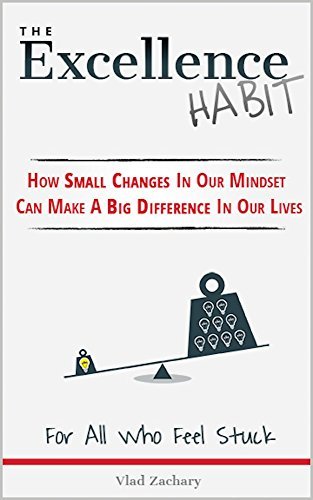
10 Books Similar to "The Excellence Habit - How Small Changes In Our Mindset Can Make A Big Difference In Our Lives: For All Who Feel Stuck"
by Vlad Zachary
The Greatness Guide: Powerful Secrets for Getting to World Class

"The Greatness Guide" by Robin Sharma provides practical, actionable insights for personal and professional development, distilled into short, impactful chapters. It emphasizes cultivating an extraordinary mindset and consistently applying strategies to elevate one's life to a "world-class" standard. Sharma focuses on improving daily habits, embracing leadership, and harnessing inner potential to achieve significant breakthroughs.
This book shares a core philosophy with "The Excellence Habit" in its emphasis on incremental improvement and the power of mindset shifts for overcoming stagnation. Both authors champion the idea that significant positive change stems from deliberate, small adjustments to one's perspective and routine, rather than grand, overwhelming overhauls, aiming to liberate individuals feeling constrained or underperforming.
Individuals seeking to unlock their full potential and transform their lives through intentional effort will find profound value here. It offers a clear roadmap for self-improvement and a motivational push to transcend limitations, providing concrete steps and mental frameworks for building a more successful and fulfilling existence.
The Greatness Guide: Powerful Secrets for Getting to World Class
"The Greatness Guide" by Robin Sharma provides practical, actionable insights for personal and professional development, distilled into short, impactful chapters. It emphasizes cultivating an extraordinary mindset and consistently applying strategies to elevate one's life to a "world-class" standard. Sharma focuses on improving daily habits, embracing leadership, and harnessing inner potential to achieve significant breakthroughs.
This book shares a core philosophy with "The Excellence Habit" in its emphasis on incremental improvement and the power of mindset shifts for overcoming stagnation. Both authors champion the idea that significant positive change stems from deliberate, small adjustments to one's perspective and routine, rather than grand, overwhelming overhauls, aiming to liberate individuals feeling constrained or underperforming.
Individuals seeking to unlock their full potential and transform their lives through intentional effort will find profound value here. It offers a clear roadmap for self-improvement and a motivational push to transcend limitations, providing concrete steps and mental frameworks for building a more successful and fulfilling existence.
Atomic Habits: An Easy & Proven Way to Build Good Habits & Break Bad Ones
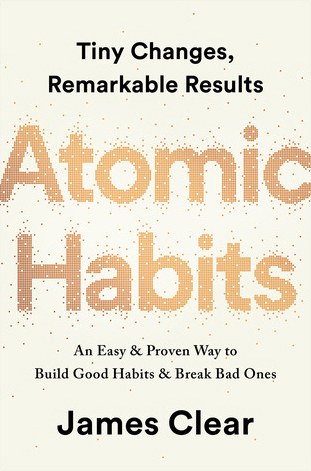
"Atomic Habits" by James Clear offers a practical framework for understanding and improving daily habits. It breaks down habit formation into small, manageable steps, emphasizing how tiny, consistent changes accumulate into significant results over time. The book introduces the "four laws of behavior change"—Make it obvious, make it attractive, make it easy, and make it satisfying—providing actionable strategies for building good habits and eliminating bad ones.
This book shares significant thematic overlap with Vlad Zachary's "The Excellence Habit" through their mutual focus on the power of incremental change. Both works advocate for the idea that substantial personal growth stems from adjusting daily practices and refining one's mindset, rather than relying on drastic, unsustainable overhauls. They empower individuals to overcome feelings of being "stuck" by illustrating how small, deliberate actions consistently applied can lead to profound self-improvement and unlock potential.
The inherent value in "Atomic Habits" lies in its accessible, evidence-based approach to personal development. Its clear-cut methodologies and actionable advice make it highly appealing. Individuals seeking tangible strategies for greater productivity, improved well-being, or simply a clearer path to achieving their goals will find its principles immediately applicable and highly effective in fostering lasting positive change.
Atomic Habits: An Easy & Proven Way to Build Good Habits & Break Bad Ones
"Atomic Habits" by James Clear offers a practical framework for understanding and improving daily habits. It breaks down habit formation into small, manageable steps, emphasizing how tiny, consistent changes accumulate into significant results over time. The book introduces the "four laws of behavior change"—Make it obvious, make it attractive, make it easy, and make it satisfying—providing actionable strategies for building good habits and eliminating bad ones.
This book shares significant thematic overlap with Vlad Zachary's "The Excellence Habit" through their mutual focus on the power of incremental change. Both works advocate for the idea that substantial personal growth stems from adjusting daily practices and refining one's mindset, rather than relying on drastic, unsustainable overhauls. They empower individuals to overcome feelings of being "stuck" by illustrating how small, deliberate actions consistently applied can lead to profound self-improvement and unlock potential.
The inherent value in "Atomic Habits" lies in its accessible, evidence-based approach to personal development. Its clear-cut methodologies and actionable advice make it highly appealing. Individuals seeking tangible strategies for greater productivity, improved well-being, or simply a clearer path to achieving their goals will find its principles immediately applicable and highly effective in fostering lasting positive change.
The Compound Effect: Jumpstart Your Income, Your Life, Your Success

"The Compound Effect" by Darren Hardy illuminates the profound impact of consistent, small, positive actions on long-term success. It argues that dramatic breakthroughs are rarely sudden; instead, they are the culmination of seemingly insignificant choices repeated daily. Hardy emphasizes discipline, habits, and self-accountability as the cornerstones of achieving extraordinary results in all areas of life, from finance to relationships.
This book resonates with Vlad Zachary's "The Excellence Habit" because both champions the transformative power of incremental progress and mindset shifts. Each book asserts that individuals often feel "stuck" not due to a lack of talent or opportunity, but from overlooking the cumulative effect of their daily decisions and thought patterns. Both offer a framework for building sustainable success through deliberate, small changes rather than relying on overwhelming, unrealistic overhauls.
This title will appeal to anyone seeking actionable strategies for personal and professional growth. Its accessible language and practical guidance on leveraging small, deliberate efforts to build momentum and achieve significant life improvements make it highly valuable. It offers a blueprint for breaking free from inertia and systematically constructing a more desired future.
The Compound Effect: Jumpstart Your Income, Your Life, Your Success
"The Compound Effect" by Darren Hardy illuminates the profound impact of consistent, small, positive actions on long-term success. It argues that dramatic breakthroughs are rarely sudden; instead, they are the culmination of seemingly insignificant choices repeated daily. Hardy emphasizes discipline, habits, and self-accountability as the cornerstones of achieving extraordinary results in all areas of life, from finance to relationships.
This book resonates with Vlad Zachary's "The Excellence Habit" because both champions the transformative power of incremental progress and mindset shifts. Each book asserts that individuals often feel "stuck" not due to a lack of talent or opportunity, but from overlooking the cumulative effect of their daily decisions and thought patterns. Both offer a framework for building sustainable success through deliberate, small changes rather than relying on overwhelming, unrealistic overhauls.
This title will appeal to anyone seeking actionable strategies for personal and professional growth. Its accessible language and practical guidance on leveraging small, deliberate efforts to build momentum and achieve significant life improvements make it highly valuable. It offers a blueprint for breaking free from inertia and systematically constructing a more desired future.
Mini Habits: Smaller Habits, Bigger Results

"Mini Habits" advocates for adopting extremely small, manageable actions to build new habits and achieve goals. Instead of setting ambitious, often overwhelming targets, it suggests focusing on a “nano-habit” so tiny it feels impossible to fail – like doing one push-up or reading one page. This incremental approach bypasses resistance and leverages consistency for long-term behavioral change.
Both books champion the power of incremental progress and overcoming inertia. "The Excellence Habit" emphasizes mindset shifts and small adjustments to break out of stagnancy, echoing "Mini Habits'" core principle that significant results stem from seemingly insignificant actions. They both challenge the conventional wisdom of needing grand gestures for personal growth, instead focusing on the compounding effect of consistent, small efforts.
This book offers a practical, accessible pathway to personal development for anyone feeling overwhelmed by large goals or a history of failed attempts. It provides a simple, actionable strategy for overcoming procrastination and developing lasting habits, empowering individuals to take control of their progress without feeling pressured or defeated. Its focus on psychological barriers to change and straightforward solutions makes it exceptionally valuable.
Mini Habits: Smaller Habits, Bigger Results
"Mini Habits" advocates for adopting extremely small, manageable actions to build new habits and achieve goals. Instead of setting ambitious, often overwhelming targets, it suggests focusing on a “nano-habit” so tiny it feels impossible to fail – like doing one push-up or reading one page. This incremental approach bypasses resistance and leverages consistency for long-term behavioral change.
Both books champion the power of incremental progress and overcoming inertia. "The Excellence Habit" emphasizes mindset shifts and small adjustments to break out of stagnancy, echoing "Mini Habits'" core principle that significant results stem from seemingly insignificant actions. They both challenge the conventional wisdom of needing grand gestures for personal growth, instead focusing on the compounding effect of consistent, small efforts.
This book offers a practical, accessible pathway to personal development for anyone feeling overwhelmed by large goals or a history of failed attempts. It provides a simple, actionable strategy for overcoming procrastination and developing lasting habits, empowering individuals to take control of their progress without feeling pressured or defeated. Its focus on psychological barriers to change and straightforward solutions makes it exceptionally valuable.
The Laws of Lifetime Growth: Always Make Your Future Bigger Than Your Past
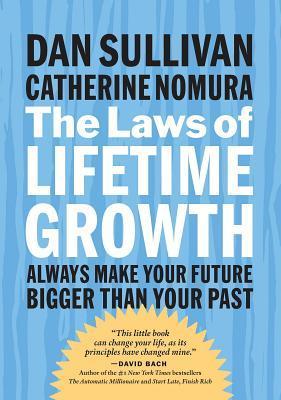
"The Laws of Lifetime Growth" outlines a framework for continuous personal and professional development. It proposes principles—the "laws"—that encourage individuals to move beyond their current successes, always striving for new challenges and greater achievements rather than resting on past accomplishments. The book emphasizes a forward-looking mindset, focusing on expanding one's capabilities and vision for the future.
This book resonates with "The Excellence Habit" due to their shared emphasis on consistent personal evolution and the power of mindset. Both titles contend that substantial life improvements stem from deliberate, often small, adjustments in perspective and behavior. They both address individuals who feel stagnant, offering actionable strategies to overcome limitations and proactively shape a more desirable future.
This book will appeal to those seeking concrete strategies for ongoing improvement and an expanded sense of possibility. It offers a structured approach to fostering a growth-oriented mindset, empowering individuals to consistently outgrow their previous selves. Its value lies in providing a clear roadmap for perpetual self-enhancement, a quality deeply desired by anyone committed to lifelong learning and achievement.
The Laws of Lifetime Growth: Always Make Your Future Bigger Than Your Past
"The Laws of Lifetime Growth" outlines a framework for continuous personal and professional development. It proposes principles—the "laws"—that encourage individuals to move beyond their current successes, always striving for new challenges and greater achievements rather than resting on past accomplishments. The book emphasizes a forward-looking mindset, focusing on expanding one's capabilities and vision for the future.
This book resonates with "The Excellence Habit" due to their shared emphasis on consistent personal evolution and the power of mindset. Both titles contend that substantial life improvements stem from deliberate, often small, adjustments in perspective and behavior. They both address individuals who feel stagnant, offering actionable strategies to overcome limitations and proactively shape a more desirable future.
This book will appeal to those seeking concrete strategies for ongoing improvement and an expanded sense of possibility. It offers a structured approach to fostering a growth-oriented mindset, empowering individuals to consistently outgrow their previous selves. Its value lies in providing a clear roadmap for perpetual self-enhancement, a quality deeply desired by anyone committed to lifelong learning and achievement.
Edgy Conversations: How Ordinary People Can Achieve Outrageous Success

*Edgy Conversations* is about challenging conventional thinking and pushing past self-imposed limitations to achieve remarkable success. Dan Waldschmidt argues that "ordinary" people can accomplish extraordinary feats by embracing discomfort, adopting an aggressive mindset, and committing to bold action rather than settling for mediocrity. It's a call to arms for anyone feeling complacent or stuck in a rut.
The two books share a fundamental premise: significant life improvements stem from internal shifts. While *The Excellence Habit* focuses on incremental mindset adjustments, *Edgy Conversations* champions a more assertive, almost disruptive, mental framework to catalyze progress. Both offer actionable strategies for moving beyond stagnation, emphasizing personal agency and the power of conscious decision-making in shaping one's destiny.
This book will appeal to those seeking a powerful jolt to their ambition and a practical guide for breaking free from the ordinary. Its direct, no-nonsense approach and inspiring anecdotes provide compelling motivation to re-evaluate one's potential and pursue goals with uncompromising determination. It offers a blueprint for building a life marked by exceptional achievement.
Edgy Conversations: How Ordinary People Can Achieve Outrageous Success
*Edgy Conversations* is about challenging conventional thinking and pushing past self-imposed limitations to achieve remarkable success. Dan Waldschmidt argues that "ordinary" people can accomplish extraordinary feats by embracing discomfort, adopting an aggressive mindset, and committing to bold action rather than settling for mediocrity. It's a call to arms for anyone feeling complacent or stuck in a rut.
The two books share a fundamental premise: significant life improvements stem from internal shifts. While *The Excellence Habit* focuses on incremental mindset adjustments, *Edgy Conversations* champions a more assertive, almost disruptive, mental framework to catalyze progress. Both offer actionable strategies for moving beyond stagnation, emphasizing personal agency and the power of conscious decision-making in shaping one's destiny.
This book will appeal to those seeking a powerful jolt to their ambition and a practical guide for breaking free from the ordinary. Its direct, no-nonsense approach and inspiring anecdotes provide compelling motivation to re-evaluate one's potential and pursue goals with uncompromising determination. It offers a blueprint for building a life marked by exceptional achievement.
Better Than Before: Mastering the Habits of Our Everyday Lives
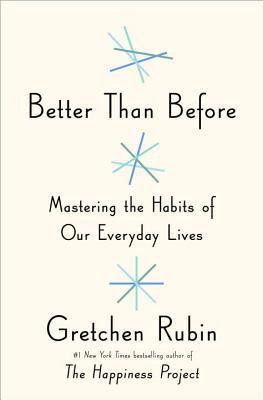
"Better Than Before" by Gretchen Rubin delves into the science and art of habit formation. Rubin explores a range of strategies, from self-monitoring to accountability, and introduces her "Four Tendencies" framework to help individuals understand their unique approach to habits, ultimately empowering them to build routines that lead to greater happiness and productivity.
This book shares common ground with "The Excellence Habit" through its focus on personal transformation initiated by small, deliberate changes. Both authors emphasize the significant impact that subtle shifts in daily practices and self-perception can have on overall life satisfaction and success, moving individuals from a state of being "stuck" to one of continuous improvement.
It will appeal to those seeking practical, actionable advice for personal growth and sustained change. The detailed exploration of various habit-forming techniques, coupled with the insightful framework for understanding individual habit styles, offers a compelling roadmap for anyone looking to optimize their daily routines and unlock their full potential.
Better Than Before: Mastering the Habits of Our Everyday Lives
"Better Than Before" by Gretchen Rubin delves into the science and art of habit formation. Rubin explores a range of strategies, from self-monitoring to accountability, and introduces her "Four Tendencies" framework to help individuals understand their unique approach to habits, ultimately empowering them to build routines that lead to greater happiness and productivity.
This book shares common ground with "The Excellence Habit" through its focus on personal transformation initiated by small, deliberate changes. Both authors emphasize the significant impact that subtle shifts in daily practices and self-perception can have on overall life satisfaction and success, moving individuals from a state of being "stuck" to one of continuous improvement.
It will appeal to those seeking practical, actionable advice for personal growth and sustained change. The detailed exploration of various habit-forming techniques, coupled with the insightful framework for understanding individual habit styles, offers a compelling roadmap for anyone looking to optimize their daily routines and unlock their full potential.
The Slight Edge

"The Slight Edge" posits that significant achievements stem not from grand, singular efforts, but from small, consistent, positive actions performed daily. It emphasizes the cumulative power of simple disciplines, often overlooked, that compound over time to create extraordinary results. Conversely, neglecting these minor efforts leads to negative outcomes.
This resonates strongly with "The Excellence Habit" as both books champion the transformative power of incremental changes in mindset and action. They share the core premise that individuals feeling stuck or seeking improvement can achieve excellence by systematically implementing small, often unglamorous, behavioral shifts rather than awaiting a major breakthrough. Both underline the importance of consistency and a positive internal framework.
The appeal lies in its actionable simplicity and empowering message. It offers a clear, practical roadmap for tangible personal growth, demonstrating that success isn't exclusive to the exceptionally gifted, but rather accessible through diligently applied, everyday choices. It provides a reassuring perspective that even seemingly minor adjustments can lead to profound, sustainable improvement.
The Slight Edge
"The Slight Edge" posits that significant achievements stem not from grand, singular efforts, but from small, consistent, positive actions performed daily. It emphasizes the cumulative power of simple disciplines, often overlooked, that compound over time to create extraordinary results. Conversely, neglecting these minor efforts leads to negative outcomes.
This resonates strongly with "The Excellence Habit" as both books champion the transformative power of incremental changes in mindset and action. They share the core premise that individuals feeling stuck or seeking improvement can achieve excellence by systematically implementing small, often unglamorous, behavioral shifts rather than awaiting a major breakthrough. Both underline the importance of consistency and a positive internal framework.
The appeal lies in its actionable simplicity and empowering message. It offers a clear, practical roadmap for tangible personal growth, demonstrating that success isn't exclusive to the exceptionally gifted, but rather accessible through diligently applied, everyday choices. It provides a reassuring perspective that even seemingly minor adjustments can lead to profound, sustainable improvement.
The Difference Maker: Making Your Attitude Your Greatest Asset

John C. Maxwell's "The Difference Maker" champions the profound impact of attitude on an individual's success and life trajectory. It argues that attitude isn't merely a mood, but a conscious choice, a foundational element that can either propel or hinder personal and professional growth. Maxwell outlines actionable insights and perspectives to cultivate a positive, proactive mindset, emphasizing its role in navigating challenges, seizing opportunities, and fostering resilience.
This book resonates strongly with Vlad Zachary's "The Excellence Habit" due to their shared core message: the transformative power of internal shifts. Both works posit that significant improvements in one's life stem not from grand external changes, but from incremental adjustments in mindset, behavior, and perspective. They each advocate for a deliberate approach to personal development, highlighting that even small, consistent efforts in cultivating a better outlook can yield remarkable outcomes.
Individuals seeking practical, empowering guidance for personal improvement will find "The Difference Maker" immensely appealing. Its focus on the controllable aspect of attitude provides a clear path for those feeling stagnant or facing obstacles. The book offers tangible strategies for reframing challenges and fostering a more optimistic, goal-oriented disposition, ultimately proving valuable for anyone committed to unlocking their full potential and achieving enduring success.
The Difference Maker: Making Your Attitude Your Greatest Asset
John C. Maxwell's "The Difference Maker" champions the profound impact of attitude on an individual's success and life trajectory. It argues that attitude isn't merely a mood, but a conscious choice, a foundational element that can either propel or hinder personal and professional growth. Maxwell outlines actionable insights and perspectives to cultivate a positive, proactive mindset, emphasizing its role in navigating challenges, seizing opportunities, and fostering resilience.
This book resonates strongly with Vlad Zachary's "The Excellence Habit" due to their shared core message: the transformative power of internal shifts. Both works posit that significant improvements in one's life stem not from grand external changes, but from incremental adjustments in mindset, behavior, and perspective. They each advocate for a deliberate approach to personal development, highlighting that even small, consistent efforts in cultivating a better outlook can yield remarkable outcomes.
Individuals seeking practical, empowering guidance for personal improvement will find "The Difference Maker" immensely appealing. Its focus on the controllable aspect of attitude provides a clear path for those feeling stagnant or facing obstacles. The book offers tangible strategies for reframing challenges and fostering a more optimistic, goal-oriented disposition, ultimately proving valuable for anyone committed to unlocking their full potential and achieving enduring success.
The Miracle Morning: The Not-So-Obvious Secret Guaranteed to Transform Your Life: Before 8AM
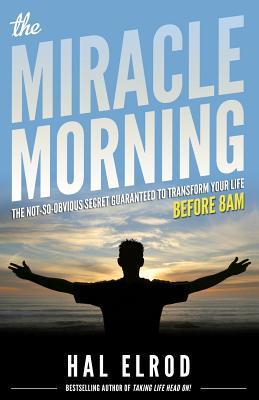
*The Miracle Morning* outlines a structured morning routine, known as S.A.V.E.R.S. (Silence, Affirmations, Visualization, Exercise, Reading, Scribing), designed to enhance personal development and productivity. It posits that waking up earlier and dedicating this time to these specific practices can profoundly impact one's day and overall life, shifting individuals from a state of mediocrity to one of potential.
This book shares fundamental similarities with *The Excellence Habit* by Vlad Zachary in its overarching theme: the power of small, intentional daily actions to create significant personal transformation. Both emphasize that consistent, positive habits, even seemingly minor ones, are the bedrock for overcoming stagnation and achieving a more fulfilling existence. They both offer practical frameworks for personal improvement, moving beyond mere theoretical concepts.
This book offers a tangible, actionable blueprint for personal growth that many seek. Its clear methodology and emphasis on immediate, positive change resonate strongly with individuals feeling stuck or desiring tangible steps toward self-improvement. The practical, step-by-step approach provides a sense of empowerment, demonstrating how consistent effort applied early in the day can cultivate a more excellent and successful life.
The Miracle Morning: The Not-So-Obvious Secret Guaranteed to Transform Your Life: Before 8AM
*The Miracle Morning* outlines a structured morning routine, known as S.A.V.E.R.S. (Silence, Affirmations, Visualization, Exercise, Reading, Scribing), designed to enhance personal development and productivity. It posits that waking up earlier and dedicating this time to these specific practices can profoundly impact one's day and overall life, shifting individuals from a state of mediocrity to one of potential.
This book shares fundamental similarities with *The Excellence Habit* by Vlad Zachary in its overarching theme: the power of small, intentional daily actions to create significant personal transformation. Both emphasize that consistent, positive habits, even seemingly minor ones, are the bedrock for overcoming stagnation and achieving a more fulfilling existence. They both offer practical frameworks for personal improvement, moving beyond mere theoretical concepts.
This book offers a tangible, actionable blueprint for personal growth that many seek. Its clear methodology and emphasis on immediate, positive change resonate strongly with individuals feeling stuck or desiring tangible steps toward self-improvement. The practical, step-by-step approach provides a sense of empowerment, demonstrating how consistent effort applied early in the day can cultivate a more excellent and successful life.
More Books to Explore
Discover more titles that expand on these ideas and themes.
The Greatness Guide: Powerful Secrets for Getting to World Class
Atomic Habits: An Easy & Proven Way to Build Good Habits & Break Bad Ones
The Compound Effect: Jumpstart Your Income, Your Life, Your Success
Mini Habits: Smaller Habits, Bigger Results
The Laws of Lifetime Growth: Always Make Your Future Bigger Than Your Past
Edgy Conversations: How Ordinary People Can Achieve Outrageous Success