10 Books Similar to "The Da Vinci Code"
by Dan Brown

Dan Brown Omnibus: Angels and Demons / The da Vinci Code
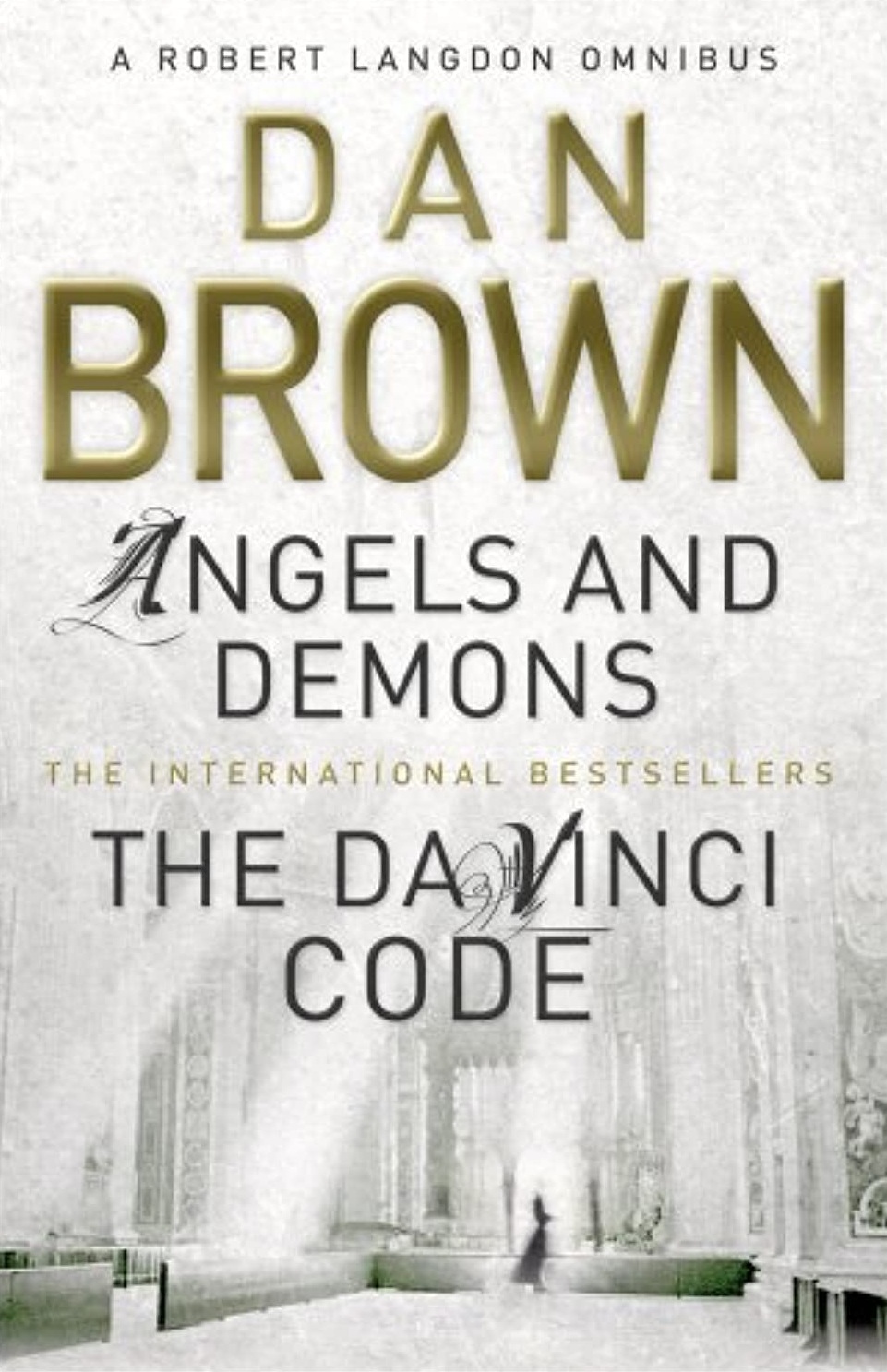
"Dan Brown Omnibus: Angels and Demons / The da Vinci Code" is a collection featuring two of Dan Brown's most globally successful thrillers. It presents the Vatican-centric conspiracy of "Angels & Demons," where symbologist Robert Langdon races to prevent a terrorist plot by the mythical Illuminati, alongside the art and religious mystery of "The Da Vinci Code," which sees Langdon unraveling a conspiracy tied to Christianity's origins. Essentially, it offers two high-stakes, fast-paced adventures driven by historical puzzles and clandestine organizations.
This omnibus is similar to "The Da Vinci Code" because it directly includes "The Da Vinci Code" itself, effectively presenting the original novel within a larger package. Beyond that, "Angels & Demons" shares many narrative and thematic commonalities with "The Da Vinci Code"—both feature Robert Langdon as the protagonist, involve complex historical and religious puzzles, are set against iconic European backdrops, and delve into secret societies and ancient conspiracies that threaten modern institutions.
This collection will appeal to those who enjoy intricate historical thrillers interwoven with art, religion, and high-stakes mystery. It provides exceptional value by bundling two seminal works that define Brown's unique blend of scholarship and suspense, offering a deep dive into his signature style and the evolution of his iconic character, Robert Langdon. For enthusiasts of academic thrillers, it’s a compelling and convenient acquisition.
Dan Brown Omnibus: Angels and Demons / The da Vinci Code
"Dan Brown Omnibus: Angels and Demons / The da Vinci Code" is a collection featuring two of Dan Brown's most globally successful thrillers. It presents the Vatican-centric conspiracy of "Angels & Demons," where symbologist Robert Langdon races to prevent a terrorist plot by the mythical Illuminati, alongside the art and religious mystery of "The Da Vinci Code," which sees Langdon unraveling a conspiracy tied to Christianity's origins. Essentially, it offers two high-stakes, fast-paced adventures driven by historical puzzles and clandestine organizations.
This omnibus is similar to "The Da Vinci Code" because it directly includes "The Da Vinci Code" itself, effectively presenting the original novel within a larger package. Beyond that, "Angels & Demons" shares many narrative and thematic commonalities with "The Da Vinci Code"—both feature Robert Langdon as the protagonist, involve complex historical and religious puzzles, are set against iconic European backdrops, and delve into secret societies and ancient conspiracies that threaten modern institutions.
This collection will appeal to those who enjoy intricate historical thrillers interwoven with art, religion, and high-stakes mystery. It provides exceptional value by bundling two seminal works that define Brown's unique blend of scholarship and suspense, offering a deep dive into his signature style and the evolution of his iconic character, Robert Langdon. For enthusiasts of academic thrillers, it’s a compelling and convenient acquisition.
The da Vinci Code: The Young Adult Adaptation
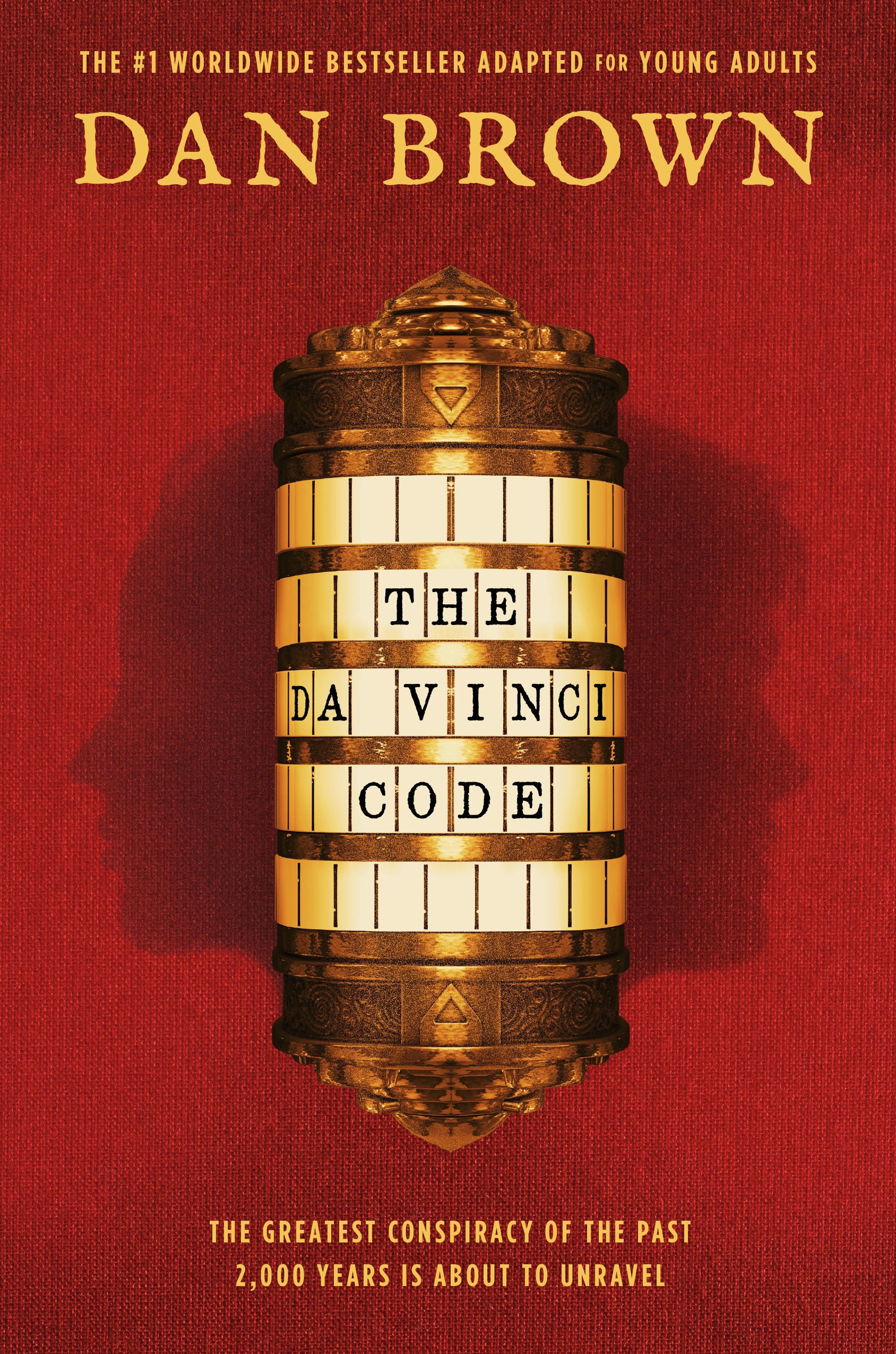
"The da Vinci Code: The Young Adult Adaptation" retells the acclaimed thriller for a younger audience, following symbologist Robert Langdon and cryptologist Sophie Neveu as they unravel a conspiracy rooted in history and art. Their investigation begins with a murder at the Louvre and leads them on a high-stakes treasure hunt, deciphering clues left by Leonardo da Vinci, to uncover a truth that could shake the foundations of Christianity. The narrative retains the original's core mystery, focusing on historical puzzles and art historical revelations.
This adaptation mirrors "The Da Vinci Code" closely in plot, character arcs, and overarching themes. It preserves the intricate historical research, the breathless pacing, and the fundamental question of religious belief versus historical fact that defined the original. The essence of the conspiracy, the identity of the secret society, and the ultimate discovery all remain consistent with Brown's iconic novel, offering the same intellectual and suspenseful journey.
The appeal of this adaptation lies in its accessibility. It provides a gateway to complex historical and religious debates, presented through a compelling mystery that encourages critical thinking and historical exploration. It offers an engaging narrative rich with suspense and intellectual puzzles, fostering an appreciation for history, art, and the power of symbols, without compromising the original's compelling storytelling.
The da Vinci Code: The Young Adult Adaptation
"The da Vinci Code: The Young Adult Adaptation" retells the acclaimed thriller for a younger audience, following symbologist Robert Langdon and cryptologist Sophie Neveu as they unravel a conspiracy rooted in history and art. Their investigation begins with a murder at the Louvre and leads them on a high-stakes treasure hunt, deciphering clues left by Leonardo da Vinci, to uncover a truth that could shake the foundations of Christianity. The narrative retains the original's core mystery, focusing on historical puzzles and art historical revelations.
This adaptation mirrors "The Da Vinci Code" closely in plot, character arcs, and overarching themes. It preserves the intricate historical research, the breathless pacing, and the fundamental question of religious belief versus historical fact that defined the original. The essence of the conspiracy, the identity of the secret society, and the ultimate discovery all remain consistent with Brown's iconic novel, offering the same intellectual and suspenseful journey.
The appeal of this adaptation lies in its accessibility. It provides a gateway to complex historical and religious debates, presented through a compelling mystery that encourages critical thinking and historical exploration. It offers an engaging narrative rich with suspense and intellectual puzzles, fostering an appreciation for history, art, and the power of symbols, without compromising the original's compelling storytelling.
Angels & Demons

"Angels & Demons" plunges protagonist Robert Langdon into a frantic race against time in Vatican City. A secret society, the Illuminati, resurfaces with a vengeful plot to destroy the Catholic Church from within during a papal conclave, utilizing antimatter as their ultimate weapon. Langdon must decipher ancient symbols and cryptic clues to prevent a devastating terrorist attack and expose the powerful forces pulling the strings.
The similarity to "The Da Vinci Code" lies in its established formula: a Harvard symbologist, Robert Langdon, unraveling a complex historical mystery laden with religious iconography, secret societies, and high-stakes conspiracy. Both novels feature relentless pacing, intricate puzzles, and a blend of historical fact and fictional speculation that blurs the line between thriller and educational exploration. The narrative structure, with its cliffhanger chapter endings and constant twists, is also a hallmark shared by both books.
This book offers a thrilling ride for anyone who enjoyed the intricate puzzle-solving and historical intrigue of "The Da Vinci Code." It provides a deeper dive into the origins and mythology of a different, yet equally compelling, secret society, offering a fresh perspective on the themes of faith, science, and power struggles within established institutions. The compelling characters and escalating tension ensure a rewarding and thought-provoking experience.
Angels & Demons
"Angels & Demons" plunges protagonist Robert Langdon into a frantic race against time in Vatican City. A secret society, the Illuminati, resurfaces with a vengeful plot to destroy the Catholic Church from within during a papal conclave, utilizing antimatter as their ultimate weapon. Langdon must decipher ancient symbols and cryptic clues to prevent a devastating terrorist attack and expose the powerful forces pulling the strings.
The similarity to "The Da Vinci Code" lies in its established formula: a Harvard symbologist, Robert Langdon, unraveling a complex historical mystery laden with religious iconography, secret societies, and high-stakes conspiracy. Both novels feature relentless pacing, intricate puzzles, and a blend of historical fact and fictional speculation that blurs the line between thriller and educational exploration. The narrative structure, with its cliffhanger chapter endings and constant twists, is also a hallmark shared by both books.
This book offers a thrilling ride for anyone who enjoyed the intricate puzzle-solving and historical intrigue of "The Da Vinci Code." It provides a deeper dive into the origins and mythology of a different, yet equally compelling, secret society, offering a fresh perspective on the themes of faith, science, and power struggles within established institutions. The compelling characters and escalating tension ensure a rewarding and thought-provoking experience.
The Lost Symbol
"The Lost Symbol" plunges symbologist Robert Langdon into Washington D.C.'s secret societies and Masonic history when his mentor is kidnapped. He must decipher ancient symbols, navigate hidden tunnels beneath the capital, and confront a fanatical antagonist obsessed with unlocking a powerful, ancient secret believed to hold the key to human potential and transformation. The narrative unfolds over a single tumultuous day, blending historical fact with thrilling fiction.
The novel echoes "The Da Vinci Code" through its core structure: Robert Langdon racing against time to solve a series of intricate puzzles, decode ancient symbols, and unravel a conspiracy rooted in historical fact and secret organizations. Both books feature a brilliant female companion assisting Langdon, a high-stakes scavenger hunt, and a relentless, ideologically driven adversary. The underlying theme of hidden knowledge impacting humanity is central to both narratives.
Its appeal lies in the expertly crafted blend of suspense, historical mystery, and intellectual challenge. The exploration of Freemasonry and the hidden architecture of Washington D.C. offers a captivating education alongside the thrilling plot. The fast-paced action and the satisfaction of watching Langdon connect disparate clues make it a compelling read, providing both entertainment and a fascinating glimpse into overlooked aspects of history and symbolism.
The Lost Symbol
"The Lost Symbol" plunges symbologist Robert Langdon into Washington D.C.'s secret societies and Masonic history when his mentor is kidnapped. He must decipher ancient symbols, navigate hidden tunnels beneath the capital, and confront a fanatical antagonist obsessed with unlocking a powerful, ancient secret believed to hold the key to human potential and transformation. The narrative unfolds over a single tumultuous day, blending historical fact with thrilling fiction.
The novel echoes "The Da Vinci Code" through its core structure: Robert Langdon racing against time to solve a series of intricate puzzles, decode ancient symbols, and unravel a conspiracy rooted in historical fact and secret organizations. Both books feature a brilliant female companion assisting Langdon, a high-stakes scavenger hunt, and a relentless, ideologically driven adversary. The underlying theme of hidden knowledge impacting humanity is central to both narratives.
Its appeal lies in the expertly crafted blend of suspense, historical mystery, and intellectual challenge. The exploration of Freemasonry and the hidden architecture of Washington D.C. offers a captivating education alongside the thrilling plot. The fast-paced action and the satisfaction of watching Langdon connect disparate clues make it a compelling read, providing both entertainment and a fascinating glimpse into overlooked aspects of history and symbolism.
Inferno
"Inferno" plunges Robert Langdon into a high-stakes race against time to prevent a global pandemic engineered by a brilliant but deranged geneticist. Waking in Florence with amnesia, Langdon must decipher clues embedded in Botticelli’s map of Dante’s Inferno, navigating a world where art, history, and scientific innovation intersect with terrifying consequences. The narrative twists through Italian art and architecture as he uncovers the plot's true nature and races to avert catastrophe.
The similarities to "The Da Vinci Code" are striking. Both novels feature Robert Langdon, a Harvard symbologist, as he deciphers ancient riddles and modern conspiracies rooted in art history, secret societies, and enigmatic figures. The fast-paced, clue-driven narrative structure, the intricate interweaving of factual historical details with fictional events, and the relentless pursuit by shadowy organizations are hallmarks shared by both thrillers.
This book offers a compelling intellectual puzzle wrapped in a thrilling chase, appealing to those who enjoy a blend of historical mystery, art history, and contemporary suspense. It provides an engaging exploration of profound ethical dilemmas surrounding overpopulation and biological intervention, inviting contemplation on humanity's future while delivering a gripping narrative that entertains and educates on Renaissance art and Dantesque themes.
Inferno
"Inferno" plunges Robert Langdon into a high-stakes race against time to prevent a global pandemic engineered by a brilliant but deranged geneticist. Waking in Florence with amnesia, Langdon must decipher clues embedded in Botticelli’s map of Dante’s Inferno, navigating a world where art, history, and scientific innovation intersect with terrifying consequences. The narrative twists through Italian art and architecture as he uncovers the plot's true nature and races to avert catastrophe.
The similarities to "The Da Vinci Code" are striking. Both novels feature Robert Langdon, a Harvard symbologist, as he deciphers ancient riddles and modern conspiracies rooted in art history, secret societies, and enigmatic figures. The fast-paced, clue-driven narrative structure, the intricate interweaving of factual historical details with fictional events, and the relentless pursuit by shadowy organizations are hallmarks shared by both thrillers.
This book offers a compelling intellectual puzzle wrapped in a thrilling chase, appealing to those who enjoy a blend of historical mystery, art history, and contemporary suspense. It provides an engaging exploration of profound ethical dilemmas surrounding overpopulation and biological intervention, inviting contemplation on humanity's future while delivering a gripping narrative that entertains and educates on Renaissance art and Dantesque themes.
Origin
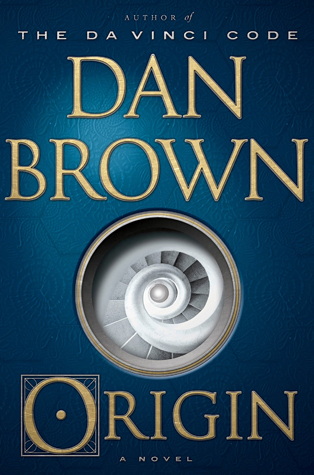
"Origin" plunges Harvard symbologist Robert Langdon into a high-stakes conspiracy after his former student, a futurist named Edmond Kirsch, is murdered just before revealing a scientific discovery intended to answer humanity's most fundamental questions: "Where do we come from?" and "Where are we going?" Langdon, aided by museum director Ambra Vidal, must race across Spain to unravel Kirsch's enigmatic clues, evading relentless assassins and a looming global conflict at the intersection of science and religion.
The similarity to "The Da Vinci Code" is striking, primarily through the return of Robert Langdon as the central protagonist, embroiled in a fast-paced, high-concept mystery. Both novels feature a race against time, historical and artistic puzzles embedded in iconic European locations, and a profound secret with world-altering implications. Dan Brown's signature blend of academic intrigue, shadowy organizations, and a relentless pursuit of truth remains a core element.
This book will appeal to those who appreciate a narrative that seamlessly weaves historical art and architecture with cutting-edge scientific concepts and theological debate. Its value lies in its thought-provoking exploration of existential questions, presented within an exciting, accessible thriller framework, offering both intellectual stimulation and escapist entertainment.
Origin
"Origin" plunges Harvard symbologist Robert Langdon into a high-stakes conspiracy after his former student, a futurist named Edmond Kirsch, is murdered just before revealing a scientific discovery intended to answer humanity's most fundamental questions: "Where do we come from?" and "Where are we going?" Langdon, aided by museum director Ambra Vidal, must race across Spain to unravel Kirsch's enigmatic clues, evading relentless assassins and a looming global conflict at the intersection of science and religion.
The similarity to "The Da Vinci Code" is striking, primarily through the return of Robert Langdon as the central protagonist, embroiled in a fast-paced, high-concept mystery. Both novels feature a race against time, historical and artistic puzzles embedded in iconic European locations, and a profound secret with world-altering implications. Dan Brown's signature blend of academic intrigue, shadowy organizations, and a relentless pursuit of truth remains a core element.
This book will appeal to those who appreciate a narrative that seamlessly weaves historical art and architecture with cutting-edge scientific concepts and theological debate. Its value lies in its thought-provoking exploration of existential questions, presented within an exciting, accessible thriller framework, offering both intellectual stimulation and escapist entertainment.
The da Vinci Code / Up and Down in the Dales / The Return of the Dancing Master / A Gathering Light

This Reader's Digest compilation packages Dan Brown's "The Da Vinci Code" alongside three other distinct novels: "Up and Down in the Dales," "The Return of the Dancing Master," and "A Gathering Light." It represents a curated collection designed to offer a diverse reading experience within a single volume.
The primary similarity, and the reason for its inclusion, is the presence of "The Da Vinci Code" itself. However, the *Reader's Digest* version often presents an abridged or condensed version of the original, a common practice for their multi-book anthologies. This means while the core narrative and popular themes of Brown's thriller are present, the depth and intricate detail may be reduced.
This collection appeals to those who appreciate convenient access to multiple stories within one book, particularly if they are interested in lighter, more accessible versions of popular novels. It offers a chance to experience varied genres – thriller, regional narrative, historical fiction, and a coming-of-age story – providing good value and broad appeal for readers seeking an efficient and engaging reading experience.
The da Vinci Code / Up and Down in the Dales / The Return of the Dancing Master / A Gathering Light
This Reader's Digest compilation packages Dan Brown's "The Da Vinci Code" alongside three other distinct novels: "Up and Down in the Dales," "The Return of the Dancing Master," and "A Gathering Light." It represents a curated collection designed to offer a diverse reading experience within a single volume.
The primary similarity, and the reason for its inclusion, is the presence of "The Da Vinci Code" itself. However, the *Reader's Digest* version often presents an abridged or condensed version of the original, a common practice for their multi-book anthologies. This means while the core narrative and popular themes of Brown's thriller are present, the depth and intricate detail may be reduced.
This collection appeals to those who appreciate convenient access to multiple stories within one book, particularly if they are interested in lighter, more accessible versions of popular novels. It offers a chance to experience varied genres – thriller, regional narrative, historical fiction, and a coming-of-age story – providing good value and broad appeal for readers seeking an efficient and engaging reading experience.
Dan Brown's The Lost Symbol

Nigel Tomm's "Dan Brown's The Lost Symbol" reimagines the premise of Brown's original, sending Robert Langdon on another high-stakes adventure. This unofficial adaptation delves into the intricate world of Masonic symbolism, ancient rituals, and hidden truths within Washington D.C.'s iconic landmarks. Langdon must again decipher cryptic clues, unravel a conspiracy threatening national security, and race against time to save a loved one while confronting a powerful antagonist driven by a warped ideology.
The similarities to "The Da Vinci Code" are striking. Both narratives feature Langdon as the brilliant symbologist, forced into extraordinary circumstances after a shocking discovery. The core formula of puzzle-solving, historical revelations woven into a modern thriller, and the pervasive sense of urgency are central to both works. The adversarial pursuit, the race against time, and the unveiling of a secret history within familiar settings all echo Brown's established successful formula.
This novel will appeal to those who crave the intellectual thrill of deciphering intricate puzzles intertwined with high-octane suspense. The blend of historical intrigue, art history, and a modern thriller narrative provides a compelling escape. Its focus on significant American landmarks and their hidden symbolic layers offers a fresh perspective, while the familiar character of Robert Langdon navigating another life-or-death mystery offers substantial entertainment value.
Dan Brown's The Lost Symbol
Nigel Tomm's "Dan Brown's The Lost Symbol" reimagines the premise of Brown's original, sending Robert Langdon on another high-stakes adventure. This unofficial adaptation delves into the intricate world of Masonic symbolism, ancient rituals, and hidden truths within Washington D.C.'s iconic landmarks. Langdon must again decipher cryptic clues, unravel a conspiracy threatening national security, and race against time to save a loved one while confronting a powerful antagonist driven by a warped ideology.
The similarities to "The Da Vinci Code" are striking. Both narratives feature Langdon as the brilliant symbologist, forced into extraordinary circumstances after a shocking discovery. The core formula of puzzle-solving, historical revelations woven into a modern thriller, and the pervasive sense of urgency are central to both works. The adversarial pursuit, the race against time, and the unveiling of a secret history within familiar settings all echo Brown's established successful formula.
This novel will appeal to those who crave the intellectual thrill of deciphering intricate puzzles intertwined with high-octane suspense. The blend of historical intrigue, art history, and a modern thriller narrative provides a compelling escape. Its focus on significant American landmarks and their hidden symbolic layers offers a fresh perspective, while the familiar character of Robert Langdon navigating another life-or-death mystery offers substantial entertainment value.
Digital Fortress
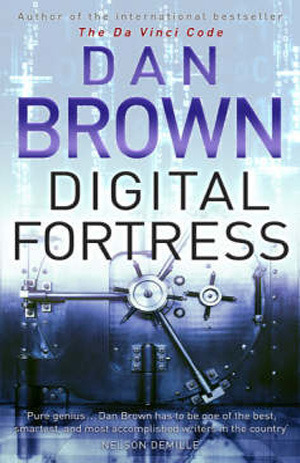
"Digital Fortress" plunges into the clandestine world of the National Security Agency, where brilliant cryptographer Susan Fletcher uncovers a seemingly unbreakable code. This decryption crisis threatens to expose state secrets and plunge global intelligence into chaos as she races against time to contain a digital weapon capable of rewriting the rules of national security.
The similarity to "The Da Vinci Code" lies in Brown's signature formula: a relentless, high-stakes intellectual puzzle at its core, featuring a brilliant protagonist unearthing a conspiracy with world-altering implications. Both novels showcase a rapid-fire narrative driven by enigmatic clues, historical or technological revelations, and a constant sense of impending doom, all unfolding across a meticulously researched, real-world backdrop that feels both authentic and thrillingly dangerous.
This book will appeal to those who enjoy intricate plots, high-tech espionage, and a fast-paced narrative that demands engagement. Its exploration of privacy, government surveillance, and the vulnerabilities of digital security remains highly relevant, offering not just entertainment but also a thought-provoking lens through which to consider contemporary ethical dilemmas surrounding technology and power.
Digital Fortress
"Digital Fortress" plunges into the clandestine world of the National Security Agency, where brilliant cryptographer Susan Fletcher uncovers a seemingly unbreakable code. This decryption crisis threatens to expose state secrets and plunge global intelligence into chaos as she races against time to contain a digital weapon capable of rewriting the rules of national security.
The similarity to "The Da Vinci Code" lies in Brown's signature formula: a relentless, high-stakes intellectual puzzle at its core, featuring a brilliant protagonist unearthing a conspiracy with world-altering implications. Both novels showcase a rapid-fire narrative driven by enigmatic clues, historical or technological revelations, and a constant sense of impending doom, all unfolding across a meticulously researched, real-world backdrop that feels both authentic and thrillingly dangerous.
This book will appeal to those who enjoy intricate plots, high-tech espionage, and a fast-paced narrative that demands engagement. Its exploration of privacy, government surveillance, and the vulnerabilities of digital security remains highly relevant, offering not just entertainment but also a thought-provoking lens through which to consider contemporary ethical dilemmas surrounding technology and power.
The Lucifer Code

"The Lucifer Code" by Charles Brokaw plunges into the murky historical waters surrounding the Dead Sea Scrolls, presenting a thriller driven by secret societies, ancient prophecies, and a modern-day conspiracy to manipulate global events. At its core, it explores the potential devastating impact of rediscovered ancient texts on established religious and political powers.
The book shares a strong thematic and structural kinship with "The Da Vinci Code." Both feature an academic protagonist unraveling a complex historical mystery rooted in religious texts, pursued by shadowy organizations, and racing against time to prevent a cataclysmic revelation. The blend of real-world historical elements with fictionalized intrigue and high-stakes action is a hallmark of both narratives.
This novel will appeal to those who enjoy intellectually stimulating thrillers that seamlessly intertwine history, biblical scholarship, and breathless suspense. Its exploration of ancient secrets and their contemporary reverberations offers a gripping escape, providing an intricate puzzle with global implications that feels both timely and timeless.
The Lucifer Code
"The Lucifer Code" by Charles Brokaw plunges into the murky historical waters surrounding the Dead Sea Scrolls, presenting a thriller driven by secret societies, ancient prophecies, and a modern-day conspiracy to manipulate global events. At its core, it explores the potential devastating impact of rediscovered ancient texts on established religious and political powers.
The book shares a strong thematic and structural kinship with "The Da Vinci Code." Both feature an academic protagonist unraveling a complex historical mystery rooted in religious texts, pursued by shadowy organizations, and racing against time to prevent a cataclysmic revelation. The blend of real-world historical elements with fictionalized intrigue and high-stakes action is a hallmark of both narratives.
This novel will appeal to those who enjoy intellectually stimulating thrillers that seamlessly intertwine history, biblical scholarship, and breathless suspense. Its exploration of ancient secrets and their contemporary reverberations offers a gripping escape, providing an intricate puzzle with global implications that feels both timely and timeless.
More Books to Explore
Discover more titles that expand on these ideas and themes.
Dan Brown Omnibus: Angels and Demons / The da Vinci Code
The da Vinci Code: The Young Adult Adaptation
Angels & Demons
The Lost Symbol
Inferno
Origin