10 Books Similar to "The Coup: 1953, the CIA, and the Roots of Modern U.S.-Iranian Relations"
by Ervand Abrahamian
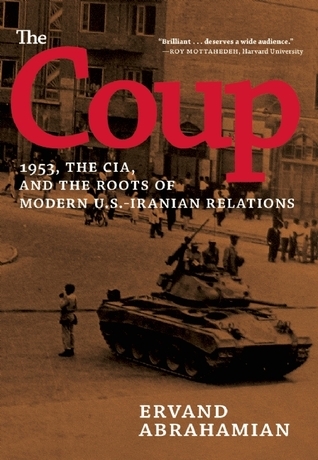
The Secret War with Iran: The 30-Year Clandestine Struggle Against the World's Most Dangerous Terrorist Power
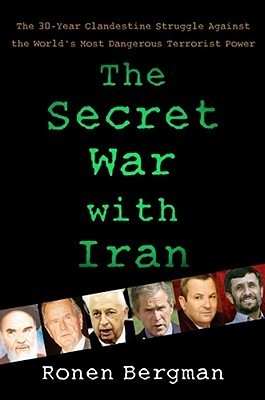
Ronen Bergman’s "The Secret War with Iran" meticulously chronicles the covert conflict between the United States and Iran, spanning three decades. It delves into the clandestine operations, intelligence failures, assassinations, and diplomatic maneuvers that have shaped this enduring rivalry, revealing the hidden layers beneath the headlines of a geopolitical struggle.
This book resonates with Ervand Abrahamian's "The Coup" by unraveling critical moments in U.S.-Iranian relations that have profound, long-lasting consequences. Both works expose the shadowy world of intelligence operations and political intrigue as foundational elements in understanding the complicated, often adversarial, dynamic between these two nations.
Anyone seeking a deep, investigative dive into the historical roots and ongoing complexities of U.S.-Iranian animosity will find this book essential. It provides crucial context for current events, offering a comprehensive and often unsettling look at the "secret war" that continues to influence international affairs, clarifying the motivations and historical baggage on both sides.
The Secret War with Iran: The 30-Year Clandestine Struggle Against the World's Most Dangerous Terrorist Power
Ronen Bergman’s "The Secret War with Iran" meticulously chronicles the covert conflict between the United States and Iran, spanning three decades. It delves into the clandestine operations, intelligence failures, assassinations, and diplomatic maneuvers that have shaped this enduring rivalry, revealing the hidden layers beneath the headlines of a geopolitical struggle.
This book resonates with Ervand Abrahamian's "The Coup" by unraveling critical moments in U.S.-Iranian relations that have profound, long-lasting consequences. Both works expose the shadowy world of intelligence operations and political intrigue as foundational elements in understanding the complicated, often adversarial, dynamic between these two nations.
Anyone seeking a deep, investigative dive into the historical roots and ongoing complexities of U.S.-Iranian animosity will find this book essential. It provides crucial context for current events, offering a comprehensive and often unsettling look at the "secret war" that continues to influence international affairs, clarifying the motivations and historical baggage on both sides.
The Ayatollah Begs to Differ: The Paradox of Modern Iran

"The Ayatollah Begs to Differ" offers an intimate, journalistic exploration of contemporary Iran. Hooman Majd, an Iranian-American, provides an insider's perspective on the country's complex society, politics, and culture, challenging Western preconceptions and revealing the nuances of life under the Islamic Republic. It delves into the daily lives and aspirations of ordinary Iranians, from religious hardliners to urban youth, illustrating the paradoxes that define modern Iran.
Both books provide critical insights into Iran, though from different temporal perspectives. While Abrahamian dissects a pivotal historical event that profoundly shaped U.S.-Iranian relations, Majd examines the long-term consequences and contemporary realities stemming from that history. Both aim to demystify Iran for a Western audience, offering well-researched, accessible analyses that go beyond sensational headlines.
This book grants access to a vibrant, often misunderstood nation through a highly informed, first-hand account. It provides essential context for understanding current geopolitical dynamics and offers a humanizing portrayal of a country frequently reduced to stereotypes. Its value lies in fostering a deeper, more nuanced understanding of Iranian society and its complex relationship with the West.
The Ayatollah Begs to Differ: The Paradox of Modern Iran
"The Ayatollah Begs to Differ" offers an intimate, journalistic exploration of contemporary Iran. Hooman Majd, an Iranian-American, provides an insider's perspective on the country's complex society, politics, and culture, challenging Western preconceptions and revealing the nuances of life under the Islamic Republic. It delves into the daily lives and aspirations of ordinary Iranians, from religious hardliners to urban youth, illustrating the paradoxes that define modern Iran.
Both books provide critical insights into Iran, though from different temporal perspectives. While Abrahamian dissects a pivotal historical event that profoundly shaped U.S.-Iranian relations, Majd examines the long-term consequences and contemporary realities stemming from that history. Both aim to demystify Iran for a Western audience, offering well-researched, accessible analyses that go beyond sensational headlines.
This book grants access to a vibrant, often misunderstood nation through a highly informed, first-hand account. It provides essential context for understanding current geopolitical dynamics and offers a humanizing portrayal of a country frequently reduced to stereotypes. Its value lies in fostering a deeper, more nuanced understanding of Iranian society and its complex relationship with the West.
The Achilles Trap: Saddam Hussein, the C.I.A., and the Origins of America's Invasion of Iraq

"The Achilles Trap" meticulously unpacks the complex, often contradictory, relationship between Saddam Hussein and successive U.S. administrations, particularly the CIA, leading up to the 2003 invasion of Iraq. Coll’s work delves into the misperceptions, intelligence failures, and calculated manipulations on both sides that ultimately ensured a collision course. It's a deep dive into how a web of historical grievances, geopolitical maneuvering, and flawed judgments culminated in a devastating conflict.
This book shares significant thematic and methodological DNA with "The Coup." Both works meticulously dissect how covert U.S. actions and Cold War anxieties profoundly shaped the trajectory of Middle Eastern nations and America's long-term relations with them. Each book investigates instances where U.S. intervention, whether through regime change or strategic support, inadvertently sowed the seeds for future instability and entrenched anti-American sentiment, examining the long-lasting consequences of intelligence operations and policy miscalculations.
This book offers invaluable insights into the enduring patterns of U.S. foreign policy in the Middle East and the pitfalls of interventionism. It provides a crucial historical context for understanding contemporary geopolitical dynamics and the complexities of international relations. A discerning individual will appreciate its meticulously researched narrative and its critical examination of how past decisions continue to resonate in the present.
The Achilles Trap: Saddam Hussein, the C.I.A., and the Origins of America's Invasion of Iraq
"The Achilles Trap" meticulously unpacks the complex, often contradictory, relationship between Saddam Hussein and successive U.S. administrations, particularly the CIA, leading up to the 2003 invasion of Iraq. Coll’s work delves into the misperceptions, intelligence failures, and calculated manipulations on both sides that ultimately ensured a collision course. It's a deep dive into how a web of historical grievances, geopolitical maneuvering, and flawed judgments culminated in a devastating conflict.
This book shares significant thematic and methodological DNA with "The Coup." Both works meticulously dissect how covert U.S. actions and Cold War anxieties profoundly shaped the trajectory of Middle Eastern nations and America's long-term relations with them. Each book investigates instances where U.S. intervention, whether through regime change or strategic support, inadvertently sowed the seeds for future instability and entrenched anti-American sentiment, examining the long-lasting consequences of intelligence operations and policy miscalculations.
This book offers invaluable insights into the enduring patterns of U.S. foreign policy in the Middle East and the pitfalls of interventionism. It provides a crucial historical context for understanding contemporary geopolitical dynamics and the complexities of international relations. A discerning individual will appreciate its meticulously researched narrative and its critical examination of how past decisions continue to resonate in the present.
Argo: How the CIA & Hollywood Pulled Off the Most Audacious Rescue in History

"Argo" recounts the true story of a daring CIA operation during the 1979 Iran hostage crisis. With six American diplomats hiding in the Canadian ambassador's residence, the CIA, in a highly unconventional move, collaborated with Hollywood to create a fake movie production. This elaborate ruse provided the cover story needed to extract the Americans from revolutionary Iran, a perilous mission fraught with constant risk of discovery.
This book shares thematic ground with "The Coup" through its meticulous examination of the CIA's covert operations within Iran. Both narratives delve into the complexities of U.S.-Iranian relations, highlighting how American interventions, both direct and indirect, have profoundly shaped the region's political landscape and international perceptions of the United States. They both explore instances where intelligence agencies employed intricate, clandestine strategies with significant geopolitical consequences.
The compelling tension woven throughout "Argo" will captivate individuals interested in Cold War espionage, foreign policy, and the dramatic interplay between intelligence agencies and international crises. It offers a gripping, real-life thriller that illuminates a critical moment in diplomatic history, providing valuable insights into the ingenuity and audacity sometimes required in foreign relations and intelligence work.
Argo: How the CIA & Hollywood Pulled Off the Most Audacious Rescue in History
"Argo" recounts the true story of a daring CIA operation during the 1979 Iran hostage crisis. With six American diplomats hiding in the Canadian ambassador's residence, the CIA, in a highly unconventional move, collaborated with Hollywood to create a fake movie production. This elaborate ruse provided the cover story needed to extract the Americans from revolutionary Iran, a perilous mission fraught with constant risk of discovery.
This book shares thematic ground with "The Coup" through its meticulous examination of the CIA's covert operations within Iran. Both narratives delve into the complexities of U.S.-Iranian relations, highlighting how American interventions, both direct and indirect, have profoundly shaped the region's political landscape and international perceptions of the United States. They both explore instances where intelligence agencies employed intricate, clandestine strategies with significant geopolitical consequences.
The compelling tension woven throughout "Argo" will captivate individuals interested in Cold War espionage, foreign policy, and the dramatic interplay between intelligence agencies and international crises. It offers a gripping, real-life thriller that illuminates a critical moment in diplomatic history, providing valuable insights into the ingenuity and audacity sometimes required in foreign relations and intelligence work.
The Good Spy: The Life and Death of Robert Ames

"The Good Spy" unravels the complex life and career of Robert Ames, a pivotal CIA operative in the Middle East during the Cold War. It delves into his deep understanding of the Arab world, his efforts to bridge cultural divides, and his ultimately tragic death in a terrorist attack. The book paints a nuanced portrait of a man dedicated to a form of quiet, often frustrating, diplomacy amidst escalating geopolitical tensions.
This biography shares common ground with "The Coup" by exploring the intricate and often fraught history of U.S. involvement in the Middle East, particularly through the lens of intelligence operations. Both books meticulously document critical historical periods where American actions significantly shaped regional dynamics, highlighting the long-term consequences of such interventions and the human element within these grand geopolitical narratives.
Anyone interested in the origins of modern Middle Eastern conflicts, the inner workings of intelligence agencies, or the personal sacrifices inherent in foreign policy will find this book deeply compelling. Its detailed account of Ames's life offers invaluable insight into the challenges of cross-cultural engagement and the often-unseen human cost of international relations, making it a crucial read for understanding the complexities of the region.
The Good Spy: The Life and Death of Robert Ames
"The Good Spy" unravels the complex life and career of Robert Ames, a pivotal CIA operative in the Middle East during the Cold War. It delves into his deep understanding of the Arab world, his efforts to bridge cultural divides, and his ultimately tragic death in a terrorist attack. The book paints a nuanced portrait of a man dedicated to a form of quiet, often frustrating, diplomacy amidst escalating geopolitical tensions.
This biography shares common ground with "The Coup" by exploring the intricate and often fraught history of U.S. involvement in the Middle East, particularly through the lens of intelligence operations. Both books meticulously document critical historical periods where American actions significantly shaped regional dynamics, highlighting the long-term consequences of such interventions and the human element within these grand geopolitical narratives.
Anyone interested in the origins of modern Middle Eastern conflicts, the inner workings of intelligence agencies, or the personal sacrifices inherent in foreign policy will find this book deeply compelling. Its detailed account of Ames's life offers invaluable insight into the challenges of cross-cultural engagement and the often-unseen human cost of international relations, making it a crucial read for understanding the complexities of the region.
Shah of Shahs

"Shah of Shahs" by Ryszard Kapuściński offers a nuanced, impressionistic portrait of the final years of Mohammad Reza Pahlavi's reign as the Shah of Iran, culminating in the 1979 Iranian Revolution. Through a series of vignettes, interviews, and observations, Kapuściński explores the societal decay, widespread discontent, and the Shah's increasingly desperate grasp on power, illustrating the psychological impact of absolute rule and its eventual collapse.
This book resonates strongly with "The Coup" by Ervand Abrahamian due to their shared focus on pivotal moments in modern Iranian history and the enduring legacy of external influence. While Abrahamian meticulously details the 1953 coup and its aftermath, Kapuściński picks up the narrative decades later, showcasing the ultimate consequences of that historical intervention: a nation simmered in resentment, leading to revolution. Both works illuminate the complex interplay of power, foreign policy, and internal dissent that shaped Iran.
The appeal lies in gaining a profound understanding of the human dimensions behind historical events. Kapuściński’s evocative storytelling and journalistic precision uncover the sentiment and lived experience of a society in upheaval, providing a vital counterpoint to purely historical accounts. It offers a deeper, more empathetic grasp of the forces that propelled Iran towards revolution, making it an invaluable resource for anyone seeking to comprehend the origins of contemporary U.S.-Iranian relations.
Shah of Shahs
"Shah of Shahs" by Ryszard Kapuściński offers a nuanced, impressionistic portrait of the final years of Mohammad Reza Pahlavi's reign as the Shah of Iran, culminating in the 1979 Iranian Revolution. Through a series of vignettes, interviews, and observations, Kapuściński explores the societal decay, widespread discontent, and the Shah's increasingly desperate grasp on power, illustrating the psychological impact of absolute rule and its eventual collapse.
This book resonates strongly with "The Coup" by Ervand Abrahamian due to their shared focus on pivotal moments in modern Iranian history and the enduring legacy of external influence. While Abrahamian meticulously details the 1953 coup and its aftermath, Kapuściński picks up the narrative decades later, showcasing the ultimate consequences of that historical intervention: a nation simmered in resentment, leading to revolution. Both works illuminate the complex interplay of power, foreign policy, and internal dissent that shaped Iran.
The appeal lies in gaining a profound understanding of the human dimensions behind historical events. Kapuściński’s evocative storytelling and journalistic precision uncover the sentiment and lived experience of a society in upheaval, providing a vital counterpoint to purely historical accounts. It offers a deeper, more empathetic grasp of the forces that propelled Iran towards revolution, making it an invaluable resource for anyone seeking to comprehend the origins of contemporary U.S.-Iranian relations.
Ghost Wars: The Secret History of the CIA, Afghanistan, and Bin Laden from the Soviet Invasion to September 10, 2001
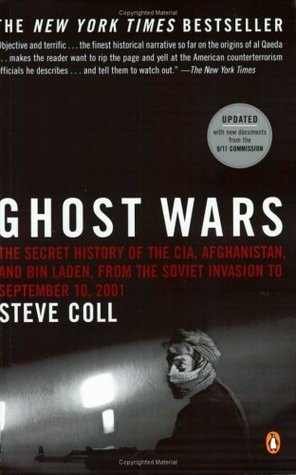
*Ghost Wars* meticulously chronicles the CIA's covert operations in Afghanistan from the Soviet invasion through the day before 9/11. Steve Coll unearths the complex web of proxy wars, the rise of extremist factions like al-Qaeda, and the persistent failures of U.S. policy makers to grasp the long-term consequences of their interventions. It's a deep dive into the hidden history that directly shaped America's modern confrontations with terrorism.
Both *Ghost Wars* and *The Coup* dissect pivotal moments where U.S. covert actions profoundly altered the political landscape of a foreign nation, leading to unforeseen and often detrimental long-term repercussions for both the affected country and American foreign policy. They expose the clandestine mechanisms of power and the ethical ambiguities inherent in such interventions, revealing the origins of deeply entrenched resentments and protracted conflicts.
This book offers a critical understanding of the historical roots of contemporary geopolitical challenges, particularly regarding the Middle East and radical Islamic movements. It provides crucial context for comprehending why events unfolded as they did, offering invaluable insights for anyone seeking to understand the complex interplay between intelligence operations, foreign policy, and the rise of global terrorism. Its detailed narrative and careful analysis illuminate the enduring legacy of past decisions.
Ghost Wars: The Secret History of the CIA, Afghanistan, and Bin Laden from the Soviet Invasion to September 10, 2001
*Ghost Wars* meticulously chronicles the CIA's covert operations in Afghanistan from the Soviet invasion through the day before 9/11. Steve Coll unearths the complex web of proxy wars, the rise of extremist factions like al-Qaeda, and the persistent failures of U.S. policy makers to grasp the long-term consequences of their interventions. It's a deep dive into the hidden history that directly shaped America's modern confrontations with terrorism.
Both *Ghost Wars* and *The Coup* dissect pivotal moments where U.S. covert actions profoundly altered the political landscape of a foreign nation, leading to unforeseen and often detrimental long-term repercussions for both the affected country and American foreign policy. They expose the clandestine mechanisms of power and the ethical ambiguities inherent in such interventions, revealing the origins of deeply entrenched resentments and protracted conflicts.
This book offers a critical understanding of the historical roots of contemporary geopolitical challenges, particularly regarding the Middle East and radical Islamic movements. It provides crucial context for comprehending why events unfolded as they did, offering invaluable insights for anyone seeking to understand the complex interplay between intelligence operations, foreign policy, and the rise of global terrorism. Its detailed narrative and careful analysis illuminate the enduring legacy of past decisions.
The Untold History of The United States
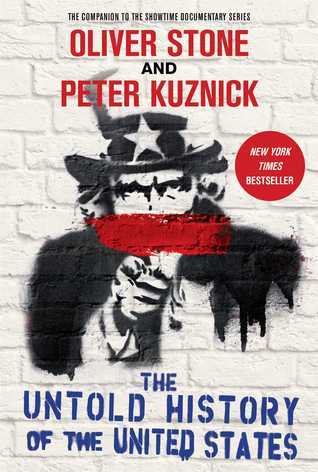
Oliver Stone's "The Untold History of The United States" offers a provocative re-examination of American foreign policy and interventionism from World War II to the present day. It challenges conventional narratives by highlighting decisions and events often downplayed or omitted from mainstream historical accounts, particularly focusing on the motivations and consequences of U.S. actions abroad and their impact on global affairs.
This work resonates with "The Coup: 1953, the CIA, and the Roots of Modern U.S.-Iranian Relations" because both books delve into the often-hidden machinations of American power, exposing how specific geopolitical interventions shaped long-term international relations. They both utilize rigorous research to unearth inconvenient truths about U.S. foreign policy, revealing the complex and sometimes morally ambiguous origins of contemporary global conflicts and alliances.
Those interested in a critical, nuanced understanding of America's role on the world stage will find significant value in this alternative historical perspective. It provides a foundation for deeper understanding of current geopolitical issues and encourages a more informed engagement with political discourse. This book offers valuable insights for anyone seeking to move beyond superficial narratives and grasp the intricate realities of modern history and power.
The Untold History of The United States
Oliver Stone's "The Untold History of The United States" offers a provocative re-examination of American foreign policy and interventionism from World War II to the present day. It challenges conventional narratives by highlighting decisions and events often downplayed or omitted from mainstream historical accounts, particularly focusing on the motivations and consequences of U.S. actions abroad and their impact on global affairs.
This work resonates with "The Coup: 1953, the CIA, and the Roots of Modern U.S.-Iranian Relations" because both books delve into the often-hidden machinations of American power, exposing how specific geopolitical interventions shaped long-term international relations. They both utilize rigorous research to unearth inconvenient truths about U.S. foreign policy, revealing the complex and sometimes morally ambiguous origins of contemporary global conflicts and alliances.
Those interested in a critical, nuanced understanding of America's role on the world stage will find significant value in this alternative historical perspective. It provides a foundation for deeper understanding of current geopolitical issues and encourages a more informed engagement with political discourse. This book offers valuable insights for anyone seeking to move beyond superficial narratives and grasp the intricate realities of modern history and power.
JFK and the Unspeakable: Why He Died & Why It Matters
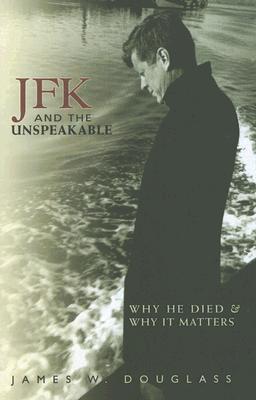
"JFK and the Unspeakable" meticulously explores President Kennedy's evolving stance on peace and his perceived efforts to disengage from the Cold War's escalating military-industrial complex, ultimately arguing these shifts led to his assassination. Douglass delves deep into Kennedy's private and public communications, challenging official narratives and presenting a compelling case for a conspiracy rooted in powerful, entrenched interests threatened by his pursuit of disarmament and diplomacy.
This book resonates with "The Coup" because both works meticulously deconstruct significant historical events, challenging conventional understandings of them. Both books unveil hidden forces and clandestine operations – CIA in "The Coup," and a complex network of domestic power in "JFK and the Unspeakable" – that profoundly shaped international relations and national trajectories. They share a critical perspective on the abuse of power and the subversion of democratic processes.
This analysis offers a profound understanding of pivotal moments in American history and their far-reaching consequences. It compels a re-evaluation of established narratives, encouraging a more nuanced and critical perspective on the forces that drive geopolitical events and internal political struggles. The insights gained are crucial for anyone seeking to understand the enduring impact of unchecked power and the complexities of foreign policy.
JFK and the Unspeakable: Why He Died & Why It Matters
"JFK and the Unspeakable" meticulously explores President Kennedy's evolving stance on peace and his perceived efforts to disengage from the Cold War's escalating military-industrial complex, ultimately arguing these shifts led to his assassination. Douglass delves deep into Kennedy's private and public communications, challenging official narratives and presenting a compelling case for a conspiracy rooted in powerful, entrenched interests threatened by his pursuit of disarmament and diplomacy.
This book resonates with "The Coup" because both works meticulously deconstruct significant historical events, challenging conventional understandings of them. Both books unveil hidden forces and clandestine operations – CIA in "The Coup," and a complex network of domestic power in "JFK and the Unspeakable" – that profoundly shaped international relations and national trajectories. They share a critical perspective on the abuse of power and the subversion of democratic processes.
This analysis offers a profound understanding of pivotal moments in American history and their far-reaching consequences. It compels a re-evaluation of established narratives, encouraging a more nuanced and critical perspective on the forces that drive geopolitical events and internal political struggles. The insights gained are crucial for anyone seeking to understand the enduring impact of unchecked power and the complexities of foreign policy.
Then They Came for Me: A Family's Story of Love, Captivity, and Survival

"Then They Came for Me" chronicles Maziar Bahari's harrowing 118-day imprisonment in an Iranian prison following his coverage of the 2009 presidential election protests. It's a deeply personal account of his unjust detainment, the psychological torture he endured, and his family's tireless efforts to secure his release, offering an intimate look at the human cost of political upheaval and media suppression.
This memoir resonates with "The Coup" because both books dissect critical moments in Iran's modern history and illuminate the profound impact of political events on individual lives and national trajectories. While Abrahamian provides the overarching historical context of foreign intervention shaping Iranian politics, Bahari offers a micro-level, lived experience of oppression and its consequences, stemming from those very geopolitical tensions and subsequent domestic power struggles. Both works expose the fragility of justice and the enduring legacy of political decisions.
The book offers a compelling and emotionally resonant narrative that humanizes complex geopolitical issues. It provides an essential perspective on freedom of the press, human rights, and the often unseen ramifications of state power. Its exploration of resilience, family, and the power of truth amidst adversity makes it a valuable and thought-provoking read, deepening understanding of U.S.-Iranian relations not just through policy, but through personal sacrifice.
Then They Came for Me: A Family's Story of Love, Captivity, and Survival
"Then They Came for Me" chronicles Maziar Bahari's harrowing 118-day imprisonment in an Iranian prison following his coverage of the 2009 presidential election protests. It's a deeply personal account of his unjust detainment, the psychological torture he endured, and his family's tireless efforts to secure his release, offering an intimate look at the human cost of political upheaval and media suppression.
This memoir resonates with "The Coup" because both books dissect critical moments in Iran's modern history and illuminate the profound impact of political events on individual lives and national trajectories. While Abrahamian provides the overarching historical context of foreign intervention shaping Iranian politics, Bahari offers a micro-level, lived experience of oppression and its consequences, stemming from those very geopolitical tensions and subsequent domestic power struggles. Both works expose the fragility of justice and the enduring legacy of political decisions.
The book offers a compelling and emotionally resonant narrative that humanizes complex geopolitical issues. It provides an essential perspective on freedom of the press, human rights, and the often unseen ramifications of state power. Its exploration of resilience, family, and the power of truth amidst adversity makes it a valuable and thought-provoking read, deepening understanding of U.S.-Iranian relations not just through policy, but through personal sacrifice.
More Books to Explore
Discover more titles that expand on these ideas and themes.
The Secret War with Iran: The 30-Year Clandestine Struggle Against the World's Most Dangerous Terrorist Power
The Ayatollah Begs to Differ: The Paradox of Modern Iran
The Achilles Trap: Saddam Hussein, the C.I.A., and the Origins of America's Invasion of Iraq
Argo: How the CIA & Hollywood Pulled Off the Most Audacious Rescue in History
The Good Spy: The Life and Death of Robert Ames
Shah of Shahs