10 Books Similar to "The Body at the Tower"
by Y.S. Lee

The Traitor in the Tunnel

"The Traitor in the Tunnel" continues the adventures of Mary Quinn, a young woman navigating the male-dominated world of Victorian detective work. This installment sees Mary, disguised as a lady's maid, infiltrating the intricate underground world beneath the Houses of Parliament. Her mission: to uncover a spy attempting to leak crucial naval secrets to enemy powers, potentially jeopardizing the British Empire. The narrative is steeped in historical detail, from the complex politics of the era to the often-overlooked domestic lives of servants, all while Mary races against time to expose the traitor.
The similarities to "The Body at the Tower" are evident in the continuation of Mary Quinn's character arc and the overarching themes. Both novels place Mary in high-stakes situations within iconic London landmarks, forcing her to rely on her intellect, observational skills, and resourcefulness to solve complex mysteries. The blend of historical fiction with a compelling crime procedural, presented through the unique lens of a young female protagonist challenging societal norms, is a consistent thread between the two works, offering a familiar yet fresh experience.
This novel offers a captivating escape into a meticulously researched 19th-century London, appealing to those who appreciate a well-crafted historical mystery. Its value lies in its engaging plot, which expertly weaves together a thrilling espionage story with thoughtful commentary on class, gender, and national identity. The strong, intelligent protagonist and the intricate plotting provide a deeply satisfying reading experience for anyone seeking a clever, historically rich, and suspenseful narrative.
The Traitor in the Tunnel
"The Traitor in the Tunnel" continues the adventures of Mary Quinn, a young woman navigating the male-dominated world of Victorian detective work. This installment sees Mary, disguised as a lady's maid, infiltrating the intricate underground world beneath the Houses of Parliament. Her mission: to uncover a spy attempting to leak crucial naval secrets to enemy powers, potentially jeopardizing the British Empire. The narrative is steeped in historical detail, from the complex politics of the era to the often-overlooked domestic lives of servants, all while Mary races against time to expose the traitor.
The similarities to "The Body at the Tower" are evident in the continuation of Mary Quinn's character arc and the overarching themes. Both novels place Mary in high-stakes situations within iconic London landmarks, forcing her to rely on her intellect, observational skills, and resourcefulness to solve complex mysteries. The blend of historical fiction with a compelling crime procedural, presented through the unique lens of a young female protagonist challenging societal norms, is a consistent thread between the two works, offering a familiar yet fresh experience.
This novel offers a captivating escape into a meticulously researched 19th-century London, appealing to those who appreciate a well-crafted historical mystery. Its value lies in its engaging plot, which expertly weaves together a thrilling espionage story with thoughtful commentary on class, gender, and national identity. The strong, intelligent protagonist and the intricate plotting provide a deeply satisfying reading experience for anyone seeking a clever, historically rich, and suspenseful narrative.
A Spy in the House
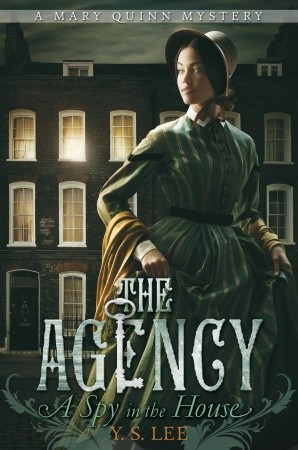
*A Spy in the House* immerses us in the clandestine world of Mary Quinn, a former orphan trained by an elite agency to infiltrate Victorian society as an undercover detective. Her initial assignment involves posing as a governess to investigate a mysterious embezzlement, navigating the rigid class structures and treacherous secrets hidden beneath polite facades. The narrative skillfully blends historical detail with thrilling espionage, following Mary's evolving skills and her perilous pursuit of truth.
The enduring appeal of *A Spy in the House* to those who enjoyed *The Body at the Tower* lies in its shared protagonist and the compelling continuation of her journey. Both novels showcase Y.S. Lee's exceptional ability to craft intricate mysteries set against a meticulously researched Victorian backdrop. The strong female lead, Mary Quinn, remains at the heart of both, grappling with her identity and purpose while employing sharp intellect and resourcefulness to solve complex crimes. The thematic consistency of agency, societal constraints, and the pursuit of justice provides a seamless transition for the devoted reader.
This novel offers a rewarding experience by delving deeper into Mary's character development and expanding the intricate world introduced in the previous book. It provides a satisfying blend of historical fiction, mystery, and character-driven narrative. The rich historical context, coupled with a well-paced and engaging plot, ensures an immersive read, offering both intellectual stimulation through challenging puzzles and emotional engagement with Mary's personal struggles and triumphs.
A Spy in the House
*A Spy in the House* immerses us in the clandestine world of Mary Quinn, a former orphan trained by an elite agency to infiltrate Victorian society as an undercover detective. Her initial assignment involves posing as a governess to investigate a mysterious embezzlement, navigating the rigid class structures and treacherous secrets hidden beneath polite facades. The narrative skillfully blends historical detail with thrilling espionage, following Mary's evolving skills and her perilous pursuit of truth.
The enduring appeal of *A Spy in the House* to those who enjoyed *The Body at the Tower* lies in its shared protagonist and the compelling continuation of her journey. Both novels showcase Y.S. Lee's exceptional ability to craft intricate mysteries set against a meticulously researched Victorian backdrop. The strong female lead, Mary Quinn, remains at the heart of both, grappling with her identity and purpose while employing sharp intellect and resourcefulness to solve complex crimes. The thematic consistency of agency, societal constraints, and the pursuit of justice provides a seamless transition for the devoted reader.
This novel offers a rewarding experience by delving deeper into Mary's character development and expanding the intricate world introduced in the previous book. It provides a satisfying blend of historical fiction, mystery, and character-driven narrative. The rich historical context, coupled with a well-paced and engaging plot, ensures an immersive read, offering both intellectual stimulation through challenging puzzles and emotional engagement with Mary's personal struggles and triumphs.
The Game

"The Game" finds Sherlock Holmes and Mary Russell on an unexpected mission to India, pulled into a decades-old mystery involving a missing scholar and a shadowy radical organization. The narrative navigates political intrigue, dangerous landscapes, and the complexities of colonial India as they unravel a conspiracy with far-reaching implications.
Both "The Game" and "The Body at the Tower" share a compelling blend of historical mystery and intelligent, independent female protagonists. Each features a layered plot set against a meticulously researched historical backdrop, where the protagonists must employ sharp intellect and deductive reasoning to solve complex cases, often encountering unexpected danger and morally ambiguous characters. The strength of the female lead, operating successfully in a male-dominated era, is a core commonality.
This book offers a rich, immersive historical experience combined with a captivating whodunit. Its value lies in its intelligent plotting, nuanced character development, and evocative portrayal of a specific historical period. It provides a satisfying intellectual challenge and an engaging exploration of themes like justice, loyalty, and the pursuit of truth within a meticulously crafted historical setting.
The Game
"The Game" finds Sherlock Holmes and Mary Russell on an unexpected mission to India, pulled into a decades-old mystery involving a missing scholar and a shadowy radical organization. The narrative navigates political intrigue, dangerous landscapes, and the complexities of colonial India as they unravel a conspiracy with far-reaching implications.
Both "The Game" and "The Body at the Tower" share a compelling blend of historical mystery and intelligent, independent female protagonists. Each features a layered plot set against a meticulously researched historical backdrop, where the protagonists must employ sharp intellect and deductive reasoning to solve complex cases, often encountering unexpected danger and morally ambiguous characters. The strength of the female lead, operating successfully in a male-dominated era, is a core commonality.
This book offers a rich, immersive historical experience combined with a captivating whodunit. Its value lies in its intelligent plotting, nuanced character development, and evocative portrayal of a specific historical period. It provides a satisfying intellectual challenge and an engaging exploration of themes like justice, loyalty, and the pursuit of truth within a meticulously crafted historical setting.
A Crimson Warning
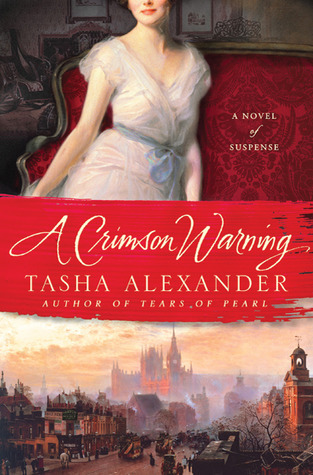
"A Crimson Warning" plunges Lady Emily Ashton into a dangerous investigation within the glamorous yet treacherous world of Parisian society during the Belle Époque. When a close friend is accused of poisoning her husband, Emily, alongside her husband Colin, must navigate aristocratic intrigue, dark secrets, and a web of deceit to uncover the true culprit before an innocent woman is condemned. The narrative blends historical detail with a compelling whodunit, keeping readers guessing until the final pages.
This novel shares significant thematic and structural parallels with "The Body at the Tower." Both feature intelligent, unconventional female protagonists who are thrust into solving complex murder mysteries in meticulously researched historical settings. Both books expertly weave social commentary and class distinctions into their plots, examining the constraints and expectations placed upon women in their respective eras. The focus on intricate plotting, atmospheric settings, and a strong sense of place creates a familiar and engaging reading experience for fans of historical mysteries.
"A Crimson Warning" offers a compelling blend of historical atmosphere, engaging characters, and a meticulously crafted mystery. Its intricate plot, rich historical detail, and the satisfying intelligence of its protagonist provide an absorbing escape. This historical whodunit delivers both intellectual stimulation and genuine entertainment, making it a valuable addition for anyone who appreciates a well-researched and cleverly constructed historical detective story.
A Crimson Warning
"A Crimson Warning" plunges Lady Emily Ashton into a dangerous investigation within the glamorous yet treacherous world of Parisian society during the Belle Époque. When a close friend is accused of poisoning her husband, Emily, alongside her husband Colin, must navigate aristocratic intrigue, dark secrets, and a web of deceit to uncover the true culprit before an innocent woman is condemned. The narrative blends historical detail with a compelling whodunit, keeping readers guessing until the final pages.
This novel shares significant thematic and structural parallels with "The Body at the Tower." Both feature intelligent, unconventional female protagonists who are thrust into solving complex murder mysteries in meticulously researched historical settings. Both books expertly weave social commentary and class distinctions into their plots, examining the constraints and expectations placed upon women in their respective eras. The focus on intricate plotting, atmospheric settings, and a strong sense of place creates a familiar and engaging reading experience for fans of historical mysteries.
"A Crimson Warning" offers a compelling blend of historical atmosphere, engaging characters, and a meticulously crafted mystery. Its intricate plot, rich historical detail, and the satisfying intelligence of its protagonist provide an absorbing escape. This historical whodunit delivers both intellectual stimulation and genuine entertainment, making it a valuable addition for anyone who appreciates a well-researched and cleverly constructed historical detective story.
The Dark Enquiry
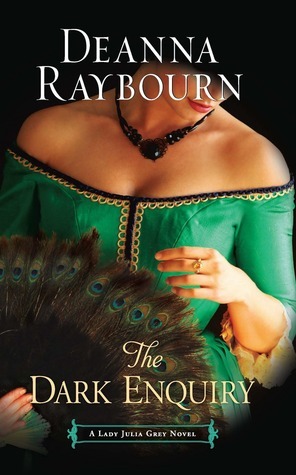
"The Dark Enquiry," the sixth installment in the Veronica Speedwell series, finds the intrepid lepidopterist and her prickly natural historian colleague, Stoker, embroiled in a dangerous murder investigation. While attending an exhibition opening, Speedwell encounters a wealthy, connected man from her past, a meeting that quickly turns deadly with his sudden demise. Framed for the crime and pursued by powerful forces, Speedwell and Stoker must navigate London's shadowy underworld and uncover long-buried secrets to clear her name and expose the true killer.
This novel shares a remarkable kinship with "The Body at the Tower" in its blend of historical mystery and compelling, unconventional protagonists. Both feature intelligent, resourceful women operating in Victorian-era England, confronting societal expectations while solving complex crimes alongside an equally intriguing male partner. The intricate plotting, atmospheric settings, and underlying themes of social commentary, particularly concerning women's roles and autonomy, resonate strongly across both works.
"The Dark Enquiry" will captivate those who appreciate well-crafted historical mysteries driven by strong character development and a sharp wit. The ongoing, evolving relationship between Speedwell and Stoker provides a compelling emotional core, while the meticulously researched historical backdrop immerses one in the era. Its appeal lies in its intelligent puzzles, engaging protagonists, and the satisfying unraveling of a conspiracy set against a rich, evocative past.
The Dark Enquiry
"The Dark Enquiry," the sixth installment in the Veronica Speedwell series, finds the intrepid lepidopterist and her prickly natural historian colleague, Stoker, embroiled in a dangerous murder investigation. While attending an exhibition opening, Speedwell encounters a wealthy, connected man from her past, a meeting that quickly turns deadly with his sudden demise. Framed for the crime and pursued by powerful forces, Speedwell and Stoker must navigate London's shadowy underworld and uncover long-buried secrets to clear her name and expose the true killer.
This novel shares a remarkable kinship with "The Body at the Tower" in its blend of historical mystery and compelling, unconventional protagonists. Both feature intelligent, resourceful women operating in Victorian-era England, confronting societal expectations while solving complex crimes alongside an equally intriguing male partner. The intricate plotting, atmospheric settings, and underlying themes of social commentary, particularly concerning women's roles and autonomy, resonate strongly across both works.
"The Dark Enquiry" will captivate those who appreciate well-crafted historical mysteries driven by strong character development and a sharp wit. The ongoing, evolving relationship between Speedwell and Stoker provides a compelling emotional core, while the meticulously researched historical backdrop immerses one in the era. Its appeal lies in its intelligent puzzles, engaging protagonists, and the satisfying unraveling of a conspiracy set against a rich, evocative past.
A Private Duel with Agent Gunn
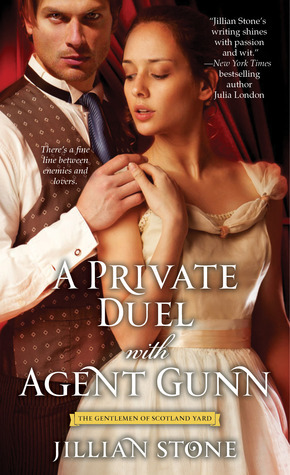
"A Private Duel with Agent Gunn" thrusts an independent young woman, a skilled cryptographer in Victorian London, into a high-stakes intelligence operation. She's forced to collaborate with a charming yet enigmatic male agent to unravel a plot threatening the British Empire, navigating dangerous social circles and personal betrayals in the process. The narrative balances intricate spycraft with burgeoning personal dynamics.
This novel shares similarities with "The Body at the Tower" through its focus on a strong, intelligent female protagonist operating within the constraints and expectations of Victorian society. Both feature a young woman with a unique skill set—anthropology for Mary Quinn, cryptography for the protagonist here—who is drawn into investigations that challenge established norms and uncover hidden truths. The historical setting, coupled with a central mystery and an element of personal growth, creates a comparable reading experience.
The appeal lies in its engaging blend of historical mystery, espionage, and character-driven narrative. Its detailed exploration of Victorian intelligence operations and the challenges faced by women pursuing unconventional paths offers both escapism and intellectual stimulation. The compelling interactions between the protagonists, combined with a well-crafted plot, promise a rewarding and thought-provoking read that delves into themes of identity, societal expectations, and intricate problem-solving.
A Private Duel with Agent Gunn
"A Private Duel with Agent Gunn" thrusts an independent young woman, a skilled cryptographer in Victorian London, into a high-stakes intelligence operation. She's forced to collaborate with a charming yet enigmatic male agent to unravel a plot threatening the British Empire, navigating dangerous social circles and personal betrayals in the process. The narrative balances intricate spycraft with burgeoning personal dynamics.
This novel shares similarities with "The Body at the Tower" through its focus on a strong, intelligent female protagonist operating within the constraints and expectations of Victorian society. Both feature a young woman with a unique skill set—anthropology for Mary Quinn, cryptography for the protagonist here—who is drawn into investigations that challenge established norms and uncover hidden truths. The historical setting, coupled with a central mystery and an element of personal growth, creates a comparable reading experience.
The appeal lies in its engaging blend of historical mystery, espionage, and character-driven narrative. Its detailed exploration of Victorian intelligence operations and the challenges faced by women pursuing unconventional paths offers both escapism and intellectual stimulation. The compelling interactions between the protagonists, combined with a well-crafted plot, promise a rewarding and thought-provoking read that delves into themes of identity, societal expectations, and intricate problem-solving.
The Alchemy Fire Murder

"The Alchemy Fire Murder" plunges into 17th-century London, following Dr. Robert Hooke, a polymath and investigator, as he unravels a series of brutal killings linked to the Royal Society. Amidst the scientific fervor and post-Great Fire reconstruction, Hooke must navigate treacherous political currents and arcane alchemical theories to expose the truth behind the seemingly ritualistic murders.
This novel shares a remarkable kinship with "The Body at the Tower" in its meticulous historical immersion and the central role of an intellectually driven detective figure operating within a historical institution. Both books craft intricate mysteries set in vividly realized pasts, where forensic observation and logical deduction are paramount, albeit filtered through the scientific understanding of their respective eras. The blend of historical detail with a gripping whodunit forms a core parallel.
The appeal of "The Alchemy Fire Murder" lies in its compelling blend of historical mystery and early scientific inquiry. It offers a fascinating glimpse into the nascent stages of modern science, interwoven with a tightly plotted murder investigation. The intricate puzzles, combined with rich historical atmosphere and a clever protagonist, make it an engaging and intellectually stimulating read for those who appreciate historical fiction with a strong investigative bent and a touch of the extraordinary.
The Alchemy Fire Murder
"The Alchemy Fire Murder" plunges into 17th-century London, following Dr. Robert Hooke, a polymath and investigator, as he unravels a series of brutal killings linked to the Royal Society. Amidst the scientific fervor and post-Great Fire reconstruction, Hooke must navigate treacherous political currents and arcane alchemical theories to expose the truth behind the seemingly ritualistic murders.
This novel shares a remarkable kinship with "The Body at the Tower" in its meticulous historical immersion and the central role of an intellectually driven detective figure operating within a historical institution. Both books craft intricate mysteries set in vividly realized pasts, where forensic observation and logical deduction are paramount, albeit filtered through the scientific understanding of their respective eras. The blend of historical detail with a gripping whodunit forms a core parallel.
The appeal of "The Alchemy Fire Murder" lies in its compelling blend of historical mystery and early scientific inquiry. It offers a fascinating glimpse into the nascent stages of modern science, interwoven with a tightly plotted murder investigation. The intricate puzzles, combined with rich historical atmosphere and a clever protagonist, make it an engaging and intellectually stimulating read for those who appreciate historical fiction with a strong investigative bent and a touch of the extraordinary.
Justice Hall
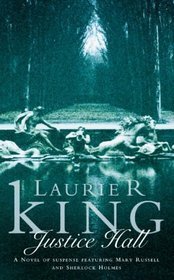
"Justice Hall" plunges Sherlock Holmes and Mary Russell into a perilous investigation when a young man with ties to Holmes's past is accused of murder. Their pursuit of truth leads them through London's societal strata, uncovering layers of deception and a conspiracy that challenges their intellect and threatens their lives. The narrative is a meticulously crafted historical mystery infused with intricate plotting.
Both novels feature young, intelligent female protagonists navigating dangerous situations within historical settings. They share a focus on intricate detective work, where the protagonists, often in partnership with established male figures, employ sharp intellect and deductive reasoning to solve complex cases. Furthermore, both explore societal undertones and personal growth amidst the unfolding mysteries.
This book offers a compelling blend of historical atmosphere and intellectual challenge. Its intricate plot and well-developed characters provide a deeply immersive experience. The sharp dialogue and detailed historical backdrop contribute to its appeal, offering a satisfying and thoughtfully constructed mystery that rewards close attention.
Justice Hall
"Justice Hall" plunges Sherlock Holmes and Mary Russell into a perilous investigation when a young man with ties to Holmes's past is accused of murder. Their pursuit of truth leads them through London's societal strata, uncovering layers of deception and a conspiracy that challenges their intellect and threatens their lives. The narrative is a meticulously crafted historical mystery infused with intricate plotting.
Both novels feature young, intelligent female protagonists navigating dangerous situations within historical settings. They share a focus on intricate detective work, where the protagonists, often in partnership with established male figures, employ sharp intellect and deductive reasoning to solve complex cases. Furthermore, both explore societal undertones and personal growth amidst the unfolding mysteries.
This book offers a compelling blend of historical atmosphere and intellectual challenge. Its intricate plot and well-developed characters provide a deeply immersive experience. The sharp dialogue and detailed historical backdrop contribute to its appeal, offering a satisfying and thoughtfully constructed mystery that rewards close attention.
The Whitechapel Fiend
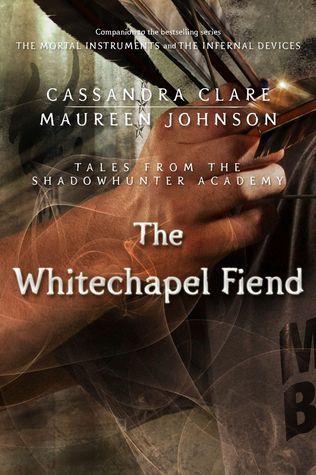
"The Whitechapel Fiend" reimagines the notorious Jack the Ripper murders through a supernatural lens. It follows a young, gifted protagonist navigating a dark, gaslit London where demonic forces may be at play behind the brutal killings. The narrative masterfully blends historical mystery with urban fantasy, creating a compelling, shadowy atmosphere while speculating on the true nature of evil gripping the city.
The similarity to "The Body at the Tower" lies in their shared setting of Victorian London and their common use of historical crime as a central plot device, albeit with different narrative approaches. Both delve into the darker underbelly of the era, exploring societal anxieties and the complexities of human nature against a backdrop of mystery. While "The Body at the Tower" grounds its mystery in more conventional detection, "The Whitechapel Fiend" elevates the stakes by introducing an otherworldly element, offering a fresh perspective on a familiar historical enigma.
This book will appeal to those who appreciate a blend of historical fiction and speculative elements, particularly if they enjoy mysteries with a supernatural twist. It offers a thought-provoking exploration of good versus evil and the societal impact of fear, all while delivering a gripping, immersive story. It provides a unique and imaginative take on a well-trodden historical event, offering both entertainment and intellectual stimulation.
The Whitechapel Fiend
"The Whitechapel Fiend" reimagines the notorious Jack the Ripper murders through a supernatural lens. It follows a young, gifted protagonist navigating a dark, gaslit London where demonic forces may be at play behind the brutal killings. The narrative masterfully blends historical mystery with urban fantasy, creating a compelling, shadowy atmosphere while speculating on the true nature of evil gripping the city.
The similarity to "The Body at the Tower" lies in their shared setting of Victorian London and their common use of historical crime as a central plot device, albeit with different narrative approaches. Both delve into the darker underbelly of the era, exploring societal anxieties and the complexities of human nature against a backdrop of mystery. While "The Body at the Tower" grounds its mystery in more conventional detection, "The Whitechapel Fiend" elevates the stakes by introducing an otherworldly element, offering a fresh perspective on a familiar historical enigma.
This book will appeal to those who appreciate a blend of historical fiction and speculative elements, particularly if they enjoy mysteries with a supernatural twist. It offers a thought-provoking exploration of good versus evil and the societal impact of fear, all while delivering a gripping, immersive story. It provides a unique and imaginative take on a well-trodden historical event, offering both entertainment and intellectual stimulation.
Vanishing Girl

"Vanishing Girl" follows the young, aspiring detective, eleven-year-old Francis "Frank" Hardy, as he navigates the gritty streets of Victorian-era Toronto. When a young woman disappears from a well-to-do family, Frank, aided by his street smarts and keen observation skills, delves into the city's underbelly to uncover the truth. The narrative masterfully blends historical detail with a compelling mystery, showcasing Frank's independent spirit and nascent investigative prowess in a world brimming with social stratification and hidden secrets.
The similarity to "The Body at the Tower" lies in their shared exploration of historical mystery, featuring young, exceptionally intelligent protagonists operating outside traditional authority. Both stories place their youthful detectives in meticulously researched Victorian settings, where they confront societal prejudices and unearth dark truths. "Vanishing Girl," like "The Body at the Tower," hinges on the compelling internal logic and sharp deductive reasoning of its central figure, providing a satisfying and intellectually stimulating puzzle for the audience.
This book will appeal to those who appreciate well-crafted historical mysteries with a strong character focus. It offers a unique perspective on Victorian society through the eyes of a young, unconventional hero, making it both educational and entertaining. The intricate plot, coupled with the rich historical tapestry, ensures an engaging reading experience valuable for its character development and the insightful portrayal of a bygone era.
Vanishing Girl
"Vanishing Girl" follows the young, aspiring detective, eleven-year-old Francis "Frank" Hardy, as he navigates the gritty streets of Victorian-era Toronto. When a young woman disappears from a well-to-do family, Frank, aided by his street smarts and keen observation skills, delves into the city's underbelly to uncover the truth. The narrative masterfully blends historical detail with a compelling mystery, showcasing Frank's independent spirit and nascent investigative prowess in a world brimming with social stratification and hidden secrets.
The similarity to "The Body at the Tower" lies in their shared exploration of historical mystery, featuring young, exceptionally intelligent protagonists operating outside traditional authority. Both stories place their youthful detectives in meticulously researched Victorian settings, where they confront societal prejudices and unearth dark truths. "Vanishing Girl," like "The Body at the Tower," hinges on the compelling internal logic and sharp deductive reasoning of its central figure, providing a satisfying and intellectually stimulating puzzle for the audience.
This book will appeal to those who appreciate well-crafted historical mysteries with a strong character focus. It offers a unique perspective on Victorian society through the eyes of a young, unconventional hero, making it both educational and entertaining. The intricate plot, coupled with the rich historical tapestry, ensures an engaging reading experience valuable for its character development and the insightful portrayal of a bygone era.
More Books to Explore
Discover more titles that expand on these ideas and themes.
The Traitor in the Tunnel
A Spy in the House
The Game
A Crimson Warning
The Dark Enquiry
A Private Duel with Agent Gunn