10 Books Similar to "The Art of Thinking Clearly"
by Rolf Dobelli

Thinking, Fast and Slow
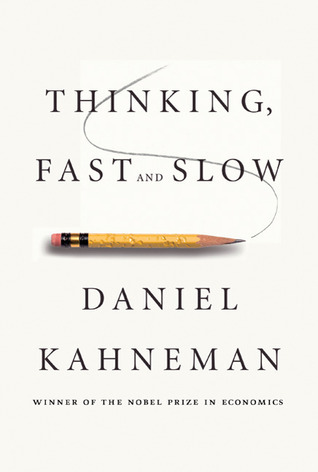
"Thinking, Fast and Slow" dissects the human mind into two fundamental systems: System 1, which is fast, intuitive, and emotional, and System 2, which is slower, more deliberative, and logical. Kahneman reveals how our reliance on System 1 often leads to cognitive biases and errors in judgment, offering a compelling account of how we make decisions, both good and bad, in our daily lives.
This work resonates strongly with "The Art of Thinking Clearly" due to their shared objective: illuminating the common pitfalls in human reasoning. Both books meticulously catalogue a range of cognitive biases, from confirmation bias to sunk cost fallacy, and explain how these mental shortcuts can derail rational thought and sound decision-making. They serve as practical guides for recognizing and mitigating these intellectual blind spots.
Anyone seeking to improve their decision-making, understand the mechanics of human thought, and navigate the complexities of information overload will find this book immensely valuable. It offers profound insights into why we think and act the way we do, empowering a more critical and reflective approach to personal and professional challenges.
Thinking, Fast and Slow
"Thinking, Fast and Slow" dissects the human mind into two fundamental systems: System 1, which is fast, intuitive, and emotional, and System 2, which is slower, more deliberative, and logical. Kahneman reveals how our reliance on System 1 often leads to cognitive biases and errors in judgment, offering a compelling account of how we make decisions, both good and bad, in our daily lives.
This work resonates strongly with "The Art of Thinking Clearly" due to their shared objective: illuminating the common pitfalls in human reasoning. Both books meticulously catalogue a range of cognitive biases, from confirmation bias to sunk cost fallacy, and explain how these mental shortcuts can derail rational thought and sound decision-making. They serve as practical guides for recognizing and mitigating these intellectual blind spots.
Anyone seeking to improve their decision-making, understand the mechanics of human thought, and navigate the complexities of information overload will find this book immensely valuable. It offers profound insights into why we think and act the way we do, empowering a more critical and reflective approach to personal and professional challenges.
You Are Not So Smart

"You Are Not So Smart" dissects the myriad cognitive biases and logical fallacies that invisibly steer our thoughts and decisions. Each chapter unpacks a specific bias, offering accessible explanations, real-world examples, and the science behind why our brains, despite their complexity, are prone to these predictable errors. It's a journey into the hidden architecture of human irrationality.
This book shares Dobelli's "The Art of Thinking Clearly" in its core mission: to illuminate the systematic flaws in human reasoning. Both works aim to make the implicit explicit, revealing the common pitfalls that hinder objective thought and sound judgment. They serve as valuable guides for navigating a world often shaped by instinct rather than pure logic.
The appeal lies in its direct challenge to self-perception and its promise of intellectual empowerment. Understanding these biases doesn't just offer fascinating insights into human nature; it provides practical tools for improving one's own decision-making, evaluating information more critically, and even understanding the behavior of others with greater nuance. It’s an essential read for anyone seeking to sharpen their cognitive faculties.
You Are Not So Smart
"You Are Not So Smart" dissects the myriad cognitive biases and logical fallacies that invisibly steer our thoughts and decisions. Each chapter unpacks a specific bias, offering accessible explanations, real-world examples, and the science behind why our brains, despite their complexity, are prone to these predictable errors. It's a journey into the hidden architecture of human irrationality.
This book shares Dobelli's "The Art of Thinking Clearly" in its core mission: to illuminate the systematic flaws in human reasoning. Both works aim to make the implicit explicit, revealing the common pitfalls that hinder objective thought and sound judgment. They serve as valuable guides for navigating a world often shaped by instinct rather than pure logic.
The appeal lies in its direct challenge to self-perception and its promise of intellectual empowerment. Understanding these biases doesn't just offer fascinating insights into human nature; it provides practical tools for improving one's own decision-making, evaluating information more critically, and even understanding the behavior of others with greater nuance. It’s an essential read for anyone seeking to sharpen their cognitive faculties.
Smart Thinking: Three Essential Keys to Solve Problems, Innovate, and Get Things Done
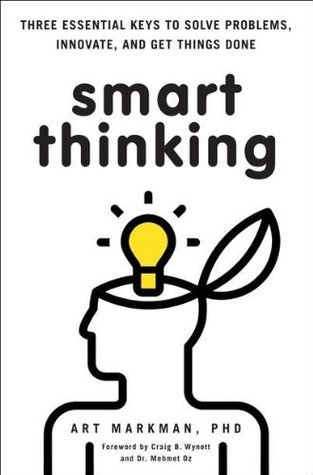
"Smart Thinking" by Art Markman offers practical strategies for improving one's mental processes to become a more effective problem-solver and innovator. It delves into three core areas: how to understand situations, how to innovate creative solutions, and how to execute on those solutions to achieve desired outcomes. The book provides actionable insights for navigating complex challenges and fostering truly original ideas.
This book shares a fundamental objective with "The Art of Thinking Clearly" – to equip individuals with tools for more effective cognitive function. Both works aim to debunk common mental pitfalls and offer structured approaches to reasoning and decision-making, helping individuals move beyond intuitive errors towards more deliberate and successful thought patterns.
It will appeal to anyone seeking to enhance their intellectual toolkit for both professional and personal growth. The clear, practical advice presented throughout the book provides a roadmap for developing stronger critical thinking skills, fostering innovation, and confidently tackling any task. It offers tangible methods for becoming more adept at navigating complex information and translating ideas into successful action.
Smart Thinking: Three Essential Keys to Solve Problems, Innovate, and Get Things Done
"Smart Thinking" by Art Markman offers practical strategies for improving one's mental processes to become a more effective problem-solver and innovator. It delves into three core areas: how to understand situations, how to innovate creative solutions, and how to execute on those solutions to achieve desired outcomes. The book provides actionable insights for navigating complex challenges and fostering truly original ideas.
This book shares a fundamental objective with "The Art of Thinking Clearly" – to equip individuals with tools for more effective cognitive function. Both works aim to debunk common mental pitfalls and offer structured approaches to reasoning and decision-making, helping individuals move beyond intuitive errors towards more deliberate and successful thought patterns.
It will appeal to anyone seeking to enhance their intellectual toolkit for both professional and personal growth. The clear, practical advice presented throughout the book provides a roadmap for developing stronger critical thinking skills, fostering innovation, and confidently tackling any task. It offers tangible methods for becoming more adept at navigating complex information and translating ideas into successful action.
Never Go With Your Gut: How Pioneering Leaders Make the Best Decisions and Avoid Business Disasters
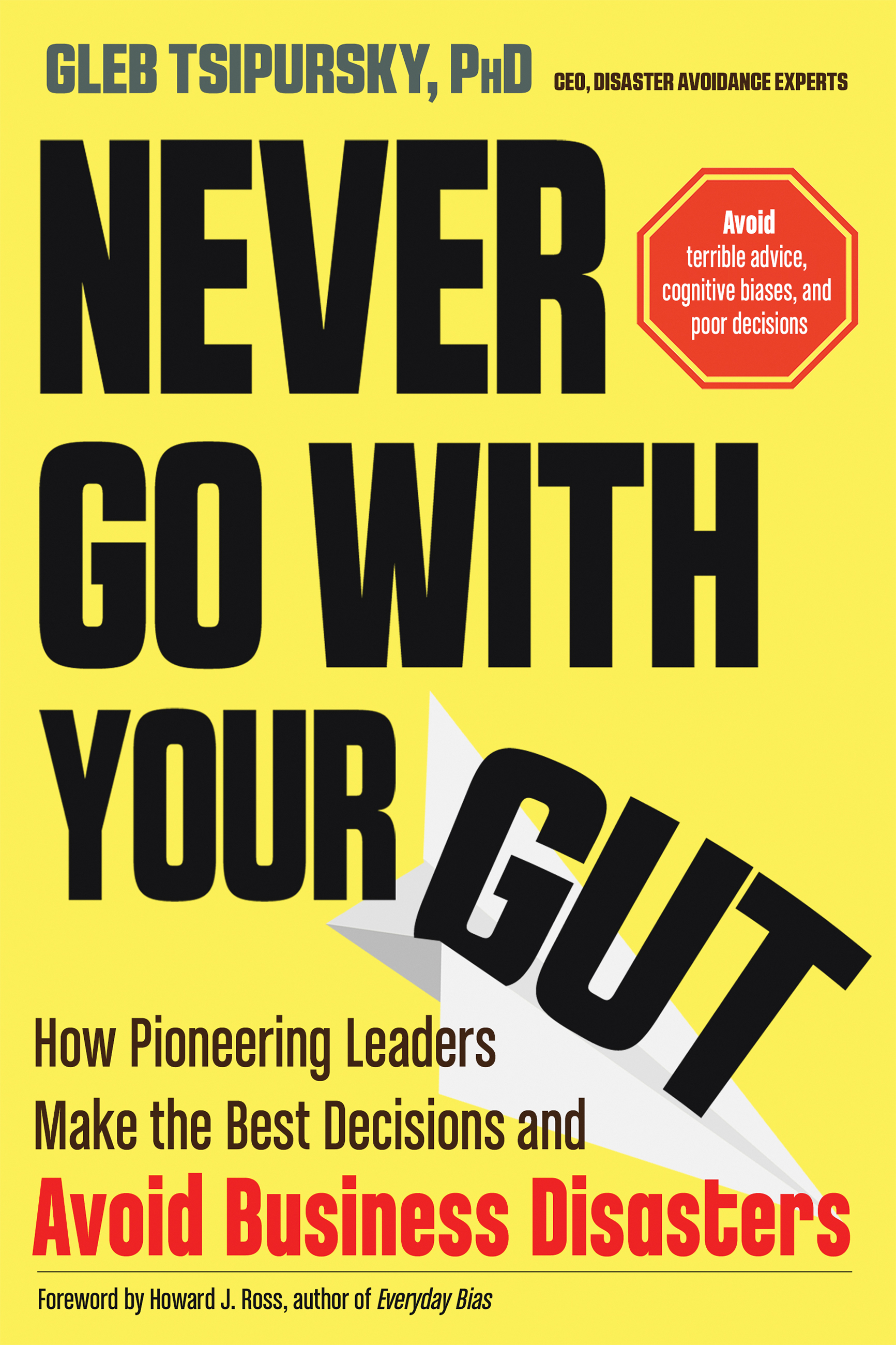
"Never Go With Your Gut" delves into the pervasive pitfalls of relying on intuition and emotions in high-stakes business decisions. Gleb Tsipursky argues that our ingrained biases frequently lead to suboptimal outcomes, even for experienced leaders. He advocates for a more structured, data-driven, and evidence-based approach, introducing actionable strategies and frameworks to systematically de-bias decision-making processes and foster a culture of objective reasoning within organizations.
This book resonates strongly with themes from "The Art of Thinking Clearly" by directly addressing cognitive biases and logical fallacies that impede effective judgment. Both works illuminate the inherent flaws in human thinking and offer practical antidotes. While Dobelli presents a broader compendium of biases, Tsipursky specifically applies these principles to the business world, offering a focused exploration of how to mitigate their impact in professional settings.
Individuals seeking to sharpen their decision-making skills and avoid costly professional errors will find this book immensely valuable. It provides concrete methods for identifying and overcoming cognitive traps, ultimately leading to more robust strategies and better organizational performance. Leaders and aspiring leaders, in particular, will gain insights into cultivating a more rational and resilient approach to leadership.
Never Go With Your Gut: How Pioneering Leaders Make the Best Decisions and Avoid Business Disasters
"Never Go With Your Gut" delves into the pervasive pitfalls of relying on intuition and emotions in high-stakes business decisions. Gleb Tsipursky argues that our ingrained biases frequently lead to suboptimal outcomes, even for experienced leaders. He advocates for a more structured, data-driven, and evidence-based approach, introducing actionable strategies and frameworks to systematically de-bias decision-making processes and foster a culture of objective reasoning within organizations.
This book resonates strongly with themes from "The Art of Thinking Clearly" by directly addressing cognitive biases and logical fallacies that impede effective judgment. Both works illuminate the inherent flaws in human thinking and offer practical antidotes. While Dobelli presents a broader compendium of biases, Tsipursky specifically applies these principles to the business world, offering a focused exploration of how to mitigate their impact in professional settings.
Individuals seeking to sharpen their decision-making skills and avoid costly professional errors will find this book immensely valuable. It provides concrete methods for identifying and overcoming cognitive traps, ultimately leading to more robust strategies and better organizational performance. Leaders and aspiring leaders, in particular, will gain insights into cultivating a more rational and resilient approach to leadership.
The Blindspots Between Us: How to Overcome Unconscious Cognitive Bias and Build Better Relationships

"The Blindspots Between Us" by Gleb Tsipursky delves into the pervasive impact of unconscious cognitive biases on our relationships. It unpacks how these mental shortcuts distort our perceptions, lead to misunderstandings, and undermine connection, offering practical strategies to identify and mitigate their influence for stronger personal and professional bonds.
This book shares a core theme with "The Art of Thinking Clearly": both aim to empower individuals to make better judgments by understanding the inherent flaws in human reasoning. While Dobelli offers a broad overview of cognitive biases, Tsipursky specifically hones in on their relational consequences, providing actionable advice for navigating interpersonal dynamics.
Those interested in improving communication, resolving conflict more effectively, and fostering deeper connections will appreciate the clear analysis and pragmatic solutions offered. Its focus on translating abstract psychological concepts into tangible relationship improvements makes it a valuable resource for enhancing self-awareness and social intelligence.
The Blindspots Between Us: How to Overcome Unconscious Cognitive Bias and Build Better Relationships
"The Blindspots Between Us" by Gleb Tsipursky delves into the pervasive impact of unconscious cognitive biases on our relationships. It unpacks how these mental shortcuts distort our perceptions, lead to misunderstandings, and undermine connection, offering practical strategies to identify and mitigate their influence for stronger personal and professional bonds.
This book shares a core theme with "The Art of Thinking Clearly": both aim to empower individuals to make better judgments by understanding the inherent flaws in human reasoning. While Dobelli offers a broad overview of cognitive biases, Tsipursky specifically hones in on their relational consequences, providing actionable advice for navigating interpersonal dynamics.
Those interested in improving communication, resolving conflict more effectively, and fostering deeper connections will appreciate the clear analysis and pragmatic solutions offered. Its focus on translating abstract psychological concepts into tangible relationship improvements makes it a valuable resource for enhancing self-awareness and social intelligence.
The Truth-Seeker’s Handbook: A Science-Based Guide
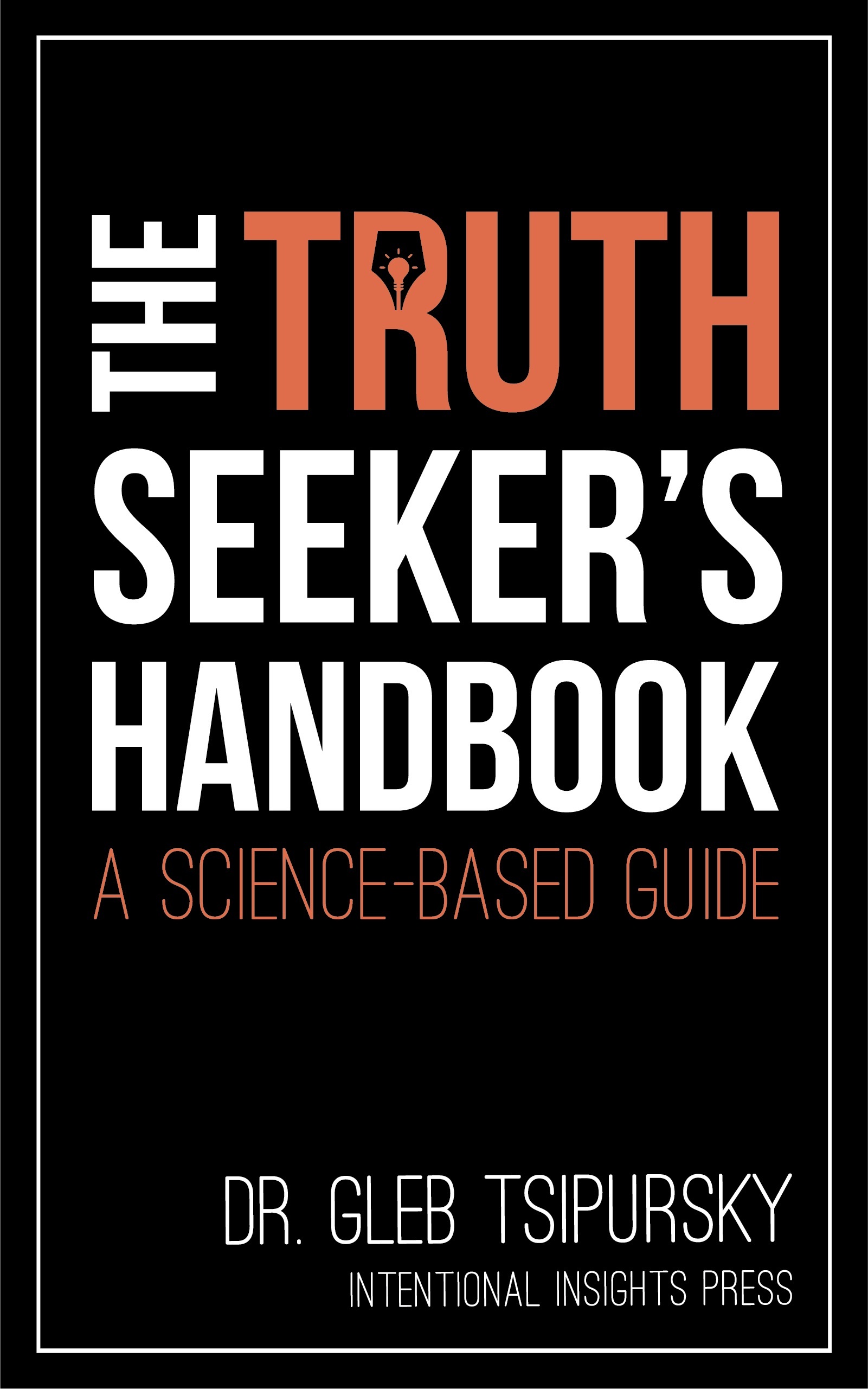
"The Truth-Seeker’s Handbook" by Gleb Tsipursky systematically unpacks how our brains often mislead us, particularly in decision-making and evaluating information. It's a practical guide offering science-backed strategies for overcoming cognitive biases, fostering rational thought, and making more accurate judgments in a complex world. Tsipursky provides actionable tools to navigate misinformation and personal blind spots.
This book shares a core philosophical and practical lineage with "The Art of Thinking Clearly." Both authors delve into the common cognitive errors that plague human judgment, presenting these biases with clarity and offering concrete methods for mitigation. They empower individuals to recognize flawed thinking patterns and consciously choose more rational approaches to problems and perceptions.
The book’s appeal lies in its direct relevance to everyday challenges. It equips individuals with the capacity to improve their critical thinking, enhance their decision-making in personal and professional spheres, and become more discerning consumers of information in an era of abundant data. Its value stems from providing tangible processes for achieving greater clarity and objectivity.
The Truth-Seeker’s Handbook: A Science-Based Guide
"The Truth-Seeker’s Handbook" by Gleb Tsipursky systematically unpacks how our brains often mislead us, particularly in decision-making and evaluating information. It's a practical guide offering science-backed strategies for overcoming cognitive biases, fostering rational thought, and making more accurate judgments in a complex world. Tsipursky provides actionable tools to navigate misinformation and personal blind spots.
This book shares a core philosophical and practical lineage with "The Art of Thinking Clearly." Both authors delve into the common cognitive errors that plague human judgment, presenting these biases with clarity and offering concrete methods for mitigation. They empower individuals to recognize flawed thinking patterns and consciously choose more rational approaches to problems and perceptions.
The book’s appeal lies in its direct relevance to everyday challenges. It equips individuals with the capacity to improve their critical thinking, enhance their decision-making in personal and professional spheres, and become more discerning consumers of information in an era of abundant data. Its value stems from providing tangible processes for achieving greater clarity and objectivity.
The Logic of Failure: Recognizing and Avoiding Error in Complex Situations
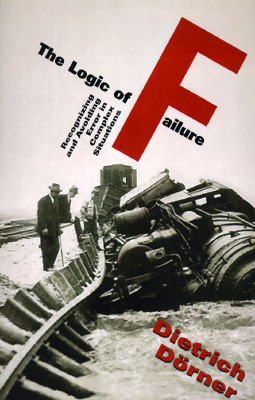
"The Logic of Failure" delves into why even intelligent individuals consistently make poor decisions when faced with complex, dynamic problems. It dissects our cognitive biases and faulty mental models that lead to unintended negative consequences, often escalating rather than resolving issues. Dörner uses engaging real-world and simulated scenarios to illustrate these cognitive traps.
This book resonates with "The Art of Thinking Clearly" by directly addressing cognitive biases and flawed decision-making. Both authors systematically expose the common errors in human thought, providing frameworks to understand *why* we err and *how* to approach situations with greater clarity and effectiveness, rather than simply listing biases.
It will appeal to anyone seeking to improve their strategic thinking and problem-solving abilities, particularly those navigating challenging professional or personal contexts. The insights offered provide practical tools for identifying pitfalls, anticipating unintended consequences, and ultimately making more robust and successful choices in complex environments.
The Logic of Failure: Recognizing and Avoiding Error in Complex Situations
"The Logic of Failure" delves into why even intelligent individuals consistently make poor decisions when faced with complex, dynamic problems. It dissects our cognitive biases and faulty mental models that lead to unintended negative consequences, often escalating rather than resolving issues. Dörner uses engaging real-world and simulated scenarios to illustrate these cognitive traps.
This book resonates with "The Art of Thinking Clearly" by directly addressing cognitive biases and flawed decision-making. Both authors systematically expose the common errors in human thought, providing frameworks to understand *why* we err and *how* to approach situations with greater clarity and effectiveness, rather than simply listing biases.
It will appeal to anyone seeking to improve their strategic thinking and problem-solving abilities, particularly those navigating challenging professional or personal contexts. The insights offered provide practical tools for identifying pitfalls, anticipating unintended consequences, and ultimately making more robust and successful choices in complex environments.
Blink: The Power of Thinking Without Thinking

"Blink" explores the power and pitfalls of rapid cognition – the snap judgments, gut feelings, and instant decisions we make without conscious thought. Gladwell delves into how our unconscious mind processes vast amounts of information in milliseconds, often with surprising accuracy, but also highlighting scenarios where these quick assessments can lead us astray due to biases or incomplete data.
This book shares thematic ground with "The Art of Thinking Clearly" by examining the intricacies of human decision-making and cognitive processes. While Dobelli focuses on identifying and avoiding common logical fallacies and biases in deliberate thought, Gladwell unpacks the mechanisms and implications of our automatic, intuitive thinking, revealing its strengths and weaknesses as a counterpart to rational analysis.
Its exploration of intuition and its impact on everyday life offers valuable insights into how we navigate the world. The engaging anecdotes and accessible scientific explanations provide a deeper understanding of our fundamental thought processes, which can help in discerning when to trust our instincts and when to deliberate further. It offers practical wisdom for anyone interested in improving their decision-making skills, whether personal or professional.
Blink: The Power of Thinking Without Thinking
"Blink" explores the power and pitfalls of rapid cognition – the snap judgments, gut feelings, and instant decisions we make without conscious thought. Gladwell delves into how our unconscious mind processes vast amounts of information in milliseconds, often with surprising accuracy, but also highlighting scenarios where these quick assessments can lead us astray due to biases or incomplete data.
This book shares thematic ground with "The Art of Thinking Clearly" by examining the intricacies of human decision-making and cognitive processes. While Dobelli focuses on identifying and avoiding common logical fallacies and biases in deliberate thought, Gladwell unpacks the mechanisms and implications of our automatic, intuitive thinking, revealing its strengths and weaknesses as a counterpart to rational analysis.
Its exploration of intuition and its impact on everyday life offers valuable insights into how we navigate the world. The engaging anecdotes and accessible scientific explanations provide a deeper understanding of our fundamental thought processes, which can help in discerning when to trust our instincts and when to deliberate further. It offers practical wisdom for anyone interested in improving their decision-making skills, whether personal or professional.
Mastermind: How to Think Like Sherlock Holmes

"Mastermind: How to Think Like Sherlock Holmes" delves into the cognitive processes championed by Arthur Conan Doyle's iconic detective. Maria Konnikova unpacks Holmes's methods of observation, deduction, and self-awareness, translating them into actionable strategies for enhancing everyday critical thinking, decision-making, and memory. It’s a practical guide to cultivating a more mindful and analytical approach to life's challenges.
This book resonates with "The Art of Thinking Clearly" due to its shared objective: a systematic demystification of cognitive biases and a practical roadmap for overcoming faulty reasoning. Both works aim to equip individuals with tools to navigate complex information, identify logical fallacies, and ultimately, make sounder judgments by understanding the mechanics of their own minds.
The appeal lies in its promise of intellectual empowerment. Individuals seeking to sharpen their mental acuity, improve problem-solving skills, and gain a deeper understanding of human nature will discover immense value. It offers a structured yet engaging pathway to greater clarity, making complex psychological principles accessible and directly applicable to personal and professional growth.
Mastermind: How to Think Like Sherlock Holmes
"Mastermind: How to Think Like Sherlock Holmes" delves into the cognitive processes championed by Arthur Conan Doyle's iconic detective. Maria Konnikova unpacks Holmes's methods of observation, deduction, and self-awareness, translating them into actionable strategies for enhancing everyday critical thinking, decision-making, and memory. It’s a practical guide to cultivating a more mindful and analytical approach to life's challenges.
This book resonates with "The Art of Thinking Clearly" due to its shared objective: a systematic demystification of cognitive biases and a practical roadmap for overcoming faulty reasoning. Both works aim to equip individuals with tools to navigate complex information, identify logical fallacies, and ultimately, make sounder judgments by understanding the mechanics of their own minds.
The appeal lies in its promise of intellectual empowerment. Individuals seeking to sharpen their mental acuity, improve problem-solving skills, and gain a deeper understanding of human nature will discover immense value. It offers a structured yet engaging pathway to greater clarity, making complex psychological principles accessible and directly applicable to personal and professional growth.
The Upside of Irrationality: The Unexpected Benefits of Defying Logic at Work and at Home
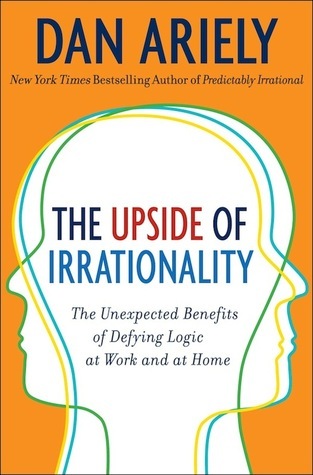
"The Upside of Irrationality" delves into the surprising ways our seemingly illogical behaviors and decisions can actually lead to positive outcomes in various aspects of life. Drawing on behavioral economics, Dan Ariely explores how our biases, emotional responses, and motivations, often contrary to pure rationality, can sometimes unlock creativity, foster deeper connections, and even enhance personal satisfaction in both professional and personal spheres.
This book shares a core investigative spirit with "The Art of Thinking Clearly." Both authors meticulously dissect common human cognitive patterns, challenging the assumption that we consistently operate with perfect logic. While Dobelli focuses on identifying and avoiding common fallacies, Ariely explores the *implications* of those very irrationalities, occasionally revealing their unexpected utility. Both works provide frameworks for understanding and navigating the complexities of human decision-making.
For those interested in practical self-improvement and a deeper understanding of human behavior, this book offers profound insights. It re-frames the concept of irrationality, moving beyond mere error to expose its potential as a catalyst for growth and unconventional success. The examination of how our quirks can be leveraged, rather than simply suppressed, will resonate deeply, offering a fresh perspective on optimizing personal and professional strategies.
The Upside of Irrationality: The Unexpected Benefits of Defying Logic at Work and at Home
"The Upside of Irrationality" delves into the surprising ways our seemingly illogical behaviors and decisions can actually lead to positive outcomes in various aspects of life. Drawing on behavioral economics, Dan Ariely explores how our biases, emotional responses, and motivations, often contrary to pure rationality, can sometimes unlock creativity, foster deeper connections, and even enhance personal satisfaction in both professional and personal spheres.
This book shares a core investigative spirit with "The Art of Thinking Clearly." Both authors meticulously dissect common human cognitive patterns, challenging the assumption that we consistently operate with perfect logic. While Dobelli focuses on identifying and avoiding common fallacies, Ariely explores the *implications* of those very irrationalities, occasionally revealing their unexpected utility. Both works provide frameworks for understanding and navigating the complexities of human decision-making.
For those interested in practical self-improvement and a deeper understanding of human behavior, this book offers profound insights. It re-frames the concept of irrationality, moving beyond mere error to expose its potential as a catalyst for growth and unconventional success. The examination of how our quirks can be leveraged, rather than simply suppressed, will resonate deeply, offering a fresh perspective on optimizing personal and professional strategies.
More Books to Explore
Discover more titles that expand on these ideas and themes.
Thinking, Fast and Slow
You Are Not So Smart
Smart Thinking: Three Essential Keys to Solve Problems, Innovate, and Get Things Done
Never Go With Your Gut: How Pioneering Leaders Make the Best Decisions and Avoid Business Disasters
The Blindspots Between Us: How to Overcome Unconscious Cognitive Bias and Build Better Relationships
The Truth-Seeker’s Handbook: A Science-Based Guide