10 Books Similar to "The Art of Living Alone and Loving It"
by Jane Mathews

The Single Woman–Life, Love, and a Dash of Sass: Embracing Singleness with Confidence
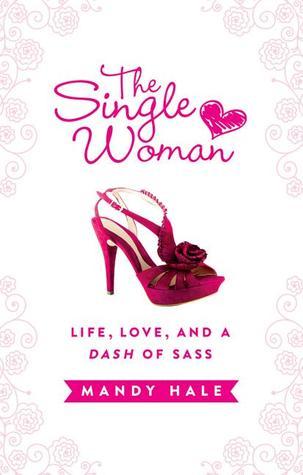
"The Single Woman–Life, Love, and a Dash of Sass" provides an empowering and humorous guide for women navigating singleness. It emphasizes self-acceptance, personal growth, and finding joy and fulfillment independently, rather than viewing a partner as the sole source of happiness. Hale encourages embracing one's unique journey, dating strategically, and building a rich life regardless of relationship status.
This book aligns with "The Art of Living Alone and Loving It" by championing autonomy and self-sufficiency for individuals without romantic partners. Both books challenge societal pressures and misconceptions about being single, promoting a proactive and positive approach to independent living, whether living alone or simply being unpartnered.
The book's appeal lies in its relatable and candid voice, offering practical advice and emotional support for women seeking to thrive in their single lives. Its message of confidence and self-discovery is valuable for anyone looking to cultivate a fulfilling personal existence, free from the often-negative connotations associated with singleness, and instead embrace it as an opportunity for profound self-development and happiness.
The Single Woman–Life, Love, and a Dash of Sass: Embracing Singleness with Confidence
"The Single Woman–Life, Love, and a Dash of Sass" provides an empowering and humorous guide for women navigating singleness. It emphasizes self-acceptance, personal growth, and finding joy and fulfillment independently, rather than viewing a partner as the sole source of happiness. Hale encourages embracing one's unique journey, dating strategically, and building a rich life regardless of relationship status.
This book aligns with "The Art of Living Alone and Loving It" by championing autonomy and self-sufficiency for individuals without romantic partners. Both books challenge societal pressures and misconceptions about being single, promoting a proactive and positive approach to independent living, whether living alone or simply being unpartnered.
The book's appeal lies in its relatable and candid voice, offering practical advice and emotional support for women seeking to thrive in their single lives. Its message of confidence and self-discovery is valuable for anyone looking to cultivate a fulfilling personal existence, free from the often-negative connotations associated with singleness, and instead embrace it as an opportunity for profound self-development and happiness.
Queen of Your Own Life: The Grown-Up Woman's Guide to Claiming Happiness and Getting the Life You Deserve
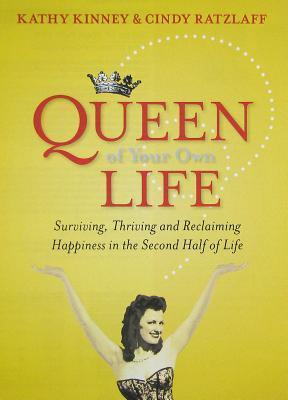
"Queen of Your Own Life" encourages adult women to embrace self-empowerment and intentionally design a fulfilling life. It's a pragmatic guide advocating for self-prioritization, setting boundaries, pursuing passions, and cultivating a sense of agency, irrespective of relationship status or external expectations. The book inspires women to define happiness on their own terms and actively work towards achieving it.
This book aligns with "The Art of Living Alone and Loving It" by championing independence and self-contentment. Both titles emphasize the importance of internal validation over external approval and encourage women to construct a life that truly resonates with their authentic selves. They share a core message about finding joy and fulfillment from within, rather than solely through others.
The book will resonate with individuals seeking positive practical advice on building a life of purpose and satisfaction. Its focus on personal agency, practical strategies for self-care, and honest exploration of adult life challenges offers a valuable resource for those ready to take control of their narrative and create lasting happiness.
Queen of Your Own Life: The Grown-Up Woman's Guide to Claiming Happiness and Getting the Life You Deserve
"Queen of Your Own Life" encourages adult women to embrace self-empowerment and intentionally design a fulfilling life. It's a pragmatic guide advocating for self-prioritization, setting boundaries, pursuing passions, and cultivating a sense of agency, irrespective of relationship status or external expectations. The book inspires women to define happiness on their own terms and actively work towards achieving it.
This book aligns with "The Art of Living Alone and Loving It" by championing independence and self-contentment. Both titles emphasize the importance of internal validation over external approval and encourage women to construct a life that truly resonates with their authentic selves. They share a core message about finding joy and fulfillment from within, rather than solely through others.
The book will resonate with individuals seeking positive practical advice on building a life of purpose and satisfaction. Its focus on personal agency, practical strategies for self-care, and honest exploration of adult life challenges offers a valuable resource for those ready to take control of their narrative and create lasting happiness.
When I Loved Myself Enough
"When I Loved Myself Enough" by Kim McMillen is a poignant exploration of self-acceptance and the transformative power of prioritizing one's own well-being. It details the journey from self-neglect and external validation to a state of profound self-love, often expressed through simple, yet impactful, affirmations and reflections on life's choices.
This book resonates with "The Art of Living Alone and Loving It" because both works champion autonomy and contentment found within oneself, rather than relying on external circumstances or relationships for fulfillment. While one focuses on embracing solitude, the other broadens this concept to encompass a holistic self-love, a crucial foundation for genuinely enjoying any life stage, including living alone.
It will appeal to individuals seeking personal growth, emotional liberation, and a deeper connection with their inner selves. The book offers gentle yet profound guidance for cultivating self-compassion, setting boundaries, and daring to live authentically, proving invaluable for anyone ready to redefine their relationship with themselves.
When I Loved Myself Enough
"When I Loved Myself Enough" by Kim McMillen is a poignant exploration of self-acceptance and the transformative power of prioritizing one's own well-being. It details the journey from self-neglect and external validation to a state of profound self-love, often expressed through simple, yet impactful, affirmations and reflections on life's choices.
This book resonates with "The Art of Living Alone and Loving It" because both works champion autonomy and contentment found within oneself, rather than relying on external circumstances or relationships for fulfillment. While one focuses on embracing solitude, the other broadens this concept to encompass a holistic self-love, a crucial foundation for genuinely enjoying any life stage, including living alone.
It will appeal to individuals seeking personal growth, emotional liberation, and a deeper connection with their inner selves. The book offers gentle yet profound guidance for cultivating self-compassion, setting boundaries, and daring to live authentically, proving invaluable for anyone ready to redefine their relationship with themselves.
The Single Woman's Sassy Survival Guide: Letting Go and Moving On
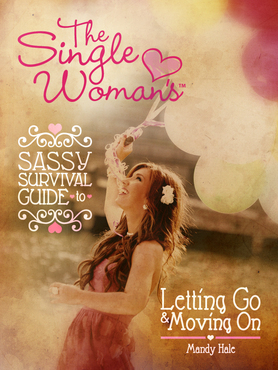
"The Single Woman's Sassy Survival Guide: Letting Go and Moving On" by Mandy Hale offers a vibrant and candid exploration of navigating single life, particularly after a significant breakup. It's not a self-pitying memoir, but a practical and empowering resource that encourages embracing independence, fostering self-love, and rebuilding a fulfilling life without relying on a romantic partner. Hale's approach is direct and authentic, sharing personal anecdotes and actionable advice on everything from reclaiming your identity to pursuing new passions.
This book shares thematic DNA with "The Art of Living Alone and Loving It" by Jane Mathews because both champion self-sufficiency and contentment regardless of relationship status. While Mathews focuses on the practicalities and joys of independent living, Hale specifically addresses the transition out of a relationship and the subsequent journey of self-discovery and empowerment. Both works fundamentally advocate for finding happiness within oneself, rather than externally.
The appeal of Hale's guide lies in its validating and proactive stance. Women often face societal pressures or internal struggles when single, and this book provides a refreshing counter-narrative, offering solace, strategies, and a sense of community. Its value comes from its ability to transform a potentially challenging period into an opportunity for growth, self-discovery, and ultimately, a more enriched and purposeful life.
The Single Woman's Sassy Survival Guide: Letting Go and Moving On
"The Single Woman's Sassy Survival Guide: Letting Go and Moving On" by Mandy Hale offers a vibrant and candid exploration of navigating single life, particularly after a significant breakup. It's not a self-pitying memoir, but a practical and empowering resource that encourages embracing independence, fostering self-love, and rebuilding a fulfilling life without relying on a romantic partner. Hale's approach is direct and authentic, sharing personal anecdotes and actionable advice on everything from reclaiming your identity to pursuing new passions.
This book shares thematic DNA with "The Art of Living Alone and Loving It" by Jane Mathews because both champion self-sufficiency and contentment regardless of relationship status. While Mathews focuses on the practicalities and joys of independent living, Hale specifically addresses the transition out of a relationship and the subsequent journey of self-discovery and empowerment. Both works fundamentally advocate for finding happiness within oneself, rather than externally.
The appeal of Hale's guide lies in its validating and proactive stance. Women often face societal pressures or internal struggles when single, and this book provides a refreshing counter-narrative, offering solace, strategies, and a sense of community. Its value comes from its ability to transform a potentially challenging period into an opportunity for growth, self-discovery, and ultimately, a more enriched and purposeful life.
Becoming the One: Heal Your Past, Transform Your Relationship Patterns, and Come Home to Yourself
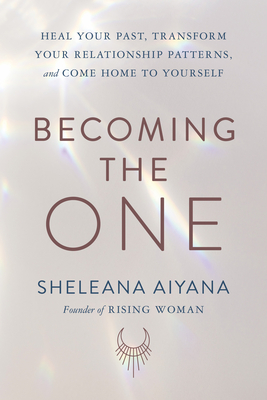
"Becoming the One" by Sheleana Aiyana delves into the profound work of self-discovery and internal healing necessary to cultivate healthy relationships, whether with oneself or others. It guides individuals through identifying ingrained patterns, past traumas, and attachment styles that may hinder authentic connection. The book advocates for becoming a complete and grounded individual first, fostering self-love and inner security as the foundation for all subsequent interactions.
This book resonates with "The Art of Living Alone and Loving It" through its shared emphasis on cultivating a robust internal world and self-sufficiency. Both works champion the idea that true contentment and fulfilling connections stem from a strong sense of self, independent of external validation or relationship status. While Mathews focuses on thriving in solitude, Aiyana broadens this internal strength to transform relational dynamics, showing how self-love is pivotal for both single life and partnered well-being.
"Becoming the One" offers a powerful framework for personal growth and emotional intelligence. Its actionable insights into understanding and rewriting personal narratives provide a path toward greater self-awareness and healthier boundaries. Those seeking to understand their relationship patterns, heal old wounds, and forge more authentic connections, starting with themselves, will find immense benefit in its comprehensive approach to self-transformation.
Becoming the One: Heal Your Past, Transform Your Relationship Patterns, and Come Home to Yourself
"Becoming the One" by Sheleana Aiyana delves into the profound work of self-discovery and internal healing necessary to cultivate healthy relationships, whether with oneself or others. It guides individuals through identifying ingrained patterns, past traumas, and attachment styles that may hinder authentic connection. The book advocates for becoming a complete and grounded individual first, fostering self-love and inner security as the foundation for all subsequent interactions.
This book resonates with "The Art of Living Alone and Loving It" through its shared emphasis on cultivating a robust internal world and self-sufficiency. Both works champion the idea that true contentment and fulfilling connections stem from a strong sense of self, independent of external validation or relationship status. While Mathews focuses on thriving in solitude, Aiyana broadens this internal strength to transform relational dynamics, showing how self-love is pivotal for both single life and partnered well-being.
"Becoming the One" offers a powerful framework for personal growth and emotional intelligence. Its actionable insights into understanding and rewriting personal narratives provide a path toward greater self-awareness and healthier boundaries. Those seeking to understand their relationship patterns, heal old wounds, and forge more authentic connections, starting with themselves, will find immense benefit in its comprehensive approach to self-transformation.
Find Your People: Building Deep Community in a Lonely World
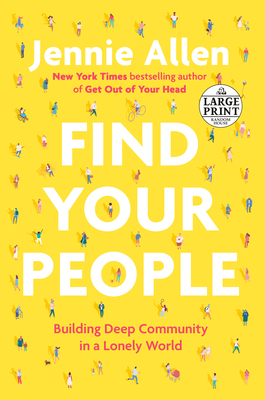
"Find Your People" by Jennie Allen explores the pervasive loneliness in modern society and offers a practical, faith-based guide to cultivating authentic, meaningful friendships and community. It challenges the isolating nature of digital connection and superficial interactions, advocating for intentional effort to build deep, supportive relationships that provide true belonging and purpose.
This book resonates with themes in "The Art of Living Alone and Loving It" because both address the human need for connection and well-being, albeit from different angles. While Mathews focuses on empowering individuals to thrive in solitude, Allen addresses the equally vital need for enriching external relationships, suggesting that a fulfilling life – whether alone or with others – requires conscious effort in building a supportive network. Both acknowledge the challenges of modern life in fostering genuine connection.
The book will appeal to anyone feeling isolated or disconnected, offering actionable strategies to overcome societal barriers to community. Its emphasis on intentionality and practical steps for fostering genuine relationships provides a valuable framework for individuals seeking to enrich their lives through deeper human connection. It speaks to a universal yearning for belonging and offers a hopeful path toward a more connected existence.
Find Your People: Building Deep Community in a Lonely World
"Find Your People" by Jennie Allen explores the pervasive loneliness in modern society and offers a practical, faith-based guide to cultivating authentic, meaningful friendships and community. It challenges the isolating nature of digital connection and superficial interactions, advocating for intentional effort to build deep, supportive relationships that provide true belonging and purpose.
This book resonates with themes in "The Art of Living Alone and Loving It" because both address the human need for connection and well-being, albeit from different angles. While Mathews focuses on empowering individuals to thrive in solitude, Allen addresses the equally vital need for enriching external relationships, suggesting that a fulfilling life – whether alone or with others – requires conscious effort in building a supportive network. Both acknowledge the challenges of modern life in fostering genuine connection.
The book will appeal to anyone feeling isolated or disconnected, offering actionable strategies to overcome societal barriers to community. Its emphasis on intentionality and practical steps for fostering genuine relationships provides a valuable framework for individuals seeking to enrich their lives through deeper human connection. It speaks to a universal yearning for belonging and offers a hopeful path toward a more connected existence.
Self Growth
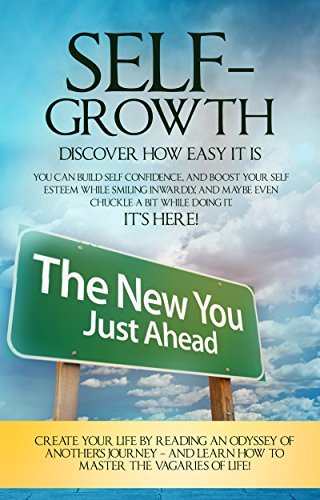
"Self Growth" by Ron Millicent offers a pragmatic guide to personal development, focusing on actionable strategies for cultivating resilience, self-awareness, and a sense of purpose. It moves beyond abstract concepts, providing concrete techniques for identifying personal values, setting meaningful goals, and navigating life's challenges with a more grounded perspective.
This book shares common ground with "The Art of Living Alone and Loving It" through its emphasis on fostering internal strength and self-reliance. Both texts advocate for a proactive approach to well-being, encouraging individuals to invest in their personal growth regardless of their relationship status or external circumstances. They converge on the idea that a fulfilling life stems from a cultivated sense of self and an ability to navigate one's own journey with confidence.
The appeal of "Self Growth" lies in its practical utility and empowering message. It provides tools for introspection and change, allowing individuals to actively shape their emotional landscape and personal direction. Its actionable advice and focus on internal agency make it a valuable resource for anyone seeking to enhance their psychological fortitude and achieve a greater sense of personal fulfillment.
Self Growth
"Self Growth" by Ron Millicent offers a pragmatic guide to personal development, focusing on actionable strategies for cultivating resilience, self-awareness, and a sense of purpose. It moves beyond abstract concepts, providing concrete techniques for identifying personal values, setting meaningful goals, and navigating life's challenges with a more grounded perspective.
This book shares common ground with "The Art of Living Alone and Loving It" through its emphasis on fostering internal strength and self-reliance. Both texts advocate for a proactive approach to well-being, encouraging individuals to invest in their personal growth regardless of their relationship status or external circumstances. They converge on the idea that a fulfilling life stems from a cultivated sense of self and an ability to navigate one's own journey with confidence.
The appeal of "Self Growth" lies in its practical utility and empowering message. It provides tools for introspection and change, allowing individuals to actively shape their emotional landscape and personal direction. Its actionable advice and focus on internal agency make it a valuable resource for anyone seeking to enhance their psychological fortitude and achieve a greater sense of personal fulfillment.
The Power Of Being Different
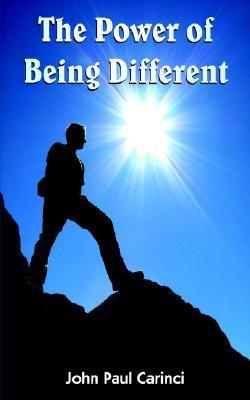
"The Power Of Being Different" by John Paul Carinci explores the inherent value and strength found in forging one's own path, distinct from societal norms. It champions individuality, self-acceptance, and the conviction that personal uniqueness is not a weakness but a foundation for a fulfilling and impactful life. The book encourages recognizing and embracing one's particular qualities and experiences as assets, rather than striving for conformity.
This book shares a core thematic resonance with "The Art of Living Alone and Loving It." Both titles advocate for embracing a non-traditional lifestyle choice—living alone in Mathews’ case, and being inherently 'different' in Carinci's—and finding empowerment and joy within that choice. They both emphasize self-reliance, challenging external expectations, and cultivating an internal sense of worth and contentment, independent of external validation.
The book will appeal to those who feel marginalized, misunderstood, or simply drawn to a less conventional existence. It offers a powerful affirmation for anyone seeking to understand and harness their unique identity, providing inspiration and practical insights for building a life rich in personal meaning and authentic self-expression. The value lies in its emboldening message of self-acceptance and the realization that one's distinctiveness is a source of strength.
The Power Of Being Different
"The Power Of Being Different" by John Paul Carinci explores the inherent value and strength found in forging one's own path, distinct from societal norms. It champions individuality, self-acceptance, and the conviction that personal uniqueness is not a weakness but a foundation for a fulfilling and impactful life. The book encourages recognizing and embracing one's particular qualities and experiences as assets, rather than striving for conformity.
This book shares a core thematic resonance with "The Art of Living Alone and Loving It." Both titles advocate for embracing a non-traditional lifestyle choice—living alone in Mathews’ case, and being inherently 'different' in Carinci's—and finding empowerment and joy within that choice. They both emphasize self-reliance, challenging external expectations, and cultivating an internal sense of worth and contentment, independent of external validation.
The book will appeal to those who feel marginalized, misunderstood, or simply drawn to a less conventional existence. It offers a powerful affirmation for anyone seeking to understand and harness their unique identity, providing inspiration and practical insights for building a life rich in personal meaning and authentic self-expression. The value lies in its emboldening message of self-acceptance and the realization that one's distinctiveness is a source of strength.
Simple Abundance: A Daybook of Comfort of Joy

"Simple Abundance: A Daybook of Comfort and Joy" is a collection of daily reflections and meditations designed to encourage women to cultivate a more conscious and fulfilling life. It champions the discovery of joy in everyday moments, focusing on personal growth, self-nurturing, and appreciating the simple pleasures. The book explores themes of beauty, order, harmony, spiritual growth, and the importance of creating a sanctuary both within oneself and in one's environment.
This book shares common ground with "The Art of Living Alone and Loving It" by emphasizing intentional living and self-contentment. Both works advocate for finding happiness independently, cultivating a personal space for well-being, and embracing a life rich in meaning, regardless of external circumstances or relationship status. They promote a mindset of self-reliance and joy derived from within.
"Simple Abundance" offers a reflective and enriching experience, providing practical wisdom and encouragement for personal growth and inner peace. Its daily format makes it accessible for integrating mindful practices into one's routine, assisting in the development of a more deliberate and joyful approach to life. It empowers individuals to create a sanctuary of happiness and fulfillment for themselves.
Simple Abundance: A Daybook of Comfort of Joy
"Simple Abundance: A Daybook of Comfort and Joy" is a collection of daily reflections and meditations designed to encourage women to cultivate a more conscious and fulfilling life. It champions the discovery of joy in everyday moments, focusing on personal growth, self-nurturing, and appreciating the simple pleasures. The book explores themes of beauty, order, harmony, spiritual growth, and the importance of creating a sanctuary both within oneself and in one's environment.
This book shares common ground with "The Art of Living Alone and Loving It" by emphasizing intentional living and self-contentment. Both works advocate for finding happiness independently, cultivating a personal space for well-being, and embracing a life rich in meaning, regardless of external circumstances or relationship status. They promote a mindset of self-reliance and joy derived from within.
"Simple Abundance" offers a reflective and enriching experience, providing practical wisdom and encouragement for personal growth and inner peace. Its daily format makes it accessible for integrating mindful practices into one's routine, assisting in the development of a more deliberate and joyful approach to life. It empowers individuals to create a sanctuary of happiness and fulfillment for themselves.
Minimalism: Live a Meaningful Life
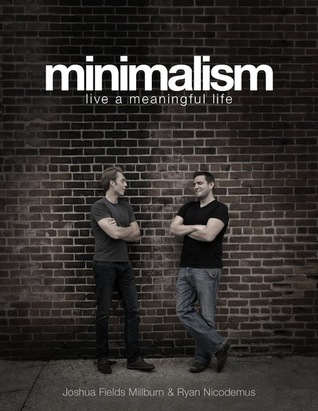
"Minimalism: Live a Meaningful Life" by Joshua Fields Millburn articulates a philosophy centered on decluttering not just physical possessions, but also limiting distractions, commitments, and even negative thoughts. The authors contend that by intentionally removing the superfluous, individuals can create space for what truly matters, fostering greater purpose, joy, and freedom. It's a pragmatic guide to identifying core values and aligning one's life choices with those principles, ultimately leading to a more intentional and fulfilling existence.
This book shares conceptual ground with "The Art of Living Alone and Loving It" through its emphasis on cultivating a rich, self-directed life. Both works advocate for conscious choices that foster personal well-being and contentment, rather than relying on external factors for happiness. While one focuses on embracing solitude and independence, the other champions intentional living through simplification, yet both ultimately aim to empower individuals to craft lives that genuinely resonate with them, free from societal pressures or unnecessary burdens.
"Minimalism" will appeal to those seeking greater clarity and control over their lives. Its actionable advice regarding consumerism, time management, and even relationships offers practical pathways to reduce overwhelm and amplify personal agency. The value lies in its potential to inspire a profound shift in perspective, enabling individuals to re-evaluate their priorities and invest their energy in pursuits that genuinely enrich their experience, leading to a more focused and meaningful journey.
Minimalism: Live a Meaningful Life
"Minimalism: Live a Meaningful Life" by Joshua Fields Millburn articulates a philosophy centered on decluttering not just physical possessions, but also limiting distractions, commitments, and even negative thoughts. The authors contend that by intentionally removing the superfluous, individuals can create space for what truly matters, fostering greater purpose, joy, and freedom. It's a pragmatic guide to identifying core values and aligning one's life choices with those principles, ultimately leading to a more intentional and fulfilling existence.
This book shares conceptual ground with "The Art of Living Alone and Loving It" through its emphasis on cultivating a rich, self-directed life. Both works advocate for conscious choices that foster personal well-being and contentment, rather than relying on external factors for happiness. While one focuses on embracing solitude and independence, the other champions intentional living through simplification, yet both ultimately aim to empower individuals to craft lives that genuinely resonate with them, free from societal pressures or unnecessary burdens.
"Minimalism" will appeal to those seeking greater clarity and control over their lives. Its actionable advice regarding consumerism, time management, and even relationships offers practical pathways to reduce overwhelm and amplify personal agency. The value lies in its potential to inspire a profound shift in perspective, enabling individuals to re-evaluate their priorities and invest their energy in pursuits that genuinely enrich their experience, leading to a more focused and meaningful journey.
More Books to Explore
Discover more titles that expand on these ideas and themes.
The Single Woman–Life, Love, and a Dash of Sass: Embracing Singleness with Confidence
Queen of Your Own Life: The Grown-Up Woman's Guide to Claiming Happiness and Getting the Life You Deserve
When I Loved Myself Enough
The Single Woman's Sassy Survival Guide: Letting Go and Moving On
Becoming the One: Heal Your Past, Transform Your Relationship Patterns, and Come Home to Yourself
Find Your People: Building Deep Community in a Lonely World