10 Books Similar to "Switch: How to Change Things When Change Is Hard"
by Chip Heath

Influencer: The Power to Change Anything
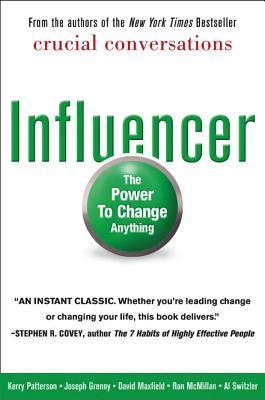
"Influencer: The Power to Change Anything" provides a comprehensive framework for instigating significant behavioral change, whether in individuals, organizations, or even societies. It goes beyond simple persuasion, dissecting the six core sources of influence – personal motivation, personal ability, social motivation, social ability, structural motivation, and structural ability – to show how they can be leveraged to tackle even the most intractable problems. The book offers a practical, step-by-step methodology for diagnosing the root causes of resistance and designing effective, lasting solutions.
This book shares foundational DNA with "Switch" through its exploration of the inherent dualities in human decision-making and the strategic identification of levers for change. Both titles acknowledge that simply presenting logical arguments is often insufficient; true transformation requires understanding and addressing both the rational and emotional aspects of human behavior, as well as the environmental factors that shape our actions. They both emphasize actionable strategies over theoretical concepts.
Individuals seeking a robust, methodology-driven approach to overcoming deeply entrenched habits or systemic issues will find immense value in its detailed guidance. Professionals aiming to lead organizational transformation, parents striving to foster better habits in their children, or anyone committed to making a tangible, positive difference in their world will discover practical tools and a clear roadmap for achieving profound, sustainable change.
Influencer: The Power to Change Anything
"Influencer: The Power to Change Anything" provides a comprehensive framework for instigating significant behavioral change, whether in individuals, organizations, or even societies. It goes beyond simple persuasion, dissecting the six core sources of influence – personal motivation, personal ability, social motivation, social ability, structural motivation, and structural ability – to show how they can be leveraged to tackle even the most intractable problems. The book offers a practical, step-by-step methodology for diagnosing the root causes of resistance and designing effective, lasting solutions.
This book shares foundational DNA with "Switch" through its exploration of the inherent dualities in human decision-making and the strategic identification of levers for change. Both titles acknowledge that simply presenting logical arguments is often insufficient; true transformation requires understanding and addressing both the rational and emotional aspects of human behavior, as well as the environmental factors that shape our actions. They both emphasize actionable strategies over theoretical concepts.
Individuals seeking a robust, methodology-driven approach to overcoming deeply entrenched habits or systemic issues will find immense value in its detailed guidance. Professionals aiming to lead organizational transformation, parents striving to foster better habits in their children, or anyone committed to making a tangible, positive difference in their world will discover practical tools and a clear roadmap for achieving profound, sustainable change.
Made to Stick: Why Some Ideas Survive and Others Die
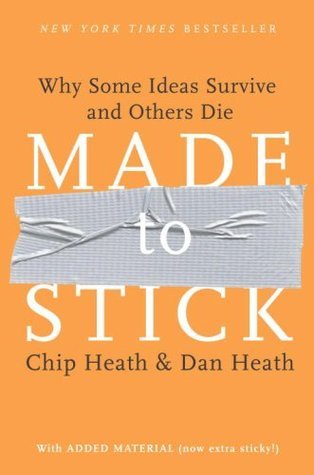
"Made to Stick" dissects the anatomy of effective ideas, revealing why some concepts propagate effortlessly while others wither. The Heath brothers introduce the SUCCESs framework—Simple, Unexpected, Concrete, Credible, Emotional, and Stories—as a practical toolkit for crafting messages that resonate and endure within any audience, from marketing campaigns to educational initiatives.
This book shares a core ambition with "Switch": both titles meticulously deconstruct complex human challenges—idea transmission in one, behavioral change in the other—into actionable, psychological principles. They empower individuals and organizations to strategically influence outcomes by understanding the underlying mechanics of effective communication and persuasion.
Anyone aiming to elevate their communication, whether presenting a new strategy, teaching a concept, or advocating for a cause, will find immense value here. The insights equip one with a systematic approach to making messages not just heard, but truly embraced and remembered, fostering greater impact and understanding.
Made to Stick: Why Some Ideas Survive and Others Die
"Made to Stick" dissects the anatomy of effective ideas, revealing why some concepts propagate effortlessly while others wither. The Heath brothers introduce the SUCCESs framework—Simple, Unexpected, Concrete, Credible, Emotional, and Stories—as a practical toolkit for crafting messages that resonate and endure within any audience, from marketing campaigns to educational initiatives.
This book shares a core ambition with "Switch": both titles meticulously deconstruct complex human challenges—idea transmission in one, behavioral change in the other—into actionable, psychological principles. They empower individuals and organizations to strategically influence outcomes by understanding the underlying mechanics of effective communication and persuasion.
Anyone aiming to elevate their communication, whether presenting a new strategy, teaching a concept, or advocating for a cause, will find immense value here. The insights equip one with a systematic approach to making messages not just heard, but truly embraced and remembered, fostering greater impact and understanding.
Atomic Habits: An Easy & Proven Way to Build Good Habits & Break Bad Ones
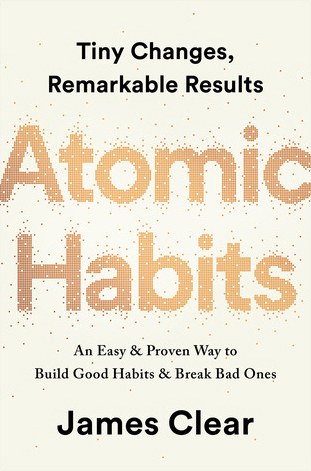
"Atomic Habits" delves into the profound impact of tiny, iterative changes on achieving significant personal and professional transformation. James Clear outlines a practical framework for building good habits and dismantling bad ones, focusing on four laws of behavior change: make it obvious, make it attractive, make it easy, and make it satisfying. It’s a pragmatic guide to understanding the psychology behind habits and leveraging that knowledge for sustained improvement.
This book shares common ground with "Switch" through its emphasis on overcoming resistance to change. Both works recognize that simply knowing what to do isn't enough; successful change requires understanding human nature and designing environments or processes that facilitate desired behaviors. While "Switch" explores navigating organizational or larger-scale shifts, "Atomic Habits" provides a micro-level, actionable blueprint for individual change, grounded in similar principles of making the desired path easier and more appealing.
Individuals seeking a robust, actionable methodology for self-improvement and habit formation will find immense value in this book. It offers clear, evidence-based strategies that equip one to systematically cultivate positive routines and eliminate detrimental ones. The actionable advice empowers readers to take control of their daily actions, leading to cumulative, positive outcomes across all aspects of life.
Atomic Habits: An Easy & Proven Way to Build Good Habits & Break Bad Ones
"Atomic Habits" delves into the profound impact of tiny, iterative changes on achieving significant personal and professional transformation. James Clear outlines a practical framework for building good habits and dismantling bad ones, focusing on four laws of behavior change: make it obvious, make it attractive, make it easy, and make it satisfying. It’s a pragmatic guide to understanding the psychology behind habits and leveraging that knowledge for sustained improvement.
This book shares common ground with "Switch" through its emphasis on overcoming resistance to change. Both works recognize that simply knowing what to do isn't enough; successful change requires understanding human nature and designing environments or processes that facilitate desired behaviors. While "Switch" explores navigating organizational or larger-scale shifts, "Atomic Habits" provides a micro-level, actionable blueprint for individual change, grounded in similar principles of making the desired path easier and more appealing.
Individuals seeking a robust, actionable methodology for self-improvement and habit formation will find immense value in this book. It offers clear, evidence-based strategies that equip one to systematically cultivate positive routines and eliminate detrimental ones. The actionable advice empowers readers to take control of their daily actions, leading to cumulative, positive outcomes across all aspects of life.
How Successful People Think: Change Your Thinking, Change Your Life
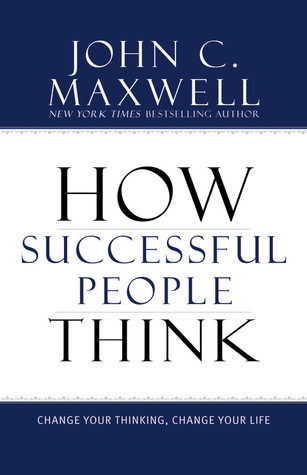
John C. Maxwell's "How Successful People Think" distills the core mental habits that underpin achievement. It outlines eleven distinct thinking patterns, from big-picture thinking to creative thinking, and explains how cultivating each one can systematically improve decision-making, problem-solving, and overall personal effectiveness. It's a practical guide designed to help individuals consciously alter their cognitive processes to achieve greater success.
This book shares thematic ground with "Switch" primarily through its focus on facilitating internal change for external results. Both aim to equip individuals with frameworks and strategies to overcome inherent resistance to improvement, whether that resistance stems from internal biases (as addressed by Maxwell's thinking patterns) or the Rider-Elephant dynamic (as explored in "Switch"). Both acknowledge that lasting change, personal or organizational, begins with a shift in perspective and approach.
Individuals seeking to unlock their full potential and consciously improve their performance will find significant value here. It offers actionable strategies for developing a more effective mindset, leading to clearer goals, better choices, and ultimately, a more fulfilling and successful life. Anyone looking for a direct path to mental recalibration will benefit from its clear, structured approach.
How Successful People Think: Change Your Thinking, Change Your Life
John C. Maxwell's "How Successful People Think" distills the core mental habits that underpin achievement. It outlines eleven distinct thinking patterns, from big-picture thinking to creative thinking, and explains how cultivating each one can systematically improve decision-making, problem-solving, and overall personal effectiveness. It's a practical guide designed to help individuals consciously alter their cognitive processes to achieve greater success.
This book shares thematic ground with "Switch" primarily through its focus on facilitating internal change for external results. Both aim to equip individuals with frameworks and strategies to overcome inherent resistance to improvement, whether that resistance stems from internal biases (as addressed by Maxwell's thinking patterns) or the Rider-Elephant dynamic (as explored in "Switch"). Both acknowledge that lasting change, personal or organizational, begins with a shift in perspective and approach.
Individuals seeking to unlock their full potential and consciously improve their performance will find significant value here. It offers actionable strategies for developing a more effective mindset, leading to clearer goals, better choices, and ultimately, a more fulfilling and successful life. Anyone looking for a direct path to mental recalibration will benefit from its clear, structured approach.
The Difference Maker: Making Your Attitude Your Greatest Asset

"The Difference Maker" by John C. Maxwell explores the profound impact of attitude on personal and professional success. It argues that how we approach challenges, setbacks, and opportunities is a more significant determinant of our outcomes than talent or circumstances. Maxwell provides actionable insights and practical strategies to cultivate a positive, proactive mindset, transforming attitude into a powerful force for achievement.
Both books tackle the fundamental human challenge of initiating and sustaining positive change. While "Switch" focuses on the psychological architecture of change (the Elephant and the Rider), "The Difference Maker" emphasizes the internal, attitudinal shifts necessary for personal transformation. Both recognize that successful navigation of life requires conscious effort and a strategic approach, whether it's understanding the "why" of inertia or cultivating the "how" of resilience.
Individuals seeking to enhance their personal effectiveness and overcome internal resistance to progress will find this book particularly compelling. It offers a clear roadmap for reframing perspectives, building mental fortitude, and leveraging one's inner disposition to achieve desired results. The practical advice and encouraging tone empower readers to take ownership of their mindset, unlocking greater potential in all aspects of life.
The Difference Maker: Making Your Attitude Your Greatest Asset
"The Difference Maker" by John C. Maxwell explores the profound impact of attitude on personal and professional success. It argues that how we approach challenges, setbacks, and opportunities is a more significant determinant of our outcomes than talent or circumstances. Maxwell provides actionable insights and practical strategies to cultivate a positive, proactive mindset, transforming attitude into a powerful force for achievement.
Both books tackle the fundamental human challenge of initiating and sustaining positive change. While "Switch" focuses on the psychological architecture of change (the Elephant and the Rider), "The Difference Maker" emphasizes the internal, attitudinal shifts necessary for personal transformation. Both recognize that successful navigation of life requires conscious effort and a strategic approach, whether it's understanding the "why" of inertia or cultivating the "how" of resilience.
Individuals seeking to enhance their personal effectiveness and overcome internal resistance to progress will find this book particularly compelling. It offers a clear roadmap for reframing perspectives, building mental fortitude, and leveraging one's inner disposition to achieve desired results. The practical advice and encouraging tone empower readers to take ownership of their mindset, unlocking greater potential in all aspects of life.
The Brain that Changes Itself: Stories of Personal Triumph from the Frontiers of Brain Science

"The Brain That Changes Itself" explores the astonishing concept of neuroplasticity – the brain's ability to reorganize itself by forming new neural connections throughout life. Through compelling case studies and scientific insights, Norman Doidge reveals how individuals have overcome seemingly insurmountable challenges, from chronic pain to motor disabilities, by harnessing this inherent capacity for change. It's a testament to the dynamic, rather than static, nature of the human brain.
This book resonates with "Switch" because both delve into the mechanics of fundamental change, albeit at different levels. While "Switch" provides a framework for influencing behaviors and outcomes in organizations and individuals, "The Brain That Changes Itself" offers a biological underpinning for *why* change is possible. Both illuminate the pathways to overcoming entrenched patterns, whether behavioral or neurological, and achieving transformative results.
This book offers a profound and optimistic perspective on human potential. It provides not just fascinating scientific narratives but also a powerful message of hope and agency, demonstrating that limitations often perceived as permanent are, in many cases, malleable. Anyone interested in personal growth, rehabilitation, or the remarkable adaptability of the human mind will find its insights deeply compelling and impactful.
The Brain that Changes Itself: Stories of Personal Triumph from the Frontiers of Brain Science
"The Brain That Changes Itself" explores the astonishing concept of neuroplasticity – the brain's ability to reorganize itself by forming new neural connections throughout life. Through compelling case studies and scientific insights, Norman Doidge reveals how individuals have overcome seemingly insurmountable challenges, from chronic pain to motor disabilities, by harnessing this inherent capacity for change. It's a testament to the dynamic, rather than static, nature of the human brain.
This book resonates with "Switch" because both delve into the mechanics of fundamental change, albeit at different levels. While "Switch" provides a framework for influencing behaviors and outcomes in organizations and individuals, "The Brain That Changes Itself" offers a biological underpinning for *why* change is possible. Both illuminate the pathways to overcoming entrenched patterns, whether behavioral or neurological, and achieving transformative results.
This book offers a profound and optimistic perspective on human potential. It provides not just fascinating scientific narratives but also a powerful message of hope and agency, demonstrating that limitations often perceived as permanent are, in many cases, malleable. Anyone interested in personal growth, rehabilitation, or the remarkable adaptability of the human mind will find its insights deeply compelling and impactful.
The Power of Habit: Why We Do What We Do in Life and Business
"The Power of Habit" by Charles Duhigg delves into the science of habit formation and change, explaining how habits function at individual, organizational, and societal levels. Duhigg uses compelling real-world examples, from personal weight loss to corporate transformations, to illustrate the neurological loop of cue, routine, and reward that underpins our behaviors. It demystifies why seemingly insignificant actions become automatic and how understanding this process is key to altering them.
This book shares conceptual territory with "Switch" because both fundamentally address the challenge of instigating and sustaining change. While "Switch" frames change through the lens of motivating the rational "Rider" and the emotional "Elephant," "The Power of Habit" offers a detailed roadmap on how to precisely target and manipulate the underlying mechanisms of ingrained behavior, which often form the sturdy foundation of resistance to change. Both offer actionable frameworks for altering established patterns.
This exploration of habit will appeal to anyone seeking a deeper understanding of human behavior and practical strategies for self-improvement or organizational change. The insights offer a potent toolkit for breaking bad habits, cultivating good ones, and understanding the subtle forces that shape our decisions. Its value lies in empowering individuals and leaders with the knowledge to intentionally redesign their routines and, consequently, their outcomes.
The Power of Habit: Why We Do What We Do in Life and Business
"The Power of Habit" by Charles Duhigg delves into the science of habit formation and change, explaining how habits function at individual, organizational, and societal levels. Duhigg uses compelling real-world examples, from personal weight loss to corporate transformations, to illustrate the neurological loop of cue, routine, and reward that underpins our behaviors. It demystifies why seemingly insignificant actions become automatic and how understanding this process is key to altering them.
This book shares conceptual territory with "Switch" because both fundamentally address the challenge of instigating and sustaining change. While "Switch" frames change through the lens of motivating the rational "Rider" and the emotional "Elephant," "The Power of Habit" offers a detailed roadmap on how to precisely target and manipulate the underlying mechanisms of ingrained behavior, which often form the sturdy foundation of resistance to change. Both offer actionable frameworks for altering established patterns.
This exploration of habit will appeal to anyone seeking a deeper understanding of human behavior and practical strategies for self-improvement or organizational change. The insights offer a potent toolkit for breaking bad habits, cultivating good ones, and understanding the subtle forces that shape our decisions. Its value lies in empowering individuals and leaders with the knowledge to intentionally redesign their routines and, consequently, their outcomes.
Peaks and Valleys: Making Good And Bad Times Work For You--At Work And In Life
*Peaks and Valleys* explores the cyclical nature of success and setbacks in life and work. It's an allegorical tale illustrating how to navigate both prosperous "peaks" and challenging "valleys," emphasizing that both experiences are integral to growth and provide opportunities for learning and perspective. The book offers a framework for understanding these fluctuations and applying wisdom gained from each period to the next.
This book resonates with *Switch* because both delve into the mechanisms of enduring and initiating change. While *Switch* provides a practical roadmap for addressing specific change challenges, *Peaks and Valleys* offers a foundational mindset for adapting to and leveraging the inevitable changes that life throws our way, whether they are planned or unexpected. Both titles empower individuals to approach transitions with greater intentionality and resilience.
This book will appeal to those seeking a philosophical yet practical guide for personal and professional development. Its clear narrative and compelling metaphor provide actionable insights into managing expectations, maintaining perspective during adversity, and appreciating the ephemeral nature of all circumstances. It offers a valuable framework for cultivating a more balanced and effective approach to life's unpredictable journey.
Peaks and Valleys: Making Good And Bad Times Work For You--At Work And In Life
*Peaks and Valleys* explores the cyclical nature of success and setbacks in life and work. It's an allegorical tale illustrating how to navigate both prosperous "peaks" and challenging "valleys," emphasizing that both experiences are integral to growth and provide opportunities for learning and perspective. The book offers a framework for understanding these fluctuations and applying wisdom gained from each period to the next.
This book resonates with *Switch* because both delve into the mechanisms of enduring and initiating change. While *Switch* provides a practical roadmap for addressing specific change challenges, *Peaks and Valleys* offers a foundational mindset for adapting to and leveraging the inevitable changes that life throws our way, whether they are planned or unexpected. Both titles empower individuals to approach transitions with greater intentionality and resilience.
This book will appeal to those seeking a philosophical yet practical guide for personal and professional development. Its clear narrative and compelling metaphor provide actionable insights into managing expectations, maintaining perspective during adversity, and appreciating the ephemeral nature of all circumstances. It offers a valuable framework for cultivating a more balanced and effective approach to life's unpredictable journey.
Smart Thinking: Three Essential Keys to Solve Problems, Innovate, and Get Things Done
"Smart Thinking" by Art Markman delves into the cognitive processes that drive effective problem-solving, innovation, and execution. It breaks down how we acquire, store, and utilize knowledge, identifying three key components: understanding the situation, recalling relevant information, and adapting strategies. Markman offers practical insights into optimizing these mental engines for improved performance in various contexts.
This book shares a significant affinity with "Switch" by Chip Heath in its fundamental aim to equip individuals with frameworks for navigating change and achieving goals. Both books recognize the inherent difficulties in shifting established patterns – be they organizational, personal, or cognitive. Where "Switch" unpacks the emotional and rational aspects of change ("elephant and rider"), "Smart Thinking" provides a deeper dive into the cognitive architecture essential for successful adaptation and novel solutions. Both offer actionable strategies for overcoming inertia and fostering progress.
"Smart Thinking" will appeal to anyone seeking to enhance their intellectual toolkit and improve their ability to tackle complex challenges. Its research-backed approach provides a robust understanding of how our minds work, offering practical techniques for clearer thinking, more effective learning, and sustained productivity. The book offers a valuable resource for professionals, leaders, and individuals committed to continuous personal and professional development.
Smart Thinking: Three Essential Keys to Solve Problems, Innovate, and Get Things Done
"Smart Thinking" by Art Markman delves into the cognitive processes that drive effective problem-solving, innovation, and execution. It breaks down how we acquire, store, and utilize knowledge, identifying three key components: understanding the situation, recalling relevant information, and adapting strategies. Markman offers practical insights into optimizing these mental engines for improved performance in various contexts.
This book shares a significant affinity with "Switch" by Chip Heath in its fundamental aim to equip individuals with frameworks for navigating change and achieving goals. Both books recognize the inherent difficulties in shifting established patterns – be they organizational, personal, or cognitive. Where "Switch" unpacks the emotional and rational aspects of change ("elephant and rider"), "Smart Thinking" provides a deeper dive into the cognitive architecture essential for successful adaptation and novel solutions. Both offer actionable strategies for overcoming inertia and fostering progress.
"Smart Thinking" will appeal to anyone seeking to enhance their intellectual toolkit and improve their ability to tackle complex challenges. Its research-backed approach provides a robust understanding of how our minds work, offering practical techniques for clearer thinking, more effective learning, and sustained productivity. The book offers a valuable resource for professionals, leaders, and individuals committed to continuous personal and professional development.
The Excellence Habit - How Small Changes In Our Mindset Can Make A Big Difference In Our Lives: For All Who Feel Stuck
"The Excellence Habit" delves into the profound impact of subtle shifts in thinking to overcome stagnation and achieve personal growth. It provides a practical framework for cultivating a mindset geared towards continuous improvement, emphasizing that significant life changes are often the cumulative result of small, consistent mental adjustments, rather than grand, sweeping overhauls.
This book shares thematic DNA with "Switch" by exploring the fundamental challenge of initiating and sustaining change, whether personal or organizational. Both titles acknowledge the difficulty inherent in breaking old patterns and introducing new behaviors, offering actionable strategies to navigate resistance and foster lasting transformation. While "Switch" often frames change through the lens of individual rationality versus emotional impulse, "The Excellence Habit" similarly dissects internal mental processes as the bedrock for successful evolution.
The book will appeal to individuals seeking concrete methods to break free from perceived limitations and cultivate a more productive and fulfilling life. Its value lies in offering an accessible, empowering perspective that demystifies the process of self-improvement, demonstrating how mastery of one's own mindset can unlock remarkable potential and lead to tangible, positive outcomes.
The Excellence Habit - How Small Changes In Our Mindset Can Make A Big Difference In Our Lives: For All Who Feel Stuck
"The Excellence Habit" delves into the profound impact of subtle shifts in thinking to overcome stagnation and achieve personal growth. It provides a practical framework for cultivating a mindset geared towards continuous improvement, emphasizing that significant life changes are often the cumulative result of small, consistent mental adjustments, rather than grand, sweeping overhauls.
This book shares thematic DNA with "Switch" by exploring the fundamental challenge of initiating and sustaining change, whether personal or organizational. Both titles acknowledge the difficulty inherent in breaking old patterns and introducing new behaviors, offering actionable strategies to navigate resistance and foster lasting transformation. While "Switch" often frames change through the lens of individual rationality versus emotional impulse, "The Excellence Habit" similarly dissects internal mental processes as the bedrock for successful evolution.
The book will appeal to individuals seeking concrete methods to break free from perceived limitations and cultivate a more productive and fulfilling life. Its value lies in offering an accessible, empowering perspective that demystifies the process of self-improvement, demonstrating how mastery of one's own mindset can unlock remarkable potential and lead to tangible, positive outcomes.
More Books to Explore
Discover more titles that expand on these ideas and themes.
Influencer: The Power to Change Anything
Made to Stick: Why Some Ideas Survive and Others Die
Atomic Habits: An Easy & Proven Way to Build Good Habits & Break Bad Ones
How Successful People Think: Change Your Thinking, Change Your Life
The Difference Maker: Making Your Attitude Your Greatest Asset
The Brain that Changes Itself: Stories of Personal Triumph from the Frontiers of Brain Science