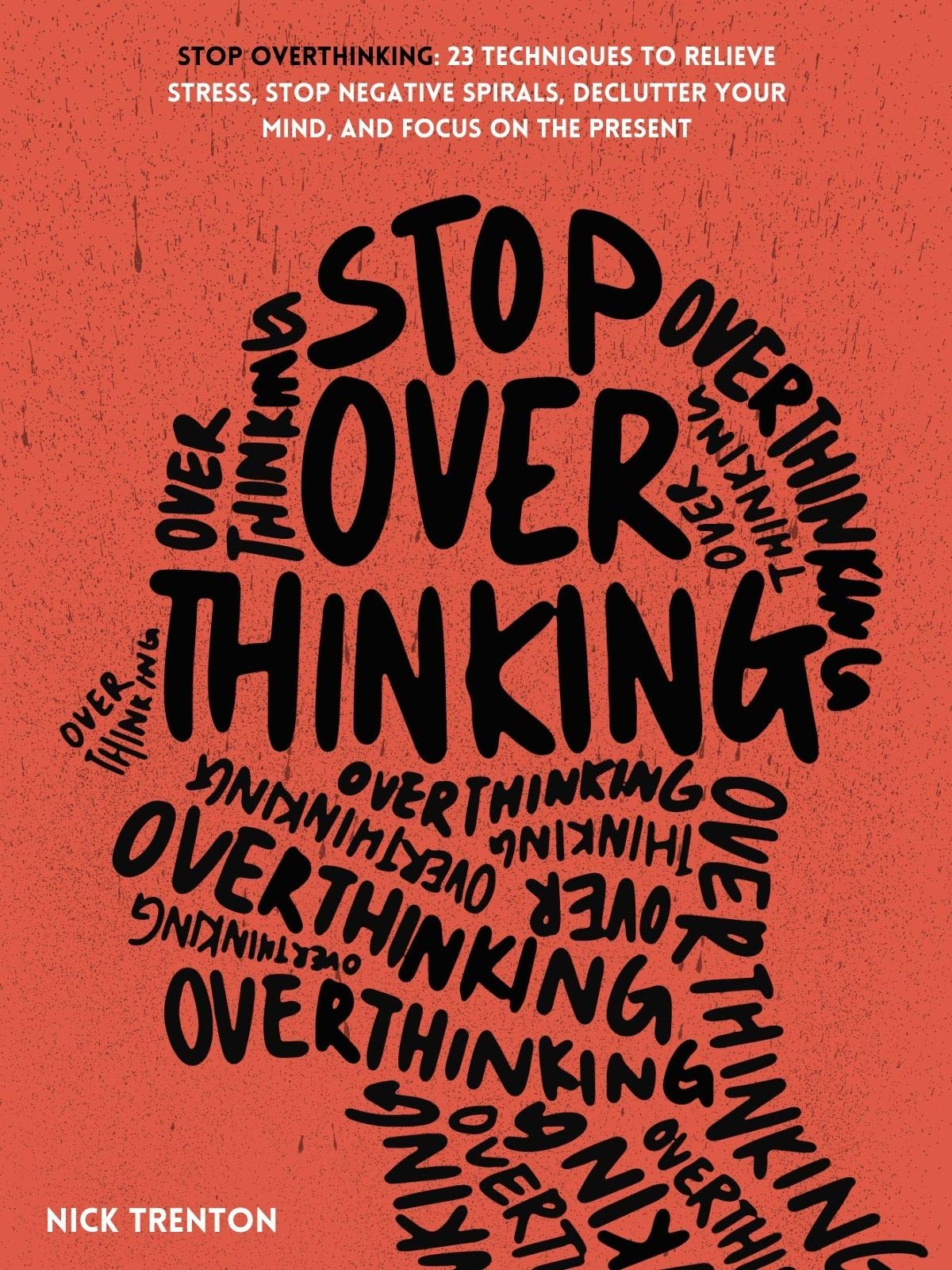
10 Books Similar to "Stop Overthinking: 23 Techniques to Relieve Stress, Stop Negative Spirals, Declutter Your Mind, and Focus on the Present"
by Nick Trenton
Get Out of Your Head: Stopping the Spiral of Toxic Thoughts

"Get Out of Your Head: Stopping the Spiral of Toxic Thoughts" addresses the pervasive issue of internal mental loops that lead to anxiety, self-doubt, and stagnation. Jennie Allen outlines how our thoughts can become detrimental, offering a path to identify and disrupt these negative patterns. It emphasizes shifting focus from constant internal rumination to intentional action and faith, advocating for a proactive approach to mental well-being to achieve a more purposeful and less anxious existence.
This book aligns with "Stop Overthinking" through its core objective: empowering individuals to break free from intrusive and counterproductive thought processes. Both works recognize the debilitating impact of excessive rumination and offer practical strategies for mental decluttering. While Trenton provides a wider array of distinct techniques, Allen's approach similarly equips individuals with tools to stop negative spirals and reclaim mental clarity, focusing on present-moment awareness and positive cognitive restructuring.
This book offers immense value by providing actionable guidance for anyone feeling overwhelmed by their own thoughts. It speaks directly to the common experience of being trapped in a cycle of worry or self-criticism, and its message of hope and empowerment resonates deeply. The practical frameworks and introspective prompts facilitate a tangible shift in mental habits, leading to reduced stress and an enhanced ability to engage with life purposefully rather than merely reacting to internal noise.
Get Out of Your Head: Stopping the Spiral of Toxic Thoughts
"Get Out of Your Head: Stopping the Spiral of Toxic Thoughts" addresses the pervasive issue of internal mental loops that lead to anxiety, self-doubt, and stagnation. Jennie Allen outlines how our thoughts can become detrimental, offering a path to identify and disrupt these negative patterns. It emphasizes shifting focus from constant internal rumination to intentional action and faith, advocating for a proactive approach to mental well-being to achieve a more purposeful and less anxious existence.
This book aligns with "Stop Overthinking" through its core objective: empowering individuals to break free from intrusive and counterproductive thought processes. Both works recognize the debilitating impact of excessive rumination and offer practical strategies for mental decluttering. While Trenton provides a wider array of distinct techniques, Allen's approach similarly equips individuals with tools to stop negative spirals and reclaim mental clarity, focusing on present-moment awareness and positive cognitive restructuring.
This book offers immense value by providing actionable guidance for anyone feeling overwhelmed by their own thoughts. It speaks directly to the common experience of being trapped in a cycle of worry or self-criticism, and its message of hope and empowerment resonates deeply. The practical frameworks and introspective prompts facilitate a tangible shift in mental habits, leading to reduced stress and an enhanced ability to engage with life purposefully rather than merely reacting to internal noise.
Mindfulness: An Eight-Week Plan for Finding Peace in a Frantic World
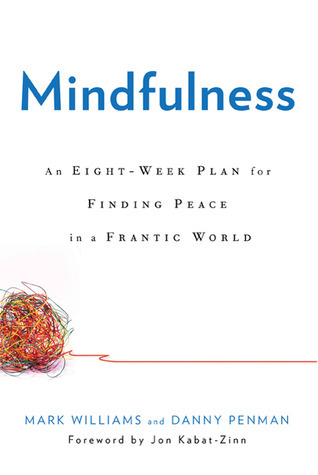
"Mindfulness: An Eight-Week Plan for Finding Peace in a Frantic World" offers a structured, practical program to cultivate mindfulness and reduce stress. It guides individuals through an eight-week journey, introducing core mindfulness concepts and meditations designed to foster greater awareness of thoughts, feelings, and bodily sensations without judgment. The book emphasizes experiential learning, with exercises aimed at integrating mindfulness into daily life.
Both books tackle the pervasive issue of mental clutter and its impact on well-being. While Nick Trenton's "Stop Overthinking" presents an array of techniques to directly combat negative thought patterns, Williams' "Mindfulness" provides a foundational framework through which individuals can build a sustainable practice for mental clarity and emotional regulation. Both ultimately aim to equip individuals with tools to navigate stressful situations and live more presently.
This book speaks to anyone feeling overwhelmed by the demands of modern life, offering a proven, accessible pathway to greater inner peace. Its systematic approach provides a clear roadmap for developing a resilient mind, moving beyond fleeting anxieties to a more grounded and focused existence. The emphasis on practical application ensures that the wisdom gleaned translates directly into tangible improvements in one's overall quality of life.
Mindfulness: An Eight-Week Plan for Finding Peace in a Frantic World
"Mindfulness: An Eight-Week Plan for Finding Peace in a Frantic World" offers a structured, practical program to cultivate mindfulness and reduce stress. It guides individuals through an eight-week journey, introducing core mindfulness concepts and meditations designed to foster greater awareness of thoughts, feelings, and bodily sensations without judgment. The book emphasizes experiential learning, with exercises aimed at integrating mindfulness into daily life.
Both books tackle the pervasive issue of mental clutter and its impact on well-being. While Nick Trenton's "Stop Overthinking" presents an array of techniques to directly combat negative thought patterns, Williams' "Mindfulness" provides a foundational framework through which individuals can build a sustainable practice for mental clarity and emotional regulation. Both ultimately aim to equip individuals with tools to navigate stressful situations and live more presently.
This book speaks to anyone feeling overwhelmed by the demands of modern life, offering a proven, accessible pathway to greater inner peace. Its systematic approach provides a clear roadmap for developing a resilient mind, moving beyond fleeting anxieties to a more grounded and focused existence. The emphasis on practical application ensures that the wisdom gleaned translates directly into tangible improvements in one's overall quality of life.
Don't Sweat the Small Stuff ... and It's All Small Stuff: Simple Ways to Keep the Little Things From Taking Over Your Life

"Don't Sweat the Small Stuff... and It's All Small Stuff" offers actionable advice on how to avoid letting minor daily annoyances escalate into major emotional burdens. Carlson emphasizes a shift in perspective, encouraging individuals to prioritize what truly matters and to cultivate a more peaceful mindset by minimizing preoccupation with trivial concerns. The book provides practical, accessible strategies for reducing stress, fostering emotional resilience, and embracing a more tranquil approach to life's challenges.
This book shares considerable thematic ground with "Stop Overthinking." Both titles address the pervasive issue of mental clutter and the detrimental effects of excessive rumination. They empower individuals to regain control over their internal landscapes, promoting a move away from anxiety-inducing thought patterns towards greater presence and calm. Both books advocate for proactive techniques to manage stress and improve overall well-being.
This work appeals to anyone feeling overwhelmed by daily pressures or caught in cycles of worry. Its straightforward, empathetic guidance offers a clear path to reducing stress and fostering inner peace. It proves valuable because it equips individuals with tools to navigate life’s inevitable difficulties with greater ease and perspective, ultimately leading to a more fulfilling and less anxious existence.
Don't Sweat the Small Stuff ... and It's All Small Stuff: Simple Ways to Keep the Little Things From Taking Over Your Life
"Don't Sweat the Small Stuff... and It's All Small Stuff" offers actionable advice on how to avoid letting minor daily annoyances escalate into major emotional burdens. Carlson emphasizes a shift in perspective, encouraging individuals to prioritize what truly matters and to cultivate a more peaceful mindset by minimizing preoccupation with trivial concerns. The book provides practical, accessible strategies for reducing stress, fostering emotional resilience, and embracing a more tranquil approach to life's challenges.
This book shares considerable thematic ground with "Stop Overthinking." Both titles address the pervasive issue of mental clutter and the detrimental effects of excessive rumination. They empower individuals to regain control over their internal landscapes, promoting a move away from anxiety-inducing thought patterns towards greater presence and calm. Both books advocate for proactive techniques to manage stress and improve overall well-being.
This work appeals to anyone feeling overwhelmed by daily pressures or caught in cycles of worry. Its straightforward, empathetic guidance offers a clear path to reducing stress and fostering inner peace. It proves valuable because it equips individuals with tools to navigate life’s inevitable difficulties with greater ease and perspective, ultimately leading to a more fulfilling and less anxious existence.
Power Thoughts: 12 Strategies to Win the Battle of the Mind

"Power Thoughts: 12 Strategies to Win the Battle of the Mind" by Joyce Meyer offers practical, faith-based guidance on mastering one's internal dialogue and thought processes. It illuminates how our thinking directly impacts our lives and provides actionable strategies to overcome negative thought patterns, fostering a more positive and empowering mindset. Meyer emphasizes personal responsibility in shaping one's mental landscape, presenting twelve distinct approaches to transform limiting beliefs into victorious perspectives.
This book shares significant common ground with "Stop Overthinking" as both focus on the critical role of thoughts in mental well-being. They both provide structured techniques designed to alleviate stress, interrupt negative spirals, and help individuals regain control over their minds. While "Power Thoughts" integrates spiritual principles more explicitly, the core objective of both books is to empower individuals to reshape their internal narratives for a more peaceful and productive existence.
It will appeal to individuals seeking concrete methods for mental self-improvement, particularly those who appreciate a direct, encouraging tone. The actionable strategies offer a clear pathway to address anxiety, rumination, and self-defeating thoughts. Its value lies in its ability to equip individuals with tools to actively combat emotional distress and cultivate a resilience that enables them to navigate life's challenges with greater mental strength.
Power Thoughts: 12 Strategies to Win the Battle of the Mind
"Power Thoughts: 12 Strategies to Win the Battle of the Mind" by Joyce Meyer offers practical, faith-based guidance on mastering one's internal dialogue and thought processes. It illuminates how our thinking directly impacts our lives and provides actionable strategies to overcome negative thought patterns, fostering a more positive and empowering mindset. Meyer emphasizes personal responsibility in shaping one's mental landscape, presenting twelve distinct approaches to transform limiting beliefs into victorious perspectives.
This book shares significant common ground with "Stop Overthinking" as both focus on the critical role of thoughts in mental well-being. They both provide structured techniques designed to alleviate stress, interrupt negative spirals, and help individuals regain control over their minds. While "Power Thoughts" integrates spiritual principles more explicitly, the core objective of both books is to empower individuals to reshape their internal narratives for a more peaceful and productive existence.
It will appeal to individuals seeking concrete methods for mental self-improvement, particularly those who appreciate a direct, encouraging tone. The actionable strategies offer a clear pathway to address anxiety, rumination, and self-defeating thoughts. Its value lies in its ability to equip individuals with tools to actively combat emotional distress and cultivate a resilience that enables them to navigate life's challenges with greater mental strength.
13 Things Mentally Strong People Don't Do: Take Back Your Power, Embrace Change, Face Your Fears, and Train Your Brain for Happiness and Success

Amy Morin’s "13 Things Mentally Strong People Don't Do" offers a practical framework for cultivating resilience and inner strength. It delineates common pitfalls in thinking and behavior that undermine mental fortitude, providing actionable strategies to avoid them. The book empowers individuals to take control of their emotional and psychological well-being by challenging unhealthy thought patterns and fostering a proactive approach to life's challenges.
This book shares significant thematic overlap with Nick Trenton's "Stop Overthinking." Both titles address the detrimental impact of unhelpful mental habits like rumination and negativity. They both equip individuals with concrete methods to break free from these cycles, promoting a more present-focused and positive mindset. The core objective in both cases is to empower individuals to gain mastery over their internal lives.
This book will appeal to those seeking tangible methods for improving their mental toughness and emotional regulation. Its direct, no-nonsense approach provides a clear roadmap for identifying and rectifying self-sabotaging behaviors, offering a sense of agency and control. The value lies in its practical strategies for building a more resilient and fulfilling life.
13 Things Mentally Strong People Don't Do: Take Back Your Power, Embrace Change, Face Your Fears, and Train Your Brain for Happiness and Success
Amy Morin’s "13 Things Mentally Strong People Don't Do" offers a practical framework for cultivating resilience and inner strength. It delineates common pitfalls in thinking and behavior that undermine mental fortitude, providing actionable strategies to avoid them. The book empowers individuals to take control of their emotional and psychological well-being by challenging unhealthy thought patterns and fostering a proactive approach to life's challenges.
This book shares significant thematic overlap with Nick Trenton's "Stop Overthinking." Both titles address the detrimental impact of unhelpful mental habits like rumination and negativity. They both equip individuals with concrete methods to break free from these cycles, promoting a more present-focused and positive mindset. The core objective in both cases is to empower individuals to gain mastery over their internal lives.
This book will appeal to those seeking tangible methods for improving their mental toughness and emotional regulation. Its direct, no-nonsense approach provides a clear roadmap for identifying and rectifying self-sabotaging behaviors, offering a sense of agency and control. The value lies in its practical strategies for building a more resilient and fulfilling life.
Manage Your Day-to-Day: Build Your Routine, Find Your Focus, and Sharpen Your Creative Mind

"Manage Your Day-to-Day" offers a practical guide to optimizing personal and professional productivity. It compiles insights from various creative professionals on structuring one's day, cultivating focus amidst constant distractions, and fostering an environment conducive to innovation and impactful work. The book addresses common challenges like procrastination, maintaining energy, and overcoming creative blocks, presenting actionable strategies to build sustainable routines and enhance mental clarity.
This book shares thematic commonalities with "Stop Overthinking" primarily through its emphasis on mental organization and proactive self-management. Both books aim to empower individuals to take control of their cognitive processes and daily habits to reduce stress and improve effectiveness. While Trenton focuses on mitigating negative thought patterns, Glei's compilation similarly advocates for structured approaches to prevent mental clutter and distractions from hindering productivity and well-being.
The book's appeal lies in its actionable advice and diverse perspectives from successful creatives. It offers tangible methods for constructing a more organized and focused existence, directly addressing the overwhelm many feel in today's demanding world. Its value stems from providing practical tools to transform abstract goals into concrete daily practices, leading to greater efficiency, reduced mental fatigue, and a more productive creative output.
Manage Your Day-to-Day: Build Your Routine, Find Your Focus, and Sharpen Your Creative Mind
"Manage Your Day-to-Day" offers a practical guide to optimizing personal and professional productivity. It compiles insights from various creative professionals on structuring one's day, cultivating focus amidst constant distractions, and fostering an environment conducive to innovation and impactful work. The book addresses common challenges like procrastination, maintaining energy, and overcoming creative blocks, presenting actionable strategies to build sustainable routines and enhance mental clarity.
This book shares thematic commonalities with "Stop Overthinking" primarily through its emphasis on mental organization and proactive self-management. Both books aim to empower individuals to take control of their cognitive processes and daily habits to reduce stress and improve effectiveness. While Trenton focuses on mitigating negative thought patterns, Glei's compilation similarly advocates for structured approaches to prevent mental clutter and distractions from hindering productivity and well-being.
The book's appeal lies in its actionable advice and diverse perspectives from successful creatives. It offers tangible methods for constructing a more organized and focused existence, directly addressing the overwhelm many feel in today's demanding world. Its value stems from providing practical tools to transform abstract goals into concrete daily practices, leading to greater efficiency, reduced mental fatigue, and a more productive creative output.
Rewire Your Brain: Think Your Way to a Better Life

"Rewire Your Brain" by John B. Arden explores how our thought patterns and behaviors are physically embedded in our brain's neural pathways. Arden, a neuroscientist, provides a practical guide, grounded in scientific research, to understanding these connections and actively changing them. He focuses on Cognitive Behavioral Therapy (CBT) principles, explaining how to identify and then consciously alter ingrained, often unhelpful, mental responses to foster more positive and productive ones.
This book shares significant common ground with "Stop Overthinking." Both texts are fundamentally concerned with addressing and mitigating negative mental processes that hinder well-being. "Rewire Your Brain" offers a foundational understanding of the brain's plasticity and how we can leverage it, much like "Stop Overthinking" provides actionable techniques to interrupt and redirect detrimental thought spirals, ultimately aiming for a clearer, more present mind.
The book will appeal to those seeking a scientific basis for personal growth and mental well-being. It provides a deeper dive into the "why" behind effective psychological techniques, validating the strategies with neurological explanations. This understanding empowers individuals to take control of their mental landscape, offering concrete methods to cultivate resilience, reduce stress, and genuinely improve their lives by intentionally shaping their cognitive processes.
Rewire Your Brain: Think Your Way to a Better Life
"Rewire Your Brain" by John B. Arden explores how our thought patterns and behaviors are physically embedded in our brain's neural pathways. Arden, a neuroscientist, provides a practical guide, grounded in scientific research, to understanding these connections and actively changing them. He focuses on Cognitive Behavioral Therapy (CBT) principles, explaining how to identify and then consciously alter ingrained, often unhelpful, mental responses to foster more positive and productive ones.
This book shares significant common ground with "Stop Overthinking." Both texts are fundamentally concerned with addressing and mitigating negative mental processes that hinder well-being. "Rewire Your Brain" offers a foundational understanding of the brain's plasticity and how we can leverage it, much like "Stop Overthinking" provides actionable techniques to interrupt and redirect detrimental thought spirals, ultimately aiming for a clearer, more present mind.
The book will appeal to those seeking a scientific basis for personal growth and mental well-being. It provides a deeper dive into the "why" behind effective psychological techniques, validating the strategies with neurological explanations. This understanding empowers individuals to take control of their mental landscape, offering concrete methods to cultivate resilience, reduce stress, and genuinely improve their lives by intentionally shaping their cognitive processes.
Never Get Angry Again: The Foolproof Way to Stay Calm and in Control in Any Conversation or Situation

"Never Get Angry Again" by David J. Lieberman presents a radical perspective on anger, asserting it's a choice, not an inevitable reaction. The book guides individuals through understanding the root causes of anger, often stemming from unmet expectations or misinterpretations, and then provides actionable strategies to disengage from emotionally charged responses. It emphasizes internal control, focusing on cognitive reframing and detachment techniques to maintain composure in challenging situations.
This book shares significant thematic overlap with "Stop Overthinking." Both offer practical methodologies for individuals to manage internal states and negative emotional spirals. While Trenton targets overthinking and its associated stress, Lieberman directly addresses the intense emotional experience of anger, which often fuels or is fueled by overthinking. Both books champion the idea of proactive mental management and teach skills to prevent destructive thought patterns and emotional distress before they escalate.
This book will appeal to anyone seeking greater emotional mastery and a more peaceful existence. Its value lies in offering a systematic approach to transforming one's relationship with anger, leading to improved communication, reduced conflict, and enhanced mental well-being. It empowers individuals to take charge of their emotional responses, fostering a sense of control and inner calm in a world often perceived as chaotic.
Never Get Angry Again: The Foolproof Way to Stay Calm and in Control in Any Conversation or Situation
"Never Get Angry Again" by David J. Lieberman presents a radical perspective on anger, asserting it's a choice, not an inevitable reaction. The book guides individuals through understanding the root causes of anger, often stemming from unmet expectations or misinterpretations, and then provides actionable strategies to disengage from emotionally charged responses. It emphasizes internal control, focusing on cognitive reframing and detachment techniques to maintain composure in challenging situations.
This book shares significant thematic overlap with "Stop Overthinking." Both offer practical methodologies for individuals to manage internal states and negative emotional spirals. While Trenton targets overthinking and its associated stress, Lieberman directly addresses the intense emotional experience of anger, which often fuels or is fueled by overthinking. Both books champion the idea of proactive mental management and teach skills to prevent destructive thought patterns and emotional distress before they escalate.
This book will appeal to anyone seeking greater emotional mastery and a more peaceful existence. Its value lies in offering a systematic approach to transforming one's relationship with anger, leading to improved communication, reduced conflict, and enhanced mental well-being. It empowers individuals to take charge of their emotional responses, fostering a sense of control and inner calm in a world often perceived as chaotic.
Stay Sane in an Insane World: How to Control the Controllables and Thrive

"Stay Sane in an Insane World" by Greg Harden offers a practical framework for navigating life's challenges by empowering individuals to identify and exert influence over aspects within their control. It champions a mindset of intentional action and resilience, guiding one to distinguish between what can be changed and what must be accepted, ultimately fostering a more grounded and effective approach to personal well-being and success.
This book shares significant thematic overlap with Nick Trenton's "Stop Overthinking." Both works address the pervasive struggle with mental clutter, anxiety, and the detrimental effects of fixating on uncontrollable external factors. While Trenton focuses on specific techniques to interrupt negative thought patterns, Harden provides a broader philosophical lens and actionable strategies for cultivating mental fortitude and peace amidst chaotic circumstances, thereby preventing the very overthinking Trenton aims to stop.
The book will resonate deeply with anyone feeling overwhelmed by modern pressures or a sense of powerlessness. Its emphasis on self-mastery and strategic focus offers a compelling path toward increased agency and a more balanced life. The relatable examples and actionable advice provide a robust toolkit for cultivating mental serenity and achieving personal flourishing, even when external environments are turbulent.
Stay Sane in an Insane World: How to Control the Controllables and Thrive
"Stay Sane in an Insane World" by Greg Harden offers a practical framework for navigating life's challenges by empowering individuals to identify and exert influence over aspects within their control. It champions a mindset of intentional action and resilience, guiding one to distinguish between what can be changed and what must be accepted, ultimately fostering a more grounded and effective approach to personal well-being and success.
This book shares significant thematic overlap with Nick Trenton's "Stop Overthinking." Both works address the pervasive struggle with mental clutter, anxiety, and the detrimental effects of fixating on uncontrollable external factors. While Trenton focuses on specific techniques to interrupt negative thought patterns, Harden provides a broader philosophical lens and actionable strategies for cultivating mental fortitude and peace amidst chaotic circumstances, thereby preventing the very overthinking Trenton aims to stop.
The book will resonate deeply with anyone feeling overwhelmed by modern pressures or a sense of powerlessness. Its emphasis on self-mastery and strategic focus offers a compelling path toward increased agency and a more balanced life. The relatable examples and actionable advice provide a robust toolkit for cultivating mental serenity and achieving personal flourishing, even when external environments are turbulent.
The Art of Thinking Clearly

"The Art of Thinking Clearly" by Rolf Dobelli dissects common cognitive biases and logical fallacies that undermine rational decision-making. Through concise chapters, it illuminates how our brains often stray from objective reality, leading to flawed judgments in personal and professional life. Dobelli unpacks phenomena like confirmation bias, sunk cost fallacy, and availability heuristic, offering clear examples of their impact.
This book shares significant common ground with "Stop Overthinking." Both works address the internal mental processes that hinder clarity and effectiveness. While "Stop Overthinking" focuses on practical techniques to manage anxious rumination, "The Art of Thinking Clearly" delves into the underlying errors in reasoning that often fuel such overthinking. Both aim to equip individuals with tools to navigate their thoughts more efficiently and make better choices, thereby reducing mental clutter and stress.
The value lies in its accessible deconstruction of complex psychological concepts. It provides a framework for understanding why we make mistakes and how to identify these pitfalls in ourselves and others. Gaining insight into these biases empowers better judgment, improved communication, and more resilient problem-solving across all aspects of life, fostering a more deliberate and less reactive approach to daily challenges.
The Art of Thinking Clearly
"The Art of Thinking Clearly" by Rolf Dobelli dissects common cognitive biases and logical fallacies that undermine rational decision-making. Through concise chapters, it illuminates how our brains often stray from objective reality, leading to flawed judgments in personal and professional life. Dobelli unpacks phenomena like confirmation bias, sunk cost fallacy, and availability heuristic, offering clear examples of their impact.
This book shares significant common ground with "Stop Overthinking." Both works address the internal mental processes that hinder clarity and effectiveness. While "Stop Overthinking" focuses on practical techniques to manage anxious rumination, "The Art of Thinking Clearly" delves into the underlying errors in reasoning that often fuel such overthinking. Both aim to equip individuals with tools to navigate their thoughts more efficiently and make better choices, thereby reducing mental clutter and stress.
The value lies in its accessible deconstruction of complex psychological concepts. It provides a framework for understanding why we make mistakes and how to identify these pitfalls in ourselves and others. Gaining insight into these biases empowers better judgment, improved communication, and more resilient problem-solving across all aspects of life, fostering a more deliberate and less reactive approach to daily challenges.
More Books to Explore
Discover more titles that expand on these ideas and themes.
Get Out of Your Head: Stopping the Spiral of Toxic Thoughts
Mindfulness: An Eight-Week Plan for Finding Peace in a Frantic World
Don't Sweat the Small Stuff ... and It's All Small Stuff: Simple Ways to Keep the Little Things From Taking Over Your Life
Power Thoughts: 12 Strategies to Win the Battle of the Mind
13 Things Mentally Strong People Don't Do: Take Back Your Power, Embrace Change, Face Your Fears, and Train Your Brain for Happiness and Success
Manage Your Day-to-Day: Build Your Routine, Find Your Focus, and Sharpen Your Creative Mind