10 Books Similar to "Stay Sane in an Insane World: How to Control the Controllables and Thrive"
by Greg Harden

Take Command: Find Your Inner Strength, Build Enduring Relationships, and Live the Life You Want

"Take Command" is a practical guide for self-improvement, focusing on cultivating inner resilience, fostering robust relationships, and proactively shaping one's life. It emphasizes taking personal agency and developing actionable strategies to navigate challenges and achieve fulfillment across various life domains.
This book shares foundational principles with "Stay Sane in an Insane World" by emphasizing the power of personal control. Both texts advocate for identifying what one *can* influence and dedicating energy there, rather than being overwhelmed by external factors. They both offer a roadmap for building mental fortitude and proactive self-management.
Individuals seeking to enhance their personal effectiveness and build a more satisfying life will appreciate this book. It provides clear, actionable advice for strengthening one's psychological core and improving interpersonal dynamics, ultimately empowering them to steer their life trajectory with purpose and confidence.
Take Command: Find Your Inner Strength, Build Enduring Relationships, and Live the Life You Want
"Take Command" is a practical guide for self-improvement, focusing on cultivating inner resilience, fostering robust relationships, and proactively shaping one's life. It emphasizes taking personal agency and developing actionable strategies to navigate challenges and achieve fulfillment across various life domains.
This book shares foundational principles with "Stay Sane in an Insane World" by emphasizing the power of personal control. Both texts advocate for identifying what one *can* influence and dedicating energy there, rather than being overwhelmed by external factors. They both offer a roadmap for building mental fortitude and proactive self-management.
Individuals seeking to enhance their personal effectiveness and build a more satisfying life will appreciate this book. It provides clear, actionable advice for strengthening one's psychological core and improving interpersonal dynamics, ultimately empowering them to steer their life trajectory with purpose and confidence.
The Excellence Habit - How Small Changes In Our Mindset Can Make A Big Difference In Our Lives: For All Who Feel Stuck
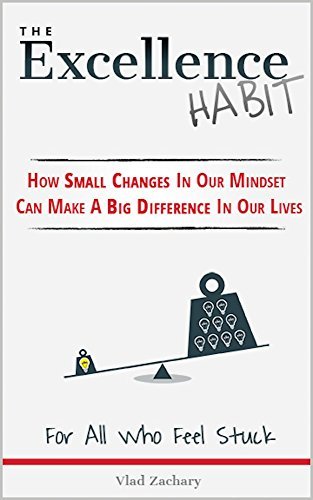
*The Excellence Habit* focuses on the power of incremental shifts in our thinking to unlock significant personal growth. It argues that by consciously cultivating positive habits and refining our mindset, we can overcome stagnation and build momentum towards a more fulfilling life, regardless of our current circumstances.
This book resonates with *Stay Sane in an Insane World* through its emphasis on personal agency and internal control. Both titles champion the idea that while external situations can be chaotic, our internal response and habitual thought patterns are within our power to shape, leading to a profound impact on our overall well-being and success.
Individuals seeking practical strategies to break free from feeling stuck will find this book highly beneficial. Its actionable advice on mindset adjustments and habit formation offers a clear path for those eager to instigate positive change and cultivate a more resilient, purposeful existence.
The Excellence Habit - How Small Changes In Our Mindset Can Make A Big Difference In Our Lives: For All Who Feel Stuck
*The Excellence Habit* focuses on the power of incremental shifts in our thinking to unlock significant personal growth. It argues that by consciously cultivating positive habits and refining our mindset, we can overcome stagnation and build momentum towards a more fulfilling life, regardless of our current circumstances.
This book resonates with *Stay Sane in an Insane World* through its emphasis on personal agency and internal control. Both titles champion the idea that while external situations can be chaotic, our internal response and habitual thought patterns are within our power to shape, leading to a profound impact on our overall well-being and success.
Individuals seeking practical strategies to break free from feeling stuck will find this book highly beneficial. Its actionable advice on mindset adjustments and habit formation offers a clear path for those eager to instigate positive change and cultivate a more resilient, purposeful existence.
Stop Overthinking: 23 Techniques to Relieve Stress, Stop Negative Spirals, Declutter Your Mind, and Focus on the Present
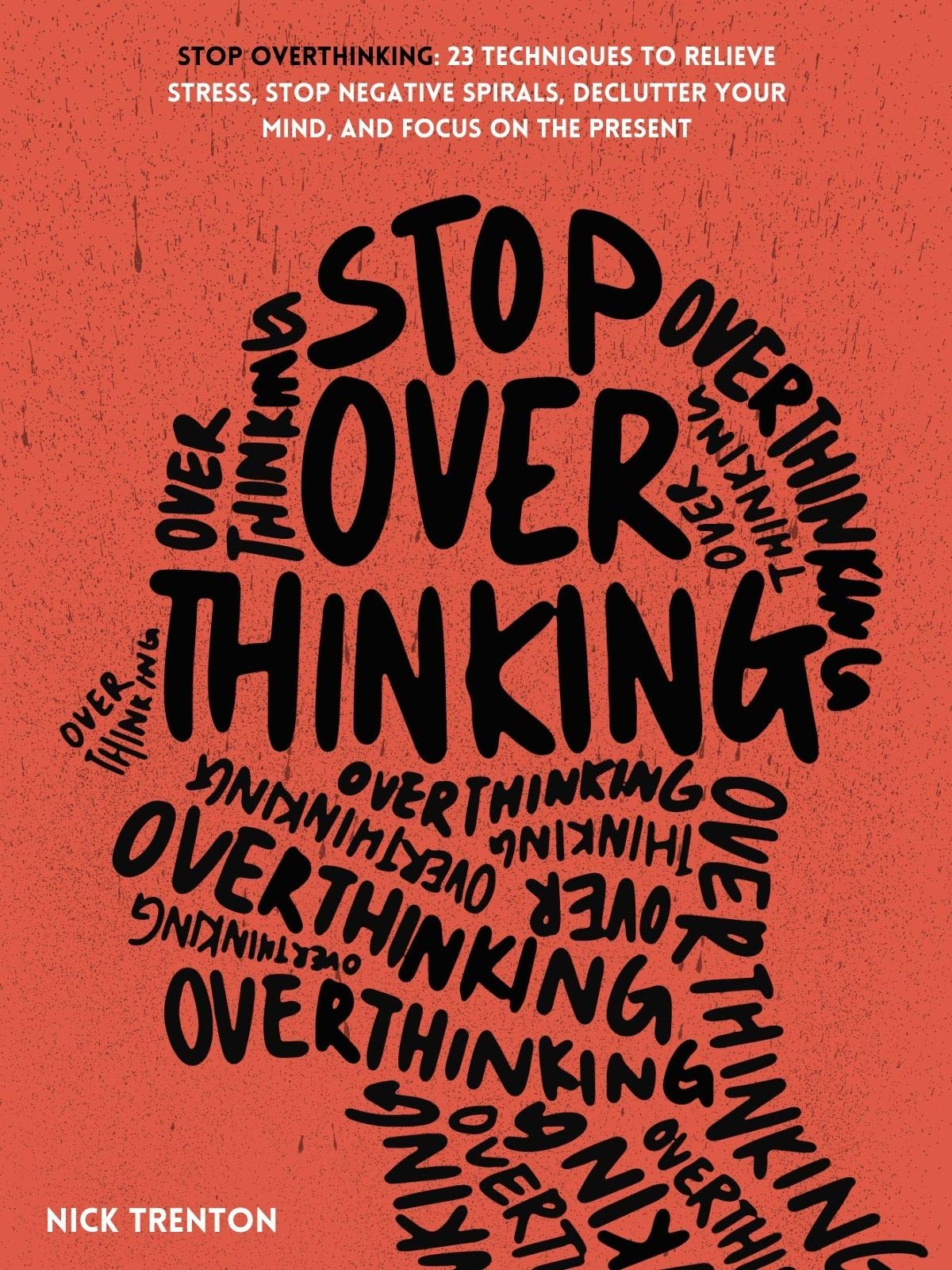
"Stop Overthinking" acts as a practical guide to reclaiming mental clarity and reducing anxiety. It presents 23 distinct strategies designed to interrupt the cycle of rumination, dismantle negative thought patterns, and cultivate a stronger presence in the moment. The book offers actionable techniques for managing cognitive clutter and fostering a more focused, tranquil mind.
This book shares significant thematic ground with "Stay Sane in an Insane World" by emphasizing individual agency in the face of mental stressors. Both titles advocate for taking control of one's internal landscape and developing resilience against external pressures. Trenton, like Harden, focuses on empowering the individual to actively shape their cognitive experience for improved well-being.
The book's appeal lies in its direct, technique-driven approach to a common human struggle. Its actionable advice provides immediate tools for combating overthinking, a pervasive issue that undermines productivity and peace of mind. Individuals grappling with excessive worry or mental fog will appreciate its practical solutions for achieving greater mental calm and focus, ultimately enhancing their daily lives.
Stop Overthinking: 23 Techniques to Relieve Stress, Stop Negative Spirals, Declutter Your Mind, and Focus on the Present
"Stop Overthinking" acts as a practical guide to reclaiming mental clarity and reducing anxiety. It presents 23 distinct strategies designed to interrupt the cycle of rumination, dismantle negative thought patterns, and cultivate a stronger presence in the moment. The book offers actionable techniques for managing cognitive clutter and fostering a more focused, tranquil mind.
This book shares significant thematic ground with "Stay Sane in an Insane World" by emphasizing individual agency in the face of mental stressors. Both titles advocate for taking control of one's internal landscape and developing resilience against external pressures. Trenton, like Harden, focuses on empowering the individual to actively shape their cognitive experience for improved well-being.
The book's appeal lies in its direct, technique-driven approach to a common human struggle. Its actionable advice provides immediate tools for combating overthinking, a pervasive issue that undermines productivity and peace of mind. Individuals grappling with excessive worry or mental fog will appreciate its practical solutions for achieving greater mental calm and focus, ultimately enhancing their daily lives.
13 Things Mentally Strong People Don't Do: Take Back Your Power, Embrace Change, Face Your Fears, and Train Your Brain for Happiness and Success

Amy Morin's "13 Things Mentally Strong People Don't Do" identifies detrimental thought patterns and behaviors that undermine resilience and drive. It offers a practical framework for cultivating mental fortitude by eliminating these common traps, empowering individuals to navigate challenges with greater self-awareness and control. The book explores actionable strategies to transform negative habits into positive ones, fostering healthier responses to adversity.
This book aligns closely with Greg Harden's "Stay Sane in an Insane World" by emphasizing the internal locus of control and the power of mindset. Both texts center on the premise that while external circumstances may be unpredictable, our reactions and interpretations are within our power to shape. They advocate for intentional self-management and the cultivation of mental discipline to thrive amidst pressure.
Individuals seeking to enhance their psychological resilience and improve their capacity for effective problem-solving will find this book particularly compelling. It provides a clear, actionable roadmap for strengthening one's inner game, leading to greater emotional stability, improved decision-making, and a more proactive approach to life's inevitable stressors. Its practical advice offers a pathway to sustained well-being and personal growth.
13 Things Mentally Strong People Don't Do: Take Back Your Power, Embrace Change, Face Your Fears, and Train Your Brain for Happiness and Success
Amy Morin's "13 Things Mentally Strong People Don't Do" identifies detrimental thought patterns and behaviors that undermine resilience and drive. It offers a practical framework for cultivating mental fortitude by eliminating these common traps, empowering individuals to navigate challenges with greater self-awareness and control. The book explores actionable strategies to transform negative habits into positive ones, fostering healthier responses to adversity.
This book aligns closely with Greg Harden's "Stay Sane in an Insane World" by emphasizing the internal locus of control and the power of mindset. Both texts center on the premise that while external circumstances may be unpredictable, our reactions and interpretations are within our power to shape. They advocate for intentional self-management and the cultivation of mental discipline to thrive amidst pressure.
Individuals seeking to enhance their psychological resilience and improve their capacity for effective problem-solving will find this book particularly compelling. It provides a clear, actionable roadmap for strengthening one's inner game, leading to greater emotional stability, improved decision-making, and a more proactive approach to life's inevitable stressors. Its practical advice offers a pathway to sustained well-being and personal growth.
Start Here: Doing Hard Things Right Where You Are
"Start Here: Doing Hard Things Right Where You Are" by Alex Harris is a practical guide for initiating meaningful change and tackling challenges in existing circumstances. It emphasizes the importance of taking action from your current position, rather than waiting for ideal conditions, providing actionable strategies to overcome inertia and build momentum in personal and professional development.
This book shares common ground with Greg Harden's "Stay Sane in an Insane World" by focusing on an internal locus of control and practical self-improvement. Both titles advocate for agency and taking ownership of one's situation, offering a structured approach to managing difficulties and fostering resilience, rather than succumbing to external pressures or perceived limitations.
Individuals seeking actionable strategies for personal growth and navigating life's complexities will find this book highly impactful. It offers a grounded perspective on how to begin the journey of self-improvement and resilience, regardless of one's current state, equipping them with the mindset and tools to confidently face and overcome obstacles.
Start Here: Doing Hard Things Right Where You Are
"Start Here: Doing Hard Things Right Where You Are" by Alex Harris is a practical guide for initiating meaningful change and tackling challenges in existing circumstances. It emphasizes the importance of taking action from your current position, rather than waiting for ideal conditions, providing actionable strategies to overcome inertia and build momentum in personal and professional development.
This book shares common ground with Greg Harden's "Stay Sane in an Insane World" by focusing on an internal locus of control and practical self-improvement. Both titles advocate for agency and taking ownership of one's situation, offering a structured approach to managing difficulties and fostering resilience, rather than succumbing to external pressures or perceived limitations.
Individuals seeking actionable strategies for personal growth and navigating life's complexities will find this book highly impactful. It offers a grounded perspective on how to begin the journey of self-improvement and resilience, regardless of one's current state, equipping them with the mindset and tools to confidently face and overcome obstacles.
Manage Your Day-to-Day: Build Your Routine, Find Your Focus, and Sharpen Your Creative Mind

"Manage Your Day-to-Day" offers a practical guide to optimizing daily routines for enhanced productivity and creative output. It delves into strategies for minimizing distractions, cultivating mindful work habits, and structuring one's time to foster a more focused and intentional approach to personal and professional endeavors. The book emphasizes actionable advice for building sustainable systems that support mental clarity and consistent creativity.
This book aligns with "Stay Sane in an Insane World" by focusing on the active management of internal states and external environments to achieve personal well-being and effectiveness. Both titles advocate for taking control of what is within one's power—routines, focus, responses—to navigate demanding circumstances more successfully and thrive rather than merely survive. They share a core philosophy of empowerment through intentional self-management.
Its direct, actionable advice makes the book compelling. Individuals seeking to improve their time management, enhance their creative flow, or simply bring more order to a chaotic schedule will appreciate the clear frameworks and practical techniques offered. It provides a toolkit for anyone aiming to transform their daily grind into a structured pathway to greater accomplishment and a more balanced life.
Manage Your Day-to-Day: Build Your Routine, Find Your Focus, and Sharpen Your Creative Mind
"Manage Your Day-to-Day" offers a practical guide to optimizing daily routines for enhanced productivity and creative output. It delves into strategies for minimizing distractions, cultivating mindful work habits, and structuring one's time to foster a more focused and intentional approach to personal and professional endeavors. The book emphasizes actionable advice for building sustainable systems that support mental clarity and consistent creativity.
This book aligns with "Stay Sane in an Insane World" by focusing on the active management of internal states and external environments to achieve personal well-being and effectiveness. Both titles advocate for taking control of what is within one's power—routines, focus, responses—to navigate demanding circumstances more successfully and thrive rather than merely survive. They share a core philosophy of empowerment through intentional self-management.
Its direct, actionable advice makes the book compelling. Individuals seeking to improve their time management, enhance their creative flow, or simply bring more order to a chaotic schedule will appreciate the clear frameworks and practical techniques offered. It provides a toolkit for anyone aiming to transform their daily grind into a structured pathway to greater accomplishment and a more balanced life.
Mindfulness: An Eight-Week Plan for Finding Peace in a Frantic World
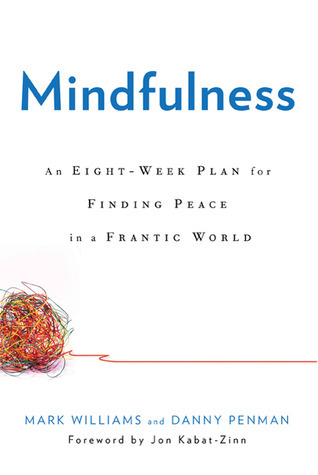
"Mindfulness: An Eight-Week Plan for Finding Peace in a Frantic World" offers a structured, practical program to cultivate mindfulness, a powerful tool for managing stress and emotional reactivity. It guides individuals through accessible meditation exercises and cognitive techniques designed to foster present-moment awareness and a more compassionate relationship with their thoughts and feelings, ultimately leading to greater inner peace.
This book shares thematic common ground with "Stay Sane in an Insane World" by emphasizing the importance of internal control and self-management in navigating external pressures. Both books empower individuals to proactively shape their mental and emotional landscape, rather than being passively overwhelmed by life's demands. While Harden focuses on controlling the "controllables," Williams offers a pathway to respond skillfully to everything, controllable or not.
The appeal lies in its actionable framework for tangible personal growth. Its structured approach allows for gradual integration of mindfulness into daily life, providing a sustainable path to reduced anxiety, improved emotional regulation, and a more resilient mindset. Understanding these principles and practices offers a valuable resource for anyone seeking a calmer, more focused existence amidst life's inherent complexities.
Mindfulness: An Eight-Week Plan for Finding Peace in a Frantic World
"Mindfulness: An Eight-Week Plan for Finding Peace in a Frantic World" offers a structured, practical program to cultivate mindfulness, a powerful tool for managing stress and emotional reactivity. It guides individuals through accessible meditation exercises and cognitive techniques designed to foster present-moment awareness and a more compassionate relationship with their thoughts and feelings, ultimately leading to greater inner peace.
This book shares thematic common ground with "Stay Sane in an Insane World" by emphasizing the importance of internal control and self-management in navigating external pressures. Both books empower individuals to proactively shape their mental and emotional landscape, rather than being passively overwhelmed by life's demands. While Harden focuses on controlling the "controllables," Williams offers a pathway to respond skillfully to everything, controllable or not.
The appeal lies in its actionable framework for tangible personal growth. Its structured approach allows for gradual integration of mindfulness into daily life, providing a sustainable path to reduced anxiety, improved emotional regulation, and a more resilient mindset. Understanding these principles and practices offers a valuable resource for anyone seeking a calmer, more focused existence amidst life's inherent complexities.
Power Thoughts: 12 Strategies to Win the Battle of the Mind
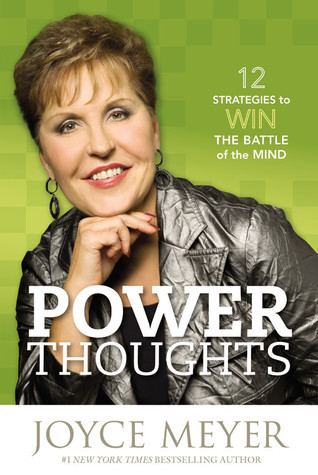
"Power Thoughts: 12 Strategies to Win the Battle of the Mind" by Joyce Meyer offers practical, faith-based guidance on mastering one's mental landscape. It delineates twelve actionable strategies to reframe negative thought patterns, build resilience, and cultivate an optimistic outlook, emphasizing personal responsibility in shaping internal narratives.
This book shares significant thematic overlap with Greg Harden's "Stay Sane in an Insane World" by focusing on the individual's capacity to influence their mental state and navigate challenges. Both works champion proactive self-management and the cultivation of an inner locus of control, advocating for intentional thought processes as a primary tool for wellbeing and success.
Individuals seeking empowered self-improvement and a structured approach to mental discipline will find this book highly appealing and valuable. Its straightforward strategies and emphasis on personal agency provide a compelling framework for transforming internal struggles into opportunities for growth and sustained positive living.
Power Thoughts: 12 Strategies to Win the Battle of the Mind
"Power Thoughts: 12 Strategies to Win the Battle of the Mind" by Joyce Meyer offers practical, faith-based guidance on mastering one's mental landscape. It delineates twelve actionable strategies to reframe negative thought patterns, build resilience, and cultivate an optimistic outlook, emphasizing personal responsibility in shaping internal narratives.
This book shares significant thematic overlap with Greg Harden's "Stay Sane in an Insane World" by focusing on the individual's capacity to influence their mental state and navigate challenges. Both works champion proactive self-management and the cultivation of an inner locus of control, advocating for intentional thought processes as a primary tool for wellbeing and success.
Individuals seeking empowered self-improvement and a structured approach to mental discipline will find this book highly appealing and valuable. Its straightforward strategies and emphasis on personal agency provide a compelling framework for transforming internal struggles into opportunities for growth and sustained positive living.
Edgy Conversations: How Ordinary People Can Achieve Outrageous Success

"Edgy Conversations" champions the idea that exceptional success isn't reserved for the privileged; it's attainable through embracing uncomfortable, "edgy" truths about performance, discipline, and commitment. Waldschmidt asserts that true breakthroughs come from rigorous self-assessment, holding oneself accountable, and consistently taking action, rather than relying on luck or innate talent. It's a call to honest introspection and relentless dedication to achieving ambitious goals.
Both books share a core philosophy: personal agency and a proactive mindset are crucial for navigating challenges and achieving one's potential. Harden's "control the controllables" ethos resonates deeply with Waldschmidt's emphasis on taking ownership of one's actions and choices to shape outcomes. They each advocate for a disciplined, deliberate approach to self-improvement and success, rejecting passive acceptance of circumstances.
This book offers practical wisdom and a powerful call to action for anyone feeling stagnant or wishing to elevate their achievements. It provides a framework for identifying and overcoming personal limitations, inspiring a commitment to higher standards and courageous decision-making. Its direct, no-nonsense advice can be a catalyst for significant personal and professional growth.
Edgy Conversations: How Ordinary People Can Achieve Outrageous Success
"Edgy Conversations" champions the idea that exceptional success isn't reserved for the privileged; it's attainable through embracing uncomfortable, "edgy" truths about performance, discipline, and commitment. Waldschmidt asserts that true breakthroughs come from rigorous self-assessment, holding oneself accountable, and consistently taking action, rather than relying on luck or innate talent. It's a call to honest introspection and relentless dedication to achieving ambitious goals.
Both books share a core philosophy: personal agency and a proactive mindset are crucial for navigating challenges and achieving one's potential. Harden's "control the controllables" ethos resonates deeply with Waldschmidt's emphasis on taking ownership of one's actions and choices to shape outcomes. They each advocate for a disciplined, deliberate approach to self-improvement and success, rejecting passive acceptance of circumstances.
This book offers practical wisdom and a powerful call to action for anyone feeling stagnant or wishing to elevate their achievements. It provides a framework for identifying and overcoming personal limitations, inspiring a commitment to higher standards and courageous decision-making. Its direct, no-nonsense advice can be a catalyst for significant personal and professional growth.
Fortitude: American Resilience in the Era of Outrage

"Fortitude: American Resilience in the Era of Outrage" by Dan Crenshaw offers a powerful framework for navigating the current societal landscape of polarization and hyper-partisanship. Crenshaw encourages individuals to cultivate strength of character, personal responsibility, and practical problem-solving over succumbing to victimhood or outrage culture. He advocates for a proactive approach to challenges, emphasizing the importance of intellectual honesty, civic engagement, and a commitment to core American values.
This book shares significant thematic overlap with Greg Harden’s "Stay Sane in an Insane World." Both authors champion the idea of focusing on what one can control amidst chaos. While Harden's work often draws from psychological coaching principles, Crenshaw grounds his advice in his experiences as a decorated veteran and public servant, providing a more overtly civic and political lens. Both books ultimately empower individuals to develop mental fortitude and agency in challenging times.
This book will appeal to individuals seeking practical strategies for personal resilience and a reasoned perspective on contemporary societal issues. It provides a refreshing counter-narrative to pervasive negativity, offering actionable advice for fostering personal growth and contributing constructively to public discourse. Its pragmatic approach and emphasis on individual agency make it a valuable guide for anyone feeling overwhelmed by modern challenges.
Fortitude: American Resilience in the Era of Outrage
"Fortitude: American Resilience in the Era of Outrage" by Dan Crenshaw offers a powerful framework for navigating the current societal landscape of polarization and hyper-partisanship. Crenshaw encourages individuals to cultivate strength of character, personal responsibility, and practical problem-solving over succumbing to victimhood or outrage culture. He advocates for a proactive approach to challenges, emphasizing the importance of intellectual honesty, civic engagement, and a commitment to core American values.
This book shares significant thematic overlap with Greg Harden’s "Stay Sane in an Insane World." Both authors champion the idea of focusing on what one can control amidst chaos. While Harden's work often draws from psychological coaching principles, Crenshaw grounds his advice in his experiences as a decorated veteran and public servant, providing a more overtly civic and political lens. Both books ultimately empower individuals to develop mental fortitude and agency in challenging times.
This book will appeal to individuals seeking practical strategies for personal resilience and a reasoned perspective on contemporary societal issues. It provides a refreshing counter-narrative to pervasive negativity, offering actionable advice for fostering personal growth and contributing constructively to public discourse. Its pragmatic approach and emphasis on individual agency make it a valuable guide for anyone feeling overwhelmed by modern challenges.
More Books to Explore
Discover more titles that expand on these ideas and themes.
Take Command: Find Your Inner Strength, Build Enduring Relationships, and Live the Life You Want
The Excellence Habit - How Small Changes In Our Mindset Can Make A Big Difference In Our Lives: For All Who Feel Stuck
Stop Overthinking: 23 Techniques to Relieve Stress, Stop Negative Spirals, Declutter Your Mind, and Focus on the Present
13 Things Mentally Strong People Don't Do: Take Back Your Power, Embrace Change, Face Your Fears, and Train Your Brain for Happiness and Success
Start Here: Doing Hard Things Right Where You Are
Manage Your Day-to-Day: Build Your Routine, Find Your Focus, and Sharpen Your Creative Mind