10 Books Similar to "Start with Why: How Great Leaders Inspire Everyone to Take Action"
by Simon Sinek
Leaders Eat Last: Why Some Teams Pull Together and Others Don't
"Leaders Eat Last" delves into the crucial role of leadership in fostering strong, cohesive teams. Sinek argues that truly great leaders prioritize their people, creating a "Circle of Safety" where trust and cooperation thrive. He explores the biological and evolutionary roots of human connection and how empathetic leadership taps into these drives to build resilient, high-performing organizations. The book offers practical insights into creating environments where individuals feel secure, valued, and empowered to contribute their best.
This book resonates strongly with "Start with Why" because both fundamentally address the underlying principles of effective leadership and organizational success. While "Start with Why" focuses on the importance of purpose-driven communication to inspire action, "Leaders Eat Last" examines *how* that inspiration is sustained and amplified through a culture of care and psychological safety. Both books emphasize that true leadership transcends mere authority, stemming instead from a deep understanding of human motivation and connection.
Individuals interested in understanding the dynamics of successful teams, improving organizational culture, and developing more impactful leadership strategies will find this book highly valuable. It provides a compelling framework for building environments where employees are not just productive, but genuinely engaged and committed. The emphasis on human-centric leadership offers actionable wisdom for anyone seeking to cultivate stronger, more united groups, whether in a corporate setting, a community organization, or even a family.
Leaders Eat Last: Why Some Teams Pull Together and Others Don't
"Leaders Eat Last" delves into the crucial role of leadership in fostering strong, cohesive teams. Sinek argues that truly great leaders prioritize their people, creating a "Circle of Safety" where trust and cooperation thrive. He explores the biological and evolutionary roots of human connection and how empathetic leadership taps into these drives to build resilient, high-performing organizations. The book offers practical insights into creating environments where individuals feel secure, valued, and empowered to contribute their best.
This book resonates strongly with "Start with Why" because both fundamentally address the underlying principles of effective leadership and organizational success. While "Start with Why" focuses on the importance of purpose-driven communication to inspire action, "Leaders Eat Last" examines *how* that inspiration is sustained and amplified through a culture of care and psychological safety. Both books emphasize that true leadership transcends mere authority, stemming instead from a deep understanding of human motivation and connection.
Individuals interested in understanding the dynamics of successful teams, improving organizational culture, and developing more impactful leadership strategies will find this book highly valuable. It provides a compelling framework for building environments where employees are not just productive, but genuinely engaged and committed. The emphasis on human-centric leadership offers actionable wisdom for anyone seeking to cultivate stronger, more united groups, whether in a corporate setting, a community organization, or even a family.
Drive: The Surprising Truth About What Motivates Us
"Drive" by Daniel Pink explores the fundamental truths about human motivation, arguing that traditional reward-and-punishment systems are often ineffective. Instead, Pink champions intrinsic motivators: autonomy (the desire to direct our own lives), mastery (the urge to get better at something that matters), and purpose (the longing to do what we do in the service of something larger than ourselves). The book provides compelling research and practical insights into fostering these drivers in both work and personal contexts.
This book resonates strongly with "Start with Why" because both delve into the core of human inspiration and action. While Sinek focuses on the *organizational* "why" as a catalyst for external engagement, Pink examines the *individual* "why"—the internal drivers that compel people to perform, innovate, and find satisfaction. Both works challenge conventional wisdom by emphasizing deeper, more meaningful sources of engagement beyond superficial incentives.
This work appeals to anyone seeking to understand what truly energizes people, whether they are leaders, educators, entrepreneurs, or individuals pursuing personal growth. It offers actionable frameworks for designing more engaging work environments, fostering creativity, and cultivating a sense of fulfillment. The insights provided can genuinely transform how one approaches leading teams, structuring tasks, and even defining personal goals, leading to more productive and meaningful outcomes.
Drive: The Surprising Truth About What Motivates Us
"Drive" by Daniel Pink explores the fundamental truths about human motivation, arguing that traditional reward-and-punishment systems are often ineffective. Instead, Pink champions intrinsic motivators: autonomy (the desire to direct our own lives), mastery (the urge to get better at something that matters), and purpose (the longing to do what we do in the service of something larger than ourselves). The book provides compelling research and practical insights into fostering these drivers in both work and personal contexts.
This book resonates strongly with "Start with Why" because both delve into the core of human inspiration and action. While Sinek focuses on the *organizational* "why" as a catalyst for external engagement, Pink examines the *individual* "why"—the internal drivers that compel people to perform, innovate, and find satisfaction. Both works challenge conventional wisdom by emphasizing deeper, more meaningful sources of engagement beyond superficial incentives.
This work appeals to anyone seeking to understand what truly energizes people, whether they are leaders, educators, entrepreneurs, or individuals pursuing personal growth. It offers actionable frameworks for designing more engaging work environments, fostering creativity, and cultivating a sense of fulfillment. The insights provided can genuinely transform how one approaches leading teams, structuring tasks, and even defining personal goals, leading to more productive and meaningful outcomes.
Start Something That Matters

"Start Something That Matters" by Blake Mycoskie chronicles the inspirational journey of TOMS Shoes, revealing how a simple idea — to give a pair of shoes to a child in need for every pair sold — blossomed into a global movement. It's a pragmatic guide demonstrating how businesses can achieve significant commercial success while concurrently creating profound social impact, emphasizing the "one for one" model as a blueprint for purposeful enterprise.
The book echoes "Start with Why" by Simon Sinek in its core message: genuine inspiration and lasting success stem from a clear, compelling purpose beyond mere profit. Mycoskie’s narrative vividly illustrates Sinek’s "Why" in action, showing how a foundational belief in helping others propelled a brand to resonate deeply with consumers and build an enduring community. Both books advocate for purpose-driven leadership as the ultimate differentiator.
For those seeking to blend ambition with altruism, this book offers a powerful example and practical encouragement. It demonstrates that meaningful work and profitability are not mutually exclusive, providing a compelling case for building businesses anchored in a clear social mission. It equips individuals with the mindset to pursue ventures that genuinely make a difference.
Start Something That Matters
"Start Something That Matters" by Blake Mycoskie chronicles the inspirational journey of TOMS Shoes, revealing how a simple idea — to give a pair of shoes to a child in need for every pair sold — blossomed into a global movement. It's a pragmatic guide demonstrating how businesses can achieve significant commercial success while concurrently creating profound social impact, emphasizing the "one for one" model as a blueprint for purposeful enterprise.
The book echoes "Start with Why" by Simon Sinek in its core message: genuine inspiration and lasting success stem from a clear, compelling purpose beyond mere profit. Mycoskie’s narrative vividly illustrates Sinek’s "Why" in action, showing how a foundational belief in helping others propelled a brand to resonate deeply with consumers and build an enduring community. Both books advocate for purpose-driven leadership as the ultimate differentiator.
For those seeking to blend ambition with altruism, this book offers a powerful example and practical encouragement. It demonstrates that meaningful work and profitability are not mutually exclusive, providing a compelling case for building businesses anchored in a clear social mission. It equips individuals with the mindset to pursue ventures that genuinely make a difference.
The Advantage: Why Organizational Health Trumps Everything Else In Business
"The Advantage" by Patrick Lencioni posits that the single greatest competitive advantage for any organization is its health – meaning minimal politics, minimal confusion, high morale, and high productivity. Lencioni argues that while intelligence (strategy, marketing, finance, technology) is crucial, organizational health is a foundational element that allows intelligence to truly flourish and be leveraged. He provides a practical framework for achieving this health through building cohesive teams, clarifying purpose, over-communicating that clarity, and reinforcing it with human systems.
Both books emphasize an internal-first approach to leadership and organizational success. While Sinek focuses on the "Why" as the core differentiator and motivator, Lencioni similarly highlights an internal, often overlooked, aspect – organizational health – as the ultimate predictor of long-term success. Both authors argue that outward-facing strategies without a strong, clear internal foundation will ultimately falter. They both advocate for a principled, culture-driven approach over purely tactical maneuvers.
This book offers practical, actionable insights for leaders and managers seeking to build more effective, enjoyable, and sustainable organizations. Gaining concrete strategies for fostering a healthy internal environment directly translates to improved employee engagement, better decision-making, and superior execution. It’s an invaluable guide for anyone aiming to move beyond superficial fixes and create a truly resilient and thriving enterprise.
The Advantage: Why Organizational Health Trumps Everything Else In Business
"The Advantage" by Patrick Lencioni posits that the single greatest competitive advantage for any organization is its health – meaning minimal politics, minimal confusion, high morale, and high productivity. Lencioni argues that while intelligence (strategy, marketing, finance, technology) is crucial, organizational health is a foundational element that allows intelligence to truly flourish and be leveraged. He provides a practical framework for achieving this health through building cohesive teams, clarifying purpose, over-communicating that clarity, and reinforcing it with human systems.
Both books emphasize an internal-first approach to leadership and organizational success. While Sinek focuses on the "Why" as the core differentiator and motivator, Lencioni similarly highlights an internal, often overlooked, aspect – organizational health – as the ultimate predictor of long-term success. Both authors argue that outward-facing strategies without a strong, clear internal foundation will ultimately falter. They both advocate for a principled, culture-driven approach over purely tactical maneuvers.
This book offers practical, actionable insights for leaders and managers seeking to build more effective, enjoyable, and sustainable organizations. Gaining concrete strategies for fostering a healthy internal environment directly translates to improved employee engagement, better decision-making, and superior execution. It’s an invaluable guide for anyone aiming to move beyond superficial fixes and create a truly resilient and thriving enterprise.
The 8th Habit: From Effectiveness to Greatness

"The 8th Habit" posits that effectiveness alone is no longer sufficient; true greatness in the 21st century comes from identifying your unique voice and helping others find theirs. Covey argues that connecting profound personal purpose with meaningful action is the key to unlocking extraordinary achievement, moving beyond mere productivity to inspire genuine engagement and collective impact.
Both books champion the power of intrinsic motivation and purpose-driven leadership. While Sinek focuses on the "why" as a strategic organizational imperative for inspiration, Covey expands this concept to the individual, emphasizing finding one's inner voice (their "why") and then empowering others. Both advocate for a shift from transactional leadership to transformational leadership rooted in shared values and a compelling vision.
This book offers a compelling blueprint for individuals and organizations seeking to transcend conventional success. It provides actionable insights into fostering a culture of passion, innovation, and unwavering commitment, resonating deeply with those aspiring to make a significant and lasting contribution beyond simply being effective.
The 8th Habit: From Effectiveness to Greatness
"The 8th Habit" posits that effectiveness alone is no longer sufficient; true greatness in the 21st century comes from identifying your unique voice and helping others find theirs. Covey argues that connecting profound personal purpose with meaningful action is the key to unlocking extraordinary achievement, moving beyond mere productivity to inspire genuine engagement and collective impact.
Both books champion the power of intrinsic motivation and purpose-driven leadership. While Sinek focuses on the "why" as a strategic organizational imperative for inspiration, Covey expands this concept to the individual, emphasizing finding one's inner voice (their "why") and then empowering others. Both advocate for a shift from transactional leadership to transformational leadership rooted in shared values and a compelling vision.
This book offers a compelling blueprint for individuals and organizations seeking to transcend conventional success. It provides actionable insights into fostering a culture of passion, innovation, and unwavering commitment, resonating deeply with those aspiring to make a significant and lasting contribution beyond simply being effective.
The 21 Indispensable Qualities of a Leader: Becoming the Person Others Will Want to Follow

John C. Maxwell’s "The 21 Indispensable Qualities of a Leader" meticulously breaks down the core characteristics essential for effective leadership. It’s a practical guide that illuminates virtues like character, charisma, commitment, and courage, providing actionable insights for cultivating each. The book emphasizes that leadership isn't just about position, but about developing the internal qualities that inspire others to willingly follow.
Both books delve into the fundamental elements that drive influence and loyalty. While Sinek champions starting with a clear "Why" to inspire external action, Maxwell focuses on building the internal "Who" – the kind of person who naturally draws others to their vision. They both address the foundational principles behind inspiring others, albeit from slightly different angles.
It will resonate with anyone seeking to deepen their understanding of personal leadership development. The clear, concise chapters offer a self-assessment framework for identifying strengths and areas for growth, making it a valuable tool for aspiring and established leaders alike. The practical advice and real-world examples empower individuals to intentionally cultivate the qualities that foster trust, respect, and enduring influence.
The 21 Indispensable Qualities of a Leader: Becoming the Person Others Will Want to Follow
John C. Maxwell’s "The 21 Indispensable Qualities of a Leader" meticulously breaks down the core characteristics essential for effective leadership. It’s a practical guide that illuminates virtues like character, charisma, commitment, and courage, providing actionable insights for cultivating each. The book emphasizes that leadership isn't just about position, but about developing the internal qualities that inspire others to willingly follow.
Both books delve into the fundamental elements that drive influence and loyalty. While Sinek champions starting with a clear "Why" to inspire external action, Maxwell focuses on building the internal "Who" – the kind of person who naturally draws others to their vision. They both address the foundational principles behind inspiring others, albeit from slightly different angles.
It will resonate with anyone seeking to deepen their understanding of personal leadership development. The clear, concise chapters offer a self-assessment framework for identifying strengths and areas for growth, making it a valuable tool for aspiring and established leaders alike. The practical advice and real-world examples empower individuals to intentionally cultivate the qualities that foster trust, respect, and enduring influence.
The Leadership Challenge

"The Leadership Challenge" provides a practical guide to effective leadership, outlining five fundamental practices exemplary leaders consistently employ. It breaks down the complexities of inspiring and guiding others into actionable behaviors, focusing on how leaders enable others to achieve extraordinary results. Through research and real-world examples, it demonstrates that leadership is a learnable set of skills, not an innate trait, empowering individuals to develop their leadership capabilities.
Both books, at their core, explore how effective leaders motivate and rally people towards a common purpose. While Sinek emphasizes understanding the "Why" to inspire, Kouzes and Posner detail the "How" – the observable actions and behaviors that translate inspiration into tangible progress. They share the belief that leadership isn't just about authority, but about the ability to influence and empower.
Individuals seeking to enhance their leadership impact will discover immense value in this book. It offers a structured framework for understanding and practicing leadership, moving beyond abstract concepts to concrete strategies. The actionable advice and evidence-based approach make it an indispensable resource for anyone committed to fostering a more engaged, productive, and purpose-driven environment.
The Leadership Challenge
"The Leadership Challenge" provides a practical guide to effective leadership, outlining five fundamental practices exemplary leaders consistently employ. It breaks down the complexities of inspiring and guiding others into actionable behaviors, focusing on how leaders enable others to achieve extraordinary results. Through research and real-world examples, it demonstrates that leadership is a learnable set of skills, not an innate trait, empowering individuals to develop their leadership capabilities.
Both books, at their core, explore how effective leaders motivate and rally people towards a common purpose. While Sinek emphasizes understanding the "Why" to inspire, Kouzes and Posner detail the "How" – the observable actions and behaviors that translate inspiration into tangible progress. They share the belief that leadership isn't just about authority, but about the ability to influence and empower.
Individuals seeking to enhance their leadership impact will discover immense value in this book. It offers a structured framework for understanding and practicing leadership, moving beyond abstract concepts to concrete strategies. The actionable advice and evidence-based approach make it an indispensable resource for anyone committed to fostering a more engaged, productive, and purpose-driven environment.
The 21 Irrefutable Laws of Leadership: Follow Them and People Will Follow You
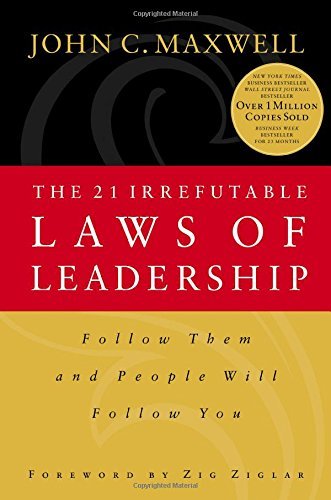
"The 21 Irrefutable Laws of Leadership" distills leadership into a collection of fundamental principles, offering practical advice on how to develop and exercise effective leadership. Maxwell presents each "law" with anecdotes and clear explanations, ranging from the importance of character and influence to strategic planning and succession, making the complex art of leading accessible and actionable.
This book shares common ground with "Start with Why" in its foundational approach to leadership. Both works emphasize that successful leadership isn't merely about management or authority; it's about deeply understanding the core drivers of human behavior and organizational success. While Sinek focuses on inspiration through purpose, Maxwell provides a holistic framework for building and maintaining that inspirational capacity through adherence to proven leadership tenets.
This makes the book particularly compelling because it offers a practical manual for cultivating effective leadership. Those seeking concrete strategies to enhance their influence, build strong teams, and achieve impactful results will appreciate its directness and actionable insights. It provides a robust blueprint for anyone aspiring to lead with greater impact and integrity.
The 21 Irrefutable Laws of Leadership: Follow Them and People Will Follow You
"The 21 Irrefutable Laws of Leadership" distills leadership into a collection of fundamental principles, offering practical advice on how to develop and exercise effective leadership. Maxwell presents each "law" with anecdotes and clear explanations, ranging from the importance of character and influence to strategic planning and succession, making the complex art of leading accessible and actionable.
This book shares common ground with "Start with Why" in its foundational approach to leadership. Both works emphasize that successful leadership isn't merely about management or authority; it's about deeply understanding the core drivers of human behavior and organizational success. While Sinek focuses on inspiration through purpose, Maxwell provides a holistic framework for building and maintaining that inspirational capacity through adherence to proven leadership tenets.
This makes the book particularly compelling because it offers a practical manual for cultivating effective leadership. Those seeking concrete strategies to enhance their influence, build strong teams, and achieve impactful results will appreciate its directness and actionable insights. It provides a robust blueprint for anyone aspiring to lead with greater impact and integrity.
Tribes: We Need You to Lead Us

"Tribes: We Need You to Lead Us" posits that in today's interconnected world, individuals are yearning for a cause to believe in and a leader to rally behind. Godin argues that meaningful change and true influence come from identifying, connecting, and leading these self-selecting groups – tribes – rather than mass marketing to a generic audience. It's an empowering call to action for anyone with a vision to step up and ignite a movement.
The similarity to "Start with Why" lies in their shared emphasis on purpose-driven leadership. Both books argue that inspiring lasting engagement isn't about *what* you do, but *why* you do it. While Sinek focuses on the individual leader's internal "why," Godin extends this to the societal need for leaders who embody a compelling "why" to attract and mobilize their followers. Both champion authenticity and conviction as foundational to influence.
This book will appeal to those seeking to understand and harness the power of community in pursuit of a shared vision. It offers practical insights for aspiring leaders, entrepreneurs, and anyone looking to make a significant impact, demonstrating how identifying a common belief and fostering genuine connection can lead to profound and lasting influence. Its value lies in its actionable framework for mobilizing passion and driving collective action.
Tribes: We Need You to Lead Us
"Tribes: We Need You to Lead Us" posits that in today's interconnected world, individuals are yearning for a cause to believe in and a leader to rally behind. Godin argues that meaningful change and true influence come from identifying, connecting, and leading these self-selecting groups – tribes – rather than mass marketing to a generic audience. It's an empowering call to action for anyone with a vision to step up and ignite a movement.
The similarity to "Start with Why" lies in their shared emphasis on purpose-driven leadership. Both books argue that inspiring lasting engagement isn't about *what* you do, but *why* you do it. While Sinek focuses on the individual leader's internal "why," Godin extends this to the societal need for leaders who embody a compelling "why" to attract and mobilize their followers. Both champion authenticity and conviction as foundational to influence.
This book will appeal to those seeking to understand and harness the power of community in pursuit of a shared vision. It offers practical insights for aspiring leaders, entrepreneurs, and anyone looking to make a significant impact, demonstrating how identifying a common belief and fostering genuine connection can lead to profound and lasting influence. Its value lies in its actionable framework for mobilizing passion and driving collective action.
Good to Great: Why Some Companies Make the Leap... and Others Don't
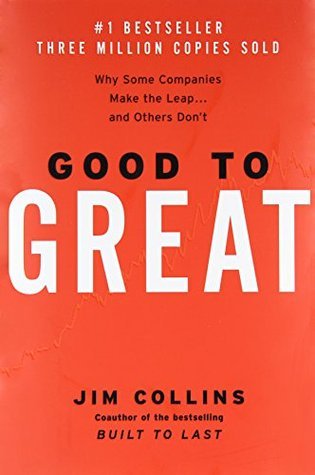
"Good to Great" delves into what distinguishes truly exceptional companies from merely good ones. Through rigorous research, Jim Collins identifies key characteristics and practices, such as disciplined people, disciplined thought, and disciplined action, that propel organizations to achieve sustained superior performance. It's about unpacking the underlying drivers of long-term success.
This book resonates with "Start with Why" because both explore the foundational elements of enduring organizational success and inspirational leadership. While Sinek focuses on the motivational power of purpose, Collins examines the operational and cultural disciplines that translate vision into consistent, impactful results. Both argue that greatness isn't accidental but rather a product of intentional choices and deep-seated principles.
Individuals seeking actionable insights into building and sustaining high-performing organizations will deeply appreciate "Good to Great." It provides a data-driven framework and compelling case studies that illuminate how strategic discipline, servant leadership, and an unwavering commitment to core values are instrumental in achieving breakthrough success, offering a practical blueprint for aspiring leaders and strategists.
Good to Great: Why Some Companies Make the Leap... and Others Don't
"Good to Great" delves into what distinguishes truly exceptional companies from merely good ones. Through rigorous research, Jim Collins identifies key characteristics and practices, such as disciplined people, disciplined thought, and disciplined action, that propel organizations to achieve sustained superior performance. It's about unpacking the underlying drivers of long-term success.
This book resonates with "Start with Why" because both explore the foundational elements of enduring organizational success and inspirational leadership. While Sinek focuses on the motivational power of purpose, Collins examines the operational and cultural disciplines that translate vision into consistent, impactful results. Both argue that greatness isn't accidental but rather a product of intentional choices and deep-seated principles.
Individuals seeking actionable insights into building and sustaining high-performing organizations will deeply appreciate "Good to Great." It provides a data-driven framework and compelling case studies that illuminate how strategic discipline, servant leadership, and an unwavering commitment to core values are instrumental in achieving breakthrough success, offering a practical blueprint for aspiring leaders and strategists.
More Books to Explore
Discover more titles that expand on these ideas and themes.
Leaders Eat Last: Why Some Teams Pull Together and Others Don't
Drive: The Surprising Truth About What Motivates Us
Start Something That Matters
The Advantage: Why Organizational Health Trumps Everything Else In Business
The 8th Habit: From Effectiveness to Greatness
The 21 Indispensable Qualities of a Leader: Becoming the Person Others Will Want to Follow