10 Books Similar to "Smolder"
by Brett Battles
The Last Run

"The Last Run" by David Archer plunges into a high-stakes world of international espionage and personal vendettas, centering on a former black ops agent drawn back into a dangerous game. He finds himself battling a vast, shadowy organization and navigating treacherous alliances, all while confronting ghosts from his past and protecting those he cares for most. The narrative is a relentless race against time, filled with tactical action, moral dilemmas, and unexpected betrayals.
This thriller echoes "Smolder" by Brett Battles in its core appeal to fans of resilient, morally complex protagonists operating outside the law. Both novels excel at crafting intricate global conspiracies and pitting a highly skilled individual against insurmountable odds. The focus on a protagonist with a troubled past, forced to rely on their unique talents and a small, trusted circle to combat a pervasive threat, forms a strong thematic parallel to Battles’s work, particularly in the vein of Jonathan Quinn.
The book will strongly appeal to those who appreciate a no-nonsense, fast-paced espionage thriller with a well-developed, resourceful hero. Its blend of covert operations, pulse-pounding action sequences, and a deeply personal quest for justice offers a compelling and satisfying escape. This type of narrative delivers both intellectual engagement through its intricate plot and visceral excitement through its relentless pacing, making it a valuable read for anyone seeking a top-tier action-suspense experience.
The Last Run
"The Last Run" by David Archer plunges into a high-stakes world of international espionage and personal vendettas, centering on a former black ops agent drawn back into a dangerous game. He finds himself battling a vast, shadowy organization and navigating treacherous alliances, all while confronting ghosts from his past and protecting those he cares for most. The narrative is a relentless race against time, filled with tactical action, moral dilemmas, and unexpected betrayals.
This thriller echoes "Smolder" by Brett Battles in its core appeal to fans of resilient, morally complex protagonists operating outside the law. Both novels excel at crafting intricate global conspiracies and pitting a highly skilled individual against insurmountable odds. The focus on a protagonist with a troubled past, forced to rely on their unique talents and a small, trusted circle to combat a pervasive threat, forms a strong thematic parallel to Battles’s work, particularly in the vein of Jonathan Quinn.
The book will strongly appeal to those who appreciate a no-nonsense, fast-paced espionage thriller with a well-developed, resourceful hero. Its blend of covert operations, pulse-pounding action sequences, and a deeply personal quest for justice offers a compelling and satisfying escape. This type of narrative delivers both intellectual engagement through its intricate plot and visceral excitement through its relentless pacing, making it a valuable read for anyone seeking a top-tier action-suspense experience.
Burner
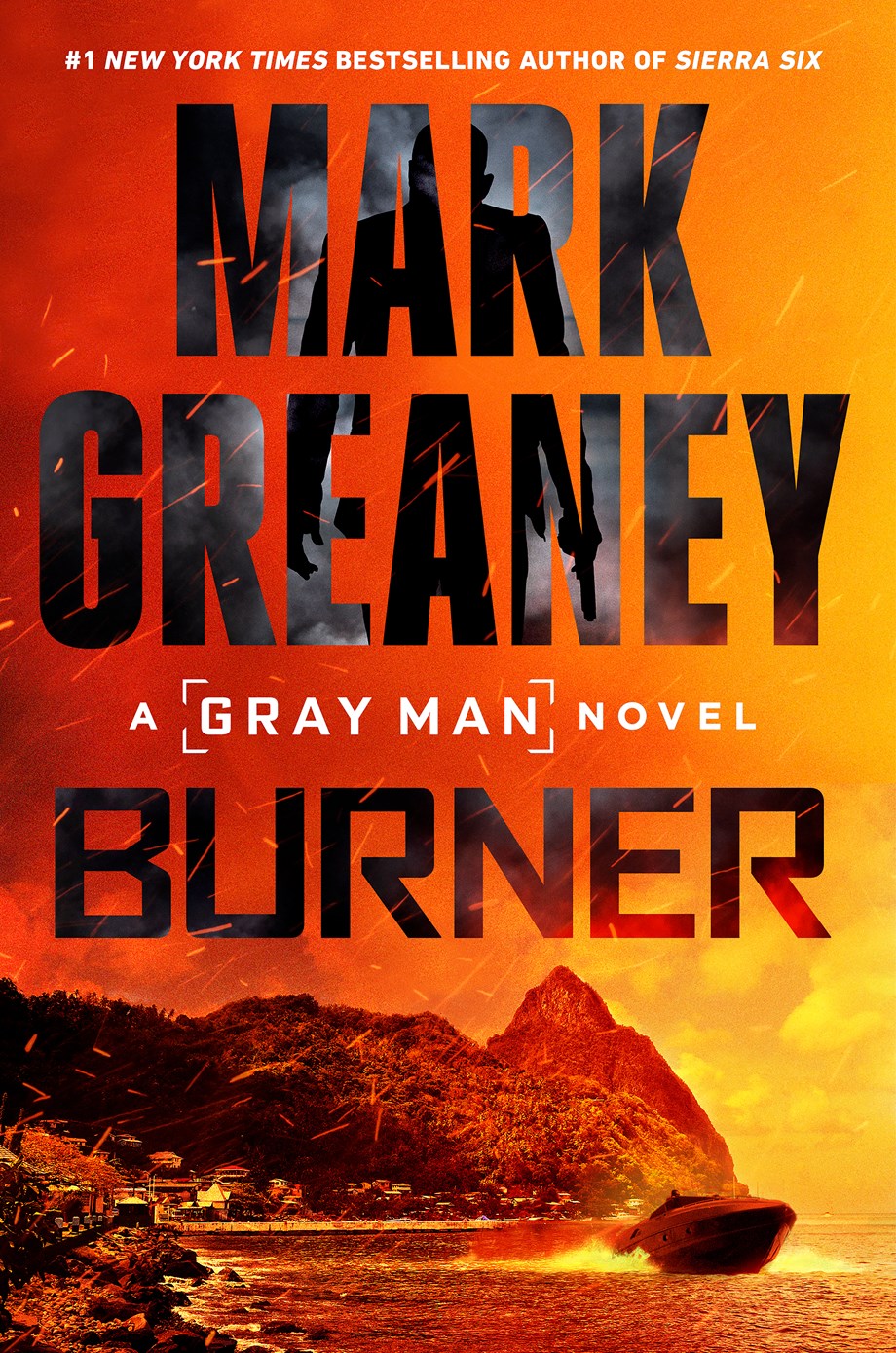
"Burner" by Mark Greaney plunges the reader into a high-stakes espionage thriller, following Court Gentry, the Gray Man, as he confronts a new, lethal threat. An insidious AI program, dubbed "Burner," is unleashed, capable of manipulating global markets and sparking international chaos. Gentry must navigate a complex web of betrayals and technological warfare to neutralize this existential danger while evading both his former employers and a ruthless new antagonist. It's a race against time, where the boundaries of digital and physical conflict blur.
The similarity to Brett Battles' "Smolder" lies in their shared premise of a highly skilled, independent operative facing off against a technologically advanced, globally destabilizing threat. Both novels feature protagonists operating outside traditional government structures, forced to employ their unique talents and moral ambiguities to counteract a pervasive, modern danger. The focus on intelligence, covert operations, and a relentless pursuit of a shadowy, powerful enemy creates a parallel narrative experience.
This novel will appeal because it delivers relentless action and intelligent plotting. It offers a contemporary take on the thriller genre, intertwining advanced technology with classic espionage themes. The intricate details of cyber warfare and the moral dilemmas faced by the protagonist resonate deeply in today's digital age. It provides a satisfying blend of suspense, sophisticated adversaries, and a compelling hero, ensuring a gripping and thought-provoking read.
Burner
"Burner" by Mark Greaney plunges the reader into a high-stakes espionage thriller, following Court Gentry, the Gray Man, as he confronts a new, lethal threat. An insidious AI program, dubbed "Burner," is unleashed, capable of manipulating global markets and sparking international chaos. Gentry must navigate a complex web of betrayals and technological warfare to neutralize this existential danger while evading both his former employers and a ruthless new antagonist. It's a race against time, where the boundaries of digital and physical conflict blur.
The similarity to Brett Battles' "Smolder" lies in their shared premise of a highly skilled, independent operative facing off against a technologically advanced, globally destabilizing threat. Both novels feature protagonists operating outside traditional government structures, forced to employ their unique talents and moral ambiguities to counteract a pervasive, modern danger. The focus on intelligence, covert operations, and a relentless pursuit of a shadowy, powerful enemy creates a parallel narrative experience.
This novel will appeal because it delivers relentless action and intelligent plotting. It offers a contemporary take on the thriller genre, intertwining advanced technology with classic espionage themes. The intricate details of cyber warfare and the moral dilemmas faced by the protagonist resonate deeply in today's digital age. It provides a satisfying blend of suspense, sophisticated adversaries, and a compelling hero, ensuring a gripping and thought-provoking read.
Near Miss
"Near Miss" features Stone Barrington, a sophisticated New York attorney caught in a dangerous web of international art theft, murder, and high society intrigue. As he attempts to unravel the mystery and protect himself and those he cares about, Barrington navigates treacherous waters where powerful enemies and unexpected alliances emerge, forcing him to rely on his wit, connections, and considerable charm to survive.
The similarity to "Smolder" lies in the core thematic elements of a resourceful, intelligent protagonist thrust into an escalating global conspiracy. Both novels showcase a compelling blend of espionage, high-stakes action, and a degree of international travel, with the central figures operating outside conventional law enforcement while facing formidable, often shadowy, antagonists. The intricate plotting and the constant threat of discovery are strong parallels.
This book will appeal to those who enjoy intricate thrillers featuring a cunning protagonist operating in a world of high-stakes danger and sophisticated adversaries. It offers escapism through compelling characters and a fast-paced narrative, providing a satisfying blend of suspense, action, and the allure of a luxurious yet perilous lifestyle. The intelligent plot and the consistent tension make it a worthwhile read for connoisseurs of the modern espionage thriller.
Near Miss
"Near Miss" features Stone Barrington, a sophisticated New York attorney caught in a dangerous web of international art theft, murder, and high society intrigue. As he attempts to unravel the mystery and protect himself and those he cares about, Barrington navigates treacherous waters where powerful enemies and unexpected alliances emerge, forcing him to rely on his wit, connections, and considerable charm to survive.
The similarity to "Smolder" lies in the core thematic elements of a resourceful, intelligent protagonist thrust into an escalating global conspiracy. Both novels showcase a compelling blend of espionage, high-stakes action, and a degree of international travel, with the central figures operating outside conventional law enforcement while facing formidable, often shadowy, antagonists. The intricate plotting and the constant threat of discovery are strong parallels.
This book will appeal to those who enjoy intricate thrillers featuring a cunning protagonist operating in a world of high-stakes danger and sophisticated adversaries. It offers escapism through compelling characters and a fast-paced narrative, providing a satisfying blend of suspense, action, and the allure of a luxurious yet perilous lifestyle. The intelligent plot and the consistent tension make it a worthwhile read for connoisseurs of the modern espionage thriller.
Shadow's Siege

"Shadow's Siege" plunges into a high-octane narrative centered on a former special forces operative, now battling personal demons, forced back into a world of espionage and political intrigue. She must confront a shadowy organization threatening global stability, all while navigating betrayals and her own fractured past. The story emphasizes relentless action, complex motivations, and a protagonist pushed to extreme limits.
The book shares significant common ground with "Smolder" through its focus on a highly skilled, often morally ambiguous protagonist operating in a murky underworld of international conspiracy. Both novels feature intense, well-choreographed action sequences, a sense of constant peril, and deep dives into the psychological toll of such a demanding lifestyle. The thrill of the chase and the high stakes involved in uncovering dark truths are central to both narratives.
This novel will appeal to those who appreciate gritty, unyielding thrillers featuring capable, resilient characters who face seemingly insurmountable odds. Its value lies in its ability to deliver sustained suspense, intricate plotting, and a compelling exploration of justice and vengeance outside conventional boundaries, offering a deeply satisfying and immersive reading experience.
Shadow's Siege
"Shadow's Siege" plunges into a high-octane narrative centered on a former special forces operative, now battling personal demons, forced back into a world of espionage and political intrigue. She must confront a shadowy organization threatening global stability, all while navigating betrayals and her own fractured past. The story emphasizes relentless action, complex motivations, and a protagonist pushed to extreme limits.
The book shares significant common ground with "Smolder" through its focus on a highly skilled, often morally ambiguous protagonist operating in a murky underworld of international conspiracy. Both novels feature intense, well-choreographed action sequences, a sense of constant peril, and deep dives into the psychological toll of such a demanding lifestyle. The thrill of the chase and the high stakes involved in uncovering dark truths are central to both narratives.
This novel will appeal to those who appreciate gritty, unyielding thrillers featuring capable, resilient characters who face seemingly insurmountable odds. Its value lies in its ability to deliver sustained suspense, intricate plotting, and a compelling exploration of justice and vengeance outside conventional boundaries, offering a deeply satisfying and immersive reading experience.
Little Girl Gone

"Little Girl Gone" centers on Jonathan Quinn, an independent contractor specializing in "clean-up" operations for a secretive agency. When he's tasked with locating a young girl who has seemingly vanished without a trace, he quickly uncovers a tangled web of lies, betrayal, and dangerous secrets connected to his own past and the very agency he serves. The narrative is a high-stakes race against time, where every lead brings Quinn closer to a truth far darker than he could have imagined.
This novel aligns with "Smolder" through its protagonist, Jonathan Quinn, and the overarching thematic exploration of his morally complex world. Both books feature Quinn operating in the shadows, navigating a treacherous landscape of espionage and assassination where personal ethics often clash with professional obligations. The tension derives from his attempts to maintain a semblance of humanity while performing ruthless tasks for a shadowy organization, unraveling mysteries that are deeply personal yet have far-reaching implications.
The book offers a compelling draw for those who appreciate meticulously plotted thrillers with a nuanced protagonist caught between loyalty and conscience. It provides a deeper dive into Quinn's motivations and the ethical quagmires he faces, delivering a satisfying blend of suspense, action, and character development. The intricate plot twists and moral ambiguities resonate strongly, offering substance beyond typical genre fare.
Little Girl Gone
"Little Girl Gone" centers on Jonathan Quinn, an independent contractor specializing in "clean-up" operations for a secretive agency. When he's tasked with locating a young girl who has seemingly vanished without a trace, he quickly uncovers a tangled web of lies, betrayal, and dangerous secrets connected to his own past and the very agency he serves. The narrative is a high-stakes race against time, where every lead brings Quinn closer to a truth far darker than he could have imagined.
This novel aligns with "Smolder" through its protagonist, Jonathan Quinn, and the overarching thematic exploration of his morally complex world. Both books feature Quinn operating in the shadows, navigating a treacherous landscape of espionage and assassination where personal ethics often clash with professional obligations. The tension derives from his attempts to maintain a semblance of humanity while performing ruthless tasks for a shadowy organization, unraveling mysteries that are deeply personal yet have far-reaching implications.
The book offers a compelling draw for those who appreciate meticulously plotted thrillers with a nuanced protagonist caught between loyalty and conscience. It provides a deeper dive into Quinn's motivations and the ethical quagmires he faces, delivering a satisfying blend of suspense, action, and character development. The intricate plot twists and moral ambiguities resonate strongly, offering substance beyond typical genre fare.
Operation Sunset

"Operation Sunset" plunges into the high-stakes world of black ops as a former CIA operative, now working independently, becomes entangled in a dangerous conspiracy. Targeted by a powerful, shadowy organization, she must leverage her considerable skills in espionage, combat, and deception to uncover the truth and survive. The narrative is a relentless chase, fraught with moral ambiguities and unexpected betrayals.
This book mirrors "Smolder" in its core appeal: a highly skilled, morally complex protagonist operating in the clandestine world, facing overwhelming odds. Both novels feature intense, well-choreographed action sequences, a globe-trotting scope, and protagonists who push the boundaries of conventional justice. The emphasis on psychological resilience and strategic thinking under pressure is a strong parallel.
"Operation Sunset" offers a gripping, fast-paced thriller experience that satisfies a craving for sophisticated spy fiction. Its intricate plot and relentless tension provide compelling entertainment, while its exploration of blurred lines between right and wrong offers a thought-provoking layer, making it a valuable read for anyone seeking a high-quality espionage narrative.
Operation Sunset
"Operation Sunset" plunges into the high-stakes world of black ops as a former CIA operative, now working independently, becomes entangled in a dangerous conspiracy. Targeted by a powerful, shadowy organization, she must leverage her considerable skills in espionage, combat, and deception to uncover the truth and survive. The narrative is a relentless chase, fraught with moral ambiguities and unexpected betrayals.
This book mirrors "Smolder" in its core appeal: a highly skilled, morally complex protagonist operating in the clandestine world, facing overwhelming odds. Both novels feature intense, well-choreographed action sequences, a globe-trotting scope, and protagonists who push the boundaries of conventional justice. The emphasis on psychological resilience and strategic thinking under pressure is a strong parallel.
"Operation Sunset" offers a gripping, fast-paced thriller experience that satisfies a craving for sophisticated spy fiction. Its intricate plot and relentless tension provide compelling entertainment, while its exploration of blurred lines between right and wrong offers a thought-provoking layer, making it a valuable read for anyone seeking a high-quality espionage narrative.
Smoke Screen

"Smoke Screen" by Sandra Brown weaves a suspenseful tale around a television journalist who, after inadvertently witnessing a murder, finds herself entangled with a charming, enigmatic man who may be involved in the crime. She must discern his true intentions while navigating a dangerous conspiracy that threatens her career and her life.
This novel shares a striking thematic resemblance to "Smolder" by Brett Battles. Both books feature protagonists who are drawn into perilous networks of crime and espionage through unexpected encounters, forcing them to confront shadowy organizations and question the loyalties of those around them. The narratives are driven by high stakes, intricate plots, and a pervasive sense of distrust.
For those who appreciated the high-octane suspense and morally ambiguous characters of "Smolder," "Smoke Screen" offers a similarly compelling and immersive experience. It delivers intricate plotting, a potent blend of danger and burgeoning romance, and an exploration of deception that keeps the reader guessing through every twist and turn, providing substantial entertainment and intellectual engagement.
Smoke Screen
"Smoke Screen" by Sandra Brown weaves a suspenseful tale around a television journalist who, after inadvertently witnessing a murder, finds herself entangled with a charming, enigmatic man who may be involved in the crime. She must discern his true intentions while navigating a dangerous conspiracy that threatens her career and her life.
This novel shares a striking thematic resemblance to "Smolder" by Brett Battles. Both books feature protagonists who are drawn into perilous networks of crime and espionage through unexpected encounters, forcing them to confront shadowy organizations and question the loyalties of those around them. The narratives are driven by high stakes, intricate plots, and a pervasive sense of distrust.
For those who appreciated the high-octane suspense and morally ambiguous characters of "Smolder," "Smoke Screen" offers a similarly compelling and immersive experience. It delivers intricate plotting, a potent blend of danger and burgeoning romance, and an exploration of deception that keeps the reader guessing through every twist and turn, providing substantial entertainment and intellectual engagement.
Drawpoint
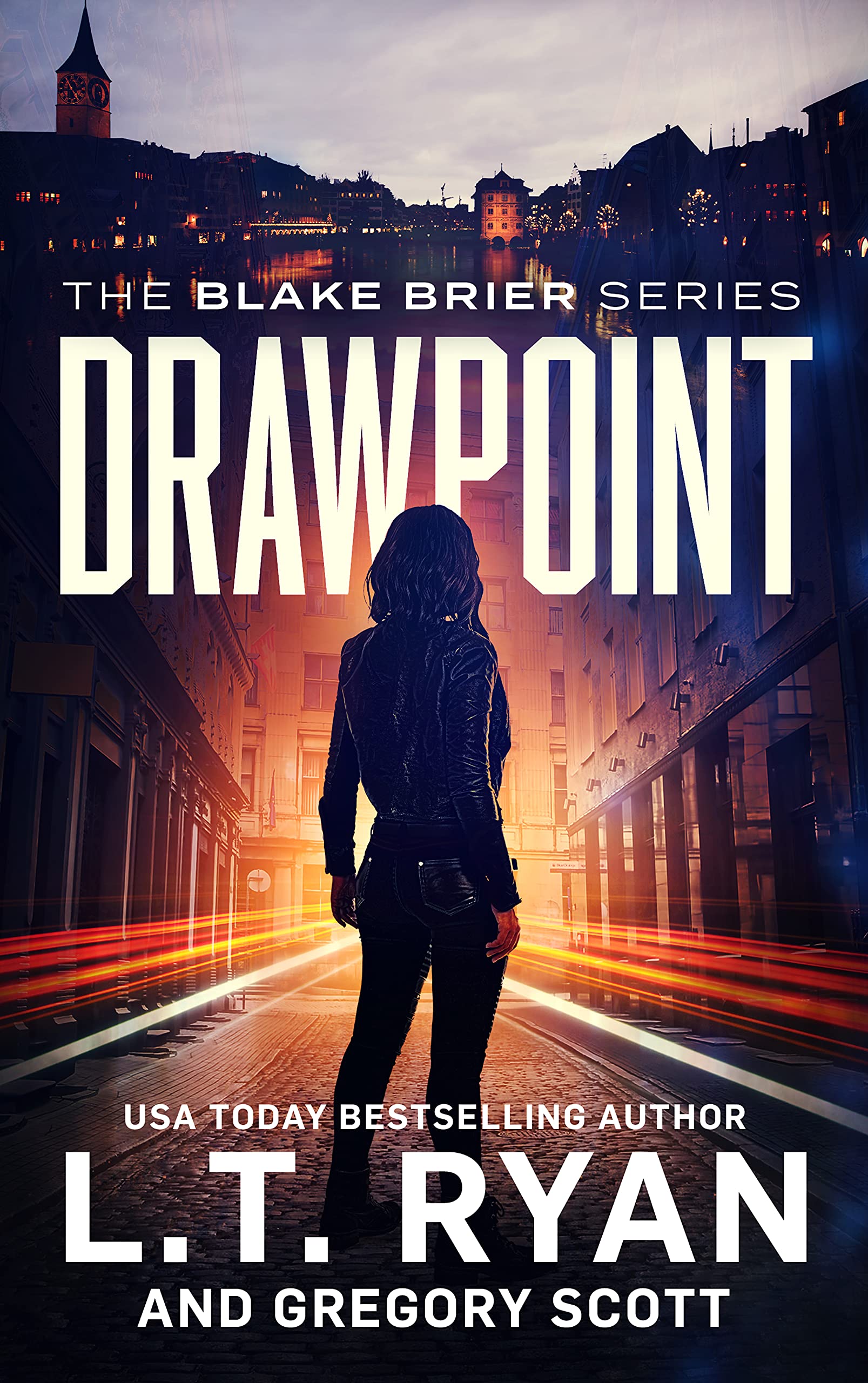
"Drawpoint" by L.T. Ryan introduces us to Jack Handler, a former Marine sniper now entrenched in a covert, off-the-books intelligence operation. He's a highly skilled operative who finds himself navigating the morally gray areas of national security, often relying on his unique blend of combat expertise and street-level intelligence gathering to confront complex threats, from international terror cells to domestic conspiracies.
The similarity to Brett Battles' "Smolder" lies in the shared narrative backbone of a highly competent, somewhat disillusioned former military operative working outside conventional legal frameworks to achieve justice. Both books feature protagonists who are masters of their craft, operating with a strong personal code in dangerous situations, dealing with shadowy organizations, and frequently relying on their wits and resourcefulness rather than official backing. The pacing is intense, the action sequences are gritty and realistic, and the protagonists grapple with the personal costs of their high-stakes work.
This book will appeal to those who appreciate a fast-paced, contemporary thriller with a compelling, capable protagonist. It delivers intricate plots, high-stakes espionage, and well-researched operational details that immerse the audience in the world of covert operations. The clear-cut moral dilemmas and the protagonist's unwavering pursuit of his objectives make for a deeply engaging and satisfying read, offering both escapism and a thoughtful exploration of modern geopolitical challenges.
Drawpoint
"Drawpoint" by L.T. Ryan introduces us to Jack Handler, a former Marine sniper now entrenched in a covert, off-the-books intelligence operation. He's a highly skilled operative who finds himself navigating the morally gray areas of national security, often relying on his unique blend of combat expertise and street-level intelligence gathering to confront complex threats, from international terror cells to domestic conspiracies.
The similarity to Brett Battles' "Smolder" lies in the shared narrative backbone of a highly competent, somewhat disillusioned former military operative working outside conventional legal frameworks to achieve justice. Both books feature protagonists who are masters of their craft, operating with a strong personal code in dangerous situations, dealing with shadowy organizations, and frequently relying on their wits and resourcefulness rather than official backing. The pacing is intense, the action sequences are gritty and realistic, and the protagonists grapple with the personal costs of their high-stakes work.
This book will appeal to those who appreciate a fast-paced, contemporary thriller with a compelling, capable protagonist. It delivers intricate plots, high-stakes espionage, and well-researched operational details that immerse the audience in the world of covert operations. The clear-cut moral dilemmas and the protagonist's unwavering pursuit of his objectives make for a deeply engaging and satisfying read, offering both escapism and a thoughtful exploration of modern geopolitical challenges.
Riding the Devil
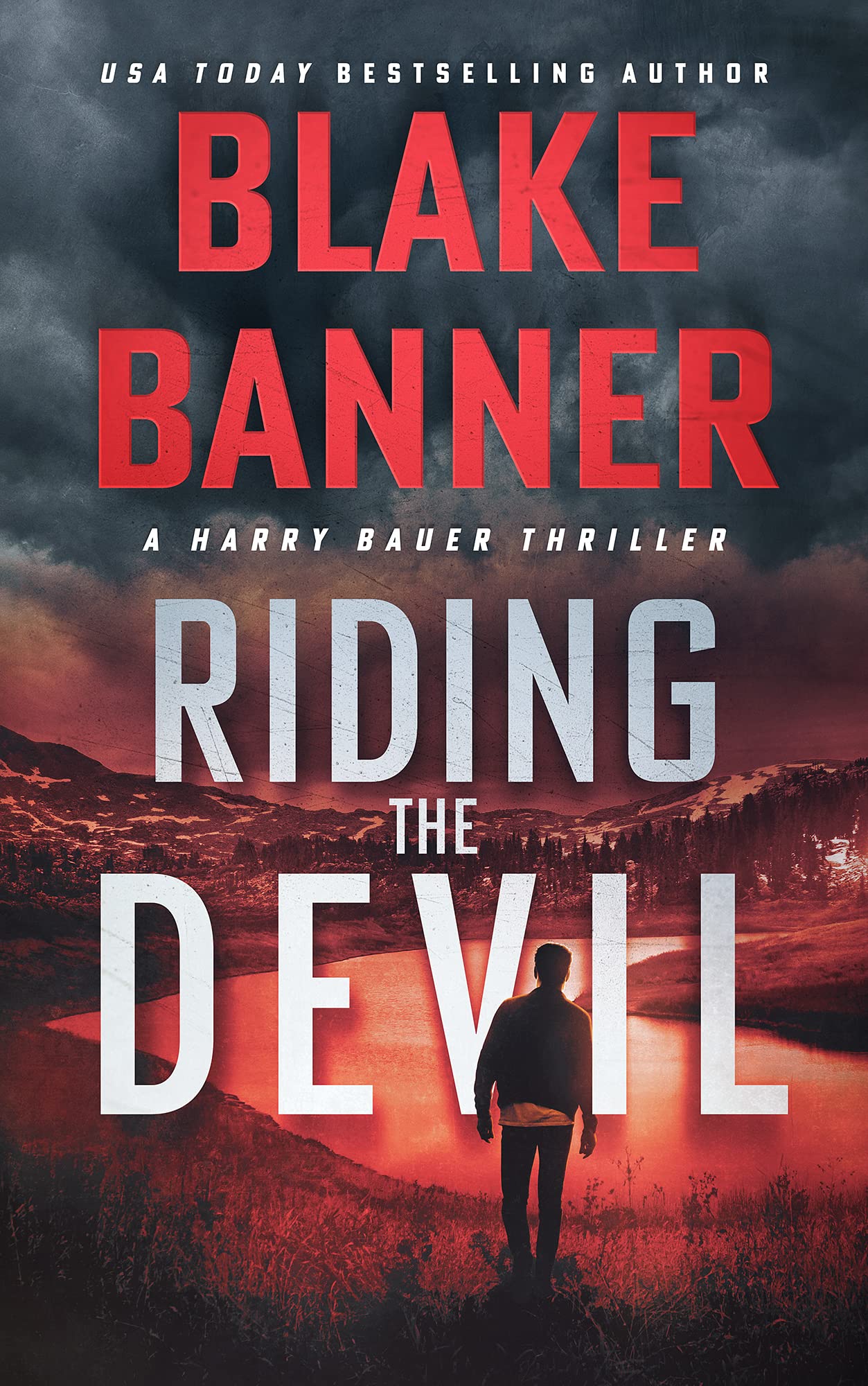
"Riding the Devil" plunges into the gritty world of covert operations and high-stakes espionage, following a protagonist skilled in lethal arts forced to navigate betrayal and uncover a global conspiracy. The narrative is driven by relentless action sequences and a pervasive sense of imminent danger, as the hero works outside traditional lawful boundaries to achieve his objectives, often leaving a trail of chaos in his wake.
This novel shares a striking resemblance to Battles' "Smolder" in its unflinching portrayal of black-ops protagonists operating in morally ambiguous territory. Both books excel at crafting intricate plots involving international intrigue and personal vendettas, featuring heroes who are highly capable, yet deeply scarred individuals. The pacing in both is consistently high-octane, maintaining suspense through unexpected twists and turns.
The appeal of "Riding the Devil" lies in its masterful execution of the thriller genre, offering an immersive escape into a world where courage and cunning are the only currency. Its intricate plotting, combined with well-developed, flawed characters, provides a compelling reading experience that satisfies the desire for intense action and a nuanced exploration of justice beyond the law. This book offers valuable insight into the psychological toll of such a life, elevating it beyond mere entertainment.
Riding the Devil
"Riding the Devil" plunges into the gritty world of covert operations and high-stakes espionage, following a protagonist skilled in lethal arts forced to navigate betrayal and uncover a global conspiracy. The narrative is driven by relentless action sequences and a pervasive sense of imminent danger, as the hero works outside traditional lawful boundaries to achieve his objectives, often leaving a trail of chaos in his wake.
This novel shares a striking resemblance to Battles' "Smolder" in its unflinching portrayal of black-ops protagonists operating in morally ambiguous territory. Both books excel at crafting intricate plots involving international intrigue and personal vendettas, featuring heroes who are highly capable, yet deeply scarred individuals. The pacing in both is consistently high-octane, maintaining suspense through unexpected twists and turns.
The appeal of "Riding the Devil" lies in its masterful execution of the thriller genre, offering an immersive escape into a world where courage and cunning are the only currency. Its intricate plotting, combined with well-developed, flawed characters, provides a compelling reading experience that satisfies the desire for intense action and a nuanced exploration of justice beyond the law. This book offers valuable insight into the psychological toll of such a life, elevating it beyond mere entertainment.
Under Fire

"Under Fire" by Lynn H. Blackburn is a tense romantic suspense novel centering on Dr. Ivy Collins, a pediatrician thrust into a high-stakes conspiracy after witnessing a kidnapping. She teams up with disgraced former FBI agent Adam Temple, who is seeking redemption, as they navigate betrayal and danger to uncover a deadly plot. The narrative blends medical thriller elements with intense action and a developing emotional connection between the protagonists.
This book shares significant thematic and structural similarities with "Smolder." Both feature protagonists with specialized skills pulled into perilous, broad-reaching conspiracies against their will. They also showcase resourceful male and female leads forced to cooperate under extreme pressure, often resulting in burgeoning romance amidst the life-threatening events. The pacing in both books is relentless, with constant threats and revelations driving the plot forward.
Readers drawn to "Smolder"'s blend of covert operations, high-stakes globe-trotting, and the psychological impact of constant danger will appreciate "Under Fire." It offers a compelling mix of intricate plotting, a strong romantic arc, and compelling characters, providing a satisfying and adrenaline-fueled experience. The narrative's focus on trust, survival, and moral dilemmas offers both thrilling entertainment and thought-provoking depth.
Under Fire
"Under Fire" by Lynn H. Blackburn is a tense romantic suspense novel centering on Dr. Ivy Collins, a pediatrician thrust into a high-stakes conspiracy after witnessing a kidnapping. She teams up with disgraced former FBI agent Adam Temple, who is seeking redemption, as they navigate betrayal and danger to uncover a deadly plot. The narrative blends medical thriller elements with intense action and a developing emotional connection between the protagonists.
This book shares significant thematic and structural similarities with "Smolder." Both feature protagonists with specialized skills pulled into perilous, broad-reaching conspiracies against their will. They also showcase resourceful male and female leads forced to cooperate under extreme pressure, often resulting in burgeoning romance amidst the life-threatening events. The pacing in both books is relentless, with constant threats and revelations driving the plot forward.
Readers drawn to "Smolder"'s blend of covert operations, high-stakes globe-trotting, and the psychological impact of constant danger will appreciate "Under Fire." It offers a compelling mix of intricate plotting, a strong romantic arc, and compelling characters, providing a satisfying and adrenaline-fueled experience. The narrative's focus on trust, survival, and moral dilemmas offers both thrilling entertainment and thought-provoking depth.
More Books to Explore
Discover more titles that expand on these ideas and themes.
The Last Run
Burner
Near Miss
Shadow's Siege
Little Girl Gone
Operation Sunset