10 Books Similar to "Secrets of the Millionaire Mind: Mastering the Inner Game of Wealth"
by T. Harv Eker

How to Think Like a Millionaire
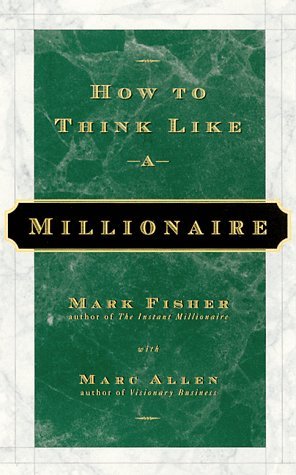
"How to Think Like a Millionaire" by Mark Fisher explores the mental frameworks and attitudes that underpin financial success. Through a narrative approach featuring a young man mentored by a wealthy uncle, the book delves into principles like developing a clear financial vision, embracing risk intelligently, and cultivating a positive self-belief regarding money. It emphasizes that acquiring wealth is less about external circumstances and more about internal congruence and actionable mindset shifts.
This book shares significant thematic overlap with T. Harv Eker's "Secrets of the Millionaire Mind." Both works assert that an individual's "money blueprint"—their ingrained beliefs and thought patterns about wealth—is the primary determinant of their financial reality. They both advocate for identifying and transforming limiting beliefs into empowering ones, demonstrating that a fundamental shift in internal programming precedes external financial accumulation.
Individuals seeking practical strategies to recalibrate their relationship with money and cultivate an abundance mindset will find this book highly beneficial. It offers an accessible and engaging entry point into understanding the psychological underpinnings of wealth, providing actionable insights that can inspire profound personal and financial transformation.
How to Think Like a Millionaire
"How to Think Like a Millionaire" by Mark Fisher explores the mental frameworks and attitudes that underpin financial success. Through a narrative approach featuring a young man mentored by a wealthy uncle, the book delves into principles like developing a clear financial vision, embracing risk intelligently, and cultivating a positive self-belief regarding money. It emphasizes that acquiring wealth is less about external circumstances and more about internal congruence and actionable mindset shifts.
This book shares significant thematic overlap with T. Harv Eker's "Secrets of the Millionaire Mind." Both works assert that an individual's "money blueprint"—their ingrained beliefs and thought patterns about wealth—is the primary determinant of their financial reality. They both advocate for identifying and transforming limiting beliefs into empowering ones, demonstrating that a fundamental shift in internal programming precedes external financial accumulation.
Individuals seeking practical strategies to recalibrate their relationship with money and cultivate an abundance mindset will find this book highly beneficial. It offers an accessible and engaging entry point into understanding the psychological underpinnings of wealth, providing actionable insights that can inspire profound personal and financial transformation.
The One Minute Millionaire: The Enlightened Way to Wealth

*The One Minute Millionaire: The Enlightened Way to Wealth* presents a dual narrative, blending a fictional story of overcoming adversity to achieve financial success with practical, actionable steps for building wealth. It emphasizes the importance of mindset and offers concise, "one-minute" strategies for income generation and smart financial habits.
This book shares significant commonalities with *Secrets of the Millionaire Mind*. Both fundamentally assert that financial success is primarily an internal game. They delve into changing limiting beliefs, cultivating a "wealth consciousness," and provide concrete frameworks for developing an entrepreneurial spirit and a sound financial blueprint. Both books stress the necessity of shifting one's core thinking about money to attract and retain it.
Individuals seeking a blend of inspiring narrative and practical, results-oriented financial advice will find this book particularly engaging and valuable. Its accessible format and focus on rapid implementation make it appealing to those looking to immediately apply wealth-building principles, offering both motivation and tangible tools for transformation.
The One Minute Millionaire: The Enlightened Way to Wealth
*The One Minute Millionaire: The Enlightened Way to Wealth* presents a dual narrative, blending a fictional story of overcoming adversity to achieve financial success with practical, actionable steps for building wealth. It emphasizes the importance of mindset and offers concise, "one-minute" strategies for income generation and smart financial habits.
This book shares significant commonalities with *Secrets of the Millionaire Mind*. Both fundamentally assert that financial success is primarily an internal game. They delve into changing limiting beliefs, cultivating a "wealth consciousness," and provide concrete frameworks for developing an entrepreneurial spirit and a sound financial blueprint. Both books stress the necessity of shifting one's core thinking about money to attract and retain it.
Individuals seeking a blend of inspiring narrative and practical, results-oriented financial advice will find this book particularly engaging and valuable. Its accessible format and focus on rapid implementation make it appealing to those looking to immediately apply wealth-building principles, offering both motivation and tangible tools for transformation.
The Naked Millionaire: The Ultimate Fast Track Guide to Wealth, Freedom and Fulfillment
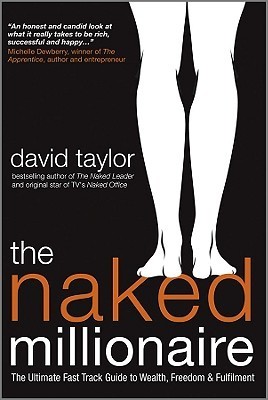
"The Naked Millionaire" by David Taylor is a practical guide challenging conventional ideas about wealth. It emphasizes identifying and shedding psychological barriers, outdated beliefs, and societal expectations that hinder financial success and personal fulfillment. The book advocates for a streamlined, minimalist approach to both business and life, focusing on core values and effective strategies to achieve significant wealth, lasting freedom, and a deeply satisfying existence. It's about stripping away the non-essentials to reveal a clear path to prosperity.
This book shares significant thematic overlap with T. Harv Eker's "Secrets of the Millionaire Mind." Both works fundamentally argue that financial success originates not just from external actions, but from deeply ingrained mindsets and beliefs about money. They each provide frameworks for identifying and transforming limiting "money blueprints," believing that internal shifts are prerequisites for external wealth accumulation. Both also stress the importance of understanding and actively managing one's relationship with finances.
Individuals seeking to overhaul their financial perspectives and accelerate their journey to wealth will find this book particularly compelling. It offers actionable strategies for both mental and practical application, helping to dismantle self-imposed limitations and build a more intentional path to prosperity. Its focus on efficiency and core principles makes it a valuable resource for anyone striving for meaningful wealth without unnecessary complexities, leading to a more liberated and purposeful life.
The Naked Millionaire: The Ultimate Fast Track Guide to Wealth, Freedom and Fulfillment
"The Naked Millionaire" by David Taylor is a practical guide challenging conventional ideas about wealth. It emphasizes identifying and shedding psychological barriers, outdated beliefs, and societal expectations that hinder financial success and personal fulfillment. The book advocates for a streamlined, minimalist approach to both business and life, focusing on core values and effective strategies to achieve significant wealth, lasting freedom, and a deeply satisfying existence. It's about stripping away the non-essentials to reveal a clear path to prosperity.
This book shares significant thematic overlap with T. Harv Eker's "Secrets of the Millionaire Mind." Both works fundamentally argue that financial success originates not just from external actions, but from deeply ingrained mindsets and beliefs about money. They each provide frameworks for identifying and transforming limiting "money blueprints," believing that internal shifts are prerequisites for external wealth accumulation. Both also stress the importance of understanding and actively managing one's relationship with finances.
Individuals seeking to overhaul their financial perspectives and accelerate their journey to wealth will find this book particularly compelling. It offers actionable strategies for both mental and practical application, helping to dismantle self-imposed limitations and build a more intentional path to prosperity. Its focus on efficiency and core principles makes it a valuable resource for anyone striving for meaningful wealth without unnecessary complexities, leading to a more liberated and purposeful life.
Rich Dad's Retire Young, Retire Rich: How to Get Rich Quickly and Stay Rich Forever!

"Rich Dad's Retire Young, Retire Rich" outlines Kiyosaki's philosophy for achieving financial independence at an accelerated pace, focusing on a shift from traditional employment to strategic investing and business ownership. It advocates for acquiring income-generating assets, reducing liabilities, and developing financial literacy to create passive income streams that ultimately replace the need for active work. The book emphasizes practical steps and a mindset geared towards understanding money and leverage.
This book shares fundamental similarities with "Secrets of the Millionaire Mind" in its core message: that financial success is primarily an internal game. Both authors stress the vital role of mindset, beliefs, and financial education in achieving wealth. While Kiyosaki focuses on asset acquisition and eliminating the "rat race," Eker delves into "money blueprints" and breaking self-limiting beliefs. Both empower individuals to take control of their financial destinies by transforming their thinking.
The insights offered will resonate with anyone seeking a practical blueprint for escaping perpetual employment and building lasting wealth. It provides actionable strategies for identifying and acquiring assets, fostering an entrepreneurial spirit, and cultivating financial intelligence. The clear, direct advice empowers the ambitious to challenge conventional wisdom and build a path to early financial freedom.
Rich Dad's Retire Young, Retire Rich: How to Get Rich Quickly and Stay Rich Forever!
"Rich Dad's Retire Young, Retire Rich" outlines Kiyosaki's philosophy for achieving financial independence at an accelerated pace, focusing on a shift from traditional employment to strategic investing and business ownership. It advocates for acquiring income-generating assets, reducing liabilities, and developing financial literacy to create passive income streams that ultimately replace the need for active work. The book emphasizes practical steps and a mindset geared towards understanding money and leverage.
This book shares fundamental similarities with "Secrets of the Millionaire Mind" in its core message: that financial success is primarily an internal game. Both authors stress the vital role of mindset, beliefs, and financial education in achieving wealth. While Kiyosaki focuses on asset acquisition and eliminating the "rat race," Eker delves into "money blueprints" and breaking self-limiting beliefs. Both empower individuals to take control of their financial destinies by transforming their thinking.
The insights offered will resonate with anyone seeking a practical blueprint for escaping perpetual employment and building lasting wealth. It provides actionable strategies for identifying and acquiring assets, fostering an entrepreneurial spirit, and cultivating financial intelligence. The clear, direct advice empowers the ambitious to challenge conventional wisdom and build a path to early financial freedom.
The Millionaire Fastlane: Crack the Code to Wealth and Live Rich for a Lifetime!
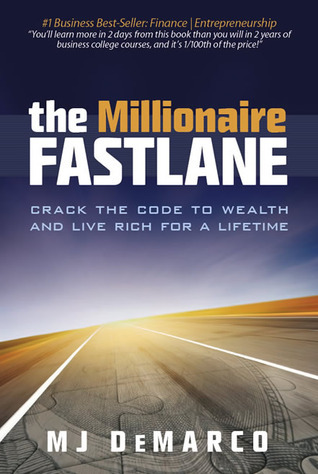
"The Millionaire Fastlane" challenges conventional financial advice, arguing against the slow path to wealth accumulation through traditional employment and passive investing. Instead, DeMarco advocates for building a scalable business that provides value to a mass market, enabling rapid wealth generation and financial independence, often at a younger age. He details specific strategies for entrepreneurship, product development, and market dominance.
This book shares thematic resonance with "Secrets of the Millionaire Mind" in its emphasis on mindset and intentionality. Both authors stress the importance of understanding and actively managing one's relationship with money and success. While Eker focuses on internal mental architecture, DeMarco similarly dissects destructive financial beliefs and replaces them with a proactive, entrepreneurial framework for wealth creation. Both works aim to dismantle limiting perspectives that hinder financial progress.
The unconventional yet pragmatic approach of "The Millionaire Fastlane" holds significant appeal. It offers a blueprint for individuals yearning for financial freedom beyond the confines of a 9-to-5, empowering them to take control of their economic destiny. Its actionable strategies and compelling vision for rapid wealth accumulation can genuinely transform one's financial trajectory.
The Millionaire Fastlane: Crack the Code to Wealth and Live Rich for a Lifetime!
"The Millionaire Fastlane" challenges conventional financial advice, arguing against the slow path to wealth accumulation through traditional employment and passive investing. Instead, DeMarco advocates for building a scalable business that provides value to a mass market, enabling rapid wealth generation and financial independence, often at a younger age. He details specific strategies for entrepreneurship, product development, and market dominance.
This book shares thematic resonance with "Secrets of the Millionaire Mind" in its emphasis on mindset and intentionality. Both authors stress the importance of understanding and actively managing one's relationship with money and success. While Eker focuses on internal mental architecture, DeMarco similarly dissects destructive financial beliefs and replaces them with a proactive, entrepreneurial framework for wealth creation. Both works aim to dismantle limiting perspectives that hinder financial progress.
The unconventional yet pragmatic approach of "The Millionaire Fastlane" holds significant appeal. It offers a blueprint for individuals yearning for financial freedom beyond the confines of a 9-to-5, empowering them to take control of their economic destiny. Its actionable strategies and compelling vision for rapid wealth accumulation can genuinely transform one's financial trajectory.
Money Game: A Wealth Manifestation Guide. Level Up Your Mindset Step-By-Step & Create An Abundant Life

"Money Game" by Daniel Mangena provides a practical framework for cultivating a prosperity mindset and actively manifesting wealth. It guides individuals through identifying and challenging limiting beliefs about money, replacing them with empowering thought patterns and actionable strategies to attract financial abundance. This book emphasizes personal responsibility and internal transformation as the primary drivers of external financial success.
This book exhibits strong parallels with T. Harv Eker's "Secrets of the Millionaire Mind" in its core thesis. Both works contend that financial outcomes are fundamentally shaped by one's internal "money blueprint" or mindset. They both advocate for understanding and reshaping ingrained beliefs about wealth, moving beyond theoretical acknowledgment to practical application of new financial paradigms. The focus on the "inner game of wealth" is a unifying thread.
The appeal of "Money Game" lies in its direct, step-by-step approach to a challenge many face: achieving financial freedom. Its actionable exercises and clear explanations offer a tangible path for individuals seeking to transition from scarcity to abundance. The value comes from empowering individuals to take control of their financial destinies by mastering their own psychological relationship with money, leading to a more intentional and prosperous life.
Money Game: A Wealth Manifestation Guide. Level Up Your Mindset Step-By-Step & Create An Abundant Life
"Money Game" by Daniel Mangena provides a practical framework for cultivating a prosperity mindset and actively manifesting wealth. It guides individuals through identifying and challenging limiting beliefs about money, replacing them with empowering thought patterns and actionable strategies to attract financial abundance. This book emphasizes personal responsibility and internal transformation as the primary drivers of external financial success.
This book exhibits strong parallels with T. Harv Eker's "Secrets of the Millionaire Mind" in its core thesis. Both works contend that financial outcomes are fundamentally shaped by one's internal "money blueprint" or mindset. They both advocate for understanding and reshaping ingrained beliefs about wealth, moving beyond theoretical acknowledgment to practical application of new financial paradigms. The focus on the "inner game of wealth" is a unifying thread.
The appeal of "Money Game" lies in its direct, step-by-step approach to a challenge many face: achieving financial freedom. Its actionable exercises and clear explanations offer a tangible path for individuals seeking to transition from scarcity to abundance. The value comes from empowering individuals to take control of their financial destinies by mastering their own psychological relationship with money, leading to a more intentional and prosperous life.
Rich Dad's Guide to Investing: What the Rich Invest in That the Poor and Middle Class Do Not!

Rich Dad's Guide to Investing delves into the wealth-building strategies employed by the affluent, contrasting them with the financial habits of the average person. Kiyosaki emphasizes the distinction between "good debt" and "bad debt," advocating for investments that generate passive income, primarily through real estate and business ventures. It’s a practical guide to understanding asset classes beyond traditional stocks and bonds, encouraging a mindset shift from simply earning a salary to building sustainable wealth through strategic investing.
This book shares thematic similarities with "Secrets of the Millionaire Mind" by focusing on the underlying principles and mental frameworks that differentiate the wealthy. Both books argue that financial success isn't just about what you know, but *how you think* about money, risk, and opportunity. They challenge conventional financial wisdom, emphasizing the importance of adopting a "rich mindset" to identify and act on lucrative possibilities.
The book will appeal to individuals seeking actionable insights into creating lasting financial independence beyond typical employment. It offers a blueprint for understanding and utilizing different asset classes effectively, providing a framework for those ready to move beyond traditional savings and engage in more dynamic, wealth-generating investments. Its value lies in demystifying the world of investing and empowering individuals to consciously build their financial future.
Rich Dad's Guide to Investing: What the Rich Invest in That the Poor and Middle Class Do Not!
Rich Dad's Guide to Investing delves into the wealth-building strategies employed by the affluent, contrasting them with the financial habits of the average person. Kiyosaki emphasizes the distinction between "good debt" and "bad debt," advocating for investments that generate passive income, primarily through real estate and business ventures. It’s a practical guide to understanding asset classes beyond traditional stocks and bonds, encouraging a mindset shift from simply earning a salary to building sustainable wealth through strategic investing.
This book shares thematic similarities with "Secrets of the Millionaire Mind" by focusing on the underlying principles and mental frameworks that differentiate the wealthy. Both books argue that financial success isn't just about what you know, but *how you think* about money, risk, and opportunity. They challenge conventional financial wisdom, emphasizing the importance of adopting a "rich mindset" to identify and act on lucrative possibilities.
The book will appeal to individuals seeking actionable insights into creating lasting financial independence beyond typical employment. It offers a blueprint for understanding and utilizing different asset classes effectively, providing a framework for those ready to move beyond traditional savings and engage in more dynamic, wealth-generating investments. Its value lies in demystifying the world of investing and empowering individuals to consciously build their financial future.
How To Get Rich

Felix Dennis's "How To Get Rich" is a brutally honest, often irreverent, and eminently practical guide penned by a self-made multi-millionaire. It strips away the myths surrounding wealth creation, offering unvarnished advice on entrepreneurship, risk-taking, identifying opportunities, and the relentless discipline required to build significant fortunes. Dennis shares personal anecdotes, both successes and failures, emphasizing hard work, strategic financial management, and the often-uncomfortable sacrifices necessary to achieve substantial wealth.
This book resonates strongly with "Secrets of the Millionaire Mind" because both fundamentally address the mindset crucial for financial success. While Eker focuses on internal belief systems and "wealth blueprints," Dennis, despite his gruffer exterior, similarly asserts that wealth is a choice and a consequence of dedicated action and a specific outlook. Both authors challenge conventional thinking about money, advocating for active participation in one's financial destiny rather than passive hope.
For those aspiring to genuine financial independence, this book offers an indispensable dose of reality. Its direct, no-nonsense approach cuts through theoretical fluff, providing actionable insights from someone who actually navigated the demanding path to immense wealth. It serves as a powerful motivator, not by promising easy solutions, but by laying bare the challenging yet ultimately rewarding journey of wealth accumulation, inspiring a pragmatic and persistent pursuit of financial goals.
How To Get Rich
Felix Dennis's "How To Get Rich" is a brutally honest, often irreverent, and eminently practical guide penned by a self-made multi-millionaire. It strips away the myths surrounding wealth creation, offering unvarnished advice on entrepreneurship, risk-taking, identifying opportunities, and the relentless discipline required to build significant fortunes. Dennis shares personal anecdotes, both successes and failures, emphasizing hard work, strategic financial management, and the often-uncomfortable sacrifices necessary to achieve substantial wealth.
This book resonates strongly with "Secrets of the Millionaire Mind" because both fundamentally address the mindset crucial for financial success. While Eker focuses on internal belief systems and "wealth blueprints," Dennis, despite his gruffer exterior, similarly asserts that wealth is a choice and a consequence of dedicated action and a specific outlook. Both authors challenge conventional thinking about money, advocating for active participation in one's financial destiny rather than passive hope.
For those aspiring to genuine financial independence, this book offers an indispensable dose of reality. Its direct, no-nonsense approach cuts through theoretical fluff, providing actionable insights from someone who actually navigated the demanding path to immense wealth. It serves as a powerful motivator, not by promising easy solutions, but by laying bare the challenging yet ultimately rewarding journey of wealth accumulation, inspiring a pragmatic and persistent pursuit of financial goals.
Get Rich, Lucky Bitch: Release Your Money Blocks and Live a First Class Life

"Get Rich, Lucky Bitch" by Denise Duffield-Thomas guides women to identify and dismantle their limiting beliefs about money, often termed "money blocks." It offers practical strategies and mindset shifts to overcome subconscious programming that prevents wealth accumulation, encouraging a proactive approach to financial abundance and a life of choice.
Both books emphasize the profound connection between one's internal mindset and external financial reality. They share the core tenet that true wealth creation begins with understanding and reprogramming deeply ingrained beliefs about money, rather than solely focusing on external financial mechanics. Both authors advocate for a systematic shift in perspective to achieve lasting financial success.
This book appeals to individuals, particularly women, seeking practical, actionable steps to transform their relationship with money. It provides a supportive framework for shedding financial anxieties and embracing prosperity, offering relatable insights and tangible exercises that empower one to deliberately design a financially fulfilling life.
Get Rich, Lucky Bitch: Release Your Money Blocks and Live a First Class Life
"Get Rich, Lucky Bitch" by Denise Duffield-Thomas guides women to identify and dismantle their limiting beliefs about money, often termed "money blocks." It offers practical strategies and mindset shifts to overcome subconscious programming that prevents wealth accumulation, encouraging a proactive approach to financial abundance and a life of choice.
Both books emphasize the profound connection between one's internal mindset and external financial reality. They share the core tenet that true wealth creation begins with understanding and reprogramming deeply ingrained beliefs about money, rather than solely focusing on external financial mechanics. Both authors advocate for a systematic shift in perspective to achieve lasting financial success.
This book appeals to individuals, particularly women, seeking practical, actionable steps to transform their relationship with money. It provides a supportive framework for shedding financial anxieties and embracing prosperity, offering relatable insights and tangible exercises that empower one to deliberately design a financially fulfilling life.
I Will Teach You to Be Rich: No Guilt. No Excuses. No BS. Just a 6-Week Program That Works

"I Will Teach You to Be Rich" by Ramit Sethi outlines a practical, action-oriented 6-week program designed to automate personal finances. It covers setting up no-fee bank accounts, optimizing credit cards, investing in low-cost index funds, and consciously spending on what you value, all while eliminating guilt and unnecessary financial jargon. The book emphasizes building a "rich life" on your own terms through strategic financial systems.
This book shares fundamental similarities with "Secrets of the Millionaire Mind" in its emphasis on mindset and actionable strategies for wealth creation. Both challenge conventional financial thinking, advocating for a proactive and intentional approach to money. While Eker focuses on internal beliefs, Sethi translates those principles into tangible, step-by-step external systems for wealth building and financial freedom.
It will appeal to individuals seeking clear, actionable steps to improve their financial situation without feeling overwhelmed. Its no-nonsense approach and emphasis on automation make financial management accessible and sustainable for busy adults. The practical guidance can lead to tangible improvements in financial well-being and a more intentional approach to life spending.
I Will Teach You to Be Rich: No Guilt. No Excuses. No BS. Just a 6-Week Program That Works
"I Will Teach You to Be Rich" by Ramit Sethi outlines a practical, action-oriented 6-week program designed to automate personal finances. It covers setting up no-fee bank accounts, optimizing credit cards, investing in low-cost index funds, and consciously spending on what you value, all while eliminating guilt and unnecessary financial jargon. The book emphasizes building a "rich life" on your own terms through strategic financial systems.
This book shares fundamental similarities with "Secrets of the Millionaire Mind" in its emphasis on mindset and actionable strategies for wealth creation. Both challenge conventional financial thinking, advocating for a proactive and intentional approach to money. While Eker focuses on internal beliefs, Sethi translates those principles into tangible, step-by-step external systems for wealth building and financial freedom.
It will appeal to individuals seeking clear, actionable steps to improve their financial situation without feeling overwhelmed. Its no-nonsense approach and emphasis on automation make financial management accessible and sustainable for busy adults. The practical guidance can lead to tangible improvements in financial well-being and a more intentional approach to life spending.
More Books to Explore
Discover more titles that expand on these ideas and themes.
How to Think Like a Millionaire
The One Minute Millionaire: The Enlightened Way to Wealth
The Naked Millionaire: The Ultimate Fast Track Guide to Wealth, Freedom and Fulfillment
Rich Dad's Retire Young, Retire Rich: How to Get Rich Quickly and Stay Rich Forever!
The Millionaire Fastlane: Crack the Code to Wealth and Live Rich for a Lifetime!
Money Game: A Wealth Manifestation Guide. Level Up Your Mindset Step-By-Step & Create An Abundant Life