10 Books Similar to "Rising Strong: The Reckoning. The Rumble. The Revolution"
by Brené Brown
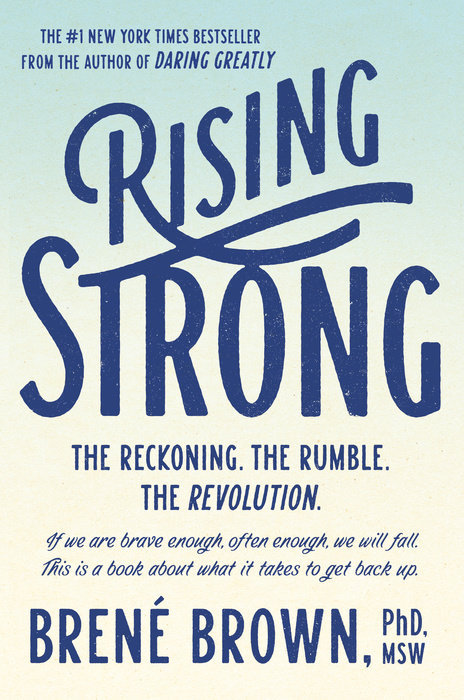
Daring Greatly: How the Courage to Be Vulnerable Transforms the Way We Live, Love, Parent, and Lead
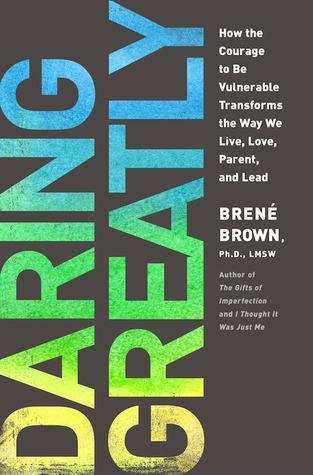
"Daring Greatly" explores the profound impact of vulnerability on our lives. It argues that embracing imperfection and stepping into discomfort—rather than shielding ourselves from potential pain—is essential for authentic connection, true belonging, and meaningful engagement in all aspects of our existence, from personal relationships to professional leadership. The book debunks myths around vulnerability, highlighting it as a strength, not a weakness.
This book shares significant thematic overlap with "Rising Strong" as both fundamentally examine our human experience with emotional discomfort. While "Rising Strong" focuses on the process of recovering and learning after failure or setback, "Daring Greatly" lays the groundwork by exploring the courage required to expose ourselves to those very experiences in the first place, thus making them deeply complementary explorations of resilience and wholehearted living.
The insights offered provide a powerful framework for personal growth and improved relationships. It offers practical perspectives on cultivating courage, fostering self-compassion, and understanding the vital role vulnerability plays in building a life filled with connection and purpose. Its actionable advice empowers individuals to live more authentically.
Daring Greatly: How the Courage to Be Vulnerable Transforms the Way We Live, Love, Parent, and Lead
"Daring Greatly" explores the profound impact of vulnerability on our lives. It argues that embracing imperfection and stepping into discomfort—rather than shielding ourselves from potential pain—is essential for authentic connection, true belonging, and meaningful engagement in all aspects of our existence, from personal relationships to professional leadership. The book debunks myths around vulnerability, highlighting it as a strength, not a weakness.
This book shares significant thematic overlap with "Rising Strong" as both fundamentally examine our human experience with emotional discomfort. While "Rising Strong" focuses on the process of recovering and learning after failure or setback, "Daring Greatly" lays the groundwork by exploring the courage required to expose ourselves to those very experiences in the first place, thus making them deeply complementary explorations of resilience and wholehearted living.
The insights offered provide a powerful framework for personal growth and improved relationships. It offers practical perspectives on cultivating courage, fostering self-compassion, and understanding the vital role vulnerability plays in building a life filled with connection and purpose. Its actionable advice empowers individuals to live more authentically.
The Power of Vulnerability: Teachings of Authenticity, Connections and Courage

"The Power of Vulnerability" explores the profound impact of embracing our imperfections and fears as a pathway to genuine human connection and a more fulfilling life. Brown argues that vulnerability isn't a weakness, but rather a courageous act that underpins authenticity, empathy, and love. It delves into how societal pressures often lead us to armored living, and offers a compelling argument for shedding those shields to live wholeheartedly.
This book shares significant thematic overlap with "Rising Strong." Both works are rooted in Brown's extensive research on shame, vulnerability, and courage, and emphasize the transformative power of engaging with difficult emotions rather than avoiding them. They collectively champion the idea that embracing our imperfections is essential for resilience and growth, and both provide frameworks for navigating emotional challenges.
Individuals invested in personal growth and developing stronger, more authentic relationships will find this book highly resonant. It offers actionable insights into cultivating self-compassion, understanding the dynamics of shame, and fostering genuine connection. Its value lies in empowering individuals to live more courageously and wholeheartedly by reframing vulnerability as a source of strength.
The Power of Vulnerability: Teachings of Authenticity, Connections and Courage
"The Power of Vulnerability" explores the profound impact of embracing our imperfections and fears as a pathway to genuine human connection and a more fulfilling life. Brown argues that vulnerability isn't a weakness, but rather a courageous act that underpins authenticity, empathy, and love. It delves into how societal pressures often lead us to armored living, and offers a compelling argument for shedding those shields to live wholeheartedly.
This book shares significant thematic overlap with "Rising Strong." Both works are rooted in Brown's extensive research on shame, vulnerability, and courage, and emphasize the transformative power of engaging with difficult emotions rather than avoiding them. They collectively champion the idea that embracing our imperfections is essential for resilience and growth, and both provide frameworks for navigating emotional challenges.
Individuals invested in personal growth and developing stronger, more authentic relationships will find this book highly resonant. It offers actionable insights into cultivating self-compassion, understanding the dynamics of shame, and fostering genuine connection. Its value lies in empowering individuals to live more courageously and wholeheartedly by reframing vulnerability as a source of strength.
Braving the Wilderness

"Braving the Wilderness" explores the concept of true belonging, arguing it's not found by fitting in or conforming, but by standing alone and embracing one's authentic self. Brown defines "wilderness" as a space of vulnerability, a place where one cultivates courage and connection by resisting the urge to assimilate and instead forging a path based on personal values and beliefs, even when it means facing discomfort or isolation.
This book offers a natural progression from "Rising Strong." Both works emphasize the importance of resilience, self-awareness, and personal integrity in navigating life's challenges. While "Rising Strong" focuses on the process of learning and growing after failure, "Braving the Wilderness" builds upon this by demonstrating how that hard-won strength enables one to bravely inhabit their individuality and find genuine belonging within themselves and with others.
The book's insights will resonate deeply with those seeking to live more authentically and connect meaningfully in an often-polarized world. Its practical wisdom provides a roadmap for cultivating courage, fostering genuine connection, and establishing a robust sense of self, offering a path toward greater personal peace and societal harmony through individual truth-telling.
Braving the Wilderness
"Braving the Wilderness" explores the concept of true belonging, arguing it's not found by fitting in or conforming, but by standing alone and embracing one's authentic self. Brown defines "wilderness" as a space of vulnerability, a place where one cultivates courage and connection by resisting the urge to assimilate and instead forging a path based on personal values and beliefs, even when it means facing discomfort or isolation.
This book offers a natural progression from "Rising Strong." Both works emphasize the importance of resilience, self-awareness, and personal integrity in navigating life's challenges. While "Rising Strong" focuses on the process of learning and growing after failure, "Braving the Wilderness" builds upon this by demonstrating how that hard-won strength enables one to bravely inhabit their individuality and find genuine belonging within themselves and with others.
The book's insights will resonate deeply with those seeking to live more authentically and connect meaningfully in an often-polarized world. Its practical wisdom provides a roadmap for cultivating courage, fostering genuine connection, and establishing a robust sense of self, offering a path toward greater personal peace and societal harmony through individual truth-telling.
The Gifts of Imperfection

"The Gifts of Imperfection" explores the courage to be vulnerable and embrace our perceived flaws as essential components of wholehearted living. It guides individuals toward developing self-compassion, fostering authentic connections, and liberating themselves from the pressure of perfectionism by recognizing the inherent value in their imperfect selves.
The books align in their foundational premise that vulnerability is not a weakness but a pathway to strength and connection. Both emphasize the importance of leaning into difficult emotions rather than avoiding them, advocating for a brave engagement with our inner landscape to achieve greater self-understanding and resilience.
This book offers a profound framework for personal growth and self-acceptance. It empowers individuals to shed the burdens of unattainable ideals, fostering a more genuine and fulfilling existence. Its practical insights provide a roadmap for cultivating inner peace and fostering more meaningful relationships, proving invaluable for anyone seeking to live a more authentic life.
The Gifts of Imperfection
"The Gifts of Imperfection" explores the courage to be vulnerable and embrace our perceived flaws as essential components of wholehearted living. It guides individuals toward developing self-compassion, fostering authentic connections, and liberating themselves from the pressure of perfectionism by recognizing the inherent value in their imperfect selves.
The books align in their foundational premise that vulnerability is not a weakness but a pathway to strength and connection. Both emphasize the importance of leaning into difficult emotions rather than avoiding them, advocating for a brave engagement with our inner landscape to achieve greater self-understanding and resilience.
This book offers a profound framework for personal growth and self-acceptance. It empowers individuals to shed the burdens of unattainable ideals, fostering a more genuine and fulfilling existence. Its practical insights provide a roadmap for cultivating inner peace and fostering more meaningful relationships, proving invaluable for anyone seeking to live a more authentic life.
Dare to Lead
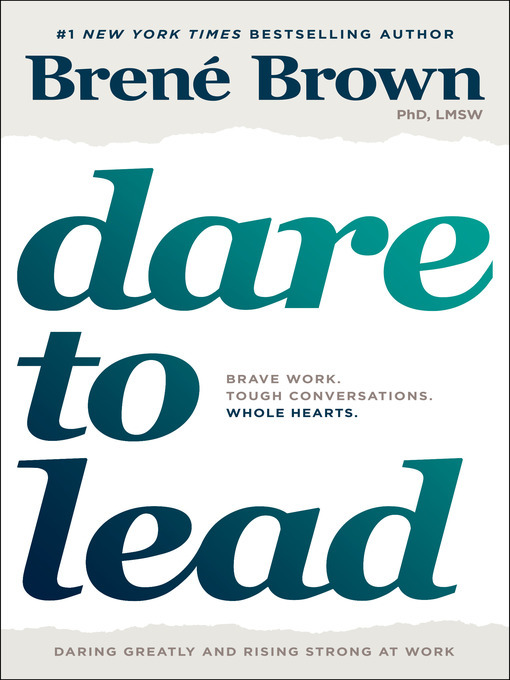
"Dare to Lead" unpacks the essential qualities of courageous leadership, arguing that true leadership is not about power or position, but about vulnerability, empathy, and integrity. It challenges conventional notions of strength, emphasizing how rumble with difficult conversations, build trust, and ultimately foster a culture where people feel safe to take risks and innovate.
Both books, "Dare to Lead" and "Rising Strong," delve deeply into the human experience of vulnerability, shame, and resilience. While "Rising Strong" focuses on the process of learning from failure and moving forward after setbacks, "Dare to Lead" applies these profound insights directly to organizational contexts, showing how courage in leadership is cultivated by embracing discomfort and leaning into difficult emotions rather than avoiding them.
This book offers practical strategies for cultivating brave leadership, applicable to anyone in a position of influence—from project managers to CEOs, and even within personal relationships. It provides a framework for building teams that thrive on trust and psychological safety, creating environments where individuals can contribute their best work. Its insights equip individuals with the tools to navigate challenges with greater emotional intelligence and effectiveness.
Dare to Lead
"Dare to Lead" unpacks the essential qualities of courageous leadership, arguing that true leadership is not about power or position, but about vulnerability, empathy, and integrity. It challenges conventional notions of strength, emphasizing how rumble with difficult conversations, build trust, and ultimately foster a culture where people feel safe to take risks and innovate.
Both books, "Dare to Lead" and "Rising Strong," delve deeply into the human experience of vulnerability, shame, and resilience. While "Rising Strong" focuses on the process of learning from failure and moving forward after setbacks, "Dare to Lead" applies these profound insights directly to organizational contexts, showing how courage in leadership is cultivated by embracing discomfort and leaning into difficult emotions rather than avoiding them.
This book offers practical strategies for cultivating brave leadership, applicable to anyone in a position of influence—from project managers to CEOs, and even within personal relationships. It provides a framework for building teams that thrive on trust and psychological safety, creating environments where individuals can contribute their best work. Its insights equip individuals with the tools to navigate challenges with greater emotional intelligence and effectiveness.
Atlas of the Heart: Mapping Meaningful Connection and the Language of Human Experience
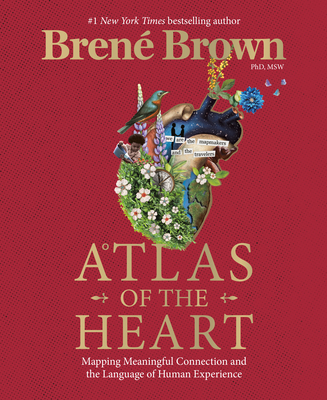
"Atlas of the Heart" is an insightful exploration of eighty-seven emotions and experiences that define what it means to be human. Brené Brown guides us through a rich understanding of our inner landscape, providing precise language to articulate complex feelings and fostering deeper self-awareness and connection with others. It's essentially a guide to navigating the often-uncharted territory of our emotional lives with greater clarity and compassion.
It shares a strong thematic lineage with "Rising Strong" in its emphasis on emotional literacy and resilience. Both books champion the idea that understanding and engaging with our discomfort, vulnerabilities, and failures—rather than avoiding them—is fundamental to a fulfilling life. Where "Rising Strong" focuses on the process of getting back up after a fall, "Atlas of the Heart" provides the vocabulary and framework to better understand the emotional terrain we inhabit before, during, and after those experiences.
This book will resonate with anyone seeking to deepen their emotional intelligence and improve their relationships. Its detailed examination of specific emotions offers a powerful tool for self-reflection and more authentic communication. The valuable perspective it offers on human connection and emotional processing makes it an indispensable resource for personal growth and fostering more meaningful interactions in all aspects of life.
Atlas of the Heart: Mapping Meaningful Connection and the Language of Human Experience
"Atlas of the Heart" is an insightful exploration of eighty-seven emotions and experiences that define what it means to be human. Brené Brown guides us through a rich understanding of our inner landscape, providing precise language to articulate complex feelings and fostering deeper self-awareness and connection with others. It's essentially a guide to navigating the often-uncharted territory of our emotional lives with greater clarity and compassion.
It shares a strong thematic lineage with "Rising Strong" in its emphasis on emotional literacy and resilience. Both books champion the idea that understanding and engaging with our discomfort, vulnerabilities, and failures—rather than avoiding them—is fundamental to a fulfilling life. Where "Rising Strong" focuses on the process of getting back up after a fall, "Atlas of the Heart" provides the vocabulary and framework to better understand the emotional terrain we inhabit before, during, and after those experiences.
This book will resonate with anyone seeking to deepen their emotional intelligence and improve their relationships. Its detailed examination of specific emotions offers a powerful tool for self-reflection and more authentic communication. The valuable perspective it offers on human connection and emotional processing makes it an indispensable resource for personal growth and fostering more meaningful interactions in all aspects of life.
I Thought It Was Just Me: Women Reclaiming Power and Courage in a Culture of Shame

*I Thought It Was Just Me* delves into the pervasive experience of shame, particularly how it silences women and inhibits connection. Brown explores the common, yet isolating, perception that one's struggles or imperfections are unique and singular. The book meticulously breaks down how shame operates, exposing its mechanisms and offering pathways to develop empathy and courage in its face, ultimately fostering a stronger sense of belonging.
This book shares significant thematic overlap with *Rising Strong*, as both are fundamentally concerned with the human experience of vulnerability, failure, and the process of moving through difficult emotions. While *I Thought It Was Just Me* builds the foundational understanding of shame and its impact on connection, *Rising Strong* then provides a structured methodology for navigating the aftermath of setbacks and falling short, which often triggers shame. Both emphasize the importance of self-compassion and owning one's narrative for emotional resilience.
The book offers profound insights into the human condition, making it highly impactful for anyone seeking to understand and dismantle the grip of shame in their lives. Its exploration of vulnerability as a strength, rather than a weakness, empowers individuals to cultivate more authentic relationships and a greater sense of self-worth. It serves as a powerful reminder that shared humanity exists in our imperfections, providing a vital tool for personal growth and fostering genuine connection.
I Thought It Was Just Me: Women Reclaiming Power and Courage in a Culture of Shame
*I Thought It Was Just Me* delves into the pervasive experience of shame, particularly how it silences women and inhibits connection. Brown explores the common, yet isolating, perception that one's struggles or imperfections are unique and singular. The book meticulously breaks down how shame operates, exposing its mechanisms and offering pathways to develop empathy and courage in its face, ultimately fostering a stronger sense of belonging.
This book shares significant thematic overlap with *Rising Strong*, as both are fundamentally concerned with the human experience of vulnerability, failure, and the process of moving through difficult emotions. While *I Thought It Was Just Me* builds the foundational understanding of shame and its impact on connection, *Rising Strong* then provides a structured methodology for navigating the aftermath of setbacks and falling short, which often triggers shame. Both emphasize the importance of self-compassion and owning one's narrative for emotional resilience.
The book offers profound insights into the human condition, making it highly impactful for anyone seeking to understand and dismantle the grip of shame in their lives. Its exploration of vulnerability as a strength, rather than a weakness, empowers individuals to cultivate more authentic relationships and a greater sense of self-worth. It serves as a powerful reminder that shared humanity exists in our imperfections, providing a vital tool for personal growth and fostering genuine connection.
Brave, Not Perfect: Fear Less, Fail More, and Live Bolder
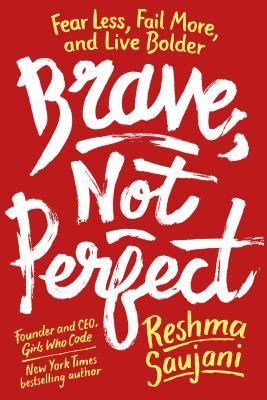
"Brave, Not Perfect" champions the idea that girls and women are often socialized for perfection, leading to risk aversion and missed opportunities. Reshma Saujani advocates for embracing imperfection and courageously pursuing goals, even if it means failing. The book encourages a paradigm shift from a culture of striving for flawlessness to one that values daring, learning from setbacks, and ultimately living more authentically and boldly.
This book shares thematic DNA with "Rising Strong" in its focus on resilience and post-failure growth. Both authors dissect the human aversion to vulnerability and imperfection, offering frameworks for navigating emotional discomfort. While Brown emphasizes the process of rising after a fall, Saujani encourages a proactive embrace of the potential for failure as a pathway to courage and greater achievement, recognizing that both approaches culminate in stronger, more authentic living.
The book will resonate with individuals seeking to break free from the paralyzing fear of inadequacy. It offers practical insights and a compelling call to action for anyone who has ever felt held back by the relentless pursuit of perfection. The message — that embracing imperfection and taking bold risks unlocks personal growth and fulfillment — provides a powerful intellectual framework for self-improvement and a more impactful life.
Brave, Not Perfect: Fear Less, Fail More, and Live Bolder
"Brave, Not Perfect" champions the idea that girls and women are often socialized for perfection, leading to risk aversion and missed opportunities. Reshma Saujani advocates for embracing imperfection and courageously pursuing goals, even if it means failing. The book encourages a paradigm shift from a culture of striving for flawlessness to one that values daring, learning from setbacks, and ultimately living more authentically and boldly.
This book shares thematic DNA with "Rising Strong" in its focus on resilience and post-failure growth. Both authors dissect the human aversion to vulnerability and imperfection, offering frameworks for navigating emotional discomfort. While Brown emphasizes the process of rising after a fall, Saujani encourages a proactive embrace of the potential for failure as a pathway to courage and greater achievement, recognizing that both approaches culminate in stronger, more authentic living.
The book will resonate with individuals seeking to break free from the paralyzing fear of inadequacy. It offers practical insights and a compelling call to action for anyone who has ever felt held back by the relentless pursuit of perfection. The message — that embracing imperfection and taking bold risks unlocks personal growth and fulfillment — provides a powerful intellectual framework for self-improvement and a more impactful life.
From Hurt to Happiness: Emotional Rescue from the Ground Up
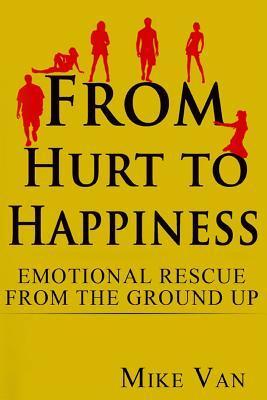
"From Hurt to Happiness: Emotional Rescue from the Ground Up" offers a practical guide to navigating emotional distress and fostering personal well-being. It dismantles complex psychological concepts into actionable steps, empowering individuals to identify the roots of their emotional pain, process difficult experiences, and build a more resilient and joyful outlook on life. The book emphasizes a grounded, inside-out approach to emotional recovery, moving beyond superficial fixes to cultivate lasting internal shifts.
This book shares significant thematic commonalities with "Rising Strong." Both works champion the idea that vulnerability and the processing of difficult experiences are not weaknesses but fundamental pathways to strength and growth. While Brown focuses on the "reckoning, rumble, and revolution" of overcoming failure and shame, Van similarly guides individuals through acknowledging emotional wounds, engaging with their discomfort, and ultimately transforming their internal landscape. Both authors empower individuals to confront their narratives and build resilience through intentional self-exploration.
This book will resonate with anyone seeking a practical framework for emotional healing and personal development. Its clear, step-by-step methodology provides tangible tools for addressing everyday emotional challenges and significant life transitions. Its emphasis on self-compassion and incremental progress makes it a valuable resource for cultivating inner peace and fostering a more fulfilling existence, offering a roadmap for transforming adversity into deeper self-understanding and lasting happiness.
From Hurt to Happiness: Emotional Rescue from the Ground Up
"From Hurt to Happiness: Emotional Rescue from the Ground Up" offers a practical guide to navigating emotional distress and fostering personal well-being. It dismantles complex psychological concepts into actionable steps, empowering individuals to identify the roots of their emotional pain, process difficult experiences, and build a more resilient and joyful outlook on life. The book emphasizes a grounded, inside-out approach to emotional recovery, moving beyond superficial fixes to cultivate lasting internal shifts.
This book shares significant thematic commonalities with "Rising Strong." Both works champion the idea that vulnerability and the processing of difficult experiences are not weaknesses but fundamental pathways to strength and growth. While Brown focuses on the "reckoning, rumble, and revolution" of overcoming failure and shame, Van similarly guides individuals through acknowledging emotional wounds, engaging with their discomfort, and ultimately transforming their internal landscape. Both authors empower individuals to confront their narratives and build resilience through intentional self-exploration.
This book will resonate with anyone seeking a practical framework for emotional healing and personal development. Its clear, step-by-step methodology provides tangible tools for addressing everyday emotional challenges and significant life transitions. Its emphasis on self-compassion and incremental progress makes it a valuable resource for cultivating inner peace and fostering a more fulfilling existence, offering a roadmap for transforming adversity into deeper self-understanding and lasting happiness.
Let's All Be Brave: Living Life with Everything You Have
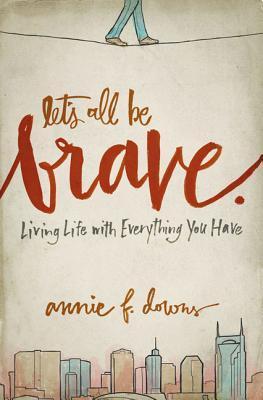
"Let's All Be Brave" champions the idea of choosing courage daily, even amidst fear and uncertainty. Annie F. Downs explores how overcoming personal hesitations and embracing vulnerability can lead to a more fulfilling and authentic life, emphasizing that bravery isn't the absence of fear, but rather acting despite it.
This book resonates with "Rising Strong" in its shared focus on navigating adversity and emerging stronger. Both authors advocate for a process of acknowledging pain, processing struggles, and ultimately choosing courage over resignation, offering practical insights into developing resilience and self-compassion.
Individuals seeking personal growth and a renewed sense of purpose will find significant value here. The straightforward encouragement and relatable anecdotes offer a powerful call to action, inspiring a commitment to living a more engaged and meaningful existence.
Let's All Be Brave: Living Life with Everything You Have
"Let's All Be Brave" champions the idea of choosing courage daily, even amidst fear and uncertainty. Annie F. Downs explores how overcoming personal hesitations and embracing vulnerability can lead to a more fulfilling and authentic life, emphasizing that bravery isn't the absence of fear, but rather acting despite it.
This book resonates with "Rising Strong" in its shared focus on navigating adversity and emerging stronger. Both authors advocate for a process of acknowledging pain, processing struggles, and ultimately choosing courage over resignation, offering practical insights into developing resilience and self-compassion.
Individuals seeking personal growth and a renewed sense of purpose will find significant value here. The straightforward encouragement and relatable anecdotes offer a powerful call to action, inspiring a commitment to living a more engaged and meaningful existence.
More Books to Explore
Discover more titles that expand on these ideas and themes.
Daring Greatly: How the Courage to Be Vulnerable Transforms the Way We Live, Love, Parent, and Lead
The Power of Vulnerability: Teachings of Authenticity, Connections and Courage
Braving the Wilderness
The Gifts of Imperfection
Dare to Lead
Atlas of the Heart: Mapping Meaningful Connection and the Language of Human Experience