10 Books Similar to "Rich Dad's Guide to Investing: What the Rich Invest in That the Poor and Middle Class Do Not!"
by Robert T. Kiyosaki

Rich Dad's Retire Young, Retire Rich: How to Get Rich Quickly and Stay Rich Forever!

*Rich Dad's Retire Young, Retire Rich* outlines Kiyosaki's journey to financial freedom, emphasizing the mindset and strategies employed to achieve early retirement. The book delves into recognizing investment opportunities, understanding risk, and building passive income streams through business and real estate, rather than relying solely on traditional employment. It challenges conventional notions of saving and retirement, advocating for a proactive approach to wealth creation.
This book strongly aligns with *Rich Dad's Guide to Investing* by reinforcing the core principles of financial education and unconventional investment. Both works consistently promote the idea that the wealthy invest in assets that generate income, while the poor and middle class primarily purchase liabilities or rely on earned income. The underlying philosophy of leveraged assets, business ownership, and strategic debt is a prominent theme across both.
This title will resonate with individuals seeking concrete steps and inspiration to accelerate their financial independence. Its exploration of alternative investment strategies and its motivational tone empower individuals to think beyond traditional financial planning. The practical advice on identifying and creating wealth-building opportunities offers a valuable blueprint for achieving financial security sooner rather than later.
Rich Dad's Retire Young, Retire Rich: How to Get Rich Quickly and Stay Rich Forever!
*Rich Dad's Retire Young, Retire Rich* outlines Kiyosaki's journey to financial freedom, emphasizing the mindset and strategies employed to achieve early retirement. The book delves into recognizing investment opportunities, understanding risk, and building passive income streams through business and real estate, rather than relying solely on traditional employment. It challenges conventional notions of saving and retirement, advocating for a proactive approach to wealth creation.
This book strongly aligns with *Rich Dad's Guide to Investing* by reinforcing the core principles of financial education and unconventional investment. Both works consistently promote the idea that the wealthy invest in assets that generate income, while the poor and middle class primarily purchase liabilities or rely on earned income. The underlying philosophy of leveraged assets, business ownership, and strategic debt is a prominent theme across both.
This title will resonate with individuals seeking concrete steps and inspiration to accelerate their financial independence. Its exploration of alternative investment strategies and its motivational tone empower individuals to think beyond traditional financial planning. The practical advice on identifying and creating wealth-building opportunities offers a valuable blueprint for achieving financial security sooner rather than later.
Rich Dad, Poor Dad
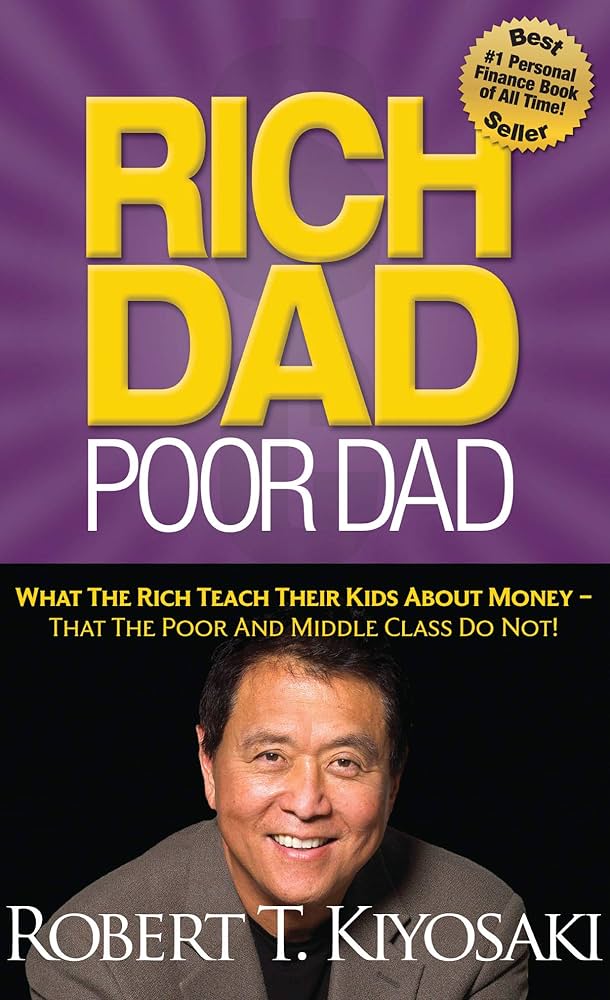
"Rich Dad, Poor Dad" chronicles Kiyosaki's formative years, contrasting the financial philosophies of his two "fathers": his highly educated, financially struggling biological father (Poor Dad) and his friend's entrepreneurial, wealthy father (Rich Dad). It fundamentally challenges conventional wisdom about money, employment, and education, advocating for financial literacy and asset acquisition over traditional job security. The core narrative emphasizes the crucial distinction between assets (things that put money in your pocket) and liabilities (things that take money out of your pocket).
This book resonates strongly with "Rich Dad's Guide to Investing" because both fundamentally explore the mindset and strategies of the financially successful. While "Rich Dad, Poor Dad" lays the foundational principles of financial intelligence and the asset vs. liability concept, the "Guide to Investing" deepens this exploration by detailing *how* the wealthy acquire and manage various asset classes. It's a natural progression from understanding *why* to invest like the rich to understanding *what* specifically they invest in and the principles behind those decisions.
The insights offered provide profound value by demystifying wealth creation. Individuals seeking a departure from conventional financial advice, those eager to understand the difference in financial thinking between the rich and others, and anyone looking to cultivate a more proactive approach to their financial future will find both books highly compelling. They offer a powerful framework for rethinking personal finance and encourage an active pursuit of financial independence.
Rich Dad, Poor Dad
"Rich Dad, Poor Dad" chronicles Kiyosaki's formative years, contrasting the financial philosophies of his two "fathers": his highly educated, financially struggling biological father (Poor Dad) and his friend's entrepreneurial, wealthy father (Rich Dad). It fundamentally challenges conventional wisdom about money, employment, and education, advocating for financial literacy and asset acquisition over traditional job security. The core narrative emphasizes the crucial distinction between assets (things that put money in your pocket) and liabilities (things that take money out of your pocket).
This book resonates strongly with "Rich Dad's Guide to Investing" because both fundamentally explore the mindset and strategies of the financially successful. While "Rich Dad, Poor Dad" lays the foundational principles of financial intelligence and the asset vs. liability concept, the "Guide to Investing" deepens this exploration by detailing *how* the wealthy acquire and manage various asset classes. It's a natural progression from understanding *why* to invest like the rich to understanding *what* specifically they invest in and the principles behind those decisions.
The insights offered provide profound value by demystifying wealth creation. Individuals seeking a departure from conventional financial advice, those eager to understand the difference in financial thinking between the rich and others, and anyone looking to cultivate a more proactive approach to their financial future will find both books highly compelling. They offer a powerful framework for rethinking personal finance and encourage an active pursuit of financial independence.
Secrets of the Millionaire Mind: Mastering the Inner Game of Wealth

"Secrets of the Millionaire Mind" delves into the psychological blueprints that dictate financial success or struggle. T. Harv Eker argues that our ingrained beliefs and habitual thought patterns about money, often formed in childhood, are far more significant than practical skills or opportunities. The book identifies 17 "wealth files" – distinct mindsets – that differentiate financially successful individuals from others, offering practical exercises to reprogram these internal money thermometers for lasting abundance.
This book resonates with "Rich Dad's Guide to Investing" because both emphasize the *internal game* of wealth. While Kiyosaki focuses on financial education and asset acquisition, he consistently highlights the mindset shifts required to think like an investor rather than an employee. Eker drills down deeper into the fundamental psychological architecture that enables or hinders a person's ability to even *consider* Kiyosaki's investment strategies, let alone implement them effectively. Both authors agree that true wealth accumulation begins with a change in perspective.
The appeal of "Secrets of the Millionaire Mind" lies in its actionable approach to personal transformation. It offers a compelling framework for understanding why past financial efforts may have fallen short and provides clear guidance on how to cultivate a mindset conducive to wealth. For anyone seeking to fundamentally alter their financial trajectory, the deep dive into psychological conditioning proves incredibly valuable, equipping them with the self-awareness and tools to break free from limiting financial paradigms.
Secrets of the Millionaire Mind: Mastering the Inner Game of Wealth
"Secrets of the Millionaire Mind" delves into the psychological blueprints that dictate financial success or struggle. T. Harv Eker argues that our ingrained beliefs and habitual thought patterns about money, often formed in childhood, are far more significant than practical skills or opportunities. The book identifies 17 "wealth files" – distinct mindsets – that differentiate financially successful individuals from others, offering practical exercises to reprogram these internal money thermometers for lasting abundance.
This book resonates with "Rich Dad's Guide to Investing" because both emphasize the *internal game* of wealth. While Kiyosaki focuses on financial education and asset acquisition, he consistently highlights the mindset shifts required to think like an investor rather than an employee. Eker drills down deeper into the fundamental psychological architecture that enables or hinders a person's ability to even *consider* Kiyosaki's investment strategies, let alone implement them effectively. Both authors agree that true wealth accumulation begins with a change in perspective.
The appeal of "Secrets of the Millionaire Mind" lies in its actionable approach to personal transformation. It offers a compelling framework for understanding why past financial efforts may have fallen short and provides clear guidance on how to cultivate a mindset conducive to wealth. For anyone seeking to fundamentally alter their financial trajectory, the deep dive into psychological conditioning proves incredibly valuable, equipping them with the self-awareness and tools to break free from limiting financial paradigms.
I Will Teach You to Be Rich: No Guilt. No Excuses. No BS. Just a 6-Week Program That Works

"I Will Teach You to Be Rich" is a pragmatic, step-by-step guide to personal finance and wealth building. Ramit Sethi advocates for automating finances, optimizing spending, and strategically investing to achieve financial freedom. The book focuses on practical, actionable advice, emphasizing systemization over constant budgeting, and encourages embracing a "rich life" now, not just in retirement, through conscious spending on what truly matters.
This book shares thematic similarities with "Rich Dad's Guide to Investing" by offering a distinct perspective on wealth creation. Both authors challenge conventional financial wisdom, advocating for proactive financial education and strategic asset accumulation beyond traditional employment. While Kiyosaki focuses on the "what" (assets, real estate, businesses), Sethi provides a clear, actionable "how-to" for building a robust personal financial system that enables such investments. Both aim to empower individuals to take control of their financial destinies.
The appeal lies in its direct, no-nonsense approach and its promise of tangible results. The actionable strategies and focus on automation demystify personal finance, making wealth building accessible even for those with limited prior financial knowledge. It offers a clear pathway to financial security and a more engaged life by empowering individuals to build a robust financial framework, fostering confidence and reducing financial stress.
I Will Teach You to Be Rich: No Guilt. No Excuses. No BS. Just a 6-Week Program That Works
"I Will Teach You to Be Rich" is a pragmatic, step-by-step guide to personal finance and wealth building. Ramit Sethi advocates for automating finances, optimizing spending, and strategically investing to achieve financial freedom. The book focuses on practical, actionable advice, emphasizing systemization over constant budgeting, and encourages embracing a "rich life" now, not just in retirement, through conscious spending on what truly matters.
This book shares thematic similarities with "Rich Dad's Guide to Investing" by offering a distinct perspective on wealth creation. Both authors challenge conventional financial wisdom, advocating for proactive financial education and strategic asset accumulation beyond traditional employment. While Kiyosaki focuses on the "what" (assets, real estate, businesses), Sethi provides a clear, actionable "how-to" for building a robust personal financial system that enables such investments. Both aim to empower individuals to take control of their financial destinies.
The appeal lies in its direct, no-nonsense approach and its promise of tangible results. The actionable strategies and focus on automation demystify personal finance, making wealth building accessible even for those with limited prior financial knowledge. It offers a clear pathway to financial security and a more engaged life by empowering individuals to build a robust financial framework, fostering confidence and reducing financial stress.
Why We Want You To Be Rich: Two Men, One Message

"Why We Want You To Be Rich" by Donald J. Trump and Robert Kiyosaki presents a collaborative argument for economic prosperity, emphasizing the importance of financial education and entrepreneurial thinking. It asserts that traditional employment structures often limit wealth creation and advocates for a proactive approach to investing, real estate, and business ownership to build substantial assets. The book seeks to empower individuals to take control of their financial destinies rather than rely on conventional wisdom.
This work echoes "Rich Dad's Guide to Investing" by its championing of unconventional financial wisdom and its critique of the traditional education system's failure to impart real-world financial literacy. Both books stress the distinction between assets and liabilities, the power of leverage, and the necessity of understanding cash flow. They share a fundamental belief that true wealth comes from understanding how money works and making it work for you, rather than simply working for money.
The book offers a powerful motivational message and practical insights for anyone seeking to break free from financial limitations. It provides a unique blend of two prominent voices in finance and business, offering a dual perspective on wealth creation. Its value lies in its challenge to conventional financial paradigms and its encouragement for individuals to actively pursue investment opportunities and entrepreneurial ventures to achieve lasting financial independence and abundance.
Why We Want You To Be Rich: Two Men, One Message
"Why We Want You To Be Rich" by Donald J. Trump and Robert Kiyosaki presents a collaborative argument for economic prosperity, emphasizing the importance of financial education and entrepreneurial thinking. It asserts that traditional employment structures often limit wealth creation and advocates for a proactive approach to investing, real estate, and business ownership to build substantial assets. The book seeks to empower individuals to take control of their financial destinies rather than rely on conventional wisdom.
This work echoes "Rich Dad's Guide to Investing" by its championing of unconventional financial wisdom and its critique of the traditional education system's failure to impart real-world financial literacy. Both books stress the distinction between assets and liabilities, the power of leverage, and the necessity of understanding cash flow. They share a fundamental belief that true wealth comes from understanding how money works and making it work for you, rather than simply working for money.
The book offers a powerful motivational message and practical insights for anyone seeking to break free from financial limitations. It provides a unique blend of two prominent voices in finance and business, offering a dual perspective on wealth creation. Its value lies in its challenge to conventional financial paradigms and its encouragement for individuals to actively pursue investment opportunities and entrepreneurial ventures to achieve lasting financial independence and abundance.
How to Think Like a Millionaire
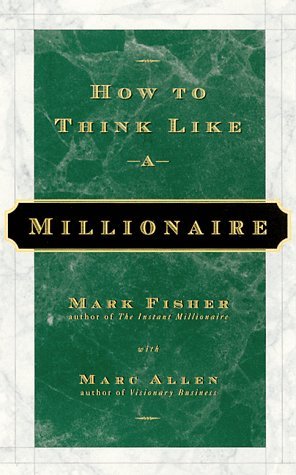
"How to Think Like a Millionaire" delves into the psychological and behavioral patterns that distinguish financially successful individuals. It explores mindsets, belief systems, and daily habits, arguing that wealth accumulation is fundamentally an internal game. Through relatable anecdotes and practical advice, the book encourages readers to cultivate an abundance mentality, embrace calculated risks, and persist in the pursuit of their financial goals.
This book shares significant thematic overlap with "Rich Dad's Guide to Investing" by emphasizing the crucial role of mindset in financial success. Both texts move beyond mere technical investment strategies, instead focusing on the foundational shift in thinking required to build substantial wealth. They both challenge conventional financial wisdom and advocate for an entrepreneurial, rather than an employee, perspective on money and assets.
The insights offered provide practical tools for reframing one's approach to money and opportunity. Many will appreciate the actionable steps and motivational framework for developing the mental fortitude necessary for financial independence and growth. Its accessible language and focus on internal transformation make it a compelling resource for anyone seeking to transcend ordinary financial limitations.
How to Think Like a Millionaire
"How to Think Like a Millionaire" delves into the psychological and behavioral patterns that distinguish financially successful individuals. It explores mindsets, belief systems, and daily habits, arguing that wealth accumulation is fundamentally an internal game. Through relatable anecdotes and practical advice, the book encourages readers to cultivate an abundance mentality, embrace calculated risks, and persist in the pursuit of their financial goals.
This book shares significant thematic overlap with "Rich Dad's Guide to Investing" by emphasizing the crucial role of mindset in financial success. Both texts move beyond mere technical investment strategies, instead focusing on the foundational shift in thinking required to build substantial wealth. They both challenge conventional financial wisdom and advocate for an entrepreneurial, rather than an employee, perspective on money and assets.
The insights offered provide practical tools for reframing one's approach to money and opportunity. Many will appreciate the actionable steps and motivational framework for developing the mental fortitude necessary for financial independence and growth. Its accessible language and focus on internal transformation make it a compelling resource for anyone seeking to transcend ordinary financial limitations.
The Total Money Makeover Workbook
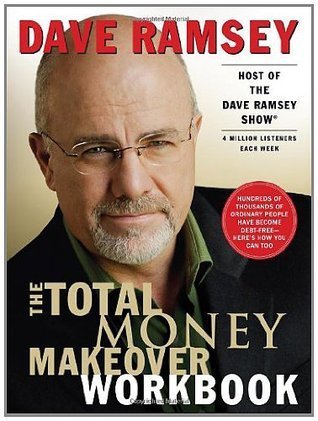
"The Total Money Makeover Workbook" provides a hands-on, practical framework for individuals to take control of their personal finances. It guides users through Dave Ramsey’s seven "Baby Steps" – from building an emergency fund and eliminating debt to investing for retirement and building wealth. The workbook emphasizes intentional spending, budgeting, and disciplined saving, offering exercises and tools to implement these principles.
This workbook shares a core philosophical similarity with "Rich Dad's Guide to Investing" in its insistence on financial education and active management of one's financial future. Both books advocate for breaking free from conventional financial advice often leading to a cycle of debt or stagnant wealth, instead promoting a proactive, self-directed approach to building financial security and ultimately, freedom. They both challenge readers to think differently about money and take tangible steps towards their financial goals.
The actionable nature of "The Total Money Makeover Workbook" is its primary appeal and value. It empowers individuals with a clear, step-by-step plan to transform their financial situation, offering a sense of control and accomplishment often missing from purely theoretical financial guides. Its structured approach and emphasis on practical application make it an invaluable tool for anyone serious about improving their financial well-being and building sustainable wealth.
The Total Money Makeover Workbook
"The Total Money Makeover Workbook" provides a hands-on, practical framework for individuals to take control of their personal finances. It guides users through Dave Ramsey’s seven "Baby Steps" – from building an emergency fund and eliminating debt to investing for retirement and building wealth. The workbook emphasizes intentional spending, budgeting, and disciplined saving, offering exercises and tools to implement these principles.
This workbook shares a core philosophical similarity with "Rich Dad's Guide to Investing" in its insistence on financial education and active management of one's financial future. Both books advocate for breaking free from conventional financial advice often leading to a cycle of debt or stagnant wealth, instead promoting a proactive, self-directed approach to building financial security and ultimately, freedom. They both challenge readers to think differently about money and take tangible steps towards their financial goals.
The actionable nature of "The Total Money Makeover Workbook" is its primary appeal and value. It empowers individuals with a clear, step-by-step plan to transform their financial situation, offering a sense of control and accomplishment often missing from purely theoretical financial guides. Its structured approach and emphasis on practical application make it an invaluable tool for anyone serious about improving their financial well-being and building sustainable wealth.
Pirates of Financial Freedom
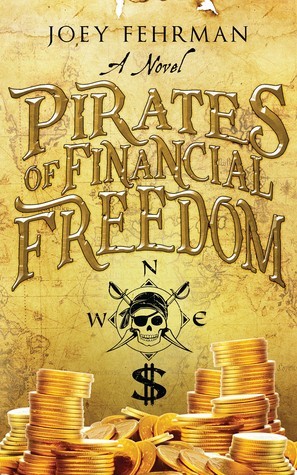
"Pirates of Financial Freedom" guides individuals through a process of breaking free from conventional financial constraints to build true wealth. It advocates for an entrepreneurial mindset, emphasizing strategic asset acquisition, understanding market dynamics, and cultivating financial literacy to navigate towards independence. The book eschews traditional employment as the sole path, instead promoting actionable steps for creating multiple income streams and leveraging various investment vehicles.
This book shares significant thematic overlap with "Rich Dad's Guide to Investing." Both titles champion the idea that financial education and an investor's mindset are crucial differentiators between the wealthy and the rest. They both challenge conventional financial wisdom, encouraging readers to move beyond merely saving wages and instead actively acquire income-generating assets. The core premise in both is about shifting perspective from being an employee to becoming an owner and investor.
Anyone seeking practical strategies for achieving financial independence will find this book highly beneficial. It offers a blueprint for understanding and implementing the principles of wealth creation often overlooked in mainstream financial advice. The actionable insights and alternative perspectives on income generation provide a compelling framework for taking control of one's financial destiny, making it a valuable resource for those eager to build lasting prosperity.
Pirates of Financial Freedom
"Pirates of Financial Freedom" guides individuals through a process of breaking free from conventional financial constraints to build true wealth. It advocates for an entrepreneurial mindset, emphasizing strategic asset acquisition, understanding market dynamics, and cultivating financial literacy to navigate towards independence. The book eschews traditional employment as the sole path, instead promoting actionable steps for creating multiple income streams and leveraging various investment vehicles.
This book shares significant thematic overlap with "Rich Dad's Guide to Investing." Both titles champion the idea that financial education and an investor's mindset are crucial differentiators between the wealthy and the rest. They both challenge conventional financial wisdom, encouraging readers to move beyond merely saving wages and instead actively acquire income-generating assets. The core premise in both is about shifting perspective from being an employee to becoming an owner and investor.
Anyone seeking practical strategies for achieving financial independence will find this book highly beneficial. It offers a blueprint for understanding and implementing the principles of wealth creation often overlooked in mainstream financial advice. The actionable insights and alternative perspectives on income generation provide a compelling framework for taking control of one's financial destiny, making it a valuable resource for those eager to build lasting prosperity.
11 Principles to Achieve Financial Freedom: Master Your Financial Life
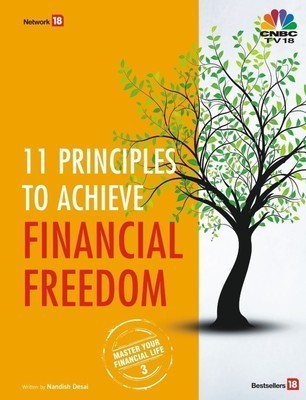
"11 Principles to Achieve Financial Freedom" clearly outlines a practical framework for mastering personal finance and building wealth. Desai distills complex financial concepts into actionable steps, guiding individuals through essential principles like intelligent saving, debt management, strategic investing, and cultivating a financial mindset necessary for long-term prosperity. It aims to empower readers to take control of their financial destiny, moving beyond just earning a salary to creating enduring wealth.
This book shares thematic roots with "Rich Dad's Guide to Investing" by challenging conventional financial wisdom and advocating for a proactive, entrepreneurial approach to money. Both authors emphasize the importance of financial education often overlooked in traditional schooling, highlighting the rich's investment strategies which focus on acquiring income-generating assets rather than liabilities. The core message in both is the shift from being an employee to an investor and understanding how money truly works to create freedom.
The straightforward, principle-driven approach makes Desai's work highly accessible, offering concrete strategies for anyone looking to improve their financial standing. Its focus on actionable steps and a holistic understanding of financial independence makes it particularly valuable for those seeking practical guidance beyond theoretical concepts. Individuals aspiring to build a secure financial future and unlock new investment opportunities will appreciate its clarity and strategic insights.
11 Principles to Achieve Financial Freedom: Master Your Financial Life
"11 Principles to Achieve Financial Freedom" clearly outlines a practical framework for mastering personal finance and building wealth. Desai distills complex financial concepts into actionable steps, guiding individuals through essential principles like intelligent saving, debt management, strategic investing, and cultivating a financial mindset necessary for long-term prosperity. It aims to empower readers to take control of their financial destiny, moving beyond just earning a salary to creating enduring wealth.
This book shares thematic roots with "Rich Dad's Guide to Investing" by challenging conventional financial wisdom and advocating for a proactive, entrepreneurial approach to money. Both authors emphasize the importance of financial education often overlooked in traditional schooling, highlighting the rich's investment strategies which focus on acquiring income-generating assets rather than liabilities. The core message in both is the shift from being an employee to an investor and understanding how money truly works to create freedom.
The straightforward, principle-driven approach makes Desai's work highly accessible, offering concrete strategies for anyone looking to improve their financial standing. Its focus on actionable steps and a holistic understanding of financial independence makes it particularly valuable for those seeking practical guidance beyond theoretical concepts. Individuals aspiring to build a secure financial future and unlock new investment opportunities will appreciate its clarity and strategic insights.
The Little Book That Builds Wealth: The Knockout Formula for Finding Great Investments

Pat Dorsey's "The Little Book That Builds Wealth" offers a clear, accessible guide to identifying truly exceptional companies built to last. It distills the concept of "economic moats" – sustainable competitive advantages that protect a company's profits from rivals. Dorsey teaches how to spot these moats in various forms, like intangible assets, network effects, cost advantages, and switching costs, providing practical frameworks for evaluating businesses as investment opportunities.
This book shares thematic common ground with "Rich Dad's Guide to Investing" by emphasizing the qualitative aspects of investment over mere speculation. Both advocate for understanding the underlying business and its long-term potential, rather than chasing quick gains. While Kiyosaki focuses on different asset classes and financial education, Dorsey similarly aims to empower individuals to make informed investment decisions by recognizing intrinsic value and durable competitive strengths.
This book will appeal to those seeking a robust, foundational understanding of company analysis for long-term wealth creation. Its clear explanations of economic moats provide investors with a practical toolkit to sift through countless businesses and pinpoint those with genuine staying power. This deeper insight into business quality proves invaluable for building a resilient investment portfolio.
The Little Book That Builds Wealth: The Knockout Formula for Finding Great Investments
Pat Dorsey's "The Little Book That Builds Wealth" offers a clear, accessible guide to identifying truly exceptional companies built to last. It distills the concept of "economic moats" – sustainable competitive advantages that protect a company's profits from rivals. Dorsey teaches how to spot these moats in various forms, like intangible assets, network effects, cost advantages, and switching costs, providing practical frameworks for evaluating businesses as investment opportunities.
This book shares thematic common ground with "Rich Dad's Guide to Investing" by emphasizing the qualitative aspects of investment over mere speculation. Both advocate for understanding the underlying business and its long-term potential, rather than chasing quick gains. While Kiyosaki focuses on different asset classes and financial education, Dorsey similarly aims to empower individuals to make informed investment decisions by recognizing intrinsic value and durable competitive strengths.
This book will appeal to those seeking a robust, foundational understanding of company analysis for long-term wealth creation. Its clear explanations of economic moats provide investors with a practical toolkit to sift through countless businesses and pinpoint those with genuine staying power. This deeper insight into business quality proves invaluable for building a resilient investment portfolio.
More Books to Explore
Discover more titles that expand on these ideas and themes.
Rich Dad's Retire Young, Retire Rich: How to Get Rich Quickly and Stay Rich Forever!
Rich Dad, Poor Dad
Secrets of the Millionaire Mind: Mastering the Inner Game of Wealth
I Will Teach You to Be Rich: No Guilt. No Excuses. No BS. Just a 6-Week Program That Works
Why We Want You To Be Rich: Two Men, One Message
How to Think Like a Millionaire