10 Books Similar to "Rich Dad, Poor Dad"
by Robert T. Kiyosaki
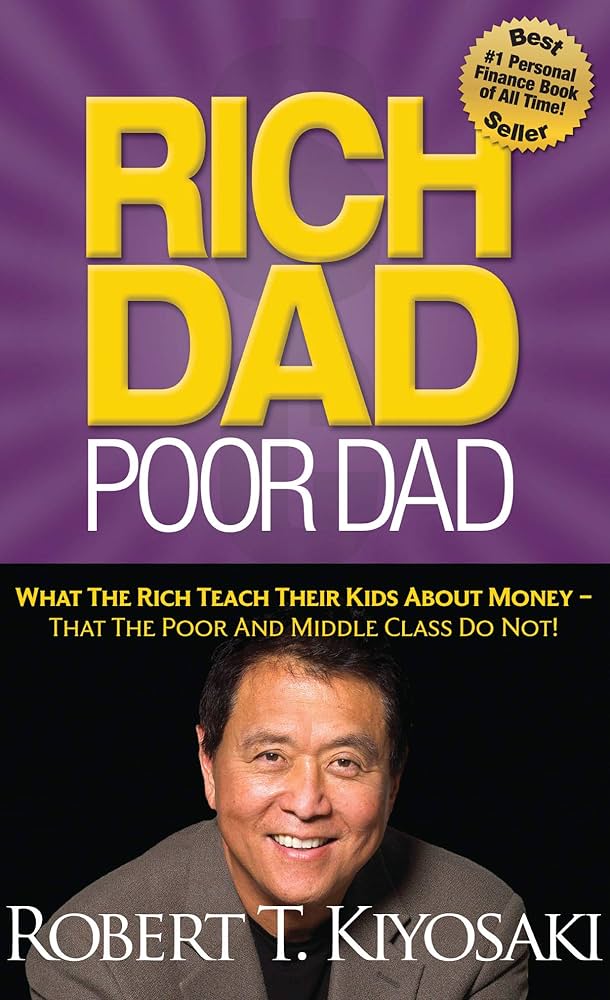
Rich Dad's Retire Young, Retire Rich: How to Get Rich Quickly and Stay Rich Forever!

"Rich Dad's Retire Young, Retire Rich" outlines a strategic approach to achieving financial independence at an accelerated pace, focusing on passive income streams and asset acquisition. It challenges conventional notions of retirement as a distant goal, advocating for a proactive mindset to build wealth and secure financial freedom earlier in life. Kiyosaki emphasizes understanding market cycles, leveraging debt effectively, and developing a robust financial education to achieve these objectives.
This book shares foundational principles with "Rich Dad, Poor Dad" by reiterating the critical distinction between assets and liabilities, the importance of financial literacy, and the entrepreneurial mindset crucial for wealth creation. Both books advocate for escaping the "rat race" by building businesses and investments rather than relying solely on traditional employment. The core philosophy of learning how money works and making it work for you remains central to both narratives.
Individuals seeking actionable strategies to accelerate their financial independence rather than waiting for traditional retirement will find this book particularly appealing and valuable. It provides a blueprint for understanding and implementing the investment vehicles and entrepreneurial mindsets necessary to generate significant passive income. The book offers practical insights and motivation for those ready to take control of their financial future and build lasting wealth.
Rich Dad's Retire Young, Retire Rich: How to Get Rich Quickly and Stay Rich Forever!
"Rich Dad's Retire Young, Retire Rich" outlines a strategic approach to achieving financial independence at an accelerated pace, focusing on passive income streams and asset acquisition. It challenges conventional notions of retirement as a distant goal, advocating for a proactive mindset to build wealth and secure financial freedom earlier in life. Kiyosaki emphasizes understanding market cycles, leveraging debt effectively, and developing a robust financial education to achieve these objectives.
This book shares foundational principles with "Rich Dad, Poor Dad" by reiterating the critical distinction between assets and liabilities, the importance of financial literacy, and the entrepreneurial mindset crucial for wealth creation. Both books advocate for escaping the "rat race" by building businesses and investments rather than relying solely on traditional employment. The core philosophy of learning how money works and making it work for you remains central to both narratives.
Individuals seeking actionable strategies to accelerate their financial independence rather than waiting for traditional retirement will find this book particularly appealing and valuable. It provides a blueprint for understanding and implementing the investment vehicles and entrepreneurial mindsets necessary to generate significant passive income. The book offers practical insights and motivation for those ready to take control of their financial future and build lasting wealth.
Rich Dad's Guide to Investing: What the Rich Invest in That the Poor and Middle Class Do Not!

"Rich Dad's Guide to Investing" delves into the distinct investment strategies employed by the wealthy compared to the average person. It expands on the core tenets of financial literacy introduced in "Rich Dad, Poor Dad," focusing specifically on identifying and leveraging assets that generate passive income, rather than relying solely on traditional employment or savings. The book explores various investment vehicles, from real estate to business ownership, and emphasizes understanding financial statements and calculated risk-taking.
This book builds directly upon the foundational principles of "Rich Dad, Poor Dad" by further elaborating on the "what" and "how" of becoming financially free. It reinforces the importance of financial education over job security and the critical distinction between assets and liabilities. Both books advocate for taking control of one's financial destiny and challenging conventional wisdom about money.
This guide will appeal to those seeking practical steps to implement the financial philosophy of "Rich Dad, Poor Dad." It offers a deeper dive into the specific investments favored by the affluent, providing actionable insights for wealth creation. The detailed exploration of investment strategies and the mindset behind them offers a tangible path for readers to pursue financial independence and build a richer future.
Rich Dad's Guide to Investing: What the Rich Invest in That the Poor and Middle Class Do Not!
"Rich Dad's Guide to Investing" delves into the distinct investment strategies employed by the wealthy compared to the average person. It expands on the core tenets of financial literacy introduced in "Rich Dad, Poor Dad," focusing specifically on identifying and leveraging assets that generate passive income, rather than relying solely on traditional employment or savings. The book explores various investment vehicles, from real estate to business ownership, and emphasizes understanding financial statements and calculated risk-taking.
This book builds directly upon the foundational principles of "Rich Dad, Poor Dad" by further elaborating on the "what" and "how" of becoming financially free. It reinforces the importance of financial education over job security and the critical distinction between assets and liabilities. Both books advocate for taking control of one's financial destiny and challenging conventional wisdom about money.
This guide will appeal to those seeking practical steps to implement the financial philosophy of "Rich Dad, Poor Dad." It offers a deeper dive into the specific investments favored by the affluent, providing actionable insights for wealth creation. The detailed exploration of investment strategies and the mindset behind them offers a tangible path for readers to pursue financial independence and build a richer future.
Why We Want You To Be Rich: Two Men, One Message

"Why We Want You To Be Rich: Two Men, One Message" by Donald J. Trump and Robert Kiyosaki explores the mindset and strategies for achieving financial success. It emphasizes shifting away from traditional employment for security and embracing entrepreneurship, real estate, and investment as pathways to building wealth. The book also delves into the importance of financial education often missing from conventional schooling.
It shares a strong thematic resonance with "Rich Dad, Poor Dad" by advocating for financial literacy outside the conventional academic curriculum. Both books highlight the critical distinction between assets and liabilities, and the necessity of building income-generating assets rather than relying solely on earned income. The underlying message across both is a challenge to traditional financial paradigms and a call to action for proactive wealth creation.
This book will appeal to individuals seeking practical insights into financial independence and wealth accumulation. Its value lies in offering alternative perspectives on money, work, and investing, empowering individuals to take control of their financial destinies by adopting a more entrepreneurial and investment-focused mindset.
Why We Want You To Be Rich: Two Men, One Message
"Why We Want You To Be Rich: Two Men, One Message" by Donald J. Trump and Robert Kiyosaki explores the mindset and strategies for achieving financial success. It emphasizes shifting away from traditional employment for security and embracing entrepreneurship, real estate, and investment as pathways to building wealth. The book also delves into the importance of financial education often missing from conventional schooling.
It shares a strong thematic resonance with "Rich Dad, Poor Dad" by advocating for financial literacy outside the conventional academic curriculum. Both books highlight the critical distinction between assets and liabilities, and the necessity of building income-generating assets rather than relying solely on earned income. The underlying message across both is a challenge to traditional financial paradigms and a call to action for proactive wealth creation.
This book will appeal to individuals seeking practical insights into financial independence and wealth accumulation. Its value lies in offering alternative perspectives on money, work, and investing, empowering individuals to take control of their financial destinies by adopting a more entrepreneurial and investment-focused mindset.
Secrets of the Millionaire Mind: Mastering the Inner Game of Wealth

"Secrets of the Millionaire Mind" argues that financial success is primarily determined by an individual's "money blueprint" – the ingrained thought patterns and beliefs about wealth established in childhood. Eker contends that by identifying and consciously altering these limiting beliefs and adopting the financial habits and attitudes of wealthy individuals, anyone can achieve significant financial prosperity. The book offers practical strategies and affirmations to reprogram one's subconscious mind for wealth accumulation.
This book shares a fundamental premise with "Rich Dad, Poor Dad": that traditional education often fails to prepare individuals for financial success, and that a shift in mindset and understanding of money is crucial. Both books emphasize the importance of financial literacy beyond merely earning a paycheck, highlighting how our perceptions and approaches to money directly influence our outcomes. They both challenge conventional wisdom about work and wealth.
Individuals seeking to understand and change their personal relationship with money will find this book highly valuable. It offers a structured approach to identifying and overcoming internal barriers to financial success, providing actionable steps for mental reprogramming and wealth-building. Those who appreciate the practical, challenging perspectives of "Rich Dad, Poor Dad" will likely resonate with Eker's direct counsel on cultivating a millionaire mindset.
Secrets of the Millionaire Mind: Mastering the Inner Game of Wealth
"Secrets of the Millionaire Mind" argues that financial success is primarily determined by an individual's "money blueprint" – the ingrained thought patterns and beliefs about wealth established in childhood. Eker contends that by identifying and consciously altering these limiting beliefs and adopting the financial habits and attitudes of wealthy individuals, anyone can achieve significant financial prosperity. The book offers practical strategies and affirmations to reprogram one's subconscious mind for wealth accumulation.
This book shares a fundamental premise with "Rich Dad, Poor Dad": that traditional education often fails to prepare individuals for financial success, and that a shift in mindset and understanding of money is crucial. Both books emphasize the importance of financial literacy beyond merely earning a paycheck, highlighting how our perceptions and approaches to money directly influence our outcomes. They both challenge conventional wisdom about work and wealth.
Individuals seeking to understand and change their personal relationship with money will find this book highly valuable. It offers a structured approach to identifying and overcoming internal barriers to financial success, providing actionable steps for mental reprogramming and wealth-building. Those who appreciate the practical, challenging perspectives of "Rich Dad, Poor Dad" will likely resonate with Eker's direct counsel on cultivating a millionaire mindset.
Financial Peace Revisited: New Chapters on Marriage, Singles, Kids and Families

"Financial Peace Revisited" offers a comprehensive guide to personal finance, drawing from biblical principles and practical advice. Dave Ramsey addresses common money struggles across various life stages—singles, married couples, and families—providing actionable strategies for debt elimination, saving, investing, and building a secure financial future. He emphasizes the importance of budgeting, living within one's means, and developing a responsible mindset towards wealth.
This book shares foundational similarities with "Rich Dad, Poor Dad" by prioritizing financial education and challenging conventional wisdom about money. Both authors advocate for a shift in perspective: Kiyosaki through understanding assets versus liabilities, and Ramsey through disciplined financial behavior and debt aversion. Both aim to empower individuals to take control of their financial destinies, rather than passively accepting their circumstances.
Individuals seeking clear, actionable steps for managing their money and achieving financial stability will find this book highly valuable. Its direct, no-nonsense approach, coupled with its emphasis on responsibility and long-term planning, provides a robust framework for improving financial well-being and fostering a more secure future for themselves and their families.
Financial Peace Revisited: New Chapters on Marriage, Singles, Kids and Families
"Financial Peace Revisited" offers a comprehensive guide to personal finance, drawing from biblical principles and practical advice. Dave Ramsey addresses common money struggles across various life stages—singles, married couples, and families—providing actionable strategies for debt elimination, saving, investing, and building a secure financial future. He emphasizes the importance of budgeting, living within one's means, and developing a responsible mindset towards wealth.
This book shares foundational similarities with "Rich Dad, Poor Dad" by prioritizing financial education and challenging conventional wisdom about money. Both authors advocate for a shift in perspective: Kiyosaki through understanding assets versus liabilities, and Ramsey through disciplined financial behavior and debt aversion. Both aim to empower individuals to take control of their financial destinies, rather than passively accepting their circumstances.
Individuals seeking clear, actionable steps for managing their money and achieving financial stability will find this book highly valuable. Its direct, no-nonsense approach, coupled with its emphasis on responsibility and long-term planning, provides a robust framework for improving financial well-being and fostering a more secure future for themselves and their families.
Pirates of Financial Freedom
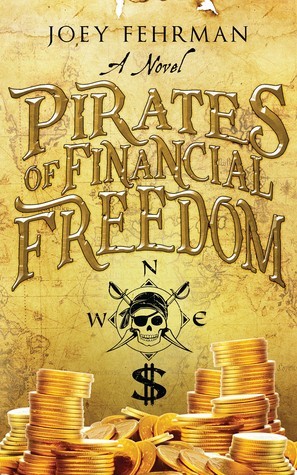
"Pirates of Financial Freedom" tackles the often-complex journey to financial independence by framing it as an adventurous quest. It breaks down the principles of wealth creation, investment, and strategic decision-making into an accessible narrative, urging individuals to navigate their financial seas with acumen and courage. The book emphasizes practical steps and a shift in mindset to liberate oneself from traditional financial constraints.
The similarity to "Rich Dad, Poor Dad" lies in their shared philosophical foundation: challenging conventional wisdom about money and employment. Both books advocate for financial literacy beyond formal education, stressing asset acquisition over liability accumulation, the power of passive income, and the importance of entrepreneurial thinking. "Pirates" echoes Kiyosaki’s central message of taking control of one's financial destiny rather than relying solely on a paycheck.
This book will appeal to those seeking a fresh perspective on financial education, particularly individuals feeling trapped in a cycle of debt or stagnant income. Its actionable advice and empowering narrative offer a compelling roadmap for anyone ready to redefine their relationship with money and actively pursue lasting wealth. The engaging metaphor makes complex financial concepts approachable, fostering both understanding and motivation.
Pirates of Financial Freedom
"Pirates of Financial Freedom" tackles the often-complex journey to financial independence by framing it as an adventurous quest. It breaks down the principles of wealth creation, investment, and strategic decision-making into an accessible narrative, urging individuals to navigate their financial seas with acumen and courage. The book emphasizes practical steps and a shift in mindset to liberate oneself from traditional financial constraints.
The similarity to "Rich Dad, Poor Dad" lies in their shared philosophical foundation: challenging conventional wisdom about money and employment. Both books advocate for financial literacy beyond formal education, stressing asset acquisition over liability accumulation, the power of passive income, and the importance of entrepreneurial thinking. "Pirates" echoes Kiyosaki’s central message of taking control of one's financial destiny rather than relying solely on a paycheck.
This book will appeal to those seeking a fresh perspective on financial education, particularly individuals feeling trapped in a cycle of debt or stagnant income. Its actionable advice and empowering narrative offer a compelling roadmap for anyone ready to redefine their relationship with money and actively pursue lasting wealth. The engaging metaphor makes complex financial concepts approachable, fostering both understanding and motivation.
The Total Money Makeover Workbook
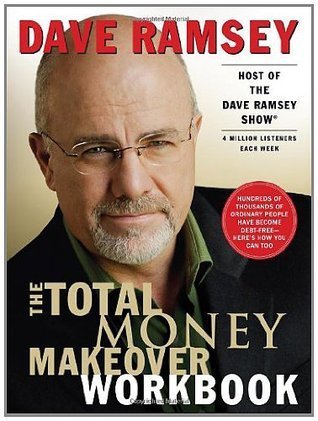
"The Total Money Makeover Workbook" provides a practical, step-by-step guide to achieving financial freedom by eliminating debt and building wealth. It emphasizes foundational principles like budgeting, saving, and investing, translating Dave Ramsey's "Total Money Makeover" philosophy into actionable exercises and planning tools for personal financial transformation.
Both books advocate for a proactive approach to personal finance, challenging conventional wisdom and empowering individuals to take control of their financial destiny. While "Rich Dad, Poor Dad" focuses on mindset shifts and understanding assets/liabilities, "The Total Money Makeover Workbook" supplies the tactical blueprint to implement wealth-building strategies, just as Kiyosaki encourages. Both underscore the importance of financial education often missing from traditional schooling.
This workbook will appeal to those seeking concrete strategies and a structured path to financial security. Its actionable framework and clear, concise instructions offer a practical means to implement sound financial habits, move away from debt, and establish a solid financial foundation for the future. The tangible exercises foster a sense of accomplishment and provide measurable progress.
The Total Money Makeover Workbook
"The Total Money Makeover Workbook" provides a practical, step-by-step guide to achieving financial freedom by eliminating debt and building wealth. It emphasizes foundational principles like budgeting, saving, and investing, translating Dave Ramsey's "Total Money Makeover" philosophy into actionable exercises and planning tools for personal financial transformation.
Both books advocate for a proactive approach to personal finance, challenging conventional wisdom and empowering individuals to take control of their financial destiny. While "Rich Dad, Poor Dad" focuses on mindset shifts and understanding assets/liabilities, "The Total Money Makeover Workbook" supplies the tactical blueprint to implement wealth-building strategies, just as Kiyosaki encourages. Both underscore the importance of financial education often missing from traditional schooling.
This workbook will appeal to those seeking concrete strategies and a structured path to financial security. Its actionable framework and clear, concise instructions offer a practical means to implement sound financial habits, move away from debt, and establish a solid financial foundation for the future. The tangible exercises foster a sense of accomplishment and provide measurable progress.
I Will Teach You to Be Rich: No Guilt. No Excuses. No BS. Just a 6-Week Program That Works

"I Will Teach You to Be Rich" is a practical, step-by-step guide to personal finance, focusing on automated systems and a "set it and forget it" approach. Sethi emphasizes building wealth through conscious spending, saving, investing in low-cost index funds, and optimizing income streams, all while eschewing guilt over small indulgences. It's a pragmatic, action-oriented program designed to alleviate financial stress and foster long-term wealth accumulation through intelligent choices.
Both books advocate for financial literacy as a cornerstone of liberation and prosperity. "I Will Teach You to Be Rich" mirrors "Rich Dad, Poor Dad" in its rejection of conventional financial wisdom, challenging readers to question established norms around debt, savings, and investment. They share a core philosophy: take control of your financial destiny by understanding and applying fundamental principles, rather than blindly following societal pressures. Both empower individuals to build their "asset column" (in Kiyosaki's terms) through strategic financial planning.
This book will appeal to those seeking actionable, no-nonsense financial advice that prioritizes realistic implementation over aspirational theories. Its clear, direct language and emphasis on automation make it accessible for beginners, while its strategic insights offer value to more experienced individuals looking to optimize their financial systems. The focus on guilt-free spending, alongside aggressive saving and investing, resonates deeply with individuals who desire financial freedom without sacrificing their lifestyle entirely.
I Will Teach You to Be Rich: No Guilt. No Excuses. No BS. Just a 6-Week Program That Works
"I Will Teach You to Be Rich" is a practical, step-by-step guide to personal finance, focusing on automated systems and a "set it and forget it" approach. Sethi emphasizes building wealth through conscious spending, saving, investing in low-cost index funds, and optimizing income streams, all while eschewing guilt over small indulgences. It's a pragmatic, action-oriented program designed to alleviate financial stress and foster long-term wealth accumulation through intelligent choices.
Both books advocate for financial literacy as a cornerstone of liberation and prosperity. "I Will Teach You to Be Rich" mirrors "Rich Dad, Poor Dad" in its rejection of conventional financial wisdom, challenging readers to question established norms around debt, savings, and investment. They share a core philosophy: take control of your financial destiny by understanding and applying fundamental principles, rather than blindly following societal pressures. Both empower individuals to build their "asset column" (in Kiyosaki's terms) through strategic financial planning.
This book will appeal to those seeking actionable, no-nonsense financial advice that prioritizes realistic implementation over aspirational theories. Its clear, direct language and emphasis on automation make it accessible for beginners, while its strategic insights offer value to more experienced individuals looking to optimize their financial systems. The focus on guilt-free spending, alongside aggressive saving and investing, resonates deeply with individuals who desire financial freedom without sacrificing their lifestyle entirely.
Dave Ramsey's Financial Peace University

"Dave Ramsey's Financial Peace University" is a comprehensive program, typically delivered through classes, that guides individuals and families through fundamental principles of personal finance. It champions a straightforward, debt-free approach to wealth building, advocating for budgeting, saving, eliminating debt (the "debt snowball" method), and investing. The core message focuses on behavior modification and practical steps to gain control over one's money and achieve financial security.
Both books advocate for financial literacy and taking responsibility for one's financial future. While "Rich Dad, Poor Dad" emphasizes asset acquisition and understanding the systemic differences between active income and passive income, Ramsey’s work also pushes for a strong financial foundation. The similarity lies in their shared goal: empowering individuals to move beyond traditional financial struggles and build lasting wealth through deliberate action and education, albeit with different foundational philosophies on how to get there.
This program will resonate with individuals seeking concrete, actionable steps to improve their financial situation. Its structured nature and emphasis on practical application offer a clear roadmap out of debt and towards financial independence. The appeal lies in its no-nonsense advice and the empowering sense of control it offers over one's financial destiny, providing tangible tools for achieving financial peace.
Dave Ramsey's Financial Peace University
"Dave Ramsey's Financial Peace University" is a comprehensive program, typically delivered through classes, that guides individuals and families through fundamental principles of personal finance. It champions a straightforward, debt-free approach to wealth building, advocating for budgeting, saving, eliminating debt (the "debt snowball" method), and investing. The core message focuses on behavior modification and practical steps to gain control over one's money and achieve financial security.
Both books advocate for financial literacy and taking responsibility for one's financial future. While "Rich Dad, Poor Dad" emphasizes asset acquisition and understanding the systemic differences between active income and passive income, Ramsey’s work also pushes for a strong financial foundation. The similarity lies in their shared goal: empowering individuals to move beyond traditional financial struggles and build lasting wealth through deliberate action and education, albeit with different foundational philosophies on how to get there.
This program will resonate with individuals seeking concrete, actionable steps to improve their financial situation. Its structured nature and emphasis on practical application offer a clear roadmap out of debt and towards financial independence. The appeal lies in its no-nonsense advice and the empowering sense of control it offers over one's financial destiny, providing tangible tools for achieving financial peace.
My Money My Way: Taking Back Control of Your Financial Life

"My Money My Way: Taking Back Control of Your Financial Life" by Kumiko Love is a guide to personal finance that emphasizes a practical, common-sense approach to managing money. It teaches readers how to create a financial plan that aligns with their values and lifestyle, focusing on attainable goals, debt reduction, and smart saving strategies. The book empowers individuals to make informed financial decisions and build a stable future without feeling overwhelmed by complex theories.
This book shares similarities with "Rich Dad, Poor Dad" in its underlying philosophy of financial education and personal empowerment. Both books challenge conventional wisdom about money, advocating for a proactive mindset rather than passive acceptance of financial norms. They stress the importance of understanding how money works and taking personal responsibility for one’s financial well-being, moving beyond traditional employment for security. Both also present financial concepts in an accessible, digestible way, often through real-world examples.
This book will appeal to those seeking actionable, relatable financial advice and a roadmap to financial independence. Its direct, non-judgmental tone makes complex financial topics approachable, fostering confidence and motivation. Individuals will gain practical tools to navigate their financial landscape, reduce stress, and construct a life aligned with their financial aspirations.
My Money My Way: Taking Back Control of Your Financial Life
"My Money My Way: Taking Back Control of Your Financial Life" by Kumiko Love is a guide to personal finance that emphasizes a practical, common-sense approach to managing money. It teaches readers how to create a financial plan that aligns with their values and lifestyle, focusing on attainable goals, debt reduction, and smart saving strategies. The book empowers individuals to make informed financial decisions and build a stable future without feeling overwhelmed by complex theories.
This book shares similarities with "Rich Dad, Poor Dad" in its underlying philosophy of financial education and personal empowerment. Both books challenge conventional wisdom about money, advocating for a proactive mindset rather than passive acceptance of financial norms. They stress the importance of understanding how money works and taking personal responsibility for one’s financial well-being, moving beyond traditional employment for security. Both also present financial concepts in an accessible, digestible way, often through real-world examples.
This book will appeal to those seeking actionable, relatable financial advice and a roadmap to financial independence. Its direct, non-judgmental tone makes complex financial topics approachable, fostering confidence and motivation. Individuals will gain practical tools to navigate their financial landscape, reduce stress, and construct a life aligned with their financial aspirations.
More Books to Explore
Discover more titles that expand on these ideas and themes.
Rich Dad's Retire Young, Retire Rich: How to Get Rich Quickly and Stay Rich Forever!
Rich Dad's Guide to Investing: What the Rich Invest in That the Poor and Middle Class Do Not!
Why We Want You To Be Rich: Two Men, One Message
Secrets of the Millionaire Mind: Mastering the Inner Game of Wealth
Financial Peace Revisited: New Chapters on Marriage, Singles, Kids and Families
Pirates of Financial Freedom