10 Books Similar to "Quiet: The Power of Introverts in a World That Can't Stop Talking"
by Susan Cain
Introvert Power: Why Your Inner Life Is Your Hidden Strength
"Introvert Power: Why Your Inner Life Is Your Hidden Strength" by Laurie A. Helgoe champions the unique attributes and inherent value of introversion. It dismantles societal biases that often equate introversion with weakness, instead reframing it as a source of profound strength, creativity, and wisdom. Helgoe explores how introverts can thrive personally and professionally by understanding and leveraging their natural inclinations, such as introspection, thoughtful processing, and a preference for depth over breadth in relationships and experiences.
This book shares a core thematic resonance with Susan Cain’s "Quiet," both serving as powerful manifestos for introverts. Like "Quiet," "Introvert Power" seeks to re-educate the public and empower introverts, dispelling myths and celebrating the distinct contributions introverted individuals make to society. Both authors emphasize the importance of self-acceptance and strategic adaptation within an often extrovert-centric world, highlighting the quiet strengths that are too frequently overlooked.
For individuals who identify as introverts, or those who wish to better understand introverted friends, family, or colleagues, this book offers validating insights and practical guidance. It provides a framework for appreciating one's own temperament, cultivating self-awareness, and navigating daily life with greater confidence and authenticity. Its exploration of intrinsic strengths offers a compelling counter-narrative, proving immensely beneficial for personal growth and societal understanding.
Introvert Power: Why Your Inner Life Is Your Hidden Strength
"Introvert Power: Why Your Inner Life Is Your Hidden Strength" by Laurie A. Helgoe champions the unique attributes and inherent value of introversion. It dismantles societal biases that often equate introversion with weakness, instead reframing it as a source of profound strength, creativity, and wisdom. Helgoe explores how introverts can thrive personally and professionally by understanding and leveraging their natural inclinations, such as introspection, thoughtful processing, and a preference for depth over breadth in relationships and experiences.
This book shares a core thematic resonance with Susan Cain’s "Quiet," both serving as powerful manifestos for introverts. Like "Quiet," "Introvert Power" seeks to re-educate the public and empower introverts, dispelling myths and celebrating the distinct contributions introverted individuals make to society. Both authors emphasize the importance of self-acceptance and strategic adaptation within an often extrovert-centric world, highlighting the quiet strengths that are too frequently overlooked.
For individuals who identify as introverts, or those who wish to better understand introverted friends, family, or colleagues, this book offers validating insights and practical guidance. It provides a framework for appreciating one's own temperament, cultivating self-awareness, and navigating daily life with greater confidence and authenticity. Its exploration of intrinsic strengths offers a compelling counter-narrative, proving immensely beneficial for personal growth and societal understanding.
The Introvert's Way: Living a Quiet Life in a Noisy World

"The Introvert's Way" by Sophia Dembling is a practical guide exploring what it truly means to be an introvert. Dembling debunks common myths, offers insights into an introvert's inner world, and provides strategies for navigating a predominantly extroverted society while embracing one's natural preferences for quiet, reflection, and deeper connections. It’s a validating read for those who often feel misunderstood.
This book shares significant thematic overlap with "Quiet." Both works champion introversion, highlighting its strengths and correcting societal misconceptions. They both contend that introverts offer unique and valuable contributions, providing a counter-narrative to the prevailing celebration of extroversion. Both books aim to empower introverts to understand and appreciate their own psychological makeup.
Individuals seeking self-understanding and affirmation will deeply benefit from "The Introvert's Way." It offers actionable advice and a sense of community to those who often perceive their quiet nature as a deficit. The book's empathetic tone and practical wisdom can help introverts thrive, advocating for a more balanced and respectful appreciation of diverse personality types in all spheres of life.
The Introvert's Way: Living a Quiet Life in a Noisy World
"The Introvert's Way" by Sophia Dembling is a practical guide exploring what it truly means to be an introvert. Dembling debunks common myths, offers insights into an introvert's inner world, and provides strategies for navigating a predominantly extroverted society while embracing one's natural preferences for quiet, reflection, and deeper connections. It’s a validating read for those who often feel misunderstood.
This book shares significant thematic overlap with "Quiet." Both works champion introversion, highlighting its strengths and correcting societal misconceptions. They both contend that introverts offer unique and valuable contributions, providing a counter-narrative to the prevailing celebration of extroversion. Both books aim to empower introverts to understand and appreciate their own psychological makeup.
Individuals seeking self-understanding and affirmation will deeply benefit from "The Introvert's Way." It offers actionable advice and a sense of community to those who often perceive their quiet nature as a deficit. The book's empathetic tone and practical wisdom can help introverts thrive, advocating for a more balanced and respectful appreciation of diverse personality types in all spheres of life.
Daring Greatly: How the Courage to Be Vulnerable Transforms the Way We Live, Love, Parent, and Lead
"Daring Greatly" explores the profound impact of vulnerability on every aspect of our lives. Brené Brown meticulously deconstructs the societal myths surrounding vulnerability, demonstrating that it's not a weakness but the essential wellspring of courage, connection, and authenticity. She provides a framework for embracing our imperfections and showing up fully, even when there's no guarantee of positive outcomes. The book offers actionable insights for cultivating wholehearted living, moving beyond the fear of judgment to build more meaningful relationships and achieve personal and professional fulfillment.
Both books champion a re-evaluation of commonly perceived strengths and weaknesses. Just as "Quiet" challenges the prevailing extrovert ideal, "Daring Greatly" confronts the ingrained fear of vulnerability. They both highlight the immense power found in often-underestimated human traits – introversion and vulnerability – arguing that these qualities are not just acceptable, but crucial for genuine success and well-being in a society that frequently dismisses them. They share a core message of self-acceptance and strategic engagement with the world.
This book will resonate deeply with those seeking to shed societal expectations and live more authentically. Its exploration of courage and the liberation found in embracing one's true self offers a powerful alternative to the pervasive pressure for perfection. Individuals will discover practical strategies for navigating difficult emotions, fostering deeper connections, and leading with greater impact, ultimately unlocking a more courageous and fulfilling life.
Daring Greatly: How the Courage to Be Vulnerable Transforms the Way We Live, Love, Parent, and Lead
"Daring Greatly" explores the profound impact of vulnerability on every aspect of our lives. Brené Brown meticulously deconstructs the societal myths surrounding vulnerability, demonstrating that it's not a weakness but the essential wellspring of courage, connection, and authenticity. She provides a framework for embracing our imperfections and showing up fully, even when there's no guarantee of positive outcomes. The book offers actionable insights for cultivating wholehearted living, moving beyond the fear of judgment to build more meaningful relationships and achieve personal and professional fulfillment.
Both books champion a re-evaluation of commonly perceived strengths and weaknesses. Just as "Quiet" challenges the prevailing extrovert ideal, "Daring Greatly" confronts the ingrained fear of vulnerability. They both highlight the immense power found in often-underestimated human traits – introversion and vulnerability – arguing that these qualities are not just acceptable, but crucial for genuine success and well-being in a society that frequently dismisses them. They share a core message of self-acceptance and strategic engagement with the world.
This book will resonate deeply with those seeking to shed societal expectations and live more authentically. Its exploration of courage and the liberation found in embracing one's true self offers a powerful alternative to the pervasive pressure for perfection. Individuals will discover practical strategies for navigating difficult emotions, fostering deeper connections, and leading with greater impact, ultimately unlocking a more courageous and fulfilling life.
The Power of Vulnerability: Teachings of Authenticity, Connections and Courage

*The Power of Vulnerability* explores the profound human need for connection and belonging, arguing that true connection emerges not from projecting an image of perfection, but from embracing our imperfections. Brené Brown, a research professor, distills decades of qualitative research into a compelling case for vulnerability as an essential pathway to courage, authenticity, and meaningful relationships. She debunks the myth that vulnerability is a weakness, reframing it as a courageous act that fosters wholehearted living.
Both books challenge societal norms by advocating for the value of attributes often misunderstood or undervalued. While "Quiet" championing the strengths of introversion in an extrovert-centric world, "The Power of Vulnerability" celebrates the courage found in authentic self-exposure in a culture often promoting emotional stoicism. They both empower individuals to embrace their true selves, rather than conforming to external pressures or perceived ideals.
This book offers a transformative perspective on human interaction and self-acceptance. It provides actionable insights and compelling evidence for cultivating deeper connections and living a more courageous, authentic life. The call to embrace vulnerability resonates deeply, offering a powerful antidote to feelings of inadequacy and isolation common in modern society.
The Power of Vulnerability: Teachings of Authenticity, Connections and Courage
*The Power of Vulnerability* explores the profound human need for connection and belonging, arguing that true connection emerges not from projecting an image of perfection, but from embracing our imperfections. Brené Brown, a research professor, distills decades of qualitative research into a compelling case for vulnerability as an essential pathway to courage, authenticity, and meaningful relationships. She debunks the myth that vulnerability is a weakness, reframing it as a courageous act that fosters wholehearted living.
Both books challenge societal norms by advocating for the value of attributes often misunderstood or undervalued. While "Quiet" championing the strengths of introversion in an extrovert-centric world, "The Power of Vulnerability" celebrates the courage found in authentic self-exposure in a culture often promoting emotional stoicism. They both empower individuals to embrace their true selves, rather than conforming to external pressures or perceived ideals.
This book offers a transformative perspective on human interaction and self-acceptance. It provides actionable insights and compelling evidence for cultivating deeper connections and living a more courageous, authentic life. The call to embrace vulnerability resonates deeply, offering a powerful antidote to feelings of inadequacy and isolation common in modern society.
Presence: Bringing Your Boldest Self to Your Biggest Challenges

"Presence" by Amy Cuddy explores how to access and embody your most confident, authentic self, especially in high-stakes situations. It delves into the science of how small behavioral adjustments—like specific postures or mental preparations—can significantly alter your internal state, reducing anxiety and enhancing your ability to communicate effectively and think clearly under pressure.
This book shares common ground with "Quiet" in its focus on internal strength and personal efficacy. While "Quiet" celebrates the unique contributions of introverts, "Presence" provides practical strategies for anyone to tap into their personal power, regardless of their innate personality. Both authors empower individuals to leverage their inherent qualities and make an impact in settings that often favor more dominant display.
The book offers actionable insights for anyone seeking to perform better in demanding environments, from job interviews to public speaking. Its blend of compelling research and practical techniques provides a compelling roadmap for cultivating self-assurance and making a genuine impression, proving invaluable for navigating personal and professional challenges more effectively.
Presence: Bringing Your Boldest Self to Your Biggest Challenges
"Presence" by Amy Cuddy explores how to access and embody your most confident, authentic self, especially in high-stakes situations. It delves into the science of how small behavioral adjustments—like specific postures or mental preparations—can significantly alter your internal state, reducing anxiety and enhancing your ability to communicate effectively and think clearly under pressure.
This book shares common ground with "Quiet" in its focus on internal strength and personal efficacy. While "Quiet" celebrates the unique contributions of introverts, "Presence" provides practical strategies for anyone to tap into their personal power, regardless of their innate personality. Both authors empower individuals to leverage their inherent qualities and make an impact in settings that often favor more dominant display.
The book offers actionable insights for anyone seeking to perform better in demanding environments, from job interviews to public speaking. Its blend of compelling research and practical techniques provides a compelling roadmap for cultivating self-assurance and making a genuine impression, proving invaluable for navigating personal and professional challenges more effectively.
The Gifts of Imperfection

"The Gifts of Imperfection" by Brené Brown encourages embracing our authentic selves, flaws and all, to live a wholehearted life. Brown, a research professor, distills years of data into principles for cultivating courage, compassion, and connection. It’s a guide to shedding the burden of perfectionism and societal expectations, advocating for vulnerability as a strength, and finding worthiness in simply being.
This book shares common ground with "Quiet" by highlighting the value in traits often undervalued by mainstream society. Just as Cain champions introspection and deep thinking, Brown champions authenticity and self-acceptance, both challenging conventional notions of success and well-being. Both authors empower individuals to recognize inherent strengths that might not be outwardly impressive by traditional metrics.
This work appeals because it provides a compassionate, research-backed framework for personal growth and self-acceptance. It offers practical insights for navigating a world that often demands a curated, perfect exterior, helping people cultivate resilience and genuine connection. Its value lies in offering a path to greater self-compassion and a more fulfilling, less anxiety-driven existence.
The Gifts of Imperfection
"The Gifts of Imperfection" by Brené Brown encourages embracing our authentic selves, flaws and all, to live a wholehearted life. Brown, a research professor, distills years of data into principles for cultivating courage, compassion, and connection. It’s a guide to shedding the burden of perfectionism and societal expectations, advocating for vulnerability as a strength, and finding worthiness in simply being.
This book shares common ground with "Quiet" by highlighting the value in traits often undervalued by mainstream society. Just as Cain champions introspection and deep thinking, Brown champions authenticity and self-acceptance, both challenging conventional notions of success and well-being. Both authors empower individuals to recognize inherent strengths that might not be outwardly impressive by traditional metrics.
This work appeals because it provides a compassionate, research-backed framework for personal growth and self-acceptance. It offers practical insights for navigating a world that often demands a curated, perfect exterior, helping people cultivate resilience and genuine connection. Its value lies in offering a path to greater self-compassion and a more fulfilling, less anxiety-driven existence.
Overwhelmed: Work, Love, and Play When No One Has the Time

"Overwhelmed" by Brigid Schulte explores the pervasive modern struggle to balance work, family, and personal fulfillment in a society that often glorifies relentless busyness. Schulte dissects the root causes of this "overwhelm," from societal expectations and gender roles to the practical challenges of time management and childcare, offering a comprehensive look at how constant demands impact individual well-being and productivity.
This book resonates with "Quiet" in its examination of internal experiences clashing with external societal pressures. While Cain champions the overlooked strengths of introversion, Schulte delves into the often-invisible burdens of modern life, particularly for women, and how these pressures shape our ability to thrive. Both books challenge prevailing norms and advocate for a more nuanced understanding of personal success and happiness beyond performance metrics.
The book offers a compelling narrative for anyone feeling stretched thin or questioning the relentless pace of contemporary life. It provides not only an empathetic voice for shared struggles but also practical insights and a call for systemic change, making a strong case for rethinking our priorities and the ways we structure our lives to achieve a more sustainable and fulfilling existence.
Overwhelmed: Work, Love, and Play When No One Has the Time
"Overwhelmed" by Brigid Schulte explores the pervasive modern struggle to balance work, family, and personal fulfillment in a society that often glorifies relentless busyness. Schulte dissects the root causes of this "overwhelm," from societal expectations and gender roles to the practical challenges of time management and childcare, offering a comprehensive look at how constant demands impact individual well-being and productivity.
This book resonates with "Quiet" in its examination of internal experiences clashing with external societal pressures. While Cain champions the overlooked strengths of introversion, Schulte delves into the often-invisible burdens of modern life, particularly for women, and how these pressures shape our ability to thrive. Both books challenge prevailing norms and advocate for a more nuanced understanding of personal success and happiness beyond performance metrics.
The book offers a compelling narrative for anyone feeling stretched thin or questioning the relentless pace of contemporary life. It provides not only an empathetic voice for shared struggles but also practical insights and a call for systemic change, making a strong case for rethinking our priorities and the ways we structure our lives to achieve a more sustainable and fulfilling existence.
The Power Of Being Different
"The Power Of Being Different" celebrates individuality and unconventional paths. It argues that embracing one's unique qualities, rather than conforming to societal norms, is a fundamental wellspring of strength, success, and personal fulfillment. The book encourages self-acceptance and leveraging perceived differences as advantages.
This book resonates with "Quiet" by sharing a core theme: the validation of characteristics often marginalized or misunderstood. Both works advocate for recognizing inherent strengths in traits that might be considered deviations from an idealized norm, whether it's introversion or more broadly, any form of "being different." They challenge the prevailing celebration of a singular, dominant personality type.
This book will appeal to those who have ever felt out of step with the crowd, or whose personal and professional styles don't align with conventional expectations. It offers empowering affirmations and practical encouragement, proving valuable by fostering self-belief and demonstrating how embracing one's true nature can lead to significant personal and professional dividends.
The Power Of Being Different
"The Power Of Being Different" celebrates individuality and unconventional paths. It argues that embracing one's unique qualities, rather than conforming to societal norms, is a fundamental wellspring of strength, success, and personal fulfillment. The book encourages self-acceptance and leveraging perceived differences as advantages.
This book resonates with "Quiet" by sharing a core theme: the validation of characteristics often marginalized or misunderstood. Both works advocate for recognizing inherent strengths in traits that might be considered deviations from an idealized norm, whether it's introversion or more broadly, any form of "being different." They challenge the prevailing celebration of a singular, dominant personality type.
This book will appeal to those who have ever felt out of step with the crowd, or whose personal and professional styles don't align with conventional expectations. It offers empowering affirmations and practical encouragement, proving valuable by fostering self-belief and demonstrating how embracing one's true nature can lead to significant personal and professional dividends.
Originals: How Non-Conformists Move the World
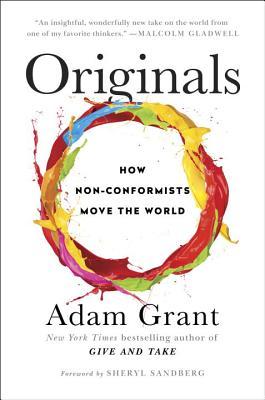
"Originals" explores how creative thinkers and non-conformists challenge the status quo to drive meaningful innovation and change. Grant debunks common myths about risk-takers, revealing that many successful "originals" are surprisingly cautious and strategic. He offers frameworks for fostering groundbreaking ideas, building supportive cultures, and overcoming the fear of dissent.
This book shares conceptual territory with "Quiet" by highlighting overlooked strengths often undervalued in mainstream society. Just as "Quiet" champions the power of introversion in a world favoring extroversion, "Originals" celebrates the impact of unconventional thinking in environments that often reward conformity, both advocating for the potent influence of the seemingly understated.
The insights offered provide practical strategies for individuals seeking to cultivate their own originality and for leaders aiming to inspire it within their organizations. Its focus on evidence-based approaches to fostering creativity and challenging norms makes it a valuable resource for navigating complex professional and personal landscapes.
Originals: How Non-Conformists Move the World
"Originals" explores how creative thinkers and non-conformists challenge the status quo to drive meaningful innovation and change. Grant debunks common myths about risk-takers, revealing that many successful "originals" are surprisingly cautious and strategic. He offers frameworks for fostering groundbreaking ideas, building supportive cultures, and overcoming the fear of dissent.
This book shares conceptual territory with "Quiet" by highlighting overlooked strengths often undervalued in mainstream society. Just as "Quiet" champions the power of introversion in a world favoring extroversion, "Originals" celebrates the impact of unconventional thinking in environments that often reward conformity, both advocating for the potent influence of the seemingly understated.
The insights offered provide practical strategies for individuals seeking to cultivate their own originality and for leaders aiming to inspire it within their organizations. Its focus on evidence-based approaches to fostering creativity and challenging norms makes it a valuable resource for navigating complex professional and personal landscapes.
The Social Animal: The Hidden Sources of Love, Character, and Achievement

"The Social Animal" delves into the unconscious forces that shape human behavior, decision-making, and relationships from birth through old age. David Brooks masterfully weaves together insights from psychology, neuroscience, and sociology, using the narrative of two fictional characters, Harold and Erica, to illustrate how our deepest impulses, emotions, and interpersonal connections subtly guide our paths toward love, character development, and ultimate achievement, often without our conscious awareness. It’s a profound exploration of the non-rational elements of human experience.
Both books challenge simplistic understandings of human nature and success. While "Quiet" champions the often-underestimated strengths of introversion in a world favoring extroversion, "The Social Animal" likewise uncovers the hidden, often subconscious, drivers of human flourishing. They both encourage a deeper look beyond surface appearances to appreciate the nuanced, complex forces that contribute to individual and societal well-being, highlighting aspects of character and personality that are frequently overlooked or undervalued in mainstream discourse.
Anyone interested in a sophisticated, digestible examination of human psychology and social dynamics will appreciate this book. Its rich narrative approach makes complex concepts accessible, offering profound insights into why we are the way we are and how our unconscious minds influence our destinies. It fosters a greater understanding of self and others, providing a valuable framework for navigating relationships, personal growth, and societal structures with newfound clarity and empathy.
The Social Animal: The Hidden Sources of Love, Character, and Achievement
"The Social Animal" delves into the unconscious forces that shape human behavior, decision-making, and relationships from birth through old age. David Brooks masterfully weaves together insights from psychology, neuroscience, and sociology, using the narrative of two fictional characters, Harold and Erica, to illustrate how our deepest impulses, emotions, and interpersonal connections subtly guide our paths toward love, character development, and ultimate achievement, often without our conscious awareness. It’s a profound exploration of the non-rational elements of human experience.
Both books challenge simplistic understandings of human nature and success. While "Quiet" champions the often-underestimated strengths of introversion in a world favoring extroversion, "The Social Animal" likewise uncovers the hidden, often subconscious, drivers of human flourishing. They both encourage a deeper look beyond surface appearances to appreciate the nuanced, complex forces that contribute to individual and societal well-being, highlighting aspects of character and personality that are frequently overlooked or undervalued in mainstream discourse.
Anyone interested in a sophisticated, digestible examination of human psychology and social dynamics will appreciate this book. Its rich narrative approach makes complex concepts accessible, offering profound insights into why we are the way we are and how our unconscious minds influence our destinies. It fosters a greater understanding of self and others, providing a valuable framework for navigating relationships, personal growth, and societal structures with newfound clarity and empathy.
More Books to Explore
Discover more titles that expand on these ideas and themes.
Introvert Power: Why Your Inner Life Is Your Hidden Strength
The Introvert's Way: Living a Quiet Life in a Noisy World
Daring Greatly: How the Courage to Be Vulnerable Transforms the Way We Live, Love, Parent, and Lead
The Power of Vulnerability: Teachings of Authenticity, Connections and Courage
Presence: Bringing Your Boldest Self to Your Biggest Challenges
The Gifts of Imperfection