10 Books Similar to "Psalm 44"
by Danilo Kiš

The Encyclopedia of the Dead

"The Encyclopedia of the Dead" is a collection of enigmatic short stories exploring themes of memory, identity, legacy, and the impossibility of fully capturing individual lives. Each story, often presented as a fictional entry in a comprehensive, retrospective encyclopedia of every human life, grapples with the inherent biases and limitations of historical record-keeping and biographical narrative. It's a masterful examination of how we remember the dead and invent meaning from incomplete data.
Its similarity to "Psalm 44" lies in their shared exploration of historical trauma and the re-imagining of past lives. Both works confront the brutal weight of history, specifically the Holocaust in "Psalm 44," through a lens of fragmented narratives and an intense focus on individual suffering within a larger, often horrific, historical context. Kiš uses meticulous research and imaginative reconstruction to endow his characters, fictional or based on real individuals, with dignity and a voice against oblivion.
This book rewards those who appreciate literary meta-fiction and profound meditations on history and human existence. It offers a unique perspective on the power of storytelling to both preserve and distort truth, prompting reflection on our own understanding of history and the narratives we construct. Its intellectual depth and unique narrative structure ensure a compelling and thought-provoking experience.
The Encyclopedia of the Dead
"The Encyclopedia of the Dead" is a collection of enigmatic short stories exploring themes of memory, identity, legacy, and the impossibility of fully capturing individual lives. Each story, often presented as a fictional entry in a comprehensive, retrospective encyclopedia of every human life, grapples with the inherent biases and limitations of historical record-keeping and biographical narrative. It's a masterful examination of how we remember the dead and invent meaning from incomplete data.
Its similarity to "Psalm 44" lies in their shared exploration of historical trauma and the re-imagining of past lives. Both works confront the brutal weight of history, specifically the Holocaust in "Psalm 44," through a lens of fragmented narratives and an intense focus on individual suffering within a larger, often horrific, historical context. Kiš uses meticulous research and imaginative reconstruction to endow his characters, fictional or based on real individuals, with dignity and a voice against oblivion.
This book rewards those who appreciate literary meta-fiction and profound meditations on history and human existence. It offers a unique perspective on the power of storytelling to both preserve and distort truth, prompting reflection on our own understanding of history and the narratives we construct. Its intellectual depth and unique narrative structure ensure a compelling and thought-provoking experience.
The Death of the Adversary

Hans Keilson's *The Death of the Adversary* is a compelling psychological exploration of a narrator's lifelong obsession with an unnamed dictator – his "adversary." Through detailed, almost clinical observation, the protagonist attempts to understand, anticipate, and ultimately decipher the figure who embodies absolute power and evil. The novel delves into the mind of someone consumed by the external force of totalitarianism, examining the intimate mental battlefield created by such pervasive oppression.
This book shares thematic resonance with Danilo Kiš's *Psalm 44* through their mutual focus on the profound psychological impact of pervasive authoritarianism and the Holocaust. Both novels explore the survival of the individual spirit against overwhelming, dehumanizing forces, albeit from different angles. *The Death of the Adversary* mirrors *Psalm 44*'s acute examination of memory, identity, and the insidious ways totalitarian regimes warp personal reality, even in their aftermath.
This work offers a profound insight into the human response to tyranny and historical trauma. Its meticulous portrayal of an intricate, almost parasitic, relationship between victim and oppressor provides a unique lens through which to understand the lingering shadows of historical atrocities. The book's enduring value lies in its nuanced psychological depth, offering a powerful, introspective reflection on resistance, complicity, and the complex nature of evil itself.
The Death of the Adversary
Hans Keilson's *The Death of the Adversary* is a compelling psychological exploration of a narrator's lifelong obsession with an unnamed dictator – his "adversary." Through detailed, almost clinical observation, the protagonist attempts to understand, anticipate, and ultimately decipher the figure who embodies absolute power and evil. The novel delves into the mind of someone consumed by the external force of totalitarianism, examining the intimate mental battlefield created by such pervasive oppression.
This book shares thematic resonance with Danilo Kiš's *Psalm 44* through their mutual focus on the profound psychological impact of pervasive authoritarianism and the Holocaust. Both novels explore the survival of the individual spirit against overwhelming, dehumanizing forces, albeit from different angles. *The Death of the Adversary* mirrors *Psalm 44*'s acute examination of memory, identity, and the insidious ways totalitarian regimes warp personal reality, even in their aftermath.
This work offers a profound insight into the human response to tyranny and historical trauma. Its meticulous portrayal of an intricate, almost parasitic, relationship between victim and oppressor provides a unique lens through which to understand the lingering shadows of historical atrocities. The book's enduring value lies in its nuanced psychological depth, offering a powerful, introspective reflection on resistance, complicity, and the complex nature of evil itself.
The Painted Bird

"The Painted Bird" chronicles the harrowing journey of a young, unnamed boy, a presumed Romani or Jewish child, separated from his family during World War II and left to wander rural Eastern European villages. He endures horrific abuse, starvation, and superstitious cruelty at the hands of isolated, fearful peasants, forced to witness and experience unimaginable depravity as he struggles for survival and meaning in a world devoid of compassion.
Both "The Painted Bird" and "Psalm 44" delve into the devastating psychological and physical toll of war and persecution on individuals, particularly children, who are rendered vulnerable and stripped of their innocence. They share a stark, unflinching portrayal of human depravity and resilience, employing narrative techniques that evoke a profound sense of isolation and disorientation. The authors dissect themes of identity, memory, and the search for humanity amidst systematic dehumanization, presenting experiences that challenge conventional understandings of good and evil.
This book offers a visceral and unforgettable exploration of the darkest aspects of human nature and the capacity for survival against overwhelming odds. It provokes deep introspection on the origins of prejudice, the fragility of civilization, and the enduring power of the human spirit despite profound trauma. Its stark beauty and disturbing candor make it a vital work for anyone seeking to understand the psychological impact of conflict and the enduring scars it leaves on individuals and societies.
The Painted Bird
"The Painted Bird" chronicles the harrowing journey of a young, unnamed boy, a presumed Romani or Jewish child, separated from his family during World War II and left to wander rural Eastern European villages. He endures horrific abuse, starvation, and superstitious cruelty at the hands of isolated, fearful peasants, forced to witness and experience unimaginable depravity as he struggles for survival and meaning in a world devoid of compassion.
Both "The Painted Bird" and "Psalm 44" delve into the devastating psychological and physical toll of war and persecution on individuals, particularly children, who are rendered vulnerable and stripped of their innocence. They share a stark, unflinching portrayal of human depravity and resilience, employing narrative techniques that evoke a profound sense of isolation and disorientation. The authors dissect themes of identity, memory, and the search for humanity amidst systematic dehumanization, presenting experiences that challenge conventional understandings of good and evil.
This book offers a visceral and unforgettable exploration of the darkest aspects of human nature and the capacity for survival against overwhelming odds. It provokes deep introspection on the origins of prejudice, the fragility of civilization, and the enduring power of the human spirit despite profound trauma. Its stark beauty and disturbing candor make it a vital work for anyone seeking to understand the psychological impact of conflict and the enduring scars it leaves on individuals and societies.
Kaddish for an Unborn Child

*Kaddish for an Unborn Child* by Imre Kertész explores the profound and personal decision of a Holocaust survivor to refuse to have children. Through an extended, internal monologue, the protagonist grapples with the ethical implications of bringing new life into a world he perceives as inherently flawed and brutalized by historical trauma. It’s a raw, unflinching examination of memory, despair, and the weight of existence in the aftermath of unimaginable suffering.
The similarity to Danilo Kiš's *Psalm 44* lies in their shared exploration of the enduring psychological scar of the Holocaust, not only on those who survived but on subsequent generations and their choices. Both novels delve into the moral quandaries arising from historical atrocities, questioning the possibility of a "normal" life or the creation of future without confronting the past. They present narratives steeped in existential anguish and the profound difficulty of bearing witness to human cruelty.
This book will appeal to those who seek literature that engages deeply with historical trauma, philosophical questions of existence, and the complexities of human response to atrocity. Its value lies in offering a perspective that challenges conventional notions of hope and redemption, providing a powerful, introspective journey into the consciousness of a survivor grappling with radical moral choices, thereby enriching understanding of the profound and often uncomfortable legacies of the 20th century.
Kaddish for an Unborn Child
*Kaddish for an Unborn Child* by Imre Kertész explores the profound and personal decision of a Holocaust survivor to refuse to have children. Through an extended, internal monologue, the protagonist grapples with the ethical implications of bringing new life into a world he perceives as inherently flawed and brutalized by historical trauma. It’s a raw, unflinching examination of memory, despair, and the weight of existence in the aftermath of unimaginable suffering.
The similarity to Danilo Kiš's *Psalm 44* lies in their shared exploration of the enduring psychological scar of the Holocaust, not only on those who survived but on subsequent generations and their choices. Both novels delve into the moral quandaries arising from historical atrocities, questioning the possibility of a "normal" life or the creation of future without confronting the past. They present narratives steeped in existential anguish and the profound difficulty of bearing witness to human cruelty.
This book will appeal to those who seek literature that engages deeply with historical trauma, philosophical questions of existence, and the complexities of human response to atrocity. Its value lies in offering a perspective that challenges conventional notions of hope and redemption, providing a powerful, introspective journey into the consciousness of a survivor grappling with radical moral choices, thereby enriching understanding of the profound and often uncomfortable legacies of the 20th century.
The Devil Tree
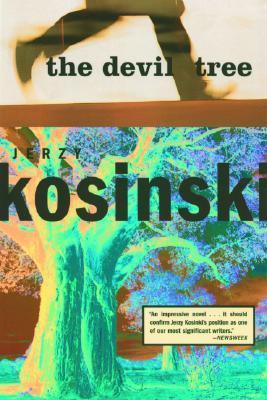
Jerzy Kosiński's "The Devil Tree" explores the fragmented mind of Jonathan James Whalen, a privileged young man haunted by his past and struggling with his identity as he navigates a post-traumatic landscape. The narrative is a disorienting, non-linear journey through memory, delusion, and the relentless search for meaning in a world devoid of fixed truths.
Both "The Devil Tree" and Danilo Kiš's "Psalm 44" delve into the devastating psychological impact of trauma and the elusive nature of truth. Each novel creates a deeply unsettling atmosphere where reality is subjective and memory is a shifting, unreliable force. They share a bleak, almost existentialist perspective on human suffering and the struggle to reconstruct a sense of self after profound personal catastrophe.
This book will appeal to those who appreciate challenging, intellectually stimulating narratives that grapple with complex themes of memory, identity, and the lingering effects of psychological damage. Its stark prose and introspective depth offer a powerful, if uncomfortable, exploration of the human condition under duress, providing insights into the ways individuals cope with profound loss and navigate a world stripped of certainty.
The Devil Tree
Jerzy Kosiński's "The Devil Tree" explores the fragmented mind of Jonathan James Whalen, a privileged young man haunted by his past and struggling with his identity as he navigates a post-traumatic landscape. The narrative is a disorienting, non-linear journey through memory, delusion, and the relentless search for meaning in a world devoid of fixed truths.
Both "The Devil Tree" and Danilo Kiš's "Psalm 44" delve into the devastating psychological impact of trauma and the elusive nature of truth. Each novel creates a deeply unsettling atmosphere where reality is subjective and memory is a shifting, unreliable force. They share a bleak, almost existentialist perspective on human suffering and the struggle to reconstruct a sense of self after profound personal catastrophe.
This book will appeal to those who appreciate challenging, intellectually stimulating narratives that grapple with complex themes of memory, identity, and the lingering effects of psychological damage. Its stark prose and introspective depth offer a powerful, if uncomfortable, exploration of the human condition under duress, providing insights into the ways individuals cope with profound loss and navigate a world stripped of certainty.
Liquidation

"Liquidation" by Imre Kertész explores the aftermath of a Holocaust survivor's suicide through the eyes of his literary executor. The novel is a meta-fictional excavation, piecing together the deceased writer’s fragmented manuscripts, letters, and the memories of those who knew him, all in an attempt to understand his life, his death, and the elusive nature of identity shaped by unspeakable trauma. It's a profound meditation on memory, literature's capacity to contain or fail to contain truth, and the burden of the past.
The similarity to Danilo Kiš's "Psalm 44" lies in their shared thematic core: the pervasive, inescapable legacy of the Holocaust. Both novels delve into the mechanisms of memory and its struggle to reconcile with unimaginable atrocities. They explore how historical trauma doesn't end with the event itself but continues to echo through generations and across individual lives, often manifesting as a profound sense of existential displacement and the silencing of narratives. Both authors employ sophisticated literary structures to reflect the fragmented nature of these memories and experiences.
This work appeals through its intellectual rigor and emotional depth. It offers a powerful exploration of how individuals confront and internalize historical suffering, and the role of art in processing, documenting, and perhaps, failing to mitigate such profound wounds. It is valuable for anyone interested in the enduring impact of totalitarianism, the philosophy of memory, and the intricate relationship between life, death, and literary creation, providing a deeply introspective and challenging reading experience.
Liquidation
"Liquidation" by Imre Kertész explores the aftermath of a Holocaust survivor's suicide through the eyes of his literary executor. The novel is a meta-fictional excavation, piecing together the deceased writer’s fragmented manuscripts, letters, and the memories of those who knew him, all in an attempt to understand his life, his death, and the elusive nature of identity shaped by unspeakable trauma. It's a profound meditation on memory, literature's capacity to contain or fail to contain truth, and the burden of the past.
The similarity to Danilo Kiš's "Psalm 44" lies in their shared thematic core: the pervasive, inescapable legacy of the Holocaust. Both novels delve into the mechanisms of memory and its struggle to reconcile with unimaginable atrocities. They explore how historical trauma doesn't end with the event itself but continues to echo through generations and across individual lives, often manifesting as a profound sense of existential displacement and the silencing of narratives. Both authors employ sophisticated literary structures to reflect the fragmented nature of these memories and experiences.
This work appeals through its intellectual rigor and emotional depth. It offers a powerful exploration of how individuals confront and internalize historical suffering, and the role of art in processing, documenting, and perhaps, failing to mitigate such profound wounds. It is valuable for anyone interested in the enduring impact of totalitarianism, the philosophy of memory, and the intricate relationship between life, death, and literary creation, providing a deeply introspective and challenging reading experience.
A Book of Memories

Péter Nádas's "A Book of Memories" is a sprawling, intricate novel exploring memory, identity, and the complex interplay between personal experience and historical legacy. It centers on a Hungarian writer living in East Berlin, whose life and loves are intricately interwoven with those of a 19th-century German boy, creating a layered examination of self across time and narrative. The novel delves into sexuality, political oppression, and the subjective nature of truth, presented through a highly introspective and often fragmented lens.
This novel shares a deep affinity with Danilo Kiš's "Psalm 44" in its meticulous, almost obsessive, dissection of the past and its impact on the present. Both works employ a sophisticated, often melancholic, narrative voice to explore the lingering trauma of historical events and the ways in which individual lives are shaped by broader societal forces. The intricate weaving of memory, the exploration of persecution, and the profound intellectual depth resonate strongly between the two.
This novel offers a deeply enriching experience for those drawn to complex literary explorations of the human condition. Its powerful prose and intellectual rigor provide a profound engagement with themes of identity formation, the power of memory, and the enduring weight of history. The intricate narrative structure rewards careful attention, revealing layers of meaning that speak to universal experiences of love, loss, and the eternal search for understanding.
A Book of Memories
Péter Nádas's "A Book of Memories" is a sprawling, intricate novel exploring memory, identity, and the complex interplay between personal experience and historical legacy. It centers on a Hungarian writer living in East Berlin, whose life and loves are intricately interwoven with those of a 19th-century German boy, creating a layered examination of self across time and narrative. The novel delves into sexuality, political oppression, and the subjective nature of truth, presented through a highly introspective and often fragmented lens.
This novel shares a deep affinity with Danilo Kiš's "Psalm 44" in its meticulous, almost obsessive, dissection of the past and its impact on the present. Both works employ a sophisticated, often melancholic, narrative voice to explore the lingering trauma of historical events and the ways in which individual lives are shaped by broader societal forces. The intricate weaving of memory, the exploration of persecution, and the profound intellectual depth resonate strongly between the two.
This novel offers a deeply enriching experience for those drawn to complex literary explorations of the human condition. Its powerful prose and intellectual rigor provide a profound engagement with themes of identity formation, the power of memory, and the enduring weight of history. The intricate narrative structure rewards careful attention, revealing layers of meaning that speak to universal experiences of love, loss, and the eternal search for understanding.
Engineer of Human Souls
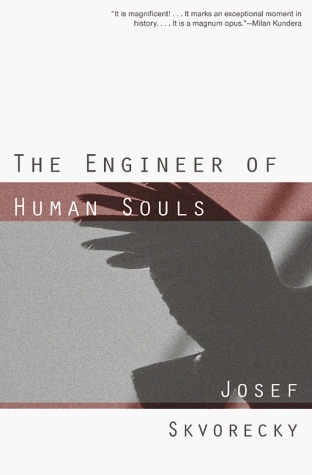
Josef Škvorecký’s "Engineer of Human Souls" chronicles the experiences of Daniel Smiřický, a Czech émigré literature professor in Canada, as he reflects on his past in Nazi-occupied Czechoslovakia and his present teaching American students. The novel artfully interweaves these two timelines, exploring the profound impact of history, memory, love, and political oppression on individual identity and artistic expression.
This novel resonates with Danilo Kiš’s "Psalm 44" through their shared engagement with historical trauma, particularly the Holocaust and its aftermath. Both works employ a fragmented, layered narrative style to reconstruct personal and collective histories, focusing on the psychological and existential struggles of individuals caught in the machinery of oppressive regimes. The interrogation of memory and the persistence of the past in the present are central to both texts.
It will appeal to those who value literature that confronts difficult historical realities with intellectual rigor and emotional depth. The novel offers a sophisticated examination of exile, cultural displacement, and the enduring power of storytelling as a means of survival and resistance, providing rich insights into the human condition under extreme pressure.
Engineer of Human Souls
Josef Škvorecký’s "Engineer of Human Souls" chronicles the experiences of Daniel Smiřický, a Czech émigré literature professor in Canada, as he reflects on his past in Nazi-occupied Czechoslovakia and his present teaching American students. The novel artfully interweaves these two timelines, exploring the profound impact of history, memory, love, and political oppression on individual identity and artistic expression.
This novel resonates with Danilo Kiš’s "Psalm 44" through their shared engagement with historical trauma, particularly the Holocaust and its aftermath. Both works employ a fragmented, layered narrative style to reconstruct personal and collective histories, focusing on the psychological and existential struggles of individuals caught in the machinery of oppressive regimes. The interrogation of memory and the persistence of the past in the present are central to both texts.
It will appeal to those who value literature that confronts difficult historical realities with intellectual rigor and emotional depth. The novel offers a sophisticated examination of exile, cultural displacement, and the enduring power of storytelling as a means of survival and resistance, providing rich insights into the human condition under extreme pressure.
Identity

Kundera's "Identity" explores the fragile nature of self and relationships through the story of Chantal and Jean-Marc, a couple whose love is tested by Chantal's perception of Jean-Marc's secret admirer. The novel delves into themes of communication breakdown, the fear of aging, and how our understanding of others is often a projection of our own anxieties and desires. It’s a profound meditation on the elusive quality of identity, both individual and within a partnership.
This work resonates with Kiš's "Psalm 44" in its deep engagement with the subjectivity of memory and the pervasive sense of loss. Both novels dissect experiences of profound emotional upheaval and the subsequent struggle for meaning. They share a philosophical inquiry into human vulnerability and the ways in which personal narratives are constructed, often imperfectly, in the face of suffering or disillusionment.
Anyone interested in exploring the complexities of human connection and the internal landscape of self-doubt will find this book immensely rewarding. It offers a sophisticated examination of intimacy and the ways in which perceived realities can fracture even the strongest bonds, providing rich material for reflection on personal experience and interpersonal dynamics.
Identity
Kundera's "Identity" explores the fragile nature of self and relationships through the story of Chantal and Jean-Marc, a couple whose love is tested by Chantal's perception of Jean-Marc's secret admirer. The novel delves into themes of communication breakdown, the fear of aging, and how our understanding of others is often a projection of our own anxieties and desires. It’s a profound meditation on the elusive quality of identity, both individual and within a partnership.
This work resonates with Kiš's "Psalm 44" in its deep engagement with the subjectivity of memory and the pervasive sense of loss. Both novels dissect experiences of profound emotional upheaval and the subsequent struggle for meaning. They share a philosophical inquiry into human vulnerability and the ways in which personal narratives are constructed, often imperfectly, in the face of suffering or disillusionment.
Anyone interested in exploring the complexities of human connection and the internal landscape of self-doubt will find this book immensely rewarding. It offers a sophisticated examination of intimacy and the ways in which perceived realities can fracture even the strongest bonds, providing rich material for reflection on personal experience and interpersonal dynamics.
Farewell Waltz

Milan Kundera’s *Farewell Waltz* is a darkly comic novel centered on a cast of interconnected characters during a week in a Czechoslovakian spa town. Their lives intertwine through betrayals, illicit affairs, and a surprising murder plot, all set against a backdrop of existential quandaries and a pervasive sense of social tension. It’s an intricate dance of human foibles, desire, and the often-absurd nature of existence.
This novel shares a remarkable kinship with Danilo Kiš’s *Psalm 44* through its unflinching examination of human morality and the fragility of individual choice within oppressive or chaotic systems. Both authors delve into the psychological weight of their characters' circumstances, whether it's the specific historical horror detailed by Kiš or the more generalized political and personal entanglements Kundera explores. There's a shared intellectual rigor and a refusal to offer easy answers, instead preferring to dissect the complexities of the human condition with dark humor and incisive observation.
This exploration offers a profound encounter with storytelling that challenges preconceptions and stimulates intellectual engagement. The nuanced portrayals of characters caught in webs of their own making, or societal constructs, provide ample material for reflection on ethics, freedom, and the pervasive influence of history on personal lives. Its literary depth and thematic resonance make it a compelling and enriching experience.
Farewell Waltz
Milan Kundera’s *Farewell Waltz* is a darkly comic novel centered on a cast of interconnected characters during a week in a Czechoslovakian spa town. Their lives intertwine through betrayals, illicit affairs, and a surprising murder plot, all set against a backdrop of existential quandaries and a pervasive sense of social tension. It’s an intricate dance of human foibles, desire, and the often-absurd nature of existence.
This novel shares a remarkable kinship with Danilo Kiš’s *Psalm 44* through its unflinching examination of human morality and the fragility of individual choice within oppressive or chaotic systems. Both authors delve into the psychological weight of their characters' circumstances, whether it's the specific historical horror detailed by Kiš or the more generalized political and personal entanglements Kundera explores. There's a shared intellectual rigor and a refusal to offer easy answers, instead preferring to dissect the complexities of the human condition with dark humor and incisive observation.
This exploration offers a profound encounter with storytelling that challenges preconceptions and stimulates intellectual engagement. The nuanced portrayals of characters caught in webs of their own making, or societal constructs, provide ample material for reflection on ethics, freedom, and the pervasive influence of history on personal lives. Its literary depth and thematic resonance make it a compelling and enriching experience.
More Books to Explore
Discover more titles that expand on these ideas and themes.
The Encyclopedia of the Dead
The Death of the Adversary
The Painted Bird
Kaddish for an Unborn Child
The Devil Tree
Liquidation