10 Books Similar to "Presence: Bringing Your Boldest Self to Your Biggest Challenges"
by Amy Cuddy

The Power of Vulnerability: Teachings of Authenticity, Connections and Courage

Brené Brown's "The Power of Vulnerability" explores the profound strength found in embracing our imperfections and fears. It argues that true connection, courage, and authenticity emerge not from shielding ourselves from emotional exposure, but from leaning into it. Brown, a research professor, grounds her insights in years of qualitative research, demystifying vulnerability as a pathway to wholehearted living rather than a weakness.
This book shares significant thematic overlap with Amy Cuddy's "Presence." Both works champion the idea that internal shifts in mindset and self-perception profoundly influence our ability to navigate challenges effectively. While Cuddy focuses on adopting powerful physical stances and mental preparation to enhance presence, Brown emphasizes the emotional courage required to show up authentically, recognizing that both external and internal factors contribute to our overall impact and well-being.
The book offers a compelling roadmap for fostering deeper relationships, increasing self-compassion, and cultivating resilience. Its insights provide actionable strategies for individuals seeking to live more courageously and connect more genuinely, moving beyond the societal pressures of perfection to embrace their true selves.
The Power of Vulnerability: Teachings of Authenticity, Connections and Courage
Brené Brown's "The Power of Vulnerability" explores the profound strength found in embracing our imperfections and fears. It argues that true connection, courage, and authenticity emerge not from shielding ourselves from emotional exposure, but from leaning into it. Brown, a research professor, grounds her insights in years of qualitative research, demystifying vulnerability as a pathway to wholehearted living rather than a weakness.
This book shares significant thematic overlap with Amy Cuddy's "Presence." Both works champion the idea that internal shifts in mindset and self-perception profoundly influence our ability to navigate challenges effectively. While Cuddy focuses on adopting powerful physical stances and mental preparation to enhance presence, Brown emphasizes the emotional courage required to show up authentically, recognizing that both external and internal factors contribute to our overall impact and well-being.
The book offers a compelling roadmap for fostering deeper relationships, increasing self-compassion, and cultivating resilience. Its insights provide actionable strategies for individuals seeking to live more courageously and connect more genuinely, moving beyond the societal pressures of perfection to embrace their true selves.
Daring Greatly: How the Courage to Be Vulnerable Transforms the Way We Live, Love, Parent, and Lead
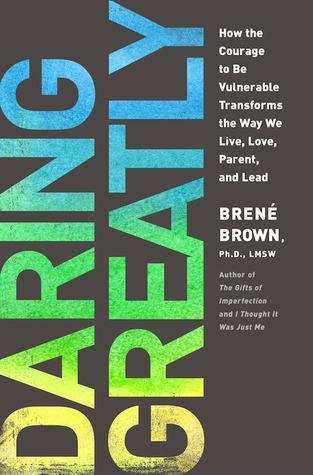
"Daring Greatly" explores the profound idea that embracing vulnerability is not a weakness, but rather courage in action. Brené Brown argues that true connection, innovation, and a meaningful life are unlocked when we shed the armor of perfectionism and fear of judgment, allowing ourselves to be seen, imperfections and all. It delves into how this courage transforms our relationships, our parenting, and our leadership, fostering authenticity and resilience.
This book resonates with "Presence" because both titles champion internal transformation as a pathway to external impact. While Cuddy focuses on bolstering self-confidence through physical presence, Brown emphasizes the courage to be authentically present, flaws notwithstanding. Both urge individuals to step into their power, not by hiding weaknesses, but by acknowledging and integrating them, fostering a stronger, more impactful self.
This work offers profound insights into human connection and resilience. It provides a liberating perspective on perfectionism and shame, offering a framework for healthier relationships with ourselves and others. The clarity and research underpinning Brown’s arguments make its message relatable and actionable, inspiring individuals to live more courageously and wholeheartedly.
Daring Greatly: How the Courage to Be Vulnerable Transforms the Way We Live, Love, Parent, and Lead
"Daring Greatly" explores the profound idea that embracing vulnerability is not a weakness, but rather courage in action. Brené Brown argues that true connection, innovation, and a meaningful life are unlocked when we shed the armor of perfectionism and fear of judgment, allowing ourselves to be seen, imperfections and all. It delves into how this courage transforms our relationships, our parenting, and our leadership, fostering authenticity and resilience.
This book resonates with "Presence" because both titles champion internal transformation as a pathway to external impact. While Cuddy focuses on bolstering self-confidence through physical presence, Brown emphasizes the courage to be authentically present, flaws notwithstanding. Both urge individuals to step into their power, not by hiding weaknesses, but by acknowledging and integrating them, fostering a stronger, more impactful self.
This work offers profound insights into human connection and resilience. It provides a liberating perspective on perfectionism and shame, offering a framework for healthier relationships with ourselves and others. The clarity and research underpinning Brown’s arguments make its message relatable and actionable, inspiring individuals to live more courageously and wholeheartedly.
Dare to Lead
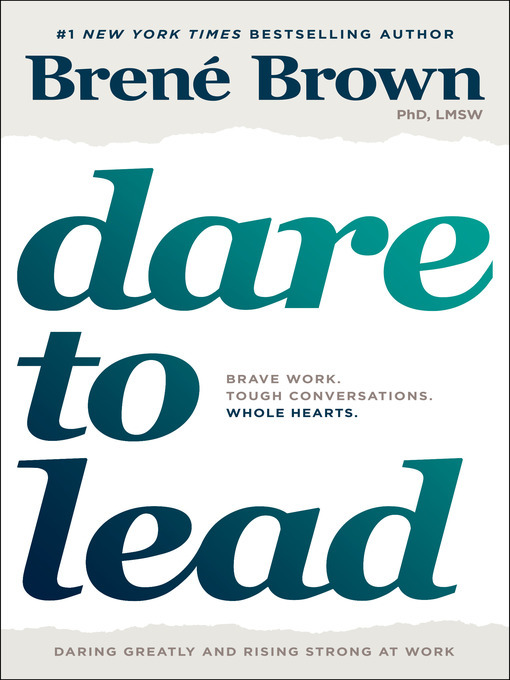
"Dare to Lead" explores the fundamental components of courageous leadership, emphasizing that true leadership isn't about power or position, but about vulnerability, empathy, and integrity. Brené Brown dismantles common myths about leadership, providing actionable insights into developing the skills necessary to lead with heart, manage difficult conversations, and build trust within teams and organizations. It's a call to action for transforming how we approach work and human connection.
Both books center on cultivating inner strength and authenticity to navigate high-stakes situations. "Presence" focuses on harnessing your psychological state to perform optimally under pressure, while "Dare to Lead" expands this concept to the broader leadership context, showing how that authentic self is crucial for inspiring others and creating resilient cultures. They share a core belief that vulnerability, often perceived as a weakness, is actually a powerful tool for growth and connection.
This book offers practical wisdom for anyone aspiring to lead more effectively, whether in a formal position or in their personal lives. It provides a roadmap for fostering courage, challenging the status quo, and building environments where innovation and genuine collaboration can thrive. The insights into shame, vulnerability, and empathy are particularly valuable for building stronger relationships and creating more humane and productive workplaces.
Dare to Lead
"Dare to Lead" explores the fundamental components of courageous leadership, emphasizing that true leadership isn't about power or position, but about vulnerability, empathy, and integrity. Brené Brown dismantles common myths about leadership, providing actionable insights into developing the skills necessary to lead with heart, manage difficult conversations, and build trust within teams and organizations. It's a call to action for transforming how we approach work and human connection.
Both books center on cultivating inner strength and authenticity to navigate high-stakes situations. "Presence" focuses on harnessing your psychological state to perform optimally under pressure, while "Dare to Lead" expands this concept to the broader leadership context, showing how that authentic self is crucial for inspiring others and creating resilient cultures. They share a core belief that vulnerability, often perceived as a weakness, is actually a powerful tool for growth and connection.
This book offers practical wisdom for anyone aspiring to lead more effectively, whether in a formal position or in their personal lives. It provides a roadmap for fostering courage, challenging the status quo, and building environments where innovation and genuine collaboration can thrive. The insights into shame, vulnerability, and empathy are particularly valuable for building stronger relationships and creating more humane and productive workplaces.
Braving the Wilderness

"Braving the Wilderness" explores the human need for belonging while advocating for the courage to stand alone in one's authentic self. It delves into the idea of "true belonging," which isn't about fitting in or conformity, but about maintaining integrity and connection even when it means navigating spaces of disagreement or discomfort. Brown argues that true belonging stems from within, requiring individuals to bravely embrace their values and convictions.
This book resonates with "Presence" because both emphasize the internal development necessary to face external challenges. While "Presence" focuses on cultivating a powerful internal state to perform effectively, "Braving the Wilderness" encourages a similar inner fortitude to uphold one's identity and beliefs in a world that often pressures conformity. Both works empower individuals to draw strength from their authentic selves to navigate complex social landscapes.
The book offers a profound message for anyone seeking deeper connection and self-acceptance, particularly in an increasingly polarized world. It provides actionable insights into fostering genuine belonging, not through external validation, but through an unwavering commitment to one's own truth. Its lessons on courage, vulnerability, and integrity are invaluable for personal growth and navigating modern societal pressures.
Braving the Wilderness
"Braving the Wilderness" explores the human need for belonging while advocating for the courage to stand alone in one's authentic self. It delves into the idea of "true belonging," which isn't about fitting in or conformity, but about maintaining integrity and connection even when it means navigating spaces of disagreement or discomfort. Brown argues that true belonging stems from within, requiring individuals to bravely embrace their values and convictions.
This book resonates with "Presence" because both emphasize the internal development necessary to face external challenges. While "Presence" focuses on cultivating a powerful internal state to perform effectively, "Braving the Wilderness" encourages a similar inner fortitude to uphold one's identity and beliefs in a world that often pressures conformity. Both works empower individuals to draw strength from their authentic selves to navigate complex social landscapes.
The book offers a profound message for anyone seeking deeper connection and self-acceptance, particularly in an increasingly polarized world. It provides actionable insights into fostering genuine belonging, not through external validation, but through an unwavering commitment to one's own truth. Its lessons on courage, vulnerability, and integrity are invaluable for personal growth and navigating modern societal pressures.
The Gifts of Imperfection

"The Gifts of Imperfection" by Brené Brown delves into the power of embracing vulnerability, cultivating self-compassion, and developing courage to live authentically. It challenges the societal emphasis on perfection, arguing that true belonging and worthiness stem from acknowledging our imperfections and connecting with others from a place of genuine self-acceptance.
This book shares common ground with "Presence" by Amy Cuddy through its core theme of internal strength and self-perception influencing external impact. Both works empower individuals to overcome self-doubt and societal pressures by fostering a deeper understanding of their own value and capabilities, regardless of external circumstances or perceived flaws.
This book offers a compelling roadmap for personal growth and emotional resilience. Its insights into shame, vulnerability, and authenticity provide practical strategies for fostering a more fulfilling and connected life, encouraging a powerful shift from striving for an unattainable ideal to embracing one's true, imperfect self.
The Gifts of Imperfection
"The Gifts of Imperfection" by Brené Brown delves into the power of embracing vulnerability, cultivating self-compassion, and developing courage to live authentically. It challenges the societal emphasis on perfection, arguing that true belonging and worthiness stem from acknowledging our imperfections and connecting with others from a place of genuine self-acceptance.
This book shares common ground with "Presence" by Amy Cuddy through its core theme of internal strength and self-perception influencing external impact. Both works empower individuals to overcome self-doubt and societal pressures by fostering a deeper understanding of their own value and capabilities, regardless of external circumstances or perceived flaws.
This book offers a compelling roadmap for personal growth and emotional resilience. Its insights into shame, vulnerability, and authenticity provide practical strategies for fostering a more fulfilling and connected life, encouraging a powerful shift from striving for an unattainable ideal to embracing one's true, imperfect self.
Rising Strong: The Reckoning. The Rumble. The Revolution
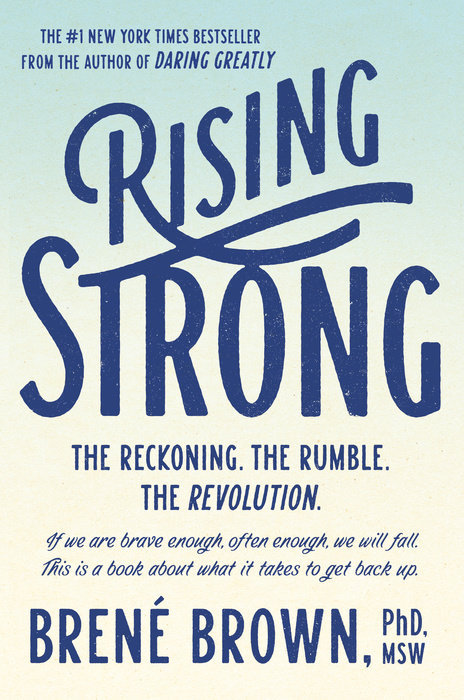
"Rising Strong" explores the process of getting back up after a fall – whether it's from a personal setback, a professional failure, or an emotional wound. Brené Brown guides us through the "reckoning" (acknowledging the emotion), the "rumble" (owning our story and challenging narratives), and the "revolution" (integrating what we've learned to live more wholeheartedly). It's a pragmatic framework for understanding and processing vulnerability, shame, and resilience.
This book resonates with "Presence" because both tackle the internal barriers that prevent us from showing up authentically and effectively in challenging situations. Where Cuddy focuses on the physiological and psychological impact of body language and mindset, Brown delves into the emotional landscape of vulnerability and the courage to engage with uncomfortable feelings. Both authors empower individuals to cultivate an internal strength that translates into external competence and self-assurance.
This work appeals particularly to those seeking to develop greater emotional resilience and a more authentic sense of self. It offers a practical methodology for navigating setbacks, transforming perceived failures into opportunities for growth, and ultimately, living with more courage and connection. It's a powerful guide for anyone looking to understand and leverage their emotional experiences to build a more robust and purposeful life.
Rising Strong: The Reckoning. The Rumble. The Revolution
"Rising Strong" explores the process of getting back up after a fall – whether it's from a personal setback, a professional failure, or an emotional wound. Brené Brown guides us through the "reckoning" (acknowledging the emotion), the "rumble" (owning our story and challenging narratives), and the "revolution" (integrating what we've learned to live more wholeheartedly). It's a pragmatic framework for understanding and processing vulnerability, shame, and resilience.
This book resonates with "Presence" because both tackle the internal barriers that prevent us from showing up authentically and effectively in challenging situations. Where Cuddy focuses on the physiological and psychological impact of body language and mindset, Brown delves into the emotional landscape of vulnerability and the courage to engage with uncomfortable feelings. Both authors empower individuals to cultivate an internal strength that translates into external competence and self-assurance.
This work appeals particularly to those seeking to develop greater emotional resilience and a more authentic sense of self. It offers a practical methodology for navigating setbacks, transforming perceived failures into opportunities for growth, and ultimately, living with more courage and connection. It's a powerful guide for anyone looking to understand and leverage their emotional experiences to build a more robust and purposeful life.
13 Things Mentally Strong People Don't Do: Take Back Your Power, Embrace Change, Face Your Fears, and Train Your Brain for Happiness and Success

"13 Things Mentally Strong People Don't Do" by Amy Morin provides actionable insights into cultivating mental resilience. It outlines common self-sabotaging behaviors and thought patterns that hinder success and happiness, offering practical strategies to overcome them. The book empowers individuals to take control of their emotional responses, embrace change, and confront challenges with a more effective mindset.
This book shares thematic common ground with Amy Cuddy's "Presence" by focusing on internal self-regulation to navigate external pressures. Both texts emphasize the proactive cultivation of inner strength and a robust psychological state to face significant life challenges, recognizing that our reactions and internal frameworks are key to performance and well-being.
The book's direct, no-nonsense approach to identifying and rectifying detrimental habits will resonate strongly, providing a tangible roadmap for personal growth. Its practical framework and clear delineation of counterproductive behaviors offer immediate utility, empowering individuals to foster greater self-awareness and build the mental fortitude necessary to thrive.
13 Things Mentally Strong People Don't Do: Take Back Your Power, Embrace Change, Face Your Fears, and Train Your Brain for Happiness and Success
"13 Things Mentally Strong People Don't Do" by Amy Morin provides actionable insights into cultivating mental resilience. It outlines common self-sabotaging behaviors and thought patterns that hinder success and happiness, offering practical strategies to overcome them. The book empowers individuals to take control of their emotional responses, embrace change, and confront challenges with a more effective mindset.
This book shares thematic common ground with Amy Cuddy's "Presence" by focusing on internal self-regulation to navigate external pressures. Both texts emphasize the proactive cultivation of inner strength and a robust psychological state to face significant life challenges, recognizing that our reactions and internal frameworks are key to performance and well-being.
The book's direct, no-nonsense approach to identifying and rectifying detrimental habits will resonate strongly, providing a tangible roadmap for personal growth. Its practical framework and clear delineation of counterproductive behaviors offer immediate utility, empowering individuals to foster greater self-awareness and build the mental fortitude necessary to thrive.
Brave, Not Perfect: Fear Less, Fail More, and Live Bolder
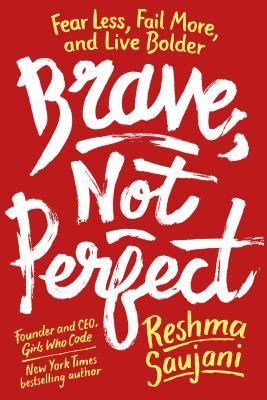
"Brave, Not Perfect" by Reshma Saujani challenges the societal conditioning that encourages women to strive for perfection, often at the expense of taking risks or pursuing their true desires. Saujani advocates for embracing courage, learning from mistakes, and prioritizing boldness over flawlessness to lead more fulfilling and authentic lives. It's a call to action for individuals to redefine success not by external validation, but by internal resilience and growth.
This book shares a core philosophy with Amy Cuddy's "Presence." Both authors empower individuals to overcome self-doubt and societal pressures that hinder their full potential. While Cuddy focuses on utilizing nonverbal communication and internal shifts to cultivate a sense of "presence" in high-stakes situations, Saujani directly addresses the internal and external barriers that prevent individuals, particularly women, from taking bold action. Both texts aim to help their audience step into their power and engage with challenges more effectively.
This book offers a compelling roadmap for anyone feeling constrained by the pressure to be faultless. It provides practical insights and inspiring narratives that will motivate a re-evaluation of personal boundaries and ambitions. Its emphasis on courage over perfection cultivates a mindset of experimentation and resilience, ultimately leading to greater personal agency and the pursuit of more meaningful goals.
Brave, Not Perfect: Fear Less, Fail More, and Live Bolder
"Brave, Not Perfect" by Reshma Saujani challenges the societal conditioning that encourages women to strive for perfection, often at the expense of taking risks or pursuing their true desires. Saujani advocates for embracing courage, learning from mistakes, and prioritizing boldness over flawlessness to lead more fulfilling and authentic lives. It's a call to action for individuals to redefine success not by external validation, but by internal resilience and growth.
This book shares a core philosophy with Amy Cuddy's "Presence." Both authors empower individuals to overcome self-doubt and societal pressures that hinder their full potential. While Cuddy focuses on utilizing nonverbal communication and internal shifts to cultivate a sense of "presence" in high-stakes situations, Saujani directly addresses the internal and external barriers that prevent individuals, particularly women, from taking bold action. Both texts aim to help their audience step into their power and engage with challenges more effectively.
This book offers a compelling roadmap for anyone feeling constrained by the pressure to be faultless. It provides practical insights and inspiring narratives that will motivate a re-evaluation of personal boundaries and ambitions. Its emphasis on courage over perfection cultivates a mindset of experimentation and resilience, ultimately leading to greater personal agency and the pursuit of more meaningful goals.
I Thought It Was Just Me: Women Reclaiming Power and Courage in a Culture of Shame

"I Thought It Was Just Me" explores the pervasive impact of shame, particularly on women. Brené Brown meticulously unpacks shame's roots in fear of disconnection and imperfection, and how it corrodes self-worth. She emphasizes that vulnerability, not armor, is the pathway to authentic connection and personal power, encouraging individuals to embrace their imperfections and share their stories.
This book resonates with "Presence" because both works champion the idea of bringing one's authentic self to challenging situations. While Cuddy focuses on nonverbal cues and power posing to cultivate internal presence, Brown delves into the internal landscape of shame and vulnerability, arguing that confronting these feelings is essential for genuine self-expression and confident engagement with the world. Both authors guide readers towards a place of stronger self-belief and courageous action.
Individuals seeking deeper self-understanding and practical strategies for navigating emotional challenges will value this book. It offers a compassionate framework for understanding shame's role in one's life and provides a compelling argument for embracing vulnerability as a source of strength. It is a powerful tool for cultivating resilience and fostering more authentic relationships.
I Thought It Was Just Me: Women Reclaiming Power and Courage in a Culture of Shame
"I Thought It Was Just Me" explores the pervasive impact of shame, particularly on women. Brené Brown meticulously unpacks shame's roots in fear of disconnection and imperfection, and how it corrodes self-worth. She emphasizes that vulnerability, not armor, is the pathway to authentic connection and personal power, encouraging individuals to embrace their imperfections and share their stories.
This book resonates with "Presence" because both works champion the idea of bringing one's authentic self to challenging situations. While Cuddy focuses on nonverbal cues and power posing to cultivate internal presence, Brown delves into the internal landscape of shame and vulnerability, arguing that confronting these feelings is essential for genuine self-expression and confident engagement with the world. Both authors guide readers towards a place of stronger self-belief and courageous action.
Individuals seeking deeper self-understanding and practical strategies for navigating emotional challenges will value this book. It offers a compassionate framework for understanding shame's role in one's life and provides a compelling argument for embracing vulnerability as a source of strength. It is a powerful tool for cultivating resilience and fostering more authentic relationships.
Influencer: The Power to Change Anything
"Influencer: The Power to Change Anything" provides a meticulous framework for understanding and enacting profound behavioral change, whether on an individual, organizational, or societal level. It meticulously breaks down the six sources of influence, from personal motivation and ability to social and environmental factors, demonstrating how to diagnose and address chronic, resistant problems by strategically leveraging these drivers.
This book shares common ground with "Presence" through its focus on self-efficacy and strategic action in overcoming significant challenges. While "Presence" emphasizes internal states and embodiment to project confidence and capability, "Influencer" offers a complementary, outward-focused methodology for systematically enabling and sustaining desired shifts in behavior, ultimately empowering individuals to impact their circumstances and environments more effectively.
This material will appeal to those seeking practical and actionable strategies for navigating complex personal or professional hurdles. Its structured approach to problem-solving and its emphasis on sustainable change equip one with the tools to become a more effective agent of transformation, offering profound value in areas requiring persistent effort and influence.
Influencer: The Power to Change Anything
"Influencer: The Power to Change Anything" provides a meticulous framework for understanding and enacting profound behavioral change, whether on an individual, organizational, or societal level. It meticulously breaks down the six sources of influence, from personal motivation and ability to social and environmental factors, demonstrating how to diagnose and address chronic, resistant problems by strategically leveraging these drivers.
This book shares common ground with "Presence" through its focus on self-efficacy and strategic action in overcoming significant challenges. While "Presence" emphasizes internal states and embodiment to project confidence and capability, "Influencer" offers a complementary, outward-focused methodology for systematically enabling and sustaining desired shifts in behavior, ultimately empowering individuals to impact their circumstances and environments more effectively.
This material will appeal to those seeking practical and actionable strategies for navigating complex personal or professional hurdles. Its structured approach to problem-solving and its emphasis on sustainable change equip one with the tools to become a more effective agent of transformation, offering profound value in areas requiring persistent effort and influence.
More Books to Explore
Discover more titles that expand on these ideas and themes.
The Power of Vulnerability: Teachings of Authenticity, Connections and Courage
Daring Greatly: How the Courage to Be Vulnerable Transforms the Way We Live, Love, Parent, and Lead
Dare to Lead
Braving the Wilderness
The Gifts of Imperfection
Rising Strong: The Reckoning. The Rumble. The Revolution