10 Books Similar to "Phantastes"
by George MacDonald

The Wise Woman and Other Stories

"The Wise Woman and Other Stories" delves into themes of spiritual growth and self-discovery through allegorical tales. The titular novella follows a young woman's journey guided by a mysterious, wise figure, who challenges her vanity and selfishness through fantastical trials. The collection also includes shorter pieces that explore similar moral and psychological landscapes, often featuring characters wrestling with their inner demons and external temptations.
It shares "Phantastes'" reliance on symbolic landscapes and encounters to illuminate internal struggles. Both works, while ostensibly fantastical, are deeply concerned with Christian mysticism and the arduous path to spiritual maturity. Characters in both narratives undergo a transformative journey, encountering strange beings and surreal situations that serve as externalizations of their psychological and moral states.
This collection offers profound insights into human nature and the spiritual quest. Its intricate allegories and MacDonald's signature blend of the mundane and the miraculous provide a rich tapestry for contemplation. It stands as a testament to the enduring power of myth and fairy tale to convey complex philosophical and theological ideas in an accessible, yet deeply resonant, manner.
The Wise Woman and Other Stories
"The Wise Woman and Other Stories" delves into themes of spiritual growth and self-discovery through allegorical tales. The titular novella follows a young woman's journey guided by a mysterious, wise figure, who challenges her vanity and selfishness through fantastical trials. The collection also includes shorter pieces that explore similar moral and psychological landscapes, often featuring characters wrestling with their inner demons and external temptations.
It shares "Phantastes'" reliance on symbolic landscapes and encounters to illuminate internal struggles. Both works, while ostensibly fantastical, are deeply concerned with Christian mysticism and the arduous path to spiritual maturity. Characters in both narratives undergo a transformative journey, encountering strange beings and surreal situations that serve as externalizations of their psychological and moral states.
This collection offers profound insights into human nature and the spiritual quest. Its intricate allegories and MacDonald's signature blend of the mundane and the miraculous provide a rich tapestry for contemplation. It stands as a testament to the enduring power of myth and fairy tale to convey complex philosophical and theological ideas in an accessible, yet deeply resonant, manner.
Lilith
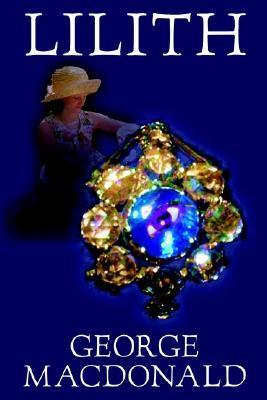
"Lilith" chronicles a young man's journey into a dream-like, allegorical world where he encounters symbolic characters representing aspects of humanity and divinity. The narrative delves into themes of sin, redemption, and the nature of reality through a complex, often unsettling, spiritual quest centered around the titular figure of Lilith, a primordial woman, and the consequences of her choices.
This novel shares a profound thematic and structural kinship with "Phantastes." Both are spiritual allegories disguised as otherworldly adventures, exploring existential questions through a protagonist's fantastical odyssey. The dream logic, the symbolic landscapes, and the deeply personal, introspective nature of the hero's journey are hallmarks of both works, presenting a unique blend of fantasy and theological inquiry.
The enduring appeal of "Lilith" lies in its profound exploration of fundamental human experiences – guilt, love, death, and spiritual awakening. It offers a rich tapestry of metaphorical storytelling that challenges perception and encourages deep contemplation, providing a compelling and intellectually stimulating experience for those who appreciate literature that transcends mere narrative to engage with philosophical and spiritual truths.
Lilith
"Lilith" chronicles a young man's journey into a dream-like, allegorical world where he encounters symbolic characters representing aspects of humanity and divinity. The narrative delves into themes of sin, redemption, and the nature of reality through a complex, often unsettling, spiritual quest centered around the titular figure of Lilith, a primordial woman, and the consequences of her choices.
This novel shares a profound thematic and structural kinship with "Phantastes." Both are spiritual allegories disguised as otherworldly adventures, exploring existential questions through a protagonist's fantastical odyssey. The dream logic, the symbolic landscapes, and the deeply personal, introspective nature of the hero's journey are hallmarks of both works, presenting a unique blend of fantasy and theological inquiry.
The enduring appeal of "Lilith" lies in its profound exploration of fundamental human experiences – guilt, love, death, and spiritual awakening. It offers a rich tapestry of metaphorical storytelling that challenges perception and encourages deep contemplation, providing a compelling and intellectually stimulating experience for those who appreciate literature that transcends mere narrative to engage with philosophical and spiritual truths.
The Baron's Apprenticeship

"The Baron's Apprenticeship" chronicles the spiritual and moral education of its protagonist, Eric, as he navigates the complex social and personal landscapes of 19th-century Scotland. It delves into themes of honor, duty, self-discovery, and the transformative power of genuine faith and love, often through allegorical encounters and intense psychological introspection. Eric's journey is one of shedding youthful arrogance and societal expectations to embrace a more authentic and morally upright existence.
This novel shares a profound kinship with "Phantastes" through its exploration of the inner life and its allegorical mode of storytelling. Both works delve into the protagonist's journey of self-discovery and spiritual refinement, utilizing fantastic or symbolic elements to illuminate deeper truths about human nature and the divine. The emphasis on moral wrestling, the allure of the ideal, and the ultimate pursuit of spiritual integrity connect them as companion pieces in MacDonald's imaginative exploration of faith and character.
This book offers a rich tapestry of philosophical inquiry, psychological depth, and moral instruction. It provides a nuanced look at character development and the subtle interplay between free will and divine guidance, all couched in MacDonald's signature poetic prose. Its value lies in its timeless spiritual insights and its compelling narrative, which encourages reflection on one's own ethical compass and the pursuit of genuine self-improvement.
The Baron's Apprenticeship
"The Baron's Apprenticeship" chronicles the spiritual and moral education of its protagonist, Eric, as he navigates the complex social and personal landscapes of 19th-century Scotland. It delves into themes of honor, duty, self-discovery, and the transformative power of genuine faith and love, often through allegorical encounters and intense psychological introspection. Eric's journey is one of shedding youthful arrogance and societal expectations to embrace a more authentic and morally upright existence.
This novel shares a profound kinship with "Phantastes" through its exploration of the inner life and its allegorical mode of storytelling. Both works delve into the protagonist's journey of self-discovery and spiritual refinement, utilizing fantastic or symbolic elements to illuminate deeper truths about human nature and the divine. The emphasis on moral wrestling, the allure of the ideal, and the ultimate pursuit of spiritual integrity connect them as companion pieces in MacDonald's imaginative exploration of faith and character.
This book offers a rich tapestry of philosophical inquiry, psychological depth, and moral instruction. It provides a nuanced look at character development and the subtle interplay between free will and divine guidance, all couched in MacDonald's signature poetic prose. Its value lies in its timeless spiritual insights and its compelling narrative, which encourages reflection on one's own ethical compass and the pursuit of genuine self-improvement.
The Gray Wolf and Other Stories

"The Gray Wolf and Other Stories" presents a collection of MacDonald's shorter fantastical and allegorical narratives. These tales often explore the permeable boundary between the natural and supernatural, featuring characters who navigate enchanted forests, encounter mythical creatures, and confront moral dilemmas rooted in spiritual growth. The titular story, for instance, delves into themes of transformation and the deceptive nature of appearances, while others offer parables of self-discovery and the pursuit of transcendental truth.
Like "Phantastes," this collection immerses one in MacDonald's distinctive brand of Christian allegory and romantic fantasy. Both works share a dreamlike quality, where the protagonist's journey, whether through an enchanted realm or a series of interconnected short stories, serves as a metaphor for spiritual awakening. The recurring stylistic elements of vivid symbolic imagery, ethical introspection, and a profound sense of wonder link these narratives, illuminating MacDonald's consistent vision of a world imbued with hidden meaning and divine purpose.
This collection provides a deeper understanding of MacDonald’s foundational themes and narrative techniques. Each story offers a concentrated dose of his unique perspective on morality, faith, and the human condition, making it an excellent companion for those who appreciate philosophical depth within a fantastical framework. It serves as both an accessible entry point to his shorter fiction and a rich expansion for enthusiasts of his longer, more epic works.
The Gray Wolf and Other Stories
"The Gray Wolf and Other Stories" presents a collection of MacDonald's shorter fantastical and allegorical narratives. These tales often explore the permeable boundary between the natural and supernatural, featuring characters who navigate enchanted forests, encounter mythical creatures, and confront moral dilemmas rooted in spiritual growth. The titular story, for instance, delves into themes of transformation and the deceptive nature of appearances, while others offer parables of self-discovery and the pursuit of transcendental truth.
Like "Phantastes," this collection immerses one in MacDonald's distinctive brand of Christian allegory and romantic fantasy. Both works share a dreamlike quality, where the protagonist's journey, whether through an enchanted realm or a series of interconnected short stories, serves as a metaphor for spiritual awakening. The recurring stylistic elements of vivid symbolic imagery, ethical introspection, and a profound sense of wonder link these narratives, illuminating MacDonald's consistent vision of a world imbued with hidden meaning and divine purpose.
This collection provides a deeper understanding of MacDonald’s foundational themes and narrative techniques. Each story offers a concentrated dose of his unique perspective on morality, faith, and the human condition, making it an excellent companion for those who appreciate philosophical depth within a fantastical framework. It serves as both an accessible entry point to his shorter fiction and a rich expansion for enthusiasts of his longer, more epic works.
The Fisherman's Lady

"The Fisherman's Lady" tells the tale of Sir Guy, a knight who falls in love with a mysterious, otherworldly woman from the sea. Their unconventional courtship unfolds against a backdrop of ancient Scottish folklore and spiritual yearning, exploring themes of sacrifice, true love, and the often-blurred lines between the mortal and the divine.
This narrative shares a profound thematic kinship with "Phantastes." Both novels delve into protagonists' journeys into fantastical realms – one a dream world, the other a mythic landscape – to confront internal struggles and discover profound truths about love, faith, and self-identity. The allegorical nature and rich, symbolic imagery are hallmarks of MacDonald's unique literary style, present in both works.
The book's exploration of enduring love that transcends conventional boundaries and its deeply spiritual undertones offer a rewarding experience. Its intricate blend of romance, fantasy, and philosophical inquiry provides a contemplative read, highlighting the enduring power of myth and the complexities of human-divine relationships.
The Fisherman's Lady
"The Fisherman's Lady" tells the tale of Sir Guy, a knight who falls in love with a mysterious, otherworldly woman from the sea. Their unconventional courtship unfolds against a backdrop of ancient Scottish folklore and spiritual yearning, exploring themes of sacrifice, true love, and the often-blurred lines between the mortal and the divine.
This narrative shares a profound thematic kinship with "Phantastes." Both novels delve into protagonists' journeys into fantastical realms – one a dream world, the other a mythic landscape – to confront internal struggles and discover profound truths about love, faith, and self-identity. The allegorical nature and rich, symbolic imagery are hallmarks of MacDonald's unique literary style, present in both works.
The book's exploration of enduring love that transcends conventional boundaries and its deeply spiritual undertones offer a rewarding experience. Its intricate blend of romance, fantasy, and philosophical inquiry provides a contemplative read, highlighting the enduring power of myth and the complexities of human-divine relationships.
Sir Gibbie

"Sir Gibbie" explores the journey of a mute, orphaned boy, Gibbie, who navigates the harsh realities of Victorian Edinburgh before finding solace and purpose in the Scottish Highlands. It's a tale of remarkable resilience, unconditional love, and the profound impact of simple goodness on a cynical world, illustrating how an innocent heart can overcome adversity and inspire those around him.
The similarity to "Phantastes" lies in MacDonald's shared exploration of spiritual truth through symbolic narrative. Both books feature a protagonist embarking on an often-challenging journey that transforms their understanding of self and the divine. While "Phantastes" uses overt fantasy, "Sir Gibbie" achieves a similar sense of mystical wonder through its protagonist's innate purity and the almost miraculous unfolding of his life, hinting at a higher order within the everyday.
This book offers a deeply moving experience, providing an antidote to modern cynicism with its unwavering faith in human kindness and the redemptive power of selfless love. It illuminates the inherent dignity of even the most vulnerable, reminding us that true wealth lies not in possessions but in character and compassion. Its enduring message of hope and the quiet triumph of virtue resonates powerfully today.
Sir Gibbie
"Sir Gibbie" explores the journey of a mute, orphaned boy, Gibbie, who navigates the harsh realities of Victorian Edinburgh before finding solace and purpose in the Scottish Highlands. It's a tale of remarkable resilience, unconditional love, and the profound impact of simple goodness on a cynical world, illustrating how an innocent heart can overcome adversity and inspire those around him.
The similarity to "Phantastes" lies in MacDonald's shared exploration of spiritual truth through symbolic narrative. Both books feature a protagonist embarking on an often-challenging journey that transforms their understanding of self and the divine. While "Phantastes" uses overt fantasy, "Sir Gibbie" achieves a similar sense of mystical wonder through its protagonist's innate purity and the almost miraculous unfolding of his life, hinting at a higher order within the everyday.
This book offers a deeply moving experience, providing an antidote to modern cynicism with its unwavering faith in human kindness and the redemptive power of selfless love. It illuminates the inherent dignity of even the most vulnerable, reminding us that true wealth lies not in possessions but in character and compassion. Its enduring message of hope and the quiet triumph of virtue resonates powerfully today.
The King of Elfland's Daughter
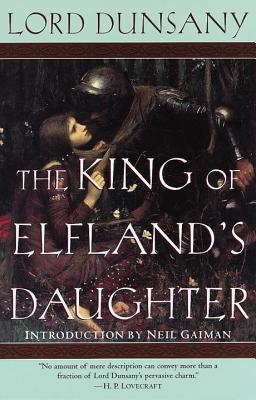
"The King of Elfland's Daughter" tells the tale of an earthly lord who, guided by ancient custom, seeks a bride from the realm of Elfland to rule over his mortal domain. The ensuing marriage between the human prince and the ethereal Lirazel, daughter of Elfland's king, brings a temporary, fragile union of worlds. However, Lirazel's inherent longing for her magical home and the irresistible draw of Elfland eventually lead to a profound separation, forcing the human world to grapple with what it has gained and lost in its brief encounter with the transcendent.
This novel shares a deep affinity with "Phantastes" through its exploration of the permeable boundary between the mundane and the magical. Both books feature protagonists who venture from the familiar into a fantastical, symbolic landscape, undergoing profound personal transformation. They delve into themes of longing, the elusive nature of beauty, and the subtle interplay of spirit and reality, often presented through evocative, dreamlike prose and allegorical undertones.
The enduring appeal of "The King of Elfland's Daughter" lies in its lyrical prose and its profound meditation on the human desire for something beyond the ordinary. It offers a rich tapestry of myth and imagination, challenging perceptions of reality and inviting contemplation on the nature of otherness and belonging. Its timeless beauty and philosophical depth will resonate strongly with those who appreciate literature that transcends simple narrative to explore the deeper currents of the soul.
The King of Elfland's Daughter
"The King of Elfland's Daughter" tells the tale of an earthly lord who, guided by ancient custom, seeks a bride from the realm of Elfland to rule over his mortal domain. The ensuing marriage between the human prince and the ethereal Lirazel, daughter of Elfland's king, brings a temporary, fragile union of worlds. However, Lirazel's inherent longing for her magical home and the irresistible draw of Elfland eventually lead to a profound separation, forcing the human world to grapple with what it has gained and lost in its brief encounter with the transcendent.
This novel shares a deep affinity with "Phantastes" through its exploration of the permeable boundary between the mundane and the magical. Both books feature protagonists who venture from the familiar into a fantastical, symbolic landscape, undergoing profound personal transformation. They delve into themes of longing, the elusive nature of beauty, and the subtle interplay of spirit and reality, often presented through evocative, dreamlike prose and allegorical undertones.
The enduring appeal of "The King of Elfland's Daughter" lies in its lyrical prose and its profound meditation on the human desire for something beyond the ordinary. It offers a rich tapestry of myth and imagination, challenging perceptions of reality and inviting contemplation on the nature of otherness and belonging. Its timeless beauty and philosophical depth will resonate strongly with those who appreciate literature that transcends simple narrative to explore the deeper currents of the soul.
The Sandman: The Dream Hunters

"The Sandman: The Dream Hunters" tells the poignant tale of a fox spirit and a Buddhist monk who fall unexpectedly in love. When a malevolent celestial plot necessitates the monk's demise, the fox spirit embarks on a desperate quest to save him by enlisting the aid of the King of Dreams, Morpheus. It explores themes of duty, sacrifice, and the blurred lines between myth and reality, all rendered with Gaiman's characteristic lyrical prose and exquisite world-building.
Like "Phantastes," this novella delves into a dream-like, allegorical landscape where the journey of the protagonist is less about physical traversal and more about spiritual and emotional evolution. Both stories feature characters navigating fantastical realms populated by mythical beings, confronting internal demons, and grappling with profound questions of love, loss, and the nature of existence. They share a core sensibility of myth infused with psychological depth.
This book will appeal to those who appreciate stories that blend folklore with philosophical inquiry and feature rich, evocative language. Its narrative, infused with Eastern myth, offers a fresh perspective on timeless themes of devotion and sacrifice. It provides an engaging and beautiful exploration of how love can transcend the boundaries of life and death, leaving a lasting impression on the reader.
The Sandman: The Dream Hunters
"The Sandman: The Dream Hunters" tells the poignant tale of a fox spirit and a Buddhist monk who fall unexpectedly in love. When a malevolent celestial plot necessitates the monk's demise, the fox spirit embarks on a desperate quest to save him by enlisting the aid of the King of Dreams, Morpheus. It explores themes of duty, sacrifice, and the blurred lines between myth and reality, all rendered with Gaiman's characteristic lyrical prose and exquisite world-building.
Like "Phantastes," this novella delves into a dream-like, allegorical landscape where the journey of the protagonist is less about physical traversal and more about spiritual and emotional evolution. Both stories feature characters navigating fantastical realms populated by mythical beings, confronting internal demons, and grappling with profound questions of love, loss, and the nature of existence. They share a core sensibility of myth infused with psychological depth.
This book will appeal to those who appreciate stories that blend folklore with philosophical inquiry and feature rich, evocative language. Its narrative, infused with Eastern myth, offers a fresh perspective on timeless themes of devotion and sacrifice. It provides an engaging and beautiful exploration of how love can transcend the boundaries of life and death, leaving a lasting impression on the reader.
Alec Forbes and His Friend Annie
"Alec Forbes and His Friend Annie" is a bildungsroman that traces the lives of its titular characters from childhood into young adulthood in a Scottish village. It explores their evolving friendship, the challenges of social class, moral development, and the eventual maturation of their individual worldviews amidst personal trials and societal pressures. The narrative delves into themes of ambition, responsibility, and the search for authentic selfhood.
This novel shares a foundational similarity with "Phantastes" in its profound psychological and moral exploration. While "Phantastes" utilizes a dream-like, allegorical structure, "Alec Forbes" achieves a similar depth through realistic character development and a sophisticated examination of inner conflict, spiritual awakening, and the struggle for moral integrity. Both works exemplify MacDonald's characteristic blend of profound spiritual inquiry and insightful psychological portraiture, albeit through different narrative lenses.
This book offers a rich, introspective journey into the complexities of human nature and relationships. Its enduring value lies in its nuanced portrayal of ethical dilemmas, the transformative power of genuine affection, and the pursuit of inner truth. It provides a compelling study of character formation and the timeless challenges faced in navigating one's path towards a meaningful life.
Alec Forbes and His Friend Annie
"Alec Forbes and His Friend Annie" is a bildungsroman that traces the lives of its titular characters from childhood into young adulthood in a Scottish village. It explores their evolving friendship, the challenges of social class, moral development, and the eventual maturation of their individual worldviews amidst personal trials and societal pressures. The narrative delves into themes of ambition, responsibility, and the search for authentic selfhood.
This novel shares a foundational similarity with "Phantastes" in its profound psychological and moral exploration. While "Phantastes" utilizes a dream-like, allegorical structure, "Alec Forbes" achieves a similar depth through realistic character development and a sophisticated examination of inner conflict, spiritual awakening, and the struggle for moral integrity. Both works exemplify MacDonald's characteristic blend of profound spiritual inquiry and insightful psychological portraiture, albeit through different narrative lenses.
This book offers a rich, introspective journey into the complexities of human nature and relationships. Its enduring value lies in its nuanced portrayal of ethical dilemmas, the transformative power of genuine affection, and the pursuit of inner truth. It provides a compelling study of character formation and the timeless challenges faced in navigating one's path towards a meaningful life.
The Laird's Inheritance

"The Laird's Inheritance" chronicles the journey of a young man, Alexander Grant, who returns to his ancestral Scottish estate only to discover a labyrinth of family secrets, ancient prophecies, and the lingering influence of a mysterious, supernatural presence. As he grapples with the weight of his heritage and the enigmatic figures surrounding him, Alexander must confront profound moral dilemmas and navigate a path toward self-discovery and redemption, often venturing into realms both earthly and otherworldly.
This novel shares a foundational kinship with "Phantastes" through its exploration of the symbolic, the allegorical, and the fantastical as vehicles for spiritual and psychological insight. Both works feature protagonists who undertake transformative quests, encountering enigmatic guides and facing internal and external trials that blur the lines between reality and dream. The strong undercurrent of Christian symbolism, the rich, often melancholic atmosphere, and the intricate employment of nature as a reflection of the inner world are also hallmarks present in both narratives.
The book's appeal lies in its rich tapestry of mystery, folklore, and spiritual allegory, offering an engaging narrative that delves into themes of identity, destiny, and the struggle between good and evil. Its finely crafted prose and imaginative scope provide a deeply immersive experience, prompting reflection on the reader's own understanding of truth and the unseen forces at play in existence. It stands as a compelling testament to MacDonald’s unique ability to weave profound theological and philosophical questions into captivating, fantastical tales.
The Laird's Inheritance
"The Laird's Inheritance" chronicles the journey of a young man, Alexander Grant, who returns to his ancestral Scottish estate only to discover a labyrinth of family secrets, ancient prophecies, and the lingering influence of a mysterious, supernatural presence. As he grapples with the weight of his heritage and the enigmatic figures surrounding him, Alexander must confront profound moral dilemmas and navigate a path toward self-discovery and redemption, often venturing into realms both earthly and otherworldly.
This novel shares a foundational kinship with "Phantastes" through its exploration of the symbolic, the allegorical, and the fantastical as vehicles for spiritual and psychological insight. Both works feature protagonists who undertake transformative quests, encountering enigmatic guides and facing internal and external trials that blur the lines between reality and dream. The strong undercurrent of Christian symbolism, the rich, often melancholic atmosphere, and the intricate employment of nature as a reflection of the inner world are also hallmarks present in both narratives.
The book's appeal lies in its rich tapestry of mystery, folklore, and spiritual allegory, offering an engaging narrative that delves into themes of identity, destiny, and the struggle between good and evil. Its finely crafted prose and imaginative scope provide a deeply immersive experience, prompting reflection on the reader's own understanding of truth and the unseen forces at play in existence. It stands as a compelling testament to MacDonald’s unique ability to weave profound theological and philosophical questions into captivating, fantastical tales.
More Books to Explore
Discover more titles that expand on these ideas and themes.
The Wise Woman and Other Stories
Lilith
The Baron's Apprenticeship
The Gray Wolf and Other Stories
The Fisherman's Lady
Sir Gibbie