10 Books Similar to "No More Mr. Nice Guy"
by Robert A. Glover

Not Nice: Stop People Pleasing, Staying Silent, & Feeling Guilty... And Start Speaking Up, Saying No, Asking Boldly, And Unapologetically Being Yourself

"Not Nice" directly addresses the pervasive issue of people-pleasing, offering practical strategies to overcome the fear of disapproval, establish healthy boundaries, and assert one's needs. It guides individuals toward authentic self-expression by encouraging them to challenge societal conditioning that prioritizes external validation over personal well-being, ultimately fostering greater self-respect and confidence.
The similarity to "No More Mr. Nice Guy" lies in their shared focus on dismantling unhealthy behavioral patterns rooted in a desire to avoid conflict or rejection. Both books empower individuals who have historically put others' needs before their own, providing a framework for transforming from an accommodating, often resentful, individual into someone who confidently owns their desires and opinions.
This book will appeal to those who feel trapped by the need to be liked, who struggle with saying no, or who experience guilt when prioritizing their own needs. It provides actionable advice and a clear pathway toward developing a more assertive, fulfilling life, free from the emotional burden of constant people-pleasing.
Not Nice: Stop People Pleasing, Staying Silent, & Feeling Guilty... And Start Speaking Up, Saying No, Asking Boldly, And Unapologetically Being Yourself
"Not Nice" directly addresses the pervasive issue of people-pleasing, offering practical strategies to overcome the fear of disapproval, establish healthy boundaries, and assert one's needs. It guides individuals toward authentic self-expression by encouraging them to challenge societal conditioning that prioritizes external validation over personal well-being, ultimately fostering greater self-respect and confidence.
The similarity to "No More Mr. Nice Guy" lies in their shared focus on dismantling unhealthy behavioral patterns rooted in a desire to avoid conflict or rejection. Both books empower individuals who have historically put others' needs before their own, providing a framework for transforming from an accommodating, often resentful, individual into someone who confidently owns their desires and opinions.
This book will appeal to those who feel trapped by the need to be liked, who struggle with saying no, or who experience guilt when prioritizing their own needs. It provides actionable advice and a clear pathway toward developing a more assertive, fulfilling life, free from the emotional burden of constant people-pleasing.
Manhood

"Manhood" by Steve Biddulph explores the complex journey of becoming a mature, authentic man in contemporary society. It delves into the stages of male development, from boyhood through adolescence and into mature adulthood, offering insights into common challenges, emotional landscapes, and the vital role of mentors and rites of passage. The book advocates for men to connect with their true selves, embrace their emotional depth, and forge meaningful relationships.
This book shares significant thematic overlap with "No More Mr. Nice Guy" by Robert A. Glover, particularly in its critique of societal conditioning that can hinder genuine masculine expression. Both texts challenge men to shed inauthentic behaviors and confront internal struggles that prevent them from living fulfilling, assertive lives. They both champion self-awareness, emotional honesty, and the courageous pursuit of personal integrity over passive conformity.
"Manhood" offers a profound analysis of male identity and development, providing practical wisdom and encouragement for men seeking to understand themselves better and navigate life with greater purpose. Its emphasis on emotional intelligence and healthy self-assertion will resonate deeply with those aiming to cultivate stronger relationships, define their values, and live with conviction. The book’s accessible yet insightful approach offers a valuable roadmap for personal growth.
Manhood
"Manhood" by Steve Biddulph explores the complex journey of becoming a mature, authentic man in contemporary society. It delves into the stages of male development, from boyhood through adolescence and into mature adulthood, offering insights into common challenges, emotional landscapes, and the vital role of mentors and rites of passage. The book advocates for men to connect with their true selves, embrace their emotional depth, and forge meaningful relationships.
This book shares significant thematic overlap with "No More Mr. Nice Guy" by Robert A. Glover, particularly in its critique of societal conditioning that can hinder genuine masculine expression. Both texts challenge men to shed inauthentic behaviors and confront internal struggles that prevent them from living fulfilling, assertive lives. They both champion self-awareness, emotional honesty, and the courageous pursuit of personal integrity over passive conformity.
"Manhood" offers a profound analysis of male identity and development, providing practical wisdom and encouragement for men seeking to understand themselves better and navigate life with greater purpose. Its emphasis on emotional intelligence and healthy self-assertion will resonate deeply with those aiming to cultivate stronger relationships, define their values, and live with conviction. The book’s accessible yet insightful approach offers a valuable roadmap for personal growth.
Models: Attract Women Through Honesty
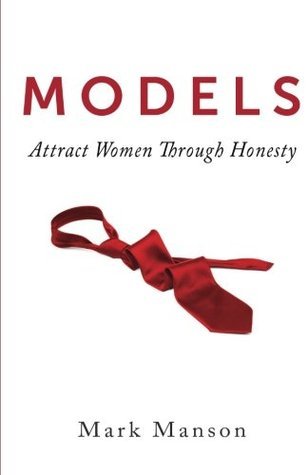
"Models: Attract Women Through Honesty" by Mark Manson advocates for authentic self-expression and emotional honesty as the most effective path to attracting women. It challenges traditional pick-up artistry tactics, instead emphasizing the development of genuine self-worth, emotional intelligence, and vulnerability as foundational elements for forming meaningful connections. The book guides men to shed facades and embrace their true selves, including their flaws, to foster deeper, more resonant relationships.
This book shares significant thematic overlap with "No More Mr. Nice Guy." Both works fundamentally address the pitfalls of inauthenticity and people-pleasing behaviors in men's interactions, particularly with women. While Glover dissects the "Nice Guy Syndrome" and its origins in approval-seeking, Manson offers a complementary solution: that genuine attraction stems from an individual's comfort with their authentic self, rather than trying to be what they *think* others want. Both push readers towards internal validation and self-acceptance as the bedrock of success in relationships.
Individuals seeking to cultivate genuine connections and overcome patterns of insecurity or inauthenticity will find this book particularly valuable. Its practical advice on emotional honesty, vulnerability, and developing a strong sense of self provides a clear roadmap for forming more fulfilling relationships. It speaks directly to the desire for authentic interaction and offers a refreshing perspective on attraction that prioritizes personal integrity over superficial techniques.
Models: Attract Women Through Honesty
"Models: Attract Women Through Honesty" by Mark Manson advocates for authentic self-expression and emotional honesty as the most effective path to attracting women. It challenges traditional pick-up artistry tactics, instead emphasizing the development of genuine self-worth, emotional intelligence, and vulnerability as foundational elements for forming meaningful connections. The book guides men to shed facades and embrace their true selves, including their flaws, to foster deeper, more resonant relationships.
This book shares significant thematic overlap with "No More Mr. Nice Guy." Both works fundamentally address the pitfalls of inauthenticity and people-pleasing behaviors in men's interactions, particularly with women. While Glover dissects the "Nice Guy Syndrome" and its origins in approval-seeking, Manson offers a complementary solution: that genuine attraction stems from an individual's comfort with their authentic self, rather than trying to be what they *think* others want. Both push readers towards internal validation and self-acceptance as the bedrock of success in relationships.
Individuals seeking to cultivate genuine connections and overcome patterns of insecurity or inauthenticity will find this book particularly valuable. Its practical advice on emotional honesty, vulnerability, and developing a strong sense of self provides a clear roadmap for forming more fulfilling relationships. It speaks directly to the desire for authentic interaction and offers a refreshing perspective on attraction that prioritizes personal integrity over superficial techniques.
Act Like a Lady, Think Like a Man: What Men Really Think About Love, Relationships, Intimacy, and Commitment

*Act Like a Lady, Think Like a Man* offers a direct, often blunt, male perspective on relationships. Steve Harvey advises women to understand fundamental male thought processes regarding commitment, love, and intimacy. He breaks down common male behaviors and motivations, encouraging women to align their actions with their relationship goals by understanding the male "playbook." The book emphasizes setting clear boundaries and expectations rather than passively waiting for a man to define the relationship.
This book shares thematic commonalities with *No More Mr. Nice Guy* in its focus on self-empowerment through understanding and addressing behavioral patterns. Both books encourage individuals to break free from unfulfilling relationship dynamics by taking an active role in shaping their own experiences, even if the target audience and specific advice differ. They both advocate for authenticity and clear communication over self-sacrificing or passive approaches.
This book will appeal to those seeking actionable insights into male relationship psychology. Its direct, no-nonsense approach provides a framework for understanding and navigating common dating and relationship challenges. Women will value its clear guidance on spotting red flags, defining expectations, and achieving their desired relationship outcomes based on a perceived understanding of how men truly think.
Act Like a Lady, Think Like a Man: What Men Really Think About Love, Relationships, Intimacy, and Commitment
*Act Like a Lady, Think Like a Man* offers a direct, often blunt, male perspective on relationships. Steve Harvey advises women to understand fundamental male thought processes regarding commitment, love, and intimacy. He breaks down common male behaviors and motivations, encouraging women to align their actions with their relationship goals by understanding the male "playbook." The book emphasizes setting clear boundaries and expectations rather than passively waiting for a man to define the relationship.
This book shares thematic commonalities with *No More Mr. Nice Guy* in its focus on self-empowerment through understanding and addressing behavioral patterns. Both books encourage individuals to break free from unfulfilling relationship dynamics by taking an active role in shaping their own experiences, even if the target audience and specific advice differ. They both advocate for authenticity and clear communication over self-sacrificing or passive approaches.
This book will appeal to those seeking actionable insights into male relationship psychology. Its direct, no-nonsense approach provides a framework for understanding and navigating common dating and relationship challenges. Women will value its clear guidance on spotting red flags, defining expectations, and achieving their desired relationship outcomes based on a perceived understanding of how men truly think.
He's Just Not That Into You: The No-Excuses Truth to Understanding Guys

"He's Just Not That Into You" directly confronts common dating misconceptions, offering women an unfiltered perspective on male behavior. It challenges the tendency to overanalyze signals or rationalize a man's disinterest, instead providing clear, actionable insights into what genuine romantic pursuit looks like. The book empowers its audience by fostering a pragmatic approach to relationships, encouraging a focus on those who reciprocate effort rather than pursuing those who offer mixed messages.
This book shares thematic similarities with "No More Mr. Nice Guy" by dismantling self-deceiving narratives and promoting self-respect in interactions. Just as Glover urges men to shed the "Nice Guy" persona to achieve healthier relationships, Behrendt encourages women to acknowledge overt signs of disinterest, thereby avoiding unproductive relationship dynamics and taking control of their romantic lives. Both books advocate for directness, authenticity, and valuing one's own needs and boundaries.
This book will appeal to those seeking clarity and empowerment in their dating lives. It provides a refreshing, no-nonsense antidote to overly complex romantic advice, helping individuals move past frustrating scenarios and recognize fundamental truths about attraction and commitment. Its direct approach offers immediate practical value, enabling a more discerning and confident approach to forming meaningful connections.
He's Just Not That Into You: The No-Excuses Truth to Understanding Guys
"He's Just Not That Into You" directly confronts common dating misconceptions, offering women an unfiltered perspective on male behavior. It challenges the tendency to overanalyze signals or rationalize a man's disinterest, instead providing clear, actionable insights into what genuine romantic pursuit looks like. The book empowers its audience by fostering a pragmatic approach to relationships, encouraging a focus on those who reciprocate effort rather than pursuing those who offer mixed messages.
This book shares thematic similarities with "No More Mr. Nice Guy" by dismantling self-deceiving narratives and promoting self-respect in interactions. Just as Glover urges men to shed the "Nice Guy" persona to achieve healthier relationships, Behrendt encourages women to acknowledge overt signs of disinterest, thereby avoiding unproductive relationship dynamics and taking control of their romantic lives. Both books advocate for directness, authenticity, and valuing one's own needs and boundaries.
This book will appeal to those seeking clarity and empowerment in their dating lives. It provides a refreshing, no-nonsense antidote to overly complex romantic advice, helping individuals move past frustrating scenarios and recognize fundamental truths about attraction and commitment. Its direct approach offers immediate practical value, enabling a more discerning and confident approach to forming meaningful connections.
Nice Girls Don't Get the Corner Office: 101 Unconscious Mistakes Women Make That Sabotage Their Careers

"Nice Girls Don't Get the Corner Office" dissects the unconscious behaviors women often exhibit that inadvertently hinder their career progression. It systematically identifies 101 such mistakes across various categories like communication, self-promotion, and professional conduct, offering practical strategies to overcome them and assertively navigate the workplace.
The book resonates with "No More Mr. Nice Guy" by identifying ingrained, often well-intentioned, behaviors that ultimately limit personal and professional success. Both books expose how prioritizing others' comfort or approval over one's own needs or clear boundaries leads to being overlooked, undervalued, and stuck in a subordinate role, whether in relationships or careers.
This book offers invaluable insights for professional women seeking to understand and dismantle self-sabotaging patterns. It provides a concrete framework for assessing one's own actions and implementing actionable changes to foster a more assertive, visible, and ultimately successful career trajectory. It empowers individuals to take control of their professional narrative.
Nice Girls Don't Get the Corner Office: 101 Unconscious Mistakes Women Make That Sabotage Their Careers
"Nice Girls Don't Get the Corner Office" dissects the unconscious behaviors women often exhibit that inadvertently hinder their career progression. It systematically identifies 101 such mistakes across various categories like communication, self-promotion, and professional conduct, offering practical strategies to overcome them and assertively navigate the workplace.
The book resonates with "No More Mr. Nice Guy" by identifying ingrained, often well-intentioned, behaviors that ultimately limit personal and professional success. Both books expose how prioritizing others' comfort or approval over one's own needs or clear boundaries leads to being overlooked, undervalued, and stuck in a subordinate role, whether in relationships or careers.
This book offers invaluable insights for professional women seeking to understand and dismantle self-sabotaging patterns. It provides a concrete framework for assessing one's own actions and implementing actionable changes to foster a more assertive, visible, and ultimately successful career trajectory. It empowers individuals to take control of their professional narrative.
Why Men Love Bitches: From Doormat to Dreamgirl―A Woman's Guide to Holding Her Own in a Relationship

"Why Men Love Bitches" offers women a transformative guide to relationships, encouraging them to prioritize self-respect, assertiveness, and independence. It critiques the "doormat" persona, suggesting that women who are overly accommodating or submissive often struggle to earn genuine respect and lasting commitment. Instead, the book advocates for women to cultivate confidence, maintain boundaries, and embrace their authentic selves to attract and retain partners who truly value them.
This book shares significant thematic overlap with "No More Mr. Nice Guy." Both address the pitfalls of excessive people-pleasing and self-sacrifice in relationships. While Glover focuses on men's tendency to avoid conflict and prioritize others' needs over their own, Argov similarly critiques women's patterns of over-giving and neglecting their personal desires, in both cases suggesting these behaviors ultimately lead to resentment and dissatisfaction. Both books champion self-assertion as a path to more fulfilling connections.
This book will likely appeal to individuals seeking to break free from unfulfilling relationship dynamics. It provides actionable advice for building self-esteem, setting healthy boundaries, and fostering mutually respectful partnerships. The direct language and practical strategies empower individuals to redefine their approach to dating and relationships, moving away from behaviors that diminish their value and towards those that cultivate appreciation and genuine connection.
Why Men Love Bitches: From Doormat to Dreamgirl―A Woman's Guide to Holding Her Own in a Relationship
"Why Men Love Bitches" offers women a transformative guide to relationships, encouraging them to prioritize self-respect, assertiveness, and independence. It critiques the "doormat" persona, suggesting that women who are overly accommodating or submissive often struggle to earn genuine respect and lasting commitment. Instead, the book advocates for women to cultivate confidence, maintain boundaries, and embrace their authentic selves to attract and retain partners who truly value them.
This book shares significant thematic overlap with "No More Mr. Nice Guy." Both address the pitfalls of excessive people-pleasing and self-sacrifice in relationships. While Glover focuses on men's tendency to avoid conflict and prioritize others' needs over their own, Argov similarly critiques women's patterns of over-giving and neglecting their personal desires, in both cases suggesting these behaviors ultimately lead to resentment and dissatisfaction. Both books champion self-assertion as a path to more fulfilling connections.
This book will likely appeal to individuals seeking to break free from unfulfilling relationship dynamics. It provides actionable advice for building self-esteem, setting healthy boundaries, and fostering mutually respectful partnerships. The direct language and practical strategies empower individuals to redefine their approach to dating and relationships, moving away from behaviors that diminish their value and towards those that cultivate appreciation and genuine connection.
Codependent No More: How to Stop Controlling Others and Start Caring for Yourself
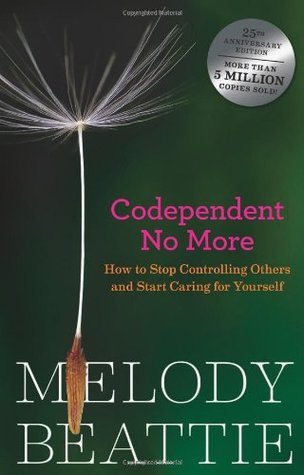
"Codependent No More" delves into the pervasive pattern of codependency, where individuals prioritize the needs and feelings of others to the detriment of their own well-being and identity. It offers practical strategies for breaking free from this cycle, fostering self-care, establishing healthy boundaries, and cultivating authentic relationships. The book guides individuals toward reclaiming their personal power and emotional autonomy.
This book resonates strongly with "No More Mr. Nice Guy" because both address the core issue of people-pleasing and the resultant erosion of self. While Glover focuses on men who seek external validation and avoid conflict, Beattie tackles a broader spectrum of individuals who lose themselves in "fixing" or rescuing others. Both authors advocate for self-assertion, genuine connection, and prioritizing personal needs over unhealthy martyrdom.
This title offers immense value by empowering individuals to identify and dismantle codependent behaviors. Its guidance helps foster healthier relationships, reduce anxiety stemming from excessive responsibility for others, and ultimately lead to a more balanced and fulfilling life. It's an essential resource for anyone struggling to define themselves outside of their relationships with others.
Codependent No More: How to Stop Controlling Others and Start Caring for Yourself
"Codependent No More" delves into the pervasive pattern of codependency, where individuals prioritize the needs and feelings of others to the detriment of their own well-being and identity. It offers practical strategies for breaking free from this cycle, fostering self-care, establishing healthy boundaries, and cultivating authentic relationships. The book guides individuals toward reclaiming their personal power and emotional autonomy.
This book resonates strongly with "No More Mr. Nice Guy" because both address the core issue of people-pleasing and the resultant erosion of self. While Glover focuses on men who seek external validation and avoid conflict, Beattie tackles a broader spectrum of individuals who lose themselves in "fixing" or rescuing others. Both authors advocate for self-assertion, genuine connection, and prioritizing personal needs over unhealthy martyrdom.
This title offers immense value by empowering individuals to identify and dismantle codependent behaviors. Its guidance helps foster healthier relationships, reduce anxiety stemming from excessive responsibility for others, and ultimately lead to a more balanced and fulfilling life. It's an essential resource for anyone struggling to define themselves outside of their relationships with others.
Why Men Marry Bitches: A Woman's Guide to Winning Her Man's Heart

"Why Men Marry Bitches" unpacks the dynamics of relationships from a woman's perspective, advocating for self-respect, independence, and boundaries. It posits that women who are assertive, confident, and prioritize their own needs are ultimately more attractive and successful in securing committed relationships, contrasting with the "doormat" stereotype. The book encourages women to identify and challenge behaviors that stem from insecurity or a desire to be overly accommodating, promoting inner strength as the key to a fulfilling partnership.
This book mirrors "No More Mr. Nice Guy" in its core message: that prioritizing others' approval over one's own well-being is a self-defeating strategy in relationships. Both books challenge ingrained societal expectations and personal insecurities that lead individuals to adopt submissive or overly accommodating behaviors. They advocate for authenticity, assertiveness, and setting healthy boundaries as foundational to genuine connection and self-respect, albeit from different gendered perspectives.
The value lies in its actionable advice for women who feel undervalued or struggle with self-assertion in relationships. It offers a paradigm shift, encouraging a proactive approach to dating and partnership where self-respect is paramount. The guidance empowers women to cultivate confidence and demand the respect they deserve, fostering healthier, more equitable connections.
Why Men Marry Bitches: A Woman's Guide to Winning Her Man's Heart
"Why Men Marry Bitches" unpacks the dynamics of relationships from a woman's perspective, advocating for self-respect, independence, and boundaries. It posits that women who are assertive, confident, and prioritize their own needs are ultimately more attractive and successful in securing committed relationships, contrasting with the "doormat" stereotype. The book encourages women to identify and challenge behaviors that stem from insecurity or a desire to be overly accommodating, promoting inner strength as the key to a fulfilling partnership.
This book mirrors "No More Mr. Nice Guy" in its core message: that prioritizing others' approval over one's own well-being is a self-defeating strategy in relationships. Both books challenge ingrained societal expectations and personal insecurities that lead individuals to adopt submissive or overly accommodating behaviors. They advocate for authenticity, assertiveness, and setting healthy boundaries as foundational to genuine connection and self-respect, albeit from different gendered perspectives.
The value lies in its actionable advice for women who feel undervalued or struggle with self-assertion in relationships. It offers a paradigm shift, encouraging a proactive approach to dating and partnership where self-respect is paramount. The guidance empowers women to cultivate confidence and demand the respect they deserve, fostering healthier, more equitable connections.
Girls Gone Mild: Young Women Reclaim Self-Respect and Find It's Not Bad to Be Good

"Girls Gone Mild" explores how young women are increasingly challenging the societal pressure to be provocative or rebellious. It advocates for a return to values like modesty, respect, and emotional integrity, suggesting that authentic self-worth isn't found in attention-seeking behaviors but in cultivating inner strength and character. The book features anecdotal evidence and cultural analysis to support its premise that "being good" offers a more fulfilling path.
This book mirrors "No More Mr. Nice Guy" in its core message: both address the pitfalls of living inauthentically to gain approval. While Glover focuses on men sacrificing their true selves to avoid conflict, Shalit examines women who feel compelled to be "edgy" or sexually liberated to fit in or feel valued. Both authors ultimately champion the importance of self-respect, setting boundaries, and embracing one's true identity, even if it goes against prevailing social norms.
This perspective offers tremendous value by empowering young women to define their self-worth internally, rather than through external validation. It provides a refreshing counter-narrative to pervasive cultural messages, encouraging a thoughtful exploration of personal values and the courage to live by them. For anyone disillusioned by the pressures of modern femininity, this book offers a pathway to genuine self-acceptance and a more principled approach to life.
Girls Gone Mild: Young Women Reclaim Self-Respect and Find It's Not Bad to Be Good
"Girls Gone Mild" explores how young women are increasingly challenging the societal pressure to be provocative or rebellious. It advocates for a return to values like modesty, respect, and emotional integrity, suggesting that authentic self-worth isn't found in attention-seeking behaviors but in cultivating inner strength and character. The book features anecdotal evidence and cultural analysis to support its premise that "being good" offers a more fulfilling path.
This book mirrors "No More Mr. Nice Guy" in its core message: both address the pitfalls of living inauthentically to gain approval. While Glover focuses on men sacrificing their true selves to avoid conflict, Shalit examines women who feel compelled to be "edgy" or sexually liberated to fit in or feel valued. Both authors ultimately champion the importance of self-respect, setting boundaries, and embracing one's true identity, even if it goes against prevailing social norms.
This perspective offers tremendous value by empowering young women to define their self-worth internally, rather than through external validation. It provides a refreshing counter-narrative to pervasive cultural messages, encouraging a thoughtful exploration of personal values and the courage to live by them. For anyone disillusioned by the pressures of modern femininity, this book offers a pathway to genuine self-acceptance and a more principled approach to life.
More Books to Explore
Discover more titles that expand on these ideas and themes.
Not Nice: Stop People Pleasing, Staying Silent, & Feeling Guilty... And Start Speaking Up, Saying No, Asking Boldly, And Unapologetically Being Yourself
Manhood
Models: Attract Women Through Honesty
Act Like a Lady, Think Like a Man: What Men Really Think About Love, Relationships, Intimacy, and Commitment
He's Just Not That Into You: The No-Excuses Truth to Understanding Guys
Nice Girls Don't Get the Corner Office: 101 Unconscious Mistakes Women Make That Sabotage Their Careers