10 Books Similar to "No Man Is an Island"
by Thomas Merton

New Seeds of Contemplation

"New Seeds of Contemplation" is a profound exploration of the interior life, delving into the nature of God, the human soul, prayer, and the search for authentic selfhood. Merton uses accessible language to dissect complex spiritual concepts, encouraging introspection and a deeper understanding of one's place in the universe. It’s essentially a guide to cultivating a contemplative mindset in daily life.
This work shares a deep kinship with "No Man Is an Island" by expanding upon similar core themes. Both books emphasize the essential journey inward, the interconnectedness of humanity, and the paramount importance of spiritual solitude and self-discovery as prerequisites for genuine connection with others and with the divine. They are companions in Merton's ongoing articulation of Christian mysticism.
This book offers a rich tapestry of insights for individuals seeking spiritual depth and personal growth. Its timeless wisdom provides guidance on navigating modern life with a sense of purpose and inner peace, encouraging a more thoughtful and meaningful engagement with existence. The reflective nature of the prose invites a personal transformation, making it a valuable resource for anyone on a spiritual quest.
New Seeds of Contemplation
"New Seeds of Contemplation" is a profound exploration of the interior life, delving into the nature of God, the human soul, prayer, and the search for authentic selfhood. Merton uses accessible language to dissect complex spiritual concepts, encouraging introspection and a deeper understanding of one's place in the universe. It’s essentially a guide to cultivating a contemplative mindset in daily life.
This work shares a deep kinship with "No Man Is an Island" by expanding upon similar core themes. Both books emphasize the essential journey inward, the interconnectedness of humanity, and the paramount importance of spiritual solitude and self-discovery as prerequisites for genuine connection with others and with the divine. They are companions in Merton's ongoing articulation of Christian mysticism.
This book offers a rich tapestry of insights for individuals seeking spiritual depth and personal growth. Its timeless wisdom provides guidance on navigating modern life with a sense of purpose and inner peace, encouraging a more thoughtful and meaningful engagement with existence. The reflective nature of the prose invites a personal transformation, making it a valuable resource for anyone on a spiritual quest.
The Seven Storey Mountain

"The Seven Storey Mountain" is Thomas Merton’s acclaimed autobiography, chronicling his turbulent journey from a secular, intellectual youth to becoming a Trappist monk. It details his search for meaning amidst bohemian Paris, wartime New York, and ultimately, his profound conversion to Catholicism and entry into monastic life, exploring his spiritual struggles and epiphanies with striking candor.
This autobiography resonates deeply with "No Man Is an Island" because both works explore the fundamental human need for spiritual truth and inner coherence as antidotes to modern alienation. Both texts grapple with the interplay between individual spiritual struggle and the broader human condition, emphasizing solitude as a path to connection with the divine and with others. They share Merton's distinctive voice, marked by intellectual rigor and profound spiritual insight.
This exploration of a quintessential spiritual quest offers profound insights into faith, self-discovery, and the contemplative life. It provides a compelling narrative of transformation that encourages introspection and a deeper understanding of one's own spiritual inclinations, regardless of one's background. Its enduring power lies in its honest portrayal of universal human longings and the courage to pursue them.
The Seven Storey Mountain
"The Seven Storey Mountain" is Thomas Merton’s acclaimed autobiography, chronicling his turbulent journey from a secular, intellectual youth to becoming a Trappist monk. It details his search for meaning amidst bohemian Paris, wartime New York, and ultimately, his profound conversion to Catholicism and entry into monastic life, exploring his spiritual struggles and epiphanies with striking candor.
This autobiography resonates deeply with "No Man Is an Island" because both works explore the fundamental human need for spiritual truth and inner coherence as antidotes to modern alienation. Both texts grapple with the interplay between individual spiritual struggle and the broader human condition, emphasizing solitude as a path to connection with the divine and with others. They share Merton's distinctive voice, marked by intellectual rigor and profound spiritual insight.
This exploration of a quintessential spiritual quest offers profound insights into faith, self-discovery, and the contemplative life. It provides a compelling narrative of transformation that encourages introspection and a deeper understanding of one's own spiritual inclinations, regardless of one's background. Its enduring power lies in its honest portrayal of universal human longings and the courage to pursue them.
The Intimate Merton: His Life from His Journals

"The Intimate Merton: His Life from His Journals" offers a deeply personal and unvarnished look at the life and spiritual journey of Thomas Merton, drawn directly from his extensive private journals. It presents his internal struggles, intellectual explorations, relationships, and evolving understanding of faith and contemporary society, unfiltered by retrospective narrative. This collection reveals the human being behind the celebrated spiritual writer.
Both "No Man Is an Island" and "*The Intimate Merton*" delve into the interior landscape of human existence and the pursuit of spiritual truth. While "No Man Is an Island" offers polished essays contemplating themes of self, community, and divinity, the journals provide the raw, chronological development of those very insights. They share Merton's profound introspection and his persistent wrestling with the challenges of spiritual life in the modern world.
This book will appeal to those seeking a more profound understanding of Merton's personal evolution and the complexities that shaped his thought. It provides invaluable context for his published works, illustrating the lived experience that informed his philosophies and theological insights. It is a compelling testament to the human search for meaning, offering both solace and intellectual stimulation through the lens of one of the 20th century's most significant spiritual figures.
The Intimate Merton: His Life from His Journals
"The Intimate Merton: His Life from His Journals" offers a deeply personal and unvarnished look at the life and spiritual journey of Thomas Merton, drawn directly from his extensive private journals. It presents his internal struggles, intellectual explorations, relationships, and evolving understanding of faith and contemporary society, unfiltered by retrospective narrative. This collection reveals the human being behind the celebrated spiritual writer.
Both "No Man Is an Island" and "*The Intimate Merton*" delve into the interior landscape of human existence and the pursuit of spiritual truth. While "No Man Is an Island" offers polished essays contemplating themes of self, community, and divinity, the journals provide the raw, chronological development of those very insights. They share Merton's profound introspection and his persistent wrestling with the challenges of spiritual life in the modern world.
This book will appeal to those seeking a more profound understanding of Merton's personal evolution and the complexities that shaped his thought. It provides invaluable context for his published works, illustrating the lived experience that informed his philosophies and theological insights. It is a compelling testament to the human search for meaning, offering both solace and intellectual stimulation through the lens of one of the 20th century's most significant spiritual figures.
Man's Search for Himself

Rollo May's "Man's Search for Himself" explores the human struggle for identity, meaning, and connection in a world often characterized by anxiety and alienation. It delves into the psychological roots of modern malaise, offering insights into how individuals can overcome feelings of emptiness and find genuine selfhood by confronting their fears and embracing their freedom and responsibility. May emphasizes the importance of personal authenticity over conformity.
This book shares thematic DNA with Merton's "No Man Is an Island" through their mutual exploration of the individual's inner life and quest for wholeness. Both authors emphasize the necessity of self-awareness and integrity as foundations for a meaningful existence, though May's approach is rooted in existential psychology while Merton draws from a more spiritual tradition. Both ultimately converge on the idea that true self-discovery requires a profound engagement with one's interior landscape.
This work appeals to anyone grappling with questions of purpose, identity, and the challenges of modern living. It offers a powerful framework for understanding personal struggles and encourages a proactive approach to cultivating a more integrated and fulfilling life. Its enduring insights into anxiety, freedom, and the search for meaning remain profoundly relevant.
Man's Search for Himself
Rollo May's "Man's Search for Himself" explores the human struggle for identity, meaning, and connection in a world often characterized by anxiety and alienation. It delves into the psychological roots of modern malaise, offering insights into how individuals can overcome feelings of emptiness and find genuine selfhood by confronting their fears and embracing their freedom and responsibility. May emphasizes the importance of personal authenticity over conformity.
This book shares thematic DNA with Merton's "No Man Is an Island" through their mutual exploration of the individual's inner life and quest for wholeness. Both authors emphasize the necessity of self-awareness and integrity as foundations for a meaningful existence, though May's approach is rooted in existential psychology while Merton draws from a more spiritual tradition. Both ultimately converge on the idea that true self-discovery requires a profound engagement with one's interior landscape.
This work appeals to anyone grappling with questions of purpose, identity, and the challenges of modern living. It offers a powerful framework for understanding personal struggles and encourages a proactive approach to cultivating a more integrated and fulfilling life. Its enduring insights into anxiety, freedom, and the search for meaning remain profoundly relevant.
Reaching Out: The Three Movements of the Spiritual Life

"Reaching Out" by Henri Nouwen explores the spiritual journey as a dynamic process involving three interconnected movements: from loneliness to solitude, from hostility to hospitality, and from illusion to prayer. Nouwen posits that these shifts are essential for authentic human connection and a deeper relationship with the divine. He offers a profound yet accessible roadmap for inner transformation.
This book resonates with "No Man Is an Island" through its exploration of the individual's inner world as intrinsically linked to their external relationships and spiritual growth. Both authors delve into the nature of solitude, the challenges of self-discovery, and the profound impact of intentional spiritual practice on human flourishing, emphasizing that true connection begins from within.
The work's appeal lies in its compassionate guidance for navigating the complexities of modern life while fostering a rich inner life. It offers practical wisdom for cultivating genuine presence, empathy, and spiritual depth, providing a comforting and challenging perspective on how to live more fully and meaningfully in a often disconnected world.
Reaching Out: The Three Movements of the Spiritual Life
"Reaching Out" by Henri Nouwen explores the spiritual journey as a dynamic process involving three interconnected movements: from loneliness to solitude, from hostility to hospitality, and from illusion to prayer. Nouwen posits that these shifts are essential for authentic human connection and a deeper relationship with the divine. He offers a profound yet accessible roadmap for inner transformation.
This book resonates with "No Man Is an Island" through its exploration of the individual's inner world as intrinsically linked to their external relationships and spiritual growth. Both authors delve into the nature of solitude, the challenges of self-discovery, and the profound impact of intentional spiritual practice on human flourishing, emphasizing that true connection begins from within.
The work's appeal lies in its compassionate guidance for navigating the complexities of modern life while fostering a rich inner life. It offers practical wisdom for cultivating genuine presence, empathy, and spiritual depth, providing a comforting and challenging perspective on how to live more fully and meaningfully in a often disconnected world.
Man Is Not Alone: A Philosophy of Religion
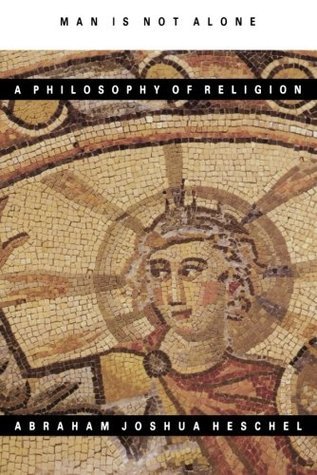
Abraham Joshua Heschel’s "Man Is Not Alone" grapples with the fundamental human experience of the divine. It explores the nature of religious belief, the role of awe and wonder in spiritual life, and how an encounter with God shapes human existence and our perception of reality. Heschel argues against a purely intellectual or ceremonial understanding of religion, emphasizing instead a deep, personal engagement with the sacred.
This work resonates with Merton's "No Man Is an Island" through their shared pursuit of understanding the individual's spiritual journey and their place within a larger, divine context. Both authors, from different spiritual traditions, underscore the interconnectedness of humanity and the profound impact of the transcendent on daily life, challenging self-sufficiency in favor of a deeper, more meaningful existence.
The book offers a profound intellectual and spiritual exploration, prompting introspection on one's own faith, purpose, and relationship with the divine. Its eloquent prose and profound insights provide a rich framework for understanding the perennial human quest for meaning, making it an invaluable resource for anyone seeking a deeper comprehension of religious experience and personal spirituality.
Man Is Not Alone: A Philosophy of Religion
Abraham Joshua Heschel’s "Man Is Not Alone" grapples with the fundamental human experience of the divine. It explores the nature of religious belief, the role of awe and wonder in spiritual life, and how an encounter with God shapes human existence and our perception of reality. Heschel argues against a purely intellectual or ceremonial understanding of religion, emphasizing instead a deep, personal engagement with the sacred.
This work resonates with Merton's "No Man Is an Island" through their shared pursuit of understanding the individual's spiritual journey and their place within a larger, divine context. Both authors, from different spiritual traditions, underscore the interconnectedness of humanity and the profound impact of the transcendent on daily life, challenging self-sufficiency in favor of a deeper, more meaningful existence.
The book offers a profound intellectual and spiritual exploration, prompting introspection on one's own faith, purpose, and relationship with the divine. Its eloquent prose and profound insights provide a rich framework for understanding the perennial human quest for meaning, making it an invaluable resource for anyone seeking a deeper comprehension of religious experience and personal spirituality.
Freedom from the Known

"Freedom from the Known" urges a direct, unmediated exploration of one's inner world, challenging the ingrained patterns of thought, belief, and conditioning that shape our perceptions. Krishnamurti argues that true liberation comes from observing these structures without judgment or comparison, leading to an authentic understanding of reality, unburdened by past knowledge or future aspirations.
This resonance with "No Man Is an Island" lies in their shared emphasis on self-discovery and the fundamental importance of inner transformation. Both Merton and Krishnamurti advocate for a profound journey inward, away from external distractions and societal pressures, to uncover a more authentic self. Merton’s contemplative reflections on solitude and spiritual growth find a secular parallel in Krishnamurti's call for radical self-inquiry as the path to freedom.
The book offers a potent call to self-awareness for those seeking to understand the root of dissatisfaction and the path to genuine peace. It provides a framework for critical self-reflection, encouraging a personal awakening from the limitations of conventional thinking and inherited ways of being.
Freedom from the Known
"Freedom from the Known" urges a direct, unmediated exploration of one's inner world, challenging the ingrained patterns of thought, belief, and conditioning that shape our perceptions. Krishnamurti argues that true liberation comes from observing these structures without judgment or comparison, leading to an authentic understanding of reality, unburdened by past knowledge or future aspirations.
This resonance with "No Man Is an Island" lies in their shared emphasis on self-discovery and the fundamental importance of inner transformation. Both Merton and Krishnamurti advocate for a profound journey inward, away from external distractions and societal pressures, to uncover a more authentic self. Merton’s contemplative reflections on solitude and spiritual growth find a secular parallel in Krishnamurti's call for radical self-inquiry as the path to freedom.
The book offers a potent call to self-awareness for those seeking to understand the root of dissatisfaction and the path to genuine peace. It provides a framework for critical self-reflection, encouraging a personal awakening from the limitations of conventional thinking and inherited ways of being.
The Phenomenon of Man
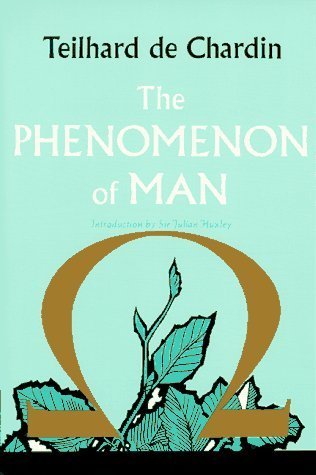
"The Phenomenon of Man" by Pierre Teilhard de Chardin presents a sweeping, holistic vision of evolution, not just as a biological process, but as a spiritual ascent. Teilhard, a Jesuit paleontologist, argues that evolution is teleological, moving towards increasing complexity and consciousness, ultimately converging into a "Point Omega" – a transcendent divine center drawing all creation towards itself. It's a grand narrative that fuses scientific understanding with theological speculation.
The similarity to Merton's "No Man Is an Island" lies in their shared exploration of humanity's inherent interconnectedness and profound spiritual destiny. While Merton focuses on the interior life and social responsibility within a Christian contemplative framework, Teilhard offers a cosmic, evolutionary lens through which to understand this interconnectedness. Both authors emphasize that individual existence is not isolated but part of a larger, meaningful whole, destined for a higher state of being or communion.
This book will appeal to those who seek to reconcile scientific understanding with spiritual belief, offering a profound perspective on the place of humanity in the universe. It provides an intellectual framework for synthesizing seemingly disparate fields of knowledge, fostering a deeper appreciation for the unity of creation and the potential for collective spiritual advancement. Its ambitious scope encourages a re-evaluation of personal and cosmic purpose.
The Phenomenon of Man
"The Phenomenon of Man" by Pierre Teilhard de Chardin presents a sweeping, holistic vision of evolution, not just as a biological process, but as a spiritual ascent. Teilhard, a Jesuit paleontologist, argues that evolution is teleological, moving towards increasing complexity and consciousness, ultimately converging into a "Point Omega" – a transcendent divine center drawing all creation towards itself. It's a grand narrative that fuses scientific understanding with theological speculation.
The similarity to Merton's "No Man Is an Island" lies in their shared exploration of humanity's inherent interconnectedness and profound spiritual destiny. While Merton focuses on the interior life and social responsibility within a Christian contemplative framework, Teilhard offers a cosmic, evolutionary lens through which to understand this interconnectedness. Both authors emphasize that individual existence is not isolated but part of a larger, meaningful whole, destined for a higher state of being or communion.
This book will appeal to those who seek to reconcile scientific understanding with spiritual belief, offering a profound perspective on the place of humanity in the universe. It provides an intellectual framework for synthesizing seemingly disparate fields of knowledge, fostering a deeper appreciation for the unity of creation and the potential for collective spiritual advancement. Its ambitious scope encourages a re-evaluation of personal and cosmic purpose.
Beyond Our Selves

"Beyond Our Selves" explores the transformative power of surrendering personal will to a higher spiritual purpose. Catherine Marshall, through personal anecdotes and insightful reflections, guides individuals toward discovering a deeper sense of self and an expanded worldview by moving beyond ego-centric limitations. It's a journey into releasing control and embracing a spiritual path for inner peace and guidance.
This book resonates with "No Man Is an Island" through its profound exploration of inner life, spiritual growth, and the human condition. Both Merton and Marshall emphasize the necessity of self-reflection, detachment from worldly distractions, and the cultivation of a spiritual dimension to achieve true fulfillment. They each advocate for a journey inward to connect with a universal truth that transcends individual isolated experiences.
The book will appeal to those seeking meaningful personal development and spiritual understanding. It offers practical wisdom and an encouraging perspective for navigating life's challenges by fostering a connection to something greater than oneself. Its insights provide a framework for achieving greater emotional resilience and a more purposeful existence.
Beyond Our Selves
"Beyond Our Selves" explores the transformative power of surrendering personal will to a higher spiritual purpose. Catherine Marshall, through personal anecdotes and insightful reflections, guides individuals toward discovering a deeper sense of self and an expanded worldview by moving beyond ego-centric limitations. It's a journey into releasing control and embracing a spiritual path for inner peace and guidance.
This book resonates with "No Man Is an Island" through its profound exploration of inner life, spiritual growth, and the human condition. Both Merton and Marshall emphasize the necessity of self-reflection, detachment from worldly distractions, and the cultivation of a spiritual dimension to achieve true fulfillment. They each advocate for a journey inward to connect with a universal truth that transcends individual isolated experiences.
The book will appeal to those seeking meaningful personal development and spiritual understanding. It offers practical wisdom and an encouraging perspective for navigating life's challenges by fostering a connection to something greater than oneself. Its insights provide a framework for achieving greater emotional resilience and a more purposeful existence.
The Outsider

"The Outsider" by Colin Wilson explores the lives and philosophies of prominent figures throughout history and literature—artists, writers, and thinkers—who have felt alienated from conventional society. Wilson examines their experiences of profound existential isolation, their quest for meaning in a seemingly absurd world, and their often radical attempts to forge individual truths outside established norms. It's an inquiry into the nature of genius, madness, and the human spirit's fundamental yearning for transcendence.
This book shares thematic resonance with "No Man Is an Island" by delving into the complexities of human identity and the individual's spiritual journey. Both works grapple with the tension between individual consciousness and communal existence, albeit from different perspectives. While Merton emphasizes the interconnectedness of humanity rooted in spiritual communion, Wilson highlights the unique struggle of those who feel innately separate, even as both authors seek a deeper understanding of the self and its place in the universe.
This work appeals to anyone contemplating the deeper questions of existence, individuality, and societal pressures. It offers a rich tapestry of philosophical inquiry, presenting diverse perspectives on alienation and the search for authentic meaning. The insights provided can enrich one's understanding of profound personal challenges and the broader human condition, encouraging reflection on one's own sense of belonging and purpose.
The Outsider
"The Outsider" by Colin Wilson explores the lives and philosophies of prominent figures throughout history and literature—artists, writers, and thinkers—who have felt alienated from conventional society. Wilson examines their experiences of profound existential isolation, their quest for meaning in a seemingly absurd world, and their often radical attempts to forge individual truths outside established norms. It's an inquiry into the nature of genius, madness, and the human spirit's fundamental yearning for transcendence.
This book shares thematic resonance with "No Man Is an Island" by delving into the complexities of human identity and the individual's spiritual journey. Both works grapple with the tension between individual consciousness and communal existence, albeit from different perspectives. While Merton emphasizes the interconnectedness of humanity rooted in spiritual communion, Wilson highlights the unique struggle of those who feel innately separate, even as both authors seek a deeper understanding of the self and its place in the universe.
This work appeals to anyone contemplating the deeper questions of existence, individuality, and societal pressures. It offers a rich tapestry of philosophical inquiry, presenting diverse perspectives on alienation and the search for authentic meaning. The insights provided can enrich one's understanding of profound personal challenges and the broader human condition, encouraging reflection on one's own sense of belonging and purpose.
More Books to Explore
Discover more titles that expand on these ideas and themes.
New Seeds of Contemplation
The Seven Storey Mountain
The Intimate Merton: His Life from His Journals
Man's Search for Himself
Reaching Out: The Three Movements of the Spiritual Life
Man Is Not Alone: A Philosophy of Religion