10 Books Similar to "Murder at Gulls Nest"
by Jess Kidd

Himself
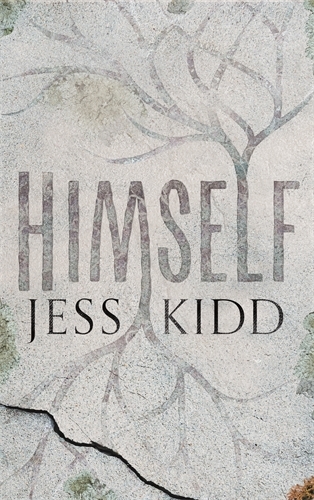
"Himself" tells the story of Mahony, an orphan who returns to his mysterious, isolated hometown of Mulderrig on the west coast of Ireland in search of the mother who abandoned him as a baby. The narrative unfolds through the perspectives of the living and the dead, revealing the town's dark secrets, peculiar inhabitants, and the lingering presence of a murder that has never been solved. Mahony’s investigation unearths a tapestry of interconnected lives, folklore, and the supernatural.
Both "Himself" and "Murder at Gulls Nest" share Jess Kidd's distinctive blend of atmospheric mystery, quirky characterization, and a strong sense of place. Each novel features a protagonist investigating a past crime within a small, insular community rife with eccentric personalities and hidden truths. The recurring motif of the supernatural – spirits observing and influencing events – creates a unique narrative style where the veil between worlds is thin, adding depth and a touch of the uncanny to the detective work.
This book offers a captivating experience for those who appreciate literary mysteries infused with Irish folklore and a darkly whimsical sense of humor. Its complex characters, the intricate unfolding of a long-buried secret, and Kidd’s lyrical prose elevate it beyond a simple whodunit. It is a journey into a community's buried past and the enduring power of memory, providing a rich, immersive read with a poignant core.
Himself
"Himself" tells the story of Mahony, an orphan who returns to his mysterious, isolated hometown of Mulderrig on the west coast of Ireland in search of the mother who abandoned him as a baby. The narrative unfolds through the perspectives of the living and the dead, revealing the town's dark secrets, peculiar inhabitants, and the lingering presence of a murder that has never been solved. Mahony’s investigation unearths a tapestry of interconnected lives, folklore, and the supernatural.
Both "Himself" and "Murder at Gulls Nest" share Jess Kidd's distinctive blend of atmospheric mystery, quirky characterization, and a strong sense of place. Each novel features a protagonist investigating a past crime within a small, insular community rife with eccentric personalities and hidden truths. The recurring motif of the supernatural – spirits observing and influencing events – creates a unique narrative style where the veil between worlds is thin, adding depth and a touch of the uncanny to the detective work.
This book offers a captivating experience for those who appreciate literary mysteries infused with Irish folklore and a darkly whimsical sense of humor. Its complex characters, the intricate unfolding of a long-buried secret, and Kidd’s lyrical prose elevate it beyond a simple whodunit. It is a journey into a community's buried past and the enduring power of memory, providing a rich, immersive read with a poignant core.
The Midnight Feast

Lucy Foley's "The Midnight Feast" centers on a lavish, exclusive culinary festival hosted at a remote, opulent estate. As elite chefs and affluent guests gather, simmering tensions, betrayals, and long-held secrets begin to surface. The narrative builds around the escalating unease until a shocking death shatters the celebratory atmosphere, leaving everyone a suspect within the isolated, high-stakes environment.
"The Midnight Feast" resonates with "Murder at Gulls Nest" through their shared DNA of isolated, atmospheric settings that house a contained cast of characters, where a murder unravels a web of intricate relationships and hidden motives. Both authors skillfully employ suspense, slow-burn reveals, and a focus on character psychology within tightly controlled environments where escape is improbable and distrust becomes pervasive.
This novel will appeal to those who appreciate a well-crafted whodunit with a strong sense of place and psychological depth. Its appeal lies in the immersive setting, the intricate plotting that keeps one guessing, and the exploration of class, ambition, and the darker side of human nature, making it a compelling and satisfying read for enthusiasts of character-driven mysteries.
The Midnight Feast
Lucy Foley's "The Midnight Feast" centers on a lavish, exclusive culinary festival hosted at a remote, opulent estate. As elite chefs and affluent guests gather, simmering tensions, betrayals, and long-held secrets begin to surface. The narrative builds around the escalating unease until a shocking death shatters the celebratory atmosphere, leaving everyone a suspect within the isolated, high-stakes environment.
"The Midnight Feast" resonates with "Murder at Gulls Nest" through their shared DNA of isolated, atmospheric settings that house a contained cast of characters, where a murder unravels a web of intricate relationships and hidden motives. Both authors skillfully employ suspense, slow-burn reveals, and a focus on character psychology within tightly controlled environments where escape is improbable and distrust becomes pervasive.
This novel will appeal to those who appreciate a well-crafted whodunit with a strong sense of place and psychological depth. Its appeal lies in the immersive setting, the intricate plotting that keeps one guessing, and the exploration of class, ambition, and the darker side of human nature, making it a compelling and satisfying read for enthusiasts of character-driven mysteries.
The Somerset Slayings

"The Somerset Slayings" thrusts readers into a grim murder investigation set against the brooding, isolated backdrop of rural Somerset. Detective Inspector Jemima Huxley, a resourceful but troubled investigator, grapples with a brutal series of killings that appear ritualistic, forcing her to confront local superstitions and deep-seated community secrets while racing against time to apprehend a cunning killer.
This novel shares a striking thematic resemblance with "Murder at Gulls Nest" through its compelling blend of atmospheric, almost Gothic, settings and a murder mystery steeped in local folklore and historical undertones. Both books feature isolated, somewhat eccentric communities where past traumas and secrets significantly influence present-day crimes, offering a rich tapestry of intrigue and suspense rooted in a strong sense of place.
It will appeal to those who enjoy intricately plotted mysteries enriched by a strong sense of place and a dash of the uncanny. The compelling character development, combined with the chilling atmosphere and the exploration of community darker aspects, provides a genuinely immersive reading experience that satisfies a craving for sophisticated, suspenseful storytelling.
The Somerset Slayings
"The Somerset Slayings" thrusts readers into a grim murder investigation set against the brooding, isolated backdrop of rural Somerset. Detective Inspector Jemima Huxley, a resourceful but troubled investigator, grapples with a brutal series of killings that appear ritualistic, forcing her to confront local superstitions and deep-seated community secrets while racing against time to apprehend a cunning killer.
This novel shares a striking thematic resemblance with "Murder at Gulls Nest" through its compelling blend of atmospheric, almost Gothic, settings and a murder mystery steeped in local folklore and historical undertones. Both books feature isolated, somewhat eccentric communities where past traumas and secrets significantly influence present-day crimes, offering a rich tapestry of intrigue and suspense rooted in a strong sense of place.
It will appeal to those who enjoy intricately plotted mysteries enriched by a strong sense of place and a dash of the uncanny. The compelling character development, combined with the chilling atmosphere and the exploration of community darker aspects, provides a genuinely immersive reading experience that satisfies a craving for sophisticated, suspenseful storytelling.
The Missing Ones

"The Missing Ones" by Patricia Gibney centers on Detective Lottie Parker's investigation into the murder of a young woman and the disappearance of children from an old children's home. As Lottie delves into the case, she uncovers long-buried secrets, a history of abuse, and a widespread conspiracy that reaches into the present, all while grappling with her own personal demons and a complicated family life.
This novel shares similarities with "Murder at Gulls Nest" through its intricate blend of a contemporary murder mystery with the uncovering of dark, historical secrets. Both books feature determined, somewhat troubled female protagonists navigating complex investigations that expose systemic issues and past injustices within closed communities, leading to a suspenseful unravelling of interconnected events.
It will appeal to those who appreciate a well-crafted crime thriller that goes beyond a simple whodunit. The compelling heroine, the intricate plotting, and the exploration of challenging social themes—from child abuse to institutional corruption—provide a gripping and thought-provoking reading experience that resonates long after the final page.
The Missing Ones
"The Missing Ones" by Patricia Gibney centers on Detective Lottie Parker's investigation into the murder of a young woman and the disappearance of children from an old children's home. As Lottie delves into the case, she uncovers long-buried secrets, a history of abuse, and a widespread conspiracy that reaches into the present, all while grappling with her own personal demons and a complicated family life.
This novel shares similarities with "Murder at Gulls Nest" through its intricate blend of a contemporary murder mystery with the uncovering of dark, historical secrets. Both books feature determined, somewhat troubled female protagonists navigating complex investigations that expose systemic issues and past injustices within closed communities, leading to a suspenseful unravelling of interconnected events.
It will appeal to those who appreciate a well-crafted crime thriller that goes beyond a simple whodunit. The compelling heroine, the intricate plotting, and the exploration of challenging social themes—from child abuse to institutional corruption—provide a gripping and thought-provoking reading experience that resonates long after the final page.
We Are All Guilty Here

"We Are All Guilty Here" by Karin Slaughter delves into the disturbing past of Sara Linton, a pediatrician and medical examiner, as she returns to her Georgia hometown to confront family secrets and a series of shocking murders. The narrative unearths a deeply entrenched tapestry of small-town corruption, betrayal, and violence, exposing how a seemingly idyllic community can harbor monstrous truths beneath its surface.
This novel shares a compelling thematic kinship with "Murder at Gulls Nest." Both books masterfully blend a contemporary crime investigation with the unraveling of long-buried historical injustices and personal traumas. Each protagonist is drawn back to a place burdened by a dark past, forced to confront the complicity of their community and the inescapable echoes of past events on the present-day crimes. The atmosphere in both is heavy with foreboding, and the exploration of flawed, intricate female relationships is central to their respective mysteries.
This book will resonate deeply with those who appreciate sophisticated crime fiction that offers more than just a whodunit. It provides a searing examination of intergenerational trauma, the corrosive nature of secrets, and the uncomfortable truths that lie beneath seemingly peaceful facades. Moreover, its rich character development and unflinching portrayal of human darkness offer a thought-provoking and emotionally engaging reading experience, leaving a lasting impression.
We Are All Guilty Here
"We Are All Guilty Here" by Karin Slaughter delves into the disturbing past of Sara Linton, a pediatrician and medical examiner, as she returns to her Georgia hometown to confront family secrets and a series of shocking murders. The narrative unearths a deeply entrenched tapestry of small-town corruption, betrayal, and violence, exposing how a seemingly idyllic community can harbor monstrous truths beneath its surface.
This novel shares a compelling thematic kinship with "Murder at Gulls Nest." Both books masterfully blend a contemporary crime investigation with the unraveling of long-buried historical injustices and personal traumas. Each protagonist is drawn back to a place burdened by a dark past, forced to confront the complicity of their community and the inescapable echoes of past events on the present-day crimes. The atmosphere in both is heavy with foreboding, and the exploration of flawed, intricate female relationships is central to their respective mysteries.
This book will resonate deeply with those who appreciate sophisticated crime fiction that offers more than just a whodunit. It provides a searing examination of intergenerational trauma, the corrosive nature of secrets, and the uncomfortable truths that lie beneath seemingly peaceful facades. Moreover, its rich character development and unflinching portrayal of human darkness offer a thought-provoking and emotionally engaging reading experience, leaving a lasting impression.
The Bones of You
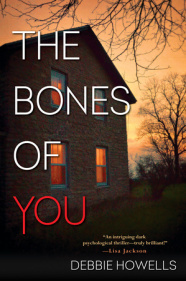
"The Bones of You" delves into the tragic murder of a young, free-spirited woman, Rosie Anderson, presenting the investigation primarily through the eyes of her younger sister, Lila. The narrative unearths a tangled web of family secrets, past traumas, and community whispers, as Lila, struggling with her own grief and past, revisits the events leading up to Rosie's death. It’s a character-driven thriller exploring the corrosive nature of hidden truths and the devastating impact of loss on those left behind.
This novel shares similarities with "Murder at Gulls Nest" through its core focus on a murder mystery set within a tightly-knit, somewhat insular community where secrets fester. Both books feature a protagonist, often an outsider or someone with a unique perspective, who unravels the truth while confronting difficult personal histories. The atmosphere is consistently tense, steeped in psychological suspense rather than overt action, and the narrative explores the disturbing undercurrents beneath seemingly placid exteriors.
The appeal of "The Bones of You" lies in its masterful weaving of psychological suspense with a poignant exploration of family dynamics and the complexities of grief. Its intricate plot, unreliable narrators at times, and a powerful emotional core offer an immersive and thought-provoking reading experience. The book provides valuable insight into the lasting echoes of tragedy and the profound ways in which human connections, both loving and destructive, shape our understanding of truth and justice.
The Bones of You
"The Bones of You" delves into the tragic murder of a young, free-spirited woman, Rosie Anderson, presenting the investigation primarily through the eyes of her younger sister, Lila. The narrative unearths a tangled web of family secrets, past traumas, and community whispers, as Lila, struggling with her own grief and past, revisits the events leading up to Rosie's death. It’s a character-driven thriller exploring the corrosive nature of hidden truths and the devastating impact of loss on those left behind.
This novel shares similarities with "Murder at Gulls Nest" through its core focus on a murder mystery set within a tightly-knit, somewhat insular community where secrets fester. Both books feature a protagonist, often an outsider or someone with a unique perspective, who unravels the truth while confronting difficult personal histories. The atmosphere is consistently tense, steeped in psychological suspense rather than overt action, and the narrative explores the disturbing undercurrents beneath seemingly placid exteriors.
The appeal of "The Bones of You" lies in its masterful weaving of psychological suspense with a poignant exploration of family dynamics and the complexities of grief. Its intricate plot, unreliable narrators at times, and a powerful emotional core offer an immersive and thought-provoking reading experience. The book provides valuable insight into the lasting echoes of tragedy and the profound ways in which human connections, both loving and destructive, shape our understanding of truth and justice.
The Shadow Hour
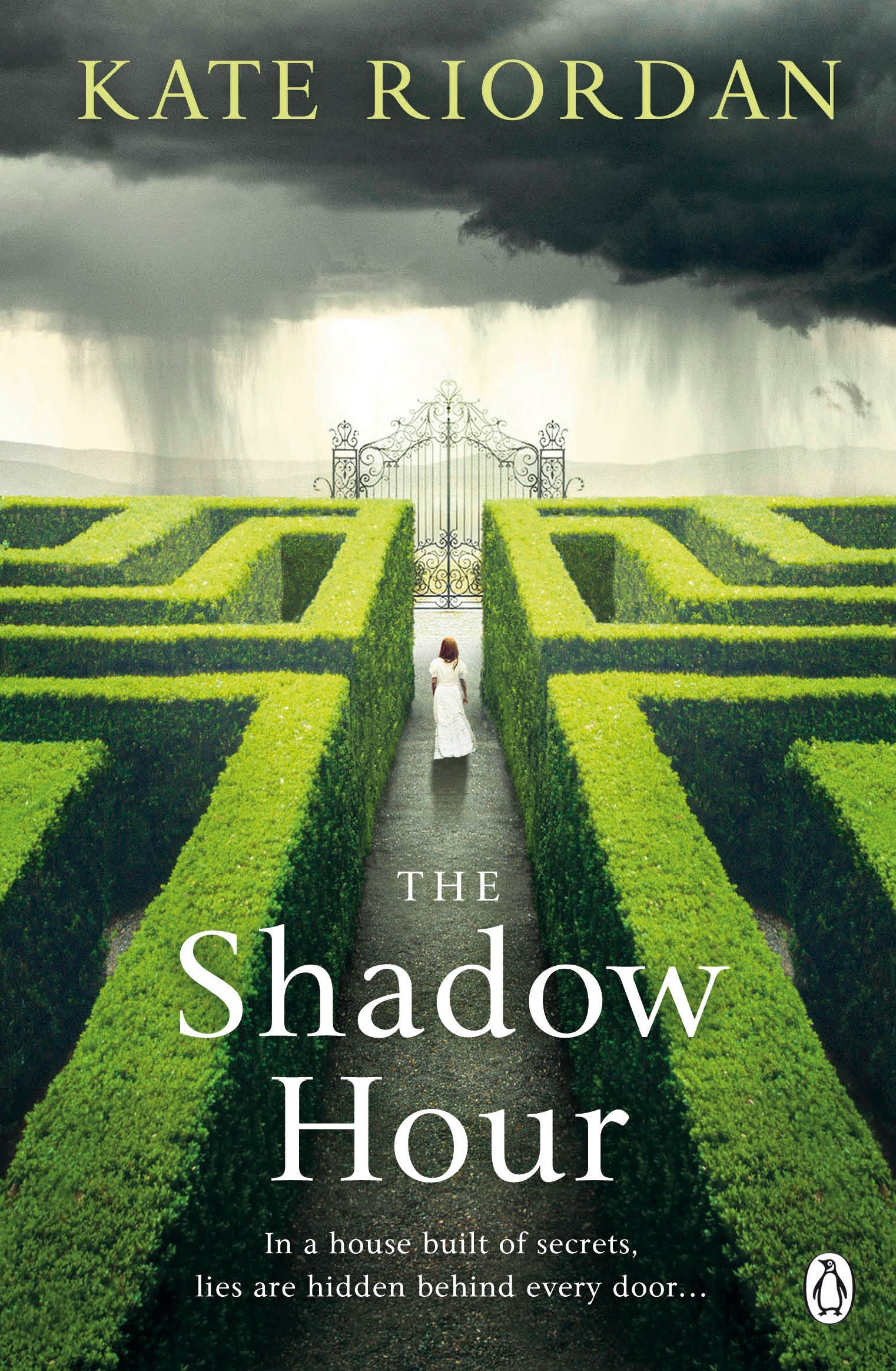
"The Shadow Hour" centers on an elderly woman, Mary, living an isolated life in a large, decaying country house on the English coast. Her quiet existence is disturbed by the arrival of a young American student, Alice, seeking to research the life of a forgotten female artist who once lived in the house. As Alice uncovers secrets about the artist’s turbulent past, Mary is forced to confront her own deeply buried memories and the house’s dark history, revealing a complex narrative of familial betrayal, artistic ambition, and enduring mystery.
This novel shares "Murder at Gulls Nest's" atmospheric depth and compelling sense of place. Both feature a secluded, imposing dwelling as a central character, steeped in a past that actively influences the present. The narratives skillfully interweave historical secrets with contemporary investigations, utilizing a dual timeline to slowly unfurl a central mystery. There's a shared focus on uncovering obscured truths within a visually rich, slightly melancholic setting, driven by strong female characters navigating unsettling revelations.
The intricate plotting and evocative prose will deeply satisfy those who appreciate a well-crafted historical mystery with psychological undertones. Its exploration of artistic legacy, female agency, and the lasting impact of secrets offers a rich, immersive experience, providing both intellectual stimulation and emotional resonance. The slow-burn reveal of intertwined pasts ensures a captivating journey.
The Shadow Hour
"The Shadow Hour" centers on an elderly woman, Mary, living an isolated life in a large, decaying country house on the English coast. Her quiet existence is disturbed by the arrival of a young American student, Alice, seeking to research the life of a forgotten female artist who once lived in the house. As Alice uncovers secrets about the artist’s turbulent past, Mary is forced to confront her own deeply buried memories and the house’s dark history, revealing a complex narrative of familial betrayal, artistic ambition, and enduring mystery.
This novel shares "Murder at Gulls Nest's" atmospheric depth and compelling sense of place. Both feature a secluded, imposing dwelling as a central character, steeped in a past that actively influences the present. The narratives skillfully interweave historical secrets with contemporary investigations, utilizing a dual timeline to slowly unfurl a central mystery. There's a shared focus on uncovering obscured truths within a visually rich, slightly melancholic setting, driven by strong female characters navigating unsettling revelations.
The intricate plotting and evocative prose will deeply satisfy those who appreciate a well-crafted historical mystery with psychological undertones. Its exploration of artistic legacy, female agency, and the lasting impact of secrets offers a rich, immersive experience, providing both intellectual stimulation and emotional resonance. The slow-burn reveal of intertwined pasts ensures a captivating journey.
The Wicked Girls
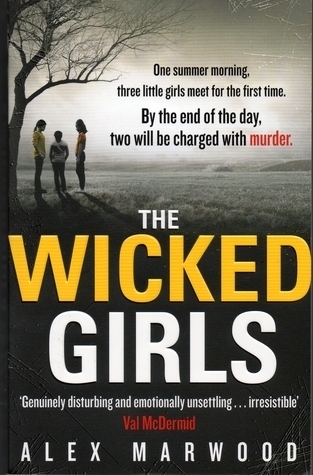
"The Wicked Girls" follows the intertwined lives of two women who, as children, committed a horrific murder. Decades later, a new crime forces them back into proximity, threatening to expose their past and unravel their carefully constructed present. It's a compelling exploration of guilt, complicity, and the enduring consequences of childhood trauma.
Like "Murder at Gulls Nest," this novel delves into the long-reaching ripple effects of past violence, exploring how secrets and unresolved histories can haunt individuals and communities. Both books feature a meticulously crafted plot where the present is inextricably linked to a dark, complex past, and both excel at character-driven suspense, revealing psychological depths and moral ambiguities.
This novel offers a profound look at human culpability and the burden of a shared, terrible secret. Its unflinching examination of memory, identity, and the societal treatment of female perpetrators provides a gripping and thought-provoking experience, making it a valuable read for those seeking intense psychological thrillers rooted in intricate character studies.
The Wicked Girls
"The Wicked Girls" follows the intertwined lives of two women who, as children, committed a horrific murder. Decades later, a new crime forces them back into proximity, threatening to expose their past and unravel their carefully constructed present. It's a compelling exploration of guilt, complicity, and the enduring consequences of childhood trauma.
Like "Murder at Gulls Nest," this novel delves into the long-reaching ripple effects of past violence, exploring how secrets and unresolved histories can haunt individuals and communities. Both books feature a meticulously crafted plot where the present is inextricably linked to a dark, complex past, and both excel at character-driven suspense, revealing psychological depths and moral ambiguities.
This novel offers a profound look at human culpability and the burden of a shared, terrible secret. Its unflinching examination of memory, identity, and the societal treatment of female perpetrators provides a gripping and thought-provoking experience, making it a valuable read for those seeking intense psychological thrillers rooted in intricate character studies.
Murder on Family Grounds

"Murder on Family Grounds" unfurls a gripping mystery centered on the affluent and dysfunctional Sinclair family, whose sprawling ancestral estate becomes the scene of an unexpected death. Detective Inspector Matt Ballard, battling his own personal demons, must untangle a web of secrets, resentments, and long-held grudges to uncover the truth behind what initially appears to be an accident but quickly reveals itself as something far more sinister. The narrative skillfully delves into the complexities of family dynamics, often exposing the dark undercurrents beneath a polished facade.
This book shares thematic and stylistic commonalities with "Murder at Gulls Nest" through its exploration of a closed-circle mystery set within an isolated, somewhat gothic environment. Both novels masterfully utilize atmospheric settings as integral characters in themselves, contributing to a sense of unease and suspicion. The focus on uncovering long-buried family secrets and the intricate motivations of layered characters, where past grievances heavily influence present actions, forms a strong parallel between the two works.
The appeal of "Murder on Family Grounds" lies in its meticulously constructed plot, believable character development, and the compelling psychological introspection of its cast. Its intricate narrative, filled with red herrings and unexpected twists, offers a deeply satisfying intellectual puzzle. This novel provides a richly immersive experience for those who appreciate character-driven mysteries where human nature, with all its flaws and complexities, is as central to the investigation as the crime itself, offering valuable insights into the darker aspects of familial bonds and the lasting impact of generational secrets.
Murder on Family Grounds
"Murder on Family Grounds" unfurls a gripping mystery centered on the affluent and dysfunctional Sinclair family, whose sprawling ancestral estate becomes the scene of an unexpected death. Detective Inspector Matt Ballard, battling his own personal demons, must untangle a web of secrets, resentments, and long-held grudges to uncover the truth behind what initially appears to be an accident but quickly reveals itself as something far more sinister. The narrative skillfully delves into the complexities of family dynamics, often exposing the dark undercurrents beneath a polished facade.
This book shares thematic and stylistic commonalities with "Murder at Gulls Nest" through its exploration of a closed-circle mystery set within an isolated, somewhat gothic environment. Both novels masterfully utilize atmospheric settings as integral characters in themselves, contributing to a sense of unease and suspicion. The focus on uncovering long-buried family secrets and the intricate motivations of layered characters, where past grievances heavily influence present actions, forms a strong parallel between the two works.
The appeal of "Murder on Family Grounds" lies in its meticulously constructed plot, believable character development, and the compelling psychological introspection of its cast. Its intricate narrative, filled with red herrings and unexpected twists, offers a deeply satisfying intellectual puzzle. This novel provides a richly immersive experience for those who appreciate character-driven mysteries where human nature, with all its flaws and complexities, is as central to the investigation as the crime itself, offering valuable insights into the darker aspects of familial bonds and the lasting impact of generational secrets.
Looking Glass Sound
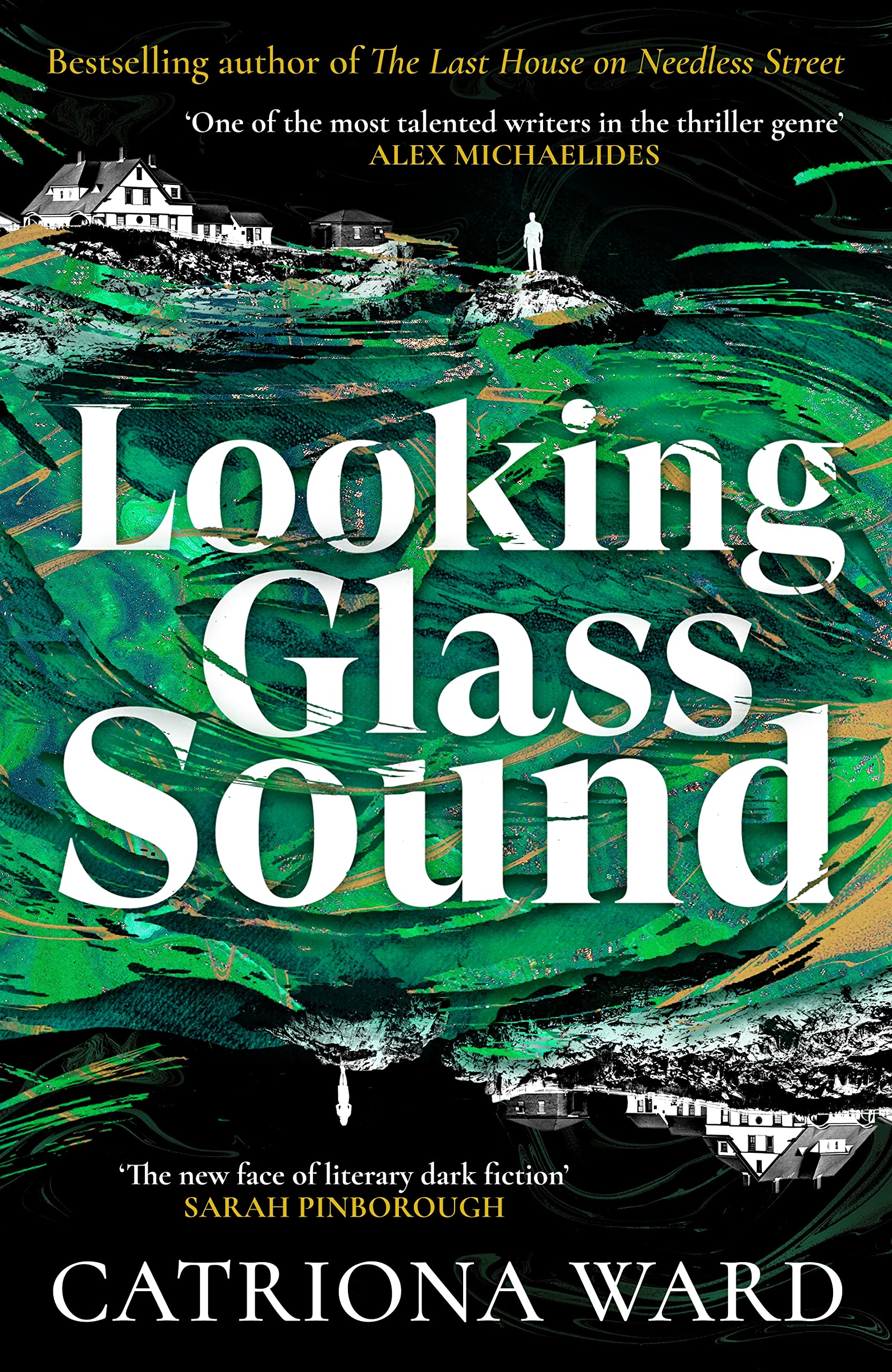
"Looking Glass Sound" unravels a chilling tale where three friends, as teenagers, encounter a mysterious man and a body in a remote coastal town, setting off a chain of events that haunt them into adulthood. The narrative ingeniously shifts perspectives and timelines, blurring the lines between memory, reality, and the stories we tell ourselves, particularly when one of the friends attempts to chronicle their shared, traumatic past.
Both novels expertly weave together elements of atmospheric tension, a sense of place that feels almost like a character itself, and a deep dive into psychological disquiet. Just as "Murder at Gulls Nest" explores the lingering impact of past events and the unreliable nature of memory within a contained, evocative setting, "Looking Glass Sound" harnesses similar themes, focusing on how a central mystery refracts through the minds of those who lived it, distorting perceptions and relationships.
This book will resonate deeply with those who appreciate a narrative that challenges the reader to piece together truth from fragmented accounts and unreliable narrators. It offers a sophisticated exploration of psychological horror and the lasting scars of trauma, wrapped in a mystery that consistently subverts expectations. The masterful storytelling and intricate plot construction provide a richly rewarding and thought-provoking experience.
Looking Glass Sound
"Looking Glass Sound" unravels a chilling tale where three friends, as teenagers, encounter a mysterious man and a body in a remote coastal town, setting off a chain of events that haunt them into adulthood. The narrative ingeniously shifts perspectives and timelines, blurring the lines between memory, reality, and the stories we tell ourselves, particularly when one of the friends attempts to chronicle their shared, traumatic past.
Both novels expertly weave together elements of atmospheric tension, a sense of place that feels almost like a character itself, and a deep dive into psychological disquiet. Just as "Murder at Gulls Nest" explores the lingering impact of past events and the unreliable nature of memory within a contained, evocative setting, "Looking Glass Sound" harnesses similar themes, focusing on how a central mystery refracts through the minds of those who lived it, distorting perceptions and relationships.
This book will resonate deeply with those who appreciate a narrative that challenges the reader to piece together truth from fragmented accounts and unreliable narrators. It offers a sophisticated exploration of psychological horror and the lasting scars of trauma, wrapped in a mystery that consistently subverts expectations. The masterful storytelling and intricate plot construction provide a richly rewarding and thought-provoking experience.
More Books to Explore
Discover more titles that expand on these ideas and themes.
Himself
The Midnight Feast
The Somerset Slayings
The Missing Ones
We Are All Guilty Here
The Bones of You