10 Books Similar to "Mornings in Jenin"
by Susan Abulhawa
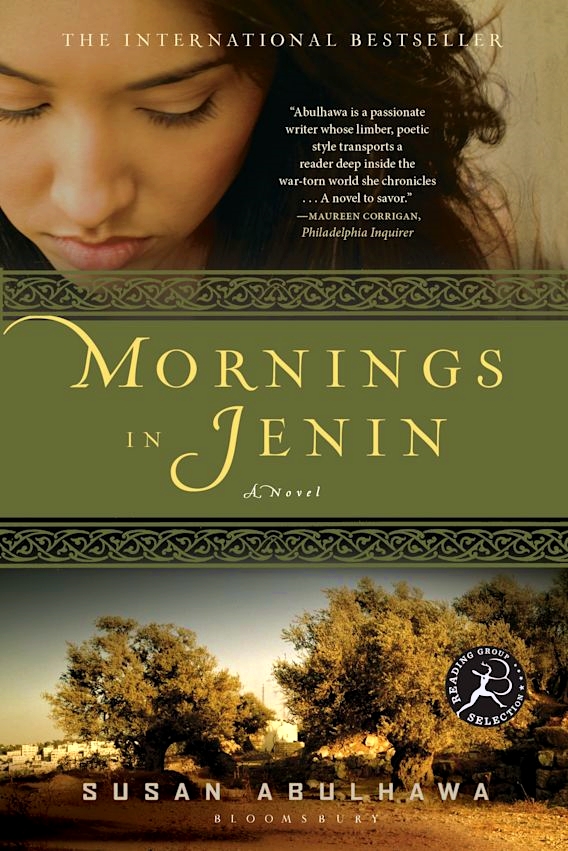
The Almond Tree
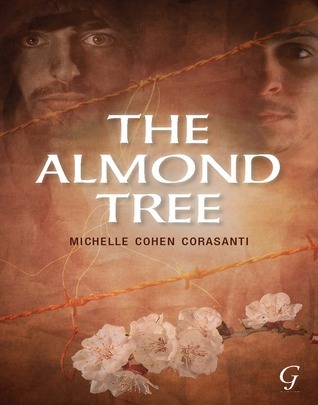
"The Almond Tree" follows Ichmad, a brilliant Palestinian boy growing up in a West Bank village in the turbulent years leading up to the Six-Day War and beyond. Despite immense personal tragedy and the pervasive conflict, Ichmad's extraordinary intellect offers a potential path out of poverty and oppression for his family. The novel charts his journey through academic excellence, eventually leading him to achieve international renown, all while navigating his complex identity and the enduring impact of the Israeli-Palestinian conflict on his life and relationships.
This novel shares a profound thematic kinship with "Mornings in Jenin" through its human-centered narrative of the Israeli-Palestinian conflict. Both books prioritize the individual and familial experience of displacement, loss, and the struggle for survival amidst geopolitical strife. They present a vivid, ground-level perspective on the human cost of the conflict, focusing on resilience, the desire for peace, and the enduring power of family bonds in the face of immense adversity. Neither shies away from portraying the deeply personal scars left by war and occupation.
This book offers a compelling narrative for those seeking to understand the Israeli-Palestinian conflict beyond headlines, told through the deeply personal lens of one family's journey. Its exploration of identity, perseverance, and the universal longing for peace provides significant emotional resonance and a powerful humanistic perspective. The complex interplay of personal ambition against a backdrop of generational conflict makes it a thought-provoking and ultimately hopeful read for anyone interested in stories of resilience and the human spirit's capacity to transcend hardship.
The Almond Tree
"The Almond Tree" follows Ichmad, a brilliant Palestinian boy growing up in a West Bank village in the turbulent years leading up to the Six-Day War and beyond. Despite immense personal tragedy and the pervasive conflict, Ichmad's extraordinary intellect offers a potential path out of poverty and oppression for his family. The novel charts his journey through academic excellence, eventually leading him to achieve international renown, all while navigating his complex identity and the enduring impact of the Israeli-Palestinian conflict on his life and relationships.
This novel shares a profound thematic kinship with "Mornings in Jenin" through its human-centered narrative of the Israeli-Palestinian conflict. Both books prioritize the individual and familial experience of displacement, loss, and the struggle for survival amidst geopolitical strife. They present a vivid, ground-level perspective on the human cost of the conflict, focusing on resilience, the desire for peace, and the enduring power of family bonds in the face of immense adversity. Neither shies away from portraying the deeply personal scars left by war and occupation.
This book offers a compelling narrative for those seeking to understand the Israeli-Palestinian conflict beyond headlines, told through the deeply personal lens of one family's journey. Its exploration of identity, perseverance, and the universal longing for peace provides significant emotional resonance and a powerful humanistic perspective. The complex interplay of personal ambition against a backdrop of generational conflict makes it a thought-provoking and ultimately hopeful read for anyone interested in stories of resilience and the human spirit's capacity to transcend hardship.
Gate of the Sun

"Gate of the Sun" by Elias Khoury is a sprawling, multi-layered novel that explores the Palestinian narrative through the eyes of Dr. Khalil, a physician tending to refugees in a Beirut hospital. As he listens to the stories of the comatose fighter Yasser Abd al-Latif, Khalil delves into the collective memory of the Palestinian people, tracing their experiences of displacement, resistance, and enduring identity from the Nakba in 1948 through subsequent conflicts. It's a complex tapestry woven from folklore, personal histories, and political realities, blurring the lines between memory, legend, and historical fact.
This novel shares a profound kinship with "Mornings in Jenin" in its unwavering commitment to humanizing the Palestinian experience. Both books center on families grappling with the devastating human cost of conflict and displacement, anchoring grand historical narratives in intimate, personal struggles. Like Abulhawa's work, Khoury’s novel emphasizes the resilience of a people struggling to maintain their cultural heritage and sense of self amidst immense adversity, offering a nuanced and empathetic portrayal of their history and ongoing plight.
Readers seeking profound insights into the long-term impacts of displacement and occupation will find this book immensely compelling. It offers a vital counter-narrative, presenting a deeply personal and often heart-wrenching account of a community’s enduring spirit. The novel's intricate structure and rich storytelling provide a comprehensive understanding of Palestinian history and culture, fostering a deeper empathy and intellectual engagement with one of the most significant geopolitical issues of our time.
Gate of the Sun
"Gate of the Sun" by Elias Khoury is a sprawling, multi-layered novel that explores the Palestinian narrative through the eyes of Dr. Khalil, a physician tending to refugees in a Beirut hospital. As he listens to the stories of the comatose fighter Yasser Abd al-Latif, Khalil delves into the collective memory of the Palestinian people, tracing their experiences of displacement, resistance, and enduring identity from the Nakba in 1948 through subsequent conflicts. It's a complex tapestry woven from folklore, personal histories, and political realities, blurring the lines between memory, legend, and historical fact.
This novel shares a profound kinship with "Mornings in Jenin" in its unwavering commitment to humanizing the Palestinian experience. Both books center on families grappling with the devastating human cost of conflict and displacement, anchoring grand historical narratives in intimate, personal struggles. Like Abulhawa's work, Khoury’s novel emphasizes the resilience of a people struggling to maintain their cultural heritage and sense of self amidst immense adversity, offering a nuanced and empathetic portrayal of their history and ongoing plight.
Readers seeking profound insights into the long-term impacts of displacement and occupation will find this book immensely compelling. It offers a vital counter-narrative, presenting a deeply personal and often heart-wrenching account of a community’s enduring spirit. The novel's intricate structure and rich storytelling provide a comprehensive understanding of Palestinian history and culture, fostering a deeper empathy and intellectual engagement with one of the most significant geopolitical issues of our time.
Day After Night

"Day After Night," by Anita Diamant, vividly reconstructs a challenging period in Israeli history, focusing on four young women – Shayndel, Zohar, Leah, and Tedi – who are Holocaust survivors seeking refuge at the Atlit Illegal Immigrant Detention Camp in British Mandate Palestine in 1945. The narrative delves into their individual traumas, their forging of a powerful sisterhood amidst adversity, and their collective struggle for freedom and a new beginning as they navigate the complexities of their new environment and the clandestine efforts to establish a Jewish state.
The core similarity to "Mornings in Jenin" lies in their shared exploration of geopolitical conflict through the intimate lens of individual suffering and resilience. Both novels intensely portray the human cost of historical upheaval, focusing on displacement, enduring trauma, and the quest for identity and belonging amidst national struggle. They each present deeply personal narratives that illuminate broader historical injustices and the enduring spirit of survival.
This novel offers a poignant and historically resonant experience. Its compelling cast of characters and their stories of survival, sisterhood, and hope against overwhelming odds foster deep empathy. The meticulously researched historical backdrop provides valuable insight into the roots of modern-day conflicts, making it a powerful and educational read that resonates with themes of resilience, justice, and the enduring human spirit.
Day After Night
"Day After Night," by Anita Diamant, vividly reconstructs a challenging period in Israeli history, focusing on four young women – Shayndel, Zohar, Leah, and Tedi – who are Holocaust survivors seeking refuge at the Atlit Illegal Immigrant Detention Camp in British Mandate Palestine in 1945. The narrative delves into their individual traumas, their forging of a powerful sisterhood amidst adversity, and their collective struggle for freedom and a new beginning as they navigate the complexities of their new environment and the clandestine efforts to establish a Jewish state.
The core similarity to "Mornings in Jenin" lies in their shared exploration of geopolitical conflict through the intimate lens of individual suffering and resilience. Both novels intensely portray the human cost of historical upheaval, focusing on displacement, enduring trauma, and the quest for identity and belonging amidst national struggle. They each present deeply personal narratives that illuminate broader historical injustices and the enduring spirit of survival.
This novel offers a poignant and historically resonant experience. Its compelling cast of characters and their stories of survival, sisterhood, and hope against overwhelming odds foster deep empathy. The meticulously researched historical backdrop provides valuable insight into the roots of modern-day conflicts, making it a powerful and educational read that resonates with themes of resilience, justice, and the enduring human spirit.
Behind You Is the Sea
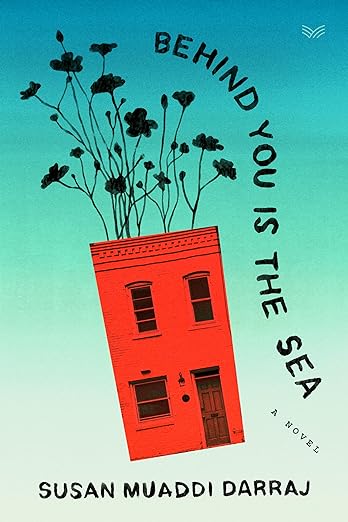
"Behind You Is the Sea" offers a nuanced look at the lives of a Palestinian-American community in a Washington D.C. suburb, focusing on the interwoven stories of several families. Through vignettes that span generations and social strata, Darraj explores themes of identity, displacement, assimilation, and the enduring pull of heritage as characters navigate their American present while grappling with their Palestinian past.
Thematically, Darraj's work echoes "Mornings in Jenin" in its commitment to rendering the human experience of the Palestinian diaspora with profound empathy and intricate detail. Both novels eschew a singular narrative arc for a more expansive, multi-generational portrayal of a community shaped by historical trauma and cultural resilience, highlighting the personal costs and intergenerational impacts of conflict and exile.
This book will resonate deeply with those seeking richly drawn character studies and a profound understanding of the Palestinian-American experience beyond headlines. It offers an intimate window into the complexities of cultural hybridity, familial bonds, and the quiet struggles and triumphs of individuals striving to define themselves amidst evolving landscapes, making it a valuable exploration of identity and belonging.
Behind You Is the Sea
"Behind You Is the Sea" offers a nuanced look at the lives of a Palestinian-American community in a Washington D.C. suburb, focusing on the interwoven stories of several families. Through vignettes that span generations and social strata, Darraj explores themes of identity, displacement, assimilation, and the enduring pull of heritage as characters navigate their American present while grappling with their Palestinian past.
Thematically, Darraj's work echoes "Mornings in Jenin" in its commitment to rendering the human experience of the Palestinian diaspora with profound empathy and intricate detail. Both novels eschew a singular narrative arc for a more expansive, multi-generational portrayal of a community shaped by historical trauma and cultural resilience, highlighting the personal costs and intergenerational impacts of conflict and exile.
This book will resonate deeply with those seeking richly drawn character studies and a profound understanding of the Palestinian-American experience beyond headlines. It offers an intimate window into the complexities of cultural hybridity, familial bonds, and the quiet struggles and triumphs of individuals striving to define themselves amidst evolving landscapes, making it a valuable exploration of identity and belonging.
To the End of the Land

"To the End of the Land" intimately follows Ora, an Israeli mother, who embarks on a tireless, almost ritualistic, hike across the Galilee region, hoping to outrun the news of her soldier son's potential death in wartime. Her journey becomes a deeply personal exploration of motherhood, grief, and the enduring human spirit in a landscape scarred by conflict.
This novel shares a profound kinship with "Mornings in Jenin" through its powerful depiction of a family's unraveling and resilience amidst prolonged geopolitical strife. Both books masterfully portray the intergenerational trauma and personal sacrifices exacted by conflict, focusing on the intimate human cost rather than abstract politics, and featuring strong female protagonists at their core.
This book offers a compelling narrative that resonates deeply with universal themes of loss, hope, and the fierce devotion of a parent. Its lyrical prose and unflinching emotional honesty provide a meditation on endurance, the nature of memory, and the longing for peace that will undoubtedly leave a lasting impression on anyone who engages with its pages.
To the End of the Land
"To the End of the Land" intimately follows Ora, an Israeli mother, who embarks on a tireless, almost ritualistic, hike across the Galilee region, hoping to outrun the news of her soldier son's potential death in wartime. Her journey becomes a deeply personal exploration of motherhood, grief, and the enduring human spirit in a landscape scarred by conflict.
This novel shares a profound kinship with "Mornings in Jenin" through its powerful depiction of a family's unraveling and resilience amidst prolonged geopolitical strife. Both books masterfully portray the intergenerational trauma and personal sacrifices exacted by conflict, focusing on the intimate human cost rather than abstract politics, and featuring strong female protagonists at their core.
This book offers a compelling narrative that resonates deeply with universal themes of loss, hope, and the fierce devotion of a parent. Its lyrical prose and unflinching emotional honesty provide a meditation on endurance, the nature of memory, and the longing for peace that will undoubtedly leave a lasting impression on anyone who engages with its pages.
The Attack

"The Attack" tells the story of Amin Jaafari, a successful Palestinian surgeon living in Tel Aviv, whose world shatters when his wife is identified as the perpetrator of a suicide bombing. Driven by a desperate need to understand her actions and clear her name, Amin embarks on a harrowing journey into the heart of the Palestinian territories, confronting deeply ingrained biases, political complexities, and unsettling truths about his marriage and identity.
This novel resonates deeply with "Mornings in Jenin" through its exploration of the profound human cost of the Israeli-Palestinian conflict. Both books offer intimate, character-driven narratives that personalize the geopolitical strife, portraying how violence and displacement irrevocably scar individuals and families across generations. They each delve into themes of identity, loss, and the struggle for dignity amidst oppressive circumstances, forcing readers to grapple with difficult perspectives.
This book will appeal to those seeking a nuanced and emotionally charged examination of conflict, challenging preconceived notions and fostering a deeper understanding of the human experience on both sides of a divisive narrative. It offers compelling insights into the psychological toll of political unrest and the complexities of personal truth, making it a valuable read for anyone interested in contemporary global issues and the enduring power of human resilience.
The Attack
"The Attack" tells the story of Amin Jaafari, a successful Palestinian surgeon living in Tel Aviv, whose world shatters when his wife is identified as the perpetrator of a suicide bombing. Driven by a desperate need to understand her actions and clear her name, Amin embarks on a harrowing journey into the heart of the Palestinian territories, confronting deeply ingrained biases, political complexities, and unsettling truths about his marriage and identity.
This novel resonates deeply with "Mornings in Jenin" through its exploration of the profound human cost of the Israeli-Palestinian conflict. Both books offer intimate, character-driven narratives that personalize the geopolitical strife, portraying how violence and displacement irrevocably scar individuals and families across generations. They each delve into themes of identity, loss, and the struggle for dignity amidst oppressive circumstances, forcing readers to grapple with difficult perspectives.
This book will appeal to those seeking a nuanced and emotionally charged examination of conflict, challenging preconceived notions and fostering a deeper understanding of the human experience on both sides of a divisive narrative. It offers compelling insights into the psychological toll of political unrest and the complexities of personal truth, making it a valuable read for anyone interested in contemporary global issues and the enduring power of human resilience.
Enter Ghost

"Enter Ghost" centers on Sonia Nasir, a Palestinian-American actress who travels to her family's ancestral home in Palestine for the first time. She becomes deeply involved in a local production of Hamlet, a play that mirrors the complex and fractured reality of Palestinian life under occupation. Through her theatrical immersion, Sonia confronts her heritage, identity, and the profound personal stories of those living amidst constant geopolitical tensions.
The primary similarity to "Mornings in Jenin" lies in both novels' powerful humanization of the Palestinian experience. Both trace generational narratives impacted by displacement and conflict, offering intimate perspectives on resistance, resilience, and the enduring bonds of family and community. They share a focus on personal stories as a lens through which to understand broader historical and political struggles.
This novel will resonate deeply with those seeking nuanced explorations of identity, homeland, and the transformative power of art. It offers a vital bridge for understanding the human cost of conflict and the complexities of cultural belonging, providing both a compelling narrative and an illuminating, empathetic perspective on a widely misunderstood region.
Enter Ghost
"Enter Ghost" centers on Sonia Nasir, a Palestinian-American actress who travels to her family's ancestral home in Palestine for the first time. She becomes deeply involved in a local production of Hamlet, a play that mirrors the complex and fractured reality of Palestinian life under occupation. Through her theatrical immersion, Sonia confronts her heritage, identity, and the profound personal stories of those living amidst constant geopolitical tensions.
The primary similarity to "Mornings in Jenin" lies in both novels' powerful humanization of the Palestinian experience. Both trace generational narratives impacted by displacement and conflict, offering intimate perspectives on resistance, resilience, and the enduring bonds of family and community. They share a focus on personal stories as a lens through which to understand broader historical and political struggles.
This novel will resonate deeply with those seeking nuanced explorations of identity, homeland, and the transformative power of art. It offers a vital bridge for understanding the human cost of conflict and the complexities of cultural belonging, providing both a compelling narrative and an illuminating, empathetic perspective on a widely misunderstood region.
The Haj

"The Haj" chronicles the tumultuous history of the Israeli-Palestinian conflict through the eyes of various characters, primarily the fictional protagonist Ibrahim, a Palestinian Arab leader. It depicts the societal shifts, political machinations, and human cost of the land disputes and wars from the early 20th century through the establishment of Israel and subsequent conflicts. Uris’s meticulous research shines through in the detailed portrayal of historical events and their impact on ordinary lives.
Both novels offer powerful, multi-generational narratives deeply embedded in the Israeli-Palestinian conflict, presenting the human tragedy from a Palestinian perspective. They share a focus on displacement, loss, and the enduring resilience of families caught in geopolitical upheaval. "The Haj," like "Mornings in Jenin," uses personal stories to illuminate larger historical injustices and the profound sense of identity rooted in a homeland under siege. The raw emotional impact of survival amidst violence is a central, shared theme.
This book holds significant appeal for those seeking a comprehensive, albeit fictionalized, understanding of a profoundly complex historical conflict. Its detailed depiction of the Palestinian experience provides crucial context and emotional depth, fostering empathy and critical reflection. "The Haj" offers a valuable lens through which to comprehend the human element of political strife and the lasting legacy of displacement.
The Haj
"The Haj" chronicles the tumultuous history of the Israeli-Palestinian conflict through the eyes of various characters, primarily the fictional protagonist Ibrahim, a Palestinian Arab leader. It depicts the societal shifts, political machinations, and human cost of the land disputes and wars from the early 20th century through the establishment of Israel and subsequent conflicts. Uris’s meticulous research shines through in the detailed portrayal of historical events and their impact on ordinary lives.
Both novels offer powerful, multi-generational narratives deeply embedded in the Israeli-Palestinian conflict, presenting the human tragedy from a Palestinian perspective. They share a focus on displacement, loss, and the enduring resilience of families caught in geopolitical upheaval. "The Haj," like "Mornings in Jenin," uses personal stories to illuminate larger historical injustices and the profound sense of identity rooted in a homeland under siege. The raw emotional impact of survival amidst violence is a central, shared theme.
This book holds significant appeal for those seeking a comprehensive, albeit fictionalized, understanding of a profoundly complex historical conflict. Its detailed depiction of the Palestinian experience provides crucial context and emotional depth, fostering empathy and critical reflection. "The Haj" offers a valuable lens through which to comprehend the human element of political strife and the lasting legacy of displacement.
The Heart of Aleppo: A Story of the Syrian Civil War
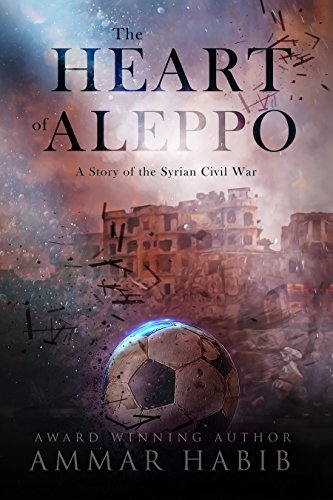
"The Heart of Aleppo: A Story of the Syrian Civil War" offers a poignant and immediate look into the conflict through the eyes of various individuals navigating its brutal realities. The narrative traces the experiences of a doctor tirelessly treating the wounded, a young girl attempting to maintain normalcy amidst chaos, and a family grappling with displacement and loss, all set against the backdrop of Aleppo's besieged streets and the broader geopolitical struggles.
This book resonates with "Mornings in Jenin" through its powerful exploration of the human cost of protracted conflict and occupation. Both narratives masterfully intertwine personal stories of love, survival, and tragedy with the larger historical and political events shaping a people's destiny. They spotlight the intergenerational trauma, resilience in the face of immense adversity, and the enduring connection to homeland that transcends displacement.
It will appeal to those who seek a deeply emotional and humanizing perspective on geopolitical crises. The book's strength lies in its ability to foster empathy and understanding for those affected by war, providing valuable insights into the daily struggles, ethical dilemmas, and the unbreakable spirit of individuals caught in extraordinary circumstances. It’s a testament to endurance and a vital reminder of the devastating impact of conflict on ordinary lives.
The Heart of Aleppo: A Story of the Syrian Civil War
"The Heart of Aleppo: A Story of the Syrian Civil War" offers a poignant and immediate look into the conflict through the eyes of various individuals navigating its brutal realities. The narrative traces the experiences of a doctor tirelessly treating the wounded, a young girl attempting to maintain normalcy amidst chaos, and a family grappling with displacement and loss, all set against the backdrop of Aleppo's besieged streets and the broader geopolitical struggles.
This book resonates with "Mornings in Jenin" through its powerful exploration of the human cost of protracted conflict and occupation. Both narratives masterfully intertwine personal stories of love, survival, and tragedy with the larger historical and political events shaping a people's destiny. They spotlight the intergenerational trauma, resilience in the face of immense adversity, and the enduring connection to homeland that transcends displacement.
It will appeal to those who seek a deeply emotional and humanizing perspective on geopolitical crises. The book's strength lies in its ability to foster empathy and understanding for those affected by war, providing valuable insights into the daily struggles, ethical dilemmas, and the unbreakable spirit of individuals caught in extraordinary circumstances. It’s a testament to endurance and a vital reminder of the devastating impact of conflict on ordinary lives.
The Hakawati

"The Hakawati" weaves together a dizzying tapestry of interconnected narratives, both ancient and contemporary, as a modern Lebanese man, Osama al-Kharrat, returns to Beirut to be with his dying grandfather, a renowned storyteller. Through Osama's own stories and those shared by his family, the novel explores the power of storytelling to shape identity, preserve history, and defy adversity across generations, blurring the lines between myth and reality.
Both novels utilize the power of intergenerational storytelling to bear witness to profound cultural upheaval and personal suffering. Like "Mornings in Jenin," "The Hakawati" crafts a deeply personal narrative against a backdrop of complex geopolitical realities, employing a rich, lyrical prose style. They share a focus on resilience, the indelible mark of history on families, and the enduring strength of cultural heritage in the face of displacement and conflict.
This book offers a captivating journey through the art of narrative itself, inviting contemplation on how stories define us and the world around us. Its intricate structure and beautiful language provide an immersive experience, illuminating the enduring human spirit and the vital role of passed-down tales in understanding our past and navigating our present.
The Hakawati
"The Hakawati" weaves together a dizzying tapestry of interconnected narratives, both ancient and contemporary, as a modern Lebanese man, Osama al-Kharrat, returns to Beirut to be with his dying grandfather, a renowned storyteller. Through Osama's own stories and those shared by his family, the novel explores the power of storytelling to shape identity, preserve history, and defy adversity across generations, blurring the lines between myth and reality.
Both novels utilize the power of intergenerational storytelling to bear witness to profound cultural upheaval and personal suffering. Like "Mornings in Jenin," "The Hakawati" crafts a deeply personal narrative against a backdrop of complex geopolitical realities, employing a rich, lyrical prose style. They share a focus on resilience, the indelible mark of history on families, and the enduring strength of cultural heritage in the face of displacement and conflict.
This book offers a captivating journey through the art of narrative itself, inviting contemplation on how stories define us and the world around us. Its intricate structure and beautiful language provide an immersive experience, illuminating the enduring human spirit and the vital role of passed-down tales in understanding our past and navigating our present.
More Books to Explore
Discover more titles that expand on these ideas and themes.
The Almond Tree
Gate of the Sun
Day After Night
Behind You Is the Sea
To the End of the Land
The Attack