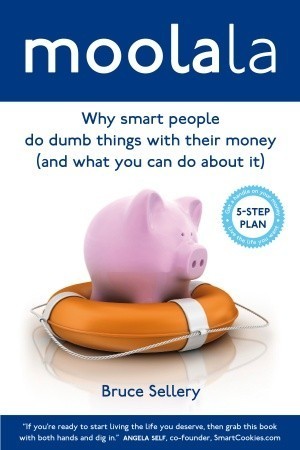
10 Books Similar to "Moolala: Why Smart People Do Dumb Things with Their Money - and What You Can Do About It"
by Bruce Sellery
The Psychology of Money
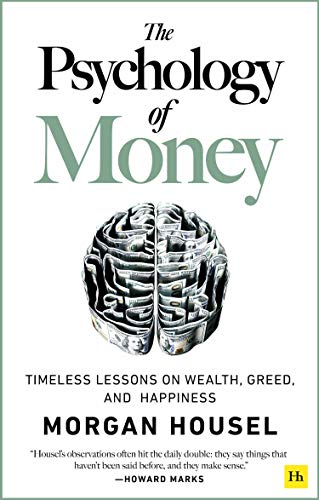
"The Psychology of Money" by Morgan Housel explores why our emotions, personal experiences, and biases profoundly impact our financial decisions, often more than pure logic or financial literacy. It delves into universal behavioral traits that lead people to make irrational choices with their wealth, from saving too little to taking excessive risks, illustrating these concepts through engaging anecdotes and historical examples.
Both books dissect the human element behind financial blunders. Just as "Moolala" highlights how intelligent individuals fall prey to common money traps, "The Psychology of Money" systematically unpacks the cognitive biases and emotional drivers that underpin these "dumb things." They share a core thesis: understanding *why* we behave the way we do with money is crucial for improving our financial outcomes.
This book will appeal to anyone seeking to build a healthier relationship with their finances beyond mere mechanics. Its insightful storytelling makes complex psychological concepts accessible, offering practical wisdom that transcends market fluctuations. It provides a deeper understanding of oneself and others, fostering a more mindful and ultimately more effective approach to managing wealth.
The Psychology of Money
"The Psychology of Money" by Morgan Housel explores why our emotions, personal experiences, and biases profoundly impact our financial decisions, often more than pure logic or financial literacy. It delves into universal behavioral traits that lead people to make irrational choices with their wealth, from saving too little to taking excessive risks, illustrating these concepts through engaging anecdotes and historical examples.
Both books dissect the human element behind financial blunders. Just as "Moolala" highlights how intelligent individuals fall prey to common money traps, "The Psychology of Money" systematically unpacks the cognitive biases and emotional drivers that underpin these "dumb things." They share a core thesis: understanding *why* we behave the way we do with money is crucial for improving our financial outcomes.
This book will appeal to anyone seeking to build a healthier relationship with their finances beyond mere mechanics. Its insightful storytelling makes complex psychological concepts accessible, offering practical wisdom that transcends market fluctuations. It provides a deeper understanding of oneself and others, fostering a more mindful and ultimately more effective approach to managing wealth.
My Money My Way: Taking Back Control of Your Financial Life

"My Money My Way" by Kumiko Love is a practical guide empowering individuals to personalize their financial management. It delves into actionable strategies for budgeting, saving, and debt management, moving beyond generic advice to help people create a system that genuinely aligns with their unique life circumstances, values, and goals. The book emphasizes building financial confidence and establishing sustainable habits.
This book shares significant common ground with Bruce Sellery's "Moolala." Both titles tackle the psychological underpinnings of financial decision-making, acknowledging that irrational behaviors often impede progress. Just as "Moolala" explores *why* smart people make poor money choices, "My Money My Way" provides the *how-to* for overcoming these ingrained patterns, offering practical tools to shift from financial frustration to empowered control. Both ultimately aim to transform financial relationships.
The pragmatic approach of "My Money My Way" and its focus on individual customization will resonate deeply with those feeling overwhelmed by traditional financial advice. It offers a refreshing perspective, enabling people to construct a financial life that truly reflects their personal aspirations, leading to greater financial security and peace of mind. Its actionable steps and emphasis on personal agency make it an invaluable resource for anyone seeking a more mindful and effective way to manage their money.
My Money My Way: Taking Back Control of Your Financial Life
"My Money My Way" by Kumiko Love is a practical guide empowering individuals to personalize their financial management. It delves into actionable strategies for budgeting, saving, and debt management, moving beyond generic advice to help people create a system that genuinely aligns with their unique life circumstances, values, and goals. The book emphasizes building financial confidence and establishing sustainable habits.
This book shares significant common ground with Bruce Sellery's "Moolala." Both titles tackle the psychological underpinnings of financial decision-making, acknowledging that irrational behaviors often impede progress. Just as "Moolala" explores *why* smart people make poor money choices, "My Money My Way" provides the *how-to* for overcoming these ingrained patterns, offering practical tools to shift from financial frustration to empowered control. Both ultimately aim to transform financial relationships.
The pragmatic approach of "My Money My Way" and its focus on individual customization will resonate deeply with those feeling overwhelmed by traditional financial advice. It offers a refreshing perspective, enabling people to construct a financial life that truly reflects their personal aspirations, leading to greater financial security and peace of mind. Its actionable steps and emphasis on personal agency make it an invaluable resource for anyone seeking a more mindful and effective way to manage their money.
Easy Money Management: A Give and Save 3-6-5 Approach to Personal Finance

"Easy Money Management: A Give and Save 3-6-5 Approach to Personal Finance" offers a practical, actionable framework for managing personal finances. It distills money management into a daily, digestible process, emphasizing a balanced approach to giving, saving, and spending. The core 3-6-5 methodology encourages consistent, small steps that build into significant financial progress over time, making complex financial concepts accessible and achievable for everyday individuals.
This book shares common ground with "Moolala" by recognizing that effective financial management isn't just about understanding numbers, but also about human behavior and developing sustainable habits. Both books aim to demystify personal finance and address the psychological barriers that often hinder smart money choices, offering clear strategies to overcome them. They move beyond mere budgeting to tackle the underlying reasons behind financial decisions.
The appeal of "Easy Money Management" lies in its simplicity and direct applicability. Individuals seeking a straightforward, step-by-step guide to improve their financial well-being will appreciate its pragmatic approach. It provides tangible techniques that can be immediately implemented, helping to cultivate a positive and proactive relationship with money and build a more secure financial future.
Easy Money Management: A Give and Save 3-6-5 Approach to Personal Finance
"Easy Money Management: A Give and Save 3-6-5 Approach to Personal Finance" offers a practical, actionable framework for managing personal finances. It distills money management into a daily, digestible process, emphasizing a balanced approach to giving, saving, and spending. The core 3-6-5 methodology encourages consistent, small steps that build into significant financial progress over time, making complex financial concepts accessible and achievable for everyday individuals.
This book shares common ground with "Moolala" by recognizing that effective financial management isn't just about understanding numbers, but also about human behavior and developing sustainable habits. Both books aim to demystify personal finance and address the psychological barriers that often hinder smart money choices, offering clear strategies to overcome them. They move beyond mere budgeting to tackle the underlying reasons behind financial decisions.
The appeal of "Easy Money Management" lies in its simplicity and direct applicability. Individuals seeking a straightforward, step-by-step guide to improve their financial well-being will appreciate its pragmatic approach. It provides tangible techniques that can be immediately implemented, helping to cultivate a positive and proactive relationship with money and build a more secure financial future.
Debt-Free Forever: Take Control of Your Money and Your Life

"Debt-Free Forever" by Gail Vaz-Oxlade provides a no-nonsense, actionable guide to eliminating debt and establishing lasting financial security. It outlines practical strategies for budgeting, tracking expenses, and paying down obligations, emphasizing a disciplined approach to managing money and building savings. Vaz-Oxlade’s direct style encourages readers to confront their financial realities and make concrete changes.
This book shares common ground with Bruce Sellery’s "Moolala" by tackling the psychological aspects of money management alongside practical advice. Both authors understand that financial struggles often stem from ingrained habits and perceptions, not just a lack of knowledge. They empower individuals to identify their financial pitfalls and implement solutions for healthier money habits.
The book’s clear, direct methodology and emphasis on accountability will resonate with anyone seeking a practical, results-oriented path to financial independence. Its value lies in offering not just strategies, but a complete framework for transforming one’s relationship with money, leading to a sense of control and freedom.
Debt-Free Forever: Take Control of Your Money and Your Life
"Debt-Free Forever" by Gail Vaz-Oxlade provides a no-nonsense, actionable guide to eliminating debt and establishing lasting financial security. It outlines practical strategies for budgeting, tracking expenses, and paying down obligations, emphasizing a disciplined approach to managing money and building savings. Vaz-Oxlade’s direct style encourages readers to confront their financial realities and make concrete changes.
This book shares common ground with Bruce Sellery’s "Moolala" by tackling the psychological aspects of money management alongside practical advice. Both authors understand that financial struggles often stem from ingrained habits and perceptions, not just a lack of knowledge. They empower individuals to identify their financial pitfalls and implement solutions for healthier money habits.
The book’s clear, direct methodology and emphasis on accountability will resonate with anyone seeking a practical, results-oriented path to financial independence. Its value lies in offering not just strategies, but a complete framework for transforming one’s relationship with money, leading to a sense of control and freedom.
I Will Teach You to Be Rich: No Guilt. No Excuses. No BS. Just a 6-Week Program That Works

"I Will Teach You to Be Rich" outlines a practical, no-nonsense 6-week program for automating personal finances. Sethi focuses on establishing systems for saving, investing, and debt repayment, emphasizing conscious spending on what you value and cutting mercilessly elsewhere. It demystifies investing, advocating for low-cost index funds and minimizing financial friction to achieve "conscious capitalism."
It shares Moolala's core premise: addressing fundamental behavioral flaws that undermine financial well-being. Both books acknowledge that financial acumen often doesn't translate into sound financial behavior. They offer actionable strategies to bridge this gap, moving beyond theoretical knowledge to practical execution and long-term financial health.
This book will appeal due to its direct, actionable advice and emphasis on automation, which removes the emotional burden often associated with money management. Its structured program provides a clear roadmap, empowering individuals to take control of their finances without feeling overwhelmed, fostering a sense of accomplishment and financial stability.
I Will Teach You to Be Rich: No Guilt. No Excuses. No BS. Just a 6-Week Program That Works
"I Will Teach You to Be Rich" outlines a practical, no-nonsense 6-week program for automating personal finances. Sethi focuses on establishing systems for saving, investing, and debt repayment, emphasizing conscious spending on what you value and cutting mercilessly elsewhere. It demystifies investing, advocating for low-cost index funds and minimizing financial friction to achieve "conscious capitalism."
It shares Moolala's core premise: addressing fundamental behavioral flaws that undermine financial well-being. Both books acknowledge that financial acumen often doesn't translate into sound financial behavior. They offer actionable strategies to bridge this gap, moving beyond theoretical knowledge to practical execution and long-term financial health.
This book will appeal due to its direct, actionable advice and emphasis on automation, which removes the emotional burden often associated with money management. Its structured program provides a clear roadmap, empowering individuals to take control of their finances without feeling overwhelmed, fostering a sense of accomplishment and financial stability.
America's Cheapest Family Gets You Right on the Money: Your Guide to Living Better, Spending Less, and Cashing in on Your Dreams
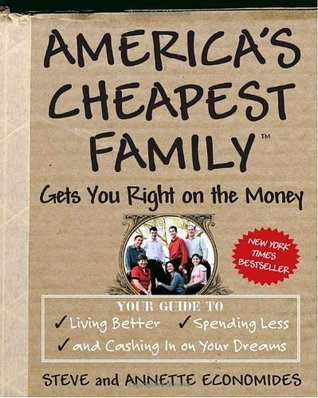
"America's Cheapest Family" offers a highly practical blueprint for achieving significant financial savings through a comprehensive array of actionable, often frugal, strategies. It details the Economides' family-tested methods for drastically reducing expenses across all areas of life, from groceries and utilities to vacations and everyday purchases, all while maintaining a high quality of life. The book emphasizes hands-on techniques for smarter spending and resourcefulness.
This book shares a core objective with "Moolala": empowering individuals to make better financial decisions. While "Moolala" delves into the psychological underpinnings of poor money choices, "America's Cheapest Family" provides the tactical "how-to" for overcoming common spending pitfalls by offering concrete, repeatable actions and mindsets for cultivating financial discipline and thrift. Both aim to transform financial behavior for the better.
Readers seeking tangible, immediate steps to improve their financial situation will appreciate this book. Its value lies in its pragmatic advice, offering a wealth of accessible tips and real-world examples that can be implemented directly for noticeable savings. It inspires a proactive approach to personal finance, demonstrating how small changes can lead to substantial long-term financial freedom and the realization of personal goals.
America's Cheapest Family Gets You Right on the Money: Your Guide to Living Better, Spending Less, and Cashing in on Your Dreams
"America's Cheapest Family" offers a highly practical blueprint for achieving significant financial savings through a comprehensive array of actionable, often frugal, strategies. It details the Economides' family-tested methods for drastically reducing expenses across all areas of life, from groceries and utilities to vacations and everyday purchases, all while maintaining a high quality of life. The book emphasizes hands-on techniques for smarter spending and resourcefulness.
This book shares a core objective with "Moolala": empowering individuals to make better financial decisions. While "Moolala" delves into the psychological underpinnings of poor money choices, "America's Cheapest Family" provides the tactical "how-to" for overcoming common spending pitfalls by offering concrete, repeatable actions and mindsets for cultivating financial discipline and thrift. Both aim to transform financial behavior for the better.
Readers seeking tangible, immediate steps to improve their financial situation will appreciate this book. Its value lies in its pragmatic advice, offering a wealth of accessible tips and real-world examples that can be implemented directly for noticeable savings. It inspires a proactive approach to personal finance, demonstrating how small changes can lead to substantial long-term financial freedom and the realization of personal goals.
11 Principles to Achieve Financial Freedom: Master Your Financial Life
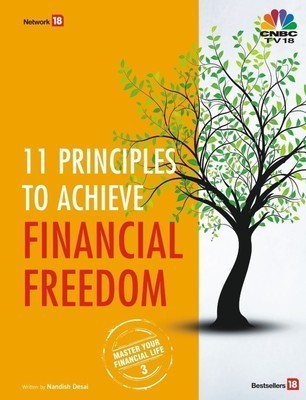
Nandish Desai's "11 Principles to Achieve Financial Freedom" offers a foundational guide to building lasting financial security. It distills complex financial concepts into actionable principles, empowering individuals to take control of their money through strategic planning, mindful spending, and intelligent investing, focusing on long-term sustainability rather than quick fixes.
The book shares a core philosophy with Sellery's "Moolala": both address the behavioral aspects of personal finance. While Sellery dissects the psychological traps leading to poor money decisions, Desai provides a systematic framework to counteract these tendencies, offering practical "how-to" steps for overcoming common financial pitfalls and achieving a desired financial state, much like Sellery aims to correct "dumb things with money."
This book will appeal to individuals seeking a structured approach to improving their financial health. Its value lies in its clear, principle-based methodology, offering a roadmap for anyone feeling overwhelmed by financial decisions or looking to establish a more disciplined and effective financial life. It provides tangible steps for mastering one's finances and securing genuine financial independence.
11 Principles to Achieve Financial Freedom: Master Your Financial Life
Nandish Desai's "11 Principles to Achieve Financial Freedom" offers a foundational guide to building lasting financial security. It distills complex financial concepts into actionable principles, empowering individuals to take control of their money through strategic planning, mindful spending, and intelligent investing, focusing on long-term sustainability rather than quick fixes.
The book shares a core philosophy with Sellery's "Moolala": both address the behavioral aspects of personal finance. While Sellery dissects the psychological traps leading to poor money decisions, Desai provides a systematic framework to counteract these tendencies, offering practical "how-to" steps for overcoming common financial pitfalls and achieving a desired financial state, much like Sellery aims to correct "dumb things with money."
This book will appeal to individuals seeking a structured approach to improving their financial health. Its value lies in its clear, principle-based methodology, offering a roadmap for anyone feeling overwhelmed by financial decisions or looking to establish a more disciplined and effective financial life. It provides tangible steps for mastering one's finances and securing genuine financial independence.
Peace and Plenty: Finding Your Path to Financial Serenity
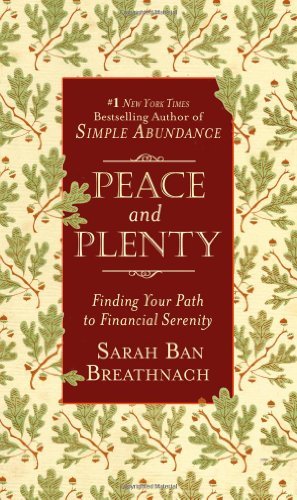
"Peace and Plenty: Finding Your Path to Financial Serenity" explores the emotional and psychological dimensions of money management, moving beyond mere budgeting to address the underlying fears, desires, and belief systems that shape our financial lives. It guides individuals toward a more peaceful and empowered relationship with their finances, emphasizing mindfulness and intention.
This book shares a core philosophy with "Moolala": both delve into the irrational human tendencies concerning money. Sellery dissects the "dumb things" we do, while Breathnach offers a more holistic approach to understanding and rectifying internal financial struggles. Both recognize that financial health is as much about mindset as it is about arithmetic.
Anyone seeking not just financial advice, but a transformation in their financial outlook, will likely value this book. It offers a compassionate framework for understanding and resolving financial anxieties, empowering individuals to cultivate a sense of peace and abundance, rather than simply accumulating wealth. Its focus on inner harmony as a path to financial well-being is particularly resonant.
Peace and Plenty: Finding Your Path to Financial Serenity
"Peace and Plenty: Finding Your Path to Financial Serenity" explores the emotional and psychological dimensions of money management, moving beyond mere budgeting to address the underlying fears, desires, and belief systems that shape our financial lives. It guides individuals toward a more peaceful and empowered relationship with their finances, emphasizing mindfulness and intention.
This book shares a core philosophy with "Moolala": both delve into the irrational human tendencies concerning money. Sellery dissects the "dumb things" we do, while Breathnach offers a more holistic approach to understanding and rectifying internal financial struggles. Both recognize that financial health is as much about mindset as it is about arithmetic.
Anyone seeking not just financial advice, but a transformation in their financial outlook, will likely value this book. It offers a compassionate framework for understanding and resolving financial anxieties, empowering individuals to cultivate a sense of peace and abundance, rather than simply accumulating wealth. Its focus on inner harmony as a path to financial well-being is particularly resonant.
Pirates of Financial Freedom
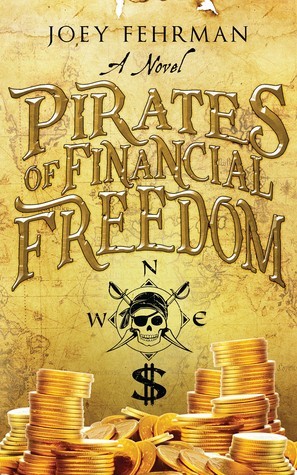
"Pirates of Financial Freedom" by Joey Fehrman explores the journey to financial independence, focusing on practical strategies and a mindset shift away from conventional financial pressures. It details methods for accumulating wealth, optimizing spending, and making conscious investment choices, presenting these concepts with a relatable, accessible narrative. The core message emphasizes taking control of one's financial destiny rather than simply following established norms.
This book shares common ground with Bruce Sellery's "Moolala" by tackling the psychological underpinnings of financial decisions. Both authors recognize that financial missteps often stem from behavioral biases and a lack of awareness, rather than a lack of intelligence. While "Moolala" diagnoses the "dumb things" smart people do, "Pirates" offers a proactive, empowering blueprint for escaping those pitfalls and charting a course toward genuine financial liberation.
The appeal of "Pirates of Financial Freedom" lies in its actionable advice and inspiring tone. It empowers individuals to shed limiting beliefs about money, offering a clear roadmap to achieving financial autonomy. Its value is in demystifying complex financial concepts and providing a framework for intentional wealth building, making it an excellent resource for anyone looking to reclaim agency over their financial future and build lasting security.
Pirates of Financial Freedom
"Pirates of Financial Freedom" by Joey Fehrman explores the journey to financial independence, focusing on practical strategies and a mindset shift away from conventional financial pressures. It details methods for accumulating wealth, optimizing spending, and making conscious investment choices, presenting these concepts with a relatable, accessible narrative. The core message emphasizes taking control of one's financial destiny rather than simply following established norms.
This book shares common ground with Bruce Sellery's "Moolala" by tackling the psychological underpinnings of financial decisions. Both authors recognize that financial missteps often stem from behavioral biases and a lack of awareness, rather than a lack of intelligence. While "Moolala" diagnoses the "dumb things" smart people do, "Pirates" offers a proactive, empowering blueprint for escaping those pitfalls and charting a course toward genuine financial liberation.
The appeal of "Pirates of Financial Freedom" lies in its actionable advice and inspiring tone. It empowers individuals to shed limiting beliefs about money, offering a clear roadmap to achieving financial autonomy. Its value is in demystifying complex financial concepts and providing a framework for intentional wealth building, making it an excellent resource for anyone looking to reclaim agency over their financial future and build lasting security.
Rich Dad's Retire Young, Retire Rich: How to Get Rich Quickly and Stay Rich Forever!

"Rich Dad's Retire Young, Retire Rich" advocates for achieving financial independence at an early age not through traditional employment, but by building assets and businesses that generate passive income. Kiyosaki emphasizes financial education, understanding the difference between assets and liabilities, and developing an entrepreneurial mindset to escape the "rat race" of working for money, instead making money work for you.
This book shares a core similarity with "Moolala": both challenge conventional financial wisdom and aim to empower individuals to take control of their financial destinies. While Sellery focuses on psychological pitfalls and behavioral finance, Kiyosaki provides an alternative framework for wealth creation, effectively addressing the "why smart people do dumb things" by offering a different path. Both books encourage proactive financial engagement rather than passive acceptance of the status quo.
The book appeals by offering a compelling vision of early financial freedom and providing actionable (though sometimes unconventional) strategies for wealth accumulation. It presents a clear alternative to a lifetime of conventional work, inspiring individuals to re-evaluate their financial paradigms and pursue a path toward accelerated wealth and lasting financial security.
Rich Dad's Retire Young, Retire Rich: How to Get Rich Quickly and Stay Rich Forever!
"Rich Dad's Retire Young, Retire Rich" advocates for achieving financial independence at an early age not through traditional employment, but by building assets and businesses that generate passive income. Kiyosaki emphasizes financial education, understanding the difference between assets and liabilities, and developing an entrepreneurial mindset to escape the "rat race" of working for money, instead making money work for you.
This book shares a core similarity with "Moolala": both challenge conventional financial wisdom and aim to empower individuals to take control of their financial destinies. While Sellery focuses on psychological pitfalls and behavioral finance, Kiyosaki provides an alternative framework for wealth creation, effectively addressing the "why smart people do dumb things" by offering a different path. Both books encourage proactive financial engagement rather than passive acceptance of the status quo.
The book appeals by offering a compelling vision of early financial freedom and providing actionable (though sometimes unconventional) strategies for wealth accumulation. It presents a clear alternative to a lifetime of conventional work, inspiring individuals to re-evaluate their financial paradigms and pursue a path toward accelerated wealth and lasting financial security.
More Books to Explore
Discover more titles that expand on these ideas and themes.
The Psychology of Money
My Money My Way: Taking Back Control of Your Financial Life
Easy Money Management: A Give and Save 3-6-5 Approach to Personal Finance
Debt-Free Forever: Take Control of Your Money and Your Life
I Will Teach You to Be Rich: No Guilt. No Excuses. No BS. Just a 6-Week Program That Works
America's Cheapest Family Gets You Right on the Money: Your Guide to Living Better, Spending Less, and Cashing in on Your Dreams