10 Books Similar to "Money, and the Law of Attraction: Learning to Attract Wealth, Health, and Happiness"
by Esther Hicks
The Law of Attraction: The Basics of the Teachings of Abraham
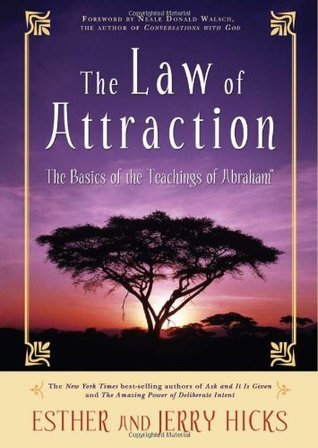
"The Law of Attraction: The Basics of the Teachings of Abraham" presents a core philosophy centered on the idea that an individual's thoughts and emotions determine their reality. It posits that by focusing on positive thoughts and desires, one can attract corresponding positive experiences and outcomes into their life. The book elaborates on the concept of vibrational alignment, suggesting that sustained emotional states act as a magnet for similar experiences, and offers practical exercises for shifting one's emotional frequency to manifest desired results.
This book is fundamentally similar to "Money, and the Law of Attraction" because both books stem from the same core teachings delivered by Abraham through Esther Hicks. While "Money, and the Law of Attraction" specifically applies these principles to financial abundance and overall well-being, "The Law of Attraction: The Basics" lays out the overarching framework and foundational tenets of the Law of Attraction itself, from which all other applications, including those concerning wealth and health, are derived. It offers the philosophical underpinnings for the practical advice found in the money-focused companion.
This foundational text will appeal to individuals seeking to understand and practically apply the principles of manifestation in their lives. The clear articulation of the Law of Attraction's mechanics and the emphasis on personal agency offer a compelling perspective for those looking to exert greater control over their life circumstances. Its value lies in providing a comprehensive guidebook for cultivating a mindset conducive to attracting positive experiences, fostering a sense of empowerment and intentional creation.
The Law of Attraction: The Basics of the Teachings of Abraham
"The Law of Attraction: The Basics of the Teachings of Abraham" presents a core philosophy centered on the idea that an individual's thoughts and emotions determine their reality. It posits that by focusing on positive thoughts and desires, one can attract corresponding positive experiences and outcomes into their life. The book elaborates on the concept of vibrational alignment, suggesting that sustained emotional states act as a magnet for similar experiences, and offers practical exercises for shifting one's emotional frequency to manifest desired results.
This book is fundamentally similar to "Money, and the Law of Attraction" because both books stem from the same core teachings delivered by Abraham through Esther Hicks. While "Money, and the Law of Attraction" specifically applies these principles to financial abundance and overall well-being, "The Law of Attraction: The Basics" lays out the overarching framework and foundational tenets of the Law of Attraction itself, from which all other applications, including those concerning wealth and health, are derived. It offers the philosophical underpinnings for the practical advice found in the money-focused companion.
This foundational text will appeal to individuals seeking to understand and practically apply the principles of manifestation in their lives. The clear articulation of the Law of Attraction's mechanics and the emphasis on personal agency offer a compelling perspective for those looking to exert greater control over their life circumstances. Its value lies in providing a comprehensive guidebook for cultivating a mindset conducive to attracting positive experiences, fostering a sense of empowerment and intentional creation.
Ask and It Is Given: Learning to Manifest Your Desires

"Ask and It Is Given" introduces the core tenets of the Law of Attraction. It explains that our thoughts and feelings directly influence our reality, and by consciously directing our focus to desired outcomes, we can manifest them into existence. The book provides practical techniques, termed "processes," for identifying desires, overcoming resistance, and aligning energetically with what one wishes to attract. It emphasizes the importance of positive emotion and belief in the manifestation process.
This book shares substantial thematic overlap with "Money, and the Law of Attraction" because both books are fundamentally rooted in the teachings of Abraham-Hicks concerning the Law of Attraction. While "Money" zeroes in on financial abundance, "Ask and It Is Given" presents the overarching framework for attracting *any* desire—be it health, relationships, or career success. The underlying principles and methodologies for conscious creation are identical, making "Money" a specific application of the broader concepts in "Ask and It Is Given."
The appeal of "Ask and It Is Given" lies in its empowering message and actionable strategies. Individuals seeking greater control over their life circumstances and desiring to cultivate a more positive and fulfilling existence will appreciate its straightforward guidance. The book offers a tangible pathway to understanding and applying universal principles, potentially leading to significant personal transformation and the attainment of deeply held aspirations.
Ask and It Is Given: Learning to Manifest Your Desires
"Ask and It Is Given" introduces the core tenets of the Law of Attraction. It explains that our thoughts and feelings directly influence our reality, and by consciously directing our focus to desired outcomes, we can manifest them into existence. The book provides practical techniques, termed "processes," for identifying desires, overcoming resistance, and aligning energetically with what one wishes to attract. It emphasizes the importance of positive emotion and belief in the manifestation process.
This book shares substantial thematic overlap with "Money, and the Law of Attraction" because both books are fundamentally rooted in the teachings of Abraham-Hicks concerning the Law of Attraction. While "Money" zeroes in on financial abundance, "Ask and It Is Given" presents the overarching framework for attracting *any* desire—be it health, relationships, or career success. The underlying principles and methodologies for conscious creation are identical, making "Money" a specific application of the broader concepts in "Ask and It Is Given."
The appeal of "Ask and It Is Given" lies in its empowering message and actionable strategies. Individuals seeking greater control over their life circumstances and desiring to cultivate a more positive and fulfilling existence will appreciate its straightforward guidance. The book offers a tangible pathway to understanding and applying universal principles, potentially leading to significant personal transformation and the attainment of deeply held aspirations.
Law of Attraction: The Science of Attracting More of What You Want and Less of What You Don't

Michael Losier's "Law of Attraction: The Science of Attracting More of What You Want and Less of What You Don't" is a practical guide to understanding and applying the universal principle that like attracts like. It demystifies the Law of Attraction, offering clear techniques and actionable steps to intentionally manifest desired outcomes in various areas of life by focusing thought and emotion. Losier provides tools to identify what you truly want, eliminate limiting beliefs, and align your vibrations to attract positive experiences.
This book shares key thematic similarities with Esther Hicks’ "Money, and the Law of Attraction." Both works center on the foundational premise that our thoughts and feelings directly influence our reality, and that by consciously directing these, we can alter our life circumstances. While Hicks often uses the Abraham entity's teachings, Losier presents a more direct, step-by-step methodology, but the core message – leveraging inner states to attract external conditions – remains consistent across both titles.
This book will appeal to individuals seeking a structured and accessible entry point into the Law of Attraction concept. Its clear, no-nonsense approach provides tangible exercises and a practical framework that can be immediately implemented, offering a path to greater personal empowerment and the conscious creation of a more fulfilling life. The emphasis on tangible application makes it a valuable resource for those ready to move beyond theory into effective practice.
Law of Attraction: The Science of Attracting More of What You Want and Less of What You Don't
Michael Losier's "Law of Attraction: The Science of Attracting More of What You Want and Less of What You Don't" is a practical guide to understanding and applying the universal principle that like attracts like. It demystifies the Law of Attraction, offering clear techniques and actionable steps to intentionally manifest desired outcomes in various areas of life by focusing thought and emotion. Losier provides tools to identify what you truly want, eliminate limiting beliefs, and align your vibrations to attract positive experiences.
This book shares key thematic similarities with Esther Hicks’ "Money, and the Law of Attraction." Both works center on the foundational premise that our thoughts and feelings directly influence our reality, and that by consciously directing these, we can alter our life circumstances. While Hicks often uses the Abraham entity's teachings, Losier presents a more direct, step-by-step methodology, but the core message – leveraging inner states to attract external conditions – remains consistent across both titles.
This book will appeal to individuals seeking a structured and accessible entry point into the Law of Attraction concept. Its clear, no-nonsense approach provides tangible exercises and a practical framework that can be immediately implemented, offering a path to greater personal empowerment and the conscious creation of a more fulfilling life. The emphasis on tangible application makes it a valuable resource for those ready to move beyond theory into effective practice.
The Power
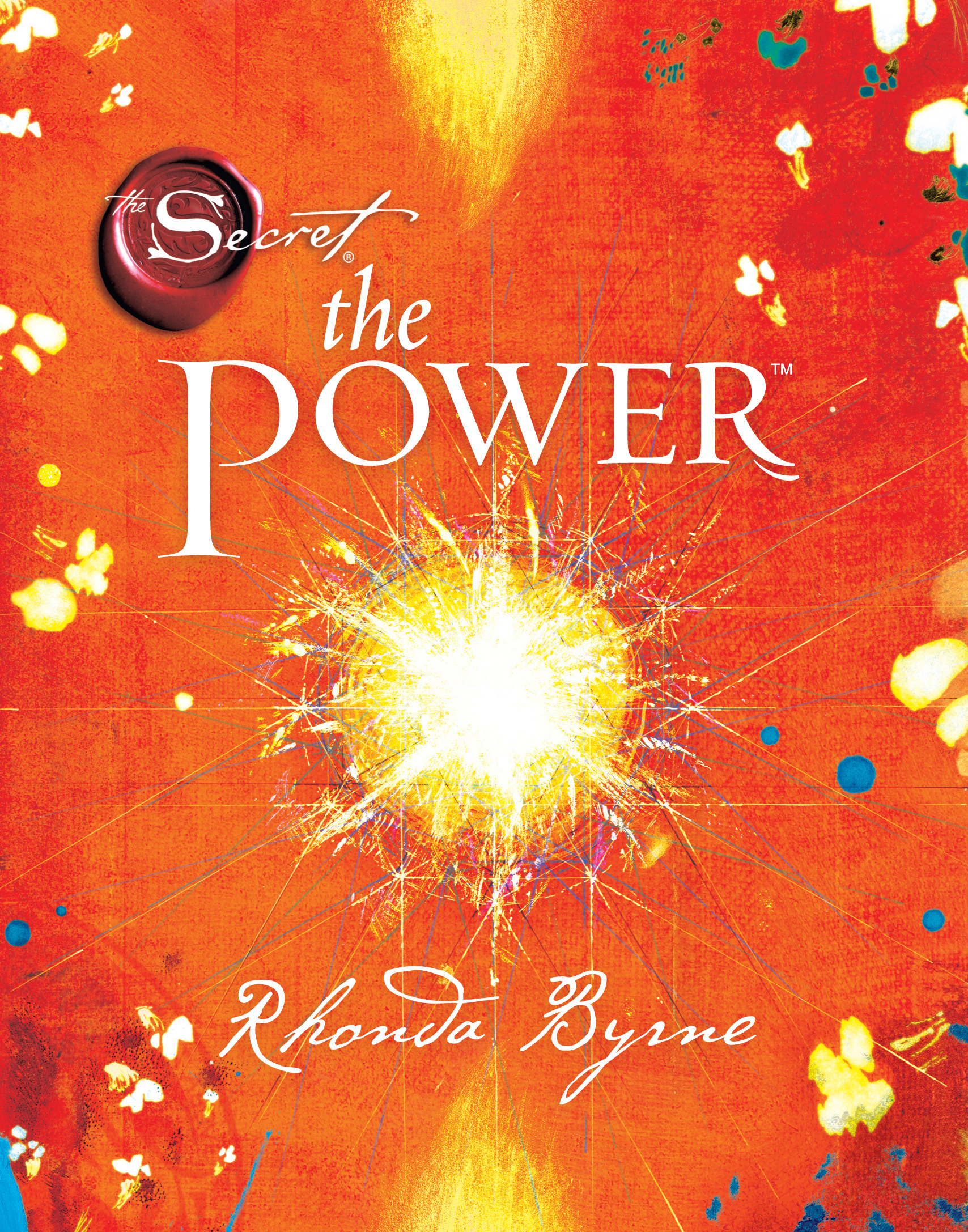
"The Power" by Rhonda Byrne articulates the concept that love, as Earth's most significant force, is the source of all positive experiences and manifestations. It posits that by consciously aligning with and emitting feelings of love, gratitude, and joy, individuals can attract desired outcomes into their lives, effectively becoming co-creators of their reality. The book emphasizes that emotions are the primary "power" guiding this process, making it accessible and actionable for anyone seeking improvement.
This book shares foundational principles with "Money, and the Law of Attraction." Both works center on the Law of Attraction, asserting that thoughts and emotions dictate one's experiences. While Hicks' book specifically addresses attracting wealth, health, and happiness through vibrational alignment, Byrne's "The Power" broadens this focus to encompass love as the ultimate vibrational frequency for attracting *anything* positive. Both empower individuals by emphasizing the internal locus of control over one's destiny.
This book will appeal to those seeking practical methods for personal transformation and manifesting their desires. Its clear, accessible language demystifies complex spiritual principles, making the Law of Attraction understandable and applicable. It offers a blueprint for cultivating a positive mindset and emotional state, which many will find profoundly valuable for improving various aspects of their lives, from relationships to financial well-being, by focusing on the transformative power of love.
The Power
"The Power" by Rhonda Byrne articulates the concept that love, as Earth's most significant force, is the source of all positive experiences and manifestations. It posits that by consciously aligning with and emitting feelings of love, gratitude, and joy, individuals can attract desired outcomes into their lives, effectively becoming co-creators of their reality. The book emphasizes that emotions are the primary "power" guiding this process, making it accessible and actionable for anyone seeking improvement.
This book shares foundational principles with "Money, and the Law of Attraction." Both works center on the Law of Attraction, asserting that thoughts and emotions dictate one's experiences. While Hicks' book specifically addresses attracting wealth, health, and happiness through vibrational alignment, Byrne's "The Power" broadens this focus to encompass love as the ultimate vibrational frequency for attracting *anything* positive. Both empower individuals by emphasizing the internal locus of control over one's destiny.
This book will appeal to those seeking practical methods for personal transformation and manifesting their desires. Its clear, accessible language demystifies complex spiritual principles, making the Law of Attraction understandable and applicable. It offers a blueprint for cultivating a positive mindset and emotional state, which many will find profoundly valuable for improving various aspects of their lives, from relationships to financial well-being, by focusing on the transformative power of love.
The Secret Daily Teachings

"The Secret Daily Teachings" distills the core principles of the Law of Attraction into bite-sized, actionable messages for daily contemplation. It focuses on cultivating a positive mindset, visualizing desired outcomes, and practicing gratitude as fundamental tools for manifesting personal goals across all aspects of life, from relationships to career.
This book shares significant thematic overlap with "Money, and the Law of Attraction," primarily in their shared emphasis on the Law of Attraction as a universal principle. Both texts posit that thoughts and emotions directly influence reality, teaching that by aligning one's vibrational frequency with desired experiences, one can attract them. Both also advocate for deliberate thought management and the power of intention.
Individuals seeking daily inspiration and practical guidance for applying the Law of Attraction will find this book highly engaging. Its concise format makes it ideal for integrating positive affirmations and manifesting practices into a busy routine, offering a consistent reinforcement of principles for personal growth and achievement.
The Secret Daily Teachings
"The Secret Daily Teachings" distills the core principles of the Law of Attraction into bite-sized, actionable messages for daily contemplation. It focuses on cultivating a positive mindset, visualizing desired outcomes, and practicing gratitude as fundamental tools for manifesting personal goals across all aspects of life, from relationships to career.
This book shares significant thematic overlap with "Money, and the Law of Attraction," primarily in their shared emphasis on the Law of Attraction as a universal principle. Both texts posit that thoughts and emotions directly influence reality, teaching that by aligning one's vibrational frequency with desired experiences, one can attract them. Both also advocate for deliberate thought management and the power of intention.
Individuals seeking daily inspiration and practical guidance for applying the Law of Attraction will find this book highly engaging. Its concise format makes it ideal for integrating positive affirmations and manifesting practices into a busy routine, offering a consistent reinforcement of principles for personal growth and achievement.
Money Game: A Wealth Manifestation Guide. Level Up Your Mindset Step-By-Step & Create An Abundant Life

"Money Game" by Daniel Mangena offers a practical, step-by-step framework for cultivating an abundance mindset and manifesting wealth. It deconstructs the psychological barriers to attracting financial success, providing actionable exercises and techniques to reframe limiting beliefs, align intentions, and attract desired outcomes. The book emphasizes internal transformation as the primary driver for external financial change.
This guide shares significant thematic overlap with Esther Hicks' "Money, and the Law of Attraction." Both books firmly root their philosophies in the principles of the Law of Attraction, asserting that one's thoughts and emotional vibrations directly influence their financial reality. They both advocate for a conscious shift in perspective and emotional state as crucial for inviting wealth and well-being into one's life.
The book's appeal lies in its clear, actionable approach to a transformative topic. Its structured methodology empowers individuals to actively engage with wealth manifestation as a learnable skill, moving beyond passive wishful thinking. It provides tangible tools for those seeking to understand and practically apply Law of Attraction principles to financial improvement, offering a hopeful and empowering path to a more abundant life.
Money Game: A Wealth Manifestation Guide. Level Up Your Mindset Step-By-Step & Create An Abundant Life
"Money Game" by Daniel Mangena offers a practical, step-by-step framework for cultivating an abundance mindset and manifesting wealth. It deconstructs the psychological barriers to attracting financial success, providing actionable exercises and techniques to reframe limiting beliefs, align intentions, and attract desired outcomes. The book emphasizes internal transformation as the primary driver for external financial change.
This guide shares significant thematic overlap with Esther Hicks' "Money, and the Law of Attraction." Both books firmly root their philosophies in the principles of the Law of Attraction, asserting that one's thoughts and emotional vibrations directly influence their financial reality. They both advocate for a conscious shift in perspective and emotional state as crucial for inviting wealth and well-being into one's life.
The book's appeal lies in its clear, actionable approach to a transformative topic. Its structured methodology empowers individuals to actively engage with wealth manifestation as a learnable skill, moving beyond passive wishful thinking. It provides tangible tools for those seeking to understand and practically apply Law of Attraction principles to financial improvement, offering a hopeful and empowering path to a more abundant life.
WORKING WITH THE LAW: 11 TRUTH PRINCIPLES FOR SUCCESSFUL LIVING
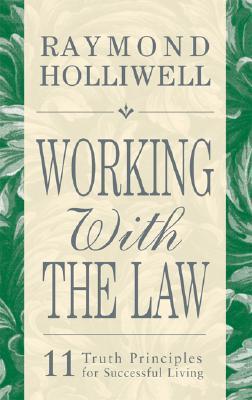
"WORKING WITH THE LAW: 11 TRUTH PRINCIPLES FOR SUCCESSFUL LIVING" distills universal principles, presented as immutable "laws," into practical guidance for living a more fulfilled life. Holliwell posits that success in all its forms — personal, financial, and spiritual — isn't accidental, but rather a direct result of understanding and aligning oneself with these foundational truths. The book offers actionable insights into harnessing these principles for tangible improvements in one's circumstances.
Both books fundamentally explore the concept that our thoughts and beliefs directly influence our reality and attract corresponding experiences. Just as Hicks outlines how to consciously utilize the "Law of Attraction" for abundance, Holliwell's "Truth Principles" emphasize the power of internal states to manifest external outcomes. They share a core philosophy: mastering internal alignment is the key to creating desired external conditions, particularly concerning wealth, health, and general well-being.
This book will appeal to individuals seeking a structured, principle-based approach to personal growth and manifestation. Its value lies in offering a clear framework for understanding the underlying mechanics of success and providing actionable steps to apply these principles. Those who appreciate a logical, systematic presentation of how to actively shape their lives will find its insights profoundly empowering and instrumental in achieving their aspirations.
WORKING WITH THE LAW: 11 TRUTH PRINCIPLES FOR SUCCESSFUL LIVING
"WORKING WITH THE LAW: 11 TRUTH PRINCIPLES FOR SUCCESSFUL LIVING" distills universal principles, presented as immutable "laws," into practical guidance for living a more fulfilled life. Holliwell posits that success in all its forms — personal, financial, and spiritual — isn't accidental, but rather a direct result of understanding and aligning oneself with these foundational truths. The book offers actionable insights into harnessing these principles for tangible improvements in one's circumstances.
Both books fundamentally explore the concept that our thoughts and beliefs directly influence our reality and attract corresponding experiences. Just as Hicks outlines how to consciously utilize the "Law of Attraction" for abundance, Holliwell's "Truth Principles" emphasize the power of internal states to manifest external outcomes. They share a core philosophy: mastering internal alignment is the key to creating desired external conditions, particularly concerning wealth, health, and general well-being.
This book will appeal to individuals seeking a structured, principle-based approach to personal growth and manifestation. Its value lies in offering a clear framework for understanding the underlying mechanics of success and providing actionable steps to apply these principles. Those who appreciate a logical, systematic presentation of how to actively shape their lives will find its insights profoundly empowering and instrumental in achieving their aspirations.
The Power of Intention: Learning to Co-Create Your World Your Way

"The Power of Intention" by Wayne Dyer explores the concept of intention not just as a strong desire, but as an energetic force permeating the universe. Dyer argues that by consciously connecting with this universal intention, individuals can align their thoughts and actions to manifest their desires and shape their personal reality. It's about understanding and utilizing this inherent spiritual energy to bring about positive change and co-create one's life purposefully.
This book shares significant common ground with "Money, and the Law of Attraction" in its fundamental premise: both assert that an individual's thoughts, beliefs, and energetic focus directly influence their experiences and outcomes. While Hicks emphasizes "attraction" through vibrational alignment, Dyer focuses on aligning with universal "intention." Both ultimately guide the reader to understand their active role in creating their desired life through mental and energetic principles.
The appeal of "The Power of Intention" lies in its empowering message and practical guidance. It offers a framework for understanding how one can move beyond passive wishing to actively shaping their circumstances. The book provides a compelling perspective on personal agency and offers methods for cultivating a mindset conducive to achieving goals and experiencing greater fulfillment in various aspects of life, from relationships to career and well-being.
The Power of Intention: Learning to Co-Create Your World Your Way
"The Power of Intention" by Wayne Dyer explores the concept of intention not just as a strong desire, but as an energetic force permeating the universe. Dyer argues that by consciously connecting with this universal intention, individuals can align their thoughts and actions to manifest their desires and shape their personal reality. It's about understanding and utilizing this inherent spiritual energy to bring about positive change and co-create one's life purposefully.
This book shares significant common ground with "Money, and the Law of Attraction" in its fundamental premise: both assert that an individual's thoughts, beliefs, and energetic focus directly influence their experiences and outcomes. While Hicks emphasizes "attraction" through vibrational alignment, Dyer focuses on aligning with universal "intention." Both ultimately guide the reader to understand their active role in creating their desired life through mental and energetic principles.
The appeal of "The Power of Intention" lies in its empowering message and practical guidance. It offers a framework for understanding how one can move beyond passive wishing to actively shaping their circumstances. The book provides a compelling perspective on personal agency and offers methods for cultivating a mindset conducive to achieving goals and experiencing greater fulfillment in various aspects of life, from relationships to career and well-being.
The Magic

"The Magic" by Rhonda Byrne offers a 28-day program designed to cultivate gratitude as a primary means of transforming one's life. Each day introduces specific gratitude practices, ranging from acknowledging what one already possesses to expressing thanks for desired future outcomes as if they've already manifested. The book posits that consistent, heartfelt gratitude shifts one's focus from lack to abundance, thereby attracting positive experiences and opportunities across all areas of life.
This book shares foundational principles with "Money, and the Law of Attraction." Both works are firmly rooted in the Law of Attraction philosophy, emphasizing the power of thought and emotion in shaping reality. While Hicks' book delves into broader teachings of Abraham, Byrne distills the application into specific, daily gratitude exercises, serving as a practical, actionable guide to manifesting desires that aligns seamlessly with the theoretical underpinnings of attracting wealth, health, and happiness through vibrational alignment.
It will appeal to individuals seeking a structured and actionable path to personal transformation. Its daily format makes the principles of manifestation accessible and manageable, offering tangible exercises that can be easily integrated into daily life. The book’s focus on gratitude provides a powerful, positive framework for shifting perspective, fostering a sense of fulfillment and empowerment as individuals actively participate in creating their desired realities.
The Magic
"The Magic" by Rhonda Byrne offers a 28-day program designed to cultivate gratitude as a primary means of transforming one's life. Each day introduces specific gratitude practices, ranging from acknowledging what one already possesses to expressing thanks for desired future outcomes as if they've already manifested. The book posits that consistent, heartfelt gratitude shifts one's focus from lack to abundance, thereby attracting positive experiences and opportunities across all areas of life.
This book shares foundational principles with "Money, and the Law of Attraction." Both works are firmly rooted in the Law of Attraction philosophy, emphasizing the power of thought and emotion in shaping reality. While Hicks' book delves into broader teachings of Abraham, Byrne distills the application into specific, daily gratitude exercises, serving as a practical, actionable guide to manifesting desires that aligns seamlessly with the theoretical underpinnings of attracting wealth, health, and happiness through vibrational alignment.
It will appeal to individuals seeking a structured and actionable path to personal transformation. Its daily format makes the principles of manifestation accessible and manageable, offering tangible exercises that can be easily integrated into daily life. The book’s focus on gratitude provides a powerful, positive framework for shifting perspective, fostering a sense of fulfillment and empowerment as individuals actively participate in creating their desired realities.
Get Rich, Lucky Bitch: Release Your Money Blocks and Live a First Class Life

"Get Rich, Lucky Bitch" by Denise Duffield-Thomas serves as a practical guide for women to identify and overcome psychological barriers that prevent financial abundance. It delves into common "money blocks" – unconscious beliefs and patterns often rooted in societal conditioning or past experiences – offering actionable strategies and affirmations to shift one's mindset towards wealth creation and acceptance. The book emphasizes practical steps alongside mindset work, aiming for tangible financial improvement.
This book shares significant thematic overlap with Esther Hicks' "Money, and the Law of Attraction" by centering on the concept that one's inner world dictates outer circumstances, particularly concerning finances. Both texts advocate for a deliberate shift in perspective, moving from scarcity to abundance, and emphasize the power of focused thought and belief in attracting desired outcomes. While Hicks' work is more broadly philosophical about universal attraction principles, Duffield-Thomas applies these concepts specifically to women overcoming financial limitations.
The appeal of "Get Rich, Lucky Bitch" lies in its direct, empowering approach and its focus on practical application. It offers a relatable framework for understanding financial struggles, moving beyond mere budgeting to address the underlying psychological components of wealth. Individuals seeking to dismantle ingrained negative money beliefs and actively cultivate a more prosperous financial reality will find its blend of mindset coaching and grounded strategies highly valuable.
Get Rich, Lucky Bitch: Release Your Money Blocks and Live a First Class Life
"Get Rich, Lucky Bitch" by Denise Duffield-Thomas serves as a practical guide for women to identify and overcome psychological barriers that prevent financial abundance. It delves into common "money blocks" – unconscious beliefs and patterns often rooted in societal conditioning or past experiences – offering actionable strategies and affirmations to shift one's mindset towards wealth creation and acceptance. The book emphasizes practical steps alongside mindset work, aiming for tangible financial improvement.
This book shares significant thematic overlap with Esther Hicks' "Money, and the Law of Attraction" by centering on the concept that one's inner world dictates outer circumstances, particularly concerning finances. Both texts advocate for a deliberate shift in perspective, moving from scarcity to abundance, and emphasize the power of focused thought and belief in attracting desired outcomes. While Hicks' work is more broadly philosophical about universal attraction principles, Duffield-Thomas applies these concepts specifically to women overcoming financial limitations.
The appeal of "Get Rich, Lucky Bitch" lies in its direct, empowering approach and its focus on practical application. It offers a relatable framework for understanding financial struggles, moving beyond mere budgeting to address the underlying psychological components of wealth. Individuals seeking to dismantle ingrained negative money beliefs and actively cultivate a more prosperous financial reality will find its blend of mindset coaching and grounded strategies highly valuable.
More Books to Explore
Discover more titles that expand on these ideas and themes.
The Law of Attraction: The Basics of the Teachings of Abraham
Ask and It Is Given: Learning to Manifest Your Desires
Law of Attraction: The Science of Attracting More of What You Want and Less of What You Don't
The Power
The Secret Daily Teachings
Money Game: A Wealth Manifestation Guide. Level Up Your Mindset Step-By-Step & Create An Abundant Life