10 Books Similar to "Mathilda"
by Mary Wollstonecraft Shelley

Frankenstein: The 1818 Text
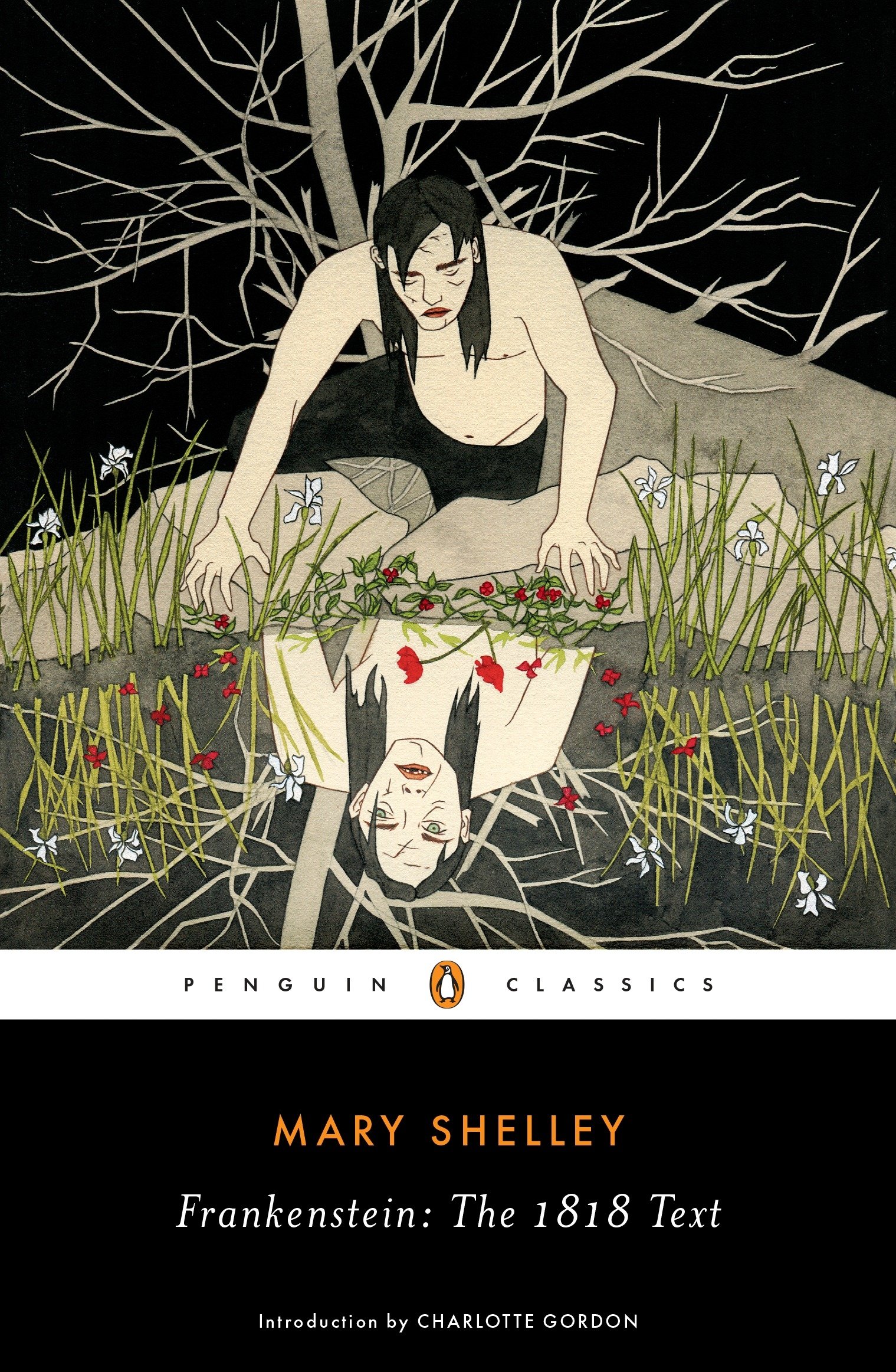
"Frankenstein: The 1818 Text" recounts the tragic tale of Victor Frankenstein, a brilliant but ambitious young scientist who creates a sentient being through artificial means. Repulsed by his creation, Victor abandons it, leading the creature on a journey of ostracization, vengeance, and profound loneliness, ultimately culminating in the destruction of both creator and created.
Both "Frankenstein" and "Mathilda" share a profound exploration of isolation, abandonment, and the devastating consequences of societal rejection. Each protagonist suffers deeply from separation, whether through Victor's self-imposed alienation or Mathilda's horrific banishment. Furthermore, Shelley masterfully employs a framing narrative in both works, allowing for layers of introspection and shifting perspectives on their central tragedies.
This foundational version of "Frankenstein" resonates deeply with those interested in the origins of science fiction, philosophical quandaries about creation and responsibility, and the enduring power of gothic literature. Its profound consideration of what it means to be human, the dangers of unchecked ambition, and the societal impact of prejudice offers rich material for reflection and discussion.
Frankenstein: The 1818 Text
"Frankenstein: The 1818 Text" recounts the tragic tale of Victor Frankenstein, a brilliant but ambitious young scientist who creates a sentient being through artificial means. Repulsed by his creation, Victor abandons it, leading the creature on a journey of ostracization, vengeance, and profound loneliness, ultimately culminating in the destruction of both creator and created.
Both "Frankenstein" and "Mathilda" share a profound exploration of isolation, abandonment, and the devastating consequences of societal rejection. Each protagonist suffers deeply from separation, whether through Victor's self-imposed alienation or Mathilda's horrific banishment. Furthermore, Shelley masterfully employs a framing narrative in both works, allowing for layers of introspection and shifting perspectives on their central tragedies.
This foundational version of "Frankenstein" resonates deeply with those interested in the origins of science fiction, philosophical quandaries about creation and responsibility, and the enduring power of gothic literature. Its profound consideration of what it means to be human, the dangers of unchecked ambition, and the societal impact of prejudice offers rich material for reflection and discussion.
Classics of Horror : Frankenstein; The Strange Case of Dr. Jekyll and Mr. Hyde; Dracula
*Classics of Horror* presents three foundational tales of dread: *Frankenstein* explores the consequences of scientific hubris and societal rejection through the creation of a sentient being; *Dr. Jekyll and Mr. Hyde* delves into the dual nature of humanity, revealing the struggle between good and evil within a single individual; and *Dracula* establishes the enduring myth of the predatory vampire, personifying ancient evil and the corruption of innocence.
The similarity to *Mathilda* lies in their shared exploration of profound psychological anguish, societal alienation, and forbidden desires. Both works examine characters grappling with isolation, guilt, and the destructive power of unconventional passions that lead to devastating consequences, often involving a sense of monstrousness, whether internal or external.
This collection will appeal to those who appreciate incisive psychological portraits and narratives that plumb the depths of human nature and its darker impulses. Its enduring value comes from its masterful storytelling, its significant contribution to the horror genre, and its timeless examination of themes like prejudice, identity, and the boundaries of morality.
Classics of Horror : Frankenstein; The Strange Case of Dr. Jekyll and Mr. Hyde; Dracula
*Classics of Horror* presents three foundational tales of dread: *Frankenstein* explores the consequences of scientific hubris and societal rejection through the creation of a sentient being; *Dr. Jekyll and Mr. Hyde* delves into the dual nature of humanity, revealing the struggle between good and evil within a single individual; and *Dracula* establishes the enduring myth of the predatory vampire, personifying ancient evil and the corruption of innocence.
The similarity to *Mathilda* lies in their shared exploration of profound psychological anguish, societal alienation, and forbidden desires. Both works examine characters grappling with isolation, guilt, and the destructive power of unconventional passions that lead to devastating consequences, often involving a sense of monstrousness, whether internal or external.
This collection will appeal to those who appreciate incisive psychological portraits and narratives that plumb the depths of human nature and its darker impulses. Its enduring value comes from its masterful storytelling, its significant contribution to the horror genre, and its timeless examination of themes like prejudice, identity, and the boundaries of morality.
The Last Man
"The Last Man" is a dystopian novel chronicling humanity's extinction by a global plague in the late 21st century. Told through the eyes of Lionel Verney, the narrative follows his attempts to navigate a collapsing society, preserve human connection, and ultimately, survive as the sole remaining individual. It's a poignant exploration of isolation, loss, and the inherent fragility of civilization.
The similarity to "Mathilda" lies in their shared exploration of profound solitude and the devastating impact of loss on the individual psyche. Both protagonists endure an extreme, isolating existence born from tragic circumstances, grappling with alienation and the absence of meaningful relationships. Shelley uses both narratives to dissect the psychological toll of being utterly alone in the world.
This novel will appeal to those who appreciate introspective and melancholic narratives that delve into the human condition under duress. It offers a powerful meditation on mortality, the impermanence of existence, and the enduring human spirit even in the face of absolute despair, proving valuable for its profound philosophical depth and its early contribution to the dystopian genre.
The Last Man
"The Last Man" is a dystopian novel chronicling humanity's extinction by a global plague in the late 21st century. Told through the eyes of Lionel Verney, the narrative follows his attempts to navigate a collapsing society, preserve human connection, and ultimately, survive as the sole remaining individual. It's a poignant exploration of isolation, loss, and the inherent fragility of civilization.
The similarity to "Mathilda" lies in their shared exploration of profound solitude and the devastating impact of loss on the individual psyche. Both protagonists endure an extreme, isolating existence born from tragic circumstances, grappling with alienation and the absence of meaningful relationships. Shelley uses both narratives to dissect the psychological toll of being utterly alone in the world.
This novel will appeal to those who appreciate introspective and melancholic narratives that delve into the human condition under duress. It offers a powerful meditation on mortality, the impermanence of existence, and the enduring human spirit even in the face of absolute despair, proving valuable for its profound philosophical depth and its early contribution to the dystopian genre.
The Burden
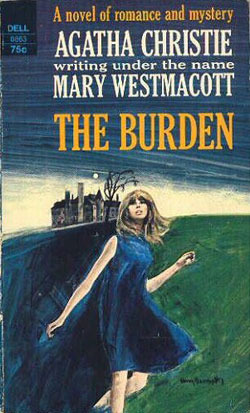
"The Burden" by Mary Westmacott (Agatha Christie writing under a pseudonym) explores the intense, possessive love of a young girl, Laura, for her infant sister, Shirley. After a near-fatal illness, Laura's devotion to Shirley becomes all-consuming, threatening to stifle Shirley's individuality and Laura's own personal development, leading to a complex web of emotional entanglement and psychological dependency within their family.
This novel shares a striking thematic resonance with "Mathilda." Both books delve into the destructive power of excessive, unbidden love, particularly within familial bonds that stray beyond societal norms. "Mathilda" confronts incestuous desire, while "The Burden" examines a near-pathological sibling devotion that generates similar feelings of suffocation, guilt, and social isolation for its protagonists, forcing them to grapple with the consequences of an obsessive affection.
The appeal of "The Burden" lies in its masterful exploration of psychological intensity and the dark undercurrents of love. It offers a nuanced examination of how well-intentioned affection can become a suffocating force, providing profound insights into attachment, identity formation, and the often-unseen struggles within families. The novel’s sensitive portrayal of these complex human emotions makes it a compelling and thought-provoking read, revealing the enduring relevance of these psychological themes.
The Burden
"The Burden" by Mary Westmacott (Agatha Christie writing under a pseudonym) explores the intense, possessive love of a young girl, Laura, for her infant sister, Shirley. After a near-fatal illness, Laura's devotion to Shirley becomes all-consuming, threatening to stifle Shirley's individuality and Laura's own personal development, leading to a complex web of emotional entanglement and psychological dependency within their family.
This novel shares a striking thematic resonance with "Mathilda." Both books delve into the destructive power of excessive, unbidden love, particularly within familial bonds that stray beyond societal norms. "Mathilda" confronts incestuous desire, while "The Burden" examines a near-pathological sibling devotion that generates similar feelings of suffocation, guilt, and social isolation for its protagonists, forcing them to grapple with the consequences of an obsessive affection.
The appeal of "The Burden" lies in its masterful exploration of psychological intensity and the dark undercurrents of love. It offers a nuanced examination of how well-intentioned affection can become a suffocating force, providing profound insights into attachment, identity formation, and the often-unseen struggles within families. The novel’s sensitive portrayal of these complex human emotions makes it a compelling and thought-provoking read, revealing the enduring relevance of these psychological themes.
Mad Shadows

"Mad Shadows" by Marie-Claire Blais plunges into the psychologically fraught world of Patrice and Isabelle, a brother and sister in rural Quebec, and their self-absorbed, aging beauty of a mother, Louise. The novel unfolds a dark, incestuous, and ultimately devastating narrative driven by vanity, neglect, and a warped sense of familial duty, culminating in tragic expressions of unfulfilled desires and emotional barrenness.
Both "Mad Shadows" and "Mathilda" explore the destructive power of unconventional family dynamics and forbidden desires, particularly incestuous undertones, that lead to profound isolation and tragedy for their protagonists. Both heroines, Isabelle and Mathilda, bear the heavy burden of their parents' emotional failings and the societal ostracization that results, highlighting the perilous consequences of unchecked passion and profound loneliness.
This novel will resonate with those who appreciate a searing, psychologically intense exploration of family dysfunction and the dark recesses of human emotion. Its stark depiction of beauty standards, moral decay, and the ultimate futility of desire offers a powerful commentary on societal pressures and personal identity, making it a compelling study in human frailty and the enduring impact of childhood trauma.
Mad Shadows
"Mad Shadows" by Marie-Claire Blais plunges into the psychologically fraught world of Patrice and Isabelle, a brother and sister in rural Quebec, and their self-absorbed, aging beauty of a mother, Louise. The novel unfolds a dark, incestuous, and ultimately devastating narrative driven by vanity, neglect, and a warped sense of familial duty, culminating in tragic expressions of unfulfilled desires and emotional barrenness.
Both "Mad Shadows" and "Mathilda" explore the destructive power of unconventional family dynamics and forbidden desires, particularly incestuous undertones, that lead to profound isolation and tragedy for their protagonists. Both heroines, Isabelle and Mathilda, bear the heavy burden of their parents' emotional failings and the societal ostracization that results, highlighting the perilous consequences of unchecked passion and profound loneliness.
This novel will resonate with those who appreciate a searing, psychologically intense exploration of family dysfunction and the dark recesses of human emotion. Its stark depiction of beauty standards, moral decay, and the ultimate futility of desire offers a powerful commentary on societal pressures and personal identity, making it a compelling study in human frailty and the enduring impact of childhood trauma.
The Rose and the Yew Tree
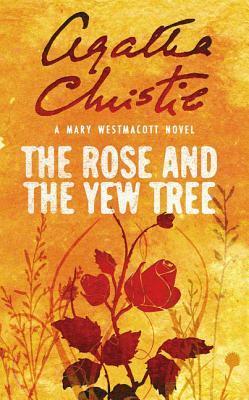
"The Rose and the Yew Tree" explores the destructive passion between Isabella, a young woman desperately seeking purpose and belonging, and a charismatic but manipulative politician. Set against the backdrop of post-war English society, the novel delves into themes of ambition, the corrupting nature of power, and the devastating consequences of forbidden love. Isabella’s journey is one of infatuation and disillusionment, as she confronts the moral compromises inherent in her chosen path.
This novel resonates with "Mathilda" through their shared exploration of unconventional and ultimately tragic romantic attachments. Both protagonists are isolated young women drawn into relationships that defy societal norms and lead to profound suffering. Shelley and Westmacott expertly weave narratives around intense, isolating emotional experiences, examining the psychological toll of such connections and the lingering shadows they cast on individuals’ lives.
The book offers a compelling narrative for those who appreciate psychological depth and stories about complex human relationships. It provides a nuanced examination of societal expectations versus individual desires, and the often-painful interplay between the two. Its exploration of moral ambiguity and the high cost of certain choices offers substantial food for thought and a rich emotional experience.
The Rose and the Yew Tree
"The Rose and the Yew Tree" explores the destructive passion between Isabella, a young woman desperately seeking purpose and belonging, and a charismatic but manipulative politician. Set against the backdrop of post-war English society, the novel delves into themes of ambition, the corrupting nature of power, and the devastating consequences of forbidden love. Isabella’s journey is one of infatuation and disillusionment, as she confronts the moral compromises inherent in her chosen path.
This novel resonates with "Mathilda" through their shared exploration of unconventional and ultimately tragic romantic attachments. Both protagonists are isolated young women drawn into relationships that defy societal norms and lead to profound suffering. Shelley and Westmacott expertly weave narratives around intense, isolating emotional experiences, examining the psychological toll of such connections and the lingering shadows they cast on individuals’ lives.
The book offers a compelling narrative for those who appreciate psychological depth and stories about complex human relationships. It provides a nuanced examination of societal expectations versus individual desires, and the often-painful interplay between the two. Its exploration of moral ambiguity and the high cost of certain choices offers substantial food for thought and a rich emotional experience.
Prelude to Christopher
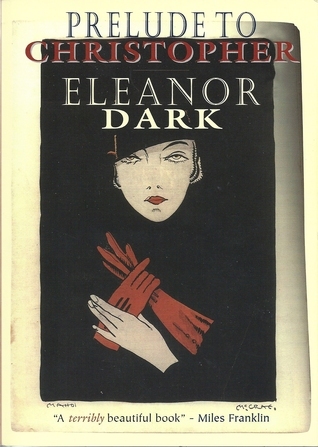
*Prelude to Christopher* delves into the intricate inner world of Nigel, a man grappling with his identity and desires as he anticipates the birth of his first child, Christopher. The narrative unfolds through Nigel's internal monologue and reflections, exploring his complex relationship with his wife, his past, and his struggle for self-understanding amidst societal expectations and personal anxieties. It's a profound examination of pre-parenthood, masculinity, and the search for meaning.
The two novels share a deep exploration of psychological turmoil and unconventional relationships. Both feature isolated protagonists whose intense internal lives drive the narrative, grappling with societal disapproval and profound emotional conflict. Just as Mathilda confronts the devastating consequences of an illicit love, Nigel grapples with his neuroses and the unsettling impact of impending fatherhood on his sense of self, revealing shared themes of alienation, introspection, and the burden of forbidden or difficult affections.
This novel offers a compelling experience for those who appreciate introspective character studies and nuanced psychological narratives. Its exploration of complex emotional landscapes and the human struggle for authenticity provides rich material for reflection. It proves valuable by offering a profound insight into the male psyche during a transformative life stage, challenging conventional notions of masculinity and personal fulfillment.
Prelude to Christopher
*Prelude to Christopher* delves into the intricate inner world of Nigel, a man grappling with his identity and desires as he anticipates the birth of his first child, Christopher. The narrative unfolds through Nigel's internal monologue and reflections, exploring his complex relationship with his wife, his past, and his struggle for self-understanding amidst societal expectations and personal anxieties. It's a profound examination of pre-parenthood, masculinity, and the search for meaning.
The two novels share a deep exploration of psychological turmoil and unconventional relationships. Both feature isolated protagonists whose intense internal lives drive the narrative, grappling with societal disapproval and profound emotional conflict. Just as Mathilda confronts the devastating consequences of an illicit love, Nigel grapples with his neuroses and the unsettling impact of impending fatherhood on his sense of self, revealing shared themes of alienation, introspection, and the burden of forbidden or difficult affections.
This novel offers a compelling experience for those who appreciate introspective character studies and nuanced psychological narratives. Its exploration of complex emotional landscapes and the human struggle for authenticity provides rich material for reflection. It proves valuable by offering a profound insight into the male psyche during a transformative life stage, challenging conventional notions of masculinity and personal fulfillment.
The Woman Destroyed

Simone de Beauvoir's "The Woman Destroyed" is a collection of three novellas, each exploring the existential crises of middle-aged women confronting the disintegration of their identities and relationships. The protagonists grapple with feelings of abandonment, betrayal, and the loss of purpose as their foundational assumptions about love, marriage, and self unravel. It's a poignant examination of aging, gender roles, and the often-unspoken psychological toll of societal expectations on women.
The thematic resonances with Shelley's "Mathilda" are compelling. Both novels delve into the profound psychological isolation and destruction of a woman's spirit due to devastating, morally transgressive male actions. While Mathilda's tragedy stems from incest, the women in Beauvoir's collection face a destruction no less absolute, albeit from emotional and relational failures. Both authors meticulously chart the internal landscape of suffering, exploring how identity is shattered and reformed (or not) in the wake of profound personal upheaval.
This collection offers valuable insights into the complexities of female experience, particularly the often-overlooked struggles of women beyond their youth. Its exploration of existential despair, the disillusionment of love, and the search for autonomy provides a deeply resonant and thought-provoking reading experience. Engaging with these stories illuminates the enduring human condition of navigating personal catastrophe and redefining one's place in the world.
The Woman Destroyed
Simone de Beauvoir's "The Woman Destroyed" is a collection of three novellas, each exploring the existential crises of middle-aged women confronting the disintegration of their identities and relationships. The protagonists grapple with feelings of abandonment, betrayal, and the loss of purpose as their foundational assumptions about love, marriage, and self unravel. It's a poignant examination of aging, gender roles, and the often-unspoken psychological toll of societal expectations on women.
The thematic resonances with Shelley's "Mathilda" are compelling. Both novels delve into the profound psychological isolation and destruction of a woman's spirit due to devastating, morally transgressive male actions. While Mathilda's tragedy stems from incest, the women in Beauvoir's collection face a destruction no less absolute, albeit from emotional and relational failures. Both authors meticulously chart the internal landscape of suffering, exploring how identity is shattered and reformed (or not) in the wake of profound personal upheaval.
This collection offers valuable insights into the complexities of female experience, particularly the often-overlooked struggles of women beyond their youth. Its exploration of existential despair, the disillusionment of love, and the search for autonomy provides a deeply resonant and thought-provoking reading experience. Engaging with these stories illuminates the enduring human condition of navigating personal catastrophe and redefining one's place in the world.
A Spell of Winter
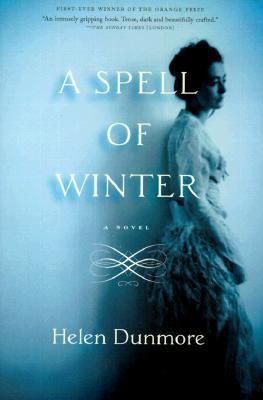
"A Spell of Winter" centers on Catherine, an orphaned young woman living in an isolated, decaying country house with her older brother, Rob. Their relationship, driven by co-dependency and unspoken desires, unfolds against a backdrop of bleak winter and looming societal judgments as Catherine navigates her burgeoning womanhood and the claustrophobic bonds binding them.
The thematic parallels with "Mathilda" are striking. Both novels explore incestuous desire within orphaned siblings, the destructive power of societal isolation, and the protagonist's profound struggle with forbidden love and its devastating consequences. Each story delves into the psychological complexities of protagonists trapped by circumstances and deeply unconventional affections.
The novel offers a compelling exploration of forbidden love, familial dysfunction, and the crushing weight of social ostracization. Its powerful depiction of psychological tension and atmospheric prose provides a rich reading experience, shedding light on the enduring human struggle with desire, morality, and independence, making it a valuable addition for those interested in complex character studies and gothic undertones.
A Spell of Winter
"A Spell of Winter" centers on Catherine, an orphaned young woman living in an isolated, decaying country house with her older brother, Rob. Their relationship, driven by co-dependency and unspoken desires, unfolds against a backdrop of bleak winter and looming societal judgments as Catherine navigates her burgeoning womanhood and the claustrophobic bonds binding them.
The thematic parallels with "Mathilda" are striking. Both novels explore incestuous desire within orphaned siblings, the destructive power of societal isolation, and the protagonist's profound struggle with forbidden love and its devastating consequences. Each story delves into the psychological complexities of protagonists trapped by circumstances and deeply unconventional affections.
The novel offers a compelling exploration of forbidden love, familial dysfunction, and the crushing weight of social ostracization. Its powerful depiction of psychological tension and atmospheric prose provides a rich reading experience, shedding light on the enduring human struggle with desire, morality, and independence, making it a valuable addition for those interested in complex character studies and gothic undertones.
The Scapegoat
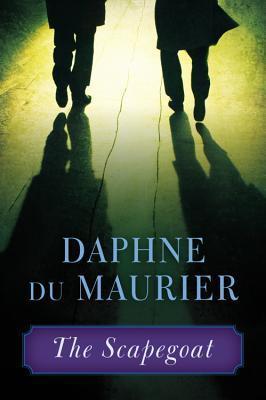
Daphne du Maurier’s "The Scapegoat" tells the unsettling story of an Englishman, John, who encounters his exact double, Jean de Gué, a French aristocrat. Coerced into exchanging identities, John finds himself thrust into a crumbling chateau and a life burdened by Jean's chaotic family, business failures, and scandalous past. He grapples with the repercussions of assuming another man's life, desperately trying to salvage what he can while navigating psychological and moral complexities.
"The Scapegoat" shares thematic DNA with "Mathilda" through their exploration of inherited burdens and destructive familial relationships. Both novels feature protagonists grappling with the profound impact of another's choices, particularly within a fraught family dynamic. The oppressive weight of past events and the feeling of being trapped by circumstances beyond one's control are central to both narratives, as is a certain claustrophobia inherent in the characters’ psychological states.
This novel will appeal to those who appreciate psychological thrillers and introspective character studies. Its exploration of identity, culpability, and the unsettling question of whether one can truly escape a predetermined fate offers rich material for reflection. The meticulously crafted atmosphere and suspenseful narrative will engage anyone drawn to gothic inflections and the intricate unraveling of human dilemmas.
The Scapegoat
Daphne du Maurier’s "The Scapegoat" tells the unsettling story of an Englishman, John, who encounters his exact double, Jean de Gué, a French aristocrat. Coerced into exchanging identities, John finds himself thrust into a crumbling chateau and a life burdened by Jean's chaotic family, business failures, and scandalous past. He grapples with the repercussions of assuming another man's life, desperately trying to salvage what he can while navigating psychological and moral complexities.
"The Scapegoat" shares thematic DNA with "Mathilda" through their exploration of inherited burdens and destructive familial relationships. Both novels feature protagonists grappling with the profound impact of another's choices, particularly within a fraught family dynamic. The oppressive weight of past events and the feeling of being trapped by circumstances beyond one's control are central to both narratives, as is a certain claustrophobia inherent in the characters’ psychological states.
This novel will appeal to those who appreciate psychological thrillers and introspective character studies. Its exploration of identity, culpability, and the unsettling question of whether one can truly escape a predetermined fate offers rich material for reflection. The meticulously crafted atmosphere and suspenseful narrative will engage anyone drawn to gothic inflections and the intricate unraveling of human dilemmas.
More Books to Explore
Discover more titles that expand on these ideas and themes.
Frankenstein: The 1818 Text
Classics of Horror : Frankenstein; The Strange Case of Dr. Jekyll and Mr. Hyde; Dracula
The Last Man
The Burden
Mad Shadows
The Rose and the Yew Tree