10 Books Similar to "March: Book One"
by John Lewis

March: Book Two
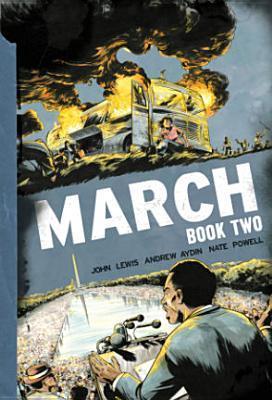
"March: Book Two" continues John Lewis's firsthand account of the Civil Rights Movement, focusing on the tumultuous years from the 1963 March on Washington through the 1964 Democratic National Convention. It chronicles pivotal legislative battles, escalating racial tensions, and the deeply personal struggles and sacrifices made by activists fighting for equality, culminating in the passage of the Civil Rights Act.
This second installment maintains the powerful graphic novel format and deeply personal narrative established in "March: Book One." Both books offer a singular, intimate perspective on major historical events through Lewis's eyes, illustrating the courage and dedication required to challenge systemic injustice. The consistent artistic style and tone provide a seamless continuation of the overarching story.
It will deeply engage audiences interested in American history, social justice, and the power of nonviolent protest. The book offers invaluable insights into the strategies, challenges, and profound human cost of the Civil Rights Movement, making crucial history accessible and resonant. Its portrayal of leadership, resilience, and the ongoing fight for civil rights provides a powerful educational and inspirational experience.
March: Book Two
"March: Book Two" continues John Lewis's firsthand account of the Civil Rights Movement, focusing on the tumultuous years from the 1963 March on Washington through the 1964 Democratic National Convention. It chronicles pivotal legislative battles, escalating racial tensions, and the deeply personal struggles and sacrifices made by activists fighting for equality, culminating in the passage of the Civil Rights Act.
This second installment maintains the powerful graphic novel format and deeply personal narrative established in "March: Book One." Both books offer a singular, intimate perspective on major historical events through Lewis's eyes, illustrating the courage and dedication required to challenge systemic injustice. The consistent artistic style and tone provide a seamless continuation of the overarching story.
It will deeply engage audiences interested in American history, social justice, and the power of nonviolent protest. The book offers invaluable insights into the strategies, challenges, and profound human cost of the Civil Rights Movement, making crucial history accessible and resonant. Its portrayal of leadership, resilience, and the ongoing fight for civil rights provides a powerful educational and inspirational experience.
Walking with the Wind: A Memoir of the Movement
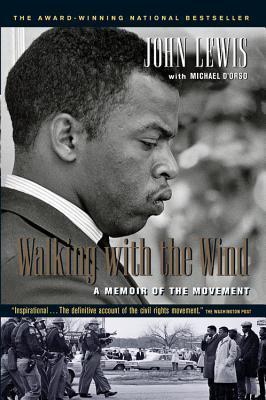
"Walking with the Wind: A Memoir of the Movement" is John Lewis’s profound autobiography, detailing his life from a sharecropper's son in rural Alabama to a pivotal leader in the civil rights movement. It chronicles his early spiritual awakening, his commitment to nonviolent direct action under Martin Luther King Jr.'s mentorship, and key events like the Freedom Rides and the Selma to Montgomery marches. The book offers an intimate first-hand account of the struggles, sacrifices, and triumphs in the fight for racial equality.
This memoir resonates strongly with "March: Book One" as both narrate Lewis's formative experiences and early activism within the Civil Rights Movement. While "March" is a graphic novel adaptation of these events, "Walking with the Wind" provides the comprehensive, unvarnished prose account directly from Lewis's perspective, offering deeper emotional and contextual insights into the same historical period and personal journey.
The book will appeal to those seeking a deeply personal and authoritative history of the Civil Rights Movement from one of its most enduring figures. Its value lies in offering unparalleled insight into principled leadership, the power of nonviolence, and the human cost and profound moral imperative behind the struggle for justice. It serves as a vital historical document and an inspiring testament to courageous activism.
Walking with the Wind: A Memoir of the Movement
"Walking with the Wind: A Memoir of the Movement" is John Lewis’s profound autobiography, detailing his life from a sharecropper's son in rural Alabama to a pivotal leader in the civil rights movement. It chronicles his early spiritual awakening, his commitment to nonviolent direct action under Martin Luther King Jr.'s mentorship, and key events like the Freedom Rides and the Selma to Montgomery marches. The book offers an intimate first-hand account of the struggles, sacrifices, and triumphs in the fight for racial equality.
This memoir resonates strongly with "March: Book One" as both narrate Lewis's formative experiences and early activism within the Civil Rights Movement. While "March" is a graphic novel adaptation of these events, "Walking with the Wind" provides the comprehensive, unvarnished prose account directly from Lewis's perspective, offering deeper emotional and contextual insights into the same historical period and personal journey.
The book will appeal to those seeking a deeply personal and authoritative history of the Civil Rights Movement from one of its most enduring figures. Its value lies in offering unparalleled insight into principled leadership, the power of nonviolence, and the human cost and profound moral imperative behind the struggle for justice. It serves as a vital historical document and an inspiring testament to courageous activism.
King: A Comics Biography of Martin Luther King, Jr.
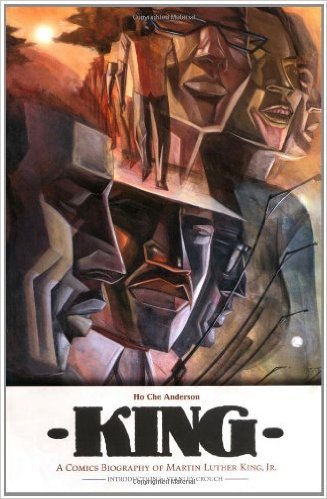
"King: A Comics Biography of Martin Luther King, Jr." meticulously chronicles the life and activism of the iconic civil rights leader, from his formative years to his tragic assassination. It delves into the complex socio-political landscape of the American South during the Civil Rights Movement, presenting King’s strategic brilliance, his moral compass, and the immense personal sacrifices he made in pursuit of justice. The graphic novel format allows for a powerful visual interpretation of historical events and emotional intensity.
This work resonates with "March: Book One" in its graphic novel format exploring key figures and events within the American Civil Rights Movement. Both books leverage the visual medium to bring historical narratives to life, offering intimate perspectives on pivotal moments and the personal struggles of those at the forefront of the fight for equality. They share a commitment to historical accuracy while employing engaging, accessible storytelling.
"King" offers a compelling and insightful exploration of a foundational figure in American history, enriching understanding of the Civil Rights Movement's complexities and enduring legacy. Its visual storytelling makes history accessible and impactful, fostering deeper empathy and critical reflection on leadership, social change, and the ongoing struggle for civil rights. It is an invaluable resource for comprehending a crucial period and its architects.
King: A Comics Biography of Martin Luther King, Jr.
"King: A Comics Biography of Martin Luther King, Jr." meticulously chronicles the life and activism of the iconic civil rights leader, from his formative years to his tragic assassination. It delves into the complex socio-political landscape of the American South during the Civil Rights Movement, presenting King’s strategic brilliance, his moral compass, and the immense personal sacrifices he made in pursuit of justice. The graphic novel format allows for a powerful visual interpretation of historical events and emotional intensity.
This work resonates with "March: Book One" in its graphic novel format exploring key figures and events within the American Civil Rights Movement. Both books leverage the visual medium to bring historical narratives to life, offering intimate perspectives on pivotal moments and the personal struggles of those at the forefront of the fight for equality. They share a commitment to historical accuracy while employing engaging, accessible storytelling.
"King" offers a compelling and insightful exploration of a foundational figure in American history, enriching understanding of the Civil Rights Movement's complexities and enduring legacy. Its visual storytelling makes history accessible and impactful, fostering deeper empathy and critical reflection on leadership, social change, and the ongoing struggle for civil rights. It is an invaluable resource for comprehending a crucial period and its architects.
The Autobiography of Martin Luther King, Jr.

"The Autobiography of Martin Luther King, Jr." distills the essence of King's life and the burgeoning Civil Rights Movement through his own speeches, essays, interviews, and published writings. It offers an unparalleled first-person account of his intellectual and spiritual development, his strategic thinking as a leader, and the deeply personal sacrifices made in pursuit of racial equality. The book vividly documents key moments, from the Montgomery Bus Boycott to the March on Washington, presenting King's evolving philosophy of nonviolent protest and his unwavering commitment to justice.
This work resonates strongly with "March: Book One" due to their shared focus on the foundational strategies and lived experiences of the Civil Rights Movement. Both provide intimate, first-hand perspectives on the struggle for desegregation and voting rights, revealing the courage and conviction of those who spearheaded the movement. While "March" offers a graphic novel narrative through John Lewis's eyes, the "Autobiography" provides the iconic leader's deep reflections, reinforcing the shared historical context, critical figures, and the profound moral imperative that drove their actions.
This autobiography holds significant appeal for anyone seeking a deeper understanding of American history, civil rights, and the nature of transformative leadership. It offers invaluable insights into the power of nonviolent resistance and the complex ethical dilemmas faced by advocates for social change. The book’s enduring relevance lies in its exploration of themes like justice, sacrifice, and the enduring fight for human dignity, making it a compelling and insightful read for a mature audience interested in both history and present-day social movements.
The Autobiography of Martin Luther King, Jr.
"The Autobiography of Martin Luther King, Jr." distills the essence of King's life and the burgeoning Civil Rights Movement through his own speeches, essays, interviews, and published writings. It offers an unparalleled first-person account of his intellectual and spiritual development, his strategic thinking as a leader, and the deeply personal sacrifices made in pursuit of racial equality. The book vividly documents key moments, from the Montgomery Bus Boycott to the March on Washington, presenting King's evolving philosophy of nonviolent protest and his unwavering commitment to justice.
This work resonates strongly with "March: Book One" due to their shared focus on the foundational strategies and lived experiences of the Civil Rights Movement. Both provide intimate, first-hand perspectives on the struggle for desegregation and voting rights, revealing the courage and conviction of those who spearheaded the movement. While "March" offers a graphic novel narrative through John Lewis's eyes, the "Autobiography" provides the iconic leader's deep reflections, reinforcing the shared historical context, critical figures, and the profound moral imperative that drove their actions.
This autobiography holds significant appeal for anyone seeking a deeper understanding of American history, civil rights, and the nature of transformative leadership. It offers invaluable insights into the power of nonviolent resistance and the complex ethical dilemmas faced by advocates for social change. The book’s enduring relevance lies in its exploration of themes like justice, sacrifice, and the enduring fight for human dignity, making it a compelling and insightful read for a mature audience interested in both history and present-day social movements.
Life Remembering Martin Luther King, Jr.: His Life and Crusade in Pictures
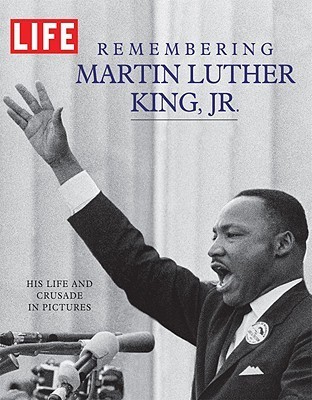
"Life Remembering Martin Luther King, Jr.: His Life and Crusade in Pictures" offers a visual chronicle of Martin Luther King Jr.'s pivotal role in the Civil Rights Movement. Through a collection of photographs, it charts his journey from early life to his leadership of nonviolent protests, detailing the iconic moments and the broader societal struggle for equality. The accompanying text provides concise historical context, enhancing the emotional impact and educational value of the imagery.
This book shares thematic and narrative parallels with "March: Book One." Both works extensively document the Civil Rights Movement's challenges and triumphs, focusing on the leadership and personal sacrifices involved. While "March" uses the graphic novel format to render events, "Life Remembering Martin Luther King, Jr." employs photojournalism to achieve a similar effect of immediacy and historical immersion, showcasing the real faces and settings of this transformative era.
Its visual-first approach makes this book particularly impactful for those seeking an accessible yet profound understanding of King’s legacy and the Civil Rights Movement. The photographs serve as powerful primary sources, communicating the gravity and heroism of the period with an authenticity that resonates deeply. It provides a tangible connection to history, offering insights into the courage required to confront systemic injustice and the enduring power of a movement for social change.
Life Remembering Martin Luther King, Jr.: His Life and Crusade in Pictures
"Life Remembering Martin Luther King, Jr.: His Life and Crusade in Pictures" offers a visual chronicle of Martin Luther King Jr.'s pivotal role in the Civil Rights Movement. Through a collection of photographs, it charts his journey from early life to his leadership of nonviolent protests, detailing the iconic moments and the broader societal struggle for equality. The accompanying text provides concise historical context, enhancing the emotional impact and educational value of the imagery.
This book shares thematic and narrative parallels with "March: Book One." Both works extensively document the Civil Rights Movement's challenges and triumphs, focusing on the leadership and personal sacrifices involved. While "March" uses the graphic novel format to render events, "Life Remembering Martin Luther King, Jr." employs photojournalism to achieve a similar effect of immediacy and historical immersion, showcasing the real faces and settings of this transformative era.
Its visual-first approach makes this book particularly impactful for those seeking an accessible yet profound understanding of King’s legacy and the Civil Rights Movement. The photographs serve as powerful primary sources, communicating the gravity and heroism of the period with an authenticity that resonates deeply. It provides a tangible connection to history, offering insights into the courage required to confront systemic injustice and the enduring power of a movement for social change.
I Have a Dream: Writings and Speeches That Changed the World

"I Have a Dream: Writings and Speeches That Changed the World" compiles the seminal works of Martin Luther King Jr., offering a direct window into the philosophical underpinnings and rhetorical power of the American Civil Rights Movement. It presents his most iconic addresses, essays, and letters, chronicling the evolution of his vision for justice, equality, and nonviolent resistance.
This collection shares a profound kinship with "March: Book One" by John Lewis. Both works provide intimate, firsthand perspectives on the Civil Rights Movement, with King's speeches often forming the ideological backbone that Lewis and his peers were actively embodying. They both illuminate the moral urgency and strategic brilliance behind the push for civil rights, featuring individuals who risked everything for a more just society.
The directness of King's words and the historical weight they carry offer an immersive understanding of a transformative era. This book is invaluable for anyone seeking to grasp the intellectual and emotional core of the Civil Rights Movement, offering timeless insights into leadership, social change, and the enduring struggle for human dignity. Its contents resonate powerfully with contemporary discussions on equity and activism.
I Have a Dream: Writings and Speeches That Changed the World
"I Have a Dream: Writings and Speeches That Changed the World" compiles the seminal works of Martin Luther King Jr., offering a direct window into the philosophical underpinnings and rhetorical power of the American Civil Rights Movement. It presents his most iconic addresses, essays, and letters, chronicling the evolution of his vision for justice, equality, and nonviolent resistance.
This collection shares a profound kinship with "March: Book One" by John Lewis. Both works provide intimate, firsthand perspectives on the Civil Rights Movement, with King's speeches often forming the ideological backbone that Lewis and his peers were actively embodying. They both illuminate the moral urgency and strategic brilliance behind the push for civil rights, featuring individuals who risked everything for a more just society.
The directness of King's words and the historical weight they carry offer an immersive understanding of a transformative era. This book is invaluable for anyone seeking to grasp the intellectual and emotional core of the Civil Rights Movement, offering timeless insights into leadership, social change, and the enduring struggle for human dignity. Its contents resonate powerfully with contemporary discussions on equity and activism.
The Autobiography of Medgar Evers: A Hero's Life and Legacy Revealed Through his Writings, Letters, and Speeches
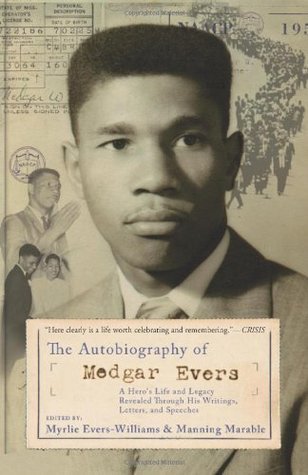
"The Autobiography of Medgar Evers" offers an intimate and powerful look into the life, work, and beliefs of a pivotal civil rights leader. Through his own words—letters, speeches, and writings—the book chronicles Evers's unwavering commitment to racial equality, his organizing efforts, and the profound personal sacrifices he made in the struggle against segregation in Mississippi. It provides a first-hand account of the dangers and resilience inherent in the movement.
This autobiography shares significant common ground with "March: Book One" by John Lewis. Both works are deeply personal, first-person narratives from key figures within the American Civil Rights Movement. They both illuminate the lived experiences of activism, detailing the courage, strategic thinking, and emotional toll involved in fighting for justice. Both books offer authentic perspectives on a critical period of American history.
The autobiography will appeal to those seeking a direct and unfiltered understanding of the Civil Rights Movement through the eyes of one of its most courageous architects. Its value lies in providing primary source material, allowing for a deeper connection to Evers's intellect, his resolve, and the harsh realities he confronted. It is an essential document for comprehending the personal stakes and enduring legacy of the era.
The Autobiography of Medgar Evers: A Hero's Life and Legacy Revealed Through his Writings, Letters, and Speeches
"The Autobiography of Medgar Evers" offers an intimate and powerful look into the life, work, and beliefs of a pivotal civil rights leader. Through his own words—letters, speeches, and writings—the book chronicles Evers's unwavering commitment to racial equality, his organizing efforts, and the profound personal sacrifices he made in the struggle against segregation in Mississippi. It provides a first-hand account of the dangers and resilience inherent in the movement.
This autobiography shares significant common ground with "March: Book One" by John Lewis. Both works are deeply personal, first-person narratives from key figures within the American Civil Rights Movement. They both illuminate the lived experiences of activism, detailing the courage, strategic thinking, and emotional toll involved in fighting for justice. Both books offer authentic perspectives on a critical period of American history.
The autobiography will appeal to those seeking a direct and unfiltered understanding of the Civil Rights Movement through the eyes of one of its most courageous architects. Its value lies in providing primary source material, allowing for a deeper connection to Evers's intellect, his resolve, and the harsh realities he confronted. It is an essential document for comprehending the personal stakes and enduring legacy of the era.
King: A Life

"King: A Life" offers a monumental and nuanced biography of Martin Luther King Jr., meticulously detailing his personal journey, intellectual development, and profound impact on the Civil Rights Movement. Eig’s work goes beyond conventional narratives, critically examining King’s strengths, vulnerabilities, and the complex historical context in which he operated, drawing on newly available sources to present a comprehensive portrait of the iconic leader.
The book shares significant common ground with "March: Book One" by focusing on the lived experience and personal sacrifices central to the Civil Rights struggle. Both works provide intimate perspectives on the movement's pivotal figures, emphasizing the humanity and conviction required to challenge systemic injustice. While "March" is an autobiographical graphic novel from John Lewis’s viewpoint, "King" enriches this understanding by offering a scholarly yet deeply human account of King's leadership, complementing the firsthand insights into the movement's courage and strategic brilliance.
This biography will resonate with those seeking a deep immersion into American history and the forces that shaped a transformative era. Its rigorous research and compelling narrative illuminate the profound ethical challenges and triumphs of the Civil Rights Movement, offering valuable lessons on leadership, non-violent resistance, and the ongoing pursuit of equality. It serves as an essential resource for comprehending the legacy of one of history's most influential figures.
King: A Life
"King: A Life" offers a monumental and nuanced biography of Martin Luther King Jr., meticulously detailing his personal journey, intellectual development, and profound impact on the Civil Rights Movement. Eig’s work goes beyond conventional narratives, critically examining King’s strengths, vulnerabilities, and the complex historical context in which he operated, drawing on newly available sources to present a comprehensive portrait of the iconic leader.
The book shares significant common ground with "March: Book One" by focusing on the lived experience and personal sacrifices central to the Civil Rights struggle. Both works provide intimate perspectives on the movement's pivotal figures, emphasizing the humanity and conviction required to challenge systemic injustice. While "March" is an autobiographical graphic novel from John Lewis’s viewpoint, "King" enriches this understanding by offering a scholarly yet deeply human account of King's leadership, complementing the firsthand insights into the movement's courage and strategic brilliance.
This biography will resonate with those seeking a deep immersion into American history and the forces that shaped a transformative era. Its rigorous research and compelling narrative illuminate the profound ethical challenges and triumphs of the Civil Rights Movement, offering valuable lessons on leadership, non-violent resistance, and the ongoing pursuit of equality. It serves as an essential resource for comprehending the legacy of one of history's most influential figures.
Bearing the Cross: Martin Luther King, Jr., And The Southern Christian Leadership Conference

"Bearing the Cross" provides an exhaustive and critically acclaimed biographical account of Martin Luther King, Jr.'s transformative leadership within the Southern Christian Leadership Conference (SCLC) during the Civil Rights Movement. It delves into the strategic and moral complexities of their nonviolent direct action campaigns, the internal and external pressures they faced, and the profound personal toll this struggle took on King and his colleagues. Garrow’s work is meticulously researched, drawing on extensive archival materials and interviews to offer an intimate look at a pivotal era.
The similarity to "March: Book One" lies in their shared focus on the foundational principles and early struggles of the Civil Rights Movement, particularly the commitment to nonviolence and the moral courage of its participants. While "March" offers a graphic novel perspective through John Lewis's personal experiences, "Bearing the Cross" provides a deeper, scholarly analysis of the organizational strategies, ideological underpinnings, and collective sacrifices that shaped campaigns like the Nashville sit-ins, which are central to both narratives. Both works illuminate the human element behind monumental social change.
This book will appeal to those seeking a comprehensive, definitive history of MLK and the SCLC, offering unparalleled insight into their strategic brilliance and the ethical dilemmas they navigated. Its value lies in providing a robust understanding of the methodologies and philosophies that propelled one of the most significant social justice movements in history, serving as an invaluable resource for comprehending past struggles and informing contemporary efforts for equality and human rights.
Bearing the Cross: Martin Luther King, Jr., And The Southern Christian Leadership Conference
"Bearing the Cross" provides an exhaustive and critically acclaimed biographical account of Martin Luther King, Jr.'s transformative leadership within the Southern Christian Leadership Conference (SCLC) during the Civil Rights Movement. It delves into the strategic and moral complexities of their nonviolent direct action campaigns, the internal and external pressures they faced, and the profound personal toll this struggle took on King and his colleagues. Garrow’s work is meticulously researched, drawing on extensive archival materials and interviews to offer an intimate look at a pivotal era.
The similarity to "March: Book One" lies in their shared focus on the foundational principles and early struggles of the Civil Rights Movement, particularly the commitment to nonviolence and the moral courage of its participants. While "March" offers a graphic novel perspective through John Lewis's personal experiences, "Bearing the Cross" provides a deeper, scholarly analysis of the organizational strategies, ideological underpinnings, and collective sacrifices that shaped campaigns like the Nashville sit-ins, which are central to both narratives. Both works illuminate the human element behind monumental social change.
This book will appeal to those seeking a comprehensive, definitive history of MLK and the SCLC, offering unparalleled insight into their strategic brilliance and the ethical dilemmas they navigated. Its value lies in providing a robust understanding of the methodologies and philosophies that propelled one of the most significant social justice movements in history, serving as an invaluable resource for comprehending past struggles and informing contemporary efforts for equality and human rights.
A Power Governments Cannot Suppress

Howard Zinn's "A Power Governments Cannot Suppress" is a collection of essays and speeches that delve into the mechanisms of power, dissent, and social change throughout American history. Zinn, a renowned historian and activist, critically examines official narratives, illuminating the struggles of marginalized groups and the persistent fight for justice. The book underscores the importance of citizen action and collective resistance in shaping a more equitable society.
This collection resonates with "March: Book One" by John Lewis due to their shared commitment to chronicling and inspiring activism. Both works center on the power of ordinary individuals to challenge oppressive systems, offering firsthand accounts and insightful analyses of social movements. They explore themes of courage, nonviolent protest, and the relentless pursuit of civil rights, making visible the often-overlooked voices and efforts that drive historical progress.
Individuals interested in American history, social justice, and the mechanics of grassroots movements will find this book particularly compelling and valuable. It offers a challenging perspective on historical events and encourages critical thought about contemporary issues, fostering a deeper understanding of civic responsibility and the enduring capacity for reform within society.
A Power Governments Cannot Suppress
Howard Zinn's "A Power Governments Cannot Suppress" is a collection of essays and speeches that delve into the mechanisms of power, dissent, and social change throughout American history. Zinn, a renowned historian and activist, critically examines official narratives, illuminating the struggles of marginalized groups and the persistent fight for justice. The book underscores the importance of citizen action and collective resistance in shaping a more equitable society.
This collection resonates with "March: Book One" by John Lewis due to their shared commitment to chronicling and inspiring activism. Both works center on the power of ordinary individuals to challenge oppressive systems, offering firsthand accounts and insightful analyses of social movements. They explore themes of courage, nonviolent protest, and the relentless pursuit of civil rights, making visible the often-overlooked voices and efforts that drive historical progress.
Individuals interested in American history, social justice, and the mechanics of grassroots movements will find this book particularly compelling and valuable. It offers a challenging perspective on historical events and encourages critical thought about contemporary issues, fostering a deeper understanding of civic responsibility and the enduring capacity for reform within society.
More Books to Explore
Discover more titles that expand on these ideas and themes.
March: Book Two
Walking with the Wind: A Memoir of the Movement
King: A Comics Biography of Martin Luther King, Jr.
The Autobiography of Martin Luther King, Jr.
Life Remembering Martin Luther King, Jr.: His Life and Crusade in Pictures
I Have a Dream: Writings and Speeches That Changed the World