10 Books Similar to "Male Sexuality: Why Women Don't Understand It-And Men Don't Either"
by Michael J. Bader

For Women Only: What You Need to Know about the Inner Lives of Men

"For Women Only" delves into common male perspectives, motivations, and hidden struggles that men often don't articulate, even to themselves. It aims to demystify aspects of male behavior and thought processes, revealing how men often perceive relationships, sex, and their own identities, to foster greater understanding and empathy in women.
Both books tackle the often-misunderstood landscape of male inner lives, particularly concerning sexuality and emotional drivers. While Bader’s work focuses on the psychological depths and societal pressures impacting male sexuality, Feldhahn’s book offers a more accessible, survey-based approach to understanding broader male experiences, making them both valuable resources for comprehending masculine perspectives.
This book will appeal to individuals seeking to bridge communication gaps and deepen their relationships with men. It offers practical insights and a framework for understanding male emotional and relational needs, which can lead to more fulfilling connections and reduced frustration, offering a tangible path to enhanced understanding.
For Women Only: What You Need to Know about the Inner Lives of Men
"For Women Only" delves into common male perspectives, motivations, and hidden struggles that men often don't articulate, even to themselves. It aims to demystify aspects of male behavior and thought processes, revealing how men often perceive relationships, sex, and their own identities, to foster greater understanding and empathy in women.
Both books tackle the often-misunderstood landscape of male inner lives, particularly concerning sexuality and emotional drivers. While Bader’s work focuses on the psychological depths and societal pressures impacting male sexuality, Feldhahn’s book offers a more accessible, survey-based approach to understanding broader male experiences, making them both valuable resources for comprehending masculine perspectives.
This book will appeal to individuals seeking to bridge communication gaps and deepen their relationships with men. It offers practical insights and a framework for understanding male emotional and relational needs, which can lead to more fulfilling connections and reduced frustration, offering a tangible path to enhanced understanding.
Manhood

"Manhood" by Steve Biddulph explores the evolving landscape of male identity and the profound challenges men face in contemporary society. It delves into the societal pressures, emotional suppression, and relational difficulties that often define the male experience, offering insights into fostering healthier self-awareness and connection.
This book resonates with "Male Sexuality: Why Women Don't Understand It-And Men Don't Either" by Michael J. Bader because both address the complexities and often misunderstood aspects of men's internal lives. While Bader focuses specifically on sexual dynamics, Biddulph broadens the scope to encompass emotional intelligence, fatherhood, and overall well-being, yet both share a common thread of demystifying male behavior and emotional landscapes for a wider audience.
It will appeal to individuals seeking a deeper understanding of masculine psychology, whether for personal growth, improving relationships, or supporting men in their lives. The book offers practical guidance and compassionate perspectives, providing valuable frameworks for navigating the emotional demands and societal expectations placed upon men, ultimately fostering greater empathy and healthier communication.
Manhood
"Manhood" by Steve Biddulph explores the evolving landscape of male identity and the profound challenges men face in contemporary society. It delves into the societal pressures, emotional suppression, and relational difficulties that often define the male experience, offering insights into fostering healthier self-awareness and connection.
This book resonates with "Male Sexuality: Why Women Don't Understand It-And Men Don't Either" by Michael J. Bader because both address the complexities and often misunderstood aspects of men's internal lives. While Bader focuses specifically on sexual dynamics, Biddulph broadens the scope to encompass emotional intelligence, fatherhood, and overall well-being, yet both share a common thread of demystifying male behavior and emotional landscapes for a wider audience.
It will appeal to individuals seeking a deeper understanding of masculine psychology, whether for personal growth, improving relationships, or supporting men in their lives. The book offers practical guidance and compassionate perspectives, providing valuable frameworks for navigating the emotional demands and societal expectations placed upon men, ultimately fostering greater empathy and healthier communication.
Love, Sexuality and Matriarchy: About Gender

Erich Fromm's "Love, Sexuality and Matriarchy: About Gender" delves into the intricate societal and historical forces shaping gender roles and human relationships. It explores how psychosocial development, power dynamics, and societal structures, particularly matriarchal vestiges, influence our understanding and experience of love and sexuality. Fromm dissects the cultural narratives that define masculinity and femininity, offering a critical lens on their origins and impact.
This book resonates with Michael J. Bader’s "Male Sexuality" by exploring the fundamental disconnects and misunderstandings surrounding gender and sexual expression. Both texts probe the often-unspoken biases and societal conditioning that obscure genuine understanding between genders, particularly concerning male sexuality. Fromm, like Bader, seeks to uncover the roots of gendered behaviors and perceptions, offering insights into why these often remain elusive or puzzling.
Individuals interested in deconstructing the societal constructs that shape human intimacy and self-perception will find significant value here. It offers a deeper, more historical, and psychoanalytic perspective on the themes of gender identity, sexual expression, and the often-complex interplay between love and power dynamics, providing a richer understanding of these fundamental aspects of human experience.
Love, Sexuality and Matriarchy: About Gender
Erich Fromm's "Love, Sexuality and Matriarchy: About Gender" delves into the intricate societal and historical forces shaping gender roles and human relationships. It explores how psychosocial development, power dynamics, and societal structures, particularly matriarchal vestiges, influence our understanding and experience of love and sexuality. Fromm dissects the cultural narratives that define masculinity and femininity, offering a critical lens on their origins and impact.
This book resonates with Michael J. Bader’s "Male Sexuality" by exploring the fundamental disconnects and misunderstandings surrounding gender and sexual expression. Both texts probe the often-unspoken biases and societal conditioning that obscure genuine understanding between genders, particularly concerning male sexuality. Fromm, like Bader, seeks to uncover the roots of gendered behaviors and perceptions, offering insights into why these often remain elusive or puzzling.
Individuals interested in deconstructing the societal constructs that shape human intimacy and self-perception will find significant value here. It offers a deeper, more historical, and psychoanalytic perspective on the themes of gender identity, sexual expression, and the often-complex interplay between love and power dynamics, providing a richer understanding of these fundamental aspects of human experience.
Come as You Are: The Surprising New Science that Will Transform Your Sex Life

"Come as You Are" by Emily Nagoski deconstructs the complexities of female sexuality, offering a scientifically-backed yet accessible guide to understanding desire, arousal, and orgasm. Nagoski introduces the dual control model, explaining that sexual response involves both accelerators (stimuli that turn us on) and brakes (things that turn us off). She emphasizes that sexuality is not a fixed state but rather an individual and dynamic experience, deeply influenced by context, emotions, and life circumstances.
This book shares thematic ground with "Male Sexuality" by Michael J. Bader because both address significant misunderstandings surrounding a specific gender's sexual experience. Both authors aim to demystify prevalent myths and offer a more nuanced, realistic understanding, though one focuses on men's interior worlds and the other on women's. They both seek to bridge the gap between societal expectations and the biological and psychological realities of sexual function.
The book will appeal to individuals seeking a deeper, more accurate understanding of women's sexual experience, whether for themselves or in their relationships. It provides practical insights and a framework for self-compassion and effective communication, empowering individuals to navigate their sexual lives with greater confidence and satisfaction. Its evidence-based approach makes it a valuable resource for anyone desiring to transform their intimate experiences.
Come as You Are: The Surprising New Science that Will Transform Your Sex Life
"Come as You Are" by Emily Nagoski deconstructs the complexities of female sexuality, offering a scientifically-backed yet accessible guide to understanding desire, arousal, and orgasm. Nagoski introduces the dual control model, explaining that sexual response involves both accelerators (stimuli that turn us on) and brakes (things that turn us off). She emphasizes that sexuality is not a fixed state but rather an individual and dynamic experience, deeply influenced by context, emotions, and life circumstances.
This book shares thematic ground with "Male Sexuality" by Michael J. Bader because both address significant misunderstandings surrounding a specific gender's sexual experience. Both authors aim to demystify prevalent myths and offer a more nuanced, realistic understanding, though one focuses on men's interior worlds and the other on women's. They both seek to bridge the gap between societal expectations and the biological and psychological realities of sexual function.
The book will appeal to individuals seeking a deeper, more accurate understanding of women's sexual experience, whether for themselves or in their relationships. It provides practical insights and a framework for self-compassion and effective communication, empowering individuals to navigate their sexual lives with greater confidence and satisfaction. Its evidence-based approach makes it a valuable resource for anyone desiring to transform their intimate experiences.
Mating in Captivity: Reconciling the Erotic and the Domestic

Esther Perel's "Mating in Captivity" explores the complex paradox of maintaining erotic desire within long-term relationships and domestic life. It delves into how intimacy and security, while foundational to partnerships, can sometimes stifle passion. Perel argues that novelty, mystery, and a sense of separateness are crucial ingredients for a vibrant sex life, challenging conventional notions about fusion and togetherness in love. She proposes that understanding and embracing these inherent tensions are key to sustaining both love and desire.
This book resonates with Michael J. Bader's "Male Sexuality" by examining the often-misunderstood dynamics within intimate relationships, particularly concerning desire. Both authors dissect fundamental psychological and relational barriers to sexual satisfaction and understanding. Where Bader focuses on male sexuality's internal logic and external perception, Perel broadens the scope to the interplay of desire within committed partnerships, highlighting how the very structures of domesticity can impact sexual vitality for all genders.
Perel's work offers profound insights for anyone seeking to understand and revitalize desire in their intimate lives. It provides a sophisticated framework for navigating the inherent conflicts between safety and excitement, offering practical, thought-provoking perspectives on how to keep the erotic alive amidst the demands of routine and commitment. The book's nuanced approach encourages a deeper appreciation for the complexities of adult relationships and the ongoing effort required to foster both intimacy and passion.
Mating in Captivity: Reconciling the Erotic and the Domestic
Esther Perel's "Mating in Captivity" explores the complex paradox of maintaining erotic desire within long-term relationships and domestic life. It delves into how intimacy and security, while foundational to partnerships, can sometimes stifle passion. Perel argues that novelty, mystery, and a sense of separateness are crucial ingredients for a vibrant sex life, challenging conventional notions about fusion and togetherness in love. She proposes that understanding and embracing these inherent tensions are key to sustaining both love and desire.
This book resonates with Michael J. Bader's "Male Sexuality" by examining the often-misunderstood dynamics within intimate relationships, particularly concerning desire. Both authors dissect fundamental psychological and relational barriers to sexual satisfaction and understanding. Where Bader focuses on male sexuality's internal logic and external perception, Perel broadens the scope to the interplay of desire within committed partnerships, highlighting how the very structures of domesticity can impact sexual vitality for all genders.
Perel's work offers profound insights for anyone seeking to understand and revitalize desire in their intimate lives. It provides a sophisticated framework for navigating the inherent conflicts between safety and excitement, offering practical, thought-provoking perspectives on how to keep the erotic alive amidst the demands of routine and commitment. The book's nuanced approach encourages a deeper appreciation for the complexities of adult relationships and the ongoing effort required to foster both intimacy and passion.
Men Are from Mars, Women Are from Venus

"Men Are from Mars, Women Are from Venus" unpacks the fundamental differences in how men and women communicate, think, and express needs within relationships. It uses accessible metaphors to illustrate these distinctions, aiming to help partners better understand and navigate each other's perspectives.
This book resonates with "Male Sexuality: Why Women Don't Understand It-And Men Don't Either" by delving into the inherent misunderstandings that often plague male-female interactions. Both works explore the internal worlds of men and women, challenging assumptions and providing frameworks for interpreting behaviors that might otherwise seem inexplicable to the opposite sex.
The book offers practical insights for anyone seeking to improve communication and empathy in their romantic relationships. It provides a foundational understanding of gendered psychological landscapes, ultimately fostering deeper connection and reducing conflict stemming from unacknowledged differences.
Men Are from Mars, Women Are from Venus
"Men Are from Mars, Women Are from Venus" unpacks the fundamental differences in how men and women communicate, think, and express needs within relationships. It uses accessible metaphors to illustrate these distinctions, aiming to help partners better understand and navigate each other's perspectives.
This book resonates with "Male Sexuality: Why Women Don't Understand It-And Men Don't Either" by delving into the inherent misunderstandings that often plague male-female interactions. Both works explore the internal worlds of men and women, challenging assumptions and providing frameworks for interpreting behaviors that might otherwise seem inexplicable to the opposite sex.
The book offers practical insights for anyone seeking to improve communication and empathy in their romantic relationships. It provides a foundational understanding of gendered psychological landscapes, ultimately fostering deeper connection and reducing conflict stemming from unacknowledged differences.
Why Men Lie and Women Cry : How to Get What You Want Out of Life by Asking

"Why Men Lie and Women Cry" explores gender differences in communication and behavior, positing that understanding these distinctions can empower individuals to achieve their desires. The book offers practical advice and strategies for navigating interpersonal relationships, particularly between sexes, by dissecting common misunderstandings and offering actionable insights on how to articulate needs and expectations effectively.
This book shares thematic DNA with "Male Sexuality: Why Women Don't Understand It-And Men Don't Either" through its explicit focus on decoding gender-specific behaviors and motivations. Both books operate from the premise that a lack of mutual understanding between men and women fuels frustration, and both strive to bridge this gap by revealing underlying psychological and biological drivers that shape gendered interactions. They both aim to demystify seemingly inexplicable actions and reactions from the opposite sex.
Individuals seeking to enhance their interpersonal communication and gain a deeper comprehension of gender dynamics will find this book particularly engaging and useful. It provides a framework for interpreting behaviors that often lead to conflict or confusion, offering tools to foster more effective communication and build stronger, more fulfilling relationships. The practical, direct approach to understanding and utilizing gender differences for personal success will resonate deeply.
Why Men Lie and Women Cry : How to Get What You Want Out of Life by Asking
"Why Men Lie and Women Cry" explores gender differences in communication and behavior, positing that understanding these distinctions can empower individuals to achieve their desires. The book offers practical advice and strategies for navigating interpersonal relationships, particularly between sexes, by dissecting common misunderstandings and offering actionable insights on how to articulate needs and expectations effectively.
This book shares thematic DNA with "Male Sexuality: Why Women Don't Understand It-And Men Don't Either" through its explicit focus on decoding gender-specific behaviors and motivations. Both books operate from the premise that a lack of mutual understanding between men and women fuels frustration, and both strive to bridge this gap by revealing underlying psychological and biological drivers that shape gendered interactions. They both aim to demystify seemingly inexplicable actions and reactions from the opposite sex.
Individuals seeking to enhance their interpersonal communication and gain a deeper comprehension of gender dynamics will find this book particularly engaging and useful. It provides a framework for interpreting behaviors that often lead to conflict or confusion, offering tools to foster more effective communication and build stronger, more fulfilling relationships. The practical, direct approach to understanding and utilizing gender differences for personal success will resonate deeply.
Same Difference: How Gender Myths Are Hurting Our Relationships, Our Children, and Our Jobs
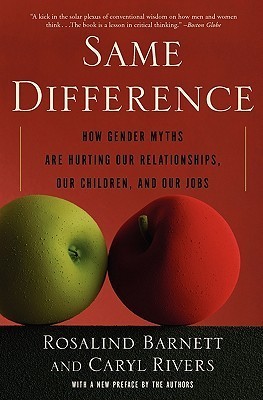
"Same Difference" by Rosalind C. Barnett debunks persistent gender myths that claim fundamental psychological differences between men and women dictate their roles and abilities. The book meticulously analyzes research to demonstrate that supposed "hardwired" distinctions are often exaggerated or nonexistent, and instead, societal expectations and cultural conditioning play a far greater role in shaping behavior, relationships, and professional opportunities. It challenges the notion that these differences are natural and beneficial, revealing how they actually perpetuate inequality and hinder individual potential.
This book aligns with "Male Sexuality: Why Women Don't Understand It-And Men Don't Either" in its core objective: to demystify misunderstood aspects of gender and human experience through critical analysis. Both books tackle deeply ingrained societal narratives that complicate understanding—one focusing on male sexuality, the other on broader gender differences. They both confront the idea that innate, immutable qualities are the primary drivers of behavior, instead advocating for a more nuanced perspective that acknowledges the influence of social constructs and psychological processes.
Individuals seeking to understand the root causes of gender inequality and its impact on personal and professional lives will find this book immensely insightful. Its evidence-based approach offers a refreshing counter-narrative to common stereotypes, empowering a more informed discourse on gender. The valuable insights provided can help foster healthier relationships, challenge workplace biases, and promote a more equitable society where individuals are judged by their capabilities rather than preconceived gender roles.
Same Difference: How Gender Myths Are Hurting Our Relationships, Our Children, and Our Jobs
"Same Difference" by Rosalind C. Barnett debunks persistent gender myths that claim fundamental psychological differences between men and women dictate their roles and abilities. The book meticulously analyzes research to demonstrate that supposed "hardwired" distinctions are often exaggerated or nonexistent, and instead, societal expectations and cultural conditioning play a far greater role in shaping behavior, relationships, and professional opportunities. It challenges the notion that these differences are natural and beneficial, revealing how they actually perpetuate inequality and hinder individual potential.
This book aligns with "Male Sexuality: Why Women Don't Understand It-And Men Don't Either" in its core objective: to demystify misunderstood aspects of gender and human experience through critical analysis. Both books tackle deeply ingrained societal narratives that complicate understanding—one focusing on male sexuality, the other on broader gender differences. They both confront the idea that innate, immutable qualities are the primary drivers of behavior, instead advocating for a more nuanced perspective that acknowledges the influence of social constructs and psychological processes.
Individuals seeking to understand the root causes of gender inequality and its impact on personal and professional lives will find this book immensely insightful. Its evidence-based approach offers a refreshing counter-narrative to common stereotypes, empowering a more informed discourse on gender. The valuable insights provided can help foster healthier relationships, challenge workplace biases, and promote a more equitable society where individuals are judged by their capabilities rather than preconceived gender roles.
The Will to Change: Men, Masculinity, and Love
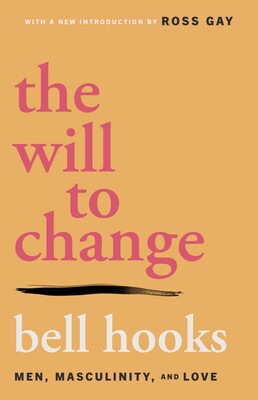
"The Will to Change: Men, Masculinity, and Love" explores how patriarchal thinking harms men, stifling their emotional growth and capacity for genuine love. bell hooks challenges conventional notions of masculinity, arguing that men are often trapped in roles that prevent them from fully experiencing intimacy and self-actualization. She advocates for men to embrace a "will to change," encouraging them to shed limiting beliefs and embrace vulnerability as a path to more fulfilling lives and relationships.
This book resonates with "Male Sexuality: Why Women Don't Understand It-And Men Don't Either" by delving into the internal struggles men face due to societal expectations. Both works dissect how ingrained cultural narratives impact men's identities, particularly regarding intimacy, emotional expression, and their broader sense of self. They share a critical perspective on how traditional male roles often create confusion and disconnect, both for men themselves and in their relationships with women.
This book offers a profound opportunity for introspection and growth. It presents a compassionate yet unflinching critique of masculinity's pitfalls, providing insights into how men can cultivate healthier identities and more authentic connections. Individuals interested in understanding the emotional landscapes of men and the societal forces shaping them will find this a deeply insightful and transformative read.
The Will to Change: Men, Masculinity, and Love
"The Will to Change: Men, Masculinity, and Love" explores how patriarchal thinking harms men, stifling their emotional growth and capacity for genuine love. bell hooks challenges conventional notions of masculinity, arguing that men are often trapped in roles that prevent them from fully experiencing intimacy and self-actualization. She advocates for men to embrace a "will to change," encouraging them to shed limiting beliefs and embrace vulnerability as a path to more fulfilling lives and relationships.
This book resonates with "Male Sexuality: Why Women Don't Understand It-And Men Don't Either" by delving into the internal struggles men face due to societal expectations. Both works dissect how ingrained cultural narratives impact men's identities, particularly regarding intimacy, emotional expression, and their broader sense of self. They share a critical perspective on how traditional male roles often create confusion and disconnect, both for men themselves and in their relationships with women.
This book offers a profound opportunity for introspection and growth. It presents a compassionate yet unflinching critique of masculinity's pitfalls, providing insights into how men can cultivate healthier identities and more authentic connections. Individuals interested in understanding the emotional landscapes of men and the societal forces shaping them will find this a deeply insightful and transformative read.
The Rational Male

"The Rational Male" explores male-female dynamics through an evolutionary and social lens, positing that men and women operate with distinct, often subconscious, biological imperatives. It introduces concepts like "Sexual Market Value" and "Hypergamy," advocating for men to adopt a pragmatic, self-reliant approach to relationships and life, free from what it identifies as societal biases and female manipulation.
This book shares thematic ground with "Male Sexuality: Why Women Don't Understand It-And Men Don't Either" by delving into the inherent complexities and often-misunderstood aspects of male sexual psychology and behavior. Both works aim to demystify male drives and relationship patterns for a male audience, providing frameworks for understanding masculine perspectives often overlooked in mainstream discourse.
The book will appeal to those seeking a candid and often provocative perspective on gender relations and self-improvement for men. Its direct, unflinching analysis offers practical strategies for navigating dating and relationships, fostering a sense of self-empowerment and challenging conventional wisdom about masculinity and societal expectations.
The Rational Male
"The Rational Male" explores male-female dynamics through an evolutionary and social lens, positing that men and women operate with distinct, often subconscious, biological imperatives. It introduces concepts like "Sexual Market Value" and "Hypergamy," advocating for men to adopt a pragmatic, self-reliant approach to relationships and life, free from what it identifies as societal biases and female manipulation.
This book shares thematic ground with "Male Sexuality: Why Women Don't Understand It-And Men Don't Either" by delving into the inherent complexities and often-misunderstood aspects of male sexual psychology and behavior. Both works aim to demystify male drives and relationship patterns for a male audience, providing frameworks for understanding masculine perspectives often overlooked in mainstream discourse.
The book will appeal to those seeking a candid and often provocative perspective on gender relations and self-improvement for men. Its direct, unflinching analysis offers practical strategies for navigating dating and relationships, fostering a sense of self-empowerment and challenging conventional wisdom about masculinity and societal expectations.
More Books to Explore
Discover more titles that expand on these ideas and themes.
For Women Only: What You Need to Know about the Inner Lives of Men
Manhood
Love, Sexuality and Matriarchy: About Gender
Come as You Are: The Surprising New Science that Will Transform Your Sex Life
Mating in Captivity: Reconciling the Erotic and the Domestic
Men Are from Mars, Women Are from Venus