10 Books Similar to "Long Walk to Freedom"
by Nelson Mandela
Nelson Mandela: A Biography

"Nelson Mandela: A Biography" by Peter Limb offers a meticulously researched, academic yet accessible account of Mandela's life, from his early years in rural Transkei to his iconic leadership against apartheid and his presidency. Limb delves into the political and social landscape that shaped Mandela, analyzing his strategies, philosophies, and the immense sacrifices he made in the struggle for a democratic South Africa.
This biography parallels "Long Walk to Freedom" by chronicling the same extraordinary life journey. Both books detail Mandela's formative experiences, his decades of imprisonment on Robben Island, the intricacies of the anti-apartheid movement, and his eventual role in transitioning South Africa to a non-racial democracy. Limb’s work effectively provides an external, scholarly perspective on events Mandela himself recounts.
This book will appeal to those seeking a comprehensive, objective analysis of Nelson Mandela's life and legacy. It provides valuable historical context and critical interpretation, complementing Mandela's own narrative with external scholarship and diverse perspectives. It offers a deeper understanding of the complexities of the era and the profound impact of one of history's most significant figures, benefiting anyone interested in leadership, social justice, and modern South African history.
Nelson Mandela: A Biography
"Nelson Mandela: A Biography" by Peter Limb offers a meticulously researched, academic yet accessible account of Mandela's life, from his early years in rural Transkei to his iconic leadership against apartheid and his presidency. Limb delves into the political and social landscape that shaped Mandela, analyzing his strategies, philosophies, and the immense sacrifices he made in the struggle for a democratic South Africa.
This biography parallels "Long Walk to Freedom" by chronicling the same extraordinary life journey. Both books detail Mandela's formative experiences, his decades of imprisonment on Robben Island, the intricacies of the anti-apartheid movement, and his eventual role in transitioning South Africa to a non-racial democracy. Limb’s work effectively provides an external, scholarly perspective on events Mandela himself recounts.
This book will appeal to those seeking a comprehensive, objective analysis of Nelson Mandela's life and legacy. It provides valuable historical context and critical interpretation, complementing Mandela's own narrative with external scholarship and diverse perspectives. It offers a deeper understanding of the complexities of the era and the profound impact of one of history's most significant figures, benefiting anyone interested in leadership, social justice, and modern South African history.
Young Mandela: The Revolutionary Years
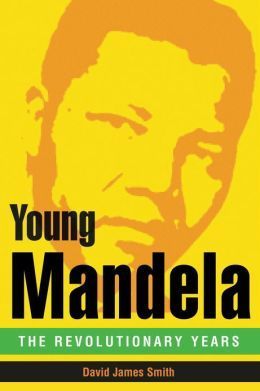
"Young Mandela: The Revolutionary Years" delves into the formative period of Nelson Mandela's life, specifically his early adulthood through the crucial years of anti-apartheid activism. Smith meticulously reconstructs Mandela's intellectual development, his early political stirrings, and his rapid evolution from a law student into a committed revolutionary leader. The work focuses on the individuals, ideas, and events that shaped his worldview and strategy, offering a granular look at the burgeoning resistance movement.
This biography parallels "Long Walk to Freedom" by offering an intimate, detailed exploration of Mandela's personal and political awakening. Both books chronicle his unwavering commitment to justice and his strategic thinking in confronting systemic oppression. While Mandela's autobiography provides his firsthand account, Smith's work offers an external, investigative perspective, enriching the narrative with additional historical context and insights into the nascent stages of the liberation struggle, often filling gaps or offering alternative interpretations.
This book will appeal to those seeking a deeper understanding of the origins of Mandela's revolutionary zeal and the complex sociopolitical landscape of early apartheid South Africa. It proves valuable by illuminating the foundational experiences and intellectual rigor that underpinned his iconic leadership, providing a critical lens through which to appreciate the full arc of his life's work. It offers essential context to the later, more widely known chapters of his struggle.
Young Mandela: The Revolutionary Years
"Young Mandela: The Revolutionary Years" delves into the formative period of Nelson Mandela's life, specifically his early adulthood through the crucial years of anti-apartheid activism. Smith meticulously reconstructs Mandela's intellectual development, his early political stirrings, and his rapid evolution from a law student into a committed revolutionary leader. The work focuses on the individuals, ideas, and events that shaped his worldview and strategy, offering a granular look at the burgeoning resistance movement.
This biography parallels "Long Walk to Freedom" by offering an intimate, detailed exploration of Mandela's personal and political awakening. Both books chronicle his unwavering commitment to justice and his strategic thinking in confronting systemic oppression. While Mandela's autobiography provides his firsthand account, Smith's work offers an external, investigative perspective, enriching the narrative with additional historical context and insights into the nascent stages of the liberation struggle, often filling gaps or offering alternative interpretations.
This book will appeal to those seeking a deeper understanding of the origins of Mandela's revolutionary zeal and the complex sociopolitical landscape of early apartheid South Africa. It proves valuable by illuminating the foundational experiences and intellectual rigor that underpinned his iconic leadership, providing a critical lens through which to appreciate the full arc of his life's work. It offers essential context to the later, more widely known chapters of his struggle.
Playing the Enemy: Nelson Mandela and the Game That Made a Nation
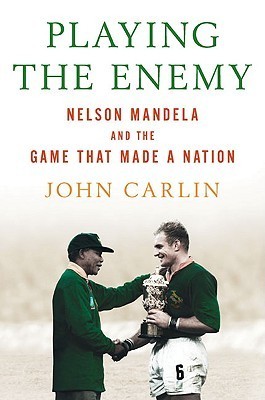
"Playing the Enemy" chronicles Nelson Mandela's strategic use of the 1995 Rugby World Cup to unite post-apartheid South Africa. It details how Mandela, recently freed from prison and facing a deeply divided nation, embraced the Springboks – a team long symbolic of white minority rule – to foster reconciliation and build a new national identity. The narrative focuses on the political maneuvering and personal courage involved in this audacious gamble.
This book resonates with "Long Walk to Freedom" by offering a more focused lens on a pivotal period within Mandela's broader struggle for liberation and nation-building. Both works explore themes of leadership, forgiveness, and the power of individual agency to overcome systemic oppression and forge a unified future. While "Long Walk" provides the autobiography, "Playing the Enemy" delves into a specific, impactful manifestation of Mandela's vision.
This account will appeal to anyone interested in transformational leadership, the complexities of post-conflict societies, or the unexpected ways sport can catalyze social change. It offers a compelling case study in strategic diplomacy and the empathetic courage required to bridge profound divisions, providing valuable insights into how one leader redefined a nation's destiny.
Playing the Enemy: Nelson Mandela and the Game That Made a Nation
"Playing the Enemy" chronicles Nelson Mandela's strategic use of the 1995 Rugby World Cup to unite post-apartheid South Africa. It details how Mandela, recently freed from prison and facing a deeply divided nation, embraced the Springboks – a team long symbolic of white minority rule – to foster reconciliation and build a new national identity. The narrative focuses on the political maneuvering and personal courage involved in this audacious gamble.
This book resonates with "Long Walk to Freedom" by offering a more focused lens on a pivotal period within Mandela's broader struggle for liberation and nation-building. Both works explore themes of leadership, forgiveness, and the power of individual agency to overcome systemic oppression and forge a unified future. While "Long Walk" provides the autobiography, "Playing the Enemy" delves into a specific, impactful manifestation of Mandela's vision.
This account will appeal to anyone interested in transformational leadership, the complexities of post-conflict societies, or the unexpected ways sport can catalyze social change. It offers a compelling case study in strategic diplomacy and the empathetic courage required to bridge profound divisions, providing valuable insights into how one leader redefined a nation's destiny.
The Autobiography of Martin Luther King, Jr.

"The Autobiography of Martin Luther King, Jr." compiles his writings and speeches, meticulously arranged to tell his life story in his own words. It chronicles his upbringing, the evolution of his philosophy of nonviolent resistance, his leadership in the Civil Rights Movement, and his unwavering pursuit of equality and justice in America. It offers an intimate look at the intellect and conviction that drove one of history's most significant social reformers.
This autobiography mirrors "Long Walk to Freedom" in its profound exploration of leadership within monumental struggles against systemic oppression. Both books are firsthand accounts of transformational figures who endured immense personal sacrifice and persecution for their ideals. They chronicle the strategic and moral complexities of challenging entrenched power structures, emphasizing the human cost and the enduring spirit required for social change.
The profound insights into leadership, moral courage, and the fight for human dignity make this work exceptionally valuable. It offers a powerful narrative of resilience and principled action against injustice, providing enduring lessons relevant to contemporary social and political landscapes. The personal reflections of a pivotal historical figure offer a compelling and instructive read for anyone interested in civil rights, ethics, or biography.
The Autobiography of Martin Luther King, Jr.
"The Autobiography of Martin Luther King, Jr." compiles his writings and speeches, meticulously arranged to tell his life story in his own words. It chronicles his upbringing, the evolution of his philosophy of nonviolent resistance, his leadership in the Civil Rights Movement, and his unwavering pursuit of equality and justice in America. It offers an intimate look at the intellect and conviction that drove one of history's most significant social reformers.
This autobiography mirrors "Long Walk to Freedom" in its profound exploration of leadership within monumental struggles against systemic oppression. Both books are firsthand accounts of transformational figures who endured immense personal sacrifice and persecution for their ideals. They chronicle the strategic and moral complexities of challenging entrenched power structures, emphasizing the human cost and the enduring spirit required for social change.
The profound insights into leadership, moral courage, and the fight for human dignity make this work exceptionally valuable. It offers a powerful narrative of resilience and principled action against injustice, providing enduring lessons relevant to contemporary social and political landscapes. The personal reflections of a pivotal historical figure offer a compelling and instructive read for anyone interested in civil rights, ethics, or biography.
Walking with the Wind: A Memoir of the Movement
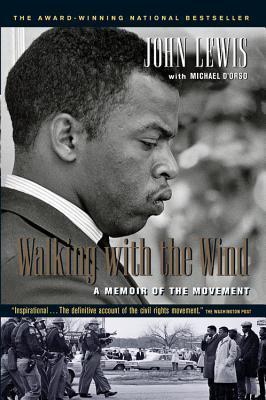
"Walking with the Wind: A Memoir of the Movement" offers an intimate chronicle of the American Civil Rights Movement through the eyes of its unwavering participant, John Lewis. It details his journey from impoverished sharecropper's son to a pivotal leader, recounting key nonviolent protests, the struggle against segregation, and the enduring fight for voting rights and racial equality.
This memoir resonates strongly with "Long Walk to Freedom" due to their shared thematic core: the personal sacrifice and steadfast dedication required to overcome systemic oppression. Both books present first-person accounts of iconic figures who endured immense hardship for the liberation of their people, navigating political landscapes fraught with danger and prejudice, all while championing nonviolent resistance as a strategic and moral imperative.
The book's appeal lies in its powerful testament to courage and conviction in the face of injustice. It provides profound insight into human resilience and the transformational power of a movement, offering a deeply personal narrative of historical significance that inspires reflection on leadership, social change, and the ongoing pursuit of a more equitable world.
Walking with the Wind: A Memoir of the Movement
"Walking with the Wind: A Memoir of the Movement" offers an intimate chronicle of the American Civil Rights Movement through the eyes of its unwavering participant, John Lewis. It details his journey from impoverished sharecropper's son to a pivotal leader, recounting key nonviolent protests, the struggle against segregation, and the enduring fight for voting rights and racial equality.
This memoir resonates strongly with "Long Walk to Freedom" due to their shared thematic core: the personal sacrifice and steadfast dedication required to overcome systemic oppression. Both books present first-person accounts of iconic figures who endured immense hardship for the liberation of their people, navigating political landscapes fraught with danger and prejudice, all while championing nonviolent resistance as a strategic and moral imperative.
The book's appeal lies in its powerful testament to courage and conviction in the face of injustice. It provides profound insight into human resilience and the transformational power of a movement, offering a deeply personal narrative of historical significance that inspires reflection on leadership, social change, and the ongoing pursuit of a more equitable world.
Mukiwa: A White Boy in Africa
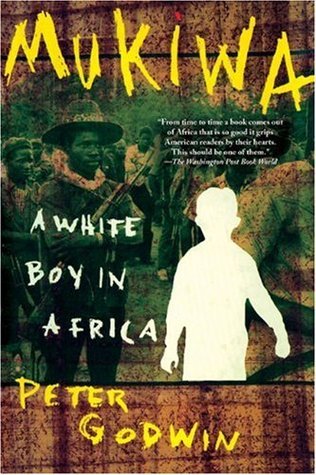
"Mukiwa: A White Boy in Africa" is Peter Godwin’s compelling memoir of growing up white in Rhodesia during the tumultuous years leading up to Zimbabwe's independence. It charts his childhood experiences, from idyllic family life on a remote farm to serving in the Rhodesian army during its brutal civil war. The book offers a deeply personal perspective on a nation fractured by racial conflict and the complex loyalties it demanded.
The similarity to "Long Walk to Freedom" lies in both books being powerful first-person accounts of living through apartheid-like systems in Southern Africa. While Mandela’s narrative is that of a black man fighting systemic oppression, Godwin’s provides the rarely heard counter-perspective of a white individual navigating his identity and conscience within a crumbling, racially stratified society. Both memoirs meticulously document the human impact of political upheaval and the struggle for national liberation, albeit from vastly different vantage points.
This book offers a nuanced historical viewpoint, enriching understanding of a pivotal period in African history. Its evocative prose and exploration of complex moral dilemmas—loyalty, identity, and complicity—will resonate deeply. It provides an essential complement to narratives like Mandela’s, broadening the scope of understanding regarding the diverse experiences and profound challenges faced by all inhabitants during decolonization and civil strife.
Mukiwa: A White Boy in Africa
"Mukiwa: A White Boy in Africa" is Peter Godwin’s compelling memoir of growing up white in Rhodesia during the tumultuous years leading up to Zimbabwe's independence. It charts his childhood experiences, from idyllic family life on a remote farm to serving in the Rhodesian army during its brutal civil war. The book offers a deeply personal perspective on a nation fractured by racial conflict and the complex loyalties it demanded.
The similarity to "Long Walk to Freedom" lies in both books being powerful first-person accounts of living through apartheid-like systems in Southern Africa. While Mandela’s narrative is that of a black man fighting systemic oppression, Godwin’s provides the rarely heard counter-perspective of a white individual navigating his identity and conscience within a crumbling, racially stratified society. Both memoirs meticulously document the human impact of political upheaval and the struggle for national liberation, albeit from vastly different vantage points.
This book offers a nuanced historical viewpoint, enriching understanding of a pivotal period in African history. Its evocative prose and exploration of complex moral dilemmas—loyalty, identity, and complicity—will resonate deeply. It provides an essential complement to narratives like Mandela’s, broadening the scope of understanding regarding the diverse experiences and profound challenges faced by all inhabitants during decolonization and civil strife.
Born a Crime: Stories From a South African Childhood
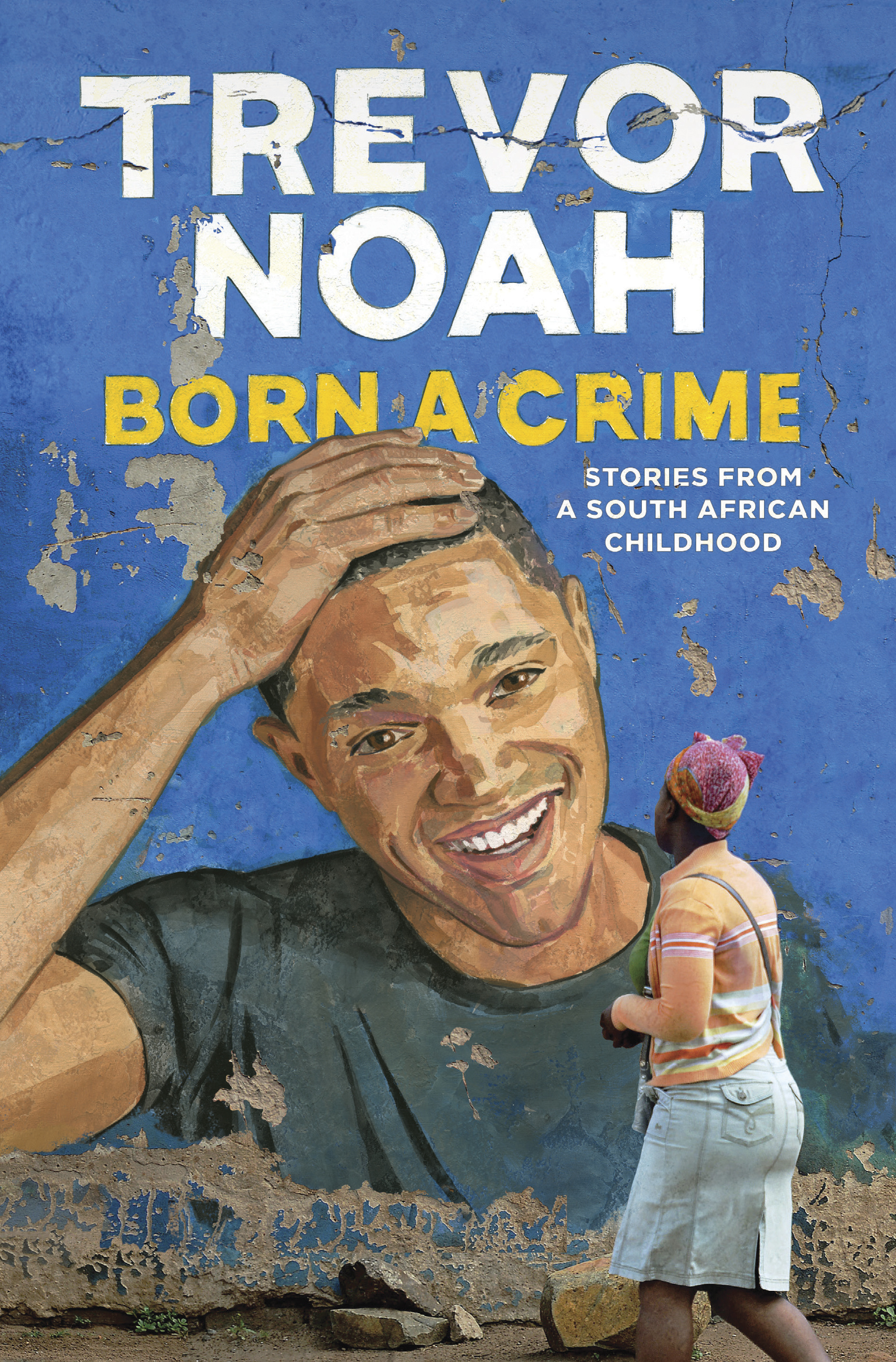
"Born a Crime" is Trevor Noah's memoir chronicling his experiences growing up as a mixed-race child under apartheid in South Africa. Born to a black Xhosa mother and a white Swiss father, Noah was literally "born a crime" due to the laws against interracial relationships at the time. The book vividly portrays his unique perspective on race, identity, and the extraordinary resourcefulness of his mother in navigating a society built on segregation, all told with his signature blend of humor and insight.
The book resonates with "Long Walk to Freedom" through their shared South African setting and their exploration of the profound impact of apartheid. Both narratives illuminate the systemic injustices and personal struggles endured under that brutal regime, albeit from different vantage points – one from a national liberation leader, the other from a child grappling with his very existence being illegal. They both offer intimate, first-hand accounts of a nation's tumultuous history.
This memoir offers a powerful and accessible entry point into understanding apartheid from a unique, personal angle. It provides invaluable insights into race, identity, and resilience, making complex historical realities relatable through engaging storytelling. It's an enlightening and often humorous journey through a challenging past, ultimately celebrating the triumph of the human spirit.
Born a Crime: Stories From a South African Childhood
"Born a Crime" is Trevor Noah's memoir chronicling his experiences growing up as a mixed-race child under apartheid in South Africa. Born to a black Xhosa mother and a white Swiss father, Noah was literally "born a crime" due to the laws against interracial relationships at the time. The book vividly portrays his unique perspective on race, identity, and the extraordinary resourcefulness of his mother in navigating a society built on segregation, all told with his signature blend of humor and insight.
The book resonates with "Long Walk to Freedom" through their shared South African setting and their exploration of the profound impact of apartheid. Both narratives illuminate the systemic injustices and personal struggles endured under that brutal regime, albeit from different vantage points – one from a national liberation leader, the other from a child grappling with his very existence being illegal. They both offer intimate, first-hand accounts of a nation's tumultuous history.
This memoir offers a powerful and accessible entry point into understanding apartheid from a unique, personal angle. It provides invaluable insights into race, identity, and resilience, making complex historical realities relatable through engaging storytelling. It's an enlightening and often humorous journey through a challenging past, ultimately celebrating the triumph of the human spirit.
The Autobiography of Malcolm X
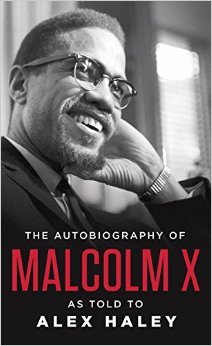
"The Autobiography of Malcolm X" meticulously chronicles the life of one of America's most influential civil rights figures. It details his tumultuous early years, his radical transformation in prison, his rise within the Nation of Islam, and his eventual disillusionment and evolution towards a more inclusive vision of human rights. The book unflinchingly portrays the systemic racism and personal struggles that shaped his worldview and activism.
This autobiography shares significant common ground with "Long Walk to Freedom." Both are powerful first-person narratives from iconic figures who endured profound injustice and imprisonment, fundamentally shaping their resistance movements. They reveal deeply personal journeys of transformation, leadership, and the relentless pursuit of human dignity and equality against oppressive systems, offering intimate insights into the political and social landscapes they navigated.
This book offers a compelling narrative of self-discovery, intellectual awakening, and unwavering commitment to justice. It provides invaluable historical context for understanding the complexities of race relations and the civil rights era. The powerful exploration of identity, belief, and the courage to evolve one's convictions makes it a truly impactful and thought-provoking read.
The Autobiography of Malcolm X
"The Autobiography of Malcolm X" meticulously chronicles the life of one of America's most influential civil rights figures. It details his tumultuous early years, his radical transformation in prison, his rise within the Nation of Islam, and his eventual disillusionment and evolution towards a more inclusive vision of human rights. The book unflinchingly portrays the systemic racism and personal struggles that shaped his worldview and activism.
This autobiography shares significant common ground with "Long Walk to Freedom." Both are powerful first-person narratives from iconic figures who endured profound injustice and imprisonment, fundamentally shaping their resistance movements. They reveal deeply personal journeys of transformation, leadership, and the relentless pursuit of human dignity and equality against oppressive systems, offering intimate insights into the political and social landscapes they navigated.
This book offers a compelling narrative of self-discovery, intellectual awakening, and unwavering commitment to justice. It provides invaluable historical context for understanding the complexities of race relations and the civil rights era. The powerful exploration of identity, belief, and the courage to evolve one's convictions makes it a truly impactful and thought-provoking read.
The Shadow of the Sun

"The Shadow of the Sun" is Ryszard Kapuściński's insightful ethnographic account of his experiences across numerous African nations during their post-colonial transitions. It presents a mosaic of daily life, political upheavals, and the resilience of people navigating immense societal change, offering vivid, personal observations rather than detached analysis.
This work resonates with "Long Walk to Freedom" through their shared focus on the struggles and transformations within African societies. Both books offer deeply personal perspectives on monumental historical periods, exploring themes of resistance, identity, and the quest for self-determination against formidable colonial or post-colonial challenges.
Individuals interested in profound human narratives and the complex tapestry of African history will find this book invaluable. It provides an intimate window into a pivotal era, revealing the human spirit's capacity for hope and adaptation amidst adversity. Its lyrical prose and keen observations offer a rich, empathetic understanding of a continent often oversimplified by Western perspectives.
The Shadow of the Sun
"The Shadow of the Sun" is Ryszard Kapuściński's insightful ethnographic account of his experiences across numerous African nations during their post-colonial transitions. It presents a mosaic of daily life, political upheavals, and the resilience of people navigating immense societal change, offering vivid, personal observations rather than detached analysis.
This work resonates with "Long Walk to Freedom" through their shared focus on the struggles and transformations within African societies. Both books offer deeply personal perspectives on monumental historical periods, exploring themes of resistance, identity, and the quest for self-determination against formidable colonial or post-colonial challenges.
Individuals interested in profound human narratives and the complex tapestry of African history will find this book invaluable. It provides an intimate window into a pivotal era, revealing the human spirit's capacity for hope and adaptation amidst adversity. Its lyrical prose and keen observations offer a rich, empathetic understanding of a continent often oversimplified by Western perspectives.
Assata: An Autobiography

"Assata: An Autobiography" chronicles the life of Assata Shakur, a prominent figure in the Black Panther Party and Black Liberation Army during the tumultuous 1970s in the United States. It details her radicalization, activism, her experience with state repression, and her eventual conviction for murder—a charge she vehemently denies—culminating in her escape from prison and political asylum in Cuba. The book provides a deeply personal insight into the era's racial and political struggles.
Its parallels with "Long Walk to Freedom" are striking in their shared exploration of an individual's fight against systemic oppression and injustice. Both autobiographies present the perspective of a revolutionary figure who faced imprisonment and state-sanctioned persecution for their political beliefs and activism. They both offer intimate accounts of personal sacrifice, unwavering commitment to a cause, and the psychological impact of prolonged struggle against formidable power structures.
This book offers a unique and vital perspective on American history, particularly the civil rights era and the Black Power movement. It provides a first-hand account from someone often demonized by mainstream narratives, allowing for a more nuanced understanding of complex historical events and the motivations of those involved in the struggle for liberation. Its themes of justice, identity, and resistance to oppression resonate deeply, providing valuable insight into the enduring challenges of achieving equality.
Assata: An Autobiography
"Assata: An Autobiography" chronicles the life of Assata Shakur, a prominent figure in the Black Panther Party and Black Liberation Army during the tumultuous 1970s in the United States. It details her radicalization, activism, her experience with state repression, and her eventual conviction for murder—a charge she vehemently denies—culminating in her escape from prison and political asylum in Cuba. The book provides a deeply personal insight into the era's racial and political struggles.
Its parallels with "Long Walk to Freedom" are striking in their shared exploration of an individual's fight against systemic oppression and injustice. Both autobiographies present the perspective of a revolutionary figure who faced imprisonment and state-sanctioned persecution for their political beliefs and activism. They both offer intimate accounts of personal sacrifice, unwavering commitment to a cause, and the psychological impact of prolonged struggle against formidable power structures.
This book offers a unique and vital perspective on American history, particularly the civil rights era and the Black Power movement. It provides a first-hand account from someone often demonized by mainstream narratives, allowing for a more nuanced understanding of complex historical events and the motivations of those involved in the struggle for liberation. Its themes of justice, identity, and resistance to oppression resonate deeply, providing valuable insight into the enduring challenges of achieving equality.
More Books to Explore
Discover more titles that expand on these ideas and themes.
Nelson Mandela: A Biography
Young Mandela: The Revolutionary Years
Playing the Enemy: Nelson Mandela and the Game That Made a Nation
The Autobiography of Martin Luther King, Jr.
Walking with the Wind: A Memoir of the Movement
Mukiwa: A White Boy in Africa