10 Books Similar to "Leaders Eat Last: Why Some Teams Pull Together and Others Don't"
by Simon Sinek
Start with Why: How Great Leaders Inspire Everyone to Take Action
"Start with Why" introduces Sinek's foundational concept of the Golden Circle, arguing that truly inspiring leaders and organizations don't just know *what* they do or *how* they do it, but crucially, *why* they do it. This deep understanding of purpose, cause, or belief is presented as the primary driver for genuine loyalty and transformative action, both internally and externally. It's about moving beyond simply selling products or services to communicating an inspiring vision that resonates deeply with people's values.
This book shares a core philosophical bedrock with "Leaders Eat Last." Both works stem from Sinek's worldview that effective leadership is rooted in creating environments where people feel safe, valued, and connected to a larger purpose. While "Start with Why" articulates the fundamental principle of purpose-driven inspiration, "Leaders Eat Last" explores the practical leadership behaviors and organizational structures necessary to foster that sense of safety and belonging, directly impacting team cohesion and performance. They are two sides of the same leadership coin – one outlining the "why" of inspiration, the other detailing the "how" of care and trust that enables it.
This book offers a powerful framework for understanding human motivation and organizational success. It provides actionable insights for anyone seeking to lead with greater impact, build stronger brands, or simply find deeper meaning in their work. Its clear articulation of the "why" principle becomes a lens through which to evaluate leadership, communication, and culture, empowering individuals and organizations to cultivate authentic engagement and lasting influence.
Start with Why: How Great Leaders Inspire Everyone to Take Action
"Start with Why" introduces Sinek's foundational concept of the Golden Circle, arguing that truly inspiring leaders and organizations don't just know *what* they do or *how* they do it, but crucially, *why* they do it. This deep understanding of purpose, cause, or belief is presented as the primary driver for genuine loyalty and transformative action, both internally and externally. It's about moving beyond simply selling products or services to communicating an inspiring vision that resonates deeply with people's values.
This book shares a core philosophical bedrock with "Leaders Eat Last." Both works stem from Sinek's worldview that effective leadership is rooted in creating environments where people feel safe, valued, and connected to a larger purpose. While "Start with Why" articulates the fundamental principle of purpose-driven inspiration, "Leaders Eat Last" explores the practical leadership behaviors and organizational structures necessary to foster that sense of safety and belonging, directly impacting team cohesion and performance. They are two sides of the same leadership coin – one outlining the "why" of inspiration, the other detailing the "how" of care and trust that enables it.
This book offers a powerful framework for understanding human motivation and organizational success. It provides actionable insights for anyone seeking to lead with greater impact, build stronger brands, or simply find deeper meaning in their work. Its clear articulation of the "why" principle becomes a lens through which to evaluate leadership, communication, and culture, empowering individuals and organizations to cultivate authentic engagement and lasting influence.
The Advantage: Why Organizational Health Trumps Everything Else In Business
"The Advantage" by Patrick Lencioni argues that organizational health—not just intelligence (strategy, marketing, finance)—is the ultimate competitive discriminator. Lencioni outlines a practical, sequential model for achieving this health, focusing on building a cohesive leadership team, creating clarity on core purpose and values, over-communicating that clarity, and reinforcing it through aligned human systems. It's a straightforward guide to making an organization function seamlessly from the inside out.
This book resonates with "Leaders Eat Last" because both champion the idea that a thriving internal culture and strong, trust-based relationships are foundational to sustained success. While Sinek emphasizes the biological and evolutionary roots of leadership and psychological safety, Lencioni provides a tactical framework for building the kind of healthy, cohesive environment that Sinek argues is essential. Both ultimately aim to explain how to foster environments where people feel safe, belong, and are motivated to contribute fully.
Individuals seeking actionable strategies to improve team dynamics, clarity of purpose, and overall organizational effectiveness will find significant value. It offers practical, step-by-step guidance for leaders and team members alike who wish to transform their workplace into a more functional, engaged, and productive entity, leading to tangible improvements in collaboration and results.
The Advantage: Why Organizational Health Trumps Everything Else In Business
"The Advantage" by Patrick Lencioni argues that organizational health—not just intelligence (strategy, marketing, finance)—is the ultimate competitive discriminator. Lencioni outlines a practical, sequential model for achieving this health, focusing on building a cohesive leadership team, creating clarity on core purpose and values, over-communicating that clarity, and reinforcing it through aligned human systems. It's a straightforward guide to making an organization function seamlessly from the inside out.
This book resonates with "Leaders Eat Last" because both champion the idea that a thriving internal culture and strong, trust-based relationships are foundational to sustained success. While Sinek emphasizes the biological and evolutionary roots of leadership and psychological safety, Lencioni provides a tactical framework for building the kind of healthy, cohesive environment that Sinek argues is essential. Both ultimately aim to explain how to foster environments where people feel safe, belong, and are motivated to contribute fully.
Individuals seeking actionable strategies to improve team dynamics, clarity of purpose, and overall organizational effectiveness will find significant value. It offers practical, step-by-step guidance for leaders and team members alike who wish to transform their workplace into a more functional, engaged, and productive entity, leading to tangible improvements in collaboration and results.
The Leadership Challenge

"The Leadership Challenge" offers a comprehensive framework for effective leadership, grounded in extensive research and real-world observations. It distills leadership into five fundamental practices: Model the Way, Inspire a Shared Vision, Challenge the Process, Enable Others to Act, and Encourage the Heart. This book provides practical tools and actionable insights for individuals at all levels to enhance their leadership capabilities and foster positive organizational change.
Like "Leaders Eat Last," "The Leadership Challenge" emphasizes that truly effective leadership goes beyond positional authority. Both books advocate for a human-centric approach, where leaders build trust, create a sense of safety, and empower their teams. Sinek's concept of the "Circle of Safety" finds a parallel in Kouzes and Posner's focus on fostering collaboration and shared purpose, ensuring that people feel valued and supported within their organizations.
This book will appeal to anyone seeking to cultivate stronger leadership skills and build more cohesive, high-performing teams. Its data-driven approach and practical exercises offer a clear roadmap for personal and professional growth, enabling individuals to inspire commitment, drive innovation, and ultimately achieve greater collective success.
The Leadership Challenge
"The Leadership Challenge" offers a comprehensive framework for effective leadership, grounded in extensive research and real-world observations. It distills leadership into five fundamental practices: Model the Way, Inspire a Shared Vision, Challenge the Process, Enable Others to Act, and Encourage the Heart. This book provides practical tools and actionable insights for individuals at all levels to enhance their leadership capabilities and foster positive organizational change.
Like "Leaders Eat Last," "The Leadership Challenge" emphasizes that truly effective leadership goes beyond positional authority. Both books advocate for a human-centric approach, where leaders build trust, create a sense of safety, and empower their teams. Sinek's concept of the "Circle of Safety" finds a parallel in Kouzes and Posner's focus on fostering collaboration and shared purpose, ensuring that people feel valued and supported within their organizations.
This book will appeal to anyone seeking to cultivate stronger leadership skills and build more cohesive, high-performing teams. Its data-driven approach and practical exercises offer a clear roadmap for personal and professional growth, enabling individuals to inspire commitment, drive innovation, and ultimately achieve greater collective success.
The Way of the Shepherd: Seven Secrets to Managing Productive People

"The Way of the Shepherd" translates ancient pastoral wisdom into modern leadership insights. It distills seven fundamental principles for effective management, using the shepherd as a powerful metaphor for guiding, protecting, and nurturing a team. The book emphasizes building trust, fostering individual growth, and clearly communicating vision to cultivate highly productive and dedicated people.
The similarity to "Leaders Eat Last" lies in their shared emphasis on servant leadership and the well-being of the team. Both books argue that truly effective leaders prioritize their people's safety, security, and development above their own self-interest, fostering an environment where individuals feel valued and can thrive. This approach, they contend, ultimately drives stronger organizational performance and loyalty.
This book offers practical, actionable strategies for leaders seeking to build cohesive, high-performing teams. Its clear, accessible framework provides a tangible pathway for cultivating an organizational culture rooted in care and mutual respect, leading to increased employee engagement, reduced turnover, and sustained success.
The Way of the Shepherd: Seven Secrets to Managing Productive People
"The Way of the Shepherd" translates ancient pastoral wisdom into modern leadership insights. It distills seven fundamental principles for effective management, using the shepherd as a powerful metaphor for guiding, protecting, and nurturing a team. The book emphasizes building trust, fostering individual growth, and clearly communicating vision to cultivate highly productive and dedicated people.
The similarity to "Leaders Eat Last" lies in their shared emphasis on servant leadership and the well-being of the team. Both books argue that truly effective leaders prioritize their people's safety, security, and development above their own self-interest, fostering an environment where individuals feel valued and can thrive. This approach, they contend, ultimately drives stronger organizational performance and loyalty.
This book offers practical, actionable strategies for leaders seeking to build cohesive, high-performing teams. Its clear, accessible framework provides a tangible pathway for cultivating an organizational culture rooted in care and mutual respect, leading to increased employee engagement, reduced turnover, and sustained success.
Dare: Accepting the Challenge of Trusting Leadership
"Dare: Accepting the Challenge of Trusting Leadership" champions the idea that true organizational success stems from leaders who build profound trust within their teams. Scott Weiss argues that by embracing vulnerability, fostering psychological safety, and empowering employees with autonomy, leaders can cultivate environments where individuals not only thrive but actively innovate and contribute beyond expectations. It’s fundamentally about moving away from command-and-control structures towards a more human-centered approach to management.
This book resonates strongly with themes in "Leaders Eat Last" because both emphasize the critical role of leadership in shaping team dynamics and organizational culture. Like Sinek, Weiss advocates for a leadership style that prioritizes people over profits in the long run, asserting that a secure, trusted workforce is inherently more resilient, productive, and loyal. Both authors contend that effective leadership involves self-sacrifice and a genuine commitment to the well-being of those being led.
Individuals seeking practical strategies to foster an empowered and engaged workforce will find immense value in "Dare." It offers actionable insights and a compelling framework for transforming leadership practices to build durable trust, enhance collaboration, and create an enduring sense of belonging and purpose within teams. The book serves as a powerful guide for leaders aspiring to cultivate an environment where every member feels valued enough to contribute their best.
Dare: Accepting the Challenge of Trusting Leadership
"Dare: Accepting the Challenge of Trusting Leadership" champions the idea that true organizational success stems from leaders who build profound trust within their teams. Scott Weiss argues that by embracing vulnerability, fostering psychological safety, and empowering employees with autonomy, leaders can cultivate environments where individuals not only thrive but actively innovate and contribute beyond expectations. It’s fundamentally about moving away from command-and-control structures towards a more human-centered approach to management.
This book resonates strongly with themes in "Leaders Eat Last" because both emphasize the critical role of leadership in shaping team dynamics and organizational culture. Like Sinek, Weiss advocates for a leadership style that prioritizes people over profits in the long run, asserting that a secure, trusted workforce is inherently more resilient, productive, and loyal. Both authors contend that effective leadership involves self-sacrifice and a genuine commitment to the well-being of those being led.
Individuals seeking practical strategies to foster an empowered and engaged workforce will find immense value in "Dare." It offers actionable insights and a compelling framework for transforming leadership practices to build durable trust, enhance collaboration, and create an enduring sense of belonging and purpose within teams. The book serves as a powerful guide for leaders aspiring to cultivate an environment where every member feels valued enough to contribute their best.
The 21 Indispensable Qualities of a Leader: Becoming the Person Others Will Want to Follow

"The 21 Indispensable Qualities of a Leader" by John C. Maxwell meticulously unpacks the essential characteristics that define effective leadership. Maxwell presents a practical, actionable framework, dedicating a chapter to each quality like character, competence, courage, and vision, illustrating how their cultivation directly impacts one's ability to inspire and guide others. It's a foundational guide for anyone aspiring to improve their leadership presence and influence.
This book shares a core philosophy with "Leaders Eat Last" by Simon Sinek: the belief that effective leadership fundamentally stems from the leader's internal qualities and how those qualities foster trust and commitment within a team. Both authors argue that a leader's character and actions, rather than just their position, ultimately determine the loyalty and performance of their followers. While Sinek focuses on the biological and organizational impact, Maxwell provides a more granular look at the individual traits producing those positive outcomes.
Individuals seeking to develop their personal leadership capacity will find immense value. It offers concrete, digestible principles that can be immediately applied to enhance one's influence and build stronger, more cohesive teams. The clear structure and emphasis on practical development make it an accessible and impactful resource for both emerging and established leaders.
The 21 Indispensable Qualities of a Leader: Becoming the Person Others Will Want to Follow
"The 21 Indispensable Qualities of a Leader" by John C. Maxwell meticulously unpacks the essential characteristics that define effective leadership. Maxwell presents a practical, actionable framework, dedicating a chapter to each quality like character, competence, courage, and vision, illustrating how their cultivation directly impacts one's ability to inspire and guide others. It's a foundational guide for anyone aspiring to improve their leadership presence and influence.
This book shares a core philosophy with "Leaders Eat Last" by Simon Sinek: the belief that effective leadership fundamentally stems from the leader's internal qualities and how those qualities foster trust and commitment within a team. Both authors argue that a leader's character and actions, rather than just their position, ultimately determine the loyalty and performance of their followers. While Sinek focuses on the biological and organizational impact, Maxwell provides a more granular look at the individual traits producing those positive outcomes.
Individuals seeking to develop their personal leadership capacity will find immense value. It offers concrete, digestible principles that can be immediately applied to enhance one's influence and build stronger, more cohesive teams. The clear structure and emphasis on practical development make it an accessible and impactful resource for both emerging and established leaders.
Dare to Lead
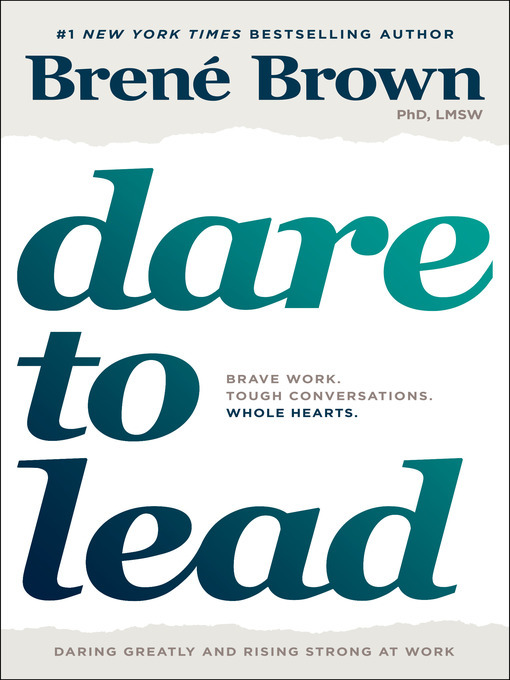
"Dare to Lead" by Brené Brown champions courage over comfort in leadership, advocating for vulnerability, empathy, and integrity as foundational elements for building trust and fostering innovative, resilient teams. It explores how leaders can cultivate a culture of psychological safety where individuals feel empowered to show up, be heard, and engage authentically, even when facing uncertainty or failure.
Both books fundamentally address the human element in leadership, emphasizing that effective teams are built on a bedrock of trust and emotional security, not just strategy or metrics. While Sinek focuses on the biological and historical roots of safety within a "Circle of Safety," Brown provides actionable methodologies for cultivating the courage required to create and sustain that environment, moving beyond theoretical understanding to practical application of emotional intelligence in leadership.
The book will resonate with individuals seeking to not only understand how great teams function but also gain practical tools to become more impactful leaders. It offers a clear roadmap for addressing difficult conversations, embracing feedback, and fostering an environment where every voice contributes to collective success, ultimately leading to stronger, more engaged organizations.
Dare to Lead
"Dare to Lead" by Brené Brown champions courage over comfort in leadership, advocating for vulnerability, empathy, and integrity as foundational elements for building trust and fostering innovative, resilient teams. It explores how leaders can cultivate a culture of psychological safety where individuals feel empowered to show up, be heard, and engage authentically, even when facing uncertainty or failure.
Both books fundamentally address the human element in leadership, emphasizing that effective teams are built on a bedrock of trust and emotional security, not just strategy or metrics. While Sinek focuses on the biological and historical roots of safety within a "Circle of Safety," Brown provides actionable methodologies for cultivating the courage required to create and sustain that environment, moving beyond theoretical understanding to practical application of emotional intelligence in leadership.
The book will resonate with individuals seeking to not only understand how great teams function but also gain practical tools to become more impactful leaders. It offers a clear roadmap for addressing difficult conversations, embracing feedback, and fostering an environment where every voice contributes to collective success, ultimately leading to stronger, more engaged organizations.
Give and Take: A Revolutionary Approach to Success
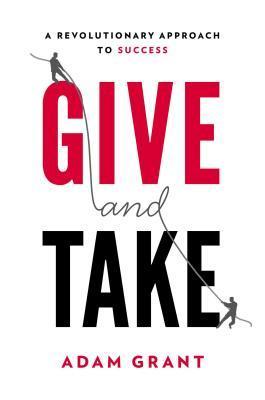
"Give and Take" by Adam Grant explores the surprising success patterns of "givers," "takers," and "matchers" in various professional environments. Grant meticulously demonstrates that, contrary to popular belief, those who consistently contribute to others without immediate expectation of return – the givers – often achieve the most enduring and impactful success. The book dissects different strategies within each reciprocity style, offering actionable insights for individuals and organizations aiming to foster more collaborative and productive cultures.
Both books delve into the fundamental dynamics of human interaction within professional settings and their profound impact on collective success. While Sinek focuses on leadership's role in cultivating a "Circle of Safety" where trust and cooperation thrive, Grant examines the individual's approach to reciprocity as the bedrock of such environments. Both argue that prioritizing the well-being and success of others, whether through leadership or personal giving, ultimately leads to superior outcomes for all involved.
This book offers a compelling roadmap for personal and professional growth. It challenges conventional notions of achievement, providing a powerful argument for the strategic advantage of generosity and cooperation. Its practical examples and research-backed findings inspire a reevaluation of how individuals contribute to and benefit from their professional networks, fostering a more effective and fulfilling approach to work and collaboration.
Give and Take: A Revolutionary Approach to Success
"Give and Take" by Adam Grant explores the surprising success patterns of "givers," "takers," and "matchers" in various professional environments. Grant meticulously demonstrates that, contrary to popular belief, those who consistently contribute to others without immediate expectation of return – the givers – often achieve the most enduring and impactful success. The book dissects different strategies within each reciprocity style, offering actionable insights for individuals and organizations aiming to foster more collaborative and productive cultures.
Both books delve into the fundamental dynamics of human interaction within professional settings and their profound impact on collective success. While Sinek focuses on leadership's role in cultivating a "Circle of Safety" where trust and cooperation thrive, Grant examines the individual's approach to reciprocity as the bedrock of such environments. Both argue that prioritizing the well-being and success of others, whether through leadership or personal giving, ultimately leads to superior outcomes for all involved.
This book offers a compelling roadmap for personal and professional growth. It challenges conventional notions of achievement, providing a powerful argument for the strategic advantage of generosity and cooperation. Its practical examples and research-backed findings inspire a reevaluation of how individuals contribute to and benefit from their professional networks, fostering a more effective and fulfilling approach to work and collaboration.
The Five Dysfunctions of a Team
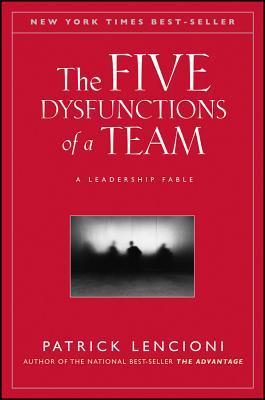
"The Five Dysfunctions of a Team" dissects the common pitfalls that undermine team cohesion and performance. Lencioni presents a clear, hierarchical model illustrating how an absence of trust creates a ripple effect, leading to a fear of conflict, lack of commitment, avoidance of accountability, and ultimately, inattention to results. It's a practical guide for diagnosing and rectifying these fundamental issues within any team setting.
This book resonates with "Leaders Eat Last" because both emphasize the critical role of psychological safety and a supportive environment in fostering high-performing teams. While Sinek focuses on the leader's responsibility in creating a "Circle of Safety," Lencioni provides a framework for understanding and dismantling the internal barriers that prevent teams from achieving that safety and thus, their full potential. Both advocate for a culture where vulnerability and genuine connection are prerequisites for success.
Anyone interested in improving team dynamics and organizational effectiveness will find "The Five Dysfunctions of a Team" exceptionally valuable. It offers actionable insights and a memorable framework for identifying and addressing the root causes of team dysfunction. The straightforward language and compelling scenarios make it an accessible and empowering resource for leaders, managers, and team members alike seeking to build stronger, more effective collaborative units.
The Five Dysfunctions of a Team
"The Five Dysfunctions of a Team" dissects the common pitfalls that undermine team cohesion and performance. Lencioni presents a clear, hierarchical model illustrating how an absence of trust creates a ripple effect, leading to a fear of conflict, lack of commitment, avoidance of accountability, and ultimately, inattention to results. It's a practical guide for diagnosing and rectifying these fundamental issues within any team setting.
This book resonates with "Leaders Eat Last" because both emphasize the critical role of psychological safety and a supportive environment in fostering high-performing teams. While Sinek focuses on the leader's responsibility in creating a "Circle of Safety," Lencioni provides a framework for understanding and dismantling the internal barriers that prevent teams from achieving that safety and thus, their full potential. Both advocate for a culture where vulnerability and genuine connection are prerequisites for success.
Anyone interested in improving team dynamics and organizational effectiveness will find "The Five Dysfunctions of a Team" exceptionally valuable. It offers actionable insights and a memorable framework for identifying and addressing the root causes of team dysfunction. The straightforward language and compelling scenarios make it an accessible and empowering resource for leaders, managers, and team members alike seeking to build stronger, more effective collaborative units.
The Leader in Me: How Schools and Parents Around the World Are Inspiring Greatness, One Child At a Time

"The Leader in Me" applies Stephen Covey’s "7 Habits of Highly Effective People" to a school and family context, aiming to cultivate leadership and life skills in children from a young age. It posits that every child possesses leadership potential and outlines a framework for schools to foster personal responsibility, proactive thinking, and collaborative skills, ultimately inspiring greatness in individuals. This approach extends beyond academic achievement to holistic personal development.
The similarity to "Leaders Eat Last" lies in their shared emphasis on creating environments where individuals feel safe, valued, and empowered to contribute. Both books advocate for leadership that prioritizes the well-being and growth of those under their charge, albeit in different settings. Sinek focuses on organizational safety nets and empathetic leadership, while "The Leader in Me" translates these principles to educational systems and family dynamics, fostering a sense of belonging and collective purpose.
This book will appeal to educators, parents, and community leaders seeking practical, actionable strategies for nurturing intrinsic motivation and character development in youth. It offers a compelling vision for fostering a generation of self-reliant, empathetic, and effective individuals, providing a blueprint for positive educational and familial reform that yields lasting personal and societal benefits.
The Leader in Me: How Schools and Parents Around the World Are Inspiring Greatness, One Child At a Time
"The Leader in Me" applies Stephen Covey’s "7 Habits of Highly Effective People" to a school and family context, aiming to cultivate leadership and life skills in children from a young age. It posits that every child possesses leadership potential and outlines a framework for schools to foster personal responsibility, proactive thinking, and collaborative skills, ultimately inspiring greatness in individuals. This approach extends beyond academic achievement to holistic personal development.
The similarity to "Leaders Eat Last" lies in their shared emphasis on creating environments where individuals feel safe, valued, and empowered to contribute. Both books advocate for leadership that prioritizes the well-being and growth of those under their charge, albeit in different settings. Sinek focuses on organizational safety nets and empathetic leadership, while "The Leader in Me" translates these principles to educational systems and family dynamics, fostering a sense of belonging and collective purpose.
This book will appeal to educators, parents, and community leaders seeking practical, actionable strategies for nurturing intrinsic motivation and character development in youth. It offers a compelling vision for fostering a generation of self-reliant, empathetic, and effective individuals, providing a blueprint for positive educational and familial reform that yields lasting personal and societal benefits.
More Books to Explore
Discover more titles that expand on these ideas and themes.
Start with Why: How Great Leaders Inspire Everyone to Take Action
The Advantage: Why Organizational Health Trumps Everything Else In Business
The Leadership Challenge
The Way of the Shepherd: Seven Secrets to Managing Productive People
Dare: Accepting the Challenge of Trusting Leadership
The 21 Indispensable Qualities of a Leader: Becoming the Person Others Will Want to Follow