10 Books Similar to "Influencer: The Power to Change Anything"
by Kerry Patterson
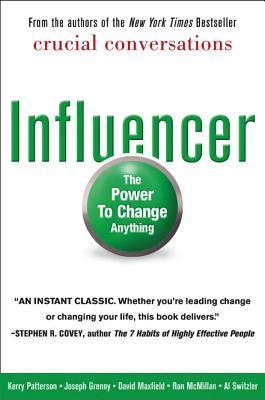
Switch: How to Change Things When Change Is Hard

"Switch" by Chip Heath dismantles the complex process of behavioral and organizational change into a pragmatic framework. It posits that successful change hinges on addressing three core components: directing the "elephant" (the emotional side), guiding the "rider" (the rational side), and shaping the "path" (the environment). The book provides actionable strategies to align these elements, making difficult changes more achievable.
This book shares significant thematic ground with "Influencer," as both tackle the fundamental challenge of instigating and sustaining change, whether in individuals, teams, or larger organizations. Both emphasize multifactorial approaches over simplistic solutions, highlighting the interplay between motivation, environment, and communication to shift behavior effectively. They move beyond mere exhortation to provide practical methodologies for impact.
Anyone grappling with implementing significant change—personal, professional, or societal—will find immense value in "Switch." It offers a clear, evidence-based roadmap for navigating resistance, fostering engagement, and engineering success. The accessible case studies and structured methodologies empower individuals to become more effective agents of change, transforming challenging aspirations into tangible realities.
Switch: How to Change Things When Change Is Hard
"Switch" by Chip Heath dismantles the complex process of behavioral and organizational change into a pragmatic framework. It posits that successful change hinges on addressing three core components: directing the "elephant" (the emotional side), guiding the "rider" (the rational side), and shaping the "path" (the environment). The book provides actionable strategies to align these elements, making difficult changes more achievable.
This book shares significant thematic ground with "Influencer," as both tackle the fundamental challenge of instigating and sustaining change, whether in individuals, teams, or larger organizations. Both emphasize multifactorial approaches over simplistic solutions, highlighting the interplay between motivation, environment, and communication to shift behavior effectively. They move beyond mere exhortation to provide practical methodologies for impact.
Anyone grappling with implementing significant change—personal, professional, or societal—will find immense value in "Switch." It offers a clear, evidence-based roadmap for navigating resistance, fostering engagement, and engineering success. The accessible case studies and structured methodologies empower individuals to become more effective agents of change, transforming challenging aspirations into tangible realities.
Crucial Conversations: Tools for Talking When Stakes are High
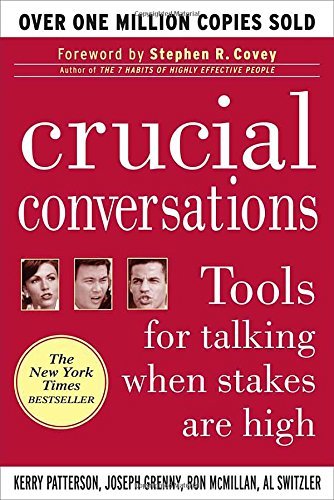
"Crucial Conversations" teaches you how to navigate high-stakes discussions effectively. It provides practical strategies for speaking persuasively, listening empathetically, and resolving disagreements, even when emotions run high or opinions diverge significantly. The book focuses on maintaining psychological safety and achieving mutual understanding to foster positive outcomes in personal and professional relationships.
These two books share a fundamental premise: influencing behavior, whether your own or others', requires strategic communication and understanding the levers of change. Both delve into how precise, well-executed interactions can shift entrenched patterns and lead to desired results. They equip individuals with tools to proactively address challenges rather than passively endure them.
This book offers a tangible route to improving interpersonal dynamics and achieving better results in complex situations. It equips individuals with the skills to address conflict constructively, advocate for their ideas clearly, and build stronger relationships, ultimately enhancing personal effectiveness and contributing to more productive environments.
Crucial Conversations: Tools for Talking When Stakes are High
"Crucial Conversations" teaches you how to navigate high-stakes discussions effectively. It provides practical strategies for speaking persuasively, listening empathetically, and resolving disagreements, even when emotions run high or opinions diverge significantly. The book focuses on maintaining psychological safety and achieving mutual understanding to foster positive outcomes in personal and professional relationships.
These two books share a fundamental premise: influencing behavior, whether your own or others', requires strategic communication and understanding the levers of change. Both delve into how precise, well-executed interactions can shift entrenched patterns and lead to desired results. They equip individuals with tools to proactively address challenges rather than passively endure them.
This book offers a tangible route to improving interpersonal dynamics and achieving better results in complex situations. It equips individuals with the skills to address conflict constructively, advocate for their ideas clearly, and build stronger relationships, ultimately enhancing personal effectiveness and contributing to more productive environments.
Chapter One: You have the power to change stuff

"Chapter One: You Have the Power to Change Stuff" by Daniel Flynn chronicles the inspiring journey of establishing Thankyou, a social enterprise that transforms consumer purchases into funding for global poverty initiatives. It details Flynn's personal conviction, the audacious goals he set, and the practical strategies employed to build a successful business while dedicating all profits to impactful causes. The book is a candid exploration of entrepreneurial spirit, social impact, and the power of a compelling vision to overcome immense challenges.
This book resonates strongly with "Influencer: The Power to Change Anything" due to its core message: ordinary individuals can orchestrate extraordinary change. Both texts emphasize the strategic application of influence and persistent effort to shift behaviors and outcomes, whether on a personal, organizational, or societal scale. Flynn exemplifies many of the influencer strategies discussed by Patterson, demonstrating how a clear purpose, consistent communication, and a focus on measurable impact can mobilize people and resources toward a shared objective.
The appeal of "Chapter One" lies in its actionable inspiration. It’s a testament to the idea that significant social and business change can originate from a simple, yet powerful, idea. Individuals seeking to make a tangible difference, launch a purpose-driven venture, or simply overcome seemingly insurmountable obstacles in pursuing their goals will find immense value in Flynn’s practical insights and unwavering resolve. It offers a blueprint for translating passion into real-world impact.
Chapter One: You have the power to change stuff
"Chapter One: You Have the Power to Change Stuff" by Daniel Flynn chronicles the inspiring journey of establishing Thankyou, a social enterprise that transforms consumer purchases into funding for global poverty initiatives. It details Flynn's personal conviction, the audacious goals he set, and the practical strategies employed to build a successful business while dedicating all profits to impactful causes. The book is a candid exploration of entrepreneurial spirit, social impact, and the power of a compelling vision to overcome immense challenges.
This book resonates strongly with "Influencer: The Power to Change Anything" due to its core message: ordinary individuals can orchestrate extraordinary change. Both texts emphasize the strategic application of influence and persistent effort to shift behaviors and outcomes, whether on a personal, organizational, or societal scale. Flynn exemplifies many of the influencer strategies discussed by Patterson, demonstrating how a clear purpose, consistent communication, and a focus on measurable impact can mobilize people and resources toward a shared objective.
The appeal of "Chapter One" lies in its actionable inspiration. It’s a testament to the idea that significant social and business change can originate from a simple, yet powerful, idea. Individuals seeking to make a tangible difference, launch a purpose-driven venture, or simply overcome seemingly insurmountable obstacles in pursuing their goals will find immense value in Flynn’s practical insights and unwavering resolve. It offers a blueprint for translating passion into real-world impact.
Influence: The Psychology of Persuasion
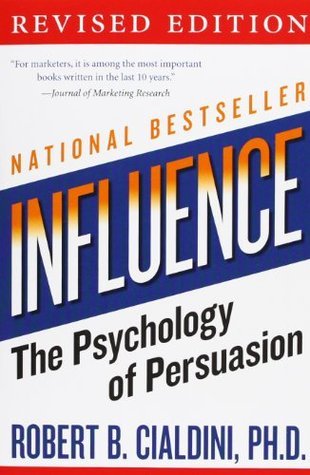
"Influence: The Psychology of Persuasion" delves into the fundamental psychological principles that drive human compliance and decision-making. Cialdini identifies six core "weapons of influence"—reciprocity, commitment and consistency, social proof, authority, liking, and scarcity—explaining how they are leveraged by marketers, salespeople, and others to elicit a "yes." The book’s power lies in its practical examples and research-backed insights into why people often say yes without fully understanding the underlying mechanics.
This book shares significant thematic overlap with "Influencer: The Power to Change Anything" because both explore the core mechanisms of behavioral change, albeit from slightly different angles. While "Influencer" focuses on a systematic approach to enacting large-scale change, "Influence" provides the foundational psychological understanding of individual and group persuasion that underpins such efforts. Both books ultimately equip the reader with a deeper understanding of how to move people toward desired outcomes.
The insights offered in "Influence" are invaluable for anyone seeking to understand or apply persuasive techniques ethically, whether in professional negotiation, marketing, or leading teams. Understanding these psychological triggers empowers individuals to recognize and resist manipulative tactics while also enhancing their own capacity to advocate for ideas and inspire action effectively. It offers a practical toolkit for navigating the complexities of human interaction.
Influence: The Psychology of Persuasion
"Influence: The Psychology of Persuasion" delves into the fundamental psychological principles that drive human compliance and decision-making. Cialdini identifies six core "weapons of influence"—reciprocity, commitment and consistency, social proof, authority, liking, and scarcity—explaining how they are leveraged by marketers, salespeople, and others to elicit a "yes." The book’s power lies in its practical examples and research-backed insights into why people often say yes without fully understanding the underlying mechanics.
This book shares significant thematic overlap with "Influencer: The Power to Change Anything" because both explore the core mechanisms of behavioral change, albeit from slightly different angles. While "Influencer" focuses on a systematic approach to enacting large-scale change, "Influence" provides the foundational psychological understanding of individual and group persuasion that underpins such efforts. Both books ultimately equip the reader with a deeper understanding of how to move people toward desired outcomes.
The insights offered in "Influence" are invaluable for anyone seeking to understand or apply persuasive techniques ethically, whether in professional negotiation, marketing, or leading teams. Understanding these psychological triggers empowers individuals to recognize and resist manipulative tactics while also enhancing their own capacity to advocate for ideas and inspire action effectively. It offers a practical toolkit for navigating the complexities of human interaction.
The Power of Habit: Why We Do What We Do in Life and Business
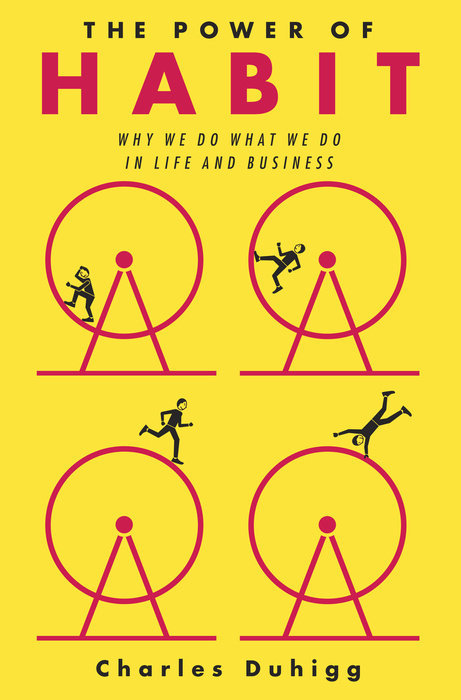
"The Power of Habit" explores the science behind why habits exist and how they can be changed. Through compelling stories ranging from individual transformations to corporate overhauls and societal movements, it unveils the neurological loop (cue, routine, reward) that underpins all habits. It demystifies how habits form, how they can be leveraged for success, and how difficult ones can be broken or reformed.
This book shares conceptual DNA with "Influencer" by focusing on the mechanics of behavioral change. Both texts dissect the underlying drivers of human action and provide frameworks for altering ingrained patterns. Where "Influencer" examines the strategies for influencing others and oneself towards specific outcomes, "The Power of Habit" provides the fundamental psychological bedrock and practical toolkit for understanding and reshaping the very behaviors those influences target.
It will appeal to individuals seeking to understand and improve their own behaviors, leaders aiming to cultivate productive team habits, and anyone interested in the foundational psychology behind effective change. The insights offer a practical lens for personal development and professional strategy, providing actionable understanding of how to build new routines for better results.
The Power of Habit: Why We Do What We Do in Life and Business
"The Power of Habit" explores the science behind why habits exist and how they can be changed. Through compelling stories ranging from individual transformations to corporate overhauls and societal movements, it unveils the neurological loop (cue, routine, reward) that underpins all habits. It demystifies how habits form, how they can be leveraged for success, and how difficult ones can be broken or reformed.
This book shares conceptual DNA with "Influencer" by focusing on the mechanics of behavioral change. Both texts dissect the underlying drivers of human action and provide frameworks for altering ingrained patterns. Where "Influencer" examines the strategies for influencing others and oneself towards specific outcomes, "The Power of Habit" provides the fundamental psychological bedrock and practical toolkit for understanding and reshaping the very behaviors those influences target.
It will appeal to individuals seeking to understand and improve their own behaviors, leaders aiming to cultivate productive team habits, and anyone interested in the foundational psychology behind effective change. The insights offer a practical lens for personal development and professional strategy, providing actionable understanding of how to build new routines for better results.
Contagious: Why Things Catch On

"Contagious: Why Things Catch On" delves into the psychological underpinnings of why certain ideas, products, and behaviors spread. Jonah Berger unpacks six core principles—Social Currency, Triggers, Emotion, Public, Practical Value, and Stories—that drive word-of-mouth and viral success, explaining how these elements make things inherently shareable and influential within social networks.
This book shares conceptual ground with "Influencer: The Power to Change Anything" by focusing on the mechanisms of change and impact. Both explore how individuals and ideas can exert significant influence, whether through shaping group behavior or sparking widespread adoption. While "Influencer" often focuses on systemic change within organizations and individuals, "Contagious" offers a complementary perspective on how any concept can gain traction and spread organically.
Professionals and strategists will find immediate applicability for developing more effective marketing campaigns, designing impactful social initiatives, or simply understanding the dynamics of human behavior. The practical frameworks and actionable insights empower anyone seeking to cultivate influence and maximize the spread of their messages or innovations.
Contagious: Why Things Catch On
"Contagious: Why Things Catch On" delves into the psychological underpinnings of why certain ideas, products, and behaviors spread. Jonah Berger unpacks six core principles—Social Currency, Triggers, Emotion, Public, Practical Value, and Stories—that drive word-of-mouth and viral success, explaining how these elements make things inherently shareable and influential within social networks.
This book shares conceptual ground with "Influencer: The Power to Change Anything" by focusing on the mechanisms of change and impact. Both explore how individuals and ideas can exert significant influence, whether through shaping group behavior or sparking widespread adoption. While "Influencer" often focuses on systemic change within organizations and individuals, "Contagious" offers a complementary perspective on how any concept can gain traction and spread organically.
Professionals and strategists will find immediate applicability for developing more effective marketing campaigns, designing impactful social initiatives, or simply understanding the dynamics of human behavior. The practical frameworks and actionable insights empower anyone seeking to cultivate influence and maximize the spread of their messages or innovations.
The Tipping Point: How Little Things Can Make a Big Difference

"The Tipping Point" explores how seemingly minor shifts can trigger massive social epidemics. Gladwell unpacks the phenomenon of "tipping points," where ideas, trends, or behaviors cross a threshold and spread like wildfire. He introduces key concepts like "The Law of the Few" (connectors, mavens, and salesmen), the "Stickiness Factor" (memorable messages), and "The Power of Context" (environmental influences) to explain how change proliferates.
This book shares a core ambition with "Influencer": understanding and leveraging the mechanisms of significant change. Both analyze how specific individuals and strategic interventions can disproportionately impact group behavior and outcomes. While "Influencer" offers a more prescriptive framework for direct intervention, "The Tipping Point" provides a foundational understanding of the underlying social dynamics that allow such interventions to succeed or fail.
Its accessible narrative, filled with compelling anecdotes and insightful observations, illuminates the hidden forces driving cultural and social phenomena. Anyone seeking to understand the dynamics of influence, the spread of ideas, or the levers of large-scale change will discover invaluable frameworks and a profound appreciation for how small inputs can lead to monumental shifts.
The Tipping Point: How Little Things Can Make a Big Difference
"The Tipping Point" explores how seemingly minor shifts can trigger massive social epidemics. Gladwell unpacks the phenomenon of "tipping points," where ideas, trends, or behaviors cross a threshold and spread like wildfire. He introduces key concepts like "The Law of the Few" (connectors, mavens, and salesmen), the "Stickiness Factor" (memorable messages), and "The Power of Context" (environmental influences) to explain how change proliferates.
This book shares a core ambition with "Influencer": understanding and leveraging the mechanisms of significant change. Both analyze how specific individuals and strategic interventions can disproportionately impact group behavior and outcomes. While "Influencer" offers a more prescriptive framework for direct intervention, "The Tipping Point" provides a foundational understanding of the underlying social dynamics that allow such interventions to succeed or fail.
Its accessible narrative, filled with compelling anecdotes and insightful observations, illuminates the hidden forces driving cultural and social phenomena. Anyone seeking to understand the dynamics of influence, the spread of ideas, or the levers of large-scale change will discover invaluable frameworks and a profound appreciation for how small inputs can lead to monumental shifts.
The Difference Maker: Making Your Attitude Your Greatest Asset

John C. Maxwell's "The Difference Maker" explores the profound impact of one's attitude on personal and professional success. It meticulously dissects various attitudinal postures, demonstrating how a positive, proactive mindset can unlock potential, overcome obstacles, and ultimately shape one's destiny. Maxwell provides actionable insights and compelling anecdotes, illustrating how cultivating the right attitude transforms challenges into opportunities and elevates performance.
This book aligns with "Influencer" by emphasizing the internal leverage required for significant change, whether personal or group-oriented. Both texts posit that fundamental shifts in behavior and outcomes begin with understanding and managing core drivers – for "Influencer," it’s the six sources of influence; for "The Difference Maker," it's the power of attitude. Both ultimately advocate for strategic, intentional approaches to foster positive change and achieve desired results.
Individuals seeking to enhance their personal effectiveness, leadership capabilities, and overall life satisfaction will find this book immensely valuable. It offers a clear roadmap for cultivating a resilient, growth-oriented mindset, empowering them to navigate complexities with greater confidence and achieve more impactful results in all aspects of their lives.
The Difference Maker: Making Your Attitude Your Greatest Asset
John C. Maxwell's "The Difference Maker" explores the profound impact of one's attitude on personal and professional success. It meticulously dissects various attitudinal postures, demonstrating how a positive, proactive mindset can unlock potential, overcome obstacles, and ultimately shape one's destiny. Maxwell provides actionable insights and compelling anecdotes, illustrating how cultivating the right attitude transforms challenges into opportunities and elevates performance.
This book aligns with "Influencer" by emphasizing the internal leverage required for significant change, whether personal or group-oriented. Both texts posit that fundamental shifts in behavior and outcomes begin with understanding and managing core drivers – for "Influencer," it’s the six sources of influence; for "The Difference Maker," it's the power of attitude. Both ultimately advocate for strategic, intentional approaches to foster positive change and achieve desired results.
Individuals seeking to enhance their personal effectiveness, leadership capabilities, and overall life satisfaction will find this book immensely valuable. It offers a clear roadmap for cultivating a resilient, growth-oriented mindset, empowering them to navigate complexities with greater confidence and achieve more impactful results in all aspects of their lives.
Revenge of the Tipping Point: Overstories, Superspreaders, and the Rise of Social Engineering
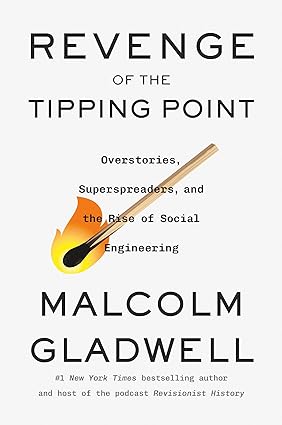
"Revenge of the Tipping Point" delves into the intricate mechanisms of social change, exploring how certain individuals ("superspreaders") and compelling narratives ("overstories") can catalyze widespread shifts in behavior and thought. Gladwell examines the intentional and unintentional ways these forces are harnessed to engineer social outcomes, from lifestyle trends to policy adoption, offering a compelling look at the subtle art of mass persuasion.
The similarity to "Influencer" lies in their shared exploration of how deliberate intervention can dramatically alter outcomes. Both books dissect the components of effective influence, whether it's through identifying specific leverage points for behavioral change outlined in "Influencer" or by deconstructing the overarching narratives and pivotal individuals crucial to "Tipping Point's" social engineering. They both empower individuals to understand and even orchestrate change.
This book will appeal to those fascinated by organizational dynamics, marketing strategies, or anyone seeking to understand the underlying currents that shape societal norms. It provides conceptual frameworks for analyzing power structures and influence, equipping individuals with a sophisticated perspective on why some movements thrive while others falter. Its value lies in empowering them to navigate and, perhaps, even steer the complex currents of social evolution.
Revenge of the Tipping Point: Overstories, Superspreaders, and the Rise of Social Engineering
"Revenge of the Tipping Point" delves into the intricate mechanisms of social change, exploring how certain individuals ("superspreaders") and compelling narratives ("overstories") can catalyze widespread shifts in behavior and thought. Gladwell examines the intentional and unintentional ways these forces are harnessed to engineer social outcomes, from lifestyle trends to policy adoption, offering a compelling look at the subtle art of mass persuasion.
The similarity to "Influencer" lies in their shared exploration of how deliberate intervention can dramatically alter outcomes. Both books dissect the components of effective influence, whether it's through identifying specific leverage points for behavioral change outlined in "Influencer" or by deconstructing the overarching narratives and pivotal individuals crucial to "Tipping Point's" social engineering. They both empower individuals to understand and even orchestrate change.
This book will appeal to those fascinated by organizational dynamics, marketing strategies, or anyone seeking to understand the underlying currents that shape societal norms. It provides conceptual frameworks for analyzing power structures and influence, equipping individuals with a sophisticated perspective on why some movements thrive while others falter. Its value lies in empowering them to navigate and, perhaps, even steer the complex currents of social evolution.
Enchantment: The Art of Changing Hearts, Minds, and Actions
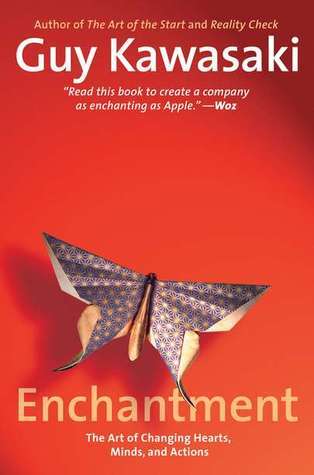
"Enchantment: The Art of Changing Hearts, Minds, and Actions," by Guy Kawasaki, explores the subtle yet powerful strategies for inspiring voluntary support and loyalty. It dissects how to build trust, overcome resistance, and foster enduring connections, whether in business, personal life, or social causes. Kawasaki emphasizes authenticity, likability, and the art of giving without expectation to transform skeptics into advocates.
This book shares significant thematic ground with Kerry Patterson's "Influencer: The Power to Change Anything." Both delve into the mechanisms of influence and persuasion, examining how individuals and organizations can effectively shift behaviors and beliefs. While "Influencer" often focuses on identifying key behaviors and applying specific influence strategies, "Enchantment" provides a broader framework for building rapport and creating a magnetic presence that naturally draws others in. Both offer actionable insights for anyone seeking to effect change.
The value of "Enchantment" lies in its practical, holistic approach to cultivating genuine engagement. It offers a blueprint for becoming a person or entity that others *want* to follow and support, rather than one they are simply coerced into. For individuals navigating complex social landscapes or professionals striving to lead and innovate, its principles are indispensable for fostering meaningful impact and sustainable success.
Enchantment: The Art of Changing Hearts, Minds, and Actions
"Enchantment: The Art of Changing Hearts, Minds, and Actions," by Guy Kawasaki, explores the subtle yet powerful strategies for inspiring voluntary support and loyalty. It dissects how to build trust, overcome resistance, and foster enduring connections, whether in business, personal life, or social causes. Kawasaki emphasizes authenticity, likability, and the art of giving without expectation to transform skeptics into advocates.
This book shares significant thematic ground with Kerry Patterson's "Influencer: The Power to Change Anything." Both delve into the mechanisms of influence and persuasion, examining how individuals and organizations can effectively shift behaviors and beliefs. While "Influencer" often focuses on identifying key behaviors and applying specific influence strategies, "Enchantment" provides a broader framework for building rapport and creating a magnetic presence that naturally draws others in. Both offer actionable insights for anyone seeking to effect change.
The value of "Enchantment" lies in its practical, holistic approach to cultivating genuine engagement. It offers a blueprint for becoming a person or entity that others *want* to follow and support, rather than one they are simply coerced into. For individuals navigating complex social landscapes or professionals striving to lead and innovate, its principles are indispensable for fostering meaningful impact and sustainable success.
More Books to Explore
Discover more titles that expand on these ideas and themes.
Switch: How to Change Things When Change Is Hard
Crucial Conversations: Tools for Talking When Stakes are High
Chapter One: You have the power to change stuff
Influence: The Psychology of Persuasion
The Power of Habit: Why We Do What We Do in Life and Business
Contagious: Why Things Catch On