10 Books Similar to "Ikigai: The Japanese Secret to a Long and Happy Life"
by Héctor García
Okinawa Diet
"Okinawa Diet" by Marco Carestia explores the eating habits and lifestyle principles of the Okinawan people, renowned for their exceptional longevity and health. It delves into the specific dietary patterns – emphasizing plant-based foods, lean protein, healthy fats, and a moderate caloric intake – that contribute to their vitality. Beyond just food, the book touches on cultural practices and psychological attitudes that complement these nutritional choices.
The kinship between "Okinawa Diet" and "Ikigai: The Japanese Secret to a Long and Happy Life" lies in their shared exploration of Japanese longevity secrets. Both books investigate how specific lifestyle choices, rooted in cultural tradition, contribute to not just a longer life, but a more fulfilling one. While "Ikigai" focuses on purpose and meaning, "Okinawa Diet" provides the practical, nutritional framework that underpins the physical health necessary to pursue that purpose.
This book offers a tangible pathway to improving health and extending one's active years. It provides actionable dietary advice grounded in scientific observation of a remarkably healthy population. Individuals seeking practical steps to enhance their well-being and longevity, understanding the link between food and a purposeful life, will find immense value in its principles.
Okinawa Diet
"Okinawa Diet" by Marco Carestia explores the eating habits and lifestyle principles of the Okinawan people, renowned for their exceptional longevity and health. It delves into the specific dietary patterns – emphasizing plant-based foods, lean protein, healthy fats, and a moderate caloric intake – that contribute to their vitality. Beyond just food, the book touches on cultural practices and psychological attitudes that complement these nutritional choices.
The kinship between "Okinawa Diet" and "Ikigai: The Japanese Secret to a Long and Happy Life" lies in their shared exploration of Japanese longevity secrets. Both books investigate how specific lifestyle choices, rooted in cultural tradition, contribute to not just a longer life, but a more fulfilling one. While "Ikigai" focuses on purpose and meaning, "Okinawa Diet" provides the practical, nutritional framework that underpins the physical health necessary to pursue that purpose.
This book offers a tangible pathway to improving health and extending one's active years. It provides actionable dietary advice grounded in scientific observation of a remarkably healthy population. Individuals seeking practical steps to enhance their well-being and longevity, understanding the link between food and a purposeful life, will find immense value in its principles.
The Five Secrets You Must Discover Before You Die

"The Five Secrets You Must Discover Before You Die" by John B. Izzo distills profound life lessons from interviews with over 200 individuals aged 60 to 100 who identified as having found deep contentment and purpose. Izzo identifies five key principles – be true to yourself, leave no regrets, become love, live in the moment, and give more than you take – offering practical insights and actionable advice for cultivating a meaningful existence. This book serves as a guide to living a fulfilling life, drawing wisdom from those who have already navigated its complexities.
This book aligns with "Ikigai" in its exploration of foundational principles for a well-lived life. Both titles delve into the essence of human flourishing, moving beyond superficial happiness to address deeper satisfaction and purpose. While "Ikigai" focuses on a Japanese concept of finding one's reason for being, Izzo's work presents universal truths uncovered through extensive qualitative research, arriving at similar conclusions about the importance of authenticity, connection, presence, and contribution.
This book offers a compelling roadmap for personal growth and fulfillment. Its insights resonate deeply, providing practical frameworks for introspection and positive change. The distilled wisdom from a demographic renowned for its life experience lends immense credibility, making the advice both relatable and actionable for anyone seeking to enhance their life's quality and legacy.
The Five Secrets You Must Discover Before You Die
"The Five Secrets You Must Discover Before You Die" by John B. Izzo distills profound life lessons from interviews with over 200 individuals aged 60 to 100 who identified as having found deep contentment and purpose. Izzo identifies five key principles – be true to yourself, leave no regrets, become love, live in the moment, and give more than you take – offering practical insights and actionable advice for cultivating a meaningful existence. This book serves as a guide to living a fulfilling life, drawing wisdom from those who have already navigated its complexities.
This book aligns with "Ikigai" in its exploration of foundational principles for a well-lived life. Both titles delve into the essence of human flourishing, moving beyond superficial happiness to address deeper satisfaction and purpose. While "Ikigai" focuses on a Japanese concept of finding one's reason for being, Izzo's work presents universal truths uncovered through extensive qualitative research, arriving at similar conclusions about the importance of authenticity, connection, presence, and contribution.
This book offers a compelling roadmap for personal growth and fulfillment. Its insights resonate deeply, providing practical frameworks for introspection and positive change. The distilled wisdom from a demographic renowned for its life experience lends immense credibility, making the advice both relatable and actionable for anyone seeking to enhance their life's quality and legacy.
Goodbye, Things: The New Japanese Minimalism
"Goodbye, Things: The New Japanese Minimalism" by Fumio Sasaki explores the practical and philosophical aspects of living with less. Sasaki candidly shares his personal journey to minimalism, detailing how shedding material possessions transformed his life by reducing stress, increasing focus, and fostering a deeper appreciation for experiences over ownership. It's a guide to understanding the emotional and mental liberation that comes from decluttering one's environment.
This work resonates with "Ikigai" because both books delve into Japanese philosophies centered on finding purpose and contentment. While "Ikigai" focuses on one's reason for being, "Goodbye, Things" offers a tangible pathway to achieve a state of peace and clarity that is conducive to discovering and pursuing that purpose. Both advocate for intentional living and a shift in perspective from external accumulation to internal fulfillment.
This book will appeal to those seeking a more simplified and meaningful existence. It offers actionable strategies for decluttering not just physical spaces, but also mental and emotional burdens. The clear, relatable narrative and Sasaki’s personal experience provide a compelling argument for the benefits of minimalism, making it a valuable resource for anyone striving for greater clarity, freedom, and happiness in their daily lives.
Goodbye, Things: The New Japanese Minimalism
"Goodbye, Things: The New Japanese Minimalism" by Fumio Sasaki explores the practical and philosophical aspects of living with less. Sasaki candidly shares his personal journey to minimalism, detailing how shedding material possessions transformed his life by reducing stress, increasing focus, and fostering a deeper appreciation for experiences over ownership. It's a guide to understanding the emotional and mental liberation that comes from decluttering one's environment.
This work resonates with "Ikigai" because both books delve into Japanese philosophies centered on finding purpose and contentment. While "Ikigai" focuses on one's reason for being, "Goodbye, Things" offers a tangible pathway to achieve a state of peace and clarity that is conducive to discovering and pursuing that purpose. Both advocate for intentional living and a shift in perspective from external accumulation to internal fulfillment.
This book will appeal to those seeking a more simplified and meaningful existence. It offers actionable strategies for decluttering not just physical spaces, but also mental and emotional burdens. The clear, relatable narrative and Sasaki’s personal experience provide a compelling argument for the benefits of minimalism, making it a valuable resource for anyone striving for greater clarity, freedom, and happiness in their daily lives.
The Simplest Book Ever on Life Attitude and Happiness

"The Simplest Book Ever on Life Attitude and Happiness" offers practical, actionable strategies for cultivating a positive mindset and fostering enduring happiness. It distills complex psychological concepts into easily digestible principles, guiding individuals toward a more fulfilling existence through mindful living, gratitude, and a proactive approach to personal well-being.
This book shares thematic commonalities with "Ikigai: The Japanese Secret to a Long and Happy Life" by focusing on the underlying components of a meaningful existence. Both works emphasize introspection, purpose, and the integration of these elements into daily life to achieve a sense of contentment and longevity, albeit through slightly different cultural lenses.
The appeal of this book lies in its directness and efficacy. It provides tangible methods for re-framing perspectives and improving emotional resilience, making well-being accessible without jargon. Its value stems from offering a clear pathway to practical self-improvement, ultimately equipping individuals with tools to enhance their daily lives and overall satisfaction.
The Simplest Book Ever on Life Attitude and Happiness
"The Simplest Book Ever on Life Attitude and Happiness" offers practical, actionable strategies for cultivating a positive mindset and fostering enduring happiness. It distills complex psychological concepts into easily digestible principles, guiding individuals toward a more fulfilling existence through mindful living, gratitude, and a proactive approach to personal well-being.
This book shares thematic commonalities with "Ikigai: The Japanese Secret to a Long and Happy Life" by focusing on the underlying components of a meaningful existence. Both works emphasize introspection, purpose, and the integration of these elements into daily life to achieve a sense of contentment and longevity, albeit through slightly different cultural lenses.
The appeal of this book lies in its directness and efficacy. It provides tangible methods for re-framing perspectives and improving emotional resilience, making well-being accessible without jargon. Its value stems from offering a clear pathway to practical self-improvement, ultimately equipping individuals with tools to enhance their daily lives and overall satisfaction.
Living Wabi Sabi: The True Beauty of Your Life
"Living Wabi Sabi" explores the Japanese aesthetic of wabi-sabi, which celebrates imperfection, impermanence, and incompleteness. It guides individuals to appreciate the beauty in natural cycles of growth and decay, find contentment in simplicity, and embrace the authentic, flawed nature of existence rather than striving for unattainable perfection. The book offers practical ways to integrate this philosophy into daily life, fostering a deeper sense of peace and acceptance.
This book resonates with "Ikigai" by delving into another profound Japanese concept for a fulfilling life. Both texts offer frameworks for deriving meaning and satisfaction, moving beyond superficial achievements. "Living Wabi Sabi," like "Ikigai," emphasizes a mindful approach to existence, encouraging an understanding of one's place in the world and finding joy in understated moments and authentic experiences rather than external validation.
This book will appeal to those seeking a richer, more grounded perspective on life. It offers a refreshing antidote to consumerism and the pressure for constant perfection, providing a path toward genuine, lasting serenity. Its insights offer valuable tools for cultivating resilience, self-acceptance, and a profound appreciation for the subtle beauty often overlooked in modern life.
Living Wabi Sabi: The True Beauty of Your Life
"Living Wabi Sabi" explores the Japanese aesthetic of wabi-sabi, which celebrates imperfection, impermanence, and incompleteness. It guides individuals to appreciate the beauty in natural cycles of growth and decay, find contentment in simplicity, and embrace the authentic, flawed nature of existence rather than striving for unattainable perfection. The book offers practical ways to integrate this philosophy into daily life, fostering a deeper sense of peace and acceptance.
This book resonates with "Ikigai" by delving into another profound Japanese concept for a fulfilling life. Both texts offer frameworks for deriving meaning and satisfaction, moving beyond superficial achievements. "Living Wabi Sabi," like "Ikigai," emphasizes a mindful approach to existence, encouraging an understanding of one's place in the world and finding joy in understated moments and authentic experiences rather than external validation.
This book will appeal to those seeking a richer, more grounded perspective on life. It offers a refreshing antidote to consumerism and the pressure for constant perfection, providing a path toward genuine, lasting serenity. Its insights offer valuable tools for cultivating resilience, self-acceptance, and a profound appreciation for the subtle beauty often overlooked in modern life.
Joy: The Happiness That Comes from Within
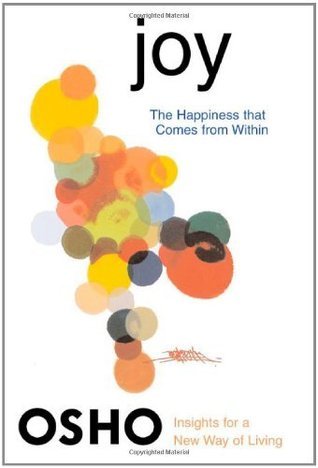
Osho’s "Joy: The Happiness That Comes from Within" explores the profound nature of joy, distinguishing it from fleeting pleasures. It posits that true joy isn't dependent on external circumstances but is an inherent state of being, discoverable through introspection, self-awareness, and a mindful approach to life. The book guides individuals toward cultivating an inner wellspring of contentment, emphasizing liberation from conditioned desires and societal expectations to tap into a more authentic and enduring sense of happiness.
This book shares a fundamental resonance with "Ikigai: The Japanese Secret to a Long and Happy Life" by focusing on an internal, rather than external, quest for fulfillment. Both texts advocate for a deliberate, conscious approach to living that prioritizes deeper meaning and satisfaction over superficial gratifications. While "Ikigai" often frames this through purpose and community, "Joy" emphasizes inner peace and self-discovery as pathways to a rich life experience.
Individuals seeking to cultivate a deeper sense of contentment and purpose in their lives will find considerable value in Osho's insights. It offers a compelling framework for understanding happiness not as something to be pursued externally, but as a state to be realized from within. The book's practical philosophy and encouragement of self-reflection can empower readers to navigate life's complexities with greater resilience and a more profound sense of inner peace.
Joy: The Happiness That Comes from Within
Osho’s "Joy: The Happiness That Comes from Within" explores the profound nature of joy, distinguishing it from fleeting pleasures. It posits that true joy isn't dependent on external circumstances but is an inherent state of being, discoverable through introspection, self-awareness, and a mindful approach to life. The book guides individuals toward cultivating an inner wellspring of contentment, emphasizing liberation from conditioned desires and societal expectations to tap into a more authentic and enduring sense of happiness.
This book shares a fundamental resonance with "Ikigai: The Japanese Secret to a Long and Happy Life" by focusing on an internal, rather than external, quest for fulfillment. Both texts advocate for a deliberate, conscious approach to living that prioritizes deeper meaning and satisfaction over superficial gratifications. While "Ikigai" often frames this through purpose and community, "Joy" emphasizes inner peace and self-discovery as pathways to a rich life experience.
Individuals seeking to cultivate a deeper sense of contentment and purpose in their lives will find considerable value in Osho's insights. It offers a compelling framework for understanding happiness not as something to be pursued externally, but as a state to be realized from within. The book's practical philosophy and encouragement of self-reflection can empower readers to navigate life's complexities with greater resilience and a more profound sense of inner peace.
Healthy at 100: The Scientifically Proven Secrets of the Worlds Healthiest & Longest-Lived Peoples

"Healthy at 100" explores the lifestyle patterns and dietary habits of some of the world's longest-living populations, such as the Okinawans and Abkhazians. John Robbins meticulously researches and presents the scientific basis behind their remarkable longevity, delving into plant-based diets, stress reduction, and strong community ties, all supported by rigorous evidence rather than anecdotal claims.
The book shares a core thematic resonance with "Ikigai" in its exploration of the ingredients for a life of both length and quality. Both texts uncover wisdom from cultures renowned for their centenarians, emphasizing that well-being isn't solely genetic but significantly influenced by daily choices and a sense of purpose. They converge on the idea that a fulfilling life, driven by meaning, often translates to a longer, healthier existence.
This book offers actionable insights for anyone seeking to enhance their health and longevity. It provides a blueprint for integrating time-tested principles into modern life, moving beyond fads to offer sustainable, scientifically-backed strategies for a vibrant existence. Its practical advice, grounded in compelling research, will empower individuals to cultivate habits that contribute to a longer, more joyful life.
Healthy at 100: The Scientifically Proven Secrets of the Worlds Healthiest & Longest-Lived Peoples
"Healthy at 100" explores the lifestyle patterns and dietary habits of some of the world's longest-living populations, such as the Okinawans and Abkhazians. John Robbins meticulously researches and presents the scientific basis behind their remarkable longevity, delving into plant-based diets, stress reduction, and strong community ties, all supported by rigorous evidence rather than anecdotal claims.
The book shares a core thematic resonance with "Ikigai" in its exploration of the ingredients for a life of both length and quality. Both texts uncover wisdom from cultures renowned for their centenarians, emphasizing that well-being isn't solely genetic but significantly influenced by daily choices and a sense of purpose. They converge on the idea that a fulfilling life, driven by meaning, often translates to a longer, healthier existence.
This book offers actionable insights for anyone seeking to enhance their health and longevity. It provides a blueprint for integrating time-tested principles into modern life, moving beyond fads to offer sustainable, scientifically-backed strategies for a vibrant existence. Its practical advice, grounded in compelling research, will empower individuals to cultivate habits that contribute to a longer, more joyful life.
The Life-Changing Magic of Tidying Up: The Japanese Art of Decluttering and Organizing
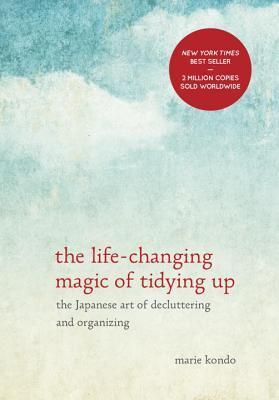
*The Life-Changing Magic of Tidying Up* introduces the KonMari method, a systematic approach to decluttering and organizing one's home. Marie Kondō advocates for keeping only items that "spark joy," guiding individuals through a comprehensive process of culling possessions by category rather than location, and establishing a designated place for everything retained. The core idea is to transform one's living space into a sanctuary that supports a more focused and intentional life.
This book shares thematic resonance with *Ikigai* by emphasizing intentionality and finding purpose in daily existence. Both works draw from Japanese cultural philosophies to promote a more fulfilling life experience. While *Ikigai* explores the broader concept of life's purpose, *Tidying Up* applies a similar principle of discerning value and eliminating the superfluous, arguing that a streamlined physical environment fosters mental clarity and contributes to overall well-being.
It offers tangible, actionable strategies that can profoundly impact daily life. By providing a clear framework for decluttering, it helps individuals reclaim control over their surroundings, leading to reduced stress, increased efficiency, and a heightened sense of peace. The practical application of its principles can lead to lasting changes in habits and a more deliberate approach to consumption and personal space.
The Life-Changing Magic of Tidying Up: The Japanese Art of Decluttering and Organizing
*The Life-Changing Magic of Tidying Up* introduces the KonMari method, a systematic approach to decluttering and organizing one's home. Marie Kondō advocates for keeping only items that "spark joy," guiding individuals through a comprehensive process of culling possessions by category rather than location, and establishing a designated place for everything retained. The core idea is to transform one's living space into a sanctuary that supports a more focused and intentional life.
This book shares thematic resonance with *Ikigai* by emphasizing intentionality and finding purpose in daily existence. Both works draw from Japanese cultural philosophies to promote a more fulfilling life experience. While *Ikigai* explores the broader concept of life's purpose, *Tidying Up* applies a similar principle of discerning value and eliminating the superfluous, arguing that a streamlined physical environment fosters mental clarity and contributes to overall well-being.
It offers tangible, actionable strategies that can profoundly impact daily life. By providing a clear framework for decluttering, it helps individuals reclaim control over their surroundings, leading to reduced stress, increased efficiency, and a heightened sense of peace. The practical application of its principles can lead to lasting changes in habits and a more deliberate approach to consumption and personal space.
Everyday Greatness: Inspiration for a Meaningful Life

"Everyday Greatness: Inspiration for a Meaningful Life" distills timeless principles for living a life of purpose and impact, not just for the extraordinary few, but for anyone seeking to maximize their potential in daily interactions and pursuits. It emphasizes actionable insights for cultivating personal excellence, contributing positively to one's community, and achieving a sense of fulfillment through consistent effort and mindful choices.
This book resonates with "Ikigai" by exploring the fundamental human desire for meaning and sustained well-being. Both texts pivot on the premise that a fulfilling life isn't about grand, elusive achievements, but rather about discovering and nurturing a core purpose that informs daily actions, leading to a profound sense of satisfaction and longevity. The emphasis in both is on internal motivation and the practical application of philosophical concepts.
This offers practical strategies for integrating purpose and positive contribution into one's life. It provides a framework for self-improvement and a guide to unlocking personal drive, making it a valuable resource for individuals aiming to cultivate a more intentional and impactful existence.
Everyday Greatness: Inspiration for a Meaningful Life
"Everyday Greatness: Inspiration for a Meaningful Life" distills timeless principles for living a life of purpose and impact, not just for the extraordinary few, but for anyone seeking to maximize their potential in daily interactions and pursuits. It emphasizes actionable insights for cultivating personal excellence, contributing positively to one's community, and achieving a sense of fulfillment through consistent effort and mindful choices.
This book resonates with "Ikigai" by exploring the fundamental human desire for meaning and sustained well-being. Both texts pivot on the premise that a fulfilling life isn't about grand, elusive achievements, but rather about discovering and nurturing a core purpose that informs daily actions, leading to a profound sense of satisfaction and longevity. The emphasis in both is on internal motivation and the practical application of philosophical concepts.
This offers practical strategies for integrating purpose and positive contribution into one's life. It provides a framework for self-improvement and a guide to unlocking personal drive, making it a valuable resource for individuals aiming to cultivate a more intentional and impactful existence.
A Guide to the Good Life: The Ancient Art of Stoic Joy
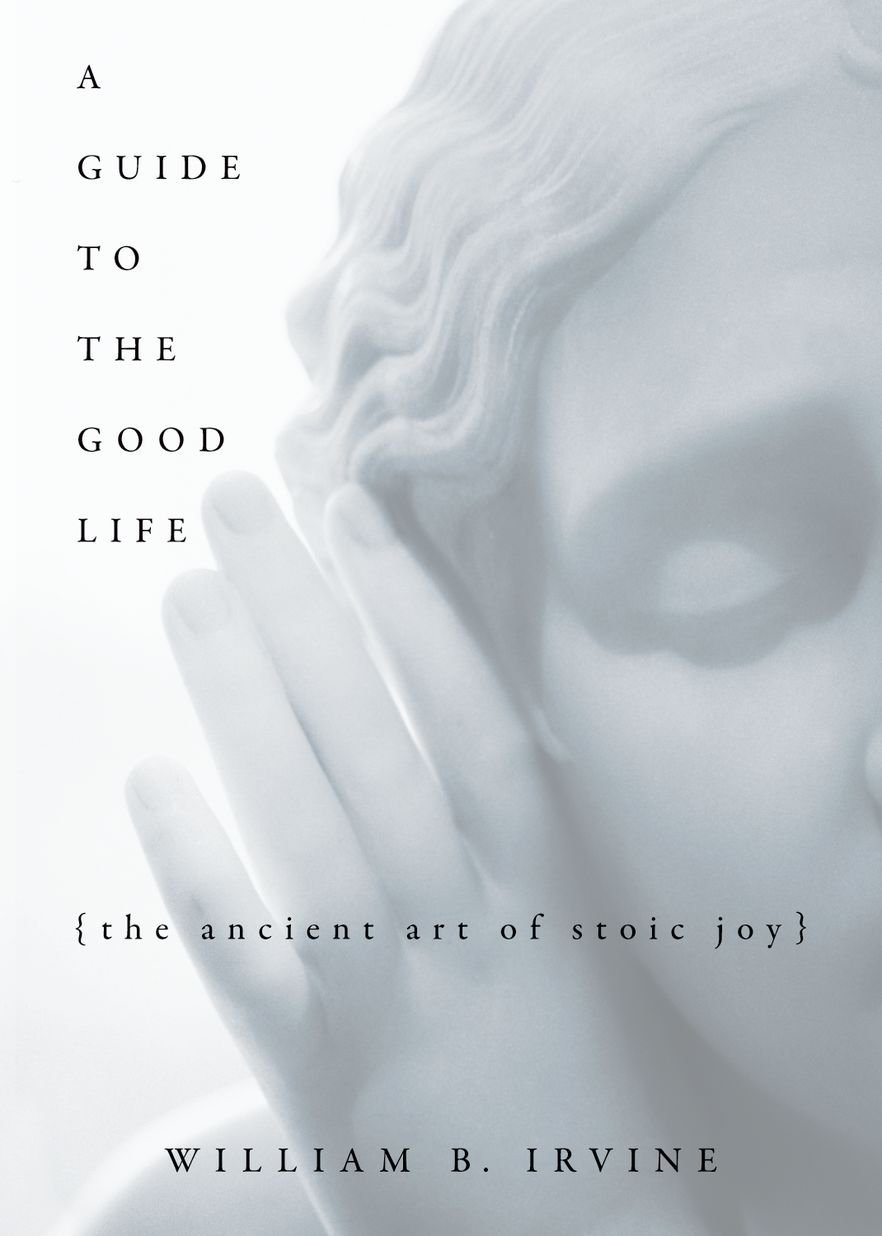
"A Guide to the Good Life: The Ancient Art of Stoic Joy" translates the ancient philosophy of Stoicism into practical wisdom for modern living. William Irvine unpacks its core tenets—like controlling what you can and accepting what you can't, managing desires, and appreciating what you have—to help individuals cultivate a deeper sense of contentment and purpose, rather than chasing fleeting happiness.
This book shares a fundamental similarity with "Ikigai" in its pursuit of a meaningful, fulfilling existence. Both works explore frameworks, albeit from different cultural and historical contexts, for identifying and nurturing core values that contribute to a long, happy, and impactful life. Both emphasize an internal locus of control and a deliberate approach to well-being.
Individuals seeking actionable strategies for reducing anxiety, finding calm amidst chaos, and living with greater intention will appreciate this book. It offers a robust mental toolkit for navigating life's challenges with resilience and poise, ultimately guiding them toward a more profound and sustainable sense of joy.
A Guide to the Good Life: The Ancient Art of Stoic Joy
"A Guide to the Good Life: The Ancient Art of Stoic Joy" translates the ancient philosophy of Stoicism into practical wisdom for modern living. William Irvine unpacks its core tenets—like controlling what you can and accepting what you can't, managing desires, and appreciating what you have—to help individuals cultivate a deeper sense of contentment and purpose, rather than chasing fleeting happiness.
This book shares a fundamental similarity with "Ikigai" in its pursuit of a meaningful, fulfilling existence. Both works explore frameworks, albeit from different cultural and historical contexts, for identifying and nurturing core values that contribute to a long, happy, and impactful life. Both emphasize an internal locus of control and a deliberate approach to well-being.
Individuals seeking actionable strategies for reducing anxiety, finding calm amidst chaos, and living with greater intention will appreciate this book. It offers a robust mental toolkit for navigating life's challenges with resilience and poise, ultimately guiding them toward a more profound and sustainable sense of joy.
More Books to Explore
Discover more titles that expand on these ideas and themes.
Okinawa Diet
The Five Secrets You Must Discover Before You Die
Goodbye, Things: The New Japanese Minimalism
The Simplest Book Ever on Life Attitude and Happiness
Living Wabi Sabi: The True Beauty of Your Life
Joy: The Happiness That Comes from Within