10 Books Similar to "I Thought It Was Just Me: Women Reclaiming Power and Courage in a Culture of Shame"
by Brené Brown

The Gifts of Imperfection

"The Gifts of Imperfection" by Brené Brown is a guide to embracing vulnerability, self-compassion, and authenticity in a world that often demands perfection. It encourages moving beyond the fear of not
being "enough" and instead finding courage and connection through our imperfections. Brown outlines ten guideposts for wholehearted living, emphasizing the importance of resilience, gratitude, and
creativity as pathways to a fulfilling life.
This book shares significant thematic overlap with "I Thought It Was Just Me." Both works delve deep into the pervasive nature of shame and its isolating effects, particularly on women. They
collectively advocate for dismantling the myths of perfection and solitude that shame perpetuates, encouraging readers to find strength in shared human experience and to bravely connect with their true
selves. The core message of overcoming shame to live a more authentic life forms a continuous thread between them.
This book will appeal to those seeking practical wisdom for cultivating a more meaningful and authentic existence. It offers actionable strategies for navigating feelings of inadequacy and fostering
self-acceptance, which can lead to greater peace and joy. Its insights are invaluable for anyone looking to shed the burden of external expectations and embrace a life lived with courage and
wholeheartedness.
The Gifts of Imperfection
"The Gifts of Imperfection" by Brené Brown is a guide to embracing vulnerability, self-compassion, and authenticity in a world that often demands perfection. It encourages moving beyond the fear of not
being "enough" and instead finding courage and connection through our imperfections. Brown outlines ten guideposts for wholehearted living, emphasizing the importance of resilience, gratitude, and
creativity as pathways to a fulfilling life.
This book shares significant thematic overlap with "I Thought It Was Just Me." Both works delve deep into the pervasive nature of shame and its isolating effects, particularly on women. They
collectively advocate for dismantling the myths of perfection and solitude that shame perpetuates, encouraging readers to find strength in shared human experience and to bravely connect with their true
selves. The core message of overcoming shame to live a more authentic life forms a continuous thread between them.
This book will appeal to those seeking practical wisdom for cultivating a more meaningful and authentic existence. It offers actionable strategies for navigating feelings of inadequacy and fostering
self-acceptance, which can lead to greater peace and joy. Its insights are invaluable for anyone looking to shed the burden of external expectations and embrace a life lived with courage and
wholeheartedness.
Daring Greatly: How the Courage to Be Vulnerable Transforms the Way We Live, Love, Parent, and Lead
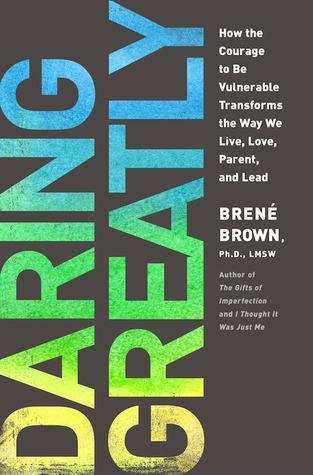
"Daring Greatly" explores the transformative power of vulnerability. Drawing on over a decade of research, Brené Brown dismantles the myth that vulnerability is a weakness, instead presenting it as the birthplace of courage, creativity, and connection. The book provides practical frameworks and insights for embracing wholehearted living by leaning into discomfort, acknowledging imperfections, and living authentically in all aspects of life.
This book aligns closely with "I Thought It Was Just Me" by delving deeper into the concepts of shame and vulnerability that form the bedrock of Brown's work. While "I Thought It Was Just Me" focuses on women's experiences with shame, "Daring Greatly" expands this lens to encompass universal human experiences, offering a broader application of how acknowledging and moving through vulnerability fosters a more fulfilling existence. Both works champion courage in the face of societal pressures.
The book offers a profound invitation to live more fully and courageously. Its blend of rigorous research, relatable anecdotes, and actionable advice empowers individuals to shed the armor of self-protection and cultivate deeper connections and a stronger sense of self. It provides a roadmap for navigating uncertainty, building resilience, and ultimately, finding more meaning and joy in everyday experiences.
Daring Greatly: How the Courage to Be Vulnerable Transforms the Way We Live, Love, Parent, and Lead
"Daring Greatly" explores the transformative power of vulnerability. Drawing on over a decade of research, Brené Brown dismantles the myth that vulnerability is a weakness, instead presenting it as the birthplace of courage, creativity, and connection. The book provides practical frameworks and insights for embracing wholehearted living by leaning into discomfort, acknowledging imperfections, and living authentically in all aspects of life.
This book aligns closely with "I Thought It Was Just Me" by delving deeper into the concepts of shame and vulnerability that form the bedrock of Brown's work. While "I Thought It Was Just Me" focuses on women's experiences with shame, "Daring Greatly" expands this lens to encompass universal human experiences, offering a broader application of how acknowledging and moving through vulnerability fosters a more fulfilling existence. Both works champion courage in the face of societal pressures.
The book offers a profound invitation to live more fully and courageously. Its blend of rigorous research, relatable anecdotes, and actionable advice empowers individuals to shed the armor of self-protection and cultivate deeper connections and a stronger sense of self. It provides a roadmap for navigating uncertainty, building resilience, and ultimately, finding more meaning and joy in everyday experiences.
The Power of Vulnerability: Teachings of Authenticity, Connections and Courage

"The Power of Vulnerability" distills Brené Brown's extensive research into the profound strength found in embracing imperfection and emotional openness. It argues that vulnerability is not a weakness, but rather the birthplace of courage, empathy, and genuine human connection. The book provides a compelling framework for understanding how our fear of vulnerability often prevents us from living wholeheartedly and pursuing meaningful lives.
This work is similar to "I Thought It Was Just Me" because both explore the pervasive impact of shame and its antidote: vulnerability. While "I Thought It Was Just Me" focuses on how shame, particularly in women, isolates us, "The Power of Vulnerability" broadens this discussion, offering a universal blueprint for moving beyond shame to live authentically. Both books contend that true belonging and connection stem from daring to be seen as we are.
Individuals seeking to cultivate deeper relationships, increase self-compassion, and live more courageously will find substantial value in this book. It offers profound insights into the human experience, challenging conventional notions of strength and empowering one to engage with life from a place of authenticity rather than fear. Its teachings provide practical routes to fostering resilience and experiencing genuine connection.
The Power of Vulnerability: Teachings of Authenticity, Connections and Courage
"The Power of Vulnerability" distills Brené Brown's extensive research into the profound strength found in embracing imperfection and emotional openness. It argues that vulnerability is not a weakness, but rather the birthplace of courage, empathy, and genuine human connection. The book provides a compelling framework for understanding how our fear of vulnerability often prevents us from living wholeheartedly and pursuing meaningful lives.
This work is similar to "I Thought It Was Just Me" because both explore the pervasive impact of shame and its antidote: vulnerability. While "I Thought It Was Just Me" focuses on how shame, particularly in women, isolates us, "The Power of Vulnerability" broadens this discussion, offering a universal blueprint for moving beyond shame to live authentically. Both books contend that true belonging and connection stem from daring to be seen as we are.
Individuals seeking to cultivate deeper relationships, increase self-compassion, and live more courageously will find substantial value in this book. It offers profound insights into the human experience, challenging conventional notions of strength and empowering one to engage with life from a place of authenticity rather than fear. Its teachings provide practical routes to fostering resilience and experiencing genuine connection.
Braving the Wilderness

"Braving the Wilderness" explores the paradox of belonging: how true belonging doesn't require us to change who we are, but rather to stand alone in our authentic selves. Brown argues that societal pressures often compel us to conform, yet genuine connection and courage emerge when we embrace our unique identities and values, even if it means forging our own path. It's a call to cultivate inner strength and navigate a polarized world with integrity and vulnerability.
This book resonates with "I Thought It Was Just Me" by delving deeper into the themes of shame, courage, and authenticity. Both works empower individuals to challenge societal expectations and embrace their true selves. While "I Thought It Was Just Me" specifically addresses shame's impact on women, "Braving the Wilderness" expands on how courageously facing vulnerability and cultivating true belonging are universal requisites for a fulfilling life, building on the foundational concepts of shame resilience introduced in the earlier work.
The insights offered in "Braving the Wilderness" provide a powerful framework for navigating an increasingly complex and divided world. Its exploration of true belonging, authenticity, and courage will resonate profoundly with anyone seeking to live a more meaningful and connected life, free from the dictates of external pressures. The book offers practical wisdom and inspiration for cultivating an unshakeable sense of self, fostering genuine connection, and contributing to a more compassionate society.
Braving the Wilderness
"Braving the Wilderness" explores the paradox of belonging: how true belonging doesn't require us to change who we are, but rather to stand alone in our authentic selves. Brown argues that societal pressures often compel us to conform, yet genuine connection and courage emerge when we embrace our unique identities and values, even if it means forging our own path. It's a call to cultivate inner strength and navigate a polarized world with integrity and vulnerability.
This book resonates with "I Thought It Was Just Me" by delving deeper into the themes of shame, courage, and authenticity. Both works empower individuals to challenge societal expectations and embrace their true selves. While "I Thought It Was Just Me" specifically addresses shame's impact on women, "Braving the Wilderness" expands on how courageously facing vulnerability and cultivating true belonging are universal requisites for a fulfilling life, building on the foundational concepts of shame resilience introduced in the earlier work.
The insights offered in "Braving the Wilderness" provide a powerful framework for navigating an increasingly complex and divided world. Its exploration of true belonging, authenticity, and courage will resonate profoundly with anyone seeking to live a more meaningful and connected life, free from the dictates of external pressures. The book offers practical wisdom and inspiration for cultivating an unshakeable sense of self, fostering genuine connection, and contributing to a more compassionate society.
Rising Strong: The Reckoning. The Rumble. The Revolution
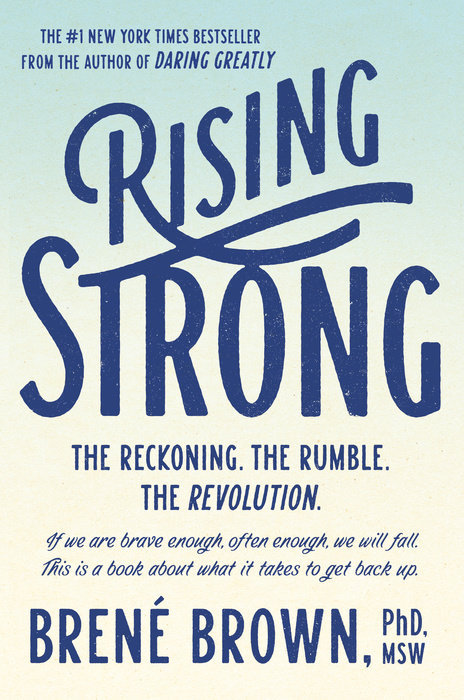
"Rising Strong" explores the process of getting back up after a fall, whether it's from personal failure, heartbreak, or professional setback. It's about how we process emotions, make sense of our stories, and integrate our experiences into who we are. Brown introduces "the reckoning," "the rumble," and "the revolution" as a framework for understanding emotional processing, engaging with difficult truths, and ultimately, transforming our lives through resilience.
This book shares foundational themes with "I Thought It Was Just Me" in its focus on vulnerability, shame, and the courage required to navigate them. Both texts champion self-compassion and authenticity as pathways to a more wholehearted existence, rejecting societal pressures that lead to isolation and self-doubt. The core idea that our struggles can be sources of strength and connection resonates deeply across both works.
Individuals seeking practical strategies
for emotional resilience and personal growth will find significant value here. It offers a clear, actionable methodology for transforming difficult experiences into profound learning opportunities, fostering self-acceptance, and building stronger, more authentic connections with others. The book empowers one to embrace their imperfections and cultivate a life defined by courage and wholeheartedness.
Rising Strong: The Reckoning. The Rumble. The Revolution
"Rising Strong" explores the process of getting back up after a fall, whether it's from personal failure, heartbreak, or professional setback. It's about how we process emotions, make sense of our stories, and integrate our experiences into who we are. Brown introduces "the reckoning," "the rumble," and "the revolution" as a framework for understanding emotional processing, engaging with difficult truths, and ultimately, transforming our lives through resilience.
This book shares foundational themes with "I Thought It Was Just Me" in its focus on vulnerability, shame, and the courage required to navigate them. Both texts champion self-compassion and authenticity as pathways to a more wholehearted existence, rejecting societal pressures that lead to isolation and self-doubt. The core idea that our struggles can be sources of strength and connection resonates deeply across both works.
Individuals seeking practical strategies
for emotional resilience and personal growth will find significant value here. It offers a clear, actionable methodology for transforming difficult experiences into profound learning opportunities, fostering self-acceptance, and building stronger, more authentic connections with others. The book empowers one to embrace their imperfections and cultivate a life defined by courage and wholeheartedness.
Atlas of the Heart: Mapping Meaningful Connection and the Language of Human Experience
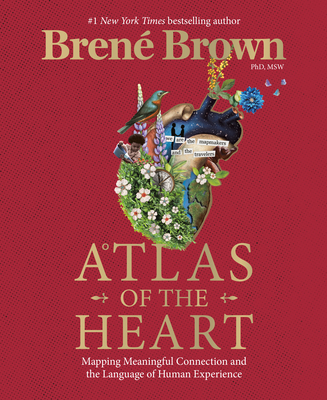
"Atlas of the Heart" serves as a comprehensive guide to understanding and articulating human emotions and experiences. Brown defines and explores eighty-seven distinct emotions, feelings, and experiences, offering a navigational tool for our internal landscapes. It's a journey into the language of human connection, designed to help us name what we feel, which in turn fosters deeper understanding and empathy.
This book shares significant thematic DNA with "I Thought It Was Just Me." Both works explore the human need for connection, the vulnerability inherent in our emotional lives, and the impact of societal expectations. While "I Thought It Was Just Me" specifically addressed shame and courage in women, "Atlas of the Heart" expands this investigative lens to encompass a broader spectrum of universal human experiences, building on the foundational understanding that naming our emotions is crucial for navigating them.
Its appeal lies in its practicality and profound insights. It offers a lexicon for the often-unspoken parts of our emotional lives, empowering individuals to articulate their internal worlds with greater precision. This clarity enables more authentic communication, strengthens relationships, and provides a powerful framework for personal growth and self-acceptance. The tangible descriptions and clear distinctions between nuanced emotions make it an invaluable resource for anyone seeking a deeper comprehension of themselves and others.
Atlas of the Heart: Mapping Meaningful Connection and the Language of Human Experience
"Atlas of the Heart" serves as a comprehensive guide to understanding and articulating human emotions and experiences. Brown defines and explores eighty-seven distinct emotions, feelings, and experiences, offering a navigational tool for our internal landscapes. It's a journey into the language of human connection, designed to help us name what we feel, which in turn fosters deeper understanding and empathy.
This book shares significant thematic DNA with "I Thought It Was Just Me." Both works explore the human need for connection, the vulnerability inherent in our emotional lives, and the impact of societal expectations. While "I Thought It Was Just Me" specifically addressed shame and courage in women, "Atlas of the Heart" expands this investigative lens to encompass a broader spectrum of universal human experiences, building on the foundational understanding that naming our emotions is crucial for navigating them.
Its appeal lies in its practicality and profound insights. It offers a lexicon for the often-unspoken parts of our emotional lives, empowering individuals to articulate their internal worlds with greater precision. This clarity enables more authentic communication, strengthens relationships, and provides a powerful framework for personal growth and self-acceptance. The tangible descriptions and clear distinctions between nuanced emotions make it an invaluable resource for anyone seeking a deeper comprehension of themselves and others.
Dare to Lead
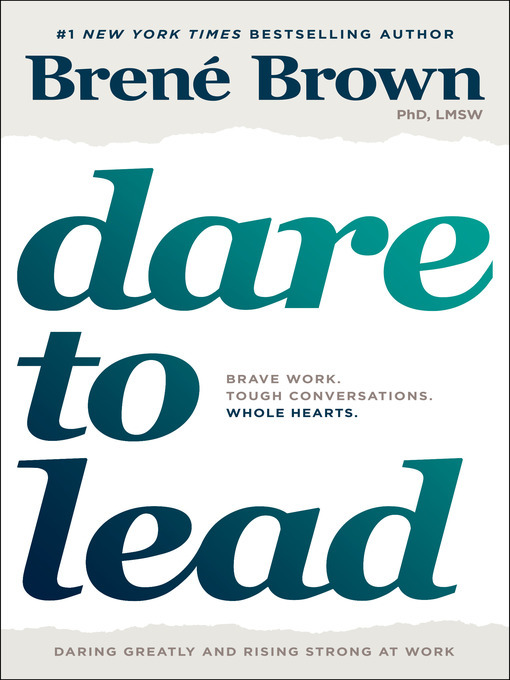
"Dare to Lead" translates Brené Brown's extensive research on vulnerability, courage, shame, and empathy into a practical framework for effective leadership. It argues that true leadership isn't about power as control, but about embracing empathy, building trust, and fostering a culture where individuals can take risks, innovate, and thrive.
Both books delve into the profound impact of shame and vulnerability on human behavior and connection. While "I Thought It Was Just Me" focuses on how these concepts affect individual women and their relationships, "Dare to Lead" extends this understanding to organizational settings, demonstrating how acknowledging and addressing these human elements are fundamental to powerful, authentic leadership, regardless of gender.
This book offers a compelling roadmap for fostering courageous leadership in any environment. Its practical tools and reframing of vulnerability as a strength will resonate deeply with anyone seeking to cultivate more effective, compassionate, and resilient teams and organizations. The insights provide actionable strategies for navigating complex interpersonal dynamics and inspiring genuine engagement.
Dare to Lead
"Dare to Lead" translates Brené Brown's extensive research on vulnerability, courage, shame, and empathy into a practical framework for effective leadership. It argues that true leadership isn't about power as control, but about embracing empathy, building trust, and fostering a culture where individuals can take risks, innovate, and thrive.
Both books delve into the profound impact of shame and vulnerability on human behavior and connection. While "I Thought It Was Just Me" focuses on how these concepts affect individual women and their relationships, "Dare to Lead" extends this understanding to organizational settings, demonstrating how acknowledging and addressing these human elements are fundamental to powerful, authentic leadership, regardless of gender.
This book offers a compelling roadmap for fostering courageous leadership in any environment. Its practical tools and reframing of vulnerability as a strength will resonate deeply with anyone seeking to cultivate more effective, compassionate, and resilient teams and organizations. The insights provide actionable strategies for navigating complex interpersonal dynamics and inspiring genuine engagement.
Brave, Not Perfect: Fear Less, Fail More, and Live Bolder
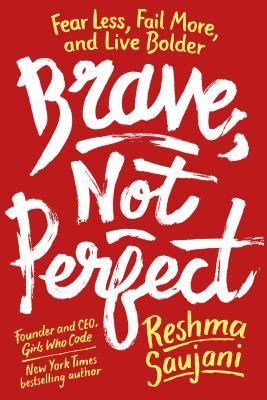
"Brave, Not Perfect" by Reshma Saujani tackles the societal pressure on women and girls to be perfect, quiet, and pleasing. It argues that this drive for perfection stifles ambition, risk-taking, and ultimately, true fulfillment. Saujani advocates for embracing imperfection, recognizing the value in failure as a learning opportunity, and cultivating a bolder, more audacious approach to life and careers. Her core message is to prioritize courage over perfection, to step out of comfort zones, and to redefine success on one's own terms.
This book resonates with themes in Brené Brown's "I Thought It Was Just Me" because both works delve into the pervasive impact of societal expectations and shame on women's self-worth and behavior. Brown explores how shame silences women and prevents them from embracing vulnerability and authenticity; Saujani similarly addresses how the relentless pursuit of perfection, fueled by external validation, creates a similar prison. Both authors empower women to dismantle these harmful narratives and reclaim their personal power through courage and self-acceptance.
This book will appeal to those seeking practical guidance and encouragement to break free from self-imposed limitations and external pressures. It offers actionable strategies for embracing risk, navigating setbacks, and cultivating a resilience that allows for greater personal and professional growth. Its value lies in providing a compelling framework for shifting one's mindset from a debilitating pursuit of perfection to a liberating embrace of bravery and authenticity, inspiring a more fulfilling and impactful existence.
Brave, Not Perfect: Fear Less, Fail More, and Live Bolder
"Brave, Not Perfect" by Reshma Saujani tackles the societal pressure on women and girls to be perfect, quiet, and pleasing. It argues that this drive for perfection stifles ambition, risk-taking, and ultimately, true fulfillment. Saujani advocates for embracing imperfection, recognizing the value in failure as a learning opportunity, and cultivating a bolder, more audacious approach to life and careers. Her core message is to prioritize courage over perfection, to step out of comfort zones, and to redefine success on one's own terms.
This book resonates with themes in Brené Brown's "I Thought It Was Just Me" because both works delve into the pervasive impact of societal expectations and shame on women's self-worth and behavior. Brown explores how shame silences women and prevents them from embracing vulnerability and authenticity; Saujani similarly addresses how the relentless pursuit of perfection, fueled by external validation, creates a similar prison. Both authors empower women to dismantle these harmful narratives and reclaim their personal power through courage and self-acceptance.
This book will appeal to those seeking practical guidance and encouragement to break free from self-imposed limitations and external pressures. It offers actionable strategies for embracing risk, navigating setbacks, and cultivating a resilience that allows for greater personal and professional growth. Its value lies in providing a compelling framework for shifting one's mindset from a debilitating pursuit of perfection to a liberating embrace of bravery and authenticity, inspiring a more fulfilling and impactful existence.
How to Be Enough: Self-Acceptance for Self-Critics and Perfectionists

*How to Be Enough* directly addresses the internal struggle of perfectionism and self-criticism, offering practical strategies for cultivating self-acceptance. Dr. Hendriksen guides individuals through understanding the roots of these tendencies and provides actionable tools to dismantle harsh inner narratives, fostering a more compassionate relationship with oneself. It's a pragmatic guide to quieting the inner critic and embracing imperfection as a path to peace.
This book shares significant thematic ground with *I Thought It Was Just Me* by exploring the corrosive effects of shame and the liberating power of self-compassion. Both authors delve into the internal battles that often leave individuals feeling isolated and inadequate. Where Brown illuminates the societal pressures contributing to shame, Hendriksen provides a roadmap for internalizing acceptance, offering a complementary approach to reclaiming a sense of worth that is not contingent on external validation.
It will appeal to those who feel trapped in a cycle of striving and self-reproach, offering a tangible path to breaking free. The book’s value lies in its evidence-based approach to dismantling perfectionism and fostering authentic self-worth. Individuals seeking to cultivate resilience, reduce anxiety driven by self-judgment, and finally feel "enough" will find its insights and exercises profoundly beneficial for personal growth and emotional well-being.
How to Be Enough: Self-Acceptance for Self-Critics and Perfectionists
*How to Be Enough* directly addresses the internal struggle of perfectionism and self-criticism, offering practical strategies for cultivating self-acceptance. Dr. Hendriksen guides individuals through understanding the roots of these tendencies and provides actionable tools to dismantle harsh inner narratives, fostering a more compassionate relationship with oneself. It's a pragmatic guide to quieting the inner critic and embracing imperfection as a path to peace.
This book shares significant thematic ground with *I Thought It Was Just Me* by exploring the corrosive effects of shame and the liberating power of self-compassion. Both authors delve into the internal battles that often leave individuals feeling isolated and inadequate. Where Brown illuminates the societal pressures contributing to shame, Hendriksen provides a roadmap for internalizing acceptance, offering a complementary approach to reclaiming a sense of worth that is not contingent on external validation.
It will appeal to those who feel trapped in a cycle of striving and self-reproach, offering a tangible path to breaking free. The book’s value lies in its evidence-based approach to dismantling perfectionism and fostering authentic self-worth. Individuals seeking to cultivate resilience, reduce anxiety driven by self-judgment, and finally feel "enough" will find its insights and exercises profoundly beneficial for personal growth and emotional well-being.
Girls Gone Mild: Young Women Reclaim Self-Respect and Find It's Not Bad to Be Good

"Girls Gone Mild" explores how young women are increasingly rejecting pervasive cultural pressures glorifying promiscuity and superficiality. Wendy Shalit presents a compelling argument for a return to modesty, self-respect, and a deeper understanding of feminine strength that isn't dependent on external validation or objectification. She highlights how many young women are actively choosing paths that prioritize inner values, strong relationships, and genuine self-worth over transient trends.
This book resonates with "I Thought It Was Just Me" by delving into the societal pressures and shame women experience, though from a slightly different angle. While Brown addresses shame's impact on vulnerability and authenticity, Shalit focuses on the shame associated with deviating from a "sexually liberated" norm, and the courage required to embrace a more traditional, or simply more personally congruent, path. Both authors empower women to reclaim their narratives and define self-worth on their own terms.
Readers interested in the evolving landscape of female identity will appreciate Shalit's perspective on cultivating inner strength in a culture often at odds with it. It offers a thought-provoking challenge to prevailing assumptions about empowerment, suggesting that true self-respect can emerge from a conscious choice to embrace a more "mild" or internally driven approach to life, rather than conforming to externally imposed expectations.
Girls Gone Mild: Young Women Reclaim Self-Respect and Find It's Not Bad to Be Good
"Girls Gone Mild" explores how young women are increasingly rejecting pervasive cultural pressures glorifying promiscuity and superficiality. Wendy Shalit presents a compelling argument for a return to modesty, self-respect, and a deeper understanding of feminine strength that isn't dependent on external validation or objectification. She highlights how many young women are actively choosing paths that prioritize inner values, strong relationships, and genuine self-worth over transient trends.
This book resonates with "I Thought It Was Just Me" by delving into the societal pressures and shame women experience, though from a slightly different angle. While Brown addresses shame's impact on vulnerability and authenticity, Shalit focuses on the shame associated with deviating from a "sexually liberated" norm, and the courage required to embrace a more traditional, or simply more personally congruent, path. Both authors empower women to reclaim their narratives and define self-worth on their own terms.
Readers interested in the evolving landscape of female identity will appreciate Shalit's perspective on cultivating inner strength in a culture often at odds with it. It offers a thought-provoking challenge to prevailing assumptions about empowerment, suggesting that true self-respect can emerge from a conscious choice to embrace a more "mild" or internally driven approach to life, rather than conforming to externally imposed expectations.
More Books to Explore
Discover more titles that expand on these ideas and themes.
The Gifts of Imperfection
Daring Greatly: How the Courage to Be Vulnerable Transforms the Way We Live, Love, Parent, and Lead
The Power of Vulnerability: Teachings of Authenticity, Connections and Courage
Braving the Wilderness
Rising Strong: The Reckoning. The Rumble. The Revolution
Atlas of the Heart: Mapping Meaningful Connection and the Language of Human Experience