10 Books Similar to "How to Know a Person: The Art of Seeing Others Deeply and Being Deeply Seen"
by David Brooks

The Social Animal: The Hidden Sources of Love, Character, and Achievement

"The Social Animal" delves into the intricate inner workings of human nature, exploring how our unconscious minds, emotions, and relationships fundamentally shape our character, choices, and ultimately, our destinies. It presents a narrative account tracing the development of two fictional characters from birth through adulthood, illustrating how seemingly minor events and deeply ingrained biases contribute to the complex tapestry of their lives and achievements.
This book resonates with "How to Know a Person" by also focusing on the profound impact of human connection and understanding. Both works emphasize the subtle, often unseen, forces that drive human behavior and the importance of appreciating the multifaceted layers of an individual's psyche, rather than reducing them to surface-level observations. They share a core intellectual curiosity about what makes us who we are.
This examination of human development and social interaction offers a richer understanding of ourselves and those around us. It provides insights into the roots of empathy, the construction of identity, and the elements contributing to a meaningful life, proving invaluable for anyone seeking to navigate the complexities of human relationships with greater awareness and wisdom.
The Social Animal: The Hidden Sources of Love, Character, and Achievement
"The Social Animal" delves into the intricate inner workings of human nature, exploring how our unconscious minds, emotions, and relationships fundamentally shape our character, choices, and ultimately, our destinies. It presents a narrative account tracing the development of two fictional characters from birth through adulthood, illustrating how seemingly minor events and deeply ingrained biases contribute to the complex tapestry of their lives and achievements.
This book resonates with "How to Know a Person" by also focusing on the profound impact of human connection and understanding. Both works emphasize the subtle, often unseen, forces that drive human behavior and the importance of appreciating the multifaceted layers of an individual's psyche, rather than reducing them to surface-level observations. They share a core intellectual curiosity about what makes us who we are.
This examination of human development and social interaction offers a richer understanding of ourselves and those around us. It provides insights into the roots of empathy, the construction of identity, and the elements contributing to a meaningful life, proving invaluable for anyone seeking to navigate the complexities of human relationships with greater awareness and wisdom.
The Road to Character

"The Road to Character" delves into the concept of "eulogy virtues" – the inner qualities like courage, honesty, and kindness – that define our moral core, as opposed to "résumé virtues," the skills we cultivate for external success. Brooks explores how individuals throughout history have cultivated these deeper characteristics, offering a framework for understanding personal growth beyond professional achievement.
This book shares significant thematic overlap with "How to Know a Person: The Art of Seeing Others Deeply and Being Deeply Seen." Both works by Brooks champion a more profound engagement with humanity, whether through self-reflection on one's own character or through empathetic understanding of others. They both advocate for a shift from superficial interactions and achievements to a richer, more meaningful existence rooted in virtue and connection.
It will appeal to individuals seeking a deeper sense of purpose and ethical grounding. The book offers compelling historical examples and philosophical insights that can guide personal development and foster a more reflective approach to life. It provides a valuable framework for examining one's values and striving for a character-rich existence.
The Road to Character
"The Road to Character" delves into the concept of "eulogy virtues" – the inner qualities like courage, honesty, and kindness – that define our moral core, as opposed to "résumé virtues," the skills we cultivate for external success. Brooks explores how individuals throughout history have cultivated these deeper characteristics, offering a framework for understanding personal growth beyond professional achievement.
This book shares significant thematic overlap with "How to Know a Person: The Art of Seeing Others Deeply and Being Deeply Seen." Both works by Brooks champion a more profound engagement with humanity, whether through self-reflection on one's own character or through empathetic understanding of others. They both advocate for a shift from superficial interactions and achievements to a richer, more meaningful existence rooted in virtue and connection.
It will appeal to individuals seeking a deeper sense of purpose and ethical grounding. The book offers compelling historical examples and philosophical insights that can guide personal development and foster a more reflective approach to life. It provides a valuable framework for examining one's values and striving for a character-rich existence.
Atlas of the Heart: Mapping Meaningful Connection and the Language of Human Experience
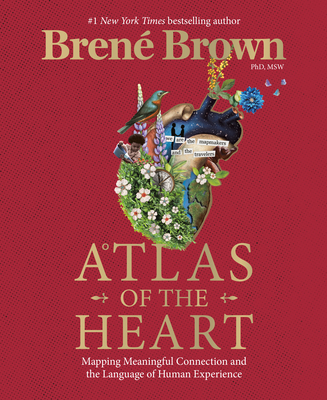
*Atlas of the Heart* explores 87 human emotions and experiences, offering precise definitions and practical guidance for understanding, feeling, and articulating them. Brené Brown meticulously maps these concepts, providing a rich vocabulary and framework for navigating our inner landscapes and external relationships with greater clarity. It's essentially a guidebook to emotional literacy and connection.
This book resonates with *How to Know a Person* because both champion the profound importance of genuine understanding and connection. Both authors delve into the nuanced subtleties of human interaction, moving beyond superficial encounters to advocate for a deeper engagement with ourselves and others. They share a core belief that knowing ourselves and others intimately is foundational to a well-lived life.
The book appeals to those seeking to deepen their emotional intelligence and forge more meaningful connections. Its detailed exploration of human experiences provides a powerful tool for self-awareness and empathy, ultimately enriching personal relationships and fostering a more compassionate understanding of the world. It offers a practical pathway to navigate the complexities of human feeling with greater grace and insight.
Atlas of the Heart: Mapping Meaningful Connection and the Language of Human Experience
*Atlas of the Heart* explores 87 human emotions and experiences, offering precise definitions and practical guidance for understanding, feeling, and articulating them. Brené Brown meticulously maps these concepts, providing a rich vocabulary and framework for navigating our inner landscapes and external relationships with greater clarity. It's essentially a guidebook to emotional literacy and connection.
This book resonates with *How to Know a Person* because both champion the profound importance of genuine understanding and connection. Both authors delve into the nuanced subtleties of human interaction, moving beyond superficial encounters to advocate for a deeper engagement with ourselves and others. They share a core belief that knowing ourselves and others intimately is foundational to a well-lived life.
The book appeals to those seeking to deepen their emotional intelligence and forge more meaningful connections. Its detailed exploration of human experiences provides a powerful tool for self-awareness and empathy, ultimately enriching personal relationships and fostering a more compassionate understanding of the world. It offers a practical pathway to navigate the complexities of human feeling with greater grace and insight.
Connect: 12 Vital Ties That Open Your Heart, Lengthen Your Life, and Deepen Your Soul
"Connect" explores the fundamental human need for connection, identifying twelve distinct "ties" – ranging from family and community to nature and spirituality – that enrich life. Dr. Hallowell, a psychiatrist, argues that nurturing these connections is crucial for mental and physical well-being, providing practical strategies for cultivating these vital bonds in an increasingly isolated world.
Both books delve into the profound human desire for meaningful relationships and authentic engagement with others. While Brooks focuses on the art of understanding and being understood, Hallowell broadens the scope to encompass various forms of connection, emphasizing their foundational role in a fulfilling life, much like Brooks highlights the importance of deep seeing. Both advocate for intentionality in building and maintaining these crucial human links.
This book offers a compelling roadmap for combating loneliness and enhancing overall life satisfaction. It provides actionable insights and encouragement to proactively strengthen the bonds that make us human, offering a powerful antidote to modern societal disconnects. Its practical wisdom and empathetic approach make it a valuable resource for anyone seeking greater depth and meaning in their relationships and personal existence.
Connect: 12 Vital Ties That Open Your Heart, Lengthen Your Life, and Deepen Your Soul
"Connect" explores the fundamental human need for connection, identifying twelve distinct "ties" – ranging from family and community to nature and spirituality – that enrich life. Dr. Hallowell, a psychiatrist, argues that nurturing these connections is crucial for mental and physical well-being, providing practical strategies for cultivating these vital bonds in an increasingly isolated world.
Both books delve into the profound human desire for meaningful relationships and authentic engagement with others. While Brooks focuses on the art of understanding and being understood, Hallowell broadens the scope to encompass various forms of connection, emphasizing their foundational role in a fulfilling life, much like Brooks highlights the importance of deep seeing. Both advocate for intentionality in building and maintaining these crucial human links.
This book offers a compelling roadmap for combating loneliness and enhancing overall life satisfaction. It provides actionable insights and encouragement to proactively strengthen the bonds that make us human, offering a powerful antidote to modern societal disconnects. Its practical wisdom and empathetic approach make it a valuable resource for anyone seeking greater depth and meaning in their relationships and personal existence.
Find Your People: Building Deep Community in a Lonely World
"Find Your People" explores the pervasive loneliness of modern life and offers a practical guide to cultivating meaningful, authentic community. Jennie Allen emphasizes the importance of intentional connection, vulnerability, and shared purpose in building relationships that sustain and enrich individuals. It's about actively seeking, creating, and nurturing the deep social bonds essential for human flourishing.
This book shares foundational themes with "How to Know a Person" by focusing on the essential human need for genuine connection and understanding. While Brooks emphasizes the art of individual perception, Allen broadens this to the formation of reciprocal, supportive groups. Both advocate for moving beyond superficial interactions to foster true belonging and mutual recognition.
This title will resonate with anyone feeling isolated or yearning for deeper connection. Its actionable advice and compassionate approach offer a roadmap for navigating social landscapes, strengthening existing relationships, and building new ones. It offers profound personal and societal value by addressing a fundamental human need.
Find Your People: Building Deep Community in a Lonely World
"Find Your People" explores the pervasive loneliness of modern life and offers a practical guide to cultivating meaningful, authentic community. Jennie Allen emphasizes the importance of intentional connection, vulnerability, and shared purpose in building relationships that sustain and enrich individuals. It's about actively seeking, creating, and nurturing the deep social bonds essential for human flourishing.
This book shares foundational themes with "How to Know a Person" by focusing on the essential human need for genuine connection and understanding. While Brooks emphasizes the art of individual perception, Allen broadens this to the formation of reciprocal, supportive groups. Both advocate for moving beyond superficial interactions to foster true belonging and mutual recognition.
This title will resonate with anyone feeling isolated or yearning for deeper connection. Its actionable advice and compassionate approach offer a roadmap for navigating social landscapes, strengthening existing relationships, and building new ones. It offers profound personal and societal value by addressing a fundamental human need.
Read People Like a Book: How to Analyze, Understand, and Predict People’s Emotions, Thoughts, Intentions, and Behaviors

"Read People Like a Book" offers practical strategies for deciphering human behavior. It delves into non-verbal cues, communication patterns, and psychological principles to help individuals better interpret others’ emotions, motivations, and potential actions. The book aims to equip the audience with tools for enhanced relational understanding, whether in personal or professional contexts.
Both books share the fundamental objective of improving interpersonal understanding. While "How to Know a Person" emphasizes cultivating an empathetic, appreciative lens to perceive others’ inner lives, "Read People Like a Book" provides a more direct, analytical framework for interpreting external indicators of internal states. They both guide individuals toward a deeper, more informed engagement with those around them.
This book will appeal to those seeking actionable techniques for social observation and influence. Its value lies in providing a systematic approach to reading people, offering a sense of mastery over social interactions, and fostering more effective communication and prediction of human responses. It equips one with tools that can enhance personal relationships and professional acumen.
Read People Like a Book: How to Analyze, Understand, and Predict People’s Emotions, Thoughts, Intentions, and Behaviors
"Read People Like a Book" offers practical strategies for deciphering human behavior. It delves into non-verbal cues, communication patterns, and psychological principles to help individuals better interpret others’ emotions, motivations, and potential actions. The book aims to equip the audience with tools for enhanced relational understanding, whether in personal or professional contexts.
Both books share the fundamental objective of improving interpersonal understanding. While "How to Know a Person" emphasizes cultivating an empathetic, appreciative lens to perceive others’ inner lives, "Read People Like a Book" provides a more direct, analytical framework for interpreting external indicators of internal states. They both guide individuals toward a deeper, more informed engagement with those around them.
This book will appeal to those seeking actionable techniques for social observation and influence. Its value lies in providing a systematic approach to reading people, offering a sense of mastery over social interactions, and fostering more effective communication and prediction of human responses. It equips one with tools that can enhance personal relationships and professional acumen.
Knowing People: The Personal Use of Social Psychology
"Knowing People: The Personal Use of Social Psychology" explores how fundamental principles of social psychology can be practically applied to enhance everyday interactions and relationships. Lovaglia distills complex research findings into accessible insights, demonstrating how an understanding of human perception, influence, and judgment can empower individuals to navigate social landscapes more effectively, improve communication, and build stronger connections in both personal and professional spheres.
This book aligns with "How to Know a Person" by also focusing on the deliberate cultivation of deeper interpersonal understanding. Both works champion the idea that appreciating others is a learned skill, providing frameworks and conceptual tools to move beyond superficial interactions. While Brooks leans into philosophical and ethical dimensions, Lovaglia offers a more empirically driven, psychological perspective on achieving similar outcomes.
Those interested in actionable strategies for improving their social intelligence and relational capabilities will find this book particularly compelling. It offers a grounded, scientific basis for understanding social dynamics, providing clarity on why people behave the way they do and how one can better adapt and respond. This knowledge is invaluable for anyone seeking to foster more meaningful connections and navigate the complexities of human interaction with greater insight.
Knowing People: The Personal Use of Social Psychology
"Knowing People: The Personal Use of Social Psychology" explores how fundamental principles of social psychology can be practically applied to enhance everyday interactions and relationships. Lovaglia distills complex research findings into accessible insights, demonstrating how an understanding of human perception, influence, and judgment can empower individuals to navigate social landscapes more effectively, improve communication, and build stronger connections in both personal and professional spheres.
This book aligns with "How to Know a Person" by also focusing on the deliberate cultivation of deeper interpersonal understanding. Both works champion the idea that appreciating others is a learned skill, providing frameworks and conceptual tools to move beyond superficial interactions. While Brooks leans into philosophical and ethical dimensions, Lovaglia offers a more empirically driven, psychological perspective on achieving similar outcomes.
Those interested in actionable strategies for improving their social intelligence and relational capabilities will find this book particularly compelling. It offers a grounded, scientific basis for understanding social dynamics, providing clarity on why people behave the way they do and how one can better adapt and respond. This knowledge is invaluable for anyone seeking to foster more meaningful connections and navigate the complexities of human interaction with greater insight.
Braving the Wilderness

"Braving the Wilderness" by Brené Brown explores the concept of true belonging, arguing it's an internal state cultivated by standing alone in one's convictions rather than seeking external validation or fitting in. Brown encourages embracing vulnerability, curiosity, and a willingness to brave the discomfort of being true to oneself, even when it means challenging established norms or facing isolation. It's a call to build a "wilderness" within – a space of authentic selfhood – that allows for genuine connection rather than superficial assimilation.
This work resonates strongly with "How to Know a Person" by David Brooks due to its shared emphasis on authentic connection and deep understanding. Both books champion moving beyond surface-level interactions. While Brooks focuses on the outward art of truly seeing others, Brown delves into the internal work required to be truly seen – the courage to present one's authentic self. They both stress the importance of empathy, vulnerability, and a willingness to engage with the complexities of human experience to foster meaningful relationships.
The book offers a profound blueprint for cultivating genuine human connection and personal integrity. It provides practical insights into overcoming the fear of isolation and embracing the strength found in authenticity. Its exploration of belonging, courage, and true self-acceptance equips individuals with the tools to navigate a complex social landscape with greater confidence and build more meaningful, heartfelt relationships.
Braving the Wilderness
"Braving the Wilderness" by Brené Brown explores the concept of true belonging, arguing it's an internal state cultivated by standing alone in one's convictions rather than seeking external validation or fitting in. Brown encourages embracing vulnerability, curiosity, and a willingness to brave the discomfort of being true to oneself, even when it means challenging established norms or facing isolation. It's a call to build a "wilderness" within – a space of authentic selfhood – that allows for genuine connection rather than superficial assimilation.
This work resonates strongly with "How to Know a Person" by David Brooks due to its shared emphasis on authentic connection and deep understanding. Both books champion moving beyond surface-level interactions. While Brooks focuses on the outward art of truly seeing others, Brown delves into the internal work required to be truly seen – the courage to present one's authentic self. They both stress the importance of empathy, vulnerability, and a willingness to engage with the complexities of human experience to foster meaningful relationships.
The book offers a profound blueprint for cultivating genuine human connection and personal integrity. It provides practical insights into overcoming the fear of isolation and embracing the strength found in authenticity. Its exploration of belonging, courage, and true self-acceptance equips individuals with the tools to navigate a complex social landscape with greater confidence and build more meaningful, heartfelt relationships.
The Sacred Search: What If It's Not about Who You Marry, But Why?

"The Sacred Search" challenges conventional thinking about marriage, urging individuals to reframe their approach from simply seeking a compatible partner to understanding the deeper purpose and spiritual motivations behind marriage itself. It invites introspection, prompting readers to consider their own spiritual growth and how marriage can serve as a vehicle for that journey, rather than just a personal fulfillment project.
This aligns with "How to Know a Person" by emphasizing a shift from superficial understanding to a profound, intentional exploration of relationships. Both books advocate for moving beyond surface-level evaluations to engage with the deeper essence of individuals and the underlying motivations within human connections. They both champion a more thoughtful, nuanced engagement with others.
This book will appeal to those seeking meaningful, enduring relationships rooted in purpose beyond fleeting attraction. It offers a framework for building a strong foundation in marriage, fostering self-awareness, and seeking a partnership that actively contributes to personal and spiritual development, providing a valuable resource for anyone contemplating marriage or seeking to deepen their understanding of sacred relationships.
The Sacred Search: What If It's Not about Who You Marry, But Why?
"The Sacred Search" challenges conventional thinking about marriage, urging individuals to reframe their approach from simply seeking a compatible partner to understanding the deeper purpose and spiritual motivations behind marriage itself. It invites introspection, prompting readers to consider their own spiritual growth and how marriage can serve as a vehicle for that journey, rather than just a personal fulfillment project.
This aligns with "How to Know a Person" by emphasizing a shift from superficial understanding to a profound, intentional exploration of relationships. Both books advocate for moving beyond surface-level evaluations to engage with the deeper essence of individuals and the underlying motivations within human connections. They both champion a more thoughtful, nuanced engagement with others.
This book will appeal to those seeking meaningful, enduring relationships rooted in purpose beyond fleeting attraction. It offers a framework for building a strong foundation in marriage, fostering self-awareness, and seeking a partnership that actively contributes to personal and spiritual development, providing a valuable resource for anyone contemplating marriage or seeking to deepen their understanding of sacred relationships.
The Blindspots Between Us: How to Overcome Unconscious Cognitive Bias and Build Better Relationships

"The Blindspots Between Us" delves into the pervasive impact of unconscious cognitive biases on our relationships, both personal and professional. Tsipursky illuminates how these inherent mental shortcuts, often unseen, distort our perceptions of others and hinder effective communication. The book offers practical, evidence-based strategies for identifying and mitigating these biases, fostering clearer understanding and stronger connections.
This book shares common ground with "How to Know a Person" by addressing the fundamental challenge of truly seeing and understanding others. Both works emphasize the importance of moving beyond superficial interactions to build deeper, more authentic relationships. While Brooks approaches this through cultivating empathy and active engagement, Tsipursky focuses on dismantling the cognitive barriers that prevent such insight. Both aim to improve our ability to connect meaningfully.
This book will appeal to those seeking to enhance their interpersonal skills and overcome communication breakdowns. Its practical approach to understanding and addressing cognitive biases offers tangible tools for improving interactions in all facets of life. The insights provided are invaluable for anyone striving to build more robust, harmonious, and empathetic relationships.
The Blindspots Between Us: How to Overcome Unconscious Cognitive Bias and Build Better Relationships
"The Blindspots Between Us" delves into the pervasive impact of unconscious cognitive biases on our relationships, both personal and professional. Tsipursky illuminates how these inherent mental shortcuts, often unseen, distort our perceptions of others and hinder effective communication. The book offers practical, evidence-based strategies for identifying and mitigating these biases, fostering clearer understanding and stronger connections.
This book shares common ground with "How to Know a Person" by addressing the fundamental challenge of truly seeing and understanding others. Both works emphasize the importance of moving beyond superficial interactions to build deeper, more authentic relationships. While Brooks approaches this through cultivating empathy and active engagement, Tsipursky focuses on dismantling the cognitive barriers that prevent such insight. Both aim to improve our ability to connect meaningfully.
This book will appeal to those seeking to enhance their interpersonal skills and overcome communication breakdowns. Its practical approach to understanding and addressing cognitive biases offers tangible tools for improving interactions in all facets of life. The insights provided are invaluable for anyone striving to build more robust, harmonious, and empathetic relationships.
More Books to Explore
Discover more titles that expand on these ideas and themes.
The Social Animal: The Hidden Sources of Love, Character, and Achievement
The Road to Character
Atlas of the Heart: Mapping Meaningful Connection and the Language of Human Experience
Connect: 12 Vital Ties That Open Your Heart, Lengthen Your Life, and Deepen Your Soul
Find Your People: Building Deep Community in a Lonely World
Read People Like a Book: How to Analyze, Understand, and Predict People’s Emotions, Thoughts, Intentions, and Behaviors