10 Books Similar to "How to Be Enough: Self-Acceptance for Self-Critics and Perfectionists"
by Ellen Hendriksen

The Gifts of Imperfection

"The Gifts of Imperfection" by Brené Brown delves into the power of embracing our perceived flaws and vulnerabilities rather than striving for an elusive ideal of perfection. It encourages living wholeheartedly by cultivating self-compassion, courage, and connection, ultimately redefining what it means to be worthy and enough.
Both books offer a soothing balm for the anxieties of modern life, specifically for those prone to self-criticism and perfectionism. They share a core philosophy: true peace and fulfillment come not from eliminating imperfection, but from accepting it. Where Hendriksen directly addresses strategies for self-acceptance, Brown provides a foundational understanding of vulnerability and shame that often fuel these battles.
This book speaks directly to anyone burdened by the relentless pursuit of an impossible standard. It offers a liberating perspective, empowering individuals to shed the weight of comparison and inadequacy. Its profound insights into resilience and authenticity provide actionable frameworks for cultivating a more compassionate relationship with oneself, leading to greater well-being and a richer, more meaningful existence.
The Gifts of Imperfection
"The Gifts of Imperfection" by Brené Brown delves into the power of embracing our perceived flaws and vulnerabilities rather than striving for an elusive ideal of perfection. It encourages living wholeheartedly by cultivating self-compassion, courage, and connection, ultimately redefining what it means to be worthy and enough.
Both books offer a soothing balm for the anxieties of modern life, specifically for those prone to self-criticism and perfectionism. They share a core philosophy: true peace and fulfillment come not from eliminating imperfection, but from accepting it. Where Hendriksen directly addresses strategies for self-acceptance, Brown provides a foundational understanding of vulnerability and shame that often fuel these battles.
This book speaks directly to anyone burdened by the relentless pursuit of an impossible standard. It offers a liberating perspective, empowering individuals to shed the weight of comparison and inadequacy. Its profound insights into resilience and authenticity provide actionable frameworks for cultivating a more compassionate relationship with oneself, leading to greater well-being and a richer, more meaningful existence.
Brave, Not Perfect: Fear Less, Fail More, and Live Bolder
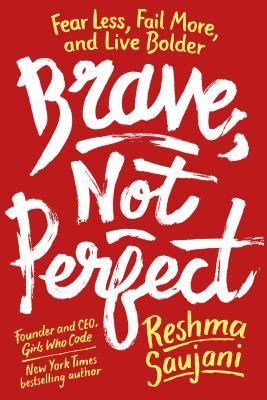
"Brave, Not Perfect" champions the idea of embracing imperfection and taking risks rather than striving for unattainable flawlessness. Reshma Saujani, building on her work with Girls Who Code, encourages individuals, particularly women, to shed the societal conditioning that prioritizes caution and perfection over bold action and authentic experience. The book advocates for a mindset shift from striving for an unblemished record to a willingness to learn from inevitable missteps, ultimately fostering greater agency and impact.
This book resonates strongly with "How to Be Enough" because both address the pervasive internal struggle with self-criticism and the relentless pursuit of perfection. While Hendriksen focuses on self-acceptance as the antidote to these pressures, Saujani offers a complementary framework: active engagement and courageous action as a path to liberation from these same constraints. Both works challenge the ingrained belief that our worth hinges on achieving an unrealistic ideal, instead advocating for a more compassionate and constructive approach to self-evaluation.
This perspective will appeal to anyone feeling constrained by the fear of failure or the burden of always needing to be flawless. It offers practical encouragement to step outside comfort zones, embrace vulnerability, and pursue personal and professional goals with greater freedom and authenticity. The book provides a powerful antidote to the anxiety often associated with high expectations, empowering individuals to live more boldly and genuinely.
Brave, Not Perfect: Fear Less, Fail More, and Live Bolder
"Brave, Not Perfect" champions the idea of embracing imperfection and taking risks rather than striving for unattainable flawlessness. Reshma Saujani, building on her work with Girls Who Code, encourages individuals, particularly women, to shed the societal conditioning that prioritizes caution and perfection over bold action and authentic experience. The book advocates for a mindset shift from striving for an unblemished record to a willingness to learn from inevitable missteps, ultimately fostering greater agency and impact.
This book resonates strongly with "How to Be Enough" because both address the pervasive internal struggle with self-criticism and the relentless pursuit of perfection. While Hendriksen focuses on self-acceptance as the antidote to these pressures, Saujani offers a complementary framework: active engagement and courageous action as a path to liberation from these same constraints. Both works challenge the ingrained belief that our worth hinges on achieving an unrealistic ideal, instead advocating for a more compassionate and constructive approach to self-evaluation.
This perspective will appeal to anyone feeling constrained by the fear of failure or the burden of always needing to be flawless. It offers practical encouragement to step outside comfort zones, embrace vulnerability, and pursue personal and professional goals with greater freedom and authenticity. The book provides a powerful antidote to the anxiety often associated with high expectations, empowering individuals to live more boldly and genuinely.
Grace, Not Perfection: Embracing Simplicity, Celebrating Joy
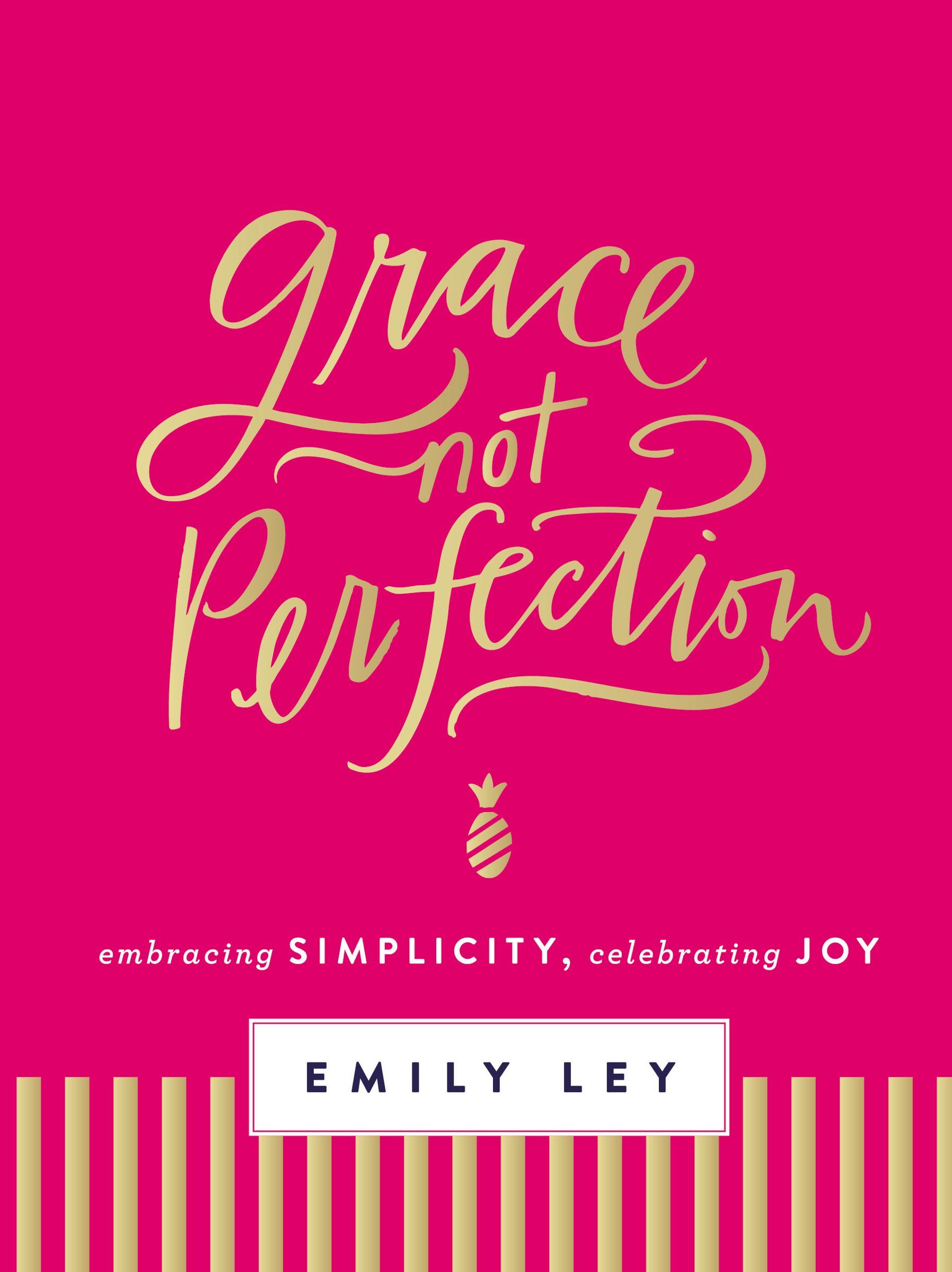
"Grace, Not Perfection" by Emily Ley offers a compassionate guide to women juggling numerous responsibilities. It champions the idea of letting go of unrealistic expectations and striving for flawless performance, instead advocating for a focus on what truly matters and embracing the beauty in imperfection and simplicity. The book encourages mindful prioritization and finding joy in everyday life without the burden of constant self-criticism.
This book aligns with "How to Be Enough" through its central theme of advocating for self-compassion over relentless self-criticism. Both authors encourage readers to shed the burden of unattainable standards—perfectionism in Ley's case, and constant proving in Hendriksen's—to cultivate a more peaceful and fulfilling existence. They share a core message about accepting one's inherent worth rather than chasing an external ideal.
Individuals grappling with the pressure to "have it all" or achieve absolute flawlessness will find significant resonance here. The strategies for streamlining commitments, prioritizing well-being, and reframing personal expectations offer concrete tools for reducing stress and fostering a greater sense of contentment. It provides a refreshing perspective for anyone feeling overwhelmed by internal or external demands.
Grace, Not Perfection: Embracing Simplicity, Celebrating Joy
"Grace, Not Perfection" by Emily Ley offers a compassionate guide to women juggling numerous responsibilities. It champions the idea of letting go of unrealistic expectations and striving for flawless performance, instead advocating for a focus on what truly matters and embracing the beauty in imperfection and simplicity. The book encourages mindful prioritization and finding joy in everyday life without the burden of constant self-criticism.
This book aligns with "How to Be Enough" through its central theme of advocating for self-compassion over relentless self-criticism. Both authors encourage readers to shed the burden of unattainable standards—perfectionism in Ley's case, and constant proving in Hendriksen's—to cultivate a more peaceful and fulfilling existence. They share a core message about accepting one's inherent worth rather than chasing an external ideal.
Individuals grappling with the pressure to "have it all" or achieve absolute flawlessness will find significant resonance here. The strategies for streamlining commitments, prioritizing well-being, and reframing personal expectations offer concrete tools for reducing stress and fostering a greater sense of contentment. It provides a refreshing perspective for anyone feeling overwhelmed by internal or external demands.
Get Out of Your Head: Stopping the Spiral of Toxic Thoughts

"Get Out of Your Head" by Jennie Allen tackles the pervasive issue of toxic thought patterns, offering practical strategies to interrupt negative mental spirals. Allen guides individuals toward identifying, challenging, and ultimately transforming thoughts that impede emotional well-being and hinder their connection with their faith and purpose.
This book resonates with themes explored in "How to Be Enough" because both address the internal struggle against self-damaging mental habits. While Hendriksen focuses on self-criticism and perfectionism, Allen broadens the scope to encompass any thought processes that create emotional distress, making their core message about reclaiming mental peace deeply aligned.
Anyone who grapples with repetitive negative thinking or feels overwhelmed by their internal dialogue will find immense value in Allen's approach. Its actionable methods and encouraging tone provide a pathway to greater mental clarity and emotional resilience, empowering individuals to move beyond limiting beliefs and live more fully.
Get Out of Your Head: Stopping the Spiral of Toxic Thoughts
"Get Out of Your Head" by Jennie Allen tackles the pervasive issue of toxic thought patterns, offering practical strategies to interrupt negative mental spirals. Allen guides individuals toward identifying, challenging, and ultimately transforming thoughts that impede emotional well-being and hinder their connection with their faith and purpose.
This book resonates with themes explored in "How to Be Enough" because both address the internal struggle against self-damaging mental habits. While Hendriksen focuses on self-criticism and perfectionism, Allen broadens the scope to encompass any thought processes that create emotional distress, making their core message about reclaiming mental peace deeply aligned.
Anyone who grapples with repetitive negative thinking or feels overwhelmed by their internal dialogue will find immense value in Allen's approach. Its actionable methods and encouraging tone provide a pathway to greater mental clarity and emotional resilience, empowering individuals to move beyond limiting beliefs and live more fully.
I Thought It Was Just Me: Women Reclaiming Power and Courage in a Culture of Shame

"I Thought It Was Just Me" explores the pervasive impact of shame on women, dissecting how societal expectations and personal vulnerabilities lead to feelings of inadequacy and isolation. Brené Brown, through extensive research and personal anecdotes, demonstrates how shame thrives in secrecy and silence, urging readers to confront their struggles and cultivate empathy, both for themselves and others, as a pathway to authentic connection and personal power.
This book resonates with "How to Be Enough" by Ellen Hendriksen in its core focus on self-acceptance and challenging internal critics. Both authors tackle the internal battles fueled by perceived imperfections, whether manifesting as shame or self-criticism. They offer frameworks for understanding these experiences and practical strategies for developing a healthier, more compassionate relationship with oneself.
Individuals seeking to understand and dismantle the internal narratives that limit their potential will find this book profoundly impactful. It offers not just insights into the nature of shame, but also actionable guidance on building resilience, fostering genuine connection, and embracing vulnerability as a strength, ultimately empowering them to live more authentically and courageously.
I Thought It Was Just Me: Women Reclaiming Power and Courage in a Culture of Shame
"I Thought It Was Just Me" explores the pervasive impact of shame on women, dissecting how societal expectations and personal vulnerabilities lead to feelings of inadequacy and isolation. Brené Brown, through extensive research and personal anecdotes, demonstrates how shame thrives in secrecy and silence, urging readers to confront their struggles and cultivate empathy, both for themselves and others, as a pathway to authentic connection and personal power.
This book resonates with "How to Be Enough" by Ellen Hendriksen in its core focus on self-acceptance and challenging internal critics. Both authors tackle the internal battles fueled by perceived imperfections, whether manifesting as shame or self-criticism. They offer frameworks for understanding these experiences and practical strategies for developing a healthier, more compassionate relationship with oneself.
Individuals seeking to understand and dismantle the internal narratives that limit their potential will find this book profoundly impactful. It offers not just insights into the nature of shame, but also actionable guidance on building resilience, fostering genuine connection, and embracing vulnerability as a strength, ultimately empowering them to live more authentically and courageously.
The Power of Vulnerability: Teachings of Authenticity, Connections and Courage

Brené Brown's "The Power of Vulnerability" explores the profound strength found in embracing our imperfections and connecting authentically with others. It argues that daring to be seen for who we truly are, despite fears of judgment or shame, is the bedrock of meaningful relationships and a fulfilling life. Brown integrates research and compelling narratives to illustrate how vulnerability fosters courage, empathy, and genuine belonging.
This book resonates with themes in "How to Be Enough" because both address the pervasive struggle with self-criticism and the relentless pursuit of perfection. Hendriksen focuses on self-acceptance as the antidote, while Brown underscores vulnerability as the pathway to transcending these inner struggles and cultivating a more authentic self, ultimately fostering what Hendriksen describes as "enoughness." Both authors offer frameworks for living with greater peace and self-compassion.
The book will appeal to those seeking a deeper understanding of human connection and personal courage. Its insights offer a transformative perspective on shame, empathy, and authenticity, equipping individuals with tools to build stronger relationships and live more wholeheartedly. The compelling blend of research and storytelling makes complex emotional concepts accessible and actionable, providing profound value for anyone grappling with self-doubt or striving for a more genuine existence.
The Power of Vulnerability: Teachings of Authenticity, Connections and Courage
Brené Brown's "The Power of Vulnerability" explores the profound strength found in embracing our imperfections and connecting authentically with others. It argues that daring to be seen for who we truly are, despite fears of judgment or shame, is the bedrock of meaningful relationships and a fulfilling life. Brown integrates research and compelling narratives to illustrate how vulnerability fosters courage, empathy, and genuine belonging.
This book resonates with themes in "How to Be Enough" because both address the pervasive struggle with self-criticism and the relentless pursuit of perfection. Hendriksen focuses on self-acceptance as the antidote, while Brown underscores vulnerability as the pathway to transcending these inner struggles and cultivating a more authentic self, ultimately fostering what Hendriksen describes as "enoughness." Both authors offer frameworks for living with greater peace and self-compassion.
The book will appeal to those seeking a deeper understanding of human connection and personal courage. Its insights offer a transformative perspective on shame, empathy, and authenticity, equipping individuals with tools to build stronger relationships and live more wholeheartedly. The compelling blend of research and storytelling makes complex emotional concepts accessible and actionable, providing profound value for anyone grappling with self-doubt or striving for a more genuine existence.
For the Love: Fighting for Grace in a World of Impossible Standards

"For the Love" by Jen Hatmaker deconstructs the immense societal pressures women face to achieve an unattainable ideal in every aspect of life – from parenting and marriage to career and spirituality. Through personal anecdotes and reflections, Hatmaker advocates for embracing grace, self-compassion, and authentic living over striving for perfection. It’s a call to shed impossible expectations and find freedom in being genuinely human.
This book resonates with "How to Be Enough" because both address the pervasive struggle with self-criticism and the pursuit of flawlessness. While Hendriksen offers a more clinical approach to navigating these tendencies, Hatmaker provides a relatable, often humorous narrative illustrating the burden of impossible standards and the liberating power of acceptance and grace. Both authors guide individuals toward a healthier relationship with themselves.
It will appeal to those feeling overwhelmed by external and internal expectations, offering a liberating perspective on self-worth. The frank and engaging style, combined with actionable insights into releasing the need for perfection, will offer comfort and practical strategies for cultivating a more peaceful and authentic existence.
For the Love: Fighting for Grace in a World of Impossible Standards
"For the Love" by Jen Hatmaker deconstructs the immense societal pressures women face to achieve an unattainable ideal in every aspect of life – from parenting and marriage to career and spirituality. Through personal anecdotes and reflections, Hatmaker advocates for embracing grace, self-compassion, and authentic living over striving for perfection. It’s a call to shed impossible expectations and find freedom in being genuinely human.
This book resonates with "How to Be Enough" because both address the pervasive struggle with self-criticism and the pursuit of flawlessness. While Hendriksen offers a more clinical approach to navigating these tendencies, Hatmaker provides a relatable, often humorous narrative illustrating the burden of impossible standards and the liberating power of acceptance and grace. Both authors guide individuals toward a healthier relationship with themselves.
It will appeal to those feeling overwhelmed by external and internal expectations, offering a liberating perspective on self-worth. The frank and engaging style, combined with actionable insights into releasing the need for perfection, will offer comfort and practical strategies for cultivating a more peaceful and authentic existence.
Present Over Perfect: Leaving Behind Frantic for a Simpler, More Soulful Way of Living

"Present Over Perfect" explores the detrimental effects of an overscheduled, performance-driven life, advocating for a shift towards intentional living, authentic connection, and spiritual renewal. Shauna Niequist shares personal anecdotes and reflections on choosing presence, rest, and genuine connection over the constant striving for perfection.
This book resonates with "How to Be Enough" by addressing the root causes of self-criticism and perfectionism, albeit from a slightly different angle. Both works encourage letting go of external validation and unrealistic expectations, fostering self-compassion and acceptance. While Hendriksen focuses on cognitive and behavioral strategies for self-acceptance, Niequist emphasizes a values-driven re-evaluation of one's life choices to achieve a similar internal peace.
Individuals grappling with burnout, the pressure to conform, or the endless pursuit of an elusive "perfect" life will find immense value in Niequist's message. It offers a gentle yet profound invitation to slow down, reconnect with one's true self, and embrace a more fulfilling existence, ultimately reinforcing the idea that one is already enough.
Present Over Perfect: Leaving Behind Frantic for a Simpler, More Soulful Way of Living
"Present Over Perfect" explores the detrimental effects of an overscheduled, performance-driven life, advocating for a shift towards intentional living, authentic connection, and spiritual renewal. Shauna Niequist shares personal anecdotes and reflections on choosing presence, rest, and genuine connection over the constant striving for perfection.
This book resonates with "How to Be Enough" by addressing the root causes of self-criticism and perfectionism, albeit from a slightly different angle. Both works encourage letting go of external validation and unrealistic expectations, fostering self-compassion and acceptance. While Hendriksen focuses on cognitive and behavioral strategies for self-acceptance, Niequist emphasizes a values-driven re-evaluation of one's life choices to achieve a similar internal peace.
Individuals grappling with burnout, the pressure to conform, or the endless pursuit of an elusive "perfect" life will find immense value in Niequist's message. It offers a gentle yet profound invitation to slow down, reconnect with one's true self, and embrace a more fulfilling existence, ultimately reinforcing the idea that one is already enough.
Daring Greatly: How the Courage to Be Vulnerable Transforms the Way We Live, Love, Parent, and Lead
"Daring Greatly" explores the transformative power of vulnerability. Brené Brown argues that embracing our imperfections and allowing ourselves to be seen, even with the risk of failure or criticism, is fundamental to experiencing true connection, joy, and a fulfilling life. She challenges conventional notions of strength, positing that courage lies in showing up authentically, rather than in shielding ourselves from perceived weaknesses.
It shares a core message with "How to Be Enough" through their common emphasis on self-acceptance and moving beyond the fear of judgment. Both books dissect the internal critics that drive perfectionism and self-doubt, offering frameworks for embracing our fundamental worth. Where Hendriksen directly counters hypercritical thought, Brown provides a broader argument for the necessity of vulnerability to dismantle those same internal barriers.
This book will resonate deeply with individuals seeking to break free from self-imposed limitations and forge more meaningful relationships. Its actionable insights into shame resilience and wholehearted living offer a path to greater authenticity and emotional freedom, ultimately leading to a more engaged and empowered existence.
Daring Greatly: How the Courage to Be Vulnerable Transforms the Way We Live, Love, Parent, and Lead
"Daring Greatly" explores the transformative power of vulnerability. Brené Brown argues that embracing our imperfections and allowing ourselves to be seen, even with the risk of failure or criticism, is fundamental to experiencing true connection, joy, and a fulfilling life. She challenges conventional notions of strength, positing that courage lies in showing up authentically, rather than in shielding ourselves from perceived weaknesses.
It shares a core message with "How to Be Enough" through their common emphasis on self-acceptance and moving beyond the fear of judgment. Both books dissect the internal critics that drive perfectionism and self-doubt, offering frameworks for embracing our fundamental worth. Where Hendriksen directly counters hypercritical thought, Brown provides a broader argument for the necessity of vulnerability to dismantle those same internal barriers.
This book will resonate deeply with individuals seeking to break free from self-imposed limitations and forge more meaningful relationships. Its actionable insights into shame resilience and wholehearted living offer a path to greater authenticity and emotional freedom, ultimately leading to a more engaged and empowered existence.
When I Loved Myself Enough
"When I Loved Myself Enough" is a poignant and introspective collection of prose poems charting the author's journey to self-acceptance. It delves into the profound wisdom gained through overcoming personal struggles and embracing one's true self, offering a path to inner peace and liberation from self-imposed limitations.
It mirrors "How to Be Enough" through its core focus on cultivating a healthier relationship with oneself. Both books address the detrimental effects of self-criticism and the relentless pursuit of an unattainable ideal, instead advocating for a compassionate and authentic embrace of one's inherent worth. They share a fundamental message of moving beyond judgment to a place of genuine self-love.
This book will resonate deeply with anyone grappling with self-doubt or striving for an elusive perfection. Its accessible format and heartfelt insights provide comfort and practical guidance for releasing self-limiting beliefs, fostering self-compassion, and ultimately leading a more fulfilling life. The poetic yet direct language offers a soothing and reflective experience, encouraging profound personal growth.
When I Loved Myself Enough
"When I Loved Myself Enough" is a poignant and introspective collection of prose poems charting the author's journey to self-acceptance. It delves into the profound wisdom gained through overcoming personal struggles and embracing one's true self, offering a path to inner peace and liberation from self-imposed limitations.
It mirrors "How to Be Enough" through its core focus on cultivating a healthier relationship with oneself. Both books address the detrimental effects of self-criticism and the relentless pursuit of an unattainable ideal, instead advocating for a compassionate and authentic embrace of one's inherent worth. They share a fundamental message of moving beyond judgment to a place of genuine self-love.
This book will resonate deeply with anyone grappling with self-doubt or striving for an elusive perfection. Its accessible format and heartfelt insights provide comfort and practical guidance for releasing self-limiting beliefs, fostering self-compassion, and ultimately leading a more fulfilling life. The poetic yet direct language offers a soothing and reflective experience, encouraging profound personal growth.
More Books to Explore
Discover more titles that expand on these ideas and themes.
The Gifts of Imperfection
Brave, Not Perfect: Fear Less, Fail More, and Live Bolder
Grace, Not Perfection: Embracing Simplicity, Celebrating Joy
Get Out of Your Head: Stopping the Spiral of Toxic Thoughts
I Thought It Was Just Me: Women Reclaiming Power and Courage in a Culture of Shame
The Power of Vulnerability: Teachings of Authenticity, Connections and Courage