10 Books Similar to "How Successful People Think: Change Your Thinking, Change Your Life"
by John C. Maxwell
The Difference Maker: Making Your Attitude Your Greatest Asset

"The Difference Maker" explores the profound impact of attitude on an individual's life and success. Maxwell argues that attitude is not merely a mood, but a conscious choice capable of transforming challenges into opportunities and setbacks into comebacks. The book provides actionable insights for cultivating a positive, resilient mindset, regardless of external circumstances.
Both books, "The Difference Maker" and "How Successful People Think," fundamentally address the power of internal processes in shaping external realities. While "How Successful People Think" focuses on developing specific cognitive habits for achievement, "The Difference Maker" drills down into the foundational element of attitude. The overarching theme in both is that improving one's internal world is the primary catalyst for significant personal and professional growth.
This book will appeal to anyone seeking practical guidance for enhancing their emotional intelligence and personal effectiveness. Its value lies in empowering individuals to take ownership of their mental state, equipping them with tools to navigate life's complexities with greater optimism and effectiveness, ultimately transforming their personal and professional trajectories.
The Difference Maker: Making Your Attitude Your Greatest Asset
"The Difference Maker" explores the profound impact of attitude on an individual's life and success. Maxwell argues that attitude is not merely a mood, but a conscious choice capable of transforming challenges into opportunities and setbacks into comebacks. The book provides actionable insights for cultivating a positive, resilient mindset, regardless of external circumstances.
Both books, "The Difference Maker" and "How Successful People Think," fundamentally address the power of internal processes in shaping external realities. While "How Successful People Think" focuses on developing specific cognitive habits for achievement, "The Difference Maker" drills down into the foundational element of attitude. The overarching theme in both is that improving one's internal world is the primary catalyst for significant personal and professional growth.
This book will appeal to anyone seeking practical guidance for enhancing their emotional intelligence and personal effectiveness. Its value lies in empowering individuals to take ownership of their mental state, equipping them with tools to navigate life's complexities with greater optimism and effectiveness, ultimately transforming their personal and professional trajectories.
Talent Is Never Enough: Discover the Choices That Will Take You Beyond Your Talent
"Talent Is Never Enough" by John C. Maxwell argues that inherent ability, while valuable, is insufficient for true success. Instead, Maxwell highlights a series of conscious choices – like initiative, focus, preparation, discipline, and teachability – that transform potential into achievement. It’s an exploration of the personal agency required to elevate oneself beyond mere giftedness.
This book shares significant thematic ground with "How Successful People Think." Both delve into the internal, often overlooked, mechanisms that drive accomplishment. While "How Successful People Think" emphasizes the *what* and *how* of effective thought patterns, "Talent Is Never Enough" focuses on the *choices* originating from those thought patterns that then manifest success. Both underscore the idea that success is less about innate traits and more about cultivated practices.
The book offers a practical roadmap for anyone feeling stuck despite their abilities or striving for greater impact. It provides actionable principles to bridge the gap between potential and performance, inspiring individuals to make deliberate decisions that maximize their talents and elevate their leadership, careers, and personal growth.
Talent Is Never Enough: Discover the Choices That Will Take You Beyond Your Talent
"Talent Is Never Enough" by John C. Maxwell argues that inherent ability, while valuable, is insufficient for true success. Instead, Maxwell highlights a series of conscious choices – like initiative, focus, preparation, discipline, and teachability – that transform potential into achievement. It’s an exploration of the personal agency required to elevate oneself beyond mere giftedness.
This book shares significant thematic ground with "How Successful People Think." Both delve into the internal, often overlooked, mechanisms that drive accomplishment. While "How Successful People Think" emphasizes the *what* and *how* of effective thought patterns, "Talent Is Never Enough" focuses on the *choices* originating from those thought patterns that then manifest success. Both underscore the idea that success is less about innate traits and more about cultivated practices.
The book offers a practical roadmap for anyone feeling stuck despite their abilities or striving for greater impact. It provides actionable principles to bridge the gap between potential and performance, inspiring individuals to make deliberate decisions that maximize their talents and elevate their leadership, careers, and personal growth.
Be All You Can Be

"Be All You Can Be" by John C. Maxwell serves as a practical guide for personal growth and maximizing one's potential, focusing on actionable steps to achieve a more fulfilling life. Maxwell distills complex ideas into accessible principles, encouraging individuals to identify their strengths, overcome limitations, and adopt a proactive mindset towards self-improvement.
This book closely aligns with "How Successful People Think" in its core philosophy: that intentional thought processes are fundamental to personal and professional achievement. Both works emphasize the deliberate cultivation of positive habits, a commitment to continuous learning, and strategic decision-making as key drivers for success, essentially linking inner transformation to outer results.
Its appeal lies in its optimistic yet grounded approach, offering tangible strategies for anyone seeking to elevate their performance and well-being. The emphasis on practical application and the clear articulation of pathways to personal excellence make it a valuable resource for individuals committed to self-development and aspiring to live a more impactful life.
Be All You Can Be
"Be All You Can Be" by John C. Maxwell serves as a practical guide for personal growth and maximizing one's potential, focusing on actionable steps to achieve a more fulfilling life. Maxwell distills complex ideas into accessible principles, encouraging individuals to identify their strengths, overcome limitations, and adopt a proactive mindset towards self-improvement.
This book closely aligns with "How Successful People Think" in its core philosophy: that intentional thought processes are fundamental to personal and professional achievement. Both works emphasize the deliberate cultivation of positive habits, a commitment to continuous learning, and strategic decision-making as key drivers for success, essentially linking inner transformation to outer results.
Its appeal lies in its optimistic yet grounded approach, offering tangible strategies for anyone seeking to elevate their performance and well-being. The emphasis on practical application and the clear articulation of pathways to personal excellence make it a valuable resource for individuals committed to self-development and aspiring to live a more impactful life.
Power Thoughts: 12 Strategies to Win the Battle of the Mind
"Power Thoughts: 12 Strategies to Win the Battle of the Mind" by Joyce Meyer offers practical, actionable strategies aimed at reshaping one's internal monologue and belief systems. It posits that our thoughts directly influence our experiences and outcomes, guiding individuals to identify and replace negative thought patterns with empowering, positive ones to achieve greater joy and effectiveness in life.
This book aligns closely with "How Successful People Think" by John C. Maxwell in its core premise: the transformative power of intentional thought. Both authors champion the idea that success, whether personal or professional, originates in the mind. They provide structured approaches to cultivate productive thinking habits, moving beyond mere optimism to a disciplined engagement with one's mental landscape.
The appeal lies in its promise of tangible self-improvement and control over one's psychological well-being. Individuals seeking to overcome mental roadblocks, improve decision-making, or simply cultivate a more resilient and optimistic outlook will find its guidance invaluable. It offers a blueprint for mental mastery, empowering individuals to proactively shape their reality.
Power Thoughts: 12 Strategies to Win the Battle of the Mind
"Power Thoughts: 12 Strategies to Win the Battle of the Mind" by Joyce Meyer offers practical, actionable strategies aimed at reshaping one's internal monologue and belief systems. It posits that our thoughts directly influence our experiences and outcomes, guiding individuals to identify and replace negative thought patterns with empowering, positive ones to achieve greater joy and effectiveness in life.
This book aligns closely with "How Successful People Think" by John C. Maxwell in its core premise: the transformative power of intentional thought. Both authors champion the idea that success, whether personal or professional, originates in the mind. They provide structured approaches to cultivate productive thinking habits, moving beyond mere optimism to a disciplined engagement with one's mental landscape.
The appeal lies in its promise of tangible self-improvement and control over one's psychological well-being. Individuals seeking to overcome mental roadblocks, improve decision-making, or simply cultivate a more resilient and optimistic outlook will find its guidance invaluable. It offers a blueprint for mental mastery, empowering individuals to proactively shape their reality.
Life@work: Marketplace Success For People Of Faith
"Life@work: Marketplace Success For People Of Faith" explores how one's faith can be deeply integrated into and positively impact their professional life. Maxwell provides practical guidance on applying spiritual principles to workplace ethics, leadership, relationships, and problem-solving, aiming to help individuals achieve both worldly success and spiritual fulfillment in their careers. It's about finding purpose and excellence in the marketplace through a values-driven approach.
This book shares a core philosophy with "How Successful People Think" by focusing on the internal landscape as a catalyst for external achievement. Both books emphasize that a transformation in one's mindset and values directly translates into improved outcomes and greater effectiveness in their respective domains—be it general success or marketplace success specifically. The underlying premise is that cultivating a particular way of thinking and believing is foundational to meaningful accomplishment.
This work offers a compelling framework for individuals seeking to align their spiritual beliefs with their professional aspirations. It provides actionable strategies for navigating the modern workplace with integrity, wisdom, and a sense of divine purpose, ultimately leading to more fulfilling and impactful careers. Its value lies in bridging the often-perceived gap between faith and work, empowering individuals to thrive authentically.
Life@work: Marketplace Success For People Of Faith
"Life@work: Marketplace Success For People Of Faith" explores how one's faith can be deeply integrated into and positively impact their professional life. Maxwell provides practical guidance on applying spiritual principles to workplace ethics, leadership, relationships, and problem-solving, aiming to help individuals achieve both worldly success and spiritual fulfillment in their careers. It's about finding purpose and excellence in the marketplace through a values-driven approach.
This book shares a core philosophy with "How Successful People Think" by focusing on the internal landscape as a catalyst for external achievement. Both books emphasize that a transformation in one's mindset and values directly translates into improved outcomes and greater effectiveness in their respective domains—be it general success or marketplace success specifically. The underlying premise is that cultivating a particular way of thinking and believing is foundational to meaningful accomplishment.
This work offers a compelling framework for individuals seeking to align their spiritual beliefs with their professional aspirations. It provides actionable strategies for navigating the modern workplace with integrity, wisdom, and a sense of divine purpose, ultimately leading to more fulfilling and impactful careers. Its value lies in bridging the often-perceived gap between faith and work, empowering individuals to thrive authentically.
Mind Power into the 21st Century: Techniques to Harness the Astounding Powers of Thought

"Mind Power into the 21st Century" by John Kehoe explores the profound impact of conscious thought on personal reality. It provides actionable techniques for harnessing mental faculties like visualization, affirmations, and subconscious programming to achieve personal goals and manifest desired outcomes. Kehoe emphasizes an internal locus of control, arguing that by systematically directing one's thoughts, individuals can shape their experiences and circumstances.
This book shares a core philosophy with John C. Maxwell's "How Successful People Think." Both works fundamentally assert that thought precedes action and outcome, making intentional thinking a prerequisite for success. They each provide frameworks for cultivating beneficial thought patterns, moving beyond passive rumination to active, strategic mental engagement designed to produce tangible improvements in one's life. The emphasis on re-framing perspectives and proactive mental discipline forms the bedrock of their shared message.
This book offers a practical guide to personal transformation, providing concrete methods for developing a more powerful and positive mindset. Its value lies in demystifying the concept of "mind power" into accessible techniques that can be integrated into daily life. For anyone seeking to proactively influence their personal and professional trajectories through focused mental effort, this book delivers a compelling and empowering message.
Mind Power into the 21st Century: Techniques to Harness the Astounding Powers of Thought
"Mind Power into the 21st Century" by John Kehoe explores the profound impact of conscious thought on personal reality. It provides actionable techniques for harnessing mental faculties like visualization, affirmations, and subconscious programming to achieve personal goals and manifest desired outcomes. Kehoe emphasizes an internal locus of control, arguing that by systematically directing one's thoughts, individuals can shape their experiences and circumstances.
This book shares a core philosophy with John C. Maxwell's "How Successful People Think." Both works fundamentally assert that thought precedes action and outcome, making intentional thinking a prerequisite for success. They each provide frameworks for cultivating beneficial thought patterns, moving beyond passive rumination to active, strategic mental engagement designed to produce tangible improvements in one's life. The emphasis on re-framing perspectives and proactive mental discipline forms the bedrock of their shared message.
This book offers a practical guide to personal transformation, providing concrete methods for developing a more powerful and positive mindset. Its value lies in demystifying the concept of "mind power" into accessible techniques that can be integrated into daily life. For anyone seeking to proactively influence their personal and professional trajectories through focused mental effort, this book delivers a compelling and empowering message.
The 21 Indispensable Qualities of a Leader: Becoming the Person Others Will Want to Follow

"The 21 Indispensable Qualities of a Leader" outlines the core characteristics and virtues essential for effective leadership. Maxwell distills leadership into 21 actionable traits, offering practical advice and compelling anecdotes to demonstrate how cultivating these qualities—such as character, charisma, commitment, and courage—can transform individuals into influential figures others are naturally drawn to follow. It's a foundational guide for anyone aspiring to lead or enhance their leadership capabilities.
This book shares a fundamental premise with "How Successful People Think": that internal development is the precursor to external success. Both emphasize the cultivation of specific mindsets and personal attributes as the primary drivers of achievement. While "Successful People Think" focuses on the *process* of thought for broader success, "21 Indispensable Qualities" applies this internal development specifically to the *context* of leadership, showing how intentional character building shapes one's ability to inspire and guide.
Anyone interested in personal growth, professional advancement, or understanding the dynamics of influence will find immense value in this work. It provides a clear roadmap for self-improvement that directly translates into enhanced leadership potential, offering tangible ways to become a more respected and effective individual in any sphere of life.
The 21 Indispensable Qualities of a Leader: Becoming the Person Others Will Want to Follow
"The 21 Indispensable Qualities of a Leader" outlines the core characteristics and virtues essential for effective leadership. Maxwell distills leadership into 21 actionable traits, offering practical advice and compelling anecdotes to demonstrate how cultivating these qualities—such as character, charisma, commitment, and courage—can transform individuals into influential figures others are naturally drawn to follow. It's a foundational guide for anyone aspiring to lead or enhance their leadership capabilities.
This book shares a fundamental premise with "How Successful People Think": that internal development is the precursor to external success. Both emphasize the cultivation of specific mindsets and personal attributes as the primary drivers of achievement. While "Successful People Think" focuses on the *process* of thought for broader success, "21 Indispensable Qualities" applies this internal development specifically to the *context* of leadership, showing how intentional character building shapes one's ability to inspire and guide.
Anyone interested in personal growth, professional advancement, or understanding the dynamics of influence will find immense value in this work. It provides a clear roadmap for self-improvement that directly translates into enhanced leadership potential, offering tangible ways to become a more respected and effective individual in any sphere of life.
The Laws of Lifetime Growth: Always Make Your Future Bigger Than Your Past
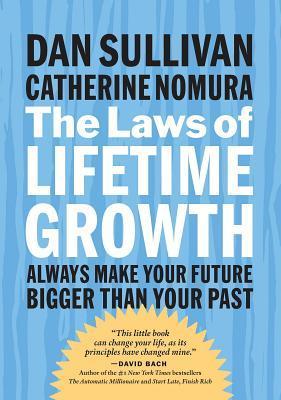
"The Laws of Lifetime Growth" by Dan Sullivan explores a set of principles designed to foster continuous personal and professional development. It centers on the idea of intentionally shaping one's future by adopting a growth-oriented mindset, emphasizing constant learning, expanding capabilities, and identifying opportunities for advancement. The book provides actionable strategies for proactively designing a life where one's potential consistently outpaces past achievements, encouraging readers to view challenges as springboards for progress.
This book shares a core philosophy with "How Successful People Think" by John C. Maxwell: the transformative power of purposeful thought. Both authors advocate for a deliberate internal focus as the precursor to external success. While Maxwell emphasizes various thinking approaches (big-picture, focused, creative), Sullivan concentrates on a growth mindset and strategic thinking to build a perpetually improving future. Each book suggests that mastering one's mental landscape is the ultimate leverage for impactful living.
The value lies in its practical framework for ongoing self-improvement and future-building. Individuals seeking to break free from stagnation, achieve ambitious goals, and cultivate a resilient, forward-looking perspective will find its principles highly appealing. It offers a compelling blueprint for anyone committed to personal evolution, providing clear guidance on how to consistently expand one's impact and satisfaction over time.
The Laws of Lifetime Growth: Always Make Your Future Bigger Than Your Past
"The Laws of Lifetime Growth" by Dan Sullivan explores a set of principles designed to foster continuous personal and professional development. It centers on the idea of intentionally shaping one's future by adopting a growth-oriented mindset, emphasizing constant learning, expanding capabilities, and identifying opportunities for advancement. The book provides actionable strategies for proactively designing a life where one's potential consistently outpaces past achievements, encouraging readers to view challenges as springboards for progress.
This book shares a core philosophy with "How Successful People Think" by John C. Maxwell: the transformative power of purposeful thought. Both authors advocate for a deliberate internal focus as the precursor to external success. While Maxwell emphasizes various thinking approaches (big-picture, focused, creative), Sullivan concentrates on a growth mindset and strategic thinking to build a perpetually improving future. Each book suggests that mastering one's mental landscape is the ultimate leverage for impactful living.
The value lies in its practical framework for ongoing self-improvement and future-building. Individuals seeking to break free from stagnation, achieve ambitious goals, and cultivate a resilient, forward-looking perspective will find its principles highly appealing. It offers a compelling blueprint for anyone committed to personal evolution, providing clear guidance on how to consistently expand one's impact and satisfaction over time.
The 21 Irrefutable Laws of Leadership: Follow Them and People Will Follow You
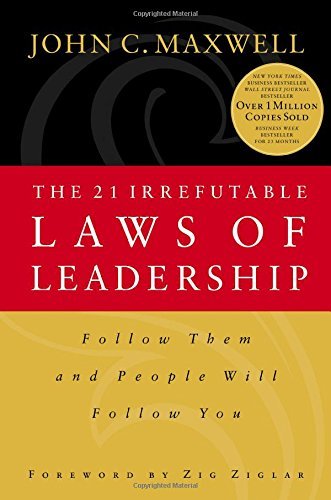
"The 21 Irrefutable Laws of Leadership" translates leadership into a clear, actionable framework. Maxwell presents principles like the Law of the Lid (leadership ability determines a person's organizational effectiveness) and the Law of Influence (true leadership comes from influence, not position). Each "law" is illustrated with real-world examples, offering practical insights into how effective leaders operate and inspire others. It's a foundational text for anyone seeking to understand and cultivate leadership skills.
Both books, while distinct in their focus, share Maxwell's core philosophy: intentional personal development leads to success. "How Successful People Think" emphasizes internal thought processes as the engine of accomplishment, while "The 21 Irrefutable Laws" applies this rigorous self-assessment to the domain of leadership. Both distill complex ideas into accessible, principles-based lessons, encouraging a proactive approach to growth.
This book offers a clear roadmap for enhancing one's leadership impact. Its timeless principles provide a robust understanding of what it takes to guide and motivate others effectively. Applying these laws will equip individuals with the tools to inspire loyalty, drive change, and achieve significant outcomes within any team or organization.
The 21 Irrefutable Laws of Leadership: Follow Them and People Will Follow You
"The 21 Irrefutable Laws of Leadership" translates leadership into a clear, actionable framework. Maxwell presents principles like the Law of the Lid (leadership ability determines a person's organizational effectiveness) and the Law of Influence (true leadership comes from influence, not position). Each "law" is illustrated with real-world examples, offering practical insights into how effective leaders operate and inspire others. It's a foundational text for anyone seeking to understand and cultivate leadership skills.
Both books, while distinct in their focus, share Maxwell's core philosophy: intentional personal development leads to success. "How Successful People Think" emphasizes internal thought processes as the engine of accomplishment, while "The 21 Irrefutable Laws" applies this rigorous self-assessment to the domain of leadership. Both distill complex ideas into accessible, principles-based lessons, encouraging a proactive approach to growth.
This book offers a clear roadmap for enhancing one's leadership impact. Its timeless principles provide a robust understanding of what it takes to guide and motivate others effectively. Applying these laws will equip individuals with the tools to inspire loyalty, drive change, and achieve significant outcomes within any team or organization.
Become a Better You: 7 Keys to Improving Your Life Every Day

"Become a Better You: 7 Keys to Improving Your Life Every Day" offers a practical guide to personal growth, focusing on actionable principles for daily improvement. Joel Osteen emphasizes a positive mindset, self-belief, and the cultivation of strong character, framing these as essential for unlocking one's full potential and experiencing a more fulfilling existence. The book presents these concepts clearly and accessibly, making them easy to integrate into everyday life.
This book aligns with "How Successful People Think" in its core premise: the transformative power of one's thought life. Both authors advocate for intentional mental habits as the foundation for success and personal flourishing. While Maxwell delves into specific thinking processes like big-picture and focused thinking, Osteen provides a broader, more spiritually inflected framework for cultivating an optimistic and goal-oriented internal dialogue. Both ultimately aim to empower individuals to reshape their reality by first reshaping their minds.
People seeking straightforward guidance on personal development will appreciate this book. Its optimistic tone and practical advice provide an encouraging roadmap for anyone looking to make tangible improvements in their life, from enhancing relationships to achieving personal goals. The emphasis on daily application and the seven distinct "keys" offer a digestible and actionable framework for consistent self-improvement.
Become a Better You: 7 Keys to Improving Your Life Every Day
"Become a Better You: 7 Keys to Improving Your Life Every Day" offers a practical guide to personal growth, focusing on actionable principles for daily improvement. Joel Osteen emphasizes a positive mindset, self-belief, and the cultivation of strong character, framing these as essential for unlocking one's full potential and experiencing a more fulfilling existence. The book presents these concepts clearly and accessibly, making them easy to integrate into everyday life.
This book aligns with "How Successful People Think" in its core premise: the transformative power of one's thought life. Both authors advocate for intentional mental habits as the foundation for success and personal flourishing. While Maxwell delves into specific thinking processes like big-picture and focused thinking, Osteen provides a broader, more spiritually inflected framework for cultivating an optimistic and goal-oriented internal dialogue. Both ultimately aim to empower individuals to reshape their reality by first reshaping their minds.
People seeking straightforward guidance on personal development will appreciate this book. Its optimistic tone and practical advice provide an encouraging roadmap for anyone looking to make tangible improvements in their life, from enhancing relationships to achieving personal goals. The emphasis on daily application and the seven distinct "keys" offer a digestible and actionable framework for consistent self-improvement.
More Books to Explore
Discover more titles that expand on these ideas and themes.
The Difference Maker: Making Your Attitude Your Greatest Asset
Talent Is Never Enough: Discover the Choices That Will Take You Beyond Your Talent
Be All You Can Be
Power Thoughts: 12 Strategies to Win the Battle of the Mind
Life@work: Marketplace Success For People Of Faith
Mind Power into the 21st Century: Techniques to Harness the Astounding Powers of Thought