10 Books Similar to "Hidden Pictures"
by Jason Rekulak
Unspeakable Things
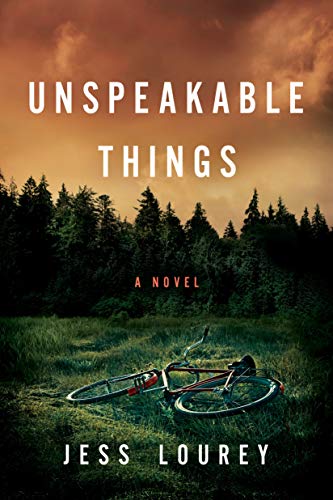
"Unspeakable Things" by Jess Lourey plunges into the unsettling summer of 1989 in a small Minnesota town, where strange disappearances plague local girls. Cassie Black, a young woman recently returned home, attempts to navigate her own complicated family dynamics while a palpable darkness descends upon the community. She begins to uncover disturbing truths about the people she thought she knew, forcing her to confront the unthinkable secrets festering beneath the town’s wholesome facade.
Like "Hidden Pictures," "Unspeakable Things" masterfully blends psychological suspense with supernatural undertones, creating a pervasive sense of unease. Both novels skillfully explore the sinister undercurrents lurking within seemingly idyllic settings, focusing on protagonists who grapple with increasingly terrifying realities that blur the lines between psychological distress and genuine otherworldly malevolence. The slow-burn dread and the ambiguity surrounding the source of the horror will particularly resonate with readers of Rekulak's work.
This novel will appeal to those who appreciate a meticulously crafted suspense story that delves into the unsettling power of hidden evils and the fragility of perception. It offers a chilling exploration of trauma, community secrets, and the enduring strength of a protagonist forced to confront unimaginable horrors, providing a compelling and thought-provoking reading experience.
Unspeakable Things
"Unspeakable Things" by Jess Lourey plunges into the unsettling summer of 1989 in a small Minnesota town, where strange disappearances plague local girls. Cassie Black, a young woman recently returned home, attempts to navigate her own complicated family dynamics while a palpable darkness descends upon the community. She begins to uncover disturbing truths about the people she thought she knew, forcing her to confront the unthinkable secrets festering beneath the town’s wholesome facade.
Like "Hidden Pictures," "Unspeakable Things" masterfully blends psychological suspense with supernatural undertones, creating a pervasive sense of unease. Both novels skillfully explore the sinister undercurrents lurking within seemingly idyllic settings, focusing on protagonists who grapple with increasingly terrifying realities that blur the lines between psychological distress and genuine otherworldly malevolence. The slow-burn dread and the ambiguity surrounding the source of the horror will particularly resonate with readers of Rekulak's work.
This novel will appeal to those who appreciate a meticulously crafted suspense story that delves into the unsettling power of hidden evils and the fragility of perception. It offers a chilling exploration of trauma, community secrets, and the enduring strength of a protagonist forced to confront unimaginable horrors, providing a compelling and thought-provoking reading experience.
The Hidden Girl

"The Hidden Girl" by Louise Millar centers on a young British woman, Cath, who believes she witnessed something horrific as a child – the kidnapping of her American playmate, Elodie. Years later, haunted by fragmented memories and a deep-seated guilt, Cath revisits the remote Colorado town where the event occurred. Her investigation unearths long-buried secrets, exposing the darker undercurrents of the seemingly idyllic community and forcing her to confront the unreliable nature of her own past perceptions.
This novel shares a thematic and stylistic kinship with "Hidden Pictures" through its exploration of buried childhood trauma and the unsettling interplay between memory and reality. Both books feature protagonists grappling with disturbing events from their youth, where the line between what truly happened and what is imagined becomes increasingly blurred. The tension builds around uncovering a past truth that has been suppressed or intentionally obscured, leading to a sense of creeping dread and psychological suspense.
Anyone who appreciated the slow-burn mystery and psychological depth of "Hidden Pictures" will find "The Hidden Girl" equally compelling. It offers a well-crafted narrative that skillfully weaves together childhood secrets, unreliable narration, and the lingering impact of past events on present-day lives. The intricate plot, coupled with its atmospheric setting and exploration of memory's fallibility, creates a suspenseful and thought-provoking reading experience.
The Hidden Girl
"The Hidden Girl" by Louise Millar centers on a young British woman, Cath, who believes she witnessed something horrific as a child – the kidnapping of her American playmate, Elodie. Years later, haunted by fragmented memories and a deep-seated guilt, Cath revisits the remote Colorado town where the event occurred. Her investigation unearths long-buried secrets, exposing the darker undercurrents of the seemingly idyllic community and forcing her to confront the unreliable nature of her own past perceptions.
This novel shares a thematic and stylistic kinship with "Hidden Pictures" through its exploration of buried childhood trauma and the unsettling interplay between memory and reality. Both books feature protagonists grappling with disturbing events from their youth, where the line between what truly happened and what is imagined becomes increasingly blurred. The tension builds around uncovering a past truth that has been suppressed or intentionally obscured, leading to a sense of creeping dread and psychological suspense.
Anyone who appreciated the slow-burn mystery and psychological depth of "Hidden Pictures" will find "The Hidden Girl" equally compelling. It offers a well-crafted narrative that skillfully weaves together childhood secrets, unreliable narration, and the lingering impact of past events on present-day lives. The intricate plot, coupled with its atmospheric setting and exploration of memory's fallibility, creates a suspenseful and thought-provoking reading experience.
All the Dangerous Things

*All the Dangerous Things* delves into the chilling, unresolved disappearance of a young boy and his mother's agonizing ten-year quest for answers, even as her mental state unravels under the constant media scrutiny and her own fractured memories. The novel masterfully explores themes of grief, motherhood, and the elusive nature of truth when trauma distorts reality.
This book aligns with *Hidden Pictures* through its blend of domestic suspense and psychological thriller elements, centering on a vulnerable female protagonist whose grip on reality is challenged by unsettling events and a potentially unreliable memory. Both narratives skillfully build tension through a sense of gaslighting and the gradual revelation of dark secrets hidden beneath a seemingly normal surface, keeping the reader questioning what is real.
The appeal of *All the Dangerous Things* lies in its relentless suspense and the deeply empathetic portrayal of a parent's worst nightmare. Its intricate plot, psychological depth, and focus on the subjective experience of trauma offer a compelling, thought-provoking read that resonates with the emotional intensity and mystery that fans of the genre appreciate.
All the Dangerous Things
*All the Dangerous Things* delves into the chilling, unresolved disappearance of a young boy and his mother's agonizing ten-year quest for answers, even as her mental state unravels under the constant media scrutiny and her own fractured memories. The novel masterfully explores themes of grief, motherhood, and the elusive nature of truth when trauma distorts reality.
This book aligns with *Hidden Pictures* through its blend of domestic suspense and psychological thriller elements, centering on a vulnerable female protagonist whose grip on reality is challenged by unsettling events and a potentially unreliable memory. Both narratives skillfully build tension through a sense of gaslighting and the gradual revelation of dark secrets hidden beneath a seemingly normal surface, keeping the reader questioning what is real.
The appeal of *All the Dangerous Things* lies in its relentless suspense and the deeply empathetic portrayal of a parent's worst nightmare. Its intricate plot, psychological depth, and focus on the subjective experience of trauma offer a compelling, thought-provoking read that resonates with the emotional intensity and mystery that fans of the genre appreciate.
Deadly Little Secret

*Deadly Little Secret* delves into the intense and unsettling experience of a young woman named Lacey, whose life takes a dark turn when she begins receiving anonymous notes and experiencing strange occurrences. These seemingly random events escalate into a horrifying campaign of stalking and psychological manipulation, forcing Lacey to question everyone around her, including her closest friends and family, as she tries to uncover the identity of her tormentor.
The similarity to *Hidden Pictures* lies in the pervasive sense of psychological unease and the blurring of reality that both novels masterfully achieve. Both protagonists find themselves in increasingly isolated and vulnerable positions, under threat from an unseen force within their own homes or perceived safe spaces. The escalating suspense, the manipulation of perception, and the gradual unraveling of control are core elements shared by both narratives.
This book offers a compelling narrative for those who appreciate a finely crafted psychological thriller, particularly those who enjoy being kept on edge. It delivers a chilling exploration of vulnerability and paranoia, demonstrating how easily a sense of security can be shattered and the profound impact of unseen threats. It's a gripping read that rewards close attention to detail and fosters a lingering sense of unease.
Deadly Little Secret
*Deadly Little Secret* delves into the intense and unsettling experience of a young woman named Lacey, whose life takes a dark turn when she begins receiving anonymous notes and experiencing strange occurrences. These seemingly random events escalate into a horrifying campaign of stalking and psychological manipulation, forcing Lacey to question everyone around her, including her closest friends and family, as she tries to uncover the identity of her tormentor.
The similarity to *Hidden Pictures* lies in the pervasive sense of psychological unease and the blurring of reality that both novels masterfully achieve. Both protagonists find themselves in increasingly isolated and vulnerable positions, under threat from an unseen force within their own homes or perceived safe spaces. The escalating suspense, the manipulation of perception, and the gradual unraveling of control are core elements shared by both narratives.
This book offers a compelling narrative for those who appreciate a finely crafted psychological thriller, particularly those who enjoy being kept on edge. It delivers a chilling exploration of vulnerability and paranoia, demonstrating how easily a sense of security can be shattered and the profound impact of unseen threats. It's a gripping read that rewards close attention to detail and fosters a lingering sense of unease.
The Stranger Inside
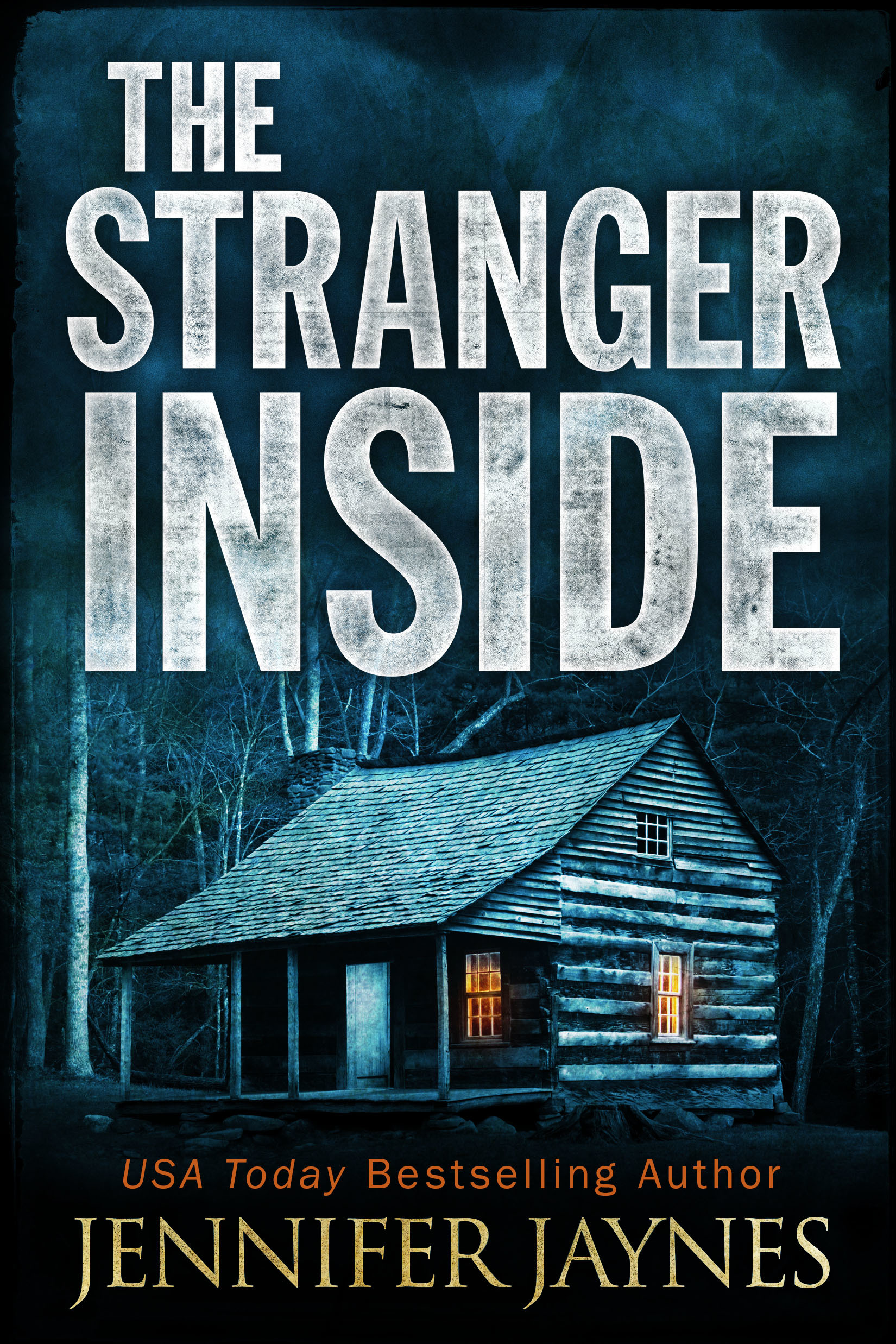
"The Stranger Inside" by Jennifer Jaynes centers on a woman whose meticulously constructed life unravels following a shocking discovery about her husband. As she navigates this betrayal, she grapples with the terrifying possibility that the man she married is a stranger, harboring dark secrets and a violent past that threatens her children and her very existence. The narrative skillfully builds suspense around her investigation into his true identity while highlighting the psychological toll of marital deception.
This novel shares a thematic core with "Hidden Pictures," as both works delve into the unsettling realization that a familiar, trusted figure might be concealing a sinister truth. Like "Hidden Pictures," "The Stranger Inside" explores the dissolution of domestic peace and the psychological horror of a close relationship becoming a source of danger rather than comfort. Both utilize a domestic setting to amplify the sense of vulnerability and fear inherent in such a revelation.
Its appeal lies in its potent blend of psychological suspense and domestic thriller elements. The novel offers a compelling exploration of trust, identity, and the insidious nature of hidden evils within seemingly perfect lives. It delivers a gripping, emotionally charged narrative that forces contemplation on how well we truly know those closest to us, providing both entertainment and a thought-provoking experience.
The Stranger Inside
"The Stranger Inside" by Jennifer Jaynes centers on a woman whose meticulously constructed life unravels following a shocking discovery about her husband. As she navigates this betrayal, she grapples with the terrifying possibility that the man she married is a stranger, harboring dark secrets and a violent past that threatens her children and her very existence. The narrative skillfully builds suspense around her investigation into his true identity while highlighting the psychological toll of marital deception.
This novel shares a thematic core with "Hidden Pictures," as both works delve into the unsettling realization that a familiar, trusted figure might be concealing a sinister truth. Like "Hidden Pictures," "The Stranger Inside" explores the dissolution of domestic peace and the psychological horror of a close relationship becoming a source of danger rather than comfort. Both utilize a domestic setting to amplify the sense of vulnerability and fear inherent in such a revelation.
Its appeal lies in its potent blend of psychological suspense and domestic thriller elements. The novel offers a compelling exploration of trust, identity, and the insidious nature of hidden evils within seemingly perfect lives. It delivers a gripping, emotionally charged narrative that forces contemplation on how well we truly know those closest to us, providing both entertainment and a thought-provoking experience.
Girl Missing
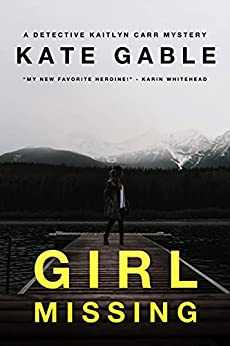
"Girl Missing" centers on the disappearance of a young woman, Mallory, and the subsequent investigation by her best friend, Sarah, who becomes consumed by the mystery. As Sarah delves deeper, she uncovers unsettling secrets within their seemingly idyllic small town and begins to question everyone, including those closest to Mallory. The narrative deftly explores themes of betrayal, hidden lives, and the psychological toll of grief and suspicion.
This novel shares a striking resemblance to "Hidden Pictures" in its core premise: a protagonist, often an outsider or someone with a connection to the missing person, unearthing disturbing truths within a community. Both books expertly build suspense around a central mystery, employing unreliable narrators and a palpable sense of unease. The slow reveal of shocking revelations, often rooted in past events, is a hallmark of both, creating a constant state of tension and anticipation.
This thriller will appeal to those who appreciate a meticulously crafted mystery with psychological depth. It offers a gripping narrative that compels engagement, providing a satisfying blend of suspense, character-driven intrigue, and unexpected twists. The exploration of how secrets can fester beneath a tranquil surface and the subsequent unraveling of facades offers both entertainment and thought-provoking insights into human nature.
Girl Missing
"Girl Missing" centers on the disappearance of a young woman, Mallory, and the subsequent investigation by her best friend, Sarah, who becomes consumed by the mystery. As Sarah delves deeper, she uncovers unsettling secrets within their seemingly idyllic small town and begins to question everyone, including those closest to Mallory. The narrative deftly explores themes of betrayal, hidden lives, and the psychological toll of grief and suspicion.
This novel shares a striking resemblance to "Hidden Pictures" in its core premise: a protagonist, often an outsider or someone with a connection to the missing person, unearthing disturbing truths within a community. Both books expertly build suspense around a central mystery, employing unreliable narrators and a palpable sense of unease. The slow reveal of shocking revelations, often rooted in past events, is a hallmark of both, creating a constant state of tension and anticipation.
This thriller will appeal to those who appreciate a meticulously crafted mystery with psychological depth. It offers a gripping narrative that compels engagement, providing a satisfying blend of suspense, character-driven intrigue, and unexpected twists. The exploration of how secrets can fester beneath a tranquil surface and the subsequent unraveling of facades offers both entertainment and thought-provoking insights into human nature.
Local Woman Missing

*Local Woman Missing* by Mary Kubica masterfully weaves a multi-timeline narrative centered on the disappearance of three women from a suburban community. The story unfolds through the perspectives of a detective investigating the case, the young daughter of one of the missing women, and an unidentified survivor, gradually revealing the disturbing truths behind their vanishing. It’s a chilling exploration of secrets, deceit, and the vulnerabilities hidden beneath seemingly perfect facades.
The resonance with *Hidden Pictures* lies in their shared thematic core: the dark secrets lurking within seemingly idyllic domestic settings and the profound mental and emotional impact these secrets have on children. Both novels excel at building an escalating sense of dread and unease, relying on unreliable narration and tantalizing revelations to keep the reader guessing. There's a particular parallel in how both books explore the psychological trauma inflicted upon young protagonists forced to grapple with adult horrors.
This novel will appeal to those who appreciate a meticulously crafted psychological thriller that prioritizes atmosphere and character depth over gratuitous violence. It provides a highly engaging reading experience, offering a satisfying puzzle of a plot combined with a poignant exploration of loss, resilience, and the lasting scars of trauma. The compelling mystery and psychological insight make it a worthwhile read.
Local Woman Missing
*Local Woman Missing* by Mary Kubica masterfully weaves a multi-timeline narrative centered on the disappearance of three women from a suburban community. The story unfolds through the perspectives of a detective investigating the case, the young daughter of one of the missing women, and an unidentified survivor, gradually revealing the disturbing truths behind their vanishing. It’s a chilling exploration of secrets, deceit, and the vulnerabilities hidden beneath seemingly perfect facades.
The resonance with *Hidden Pictures* lies in their shared thematic core: the dark secrets lurking within seemingly idyllic domestic settings and the profound mental and emotional impact these secrets have on children. Both novels excel at building an escalating sense of dread and unease, relying on unreliable narration and tantalizing revelations to keep the reader guessing. There's a particular parallel in how both books explore the psychological trauma inflicted upon young protagonists forced to grapple with adult horrors.
This novel will appeal to those who appreciate a meticulously crafted psychological thriller that prioritizes atmosphere and character depth over gratuitous violence. It provides a highly engaging reading experience, offering a satisfying puzzle of a plot combined with a poignant exploration of loss, resilience, and the lasting scars of trauma. The compelling mystery and psychological insight make it a worthwhile read.
Middle of the Night
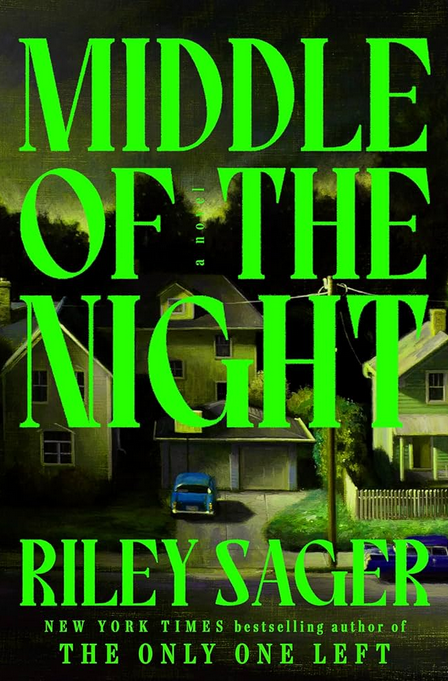
Riley Sager's *Middle of the Night* unfolds as a suspenseful mystery surrounding a decades-old cold case: the disappearance of a child. Full of twists and red herrings, the narrative centers on a protagonist haunted by the past, compelled to uncover the truth behind a seemingly inexplicable event.
The books share a core thematic and structural resemblance. Both *Middle of the Night* and *Hidden Pictures* masterfully blend domestic suspense with an unsettling, almost supernatural, undertone. They feature protagonists, often young women in a new or unfamiliar setting, who become entangled in a child-related mystery with psychological and potentially spectral elements at play. The focus on uncovering hidden truths from the past, often through a blend of mundane investigation and unsettling discoveries, ties them intrinsically.
This book will appeal to those who appreciate a well-crafted psychological thriller with a touch of the uncanny. Its intricate plotting and atmospheric tension promise a gripping read, offering both the intellectual satisfaction of piecing together a complex puzzle and the chilling thrill of confronting unsettling realities.
Middle of the Night
Riley Sager's *Middle of the Night* unfolds as a suspenseful mystery surrounding a decades-old cold case: the disappearance of a child. Full of twists and red herrings, the narrative centers on a protagonist haunted by the past, compelled to uncover the truth behind a seemingly inexplicable event.
The books share a core thematic and structural resemblance. Both *Middle of the Night* and *Hidden Pictures* masterfully blend domestic suspense with an unsettling, almost supernatural, undertone. They feature protagonists, often young women in a new or unfamiliar setting, who become entangled in a child-related mystery with psychological and potentially spectral elements at play. The focus on uncovering hidden truths from the past, often through a blend of mundane investigation and unsettling discoveries, ties them intrinsically.
This book will appeal to those who appreciate a well-crafted psychological thriller with a touch of the uncanny. Its intricate plotting and atmospheric tension promise a gripping read, offering both the intellectual satisfaction of piecing together a complex puzzle and the chilling thrill of confronting unsettling realities.
What Lies in the Woods
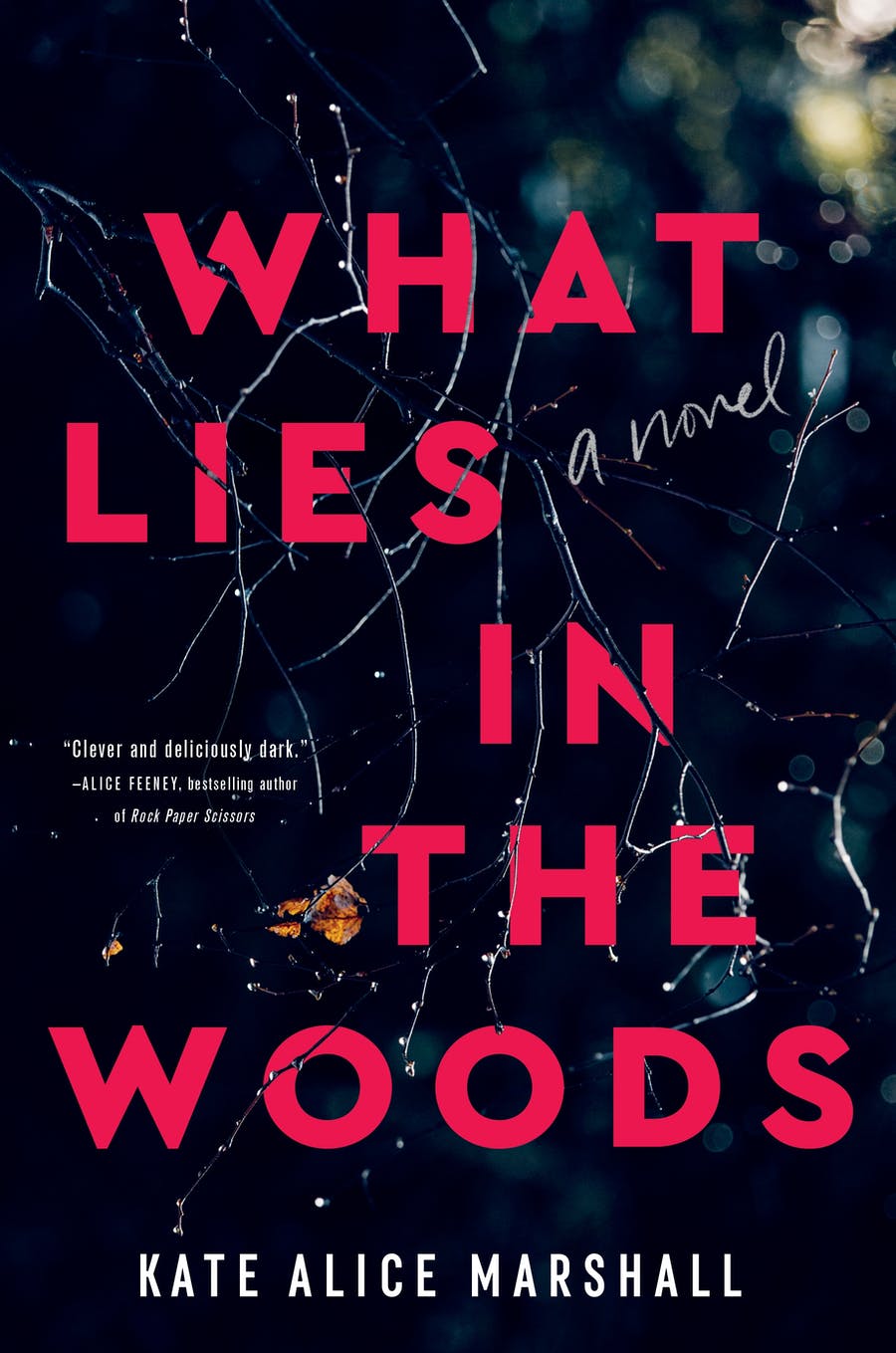
"What Lies in the Woods" follows Naomi, who, twenty-two years after a brutal stabbing incident she and her two childhood friends survived, must confront their shared past when the man they implicated for the crime dies in prison. Now, dark secrets begin to resurface, challenging the fabricated story they’ve maintained for decades, forcing Naomi to uncover the real truth about what happened that fateful summer.
This novel shares a compelling thematic and narrative kinship with "Hidden Pictures." Both books explore the unsettling return of buried childhood trauma and the lasting impact of events on adult lives. They feature protagonists grappling with unreliable memories and the unsettling realization that their perception of past horrors might be fundamentally flawed, leading to a suspenseful reconstruction of truth. The underlying sense of dread and psychological ambiguity will also resonate.
This book will appeal to those who appreciate a meticulously crafted psychological thriller where the past relentlessly invades the present. Its value lies in its intricate plotting, the exploration of complex moral dilemmas surrounding complicity and justice, and its ability to keep the audience guessing until the very end, ultimately delivering a satisfying yet disturbing resolution.
What Lies in the Woods
"What Lies in the Woods" follows Naomi, who, twenty-two years after a brutal stabbing incident she and her two childhood friends survived, must confront their shared past when the man they implicated for the crime dies in prison. Now, dark secrets begin to resurface, challenging the fabricated story they’ve maintained for decades, forcing Naomi to uncover the real truth about what happened that fateful summer.
This novel shares a compelling thematic and narrative kinship with "Hidden Pictures." Both books explore the unsettling return of buried childhood trauma and the lasting impact of events on adult lives. They feature protagonists grappling with unreliable memories and the unsettling realization that their perception of past horrors might be fundamentally flawed, leading to a suspenseful reconstruction of truth. The underlying sense of dread and psychological ambiguity will also resonate.
This book will appeal to those who appreciate a meticulously crafted psychological thriller where the past relentlessly invades the present. Its value lies in its intricate plotting, the exploration of complex moral dilemmas surrounding complicity and justice, and its ability to keep the audience guessing until the very end, ultimately delivering a satisfying yet disturbing resolution.
The Locked Door
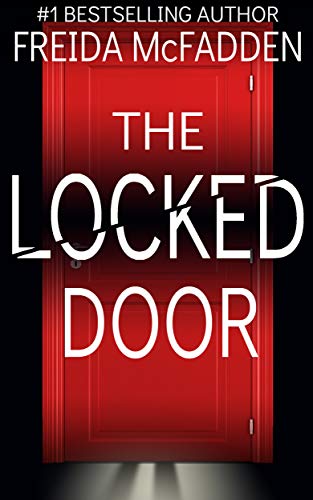
"The Locked Door" centers on a woman whose seemingly perfect life is shattered when her husband is arrested as a serial killer. As she grapples with the escalating evidence and the chilling reality of his double life, she's forced to confront her perception of him and her own unwitting complicity, all while navigating intense media scrutiny and the fear that she might be the next target.
This novel shares a striking resemblance to "Hidden Pictures" in its exploration of domestic psychological suspense, focusing on a protagonist whose reality is violently upended by the dark secrets of someone close to them. Both books expertly build an atmosphere of dread and paranoia, forcing the main characters to question their sanity and the true nature of their intimate relationships, layering on revelations that challenge assumptions about safety and trust.
The appeal of "The Locked Door" lies in its relentless pacing and its commitment to delivering shocking twists. It provides a thrilling escape, drawing audiences into a labyrinth of deception and danger. The narrative’s exploration of perception versus reality, and the terrifying possibility that evil can reside in plain sight within one's own home, offers profound engagement and a deeply satisfying, suspenseful reading experience.
The Locked Door
"The Locked Door" centers on a woman whose seemingly perfect life is shattered when her husband is arrested as a serial killer. As she grapples with the escalating evidence and the chilling reality of his double life, she's forced to confront her perception of him and her own unwitting complicity, all while navigating intense media scrutiny and the fear that she might be the next target.
This novel shares a striking resemblance to "Hidden Pictures" in its exploration of domestic psychological suspense, focusing on a protagonist whose reality is violently upended by the dark secrets of someone close to them. Both books expertly build an atmosphere of dread and paranoia, forcing the main characters to question their sanity and the true nature of their intimate relationships, layering on revelations that challenge assumptions about safety and trust.
The appeal of "The Locked Door" lies in its relentless pacing and its commitment to delivering shocking twists. It provides a thrilling escape, drawing audiences into a labyrinth of deception and danger. The narrative’s exploration of perception versus reality, and the terrifying possibility that evil can reside in plain sight within one's own home, offers profound engagement and a deeply satisfying, suspenseful reading experience.
More Books to Explore
Discover more titles that expand on these ideas and themes.
Unspeakable Things
The Hidden Girl
All the Dangerous Things
Deadly Little Secret
The Stranger Inside
Girl Missing