10 Books Similar to "Heal Your Body: The Mental Causes for Physical Illness and the Metaphysical Way to Overcome Them"
by Louise L. Hay

You Can Heal Your Life

"You Can Heal Your Life" is a foundational self-help book that explores the profound connection between our thoughts, beliefs, and life experiences, particularly our physical and emotional well-being. Louise Hay posits that many of our problems, including illnesses, stem from ingrained negative thought patterns and emotional blockages. The book guides individuals toward recognizing and transforming these limiting beliefs through affirmations, self-love, and forgiveness.
This book shares significant thematic overlap with "Heal Your Body." Both works are cornerstones of Hay's philosophy, emphasizing the mind-body connection and the power of positive thought to influence health. While "Heal Your Body" offers a more direct, symptom-specific approach to correlating mental patterns with physical ailments, "You Can Heal Your Life" provides a broader philosophical framework and practical tools for holistic self-healing and personal empowerment.
Its enduring appeal lies in its message of personal agency and hope. Individuals seeking to understand the root causes of their challenges, develop greater self-awareness, and take an active role in their healing journey will find immense value. The book offers actionable strategies for cultivating a more positive mindset, fostering self-acceptance, and ultimately, creating a more fulfilling and healthier life.
You Can Heal Your Life
"You Can Heal Your Life" is a foundational self-help book that explores the profound connection between our thoughts, beliefs, and life experiences, particularly our physical and emotional well-being. Louise Hay posits that many of our problems, including illnesses, stem from ingrained negative thought patterns and emotional blockages. The book guides individuals toward recognizing and transforming these limiting beliefs through affirmations, self-love, and forgiveness.
This book shares significant thematic overlap with "Heal Your Body." Both works are cornerstones of Hay's philosophy, emphasizing the mind-body connection and the power of positive thought to influence health. While "Heal Your Body" offers a more direct, symptom-specific approach to correlating mental patterns with physical ailments, "You Can Heal Your Life" provides a broader philosophical framework and practical tools for holistic self-healing and personal empowerment.
Its enduring appeal lies in its message of personal agency and hope. Individuals seeking to understand the root causes of their challenges, develop greater self-awareness, and take an active role in their healing journey will find immense value. The book offers actionable strategies for cultivating a more positive mindset, fostering self-acceptance, and ultimately, creating a more fulfilling and healthier life.
Gratitude: A Way of Life

"Gratitude: A Way of Life" explores the transformative power of a grateful mindset, offering practical affirmations and reflections to cultivate appreciation for all aspects of life. It guides individuals in recognizing and embracing the blessings, opportunities, and lessons present in their daily experiences, fostering a more positive and fulfilling existence through the simple yet profound act of gratitude.
This book shares foundational similarities with "Heal Your Body" by emphasizing the mind-body connection and the practical application of metaphysical principles for personal well-being. Both works from Louise Hay advocate for internal shifts—from belief systems in "Heal Your Body" to a grateful outlook here—as primary drivers for positive external change and improved quality of life. The underlying message is that our inner world profoundly influences our outer reality.
The book will appeal to those seeking a practical and accessible approach to personal growth and emotional resilience. It offers tangible tools for shifting perspective, managing stress, and enhancing overall happiness by deliberately focusing on thankfulness. Its value lies in providing a gentle yet effective pathway to cultivating inner peace and a more optimistic outlook, regardless of external circumstances.
Gratitude: A Way of Life
"Gratitude: A Way of Life" explores the transformative power of a grateful mindset, offering practical affirmations and reflections to cultivate appreciation for all aspects of life. It guides individuals in recognizing and embracing the blessings, opportunities, and lessons present in their daily experiences, fostering a more positive and fulfilling existence through the simple yet profound act of gratitude.
This book shares foundational similarities with "Heal Your Body" by emphasizing the mind-body connection and the practical application of metaphysical principles for personal well-being. Both works from Louise Hay advocate for internal shifts—from belief systems in "Heal Your Body" to a grateful outlook here—as primary drivers for positive external change and improved quality of life. The underlying message is that our inner world profoundly influences our outer reality.
The book will appeal to those seeking a practical and accessible approach to personal growth and emotional resilience. It offers tangible tools for shifting perspective, managing stress, and enhancing overall happiness by deliberately focusing on thankfulness. Its value lies in providing a gentle yet effective pathway to cultivating inner peace and a more optimistic outlook, regardless of external circumstances.
The Body Code: Unlocking Your Body's Ability to Heal Itself

"The Body Code: Unlocking Your Body's Ability to Heal Itself" by Bradley Nelson presents a system for identifying and releasing energetic imbalances that contribute to physical and emotional ailments. Based on the premise that the body possesses an innate healing capacity, Nelson outlines methods to detect these "trapped emotions," "miasms," or other energetic distortions, and then facilitates their release using magnetic energy. The book provides practical, step-by-step instructions for self-application or working with others.
This book shares conceptual groundwork with Louise L. Hay’s "Heal Your Body." Both authors emphasize the profound connection between our non-physical states (emotions, limiting beliefs) and our physical health. While Hay focuses on mental affirmations and shifting thought patterns, Nelson offers a structured methodology for identifying and clearing energetic blockages, addressing the same underlying principle that illness often has roots beyond purely physical explanations.
This work will resonate with individuals seeking holistic approaches to well-being, particularly those who feel traditional medicine hasn't fully addressed their health challenges. Its systematic approach offers a tangible framework for self-healing, empowering individuals to take an active role in resolving chronic issues and optimizing their health by addressing root energetic causes. It provides a practical toolkit for those ready to explore alternative healing paradigms.
The Body Code: Unlocking Your Body's Ability to Heal Itself
"The Body Code: Unlocking Your Body's Ability to Heal Itself" by Bradley Nelson presents a system for identifying and releasing energetic imbalances that contribute to physical and emotional ailments. Based on the premise that the body possesses an innate healing capacity, Nelson outlines methods to detect these "trapped emotions," "miasms," or other energetic distortions, and then facilitates their release using magnetic energy. The book provides practical, step-by-step instructions for self-application or working with others.
This book shares conceptual groundwork with Louise L. Hay’s "Heal Your Body." Both authors emphasize the profound connection between our non-physical states (emotions, limiting beliefs) and our physical health. While Hay focuses on mental affirmations and shifting thought patterns, Nelson offers a structured methodology for identifying and clearing energetic blockages, addressing the same underlying principle that illness often has roots beyond purely physical explanations.
This work will resonate with individuals seeking holistic approaches to well-being, particularly those who feel traditional medicine hasn't fully addressed their health challenges. Its systematic approach offers a tangible framework for self-healing, empowering individuals to take an active role in resolving chronic issues and optimizing their health by addressing root energetic causes. It provides a practical toolkit for those ready to explore alternative healing paradigms.
Quantum Healing: Exploring the Frontiers of Mind Body Medicine
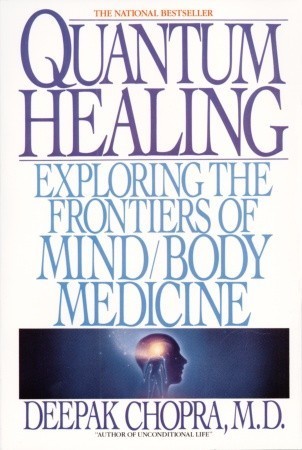
"Quantum Healing" by Deepak Chopra explores the profound connection between consciousness and physical well-being. It posits that our thoughts, emotions, and beliefs are not merely secondary to our health, but actively shape our biological reality. Chopra delves into ancient wisdom and modern physics to suggest that we possess an innate capacity for self-healing, challenging conventional medical paradigms by emphasizing the mind's pivotal role in overcoming illness and achieving optimal health.
This aligns with Louise Hay's "Heal Your Body" in its core premise: that mental and emotional states directly influence physical health. Both authors advocate for a holistic approach, suggesting that addressing underlying psychological patterns is crucial for recovery. While Hay offers affirmations and specific mental connections to ailments, Chopra provides a deeper philosophical and scientific framework, yet both converge on the idea that internal shifts can lead to tangible physical improvements.
The book will resonate with individuals seeking a deeper, more empowering understanding of health and illness. Its blend of spiritual insight and scientific inquiry offers a compelling alternative to purely mechanistic views of the body, providing a framework for personal agency in health and recovery. It offers tools and perspectives for those interested in exploring the mind's often-underestimated power to heal.
Quantum Healing: Exploring the Frontiers of Mind Body Medicine
"Quantum Healing" by Deepak Chopra explores the profound connection between consciousness and physical well-being. It posits that our thoughts, emotions, and beliefs are not merely secondary to our health, but actively shape our biological reality. Chopra delves into ancient wisdom and modern physics to suggest that we possess an innate capacity for self-healing, challenging conventional medical paradigms by emphasizing the mind's pivotal role in overcoming illness and achieving optimal health.
This aligns with Louise Hay's "Heal Your Body" in its core premise: that mental and emotional states directly influence physical health. Both authors advocate for a holistic approach, suggesting that addressing underlying psychological patterns is crucial for recovery. While Hay offers affirmations and specific mental connections to ailments, Chopra provides a deeper philosophical and scientific framework, yet both converge on the idea that internal shifts can lead to tangible physical improvements.
The book will resonate with individuals seeking a deeper, more empowering understanding of health and illness. Its blend of spiritual insight and scientific inquiry offers a compelling alternative to purely mechanistic views of the body, providing a framework for personal agency in health and recovery. It offers tools and perspectives for those interested in exploring the mind's often-underestimated power to heal.
Anatomy of the Spirit: The Seven Stages of Power and Healing
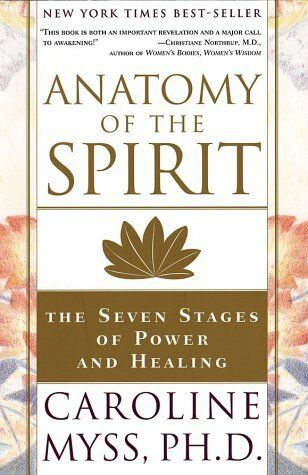
"Anatomy of the Spirit" explores the intricate connection between our spiritual development and our physical health, presenting a model of seven energy centers, or chakras, that correspond to different stages of personal power and well-being. Myss illuminates how imbalances or unresolved psychological and spiritual issues within these centers can manifest as physical ailments, providing insightful case studies and practical guidance for achieving holistic healing.
This book resonates with themes found in "Heal Your Body" by emphasizing the mind-body connection in illness and recovery. Both authors assert that our thoughts, emotions, and spiritual state significantly impact physical health, moving beyond purely conventional medical explanations to delve into metaphysical roots of disease and healing. They offer frameworks for understanding how internal states translate into physical manifestations.
Individuals interested in integrating spiritual insights with health and well-being will appreciate this exploration. It provides a systematic and accessible approach to understanding how their inner landscape influences their physical reality, offering a proactive pathway for self-discovery and holistic healing. The depth of its perspective on personal power and its connection to health makes it a profoundly valuable resource.
Anatomy of the Spirit: The Seven Stages of Power and Healing
"Anatomy of the Spirit" explores the intricate connection between our spiritual development and our physical health, presenting a model of seven energy centers, or chakras, that correspond to different stages of personal power and well-being. Myss illuminates how imbalances or unresolved psychological and spiritual issues within these centers can manifest as physical ailments, providing insightful case studies and practical guidance for achieving holistic healing.
This book resonates with themes found in "Heal Your Body" by emphasizing the mind-body connection in illness and recovery. Both authors assert that our thoughts, emotions, and spiritual state significantly impact physical health, moving beyond purely conventional medical explanations to delve into metaphysical roots of disease and healing. They offer frameworks for understanding how internal states translate into physical manifestations.
Individuals interested in integrating spiritual insights with health and well-being will appreciate this exploration. It provides a systematic and accessible approach to understanding how their inner landscape influences their physical reality, offering a proactive pathway for self-discovery and holistic healing. The depth of its perspective on personal power and its connection to health makes it a profoundly valuable resource.
Perfect Health: The Complete Mind/Body Guide

Deepak Chopra's "Perfect Health: The Complete Mind/Body Guide" explores the interconnectedness of our thoughts, emotions, and physical well-being. It presents practical approaches, drawing from Ayurvedic principles, to achieve optimal health through understanding our individual constitution and making conscious lifestyle choices that support balance within the mind-body system. The book offers a framework for self-diagnosis and personalized remedies, emphasizing the power of awareness and intention in healing.
This work resonates with Louise Hay's "Heal Your Body" due to their shared foundational premise: that mental and emotional states significantly influence physical health. Both authors advocate for a holistic perspective on well-being, suggesting that addressing underlying psychological patterns and beliefs is crucial for overcoming illness and fostering vitality. While Chopra integrates Eastern medical traditions, and Hay focuses more directly on affirmations, their core message about the mind's role in health is strikingly parallel.
This book will appeal to individuals seeking a comprehensive, holistic understanding of health beyond conventional medicine. It provides actionable insights and a deeper appreciation for the mind-body connection, empowering readers to take a more active, informed role in their own well-being. Its value lies in offering an alternative, integrative pathway to health that emphasizes personal responsibility and the innate capacity for healing.
Perfect Health: The Complete Mind/Body Guide
Deepak Chopra's "Perfect Health: The Complete Mind/Body Guide" explores the interconnectedness of our thoughts, emotions, and physical well-being. It presents practical approaches, drawing from Ayurvedic principles, to achieve optimal health through understanding our individual constitution and making conscious lifestyle choices that support balance within the mind-body system. The book offers a framework for self-diagnosis and personalized remedies, emphasizing the power of awareness and intention in healing.
This work resonates with Louise Hay's "Heal Your Body" due to their shared foundational premise: that mental and emotional states significantly influence physical health. Both authors advocate for a holistic perspective on well-being, suggesting that addressing underlying psychological patterns and beliefs is crucial for overcoming illness and fostering vitality. While Chopra integrates Eastern medical traditions, and Hay focuses more directly on affirmations, their core message about the mind's role in health is strikingly parallel.
This book will appeal to individuals seeking a comprehensive, holistic understanding of health beyond conventional medicine. It provides actionable insights and a deeper appreciation for the mind-body connection, empowering readers to take a more active, informed role in their own well-being. Its value lies in offering an alternative, integrative pathway to health that emphasizes personal responsibility and the innate capacity for healing.
You Are the Placebo: Making Your Mind Matter

Joe Dispenza's "You Are the Placebo" delves into the profound power of the human mind to influence physical health and well-being. It meticulously explores how our thoughts, beliefs, and emotions, through the placebo effect, can activate our body's innate healing mechanisms. Dispenza integrates neuroscience, epigenetics, and quantum physics to explain how we can consciously rewire our brains and train our minds to manifest desired physiological changes, moving beyond passive belief to active internal transformation.
This book resonates deeply with "Heal Your Body" by Louise L. Hay due to their shared core premise: the intrinsic connection between mental states and physical health. Both authors posit that our internal world – our thoughts, beliefs, and emotional patterns – profoundly impacts our bodily experience. While Hay offers a metaphysical correlation between specific ailments and mental causes, Dispenza provides a more scientifically grounded framework for understanding *how* this connection works, emphasizing intentional mental practices to achieve healing and optimal health.
Individuals drawn to self-healing, mind-body connection, and personal empowerment will find "You Are the Placebo" highly valuable. It offers practical techniques and compelling scientific evidence to demonstrate that we possess a remarkable capacity to influence our health through focused mental effort. The book serves as a powerful guide for those seeking to actively participate in their own healing journey and unlock their potential for greater well-being.
You Are the Placebo: Making Your Mind Matter
Joe Dispenza's "You Are the Placebo" delves into the profound power of the human mind to influence physical health and well-being. It meticulously explores how our thoughts, beliefs, and emotions, through the placebo effect, can activate our body's innate healing mechanisms. Dispenza integrates neuroscience, epigenetics, and quantum physics to explain how we can consciously rewire our brains and train our minds to manifest desired physiological changes, moving beyond passive belief to active internal transformation.
This book resonates deeply with "Heal Your Body" by Louise L. Hay due to their shared core premise: the intrinsic connection between mental states and physical health. Both authors posit that our internal world – our thoughts, beliefs, and emotional patterns – profoundly impacts our bodily experience. While Hay offers a metaphysical correlation between specific ailments and mental causes, Dispenza provides a more scientifically grounded framework for understanding *how* this connection works, emphasizing intentional mental practices to achieve healing and optimal health.
Individuals drawn to self-healing, mind-body connection, and personal empowerment will find "You Are the Placebo" highly valuable. It offers practical techniques and compelling scientific evidence to demonstrate that we possess a remarkable capacity to influence our health through focused mental effort. The book serves as a powerful guide for those seeking to actively participate in their own healing journey and unlock their potential for greater well-being.
Feeling Good: The New Mood Therapy

"Feeling Good: The New Mood Therapy" by David D. Burns translates complex cognitive behavioral therapy (CBT) principles into practical, self-help strategies. It focuses on identifying and challenging distorted thought patterns – such as all-or-nothing thinking, overgeneralization, and catastrophizing – that contribute to negative emotions like anxiety and depression. Burns provides exercises, self-assessment tools, and case studies to guide individuals in reframing their thoughts and improving their emotional well-being. The book emphasizes that by changing how we *think* about situations, we can fundamentally change how we *feel*.
This book shares a core philosophical alignment with "Heal Your Body" by Louise L. Hay: both assert a powerful connection between mental states and physical or emotional health. While Hay posits metaphysical causes for physical ailments and offers affirmations for healing, Burns drills down into the psychological mechanisms behind emotional distress. Both authors empower individuals by suggesting that internal adjustments—be it thought re-patterning or belief shifting—are critical determinants of a healthier state.
"Feeling Good" offers tangible tools for self-improvement that resonate deeply with those seeking actionable steps to manage their emotional landscape. Its structured approach to dismantling negative thought loops can provide immediate relief and long-term resilience, making it a valuable resource for anyone struggling with mood disorders or simply aiming for greater emotional clarity and control. Its evidence-based foundation lends credibility, appealing to individuals who appreciate a pragmatic, empirically supported path to personal betterment.
Feeling Good: The New Mood Therapy
"Feeling Good: The New Mood Therapy" by David D. Burns translates complex cognitive behavioral therapy (CBT) principles into practical, self-help strategies. It focuses on identifying and challenging distorted thought patterns – such as all-or-nothing thinking, overgeneralization, and catastrophizing – that contribute to negative emotions like anxiety and depression. Burns provides exercises, self-assessment tools, and case studies to guide individuals in reframing their thoughts and improving their emotional well-being. The book emphasizes that by changing how we *think* about situations, we can fundamentally change how we *feel*.
This book shares a core philosophical alignment with "Heal Your Body" by Louise L. Hay: both assert a powerful connection between mental states and physical or emotional health. While Hay posits metaphysical causes for physical ailments and offers affirmations for healing, Burns drills down into the psychological mechanisms behind emotional distress. Both authors empower individuals by suggesting that internal adjustments—be it thought re-patterning or belief shifting—are critical determinants of a healthier state.
"Feeling Good" offers tangible tools for self-improvement that resonate deeply with those seeking actionable steps to manage their emotional landscape. Its structured approach to dismantling negative thought loops can provide immediate relief and long-term resilience, making it a valuable resource for anyone struggling with mood disorders or simply aiming for greater emotional clarity and control. Its evidence-based foundation lends credibility, appealing to individuals who appreciate a pragmatic, empirically supported path to personal betterment.
What Healing Should Be: How to relieve pain and stop suffering
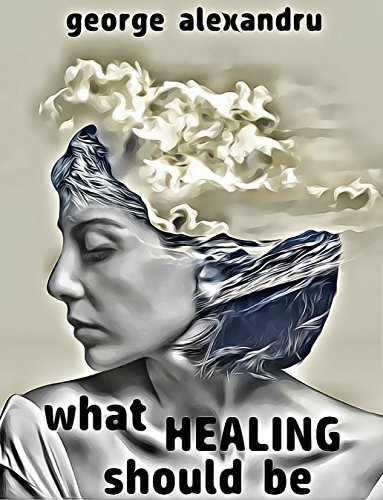
*What Healing Should Be* by George Alexandru delves into a holistic understanding of pain and suffering, moving beyond purely physical symptoms to explore their mental, emotional, and spiritual underpinnings. It posits that genuine healing requires addressing these deeper causes, not just managing external manifestations. Alexandru offers practical frameworks and insights for individuals to identify and navigate the roots of their discomfort, ultimately fostering a more profound and sustainable sense of well-being.
This work resonates strongly with Louise Hay's *Heal Your Body* due to their shared foundational premise: the intrinsic link between the mind and physical health. Both authors advocate for a metaphysical approach to illness, suggesting that our thoughts, emotions, and belief systems play a significant role in our physical states. They empower individuals to take an active role in their healing journey by shifting internal perspectives and adopting transformative mental practices.
This book will attract those seeking a comprehensive and empowering perspective on health challenges. Its value lies in offering actionable insights for self-discovery and personal responsibility in the healing process, empowering individuals to move beyond conventional symptom management to cultivate a more integrated and fulfilling life free from chronic suffering.
What Healing Should Be: How to relieve pain and stop suffering
*What Healing Should Be* by George Alexandru delves into a holistic understanding of pain and suffering, moving beyond purely physical symptoms to explore their mental, emotional, and spiritual underpinnings. It posits that genuine healing requires addressing these deeper causes, not just managing external manifestations. Alexandru offers practical frameworks and insights for individuals to identify and navigate the roots of their discomfort, ultimately fostering a more profound and sustainable sense of well-being.
This work resonates strongly with Louise Hay's *Heal Your Body* due to their shared foundational premise: the intrinsic link between the mind and physical health. Both authors advocate for a metaphysical approach to illness, suggesting that our thoughts, emotions, and belief systems play a significant role in our physical states. They empower individuals to take an active role in their healing journey by shifting internal perspectives and adopting transformative mental practices.
This book will attract those seeking a comprehensive and empowering perspective on health challenges. Its value lies in offering actionable insights for self-discovery and personal responsibility in the healing process, empowering individuals to move beyond conventional symptom management to cultivate a more integrated and fulfilling life free from chronic suffering.
Changes That Heal: Workbook
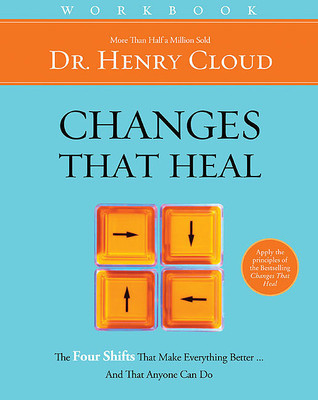
"Changes That Heal: Workbook" by Henry Cloud guides individuals through a practical journey of personal growth and emotional healing. It focuses on identifying and changing destructive relationship patterns and internal beliefs that hinder healthy functioning. Through exercises and self-reflection, it equips users with tools to develop mature relationships, set boundaries, acknowledge reality, and achieve genuine spiritual and emotional integration.
This workbook shares thematic commonality with Louise Hay's "Heal Your Body" in its foundational premise: that internal states profoundly impact well-being. While Cloud's focus is primarily on relational and emotional patterns rather than physical illness, both authors advocate for actively addressing underlying psychological and spiritual dysfunctions as a pathway to comprehensive health and personal liberation. Both works empower the individual to take agency over their healing process.
The tangible and actionable approach of "Changes That Heal: Workbook" will appeal to individuals seeking concrete steps for self-improvement. Its emphasis on practical application, rather than just theoretical understanding, provides a framework for lasting behavioral and relational transformation. For those who recognize the interconnectedness of mind, body, and spirit, this resource offers a structured path toward cultivating healthier internal landscapes and more fulfilling external lives, proving invaluable for sustained personal development.
Changes That Heal: Workbook
"Changes That Heal: Workbook" by Henry Cloud guides individuals through a practical journey of personal growth and emotional healing. It focuses on identifying and changing destructive relationship patterns and internal beliefs that hinder healthy functioning. Through exercises and self-reflection, it equips users with tools to develop mature relationships, set boundaries, acknowledge reality, and achieve genuine spiritual and emotional integration.
This workbook shares thematic commonality with Louise Hay's "Heal Your Body" in its foundational premise: that internal states profoundly impact well-being. While Cloud's focus is primarily on relational and emotional patterns rather than physical illness, both authors advocate for actively addressing underlying psychological and spiritual dysfunctions as a pathway to comprehensive health and personal liberation. Both works empower the individual to take agency over their healing process.
The tangible and actionable approach of "Changes That Heal: Workbook" will appeal to individuals seeking concrete steps for self-improvement. Its emphasis on practical application, rather than just theoretical understanding, provides a framework for lasting behavioral and relational transformation. For those who recognize the interconnectedness of mind, body, and spirit, this resource offers a structured path toward cultivating healthier internal landscapes and more fulfilling external lives, proving invaluable for sustained personal development.
More Books to Explore
Discover more titles that expand on these ideas and themes.
You Can Heal Your Life
Gratitude: A Way of Life
The Body Code: Unlocking Your Body's Ability to Heal Itself
Quantum Healing: Exploring the Frontiers of Mind Body Medicine
Anatomy of the Spirit: The Seven Stages of Power and Healing
Perfect Health: The Complete Mind/Body Guide