10 Books Similar to "Harry Potter and the Philosopher’s Stone"
by J.K. Rowling
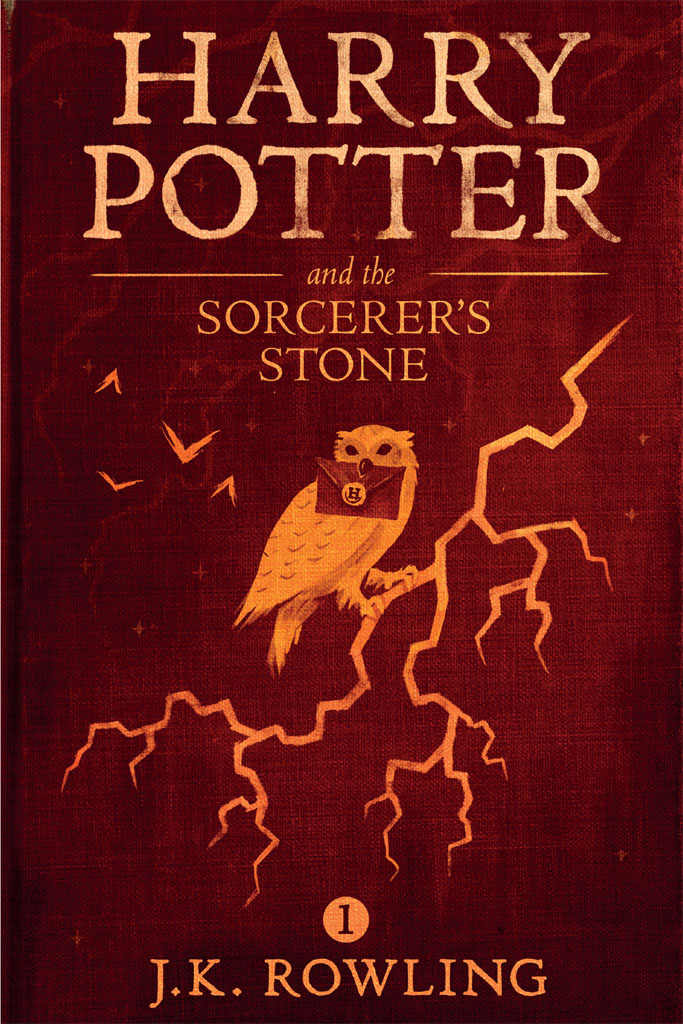
Harry Potter and the Sorcerer's Stone
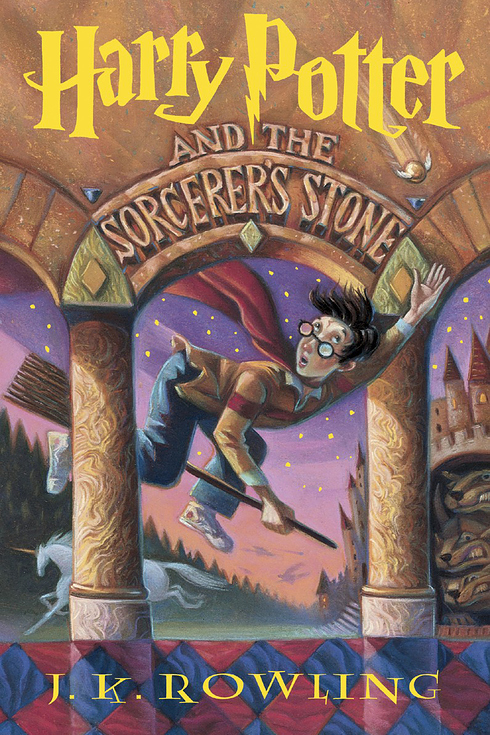
"Harry Potter and the Sorcerer's Stone" introduces Harry Potter, an orphaned boy discovering on his eleventh birthday that he is a wizard destined for a magical world he never knew existed. He attends Hogwarts School of Witchcraft and Wizardry, where he makes friends, learns magic, and uncovers a plot involving a powerful magical artifact, the Sorcerer's Stone, and a malevolent wizard from his past. The narrative explores themes of friendship, identity, good versus evil, and the discovery of one's true potential.
This American edition is identical in plot, character development, and thematic content to "Harry Potter and the Philosopher’s Stone." The distinction lies solely in the title and minor vocabulary adjustments made for the U.S. market (e.g., "jumper" becoming "sweater"). Both versions chronicle the same foundational story of Harry's initiation into the wizarding world and his first confrontation with Lord Voldemort.
The book's broad appeal stems from its compelling narrative, rich world-building, and relatable coming-of-age journey. Its exploration of courage, the importance of family (both biological and chosen), and defying tyranny offers resonant messages. The intricate magical system and the underlying mystery provide engaging intellectual stimulation, cultivating an appreciation for storytelling and complex character arcs.
Harry Potter and the Sorcerer's Stone
"Harry Potter and the Sorcerer's Stone" introduces Harry Potter, an orphaned boy discovering on his eleventh birthday that he is a wizard destined for a magical world he never knew existed. He attends Hogwarts School of Witchcraft and Wizardry, where he makes friends, learns magic, and uncovers a plot involving a powerful magical artifact, the Sorcerer's Stone, and a malevolent wizard from his past. The narrative explores themes of friendship, identity, good versus evil, and the discovery of one's true potential.
This American edition is identical in plot, character development, and thematic content to "Harry Potter and the Philosopher’s Stone." The distinction lies solely in the title and minor vocabulary adjustments made for the U.S. market (e.g., "jumper" becoming "sweater"). Both versions chronicle the same foundational story of Harry's initiation into the wizarding world and his first confrontation with Lord Voldemort.
The book's broad appeal stems from its compelling narrative, rich world-building, and relatable coming-of-age journey. Its exploration of courage, the importance of family (both biological and chosen), and defying tyranny offers resonant messages. The intricate magical system and the underlying mystery provide engaging intellectual stimulation, cultivating an appreciation for storytelling and complex character arcs.
Harry Potter and the Chamber of Secrets
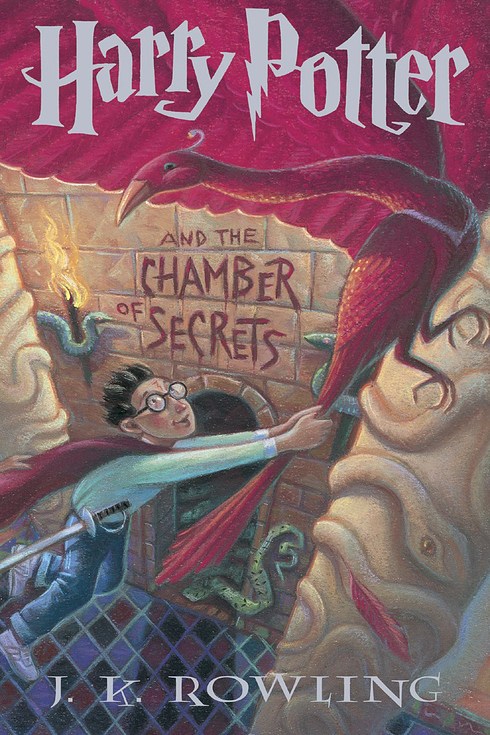
"Harry Potter and the Chamber of Secrets" sees Harry's second year at Hogwarts disrupted by cryptic messages foretelling danger for Muggle-born students and an ancient creature attacking within the school. Harry, Ron, and Hermione race to uncover the mystery of the titular Chamber of Secrets and its connection to a dangerous figure from Hogwarts' past, all while battling prejudice and facing increasing suspicion.
This second installment mirrors its predecessor in its foundational elements: a young protagonist discovering a hidden magical world, a central mystery unfolding within Hogwarts, and the strengthening bonds of friendship as crucial to overcoming adversity. Both books establish a pattern of incremental world-building, introducing new magical concepts and characters while reiterating the core themes of good versus evil and the power of loyalty.
The appeal of this book lies in its deepening of the established magical universe and its exploration of more complex societal issues within the wizarding world, such as class and prejudice. It provides a natural progression for the characters and plot, offering a more intense mystery and further developing the overarching narrative of Harry's destiny. The heightened stakes and the exploration of character psychology offer significant reader engagement and thematic depth.
Harry Potter and the Chamber of Secrets
"Harry Potter and the Chamber of Secrets" sees Harry's second year at Hogwarts disrupted by cryptic messages foretelling danger for Muggle-born students and an ancient creature attacking within the school. Harry, Ron, and Hermione race to uncover the mystery of the titular Chamber of Secrets and its connection to a dangerous figure from Hogwarts' past, all while battling prejudice and facing increasing suspicion.
This second installment mirrors its predecessor in its foundational elements: a young protagonist discovering a hidden magical world, a central mystery unfolding within Hogwarts, and the strengthening bonds of friendship as crucial to overcoming adversity. Both books establish a pattern of incremental world-building, introducing new magical concepts and characters while reiterating the core themes of good versus evil and the power of loyalty.
The appeal of this book lies in its deepening of the established magical universe and its exploration of more complex societal issues within the wizarding world, such as class and prejudice. It provides a natural progression for the characters and plot, offering a more intense mystery and further developing the overarching narrative of Harry's destiny. The heightened stakes and the exploration of character psychology offer significant reader engagement and thematic depth.
Harry Potter Series Box Set

The "Harry Potter Series Box Set" compiles all seven novels charting the journey of Harry Potter, an orphaned boy who discovers he is a wizard. It follows him through his education at Hogwarts School of Witchcraft and Wizardry, as he grapples with magical challenges, builds friendships, and ultimately confronts the dark wizard Lord Voldemort, who murdered his parents. The overarching narrative explores themes of love, loss, courage, and the battle between good and evil.
This box set is fundamentally similar to "Harry Potter and the Philosopher’s Stone" because the latter is the inaugural novel within the series. "Philosopher’s Stone" introduces the core characters, the magical world, and sets the stage for the epic saga. The box set simply includes this foundational story along with its six sequels, offering the complete narrative arc.
This collection holds immense appeal due to its comprehensive nature, providing the entire, acclaimed story without interruption. It offers a complete immersion into a beloved fictional universe, allowing for a seamless reading experience from start to finish. Its value lies in delivering the full developmental arc of its characters and themes, solidifying its place as a cultural phenomenon and a rich, rewarding fantasy series.
Harry Potter Series Box Set
The "Harry Potter Series Box Set" compiles all seven novels charting the journey of Harry Potter, an orphaned boy who discovers he is a wizard. It follows him through his education at Hogwarts School of Witchcraft and Wizardry, as he grapples with magical challenges, builds friendships, and ultimately confronts the dark wizard Lord Voldemort, who murdered his parents. The overarching narrative explores themes of love, loss, courage, and the battle between good and evil.
This box set is fundamentally similar to "Harry Potter and the Philosopher’s Stone" because the latter is the inaugural novel within the series. "Philosopher’s Stone" introduces the core characters, the magical world, and sets the stage for the epic saga. The box set simply includes this foundational story along with its six sequels, offering the complete narrative arc.
This collection holds immense appeal due to its comprehensive nature, providing the entire, acclaimed story without interruption. It offers a complete immersion into a beloved fictional universe, allowing for a seamless reading experience from start to finish. Its value lies in delivering the full developmental arc of its characters and themes, solidifying its place as a cultural phenomenon and a rich, rewarding fantasy series.
The Harry Potter Trilogy

"The Harry Potter Trilogy" offers readers a condensed exploration of the wizarding world, focusing on Harry Potter's initial encounters with magic, his burgeoning friendships, and the looming threat of Lord Voldemort. It covers his first three years at Hogwarts, detailing his discovery of his magical heritage, the mysteries surrounding his past, and his early confrontations with the forces of darkness.
This trilogy directly incorporates the events and narrative arc of "Harry Potter and the Philosopher’s Stone," as that novel comprises the foundational first installment. Consequently, the core themes of discovery, friendship, courage in the face of adversity, and the battle between good and evil are consistently present across both the individual novel and this consolidated offering.
This collection will appeal to individuals seeking a cohesive and streamlined introduction to the Harry Potter saga. It provides a valuable entry point for new audiences or a convenient re-engagement for those who prefer to experience the early foundational stories in a single volume, highlighting the series' enduring charm, rich character development, and compelling world-building.
The Harry Potter Trilogy
"The Harry Potter Trilogy" offers readers a condensed exploration of the wizarding world, focusing on Harry Potter's initial encounters with magic, his burgeoning friendships, and the looming threat of Lord Voldemort. It covers his first three years at Hogwarts, detailing his discovery of his magical heritage, the mysteries surrounding his past, and his early confrontations with the forces of darkness.
This trilogy directly incorporates the events and narrative arc of "Harry Potter and the Philosopher’s Stone," as that novel comprises the foundational first installment. Consequently, the core themes of discovery, friendship, courage in the face of adversity, and the battle between good and evil are consistently present across both the individual novel and this consolidated offering.
This collection will appeal to individuals seeking a cohesive and streamlined introduction to the Harry Potter saga. It provides a valuable entry point for new audiences or a convenient re-engagement for those who prefer to experience the early foundational stories in a single volume, highlighting the series' enduring charm, rich character development, and compelling world-building.
Harry Potter and the Prisoner of Azkaban

"Harry Potter and the Prisoner of Azkaban" centers on Harry's third year at Hogwarts, where he grapples with the escape of Sirius Black, a supposed mass murderer believed to be targeting him. The narrative delves into themes of injustice, betrayal, and the complex nature of truth, as Harry uncovers layers of a past he never fully understood, confronting difficult personal choices and their repercussions.
This installment echoes "Philosopher's Stone" through its potent blend of mystery, magical discovery, and the burgeoning theme of confronting past traumas. Both books establish a narrative driven by a central, unfolding secret and features an unknown antagonist with a connection to Harry’s past. They both deepen the sense of a hidden magical world, emphasizing the importance of friendship and the gradual unveiling of Harry's true identity and destiny.
It offers a compelling reading experience due to its sophisticated plot and emotional depth, providing a pivotal turning point in Harry's maturation. This book enriches the overarching series mythology, introducing key characters and concepts that resonate throughout subsequent volumes. It showcases the growth of its characters and the escalating stakes within the wizarding world, solidifying the series' enduring appeal and thematic richness.
Harry Potter and the Prisoner of Azkaban
"Harry Potter and the Prisoner of Azkaban" centers on Harry's third year at Hogwarts, where he grapples with the escape of Sirius Black, a supposed mass murderer believed to be targeting him. The narrative delves into themes of injustice, betrayal, and the complex nature of truth, as Harry uncovers layers of a past he never fully understood, confronting difficult personal choices and their repercussions.
This installment echoes "Philosopher's Stone" through its potent blend of mystery, magical discovery, and the burgeoning theme of confronting past traumas. Both books establish a narrative driven by a central, unfolding secret and features an unknown antagonist with a connection to Harry’s past. They both deepen the sense of a hidden magical world, emphasizing the importance of friendship and the gradual unveiling of Harry's true identity and destiny.
It offers a compelling reading experience due to its sophisticated plot and emotional depth, providing a pivotal turning point in Harry's maturation. This book enriches the overarching series mythology, introducing key characters and concepts that resonate throughout subsequent volumes. It showcases the growth of its characters and the escalating stakes within the wizarding world, solidifying the series' enduring appeal and thematic richness.
Harry Potter and the Goblet of Fire

"Harry Potter and the Goblet of Fire" sees Harry unexpectedly chosen as a champion in the Triwizard Tournament, a dangerous inter-school magical competition. This entry significantly raises the stakes, moving beyond typical school-year challenges to involve international wizarding politics, a burgeoning dark presence, and intense personal growth for Harry as he confronts betrayal and grapples with his destiny.
The book shares foundational similarities with its predecessor, "Philosopher's Stone," in establishing a new, significant threat within the wizarding world. Both introduce a grand, potentially deadly competition as a central plot device, albeit with different scales. Each narrative features Harry facing a major antagonist in a climactic confrontation, and explores themes of friendship, courage, and the distinct good-versus-evil dichotomy that defines the series.
This installment offers a compelling read for its heightened tension and expansion of the wizarding world's scope. It meticulously crafts an intricate plot involving mystery and suspense, revealing critical elements of Voldemort's return. Its darker tone and exploration of more complex themes provide substantial depth, making it a pivotal and enriching experience for those invested in the series' overarching narrative and character development.
Harry Potter and the Goblet of Fire
"Harry Potter and the Goblet of Fire" sees Harry unexpectedly chosen as a champion in the Triwizard Tournament, a dangerous inter-school magical competition. This entry significantly raises the stakes, moving beyond typical school-year challenges to involve international wizarding politics, a burgeoning dark presence, and intense personal growth for Harry as he confronts betrayal and grapples with his destiny.
The book shares foundational similarities with its predecessor, "Philosopher's Stone," in establishing a new, significant threat within the wizarding world. Both introduce a grand, potentially deadly competition as a central plot device, albeit with different scales. Each narrative features Harry facing a major antagonist in a climactic confrontation, and explores themes of friendship, courage, and the distinct good-versus-evil dichotomy that defines the series.
This installment offers a compelling read for its heightened tension and expansion of the wizarding world's scope. It meticulously crafts an intricate plot involving mystery and suspense, revealing critical elements of Voldemort's return. Its darker tone and exploration of more complex themes provide substantial depth, making it a pivotal and enriching experience for those invested in the series' overarching narrative and character development.
The Harry Potter Collection 1-4

"The Harry Potter Collection 1-4" compiles the initial four novels in J.K. Rowling's iconic series: *Philosopher's Stone*, *Chamber of Secrets*, *Prisoner of Azkaban*, and *Goblet of Fire*. It chronicles the formative years of Harry Potter, an orphaned boy who discovers he is a wizard, as he navigates the magical world of Hogwarts School of Witchcraft and Wizardry, confronts dark forces, and uncovers truths about his past.
This collection is intrinsically similar to *Harry Potter and the Philosopher’s Stone* because the latter is the foundational first volume it contains. Both introduce readers to the core characters, the enchanting setting of the wizarding world, and the overarching conflict between good and evil, establishing the thematic groundwork for the entire saga.
This compilation offers a comprehensive entry point into the series, allowing for an immersive experience of Harry's early adventures and significant character development. Its appeal lies in the rich world-building, compelling mysteries, and universal themes of friendship, courage, and identity, making it a valuable acquisition for anyone seeking a captivating, enduring fantasy narrative.
The Harry Potter Collection 1-4
"The Harry Potter Collection 1-4" compiles the initial four novels in J.K. Rowling's iconic series: *Philosopher's Stone*, *Chamber of Secrets*, *Prisoner of Azkaban*, and *Goblet of Fire*. It chronicles the formative years of Harry Potter, an orphaned boy who discovers he is a wizard, as he navigates the magical world of Hogwarts School of Witchcraft and Wizardry, confronts dark forces, and uncovers truths about his past.
This collection is intrinsically similar to *Harry Potter and the Philosopher’s Stone* because the latter is the foundational first volume it contains. Both introduce readers to the core characters, the enchanting setting of the wizarding world, and the overarching conflict between good and evil, establishing the thematic groundwork for the entire saga.
This compilation offers a comprehensive entry point into the series, allowing for an immersive experience of Harry's early adventures and significant character development. Its appeal lies in the rich world-building, compelling mysteries, and universal themes of friendship, courage, and identity, making it a valuable acquisition for anyone seeking a captivating, enduring fantasy narrative.
Harry Potter Boxed Set, Books 1-5

The "Harry Potter Boxed Set, Books 1-5" compiles the initial five installments of J.K. Rowling's iconic fantasy series. It chronicles the formative years of Harry Potter, an orphaned boy who discovers he is a wizard and attends Hogwarts School of Witchcraft and Wizardry. The collection follows his unfolding destiny, the deepening mysteries surrounding his past, and his ongoing confrontation with the dark wizard Lord Voldemort, alongside his friends Ron and Hermione. This set encompasses five years of magical education, adventure, and the development of enduring camaraderie.
This boxed set is inherently similar to "Harry Potter and the Philosopher’s Stone" because the latter is the very first book included within the collection. It serves as the foundational entry, introducing the primary characters, the wizarding world, and the overarching conflict. Therefore, the themes of discovery, belonging, good versus evil, and complex magical institutions central to "Philosopher's Stone" are expanded upon and continued throughout the subsequent four books in the set.
The appeal and value of this boxed set lie in its comprehensive nature, offering an immersive journey into a beloved narrative. It provides seamless access to a significant portion of Harry's story, allowing for continuous engagement with a richly imagined world, compelling character arcs, and intricate plotlines. This collection offers continuous entertainment and a deeper understanding of the mythology and character development that defines the early chapters of this globally recognized series.
Harry Potter Boxed Set, Books 1-5
The "Harry Potter Boxed Set, Books 1-5" compiles the initial five installments of J.K. Rowling's iconic fantasy series. It chronicles the formative years of Harry Potter, an orphaned boy who discovers he is a wizard and attends Hogwarts School of Witchcraft and Wizardry. The collection follows his unfolding destiny, the deepening mysteries surrounding his past, and his ongoing confrontation with the dark wizard Lord Voldemort, alongside his friends Ron and Hermione. This set encompasses five years of magical education, adventure, and the development of enduring camaraderie.
This boxed set is inherently similar to "Harry Potter and the Philosopher’s Stone" because the latter is the very first book included within the collection. It serves as the foundational entry, introducing the primary characters, the wizarding world, and the overarching conflict. Therefore, the themes of discovery, belonging, good versus evil, and complex magical institutions central to "Philosopher's Stone" are expanded upon and continued throughout the subsequent four books in the set.
The appeal and value of this boxed set lie in its comprehensive nature, offering an immersive journey into a beloved narrative. It provides seamless access to a significant portion of Harry's story, allowing for continuous engagement with a richly imagined world, compelling character arcs, and intricate plotlines. This collection offers continuous entertainment and a deeper understanding of the mythology and character development that defines the early chapters of this globally recognized series.
Harry Potter and the Half-Blood Prince
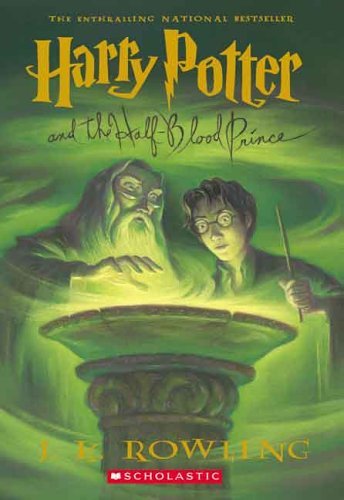
"Harry Potter and the Half-Blood Prince" centers on Harry’s sixth year at Hogwarts as the wizarding world grapples with Lord Voldemort's escalating power. Harry, now eighteen, delves into Voldemort's past with Professor Dumbledore, uncovering crucial horcruxes—magical objects containing fragments of Voldemort’s soul, essential for his immortality. The narrative balances these dark revelations with the familiar school year, teenage romantic entanglements, and the looming final confrontation.
Both books, though separated by several years in the series, share a fundamental structural and thematic core. Like "Philosopher's Stone," "Half-Blood Prince" acts as a pivotal origin story, though this time for the antagonist. Both involve uncovering vital secrets about Voldemort's history to understand his power and vulnerability, driven by Dumbledore's guidance. The narrative also returns to a focused classroom setting and the unraveling of a central mystery vital to the overarching conflict.
This installment is particularly appealing as it provides critical context and emotional depth for the series' climax. It offers a sophisticated exploration of good versus evil through Voldemort’s origins and Dumbledore’s sacrifices, resonating with mature themes of destiny, morality, and loss. Its value lies in illuminating the intricate backstory, solidifying character motivations, and intensifying the reader's investment in the ultimate battle for the wizarding world.
Harry Potter and the Half-Blood Prince
"Harry Potter and the Half-Blood Prince" centers on Harry’s sixth year at Hogwarts as the wizarding world grapples with Lord Voldemort's escalating power. Harry, now eighteen, delves into Voldemort's past with Professor Dumbledore, uncovering crucial horcruxes—magical objects containing fragments of Voldemort’s soul, essential for his immortality. The narrative balances these dark revelations with the familiar school year, teenage romantic entanglements, and the looming final confrontation.
Both books, though separated by several years in the series, share a fundamental structural and thematic core. Like "Philosopher's Stone," "Half-Blood Prince" acts as a pivotal origin story, though this time for the antagonist. Both involve uncovering vital secrets about Voldemort's history to understand his power and vulnerability, driven by Dumbledore's guidance. The narrative also returns to a focused classroom setting and the unraveling of a central mystery vital to the overarching conflict.
This installment is particularly appealing as it provides critical context and emotional depth for the series' climax. It offers a sophisticated exploration of good versus evil through Voldemort’s origins and Dumbledore’s sacrifices, resonating with mature themes of destiny, morality, and loss. Its value lies in illuminating the intricate backstory, solidifying character motivations, and intensifying the reader's investment in the ultimate battle for the wizarding world.
Harry Potter and the Order of the Phoenix

"Harry Potter and the Order of the Phoenix" chronicles Harry's challenging fifth year at Hogwarts, where he grapples with the Ministry of Magic's denial of Voldemort's return and their subsequent smear campaign against him and Dumbledore. Forced to train a secret defense group, Dumbledore's Army, Harry navigates teenage angst, complicated relationships, and the pervasive surveillance of the tyrannical Dolores Umbridge, all while experiencing unsettling connections to Voldemort's mind.
Like "Philosopher's Stone," "Order of the Phoenix" is a foundational narrative in Harry's journey, focusing on his integration into the Wizarding world, albeit as a more experienced, albeit beleaguered, hero. Both novels emphasize the importance of community and mentorship, explore themes of good versus evil and prejudice, and steadily build the intricate Wizarding world, expanding its political and social dimensions from the earlier, more whimsical introduction.
This installment offers a compelling exploration of institutional corruption, the psychological toll of trauma, and the power of collective action against oppression. It deepens the reader's understanding of the series' overarching conflict, provides profound character development for Harry and his friends, and introduces crucial plotlines that resonate throughout the remainder of the saga, making it essential for a complete appreciation of the broader narrative.
Harry Potter and the Order of the Phoenix
"Harry Potter and the Order of the Phoenix" chronicles Harry's challenging fifth year at Hogwarts, where he grapples with the Ministry of Magic's denial of Voldemort's return and their subsequent smear campaign against him and Dumbledore. Forced to train a secret defense group, Dumbledore's Army, Harry navigates teenage angst, complicated relationships, and the pervasive surveillance of the tyrannical Dolores Umbridge, all while experiencing unsettling connections to Voldemort's mind.
Like "Philosopher's Stone," "Order of the Phoenix" is a foundational narrative in Harry's journey, focusing on his integration into the Wizarding world, albeit as a more experienced, albeit beleaguered, hero. Both novels emphasize the importance of community and mentorship, explore themes of good versus evil and prejudice, and steadily build the intricate Wizarding world, expanding its political and social dimensions from the earlier, more whimsical introduction.
This installment offers a compelling exploration of institutional corruption, the psychological toll of trauma, and the power of collective action against oppression. It deepens the reader's understanding of the series' overarching conflict, provides profound character development for Harry and his friends, and introduces crucial plotlines that resonate throughout the remainder of the saga, making it essential for a complete appreciation of the broader narrative.
More Books to Explore
Discover more titles that expand on these ideas and themes.
Harry Potter and the Sorcerer's Stone
Harry Potter and the Chamber of Secrets
Harry Potter Series Box Set
The Harry Potter Trilogy
Harry Potter and the Prisoner of Azkaban
Harry Potter and the Goblet of Fire