10 Books Similar to "Girl in the Dark"
by Anna Lyndsey

Elena Vanishing

"Elena Vanishing" is a raw and intimate memoir detailing Elena Dunkle's harrowing descent into anorexia nervosa during her teenage years and her struggle for recovery. It unflinchingly portrays the psychological torment, the physical devastation, and the often messy, nonlinear path through treatment.
This memoir resonates with "Girl in the Dark" through its profound exploration of an individual's intense, isolating internal experience. Both books delve into the deeply personal and often misunderstood battles with mental health, presenting them not as external events, but as deeply entrenched internal realities that shape and consume the protagonists. Both narratives offer a window into an altered state of being, whether self-imposed isolation or illness-driven fixation.
The book will appeal to those who seek unvarnished accounts of resilience and vulnerability. Its value lies in offering a crucial perspective on eating disorders, fostering empathy, and potentially providing solace to those navigating similar challenges or supporting someone who is. It stands as a testament to the enduring human spirit in the face of profound adversity.
Elena Vanishing
"Elena Vanishing" is a raw and intimate memoir detailing Elena Dunkle's harrowing descent into anorexia nervosa during her teenage years and her struggle for recovery. It unflinchingly portrays the psychological torment, the physical devastation, and the often messy, nonlinear path through treatment.
This memoir resonates with "Girl in the Dark" through its profound exploration of an individual's intense, isolating internal experience. Both books delve into the deeply personal and often misunderstood battles with mental health, presenting them not as external events, but as deeply entrenched internal realities that shape and consume the protagonists. Both narratives offer a window into an altered state of being, whether self-imposed isolation or illness-driven fixation.
The book will appeal to those who seek unvarnished accounts of resilience and vulnerability. Its value lies in offering a crucial perspective on eating disorders, fostering empathy, and potentially providing solace to those navigating similar challenges or supporting someone who is. It stands as a testament to the enduring human spirit in the face of profound adversity.
The Only Girl in the World

"The Only Girl in the World" by Maude Julien chronicles her extraordinary upbringing in rural France, where her psychologically abusive and controlling parents subjected her to a regime of isolation, manipulation, and deprivation. Her father, a former concentration camp prisoner, sought to toughen her into a "superhuman" capable of enduring anything, while her mother enforced his bizarre directives. The memoir details Julien's struggle for self-discovery and freedom against a backdrop of profound psychological damage and an utterly dysfunctional family dynamic.
This memoir resonates with "Girl in the Dark" through its profound exploration of extreme psychological isolation and the debilitating effects of a confined existence. Both books depict protagonists grappling with severe limitations imposed upon their lives, one physically, the other through an oppressive and bizarre familial environment. The internal battles for agency, identity, and a connection to an outside world are central to both narratives, emphasizing the resilience of the human spirit when faced with profound confinement and psychological duress.
This book offers a compelling and harrowing account of resilience and survival against unimaginable psychological abuse. It provides deep insight into the long-term impact of trauma and the human capacity to forge an identity despite devastating circumstances. Exploring themes of control, freedom, and the search for love, it serves as a powerful testament to the enduring quest for selfhood and the insidious nature of psychological manipulation, making it a valuable read for those interested in human psychology and autobiography.
The Only Girl in the World
"The Only Girl in the World" by Maude Julien chronicles her extraordinary upbringing in rural France, where her psychologically abusive and controlling parents subjected her to a regime of isolation, manipulation, and deprivation. Her father, a former concentration camp prisoner, sought to toughen her into a "superhuman" capable of enduring anything, while her mother enforced his bizarre directives. The memoir details Julien's struggle for self-discovery and freedom against a backdrop of profound psychological damage and an utterly dysfunctional family dynamic.
This memoir resonates with "Girl in the Dark" through its profound exploration of extreme psychological isolation and the debilitating effects of a confined existence. Both books depict protagonists grappling with severe limitations imposed upon their lives, one physically, the other through an oppressive and bizarre familial environment. The internal battles for agency, identity, and a connection to an outside world are central to both narratives, emphasizing the resilience of the human spirit when faced with profound confinement and psychological duress.
This book offers a compelling and harrowing account of resilience and survival against unimaginable psychological abuse. It provides deep insight into the long-term impact of trauma and the human capacity to forge an identity despite devastating circumstances. Exploring themes of control, freedom, and the search for love, it serves as a powerful testament to the enduring quest for selfhood and the insidious nature of psychological manipulation, making it a valuable read for those interested in human psychology and autobiography.
Beautiful Affliction
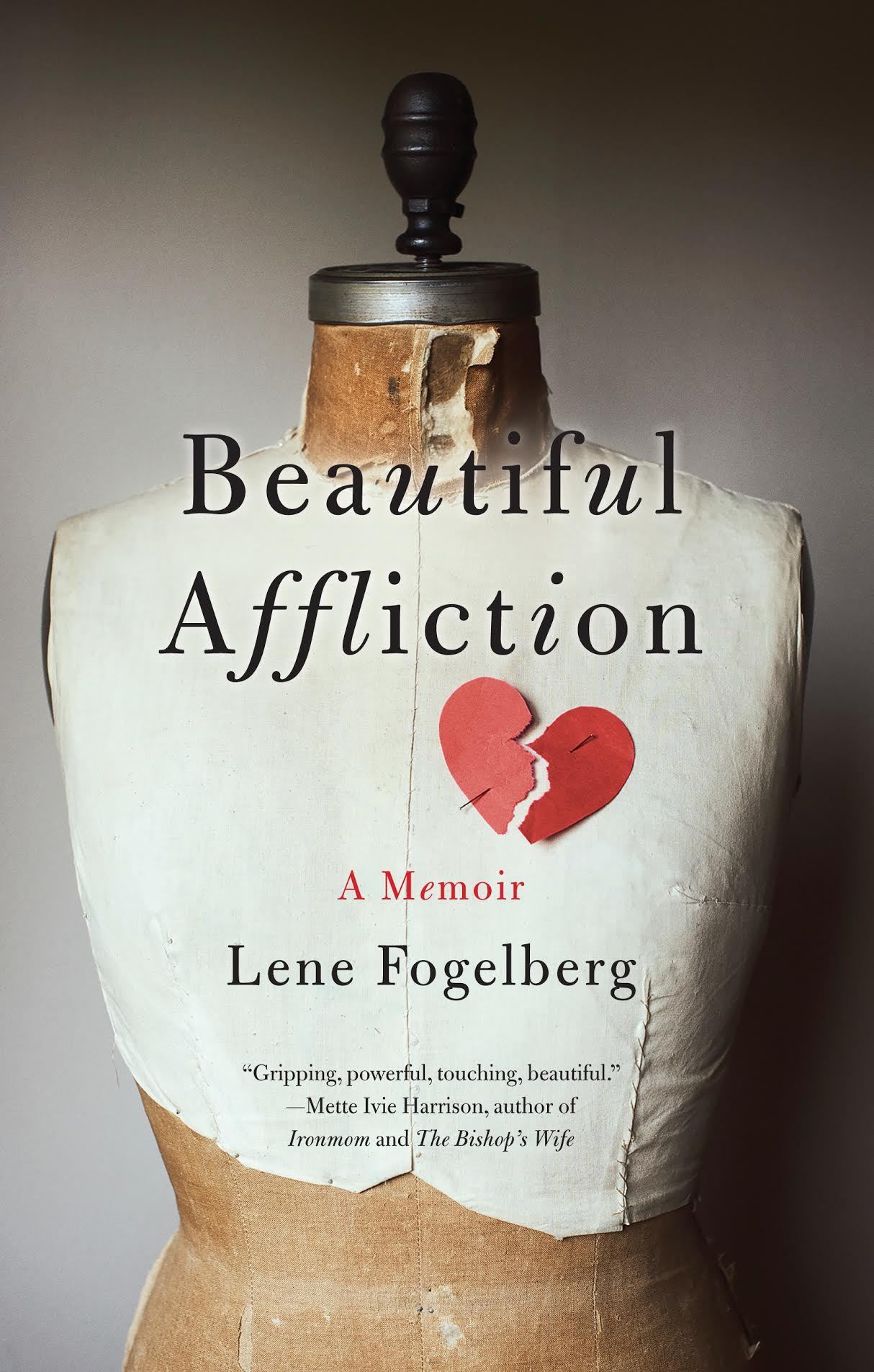
*Beautiful Affliction* chronicles Lene Fogelberg's harrowing journey through an undiagnosed, debilitating heart condition that baffled doctors and threatened her life, all while residing as an expatriate in Southeast Asia. It's a deeply personal account of medical mystery, cultural isolation, and the fierce fight for survival and a correct diagnosis.
This memoir resonates strongly with *Girl in the Dark* due to their shared exploration of profound physical suffering and isolation experienced by their protagonists. Both books delve into the psychological toll of chronic, baffling illness, with each author navigating a world that struggles to comprehend their unique medical challenges, leading to a profound sense of aloneness and an introspective examination of their altered realities.
This book will appeal to those who appreciate stories of human resilience in the face of insurmountable odds. It provides a compelling insight into the challenges of navigating severe illness, particularly when medical systems fail to offer answers. The narrative offers a powerful testament to the enduring spirit and the quiet heroism found in the everyday struggle for life and understanding.
Beautiful Affliction
*Beautiful Affliction* chronicles Lene Fogelberg's harrowing journey through an undiagnosed, debilitating heart condition that baffled doctors and threatened her life, all while residing as an expatriate in Southeast Asia. It's a deeply personal account of medical mystery, cultural isolation, and the fierce fight for survival and a correct diagnosis.
This memoir resonates strongly with *Girl in the Dark* due to their shared exploration of profound physical suffering and isolation experienced by their protagonists. Both books delve into the psychological toll of chronic, baffling illness, with each author navigating a world that struggles to comprehend their unique medical challenges, leading to a profound sense of aloneness and an introspective examination of their altered realities.
This book will appeal to those who appreciate stories of human resilience in the face of insurmountable odds. It provides a compelling insight into the challenges of navigating severe illness, particularly when medical systems fail to offer answers. The narrative offers a powerful testament to the enduring spirit and the quiet heroism found in the everyday struggle for life and understanding.
Your Voice in My Head
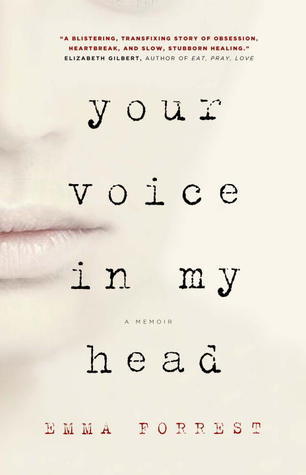
"Your Voice in My Head" is a raw, unflinchingly honest memoir detailing Emma Forrest's struggles with mental illness, specifically an eating disorder and debilitating anxiety. It chronicles her tumultuous relationship with a charismatic, but ultimately manipulative, psychiatrist in New York, and the subsequent fallout when he unexpectedly dies. The narrative delves deep into themes of attachment, loss, dysfunctional therapy, and the long, arduous path toward self-acceptance and healing, all rendered with sharp wit and poignant self-reflection.
The similarity to "Girl in the Dark" lies in their shared exploration of profound psychological isolation and the internal battles against consuming darkness. Both memoirs offer visceral, intimate accounts of individuals grappling with severe mental health conditions that severely impact their perception of reality and their ability to navigate the external world. They both portray the overwhelming internal landscape of their respective illnesses, emphasizing the pervasive sense of being trapped within one's own mind.
This book will appeal to those who appreciate memoirs that courageously dissect the complexities of mental health with candor and literary finesse. Its value stems from its unflinching portrayal of psychological struggle and recovery, offering a powerful narrative of resilience and the human capacity to confront and transcend profound personal challenges. It provides insight into the often-invisible world of mental illness, fostering understanding and empathy.
Your Voice in My Head
"Your Voice in My Head" is a raw, unflinchingly honest memoir detailing Emma Forrest's struggles with mental illness, specifically an eating disorder and debilitating anxiety. It chronicles her tumultuous relationship with a charismatic, but ultimately manipulative, psychiatrist in New York, and the subsequent fallout when he unexpectedly dies. The narrative delves deep into themes of attachment, loss, dysfunctional therapy, and the long, arduous path toward self-acceptance and healing, all rendered with sharp wit and poignant self-reflection.
The similarity to "Girl in the Dark" lies in their shared exploration of profound psychological isolation and the internal battles against consuming darkness. Both memoirs offer visceral, intimate accounts of individuals grappling with severe mental health conditions that severely impact their perception of reality and their ability to navigate the external world. They both portray the overwhelming internal landscape of their respective illnesses, emphasizing the pervasive sense of being trapped within one's own mind.
This book will appeal to those who appreciate memoirs that courageously dissect the complexities of mental health with candor and literary finesse. Its value stems from its unflinching portrayal of psychological struggle and recovery, offering a powerful narrative of resilience and the human capacity to confront and transcend profound personal challenges. It provides insight into the often-invisible world of mental illness, fostering understanding and empathy.
BEHIND CLOSED DOORS: A Daughter's Story

"BEHIND CLOSED DOORS: A Daughter's Story" is a powerful and candid memoir detailing Daniella Dechristopher's experience growing up within a family deeply enmeshed in an abusive cult. It chronicles the psychological manipulation, physical mistreatment, and profound isolation she and her siblings endured, from childhood through their eventual escape and arduous journey toward healing and reintegration into normal society. The book unflinchingly portrays the devastating impact of such an environment on personal development and the long-lasting struggle for autonomy and a sense of self.
This memoir resonates with "Girl in the Dark" through its profound exploration of extreme isolation and the psychological toll it exacts. Both narratives immerse the reader in a confined world, whether self-imposed due to a debilitating illness or enforced by external, controlling forces. They showcase characters grappling with sensory deprivation, a warped perception of reality, and the struggle to maintain mental equilibrium and identity amidst pervasive darkness or systemic oppression.
The book will appeal to those who seek compelling personal narratives of resilience and survival against extraordinary odds. Its value lies in offering a rare and intimate glimpse into the inner workings of a coercive group and the intricate process of trauma recovery. It prompts reflection on the human capacity for endurance, the long-term effects of childhood trauma, and the complex path toward reclaiming agency and personal freedom.
BEHIND CLOSED DOORS: A Daughter's Story
"BEHIND CLOSED DOORS: A Daughter's Story" is a powerful and candid memoir detailing Daniella Dechristopher's experience growing up within a family deeply enmeshed in an abusive cult. It chronicles the psychological manipulation, physical mistreatment, and profound isolation she and her siblings endured, from childhood through their eventual escape and arduous journey toward healing and reintegration into normal society. The book unflinchingly portrays the devastating impact of such an environment on personal development and the long-lasting struggle for autonomy and a sense of self.
This memoir resonates with "Girl in the Dark" through its profound exploration of extreme isolation and the psychological toll it exacts. Both narratives immerse the reader in a confined world, whether self-imposed due to a debilitating illness or enforced by external, controlling forces. They showcase characters grappling with sensory deprivation, a warped perception of reality, and the struggle to maintain mental equilibrium and identity amidst pervasive darkness or systemic oppression.
The book will appeal to those who seek compelling personal narratives of resilience and survival against extraordinary odds. Its value lies in offering a rare and intimate glimpse into the inner workings of a coercive group and the intricate process of trauma recovery. It prompts reflection on the human capacity for endurance, the long-term effects of childhood trauma, and the complex path toward reclaiming agency and personal freedom.
Girl A: My Story

"Girl A: My Story" chronicles the life of Lexie, one of several children held captive in horrifying conditions by their parents, who escapes and endures the subsequent media frenzy and the struggles of her siblings to rebuild their lives. The novel explores the profound psychological impact of unimaginable abuse and the fragmented nature of recovery.
Both novels delve into the lasting trauma of extreme confinement and the arduous journey of reclaiming a sense of self. While "Girl in the Dark" examines the internal struggle with a self-imposed isolation and sensory deprivation, "Girl A: My Story" details the aftermath of forced imprisonment and the complex family dynamics that persist even after liberation. Each book offers a raw and unflinching look at resilience and the fractured identities born from profound suffering.
This book offers a compelling exploration of survival, family bonds under extreme duress, and the thorny ethical questions surrounding victim narratives. It prompts reflection on the nature of memory, the slow process of healing, and the societal gaze on those who endure extraordinary hardship. Its unflinching honesty and intricate character psychology make it a powerful and thought-provoking read that resonates long after the final page.
Girl A: My Story
"Girl A: My Story" chronicles the life of Lexie, one of several children held captive in horrifying conditions by their parents, who escapes and endures the subsequent media frenzy and the struggles of her siblings to rebuild their lives. The novel explores the profound psychological impact of unimaginable abuse and the fragmented nature of recovery.
Both novels delve into the lasting trauma of extreme confinement and the arduous journey of reclaiming a sense of self. While "Girl in the Dark" examines the internal struggle with a self-imposed isolation and sensory deprivation, "Girl A: My Story" details the aftermath of forced imprisonment and the complex family dynamics that persist even after liberation. Each book offers a raw and unflinching look at resilience and the fractured identities born from profound suffering.
This book offers a compelling exploration of survival, family bonds under extreme duress, and the thorny ethical questions surrounding victim narratives. It prompts reflection on the nature of memory, the slow process of healing, and the societal gaze on those who endure extraordinary hardship. Its unflinching honesty and intricate character psychology make it a powerful and thought-provoking read that resonates long after the final page.
Madness: A Bipolar Life

"Madness: A Bipolar Life" chronicles Marya Hornbacher's harrowing and unvarnished experience living with rapid-cycling bipolar disorder. It's a deeply personal memoir that traces her struggles from a tumultuous adolescence through young adulthood, detailing the extreme physiological and psychological shifts characteristic of her condition. Hornbacher lays bare the destructive patterns, the desperate search for stability, and the profound impact of mental illness on identity, relationships, and the very perception of reality.
The parallels with "Girl in the Dark" are striking due to their shared exploration of an isolated, debilitating internal experience. Both memoirs delve into the radical disjunction between a person's inner world and their external existence. While "Girl in the Dark" focuses on a rare, light-sensitive condition compelling confinement, "Madness" illuminates the internal prison of a severe mental illness, demonstrating how one's own mind can become an inescapable, terrifying environment. Both authors unflinchingly record their intimate battles against unseen forces that dictate their lives.
This work offers profound insight into the lived reality of severe mental illness, moving beyond clinical definitions to expose the raw, human struggle. It provides an essential perspective for those seeking to understand the complexities of bipolar disorder, offering validation for individuals experiencing similar conditions and fostering empathy in others. The memoir’s unflinching honesty and literary merit ensure its value as both a compelling personal narrative and an important contribution to the discourse on mental health.
Madness: A Bipolar Life
"Madness: A Bipolar Life" chronicles Marya Hornbacher's harrowing and unvarnished experience living with rapid-cycling bipolar disorder. It's a deeply personal memoir that traces her struggles from a tumultuous adolescence through young adulthood, detailing the extreme physiological and psychological shifts characteristic of her condition. Hornbacher lays bare the destructive patterns, the desperate search for stability, and the profound impact of mental illness on identity, relationships, and the very perception of reality.
The parallels with "Girl in the Dark" are striking due to their shared exploration of an isolated, debilitating internal experience. Both memoirs delve into the radical disjunction between a person's inner world and their external existence. While "Girl in the Dark" focuses on a rare, light-sensitive condition compelling confinement, "Madness" illuminates the internal prison of a severe mental illness, demonstrating how one's own mind can become an inescapable, terrifying environment. Both authors unflinchingly record their intimate battles against unseen forces that dictate their lives.
This work offers profound insight into the lived reality of severe mental illness, moving beyond clinical definitions to expose the raw, human struggle. It provides an essential perspective for those seeking to understand the complexities of bipolar disorder, offering validation for individuals experiencing similar conditions and fostering empathy in others. The memoir’s unflinching honesty and literary merit ensure its value as both a compelling personal narrative and an important contribution to the discourse on mental health.
Quiet Room
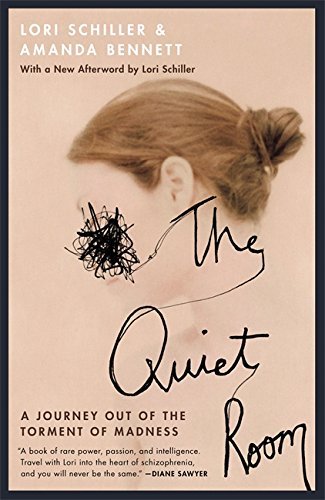
"Quiet Room" is a raw and unflinching memoir detailing Lori Schiller's decades-long struggle with schizophrenia. It chronicles her descent into psychosis, the harrowing experiences within psychiatric institutions, and her eventual, hard-won recovery and integration back into society. The book offers a deeply personal and often disturbing insight into the subjective experience of a severe mental illness.
This memoir resonates with "Girl in the Dark" through its profound exploration of isolation, the confines of an internal world, and the overwhelming impact of an inexplicable condition on daily life. Both books delve into the psychological landscape of a protagonist largely detached from typical societal interaction, forcing readers to confront the complexities of human suffering and resilience from a uniquely subjective perspective.
The book appeals to those interested in the human spirit's endurance and the complexities of mental illness. Its value lies in offering a rare, first-hand account that fosters empathy and understanding for conditions often stigmatized. It provides a powerful narrative of hope and recovery, even in the face of immense adversity, making it a significant contribution to discussions on mental health awareness and patient advocacy.
Quiet Room
"Quiet Room" is a raw and unflinching memoir detailing Lori Schiller's decades-long struggle with schizophrenia. It chronicles her descent into psychosis, the harrowing experiences within psychiatric institutions, and her eventual, hard-won recovery and integration back into society. The book offers a deeply personal and often disturbing insight into the subjective experience of a severe mental illness.
This memoir resonates with "Girl in the Dark" through its profound exploration of isolation, the confines of an internal world, and the overwhelming impact of an inexplicable condition on daily life. Both books delve into the psychological landscape of a protagonist largely detached from typical societal interaction, forcing readers to confront the complexities of human suffering and resilience from a uniquely subjective perspective.
The book appeals to those interested in the human spirit's endurance and the complexities of mental illness. Its value lies in offering a rare, first-hand account that fosters empathy and understanding for conditions often stigmatized. It provides a powerful narrative of hope and recovery, even in the face of immense adversity, making it a significant contribution to discussions on mental health awareness and patient advocacy.
January First: A Child's Descent into Madness and Her Father's Struggle to Save Her

"January First" chronicles Michael Schofield's harrowing journey as he navigates his daughter's severe childhood mental illness, specifically a rare form of schizophrenia. The book details the family's desperate search for diagnoses, effective treatments, and moments of hope amid profound despair, offering an intimate look at the relentless challenges of caring for a child with a debilitating, complex psychiatric condition.
Both "January First" and "Girl in the Dark" delve into the deeply isolating and destabilizing experience of grappling with a severe, often misunderstood, illness that significantly impacts daily life and perception. While "Girl in the Dark" is an autobiographical account of chronic light sensitivity, "January First" explores the external struggle of a parent confronting a child's internal world fracturing, paralleling the theme of an individual or family being thrust into an unfamiliar and frightening existence by illness.
This book offers a piercingly honest and emotionally resonant account of resilience, the limits of conventional medicine, and unconditional love in the face of overwhelming adversity. Its exploration of complex neurological and psychiatric conditions from a personal, parental perspective provides profound insight into coping mechanisms, advocacy, and the enduring human spirit, making it a valuable read for anyone interested in medical narratives, mental health, and personal endurance.
January First: A Child's Descent into Madness and Her Father's Struggle to Save Her
"January First" chronicles Michael Schofield's harrowing journey as he navigates his daughter's severe childhood mental illness, specifically a rare form of schizophrenia. The book details the family's desperate search for diagnoses, effective treatments, and moments of hope amid profound despair, offering an intimate look at the relentless challenges of caring for a child with a debilitating, complex psychiatric condition.
Both "January First" and "Girl in the Dark" delve into the deeply isolating and destabilizing experience of grappling with a severe, often misunderstood, illness that significantly impacts daily life and perception. While "Girl in the Dark" is an autobiographical account of chronic light sensitivity, "January First" explores the external struggle of a parent confronting a child's internal world fracturing, paralleling the theme of an individual or family being thrust into an unfamiliar and frightening existence by illness.
This book offers a piercingly honest and emotionally resonant account of resilience, the limits of conventional medicine, and unconditional love in the face of overwhelming adversity. Its exploration of complex neurological and psychiatric conditions from a personal, parental perspective provides profound insight into coping mechanisms, advocacy, and the enduring human spirit, making it a valuable read for anyone interested in medical narratives, mental health, and personal endurance.
Brave Girl Eating: A Family's Struggle with Anorexia

"Brave Girl Eating" is Harriet Brown's poignant memoir detailing her family's grueling battle when their teenage daughter, Kitty, develops severe anorexia nervosa. Brown candidly chronicles the emotional and logistical challenges of implementing "re-feeding" therapy at home, a controversial and intensive treatment involving parents restoring their child's weight through strict, supervised eating. The book explores the psychological complexities of the illness, its impact on family dynamics, and the relentless fight for recovery.
This book shares thematic resonance with "Girl in the Dark" through its intimate portrayal of a debilitating, isolating condition that profoundly alters daily life and sense of self. Both narratives delve into the inner experience of suffering and the desperate attempts to regain control and normalcy from an affliction that feels all-consuming, offering an unfiltered look at conditions that often remain hidden.
This memoir offers a powerful testament to parental love and resilience in the face of a terrifying disease. Its value lies in providing crucial insight into the realities of eating disorder treatment, challenging misconceptions, and validating the experiences of families navigating similar struggles. It's a deeply affecting and informative account that humanizes a complex medical and psychological crisis.
Brave Girl Eating: A Family's Struggle with Anorexia
"Brave Girl Eating" is Harriet Brown's poignant memoir detailing her family's grueling battle when their teenage daughter, Kitty, develops severe anorexia nervosa. Brown candidly chronicles the emotional and logistical challenges of implementing "re-feeding" therapy at home, a controversial and intensive treatment involving parents restoring their child's weight through strict, supervised eating. The book explores the psychological complexities of the illness, its impact on family dynamics, and the relentless fight for recovery.
This book shares thematic resonance with "Girl in the Dark" through its intimate portrayal of a debilitating, isolating condition that profoundly alters daily life and sense of self. Both narratives delve into the inner experience of suffering and the desperate attempts to regain control and normalcy from an affliction that feels all-consuming, offering an unfiltered look at conditions that often remain hidden.
This memoir offers a powerful testament to parental love and resilience in the face of a terrifying disease. Its value lies in providing crucial insight into the realities of eating disorder treatment, challenging misconceptions, and validating the experiences of families navigating similar struggles. It's a deeply affecting and informative account that humanizes a complex medical and psychological crisis.
More Books to Explore
Discover more titles that expand on these ideas and themes.
Elena Vanishing
The Only Girl in the World
Beautiful Affliction
Your Voice in My Head
BEHIND CLOSED DOORS: A Daughter's Story
Girl A: My Story