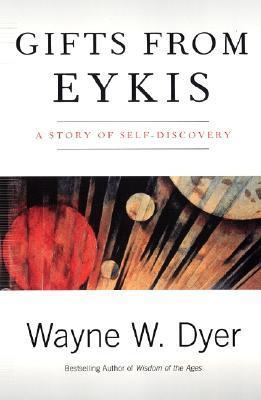
10 Books Similar to "Gifts from Eykis : A Story of Self-Discovery"
by Wayne W. Dyer
Life's Golden Ticket

"Life's Golden Ticket" presents a compelling narrative about a disillusioned young man who receives an unexpected invitation to a mysterious amusement park. Through a series of transformative rides and encounters, he is guided on a journey of introspection, self-discovery, and purpose definition. The book cleverly uses the metaphor of an amusement park to explore fundamental questions about ambition, fear, and finding one's true calling.
This book resonates with "Gifts from Eykis" due to their shared core theme of a transformative, allegorical journey leading to profound self-realization. Both works feature a protagonist who, through an extraordinary experience or encounter, gains deeper insight into their own potential and the principles of a fulfilling life. They both adopt a fable-like structure to convey potent philosophical messages about personal growth and inner wisdom.
The book will appeal to those seeking inspiration and practical guidance for personal transformation. Its engaging storytelling makes complex self-help concepts accessible, while the journey of the protagonist offers a relatable framework for examining one's own life choices and aspirations. It provides valuable insights into overcoming limitations and actively pursuing a more meaningful existence.
Life's Golden Ticket
"Life's Golden Ticket" presents a compelling narrative about a disillusioned young man who receives an unexpected invitation to a mysterious amusement park. Through a series of transformative rides and encounters, he is guided on a journey of introspection, self-discovery, and purpose definition. The book cleverly uses the metaphor of an amusement park to explore fundamental questions about ambition, fear, and finding one's true calling.
This book resonates with "Gifts from Eykis" due to their shared core theme of a transformative, allegorical journey leading to profound self-realization. Both works feature a protagonist who, through an extraordinary experience or encounter, gains deeper insight into their own potential and the principles of a fulfilling life. They both adopt a fable-like structure to convey potent philosophical messages about personal growth and inner wisdom.
The book will appeal to those seeking inspiration and practical guidance for personal transformation. Its engaging storytelling makes complex self-help concepts accessible, while the journey of the protagonist offers a relatable framework for examining one's own life choices and aspirations. It provides valuable insights into overcoming limitations and actively pursuing a more meaningful existence.
The Ultimate Gift

"The Ultimate Gift" follows Jason Stevens, a spoiled young man who, to inherit his deceased great-uncle's fortune, must embark on a series of twelve arduous tasks designed to teach him the true meaning of life. Each "gift"—from the gift of work to the gift of love—challenges his self-centered worldview and exposes him to genuine hardship and unexpected joy, ultimately transforming his character.
This book shares a core thematic resonance with "Gifts from Eykis." Both narratives explore a protagonist's journey of profound self-discovery, driven by an external catalyst (Eykis's wisdom, Red Stevens's will) that forces them to confront their inner selves and re-evaluate their values. They both emphasize that true wealth and fulfillment stem not from material possessions, but from altruism, personal growth, and a deeper understanding of human connection.
The book offers a compelling narrative on personal transformation and the redemptive power of self-improvement. It presents a relatable framework for understanding universal human values and inspires reflection on what truly enriches life. Its message of prioritizing experience, empathy, and service over materialism holds significant practical and emotional value.
The Ultimate Gift
"The Ultimate Gift" follows Jason Stevens, a spoiled young man who, to inherit his deceased great-uncle's fortune, must embark on a series of twelve arduous tasks designed to teach him the true meaning of life. Each "gift"—from the gift of work to the gift of love—challenges his self-centered worldview and exposes him to genuine hardship and unexpected joy, ultimately transforming his character.
This book shares a core thematic resonance with "Gifts from Eykis." Both narratives explore a protagonist's journey of profound self-discovery, driven by an external catalyst (Eykis's wisdom, Red Stevens's will) that forces them to confront their inner selves and re-evaluate their values. They both emphasize that true wealth and fulfillment stem not from material possessions, but from altruism, personal growth, and a deeper understanding of human connection.
The book offers a compelling narrative on personal transformation and the redemptive power of self-improvement. It presents a relatable framework for understanding universal human values and inspires reflection on what truly enriches life. Its message of prioritizing experience, empathy, and service over materialism holds significant practical and emotional value.
The Traveler's Gift: Seven Decisions that Determine Personal Success
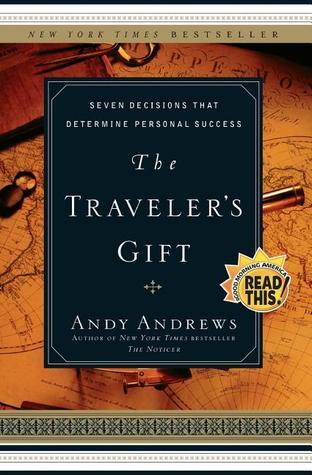
"The Traveler's Gift" follows David Ponder, a man at rock bottom, who is transported through time to encounter seven key historical figures who share profound decisions that shaped their lives and, consequently, his own. It’s a narrative exploration of timeless principles and choices that underpin personal and professional success.
This book resonates with "Gifts from Eykis" due to their shared premise of transformative encounters guiding a protagonist toward greater self-awareness and purpose. Both utilize allegorical journeys—one through a fantastical landscape, the other through historical moments—to impart wisdom and encourage a re-evaluation of personal values and choices.
It will appeal to those seeking practical life guidance presented within an engaging narrative. The story's structure, revealing one principle at a time, offers digestible insights that can be immediately applied. Its value lies in offering a clear path to self-improvement through an inspirational blend of history and self-help, encouraging proactive decision-making for a more fulfilling life.
The Traveler's Gift: Seven Decisions that Determine Personal Success
"The Traveler's Gift" follows David Ponder, a man at rock bottom, who is transported through time to encounter seven key historical figures who share profound decisions that shaped their lives and, consequently, his own. It’s a narrative exploration of timeless principles and choices that underpin personal and professional success.
This book resonates with "Gifts from Eykis" due to their shared premise of transformative encounters guiding a protagonist toward greater self-awareness and purpose. Both utilize allegorical journeys—one through a fantastical landscape, the other through historical moments—to impart wisdom and encourage a re-evaluation of personal values and choices.
It will appeal to those seeking practical life guidance presented within an engaging narrative. The story's structure, revealing one principle at a time, offers digestible insights that can be immediately applied. Its value lies in offering a clear path to self-improvement through an inspirational blend of history and self-help, encouraging proactive decision-making for a more fulfilling life.
The Journeys of Socrates
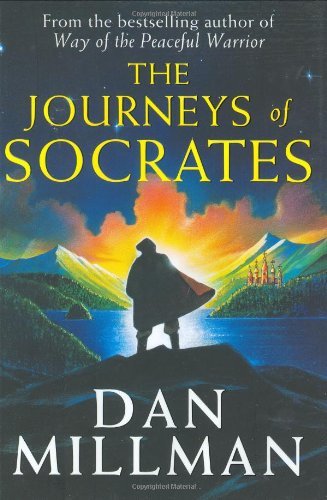
"The Journeys of Socrates" is a philosophical adventure following the intellectual and spiritual development of a young man, Dan, as he grapples with profound questions about life, purpose, and reality. Mentored by the enigmatic "Socrates," a gas station attendant with extraordinary insights, Dan embarks on a quest for self-knowledge and true freedom, confronting his own limitations and discovering the power of living in the present moment.
This novel shares a significant thematic kinship with "Gifts from Eykis." Both books feature a protagonist undergoing a transformative journey guided by an unconventional, wisdom-imparting figure. They explore the dissolution of limiting beliefs, the search for authentic selfhood, and the realization that true fulfillment comes from within, often through challenging established perspectives and embracing a more conscious way of living.
Anyone seeking a narrative that blends engaging storytelling with deep philosophical inquiry will find immense value. The book offers practical wisdom for navigating life's challenges, fostering inner peace, and achieving a more integrated sense of self. Its exploration of present-moment awareness and the questioning of societal norms provides a refreshing and empowering perspective for personal growth.
The Journeys of Socrates
"The Journeys of Socrates" is a philosophical adventure following the intellectual and spiritual development of a young man, Dan, as he grapples with profound questions about life, purpose, and reality. Mentored by the enigmatic "Socrates," a gas station attendant with extraordinary insights, Dan embarks on a quest for self-knowledge and true freedom, confronting his own limitations and discovering the power of living in the present moment.
This novel shares a significant thematic kinship with "Gifts from Eykis." Both books feature a protagonist undergoing a transformative journey guided by an unconventional, wisdom-imparting figure. They explore the dissolution of limiting beliefs, the search for authentic selfhood, and the realization that true fulfillment comes from within, often through challenging established perspectives and embracing a more conscious way of living.
Anyone seeking a narrative that blends engaging storytelling with deep philosophical inquiry will find immense value. The book offers practical wisdom for navigating life's challenges, fostering inner peace, and achieving a more integrated sense of self. Its exploration of present-moment awareness and the questioning of societal norms provides a refreshing and empowering perspective for personal growth.
The Infinite Jeff: A Parable of Change

"The Infinite Jeff: A Parable of Change" explores the journey of an ordinary individual, Jeff, as he navigates profound personal transformations triggered by unexpected life events. Through allegorical encounters and introspective challenges, the narrative delves into themes of identity, embracing the unknown, and the inherent capacity for growth that lies within every person. It's a tale designed to illuminate the often-unseen forces that shape our understanding of self and purpose.
The book resonates with the spirit of "Gifts from Eykis" by focusing on a protagonist's self-discovery through unconventional means. Both narratives feature a transformative journey that challenges preconceived notions, prompting deep internal reflection and ultimately leading to a more enlightened state of being. They share a core belief in the power of introspection and the wisdom gained from stepping outside one's comfort zone, often guided by enigmatic external influences.
This book will appeal to those seeking a thought-provoking narrative that encourages personal evolution. It offers practical insights into navigating change and fosters a sense of empowerment by demonstrating that profound self-awareness is attainable. The parable format allows for universal application of its lessons, providing a framework for understanding and embracing life's inevitable shifts, making it a valuable addition to anyone's personal growth library.
The Infinite Jeff: A Parable of Change
"The Infinite Jeff: A Parable of Change" explores the journey of an ordinary individual, Jeff, as he navigates profound personal transformations triggered by unexpected life events. Through allegorical encounters and introspective challenges, the narrative delves into themes of identity, embracing the unknown, and the inherent capacity for growth that lies within every person. It's a tale designed to illuminate the often-unseen forces that shape our understanding of self and purpose.
The book resonates with the spirit of "Gifts from Eykis" by focusing on a protagonist's self-discovery through unconventional means. Both narratives feature a transformative journey that challenges preconceived notions, prompting deep internal reflection and ultimately leading to a more enlightened state of being. They share a core belief in the power of introspection and the wisdom gained from stepping outside one's comfort zone, often guided by enigmatic external influences.
This book will appeal to those seeking a thought-provoking narrative that encourages personal evolution. It offers practical insights into navigating change and fosters a sense of empowerment by demonstrating that profound self-awareness is attainable. The parable format allows for universal application of its lessons, providing a framework for understanding and embracing life's inevitable shifts, making it a valuable addition to anyone's personal growth library.
The Noticer: Sometimes, All a Person Needs Is a Little Perspective

"The Noticer" introduces a mysterious figure, Jones, who appears precisely when individuals are at life's crossroads, offering deceptively simple yet profound insights that reframe their problems. Through a series of interwoven narratives set in a small coastal town, the book explores various personal struggles – from financial woes to relational breakdowns – demonstrating how a shift in perspective can unlock solutions and gratitude, ultimately leading to positive change and renewed purpose.
This narrative shares a core philosophical alignment with "Gifts from Eykis." Both books feature an enigmatic mentor figure (Eykis and Jones) who dispenses wisdom that challenges conventional thinking and encourages internal transformation. Both protagonists also undergo a profound personal journey catalyzed by these encounters, leading to self-discovery and a deeper understanding of life's challenges and opportunities. The emphasis in both works is on the power of introspection and reframing one's reality.
This book offers a gentle yet powerful reminder that many solutions lie within one's own perception. It provides relatable scenarios and actionable insights that foster a sense of hope and capability. The narrative structure, featuring multiple perspectives, makes its universal messages accessible and resonant, empowering individuals to approach their own difficulties with renewed clarity and a more optimistic outlook.
The Noticer: Sometimes, All a Person Needs Is a Little Perspective
"The Noticer" introduces a mysterious figure, Jones, who appears precisely when individuals are at life's crossroads, offering deceptively simple yet profound insights that reframe their problems. Through a series of interwoven narratives set in a small coastal town, the book explores various personal struggles – from financial woes to relational breakdowns – demonstrating how a shift in perspective can unlock solutions and gratitude, ultimately leading to positive change and renewed purpose.
This narrative shares a core philosophical alignment with "Gifts from Eykis." Both books feature an enigmatic mentor figure (Eykis and Jones) who dispenses wisdom that challenges conventional thinking and encourages internal transformation. Both protagonists also undergo a profound personal journey catalyzed by these encounters, leading to self-discovery and a deeper understanding of life's challenges and opportunities. The emphasis in both works is on the power of introspection and reframing one's reality.
This book offers a gentle yet powerful reminder that many solutions lie within one's own perception. It provides relatable scenarios and actionable insights that foster a sense of hope and capability. The narrative structure, featuring multiple perspectives, makes its universal messages accessible and resonant, empowering individuals to approach their own difficulties with renewed clarity and a more optimistic outlook.
The Buddha, Geoff and Me: A Modern Story
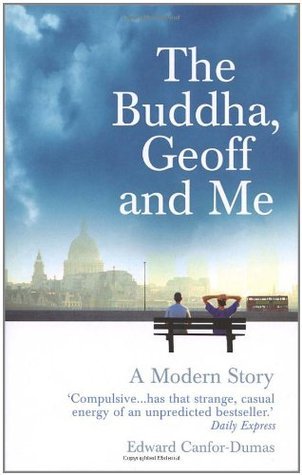
"The Buddha, Geoff and Me" chronicles a cynical London advertising executive's unexpected journey into mindfulness and self-awareness triggered by his encounters with an eccentric, enlightened homeless man. It's a contemporary fable exploring how ancient wisdom can profoundly impact modern life, even amidst urban chaos and personal disillusionment.
Both books center on protagonists undergoing profound personal transformation through an encounter with an unconventional mentor figure. "Gifts from Eykis" presents a philosophical exploration of self-discovery through a mythical lens, while "The Buddha, Geoff and Me" grounds similar themes of inner peace and purpose in a relatable, urban setting, making universal spiritual concepts accessible.
It will appeal to individuals seeking practical insights into mindfulness and personal growth without resorting to overly academic or esoteric language. The narrative offers a hopeful perspective on finding meaning and contentment in everyday existence, demonstrating that profound change is possible regardless of one's circumstances or prior beliefs.
The Buddha, Geoff and Me: A Modern Story
"The Buddha, Geoff and Me" chronicles a cynical London advertising executive's unexpected journey into mindfulness and self-awareness triggered by his encounters with an eccentric, enlightened homeless man. It's a contemporary fable exploring how ancient wisdom can profoundly impact modern life, even amidst urban chaos and personal disillusionment.
Both books center on protagonists undergoing profound personal transformation through an encounter with an unconventional mentor figure. "Gifts from Eykis" presents a philosophical exploration of self-discovery through a mythical lens, while "The Buddha, Geoff and Me" grounds similar themes of inner peace and purpose in a relatable, urban setting, making universal spiritual concepts accessible.
It will appeal to individuals seeking practical insights into mindfulness and personal growth without resorting to overly academic or esoteric language. The narrative offers a hopeful perspective on finding meaning and contentment in everyday existence, demonstrating that profound change is possible regardless of one's circumstances or prior beliefs.
The Flute of God
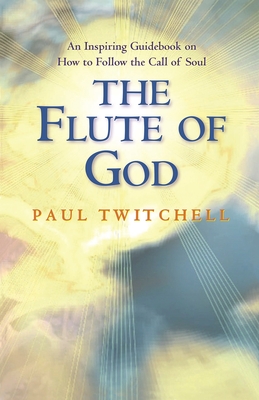
"The Flute of God" by Paul Twitchell delves into the concept of spiritual awakening and the journey of the soul through various planes of existence. It proposes that individuals can access higher states of consciousness and achieve a profound understanding of their true nature and the divine through specific spiritual practices and the guidance of an enlightened teacher. The book introduces the teachings of Eckankar, focusing on the "Sound Current" as a direct path to spiritual liberation.
This work resonates with "Gifts from Eykis" due to their shared emphasis on self-discovery, spiritual growth, and the pursuit of inner wisdom. Both books present narratives that guide the protagonist—and by extension, the reader—through transformative experiences leading to a deeper comprehension of life's purpose and the interconnectedness of all things. They explore themes of overcoming limitations and realizing one's inherent spiritual potential.
The book will appeal to those seeking practical approaches to spiritual development and a profound sense of meaning. It offers a structured understanding of mystical experiences and provides a framework for personal spiritual exploration, empowering individuals to embark on their own journeys of self-realization and connection with a higher power. Its insights into consciousness and the nature of reality offer significant value for personal transformation.
The Flute of God
"The Flute of God" by Paul Twitchell delves into the concept of spiritual awakening and the journey of the soul through various planes of existence. It proposes that individuals can access higher states of consciousness and achieve a profound understanding of their true nature and the divine through specific spiritual practices and the guidance of an enlightened teacher. The book introduces the teachings of Eckankar, focusing on the "Sound Current" as a direct path to spiritual liberation.
This work resonates with "Gifts from Eykis" due to their shared emphasis on self-discovery, spiritual growth, and the pursuit of inner wisdom. Both books present narratives that guide the protagonist—and by extension, the reader—through transformative experiences leading to a deeper comprehension of life's purpose and the interconnectedness of all things. They explore themes of overcoming limitations and realizing one's inherent spiritual potential.
The book will appeal to those seeking practical approaches to spiritual development and a profound sense of meaning. It offers a structured understanding of mystical experiences and provides a framework for personal spiritual exploration, empowering individuals to embark on their own journeys of self-realization and connection with a higher power. Its insights into consciousness and the nature of reality offer significant value for personal transformation.
Way of the Peaceful Warrior: A Book That Changes Lives

"Way of the Peaceful Warrior" chronicles Dan, a talented but restless collegiate gymnast whose life takes an unexpected turn after a late-night encounter with a mysterious gas station attendant named Socrates. Socrates challenges Dan's assumptions about success, happiness, and reality, guiding him through unconventional lessons that blend physical discipline with profound spiritual introspection. It’s a journey from external achievement to internal peace, urging a re-evaluation of what truly constitutes a meaningful existence.
This book resonates with "Gifts from Eykis" due to their shared core narrative of a protagonist undergoing a transformative journey initiated by an enigmatic mentor. Both stories explore themes of self-discovery, the pursuit of inner wisdom over material superficiality, and the challenging of conventional thinking through a powerful teacher-student dynamic. They both emphasize that true growth often stems from questioning one's preconceived notions about life and purpose.
The book's appeal lies in its relatable depiction of internal struggle and its practical, yet deeply philosophical, approach to overcoming it. Its accessible narrative delivers powerful insights into mindfulness, living in the present, and finding joy beyond external circumstances. It offers a blueprint for personal evolution, empowering individuals to re-examine their own lives and cultivate a more authentic, peaceful way of being.
Way of the Peaceful Warrior: A Book That Changes Lives
"Way of the Peaceful Warrior" chronicles Dan, a talented but restless collegiate gymnast whose life takes an unexpected turn after a late-night encounter with a mysterious gas station attendant named Socrates. Socrates challenges Dan's assumptions about success, happiness, and reality, guiding him through unconventional lessons that blend physical discipline with profound spiritual introspection. It’s a journey from external achievement to internal peace, urging a re-evaluation of what truly constitutes a meaningful existence.
This book resonates with "Gifts from Eykis" due to their shared core narrative of a protagonist undergoing a transformative journey initiated by an enigmatic mentor. Both stories explore themes of self-discovery, the pursuit of inner wisdom over material superficiality, and the challenging of conventional thinking through a powerful teacher-student dynamic. They both emphasize that true growth often stems from questioning one's preconceived notions about life and purpose.
The book's appeal lies in its relatable depiction of internal struggle and its practical, yet deeply philosophical, approach to overcoming it. Its accessible narrative delivers powerful insights into mindfulness, living in the present, and finding joy beyond external circumstances. It offers a blueprint for personal evolution, empowering individuals to re-examine their own lives and cultivate a more authentic, peaceful way of being.
The Way of the Bow

"The Way of the Bow" by Paulo Coelho is a parable centered on Tejo, an archery master who imparts life lessons through the precise art of shooting. It's a concise, allegorical guide to self-improvement, emphasizing dedication, discipline, and the internal journey required to achieve mastery not just in a skill, but in life itself. The book uses the metaphor of the bow and arrow to explore themes of focus, patience, and aligning one's actions with core values.
This narrative shares a profound kinship with Wayne Dyer's "Gifts from Eykis." Both books present wisdom through a journey of mentorship and introspection, guiding the protagonist – and thus the reader – toward a deeper understanding of self and purpose. Eykis, like Tejo, serves as a catalyst for self-discovery, offering timeless principles for living authentically and powerfully, encouraging a shift in perspective to unlock inner potential.
Readers seeking practical wisdom distilled into an accessible narrative will appreciate Coelho's work. It offers a gentle yet powerful framework for navigating life's challenges, encouraging a disciplined approach to personal growth and the pursuit of individual excellence. The book's clear, philosophical guidance provides valuable insights into perseverance and the attainment of inner peace through intentional action.
The Way of the Bow
"The Way of the Bow" by Paulo Coelho is a parable centered on Tejo, an archery master who imparts life lessons through the precise art of shooting. It's a concise, allegorical guide to self-improvement, emphasizing dedication, discipline, and the internal journey required to achieve mastery not just in a skill, but in life itself. The book uses the metaphor of the bow and arrow to explore themes of focus, patience, and aligning one's actions with core values.
This narrative shares a profound kinship with Wayne Dyer's "Gifts from Eykis." Both books present wisdom through a journey of mentorship and introspection, guiding the protagonist – and thus the reader – toward a deeper understanding of self and purpose. Eykis, like Tejo, serves as a catalyst for self-discovery, offering timeless principles for living authentically and powerfully, encouraging a shift in perspective to unlock inner potential.
Readers seeking practical wisdom distilled into an accessible narrative will appreciate Coelho's work. It offers a gentle yet powerful framework for navigating life's challenges, encouraging a disciplined approach to personal growth and the pursuit of individual excellence. The book's clear, philosophical guidance provides valuable insights into perseverance and the attainment of inner peace through intentional action.
More Books to Explore
Discover more titles that expand on these ideas and themes.
Life's Golden Ticket
The Ultimate Gift
The Traveler's Gift: Seven Decisions that Determine Personal Success
The Journeys of Socrates
The Infinite Jeff: A Parable of Change
The Noticer: Sometimes, All a Person Needs Is a Little Perspective