10 Books Similar to "Get Out of Your Head: Stopping the Spiral of Toxic Thoughts"
by Jennie Allen

Don't Give the Enemy a Seat at Your Table: It's Time to Win the Battle of Your Mind...

"Don't Give the Enemy a Seat at Your Table" by Louie Giglio tackles the pervasive issue of negative self-talk and spiritual discouragement. Giglio draws a vivid analogy of one's mind as a table where thoughts, both positive and destructive, are invited. He encourages a proactive stance against allowing fear, anxiety, and the "enemy's" lies to occupy a place of influence. The book outlines practical strategies for discerning truth, reclaiming mental peace, and standing firm in one's faith amidst internal battles. It's a call to arms for mental and spiritual resilience.
This book aligns closely with Jennie Allen's "Get Out of Your Head" by confronting the common struggle with toxic thought patterns. Both authors emphasize the destructive nature of unchecked negative thinking and advocate for intentional strategies to redirect and reframe one's internal dialogue. They share a core message: mental well-being is not passive, but an active pursuit requiring consistent effort and a clear understanding of one's personal and spiritual agency in shaping thoughts.
This book will resonate deeply with those grappling with anxiety, self-doubt, or feeling overwhelmed by internal negativity. Its straightforward advice and relatable framework provide tangible methods for cultivating mental strength and spiritual fortitude. The emphasis on practical application and spiritual grounding offers a path to freedom from debilitating thought spirals, empowering individuals to take control of their inner world and experience greater peace.
Don't Give the Enemy a Seat at Your Table: It's Time to Win the Battle of Your Mind...
"Don't Give the Enemy a Seat at Your Table" by Louie Giglio tackles the pervasive issue of negative self-talk and spiritual discouragement. Giglio draws a vivid analogy of one's mind as a table where thoughts, both positive and destructive, are invited. He encourages a proactive stance against allowing fear, anxiety, and the "enemy's" lies to occupy a place of influence. The book outlines practical strategies for discerning truth, reclaiming mental peace, and standing firm in one's faith amidst internal battles. It's a call to arms for mental and spiritual resilience.
This book aligns closely with Jennie Allen's "Get Out of Your Head" by confronting the common struggle with toxic thought patterns. Both authors emphasize the destructive nature of unchecked negative thinking and advocate for intentional strategies to redirect and reframe one's internal dialogue. They share a core message: mental well-being is not passive, but an active pursuit requiring consistent effort and a clear understanding of one's personal and spiritual agency in shaping thoughts.
This book will resonate deeply with those grappling with anxiety, self-doubt, or feeling overwhelmed by internal negativity. Its straightforward advice and relatable framework provide tangible methods for cultivating mental strength and spiritual fortitude. The emphasis on practical application and spiritual grounding offers a path to freedom from debilitating thought spirals, empowering individuals to take control of their inner world and experience greater peace.
Power Thoughts: 12 Strategies to Win the Battle of the Mind
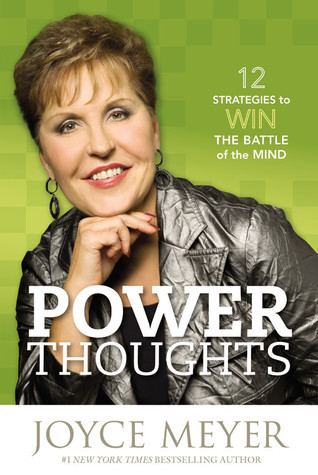
"Power Thoughts" by Joyce Meyer offers a practical guide to transforming one's mental landscape. Meyer provides twelve actionable strategies designed to help individuals consciously direct their thoughts, cultivate a positive mindset, and achieve victory over negative internal narratives. Through biblical principles and personal anecdotes, the book empowers readers to identify destructive thinking patterns and actively replace them with empowering truths, fostering inner peace and resilience.
This book shares significant thematic overlap with "Get Out of Your Head" as both works directly address the pervasive influence of our thoughts on our well-being and life outcomes. Both authors emphasize the necessity of intentional mental discipline to break free from cycles of anxiety, worry, and destructive self-talk. They provide frameworks for recognizing and rerouting unhelpful thought processes, advocating for a proactive approach to mental health.
Individuals seeking concrete methods to improve their mental fortitude and emotional stability will find this book highly appealing and valuable. It offers clear, step-by-step guidance for developing a more resilient and optimistic mindset. The practical strategies presented can be immediately applied, helping individuals to navigate life's challenges with greater confidence and to cultivate a more joyful and productive existence.
Power Thoughts: 12 Strategies to Win the Battle of the Mind
"Power Thoughts" by Joyce Meyer offers a practical guide to transforming one's mental landscape. Meyer provides twelve actionable strategies designed to help individuals consciously direct their thoughts, cultivate a positive mindset, and achieve victory over negative internal narratives. Through biblical principles and personal anecdotes, the book empowers readers to identify destructive thinking patterns and actively replace them with empowering truths, fostering inner peace and resilience.
This book shares significant thematic overlap with "Get Out of Your Head" as both works directly address the pervasive influence of our thoughts on our well-being and life outcomes. Both authors emphasize the necessity of intentional mental discipline to break free from cycles of anxiety, worry, and destructive self-talk. They provide frameworks for recognizing and rerouting unhelpful thought processes, advocating for a proactive approach to mental health.
Individuals seeking concrete methods to improve their mental fortitude and emotional stability will find this book highly appealing and valuable. It offers clear, step-by-step guidance for developing a more resilient and optimistic mindset. The practical strategies presented can be immediately applied, helping individuals to navigate life's challenges with greater confidence and to cultivate a more joyful and productive existence.
Stop Overthinking: 23 Techniques to Relieve Stress, Stop Negative Spirals, Declutter Your Mind, and Focus on the Present
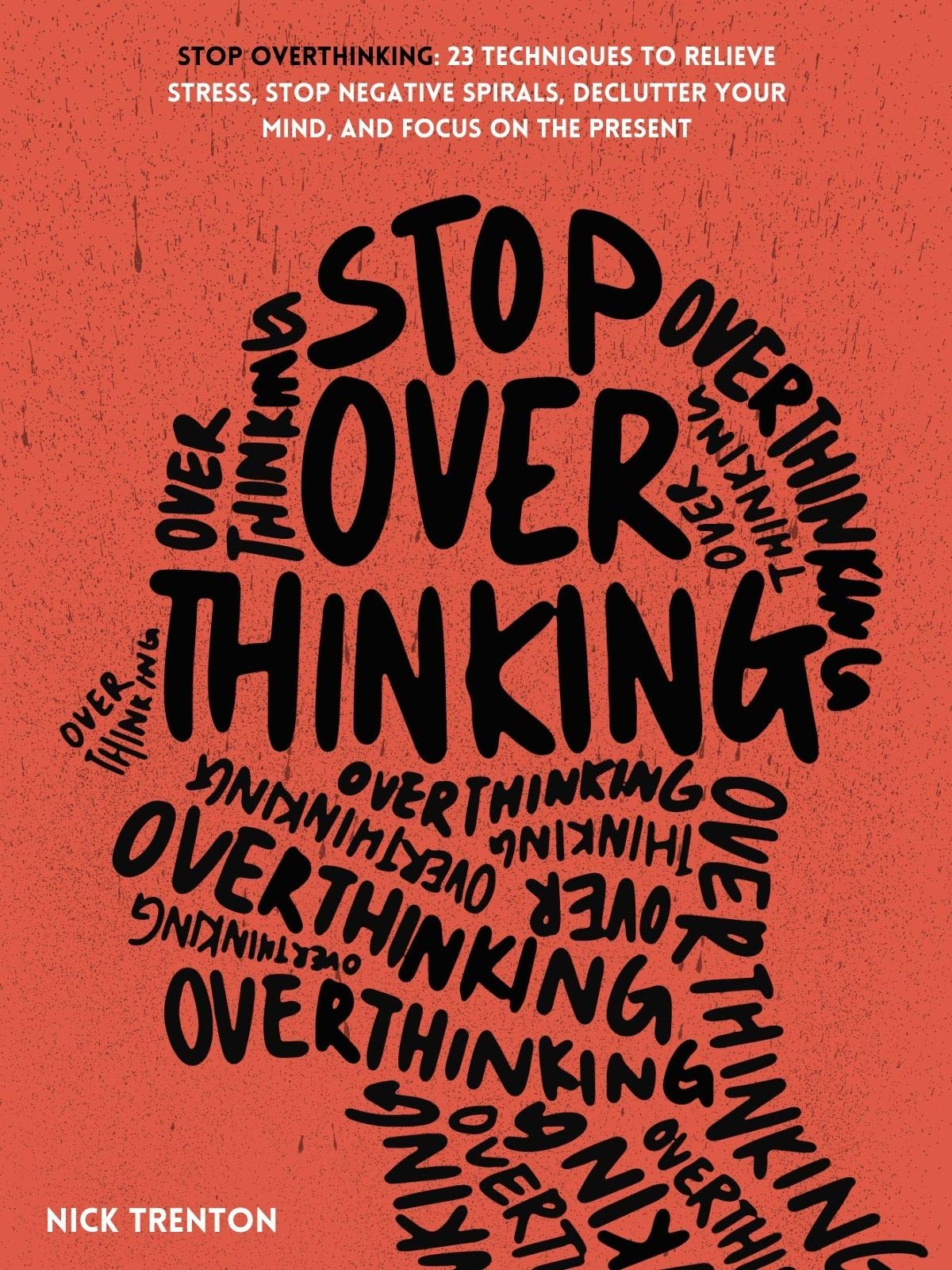
"Stop Overthinking" offers a practical toolkit of 23 distinct strategies designed to mitigate stress, interrupt negative thought patterns, and enhance present-moment awareness. The book provides actionable techniques for managing an overwhelmed mind and fostering a more focused, peaceful mental state.
This book aligns with "Get Out of Your Head" by tackling the shared challenge of intrusive, unhelpful thought loops. Both authors aim to equip individuals with the means to break free from mental spirals that hinder peace and productivity, focusing on actionable steps to regain control over one's internal narrative.
Individuals seeking direct, implementable methods to quiet mental chatter and cultivate a calmer mind will find this a valuable resource. Its emphasis on practical exercises and diverse approaches makes it an effective guide for anyone striving to reduce anxiety and live more intentionally.
Stop Overthinking: 23 Techniques to Relieve Stress, Stop Negative Spirals, Declutter Your Mind, and Focus on the Present
"Stop Overthinking" offers a practical toolkit of 23 distinct strategies designed to mitigate stress, interrupt negative thought patterns, and enhance present-moment awareness. The book provides actionable techniques for managing an overwhelmed mind and fostering a more focused, peaceful mental state.
This book aligns with "Get Out of Your Head" by tackling the shared challenge of intrusive, unhelpful thought loops. Both authors aim to equip individuals with the means to break free from mental spirals that hinder peace and productivity, focusing on actionable steps to regain control over one's internal narrative.
Individuals seeking direct, implementable methods to quiet mental chatter and cultivate a calmer mind will find this a valuable resource. Its emphasis on practical exercises and diverse approaches makes it an effective guide for anyone striving to reduce anxiety and live more intentionally.
Find Your People: Building Deep Community in a Lonely World
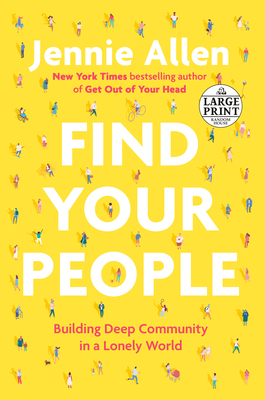
"Find Your People" tackles the prevalent issue of isolation in modern society, guiding individuals on how to cultivate authentic, deep, and lasting community connections. It moves beyond superficial acquaintances, offering practical strategies and a compelling vision for building the kind of supportive relationships essential for human flourishing and spiritual growth. The book emphasizes intentionality and vulnerability as cornerstones of true belonging.
This book resonates with "Get Out of Your Head" by addressing a complementary dimension of inner well-being. While "Get Out of Your Head" helps individuals manage internal thought patterns that can lead to isolation, "Find Your People" provides the external framework and motivation to actively pursue connection. Both books ultimately aim to liberate individuals from detrimental spirals – one internal, one relational – fostering healthier mental and emotional states through practical application.
This book will appeal to those feeling disconnected, seeking more meaningful relationships, or wrestling with loneliness in an increasingly digital world. Its value lies in offering a hopeful and actionable roadmap to combat isolation, encouraging a proactive approach to building the vital support systems often lacking today. It offers not just theory, but a pathway to experiencing the transformative power of genuine community.
Find Your People: Building Deep Community in a Lonely World
"Find Your People" tackles the prevalent issue of isolation in modern society, guiding individuals on how to cultivate authentic, deep, and lasting community connections. It moves beyond superficial acquaintances, offering practical strategies and a compelling vision for building the kind of supportive relationships essential for human flourishing and spiritual growth. The book emphasizes intentionality and vulnerability as cornerstones of true belonging.
This book resonates with "Get Out of Your Head" by addressing a complementary dimension of inner well-being. While "Get Out of Your Head" helps individuals manage internal thought patterns that can lead to isolation, "Find Your People" provides the external framework and motivation to actively pursue connection. Both books ultimately aim to liberate individuals from detrimental spirals – one internal, one relational – fostering healthier mental and emotional states through practical application.
This book will appeal to those feeling disconnected, seeking more meaningful relationships, or wrestling with loneliness in an increasingly digital world. Its value lies in offering a hopeful and actionable roadmap to combat isolation, encouraging a proactive approach to building the vital support systems often lacking today. It offers not just theory, but a pathway to experiencing the transformative power of genuine community.
How to Be Enough: Self-Acceptance for Self-Critics and Perfectionists

"How to Be Enough" by Ellen Hendriksen offers practical strategies for individuals caught in cycles of self-criticism and perfectionism. It unpacks the psychological roots of these tendencies, guiding readers to differentiate between healthy aspiration and self-defeating standards. The book provides actionable techniques for cultivating self-compassion, challenging negative internal narratives, and ultimately accepting one's inherent worth, irrespective of external achievements or perceived flaws.
This book resonates strongly with "Get Out of Your Head" because both address the pervasive issue of an overactive and often detrimental internal monologue. While Allen focuses broadly on toxic thought spirals, Hendriksen hones in specifically on the self-critical and perfectionistic aspects, which are significant contributors to mental distress. Both authors empower readers to recognize, challenge, and ultimately reframe unhelpful thinking patterns to achieve greater peace and self-acceptance.
This guide will appeal to those seeking concrete methods to quiet their inner critic and embrace a more balanced view of themselves. It stands as a valuable resource for anyone striving to break free from the exhausting pursuit of an unattainable ideal, offering a clear path toward developing genuine self-acceptance and a healthier relationship with their own accomplishments and limitations.
How to Be Enough: Self-Acceptance for Self-Critics and Perfectionists
"How to Be Enough" by Ellen Hendriksen offers practical strategies for individuals caught in cycles of self-criticism and perfectionism. It unpacks the psychological roots of these tendencies, guiding readers to differentiate between healthy aspiration and self-defeating standards. The book provides actionable techniques for cultivating self-compassion, challenging negative internal narratives, and ultimately accepting one's inherent worth, irrespective of external achievements or perceived flaws.
This book resonates strongly with "Get Out of Your Head" because both address the pervasive issue of an overactive and often detrimental internal monologue. While Allen focuses broadly on toxic thought spirals, Hendriksen hones in specifically on the self-critical and perfectionistic aspects, which are significant contributors to mental distress. Both authors empower readers to recognize, challenge, and ultimately reframe unhelpful thinking patterns to achieve greater peace and self-acceptance.
This guide will appeal to those seeking concrete methods to quiet their inner critic and embrace a more balanced view of themselves. It stands as a valuable resource for anyone striving to break free from the exhausting pursuit of an unattainable ideal, offering a clear path toward developing genuine self-acceptance and a healthier relationship with their own accomplishments and limitations.
13 Things Mentally Strong People Don't Do: Take Back Your Power, Embrace Change, Face Your Fears, and Train Your Brain for Happiness and Success

*13 Things Mentally Strong People Don't Do* by Amy Morin identifies and dismantles common self-defeating attitudes and behaviors that hinder personal growth and resilience. Morin, a psychotherapist, distills her expertise into thirteen actionable principles, guiding individuals to overcome self-pity, fear of change, dwelling on the past, seeking validation, and other detrimental habits. The book emphasizes practical strategies for building mental fortitude and taking ownership of one's emotional well-being.
This book aligns with *Get Out of Your Head* because both works fundamentally address the internal landscape of the mind and offer frameworks for reshaping detrimental thought patterns. While Allen focuses on stopping the *spiral* of toxic thoughts, Morin provides specific *don'ts* – actionable mental habits to avoid – that ultimately feed those same spirals. Both empower individuals to take control of their inner narratives and cultivate healthier mental habits.
Its appeal lies in its direct, practical approach. The enumerated list makes complex psychological concepts accessible and actionable, offering tangible steps for personal empowerment. Individuals seeking to improve their emotional resilience, break negative cycles, and develop a more proactive stance toward life's challenges will find immense value in Morin's clear guidance and empowering message.
13 Things Mentally Strong People Don't Do: Take Back Your Power, Embrace Change, Face Your Fears, and Train Your Brain for Happiness and Success
*13 Things Mentally Strong People Don't Do* by Amy Morin identifies and dismantles common self-defeating attitudes and behaviors that hinder personal growth and resilience. Morin, a psychotherapist, distills her expertise into thirteen actionable principles, guiding individuals to overcome self-pity, fear of change, dwelling on the past, seeking validation, and other detrimental habits. The book emphasizes practical strategies for building mental fortitude and taking ownership of one's emotional well-being.
This book aligns with *Get Out of Your Head* because both works fundamentally address the internal landscape of the mind and offer frameworks for reshaping detrimental thought patterns. While Allen focuses on stopping the *spiral* of toxic thoughts, Morin provides specific *don'ts* – actionable mental habits to avoid – that ultimately feed those same spirals. Both empower individuals to take control of their inner narratives and cultivate healthier mental habits.
Its appeal lies in its direct, practical approach. The enumerated list makes complex psychological concepts accessible and actionable, offering tangible steps for personal empowerment. Individuals seeking to improve their emotional resilience, break negative cycles, and develop a more proactive stance toward life's challenges will find immense value in Morin's clear guidance and empowering message.
Becoming the One: Heal Your Past, Transform Your Relationship Patterns, and Come Home to Yourself
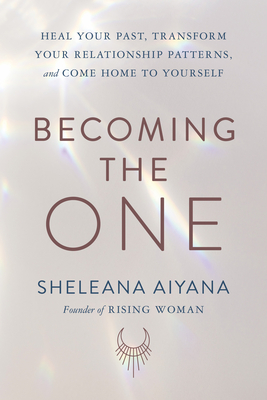
"Becoming the One" guides individuals through a journey of self-discovery and relational healing, emphasizing how past experiences and deeply ingrained patterns influence current relationships. It challenges readers to consciously address their attachment styles, confront unresolved trauma, and cultivate a secure sense of self, ultimately leading to healthier, more fulfilling connections, whether with others or within themselves.
This book resonates with "Get Out of Your Head" because both empower individuals to break free from detrimental internal cycles. While Allen focuses on the general spiral of toxic thoughts, Aiyana hones in on how these thought patterns manifest specifically in romantic and interpersonal relationships. Both authors advocate for intentional self-awareness and active strategies to reclaim mental and emotional agency.
The book offers a compelling roadmap for personal transformation, appealing to anyone seeking to understand and improve their relationship dynamics. Its practical insights into attachment theory, inner child work, and conscious relationship-building provide actionable tools for fostering genuine connection, establishing healthy boundaries, and building a foundation of self-love, proving invaluable for long-term emotional well-being.
Becoming the One: Heal Your Past, Transform Your Relationship Patterns, and Come Home to Yourself
"Becoming the One" guides individuals through a journey of self-discovery and relational healing, emphasizing how past experiences and deeply ingrained patterns influence current relationships. It challenges readers to consciously address their attachment styles, confront unresolved trauma, and cultivate a secure sense of self, ultimately leading to healthier, more fulfilling connections, whether with others or within themselves.
This book resonates with "Get Out of Your Head" because both empower individuals to break free from detrimental internal cycles. While Allen focuses on the general spiral of toxic thoughts, Aiyana hones in on how these thought patterns manifest specifically in romantic and interpersonal relationships. Both authors advocate for intentional self-awareness and active strategies to reclaim mental and emotional agency.
The book offers a compelling roadmap for personal transformation, appealing to anyone seeking to understand and improve their relationship dynamics. Its practical insights into attachment theory, inner child work, and conscious relationship-building provide actionable tools for fostering genuine connection, establishing healthy boundaries, and building a foundation of self-love, proving invaluable for long-term emotional well-being.
First, We Make the Beast Beautiful: A New Story About Anxiety

"First, We Make the Beast Beautiful" is a deeply personal and unconventional exploration of anxiety, reframing it not as a disorder to be cured, but as an inherent, often powerful, part of the human experience. Sarah Wilson, who lives with chronic anxiety, delves into its philosophical, psychological, and physiological facets, weaving together memoir, research, and practical strategies to navigate its complexities. She challenges conventional narratives, advocating for a new understanding that embraces anxiety as a potential source of creativity and insight, rather than purely a burden.
This book resonates with "Get Out of Your Head" by Jennie Allen through its shared focus on dissecting detrimental thought patterns and offering pathways to mental liberation. Both authors acknowledge the pervasive nature of intrusive thoughts and emotional spirals, providing frameworks for understanding and managing these internal struggles. While Allen offers a more structured, faith-based approach to breaking free from toxic thinking, Wilson's exploration is equally dedicated to reshaping one's relationship with overwhelming mental states.
The book addresses a profound need for a more nuanced conversation around mental health. Its unfiltered honesty and intellectual depth will offer a refreshing perspective to individuals grappling with anxiety, presenting it not as a weakness but as a complex aspect of being. It provides tools for introspection and resilience, encouraging a proactive and compassionate engagement with one's inner world, ultimately fostering a more integrated and accepting self.
First, We Make the Beast Beautiful: A New Story About Anxiety
"First, We Make the Beast Beautiful" is a deeply personal and unconventional exploration of anxiety, reframing it not as a disorder to be cured, but as an inherent, often powerful, part of the human experience. Sarah Wilson, who lives with chronic anxiety, delves into its philosophical, psychological, and physiological facets, weaving together memoir, research, and practical strategies to navigate its complexities. She challenges conventional narratives, advocating for a new understanding that embraces anxiety as a potential source of creativity and insight, rather than purely a burden.
This book resonates with "Get Out of Your Head" by Jennie Allen through its shared focus on dissecting detrimental thought patterns and offering pathways to mental liberation. Both authors acknowledge the pervasive nature of intrusive thoughts and emotional spirals, providing frameworks for understanding and managing these internal struggles. While Allen offers a more structured, faith-based approach to breaking free from toxic thinking, Wilson's exploration is equally dedicated to reshaping one's relationship with overwhelming mental states.
The book addresses a profound need for a more nuanced conversation around mental health. Its unfiltered honesty and intellectual depth will offer a refreshing perspective to individuals grappling with anxiety, presenting it not as a weakness but as a complex aspect of being. It provides tools for introspection and resilience, encouraging a proactive and compassionate engagement with one's inner world, ultimately fostering a more integrated and accepting self.
When Your Past Is Hurting Your Present: Getting Beyond Fears That Hold You Back
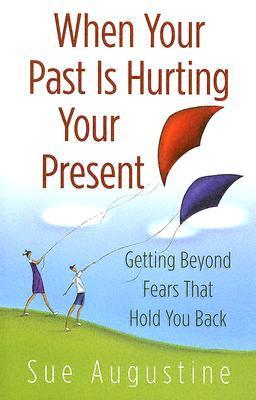
"When Your Past Is Hurting Your Present" delves into the profound impact of unresolved past experiences and fears on current well-being. It guides individuals in identifying these detrimental patterns and offers practical strategies to confront, process, and ultimately overcome them, fostering emotional and spiritual healing. The book emphasizes moving beyond historical limitations to embrace a more fulfilling present.
This book shares significant thematic overlap with "Get Out of Your Head" in its focus on disrupting unhelpful mental cycles. Both address the internal struggle against negative thought patterns and emotional baggage. While Allen specifically targets "toxic thoughts," Augustine expands this to encompass the broader influence of past fears, both books equip individuals with tools to reclaim control over their inner landscape and perception.
This book will appeal to those seeking to understand and dismantle subconscious barriers stemming from their past. It offers a compassionate yet firm approach to confronting emotional wounds, providing actionable steps for personal growth and freedom. Readers will gain valuable insights into how their history shapes their present reactions and practical methods for building a more resilient and hopeful future.
When Your Past Is Hurting Your Present: Getting Beyond Fears That Hold You Back
"When Your Past Is Hurting Your Present" delves into the profound impact of unresolved past experiences and fears on current well-being. It guides individuals in identifying these detrimental patterns and offers practical strategies to confront, process, and ultimately overcome them, fostering emotional and spiritual healing. The book emphasizes moving beyond historical limitations to embrace a more fulfilling present.
This book shares significant thematic overlap with "Get Out of Your Head" in its focus on disrupting unhelpful mental cycles. Both address the internal struggle against negative thought patterns and emotional baggage. While Allen specifically targets "toxic thoughts," Augustine expands this to encompass the broader influence of past fears, both books equip individuals with tools to reclaim control over their inner landscape and perception.
This book will appeal to those seeking to understand and dismantle subconscious barriers stemming from their past. It offers a compassionate yet firm approach to confronting emotional wounds, providing actionable steps for personal growth and freedom. Readers will gain valuable insights into how their history shapes their present reactions and practical methods for building a more resilient and hopeful future.
From Hurt to Happiness: Emotional Rescue from the Ground Up
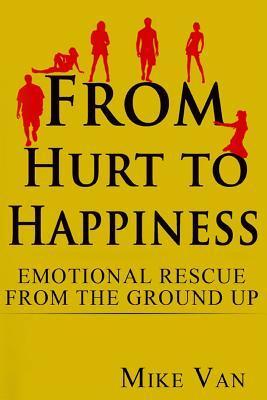
"From Hurt to Happiness: Emotional Rescue from the Ground Up" offers a practical guide to understanding and resolving negative emotional patterns. It helps individuals identify the root causes of their distress, often stemming from early experiences, and provides actionable strategies to reframe their internal narratives and build emotional resilience from a foundational level.
This book aligns with "Get Out of Your Head" by focusing on the internal landscape and empowering readers to interrupt detrimental thought cycles. Both texts emphasize self-awareness and provide tools to actively manage one's mental and emotional state, moving away from reactive suffering towards a more intentional and healthier outlook.
The book will appeal to those seeking a structured approach to emotional healing and personal growth. Its emphasis on identifying core emotional triggers and reconstructing a positive internal framework offers a path to lasting emotional well-being, proving valuable for anyone feeling trapped by persistent negative emotions.
From Hurt to Happiness: Emotional Rescue from the Ground Up
"From Hurt to Happiness: Emotional Rescue from the Ground Up" offers a practical guide to understanding and resolving negative emotional patterns. It helps individuals identify the root causes of their distress, often stemming from early experiences, and provides actionable strategies to reframe their internal narratives and build emotional resilience from a foundational level.
This book aligns with "Get Out of Your Head" by focusing on the internal landscape and empowering readers to interrupt detrimental thought cycles. Both texts emphasize self-awareness and provide tools to actively manage one's mental and emotional state, moving away from reactive suffering towards a more intentional and healthier outlook.
The book will appeal to those seeking a structured approach to emotional healing and personal growth. Its emphasis on identifying core emotional triggers and reconstructing a positive internal framework offers a path to lasting emotional well-being, proving valuable for anyone feeling trapped by persistent negative emotions.
More Books to Explore
Discover more titles that expand on these ideas and themes.
Don't Give the Enemy a Seat at Your Table: It's Time to Win the Battle of Your Mind...
Power Thoughts: 12 Strategies to Win the Battle of the Mind
Stop Overthinking: 23 Techniques to Relieve Stress, Stop Negative Spirals, Declutter Your Mind, and Focus on the Present
Find Your People: Building Deep Community in a Lonely World
How to Be Enough: Self-Acceptance for Self-Critics and Perfectionists
13 Things Mentally Strong People Don't Do: Take Back Your Power, Embrace Change, Face Your Fears, and Train Your Brain for Happiness and Success