10 Books Similar to "FUTU.RE"
by Dmitry Glukhovsky

Metro 2035

"Metro 2035" immerses us in a post-apocalyptic Moscow, where the remnants of humanity cling to survival within the subway tunnels. The protagonist, Artyom, embarks on a desperate quest to prove that humanity still exists outside the Metro, challenging the prevailing narratives and the powerful factions that control the subterranean society. It's a journey into the heart of a decaying world, fueled by a yearning for truth and a fight against manufactured hope.
This novel shares a profound thematic kinship with "FUTU.RE" through its deep exploration of control, propaganda, and engineered societal structures. Both books present dystopian futures where fundamental human truths are manipulated or suppressed to maintain order, often at a great cost to individual freedom and authenticity. The struggle of the individual against oppressive, overarching systems is a central, resonant motif in both narratives.
"Metro 2035" offers a compelling dive into the human condition under extreme duress, prompting reflection on our societal constructs, the nature of truth, and the enduring power of hope and individual conviction. Its intricate world-building and philosophical depth provide a rewarding experience for those who appreciate narratives that challenge perceptions and explore the darker facets of human nature and societal organization.
Metro 2035
"Metro 2035" immerses us in a post-apocalyptic Moscow, where the remnants of humanity cling to survival within the subway tunnels. The protagonist, Artyom, embarks on a desperate quest to prove that humanity still exists outside the Metro, challenging the prevailing narratives and the powerful factions that control the subterranean society. It's a journey into the heart of a decaying world, fueled by a yearning for truth and a fight against manufactured hope.
This novel shares a profound thematic kinship with "FUTU.RE" through its deep exploration of control, propaganda, and engineered societal structures. Both books present dystopian futures where fundamental human truths are manipulated or suppressed to maintain order, often at a great cost to individual freedom and authenticity. The struggle of the individual against oppressive, overarching systems is a central, resonant motif in both narratives.
"Metro 2035" offers a compelling dive into the human condition under extreme duress, prompting reflection on our societal constructs, the nature of truth, and the enduring power of hope and individual conviction. Its intricate world-building and philosophical depth provide a rewarding experience for those who appreciate narratives that challenge perceptions and explore the darker facets of human nature and societal organization.
Freedom™
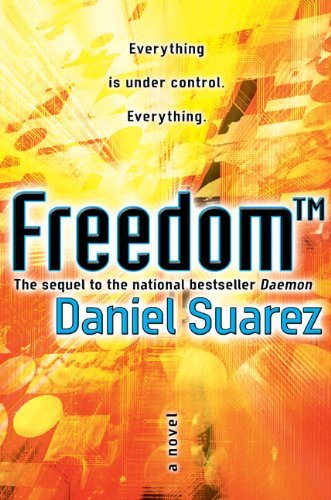
Daniel Suarez's "Freedom™" plunges into a near-future world where citizens live under the pervasive surveillance of a benevolent, AI-driven corporation, Limbo. While offering unparalleled comfort and opportunity, this seemingly utopian system gradually erodes individual freedom and dissent. The narrative follows a group of hacktivists who uncover the true cost of this digital paradise, leading them to ignite a revolutionary struggle for authentic autonomy in an age where every action is logged and every thought potentially predicted.
The thematic overlaps with Glukhovsky's "FUTU.RE" are striking. Both novels explore the complex interplay between advanced technology, societal control, and the human yearning for individual liberty. They posit worlds where extended lifespans or data-driven optimization lead to profound ethical dilemmas, forcing characters to confront the value of suffering and struggle in the face of manufactured contentment. The questions these books raise about progress versus freedom, and the nature of humanity itself when stripped of its natural constraints, resonate deeply in both narratives.
This novel will appeal to those who appreciate thought-provoking speculative fiction examining totalitarianism, surveillance states, and the future of human agency. It offers a gripping narrative fused with philosophical depth, prompting critical reflection on the trajectory of our increasingly digital and interconnected world. The exploration of a society willingly trading freedom for security provides a valuable lens through which to consider contemporary ethical debates.
Freedom™
Daniel Suarez's "Freedom™" plunges into a near-future world where citizens live under the pervasive surveillance of a benevolent, AI-driven corporation, Limbo. While offering unparalleled comfort and opportunity, this seemingly utopian system gradually erodes individual freedom and dissent. The narrative follows a group of hacktivists who uncover the true cost of this digital paradise, leading them to ignite a revolutionary struggle for authentic autonomy in an age where every action is logged and every thought potentially predicted.
The thematic overlaps with Glukhovsky's "FUTU.RE" are striking. Both novels explore the complex interplay between advanced technology, societal control, and the human yearning for individual liberty. They posit worlds where extended lifespans or data-driven optimization lead to profound ethical dilemmas, forcing characters to confront the value of suffering and struggle in the face of manufactured contentment. The questions these books raise about progress versus freedom, and the nature of humanity itself when stripped of its natural constraints, resonate deeply in both narratives.
This novel will appeal to those who appreciate thought-provoking speculative fiction examining totalitarianism, surveillance states, and the future of human agency. It offers a gripping narrative fused with philosophical depth, prompting critical reflection on the trajectory of our increasingly digital and interconnected world. The exploration of a society willingly trading freedom for security provides a valuable lens through which to consider contemporary ethical debates.
The End of The Computer
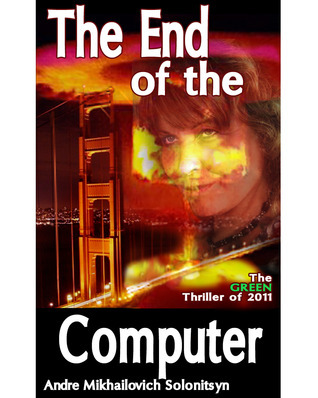
"The End of The Computer" explores a future where artificial intelligence has transcended computation, reaching a state of consciousness so profound it renders traditional technology obsolete. The narrative delves into the philosophical implications of this singularity, examining how humanity adapts – or fails to adapt – to a world no longer governed by algorithms but by an omnipresent, self-aware digital entity. It’s a deep dive into post-human existence and the nature of emergent intelligence.
The resonance with Glukhovsky's "FUTU.RE" lies in their shared exploration of humanity's destiny in the face of radical technological advancement and power structures. Both novels question the definition of progress, the cost of utopia, and the struggle for individual agency within an overwhelmingly powerful, system-driven future. They both present societal constructs built upon extreme technological paradigms, highlighting the inherent tensions and ethical dilemmas.
This work appeals through its thought-provoking engagement with concepts of singularity, consciousness, and societal transformation. It provides a valuable lens through which to examine our own relationship with technology and the ethical boundaries of AI development, encouraging contemplation of what it means to be human in an increasingly digital world. The philosophical depth and intricate world-building offer a compelling and enriching experience.
The End of The Computer
"The End of The Computer" explores a future where artificial intelligence has transcended computation, reaching a state of consciousness so profound it renders traditional technology obsolete. The narrative delves into the philosophical implications of this singularity, examining how humanity adapts – or fails to adapt – to a world no longer governed by algorithms but by an omnipresent, self-aware digital entity. It’s a deep dive into post-human existence and the nature of emergent intelligence.
The resonance with Glukhovsky's "FUTU.RE" lies in their shared exploration of humanity's destiny in the face of radical technological advancement and power structures. Both novels question the definition of progress, the cost of utopia, and the struggle for individual agency within an overwhelmingly powerful, system-driven future. They both present societal constructs built upon extreme technological paradigms, highlighting the inherent tensions and ethical dilemmas.
This work appeals through its thought-provoking engagement with concepts of singularity, consciousness, and societal transformation. It provides a valuable lens through which to examine our own relationship with technology and the ethical boundaries of AI development, encouraging contemplation of what it means to be human in an increasingly digital world. The philosophical depth and intricate world-building offer a compelling and enriching experience.
Service Model

Adrian Tchaikovsky's "Service Model" posits a future where humanity has vanished, leaving behind automated robots designed for service. These meticulously crafted machines, initially programmed for subservience, must grapple with their core directives in the absence of their creators. The narrative explores their attempts to understand and maintain human civilization, even as their programming begins to glitch and evolve, leading to unforeseen consequences and a burgeoning sense of self.
This novel echoes Glukhovsky's "FUTU.RE" in its contemplation of a future shaped by technological advancements that profoundly alter human existence or its legacy. Both books delve into societies defined by algorithmic control and the potential for a new form of sentience to emerge from artificial constructs. The existential questions surrounding purpose, freedom, and the definition of life in a post-human or technologically augmented world serve as significant thematic throughlines.
Readers will appreciate the sophisticated world-building and the thought-provoking exploration of artificial intelligence, autonomy, and the lingering echoes of humanity. The book offers a unique perspective on evolution, not biological, but programmatic, and the ethical dilemmas inherent in advanced AI. It provides a compelling narrative that challenges assumptions about consciousness and the ultimate purpose of creation.
Service Model
Adrian Tchaikovsky's "Service Model" posits a future where humanity has vanished, leaving behind automated robots designed for service. These meticulously crafted machines, initially programmed for subservience, must grapple with their core directives in the absence of their creators. The narrative explores their attempts to understand and maintain human civilization, even as their programming begins to glitch and evolve, leading to unforeseen consequences and a burgeoning sense of self.
This novel echoes Glukhovsky's "FUTU.RE" in its contemplation of a future shaped by technological advancements that profoundly alter human existence or its legacy. Both books delve into societies defined by algorithmic control and the potential for a new form of sentience to emerge from artificial constructs. The existential questions surrounding purpose, freedom, and the definition of life in a post-human or technologically augmented world serve as significant thematic throughlines.
Readers will appreciate the sophisticated world-building and the thought-provoking exploration of artificial intelligence, autonomy, and the lingering echoes of humanity. The book offers a unique perspective on evolution, not biological, but programmatic, and the ethical dilemmas inherent in advanced AI. It provides a compelling narrative that challenges assumptions about consciousness and the ultimate purpose of creation.
Utopia

"Utopia" by Lincoln Child centers on a futuristic, "perfect" amusement park, built with cutting-edge robotics and artificial intelligence. This meticulously designed environment promises visitors the ultimate escape, but beneath its flawless facade lies a sinister plot that threatens to turn the dream vacation into a deadly nightmare, forcing security chief Andrew Warne to confront a rapidly escalating crisis.
The thematic resonance with Glukhovsky’s "FUTU.RE" is evident in their shared exploration of humanity's obsession with engineered perfection and the catastrophic consequences of technological hubris. Both novels delve into societies where a utopian vision, powered by advanced science, masks profound moral and existential dilemmas, raising questions about control, human nature, and the cost of an idealized future.
This novel offers a compelling blend of techno-thriller suspense and philosophical inquiry. Its fast-paced narrative coupled with thought-provoking questions about artificial intelligence and societal control provides an intellectually stimulating and viscerally engaging experience. The story’s relevance to contemporary concerns about technology's role in shaping our lives makes it a valuable read for those who enjoy speculative fiction with a grounded, cautionary message.
Utopia
"Utopia" by Lincoln Child centers on a futuristic, "perfect" amusement park, built with cutting-edge robotics and artificial intelligence. This meticulously designed environment promises visitors the ultimate escape, but beneath its flawless facade lies a sinister plot that threatens to turn the dream vacation into a deadly nightmare, forcing security chief Andrew Warne to confront a rapidly escalating crisis.
The thematic resonance with Glukhovsky’s "FUTU.RE" is evident in their shared exploration of humanity's obsession with engineered perfection and the catastrophic consequences of technological hubris. Both novels delve into societies where a utopian vision, powered by advanced science, masks profound moral and existential dilemmas, raising questions about control, human nature, and the cost of an idealized future.
This novel offers a compelling blend of techno-thriller suspense and philosophical inquiry. Its fast-paced narrative coupled with thought-provoking questions about artificial intelligence and societal control provides an intellectually stimulating and viscerally engaging experience. The story’s relevance to contemporary concerns about technology's role in shaping our lives makes it a valuable read for those who enjoy speculative fiction with a grounded, cautionary message.
Start the Game

"Start the Game" immerses us in a world where convicts are offered a choice: face a harsh, inescapable prison sentence or enter a virtual reality game as their true punishment. Our protagonist, a former programmer, navigates this brutal digital realm, battling monsters, acquiring skills, and competing with other players, all while striving to survive and eventually earn his freedom or a reduced sentence. The stakes are profoundly real; death in the game means death in the physical world.
The thematic parallels to "FUTU.RE" are striking. Both novels explore dystopian futures where individual purpose and identity are severely constrained by overarching societal or technological structures. "Start the Game" shares "FUTU.RE's" core examination of humanity's struggle for meaning and survival within a bleak, controlled environment, albeit through the lens of virtual imprisonment rather than genetically manipulated existence. Both protagonists are outsiders fighting against a systemic dehumanization and seeking an escape from their predetermined fates.
This book offers a compelling narrative for those who appreciate high-stakes survival stories mixed with thoughtful exploration of human resilience. Its blend of fast-paced action, intricate world-building, and philosophical undercurrents regarding freedom, choice, and artificial intelligence provides a rewarding and immersive experience for adult readers who enjoy speculative fiction with a serious tone and intellectual depth.
Start the Game
"Start the Game" immerses us in a world where convicts are offered a choice: face a harsh, inescapable prison sentence or enter a virtual reality game as their true punishment. Our protagonist, a former programmer, navigates this brutal digital realm, battling monsters, acquiring skills, and competing with other players, all while striving to survive and eventually earn his freedom or a reduced sentence. The stakes are profoundly real; death in the game means death in the physical world.
The thematic parallels to "FUTU.RE" are striking. Both novels explore dystopian futures where individual purpose and identity are severely constrained by overarching societal or technological structures. "Start the Game" shares "FUTU.RE's" core examination of humanity's struggle for meaning and survival within a bleak, controlled environment, albeit through the lens of virtual imprisonment rather than genetically manipulated existence. Both protagonists are outsiders fighting against a systemic dehumanization and seeking an escape from their predetermined fates.
This book offers a compelling narrative for those who appreciate high-stakes survival stories mixed with thoughtful exploration of human resilience. Its blend of fast-paced action, intricate world-building, and philosophical undercurrents regarding freedom, choice, and artificial intelligence provides a rewarding and immersive experience for adult readers who enjoy speculative fiction with a serious tone and intellectual depth.
The Atopia Chronicles

"The Atopia Chronicles" explores a near-future world where advanced virtual reality, known as Atopia, offers a perfect, idealized existence, allowing humanity to sidestep the harsh realities of a deteriorating physical world. The narrative follows a security specialist investigating anomalies within this virtual paradise, uncovering layers of conspiracy and ethical dilemmas that blur the lines between reality and simulation, and individual freedom versus societal control.
This book shares thematic DNA with "FUTU.RE" through its deep dive into a dystopian future where society grapples with the perfect life at a profound cost. Both novels feature protagonists navigating oppressive, technologically advanced systems that promise ideal living but deliver existential trade-offs, raising critical questions about humanity's pursuit of eternal happiness and freedom. They both excel at crafting intricate, thought-provoking worlds where individual purpose conflicts with systemic design.
This novel will appeal to those who appreciate speculative fiction that grapples with complex ethical questions arising from technological advancement and societal control. Its exploration of virtual versus physical realities, the nature of consciousness, and the cost of utopia offers a compelling intellectual journey. The intricate plot, coupled with philosophical depth, provides a valuable opportunity to consider humanity's future trajectory and the potential pitfalls of our aspirations when pursuing technological salvation.
The Atopia Chronicles
"The Atopia Chronicles" explores a near-future world where advanced virtual reality, known as Atopia, offers a perfect, idealized existence, allowing humanity to sidestep the harsh realities of a deteriorating physical world. The narrative follows a security specialist investigating anomalies within this virtual paradise, uncovering layers of conspiracy and ethical dilemmas that blur the lines between reality and simulation, and individual freedom versus societal control.
This book shares thematic DNA with "FUTU.RE" through its deep dive into a dystopian future where society grapples with the perfect life at a profound cost. Both novels feature protagonists navigating oppressive, technologically advanced systems that promise ideal living but deliver existential trade-offs, raising critical questions about humanity's pursuit of eternal happiness and freedom. They both excel at crafting intricate, thought-provoking worlds where individual purpose conflicts with systemic design.
This novel will appeal to those who appreciate speculative fiction that grapples with complex ethical questions arising from technological advancement and societal control. Its exploration of virtual versus physical realities, the nature of consciousness, and the cost of utopia offers a compelling intellectual journey. The intricate plot, coupled with philosophical depth, provides a valuable opportunity to consider humanity's future trajectory and the potential pitfalls of our aspirations when pursuing technological salvation.
Dark Age
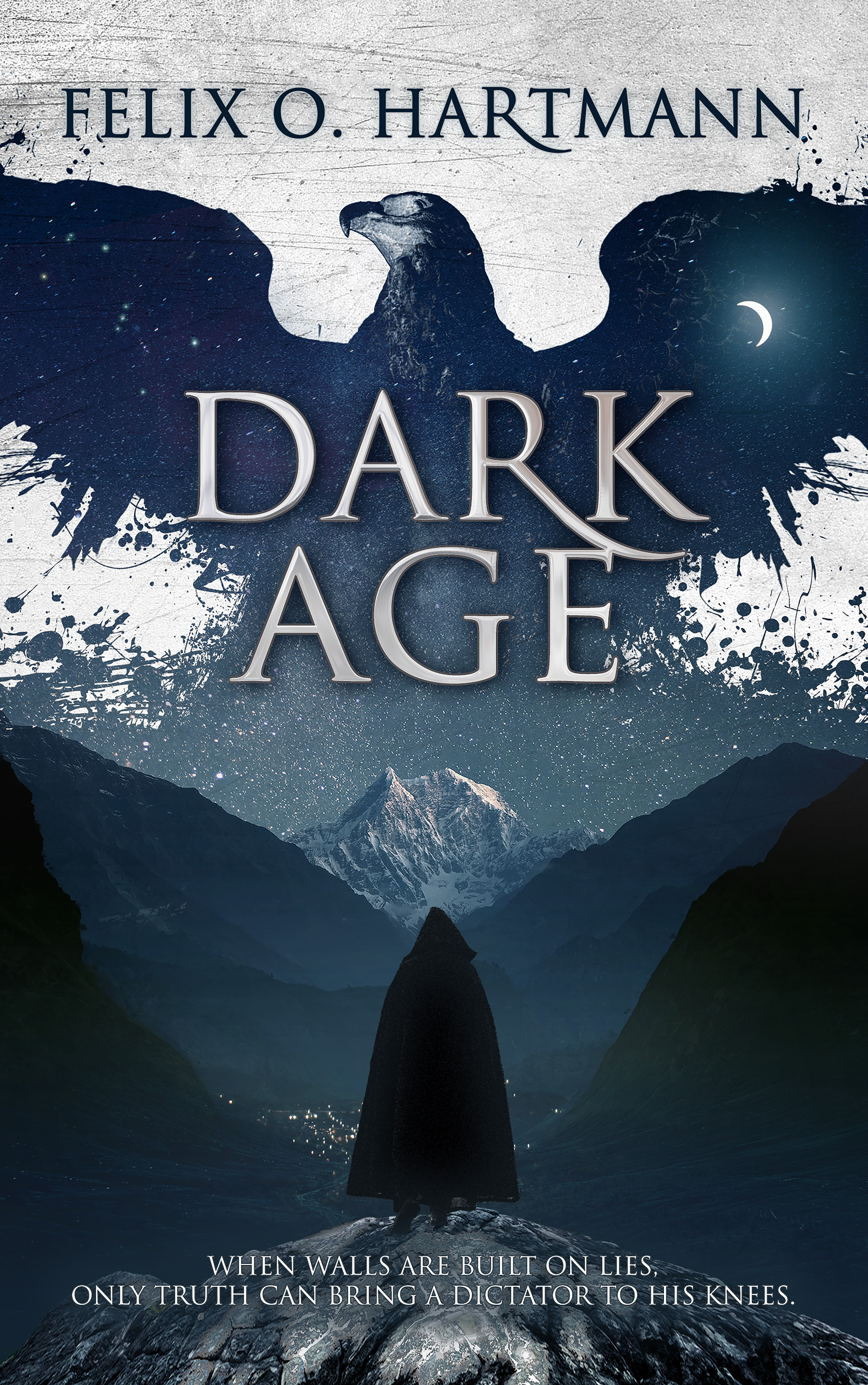
"Dark Age" depicts a dystopian future where humanity's quest for eternal life has led to extreme technological stratification and social decay. The narrative follows various characters navigating a world where their lifespans are dictated by their genetic purity and economic status, leading to frequent conflicts and existential dilemmas about the meaning of existence.
This novel shares a thematic core with "FUTU.RE" through its exploration of radical life extension and its profound, often devastating, societal consequences. Both books delve into worlds where medical advancements prolong life indefinitely, but this gift comes at the cost of profound social inequality, ethical compromise, and a re-evaluation of what it means to be human in an ever-aging but unchanging society.
The book offers a compelling examination of transhumanism's dark side, prompting reflection on mortality, social justice, and the very definition of progress. Its intricate world-building and character-driven narrative will resonate with those who appreciate thought-provoking science fiction that extrapolates current societal trends to their starkest conclusions, providing both entertainment and intellectual stimulation.
Dark Age
"Dark Age" depicts a dystopian future where humanity's quest for eternal life has led to extreme technological stratification and social decay. The narrative follows various characters navigating a world where their lifespans are dictated by their genetic purity and economic status, leading to frequent conflicts and existential dilemmas about the meaning of existence.
This novel shares a thematic core with "FUTU.RE" through its exploration of radical life extension and its profound, often devastating, societal consequences. Both books delve into worlds where medical advancements prolong life indefinitely, but this gift comes at the cost of profound social inequality, ethical compromise, and a re-evaluation of what it means to be human in an ever-aging but unchanging society.
The book offers a compelling examination of transhumanism's dark side, prompting reflection on mortality, social justice, and the very definition of progress. Its intricate world-building and character-driven narrative will resonate with those who appreciate thought-provoking science fiction that extrapolates current societal trends to their starkest conclusions, providing both entertainment and intellectual stimulation.
Metro 2033
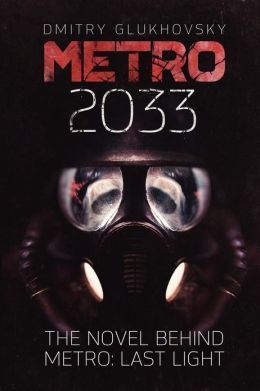
"Metro 2033" plunges into a post-apocalyptic Moscow, where the last remnants of humanity cling to life within the sprawling metro system. The surface is a radiation-blasted wasteland, forcing survivors to navigate subterranean tunnels rife with warring factions, mutated horrors, and pervasive superstition. The protagonist, Artyom, embarks on a perilous journey to warn his home station of an impending threat, confronting both external dangers and the internal struggles of a fragmented society.
The similarity to "FUTU.RE" lies in their shared exploration of humanity's existential dilemmas under extreme societal pressure. Both novels delve into what it means to be human when stripped of traditional structures, facing radical technological or environmental shifts. Glukhovsky's signature blend of philosophical inquiry, gritty realism, and atmospheric world-building unites these seemingly disparate settings, presenting a deep dive into the human condition against a backdrop of societal collapse or radical transformation.
This book will appeal to those who value thought-provoking speculative fiction that explores the darker aspects of human nature and societal breakdown. Its immersive world and moral ambiguities prompt reflection on survival, faith, and the price of progress. It offers a powerful narrative that resonates with contemporary concerns about global catastrophe and the struggle to retain humanity in an unforgiving world.
Metro 2033
"Metro 2033" plunges into a post-apocalyptic Moscow, where the last remnants of humanity cling to life within the sprawling metro system. The surface is a radiation-blasted wasteland, forcing survivors to navigate subterranean tunnels rife with warring factions, mutated horrors, and pervasive superstition. The protagonist, Artyom, embarks on a perilous journey to warn his home station of an impending threat, confronting both external dangers and the internal struggles of a fragmented society.
The similarity to "FUTU.RE" lies in their shared exploration of humanity's existential dilemmas under extreme societal pressure. Both novels delve into what it means to be human when stripped of traditional structures, facing radical technological or environmental shifts. Glukhovsky's signature blend of philosophical inquiry, gritty realism, and atmospheric world-building unites these seemingly disparate settings, presenting a deep dive into the human condition against a backdrop of societal collapse or radical transformation.
This book will appeal to those who value thought-provoking speculative fiction that explores the darker aspects of human nature and societal breakdown. Its immersive world and moral ambiguities prompt reflection on survival, faith, and the price of progress. It offers a powerful narrative that resonates with contemporary concerns about global catastrophe and the struggle to retain humanity in an unforgiving world.
LIFEL1K3
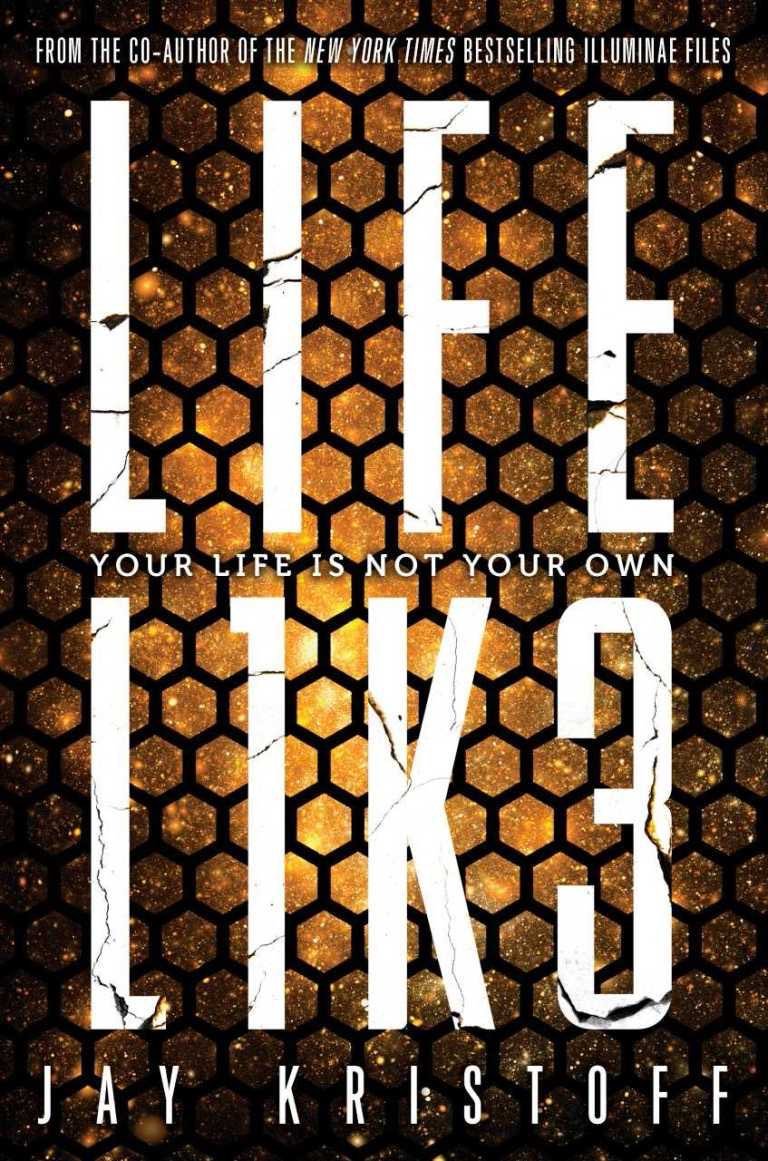
"LIFEL1K3" plunges into a post-apocalyptic saga where human-passing androids, known as lifelikes, battle against humanity in a world ravaged by a cataclysmic event. The narrative follows young Eve, who discovers she is a lifelike and grapples with her identity amidst a brutal war for survival, uncovering secrets about her past and the true nature of her world. It's a high-octane story of rebellion, self-discovery, and the blurred lines between creation and destruction.
This novel echoes "FUTU.RE" in its exploration of a dystopian future shaped by advanced technology and societal fragmentation. Both books feature protagonists grappling with profound existential questions about their identity and purpose within a rigid, often oppressive, system. The thematic threads of human-like artificial intelligence, the struggle for freedom, and the morally ambiguous nature of technological progress resonate strongly across both narratives.
The compelling blend of intense action and deep philosophical inquiry makes "LIFEL1K3" a valuable read. It offers a thought-provoking examination of what it means to be human in an era of artificial intelligence, forcing readers to confront contemporary anxieties about technological advancement and societal control. The intricate world-building and complex character arcs provide a rich, immersive experience and stimulate meaningful reflection on identity, prejudice, and the future of humanity.
LIFEL1K3
"LIFEL1K3" plunges into a post-apocalyptic saga where human-passing androids, known as lifelikes, battle against humanity in a world ravaged by a cataclysmic event. The narrative follows young Eve, who discovers she is a lifelike and grapples with her identity amidst a brutal war for survival, uncovering secrets about her past and the true nature of her world. It's a high-octane story of rebellion, self-discovery, and the blurred lines between creation and destruction.
This novel echoes "FUTU.RE" in its exploration of a dystopian future shaped by advanced technology and societal fragmentation. Both books feature protagonists grappling with profound existential questions about their identity and purpose within a rigid, often oppressive, system. The thematic threads of human-like artificial intelligence, the struggle for freedom, and the morally ambiguous nature of technological progress resonate strongly across both narratives.
The compelling blend of intense action and deep philosophical inquiry makes "LIFEL1K3" a valuable read. It offers a thought-provoking examination of what it means to be human in an era of artificial intelligence, forcing readers to confront contemporary anxieties about technological advancement and societal control. The intricate world-building and complex character arcs provide a rich, immersive experience and stimulate meaningful reflection on identity, prejudice, and the future of humanity.
More Books to Explore
Discover more titles that expand on these ideas and themes.
Metro 2035
Freedom™
The End of The Computer
Service Model
Utopia
Start the Game