10 Books Similar to "Find Your People: Building Deep Community in a Lonely World"
by Jennie Allen
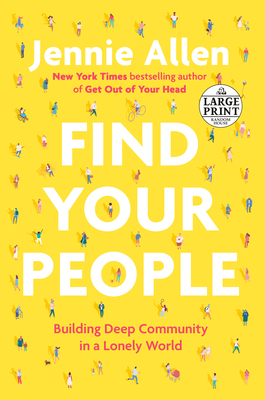
Get Out of Your Head: Stopping the Spiral of Toxic Thoughts

"Get Out of Your Head" tackles the pervasive issue of toxic thought patterns, guiding individuals to identify and dismantle the detrimental mental loops that often control their lives. It's a practical manual for freeing oneself from anxiety, negativity, and self-doubt by actively challenging and retraining the mind.
Both books, while seemingly distinct, share a foundational premise: internal transformation is key to external flourishing. "Get Out of Your Head" addresses the internal roadblocks (our thoughts) that prevent us from connecting deeply, a theme echoed in "Find Your People," which focuses on building those external connections. In essence, a healthy mind, as advocated in the former, is a prerequisite for engaging authentically with others, the goal of the latter.
This book offers profound value to anyone feeling trapped by their own thoughts. It provides actionable strategies and a clear framework for mental liberation, empowering individuals to reclaim their peace and purpose. The ability to manage one's internal world is crucial for genuine happiness and the capacity to build meaningful relationships.
Get Out of Your Head: Stopping the Spiral of Toxic Thoughts
"Get Out of Your Head" tackles the pervasive issue of toxic thought patterns, guiding individuals to identify and dismantle the detrimental mental loops that often control their lives. It's a practical manual for freeing oneself from anxiety, negativity, and self-doubt by actively challenging and retraining the mind.
Both books, while seemingly distinct, share a foundational premise: internal transformation is key to external flourishing. "Get Out of Your Head" addresses the internal roadblocks (our thoughts) that prevent us from connecting deeply, a theme echoed in "Find Your People," which focuses on building those external connections. In essence, a healthy mind, as advocated in the former, is a prerequisite for engaging authentically with others, the goal of the latter.
This book offers profound value to anyone feeling trapped by their own thoughts. It provides actionable strategies and a clear framework for mental liberation, empowering individuals to reclaim their peace and purpose. The ability to manage one's internal world is crucial for genuine happiness and the capacity to build meaningful relationships.
Anything: The Prayer That Unlocked My God and My Soul

"Anything" by Jennie Allen explores the transformative power of surrendering complete control to God. It recounts Allen's personal journey of radical obedience and the profound spiritual growth that resulted from adopting a "yes, Lord, anything" mindset. The book challenges individuals to re-examine their priorities and trust God fully, even when it demands difficult sacrifices or steps outside conventional comfort zones.
It shares common ground with "Find Your People" through its underlying theme of seeking deeper fulfillment and purpose beyond superficial living. Both books advocate for intentional living and a willingness to step into vulnerability. "Anything" lays a spiritual foundation that can inspire the self-reflection needed to pursue the meaningful connections and authentic community championed in "Find Your People."
This book offers a compelling invitation to a life of greater meaning and spiritual depth. Its honest narrative and challenging message inspire introspection about personal faith and the courage to pursue a life aligned with divine purpose, regardless of the cost. It promises a pathway to unlocking deeper spiritual intimacy and a more impactful existence.
Anything: The Prayer That Unlocked My God and My Soul
"Anything" by Jennie Allen explores the transformative power of surrendering complete control to God. It recounts Allen's personal journey of radical obedience and the profound spiritual growth that resulted from adopting a "yes, Lord, anything" mindset. The book challenges individuals to re-examine their priorities and trust God fully, even when it demands difficult sacrifices or steps outside conventional comfort zones.
It shares common ground with "Find Your People" through its underlying theme of seeking deeper fulfillment and purpose beyond superficial living. Both books advocate for intentional living and a willingness to step into vulnerability. "Anything" lays a spiritual foundation that can inspire the self-reflection needed to pursue the meaningful connections and authentic community championed in "Find Your People."
This book offers a compelling invitation to a life of greater meaning and spiritual depth. Its honest narrative and challenging message inspire introspection about personal faith and the courage to pursue a life aligned with divine purpose, regardless of the cost. It promises a pathway to unlocking deeper spiritual intimacy and a more impactful existence.
Connect: 12 Vital Ties That Open Your Heart, Lengthen Your Life, and Deepen Your Soul
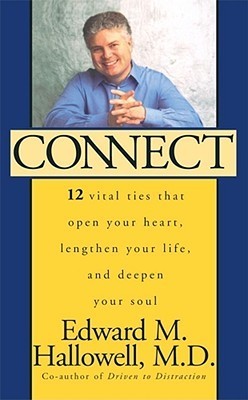
*Connect* by Edward M. Hallowell explores the crucial role of human connection in fostering well-being and a fulfilling life. The book identifies twelve fundamental types of "ties" – ranging from family and friendships to professional networks and a connection to nature – arguing that nurturing these relationships is essential for mental health, longevity, and spiritual depth in an increasingly isolated world.
This book shares thematic common ground with Jennie Allen's *Find Your People* by emphasizing the profound human need for genuine connection and community. Both authors advocate for actively building and maintaining meaningful relationships to combat loneliness and enhance overall life satisfaction, providing practical insights into cultivating these vital bonds.
This work offers a compelling framework for understanding and strengthening personal connections, making it highly valuable for individuals seeking to enrich their lives and build more robust social networks. The actionable advice and deep exploration of human relational needs will resonate with anyone feeling the impact of modern isolation and desiring more profound, supportive interactions.
Connect: 12 Vital Ties That Open Your Heart, Lengthen Your Life, and Deepen Your Soul
*Connect* by Edward M. Hallowell explores the crucial role of human connection in fostering well-being and a fulfilling life. The book identifies twelve fundamental types of "ties" – ranging from family and friendships to professional networks and a connection to nature – arguing that nurturing these relationships is essential for mental health, longevity, and spiritual depth in an increasingly isolated world.
This book shares thematic common ground with Jennie Allen's *Find Your People* by emphasizing the profound human need for genuine connection and community. Both authors advocate for actively building and maintaining meaningful relationships to combat loneliness and enhance overall life satisfaction, providing practical insights into cultivating these vital bonds.
This work offers a compelling framework for understanding and strengthening personal connections, making it highly valuable for individuals seeking to enrich their lives and build more robust social networks. The actionable advice and deep exploration of human relational needs will resonate with anyone feeling the impact of modern isolation and desiring more profound, supportive interactions.
Braving the Wilderness

"Braving the Wilderness" by Brené Brown explores the concept of true belonging, arguing that it isn't about fitting in or conforming, but rather about cultivating an unshakable sense of self while standing alone in our convictions. Brown delves into the paradox that genuine connection often emerges from embracing our unique identities, even when it leads to discomfort or detachment from the crowd. She champions the idea of "true belonging to ourselves" as the foundation for authentic relationships.
The book resonates with "Find Your People" because both fundamentally address the human need for connection and belonging in an increasingly isolated world. While Allen focuses on the active pursuit and cultivation of community, Brown provides the critical internal framework for engaging within that community authentically. Both authors underscore the importance of vulnerability, courage, and integrity in forming meaningful bonds, whether with a group or within oneself.
This book will appeal to individuals grappling with feelings of loneliness, alienation, or an inability to forge genuine connections. It offers a powerful perspective on how to embrace one's individuality and courageously engage with others, fostering a deep sense of self-acceptance that is prerequisite for true relational intimacy. Its insights prove valuable for anyone seeking to navigate social landscapes with more integrity and build relationships based on mutual respect and understanding rather than superficial acceptance.
Braving the Wilderness
"Braving the Wilderness" by Brené Brown explores the concept of true belonging, arguing that it isn't about fitting in or conforming, but rather about cultivating an unshakable sense of self while standing alone in our convictions. Brown delves into the paradox that genuine connection often emerges from embracing our unique identities, even when it leads to discomfort or detachment from the crowd. She champions the idea of "true belonging to ourselves" as the foundation for authentic relationships.
The book resonates with "Find Your People" because both fundamentally address the human need for connection and belonging in an increasingly isolated world. While Allen focuses on the active pursuit and cultivation of community, Brown provides the critical internal framework for engaging within that community authentically. Both authors underscore the importance of vulnerability, courage, and integrity in forming meaningful bonds, whether with a group or within oneself.
This book will appeal to individuals grappling with feelings of loneliness, alienation, or an inability to forge genuine connections. It offers a powerful perspective on how to embrace one's individuality and courageously engage with others, fostering a deep sense of self-acceptance that is prerequisite for true relational intimacy. Its insights prove valuable for anyone seeking to navigate social landscapes with more integrity and build relationships based on mutual respect and understanding rather than superficial acceptance.
How to Know a Person: The Art of Seeing Others Deeply and Being Deeply Seen

"How to Know a Person: The Art of Seeing Others Deeply and Being Deeply Seen" delves into the crucial skill of truly understanding others. David Brooks explores how to move beyond superficial interactions to forge genuine connections by attentively listening, observing, and empathizing. He offers practical strategies and philosophical insights for developing a profound appreciation for individuals, recognizing their unique inner worlds, and fostering reciprocal relationships where everyone feels genuinely valued and understood.
This book shares thematic common ground with "Find Your People" because both emphasize the fundamental human need for meaningful connection and the active effort required to build it. While "Find Your People" focuses on the broader concept of community formation, "How to Know a Person" provides the essential interpersonal toolkit for cultivating the individual relationships that form the bedrock of any deep community. Both authors advocate for intentionality in combating loneliness and fostering belonging.
This work will resonate with individuals seeking to deepen their personal and professional relationships, improve their communication skills, and counteract the pervasive sense of isolation in modern society. It offers a compelling blend of sociological observation, psychological insight, and actionable advice, making it invaluable for anyone striving to live a more connected and empathetic life.
How to Know a Person: The Art of Seeing Others Deeply and Being Deeply Seen
"How to Know a Person: The Art of Seeing Others Deeply and Being Deeply Seen" delves into the crucial skill of truly understanding others. David Brooks explores how to move beyond superficial interactions to forge genuine connections by attentively listening, observing, and empathizing. He offers practical strategies and philosophical insights for developing a profound appreciation for individuals, recognizing their unique inner worlds, and fostering reciprocal relationships where everyone feels genuinely valued and understood.
This book shares thematic common ground with "Find Your People" because both emphasize the fundamental human need for meaningful connection and the active effort required to build it. While "Find Your People" focuses on the broader concept of community formation, "How to Know a Person" provides the essential interpersonal toolkit for cultivating the individual relationships that form the bedrock of any deep community. Both authors advocate for intentionality in combating loneliness and fostering belonging.
This work will resonate with individuals seeking to deepen their personal and professional relationships, improve their communication skills, and counteract the pervasive sense of isolation in modern society. It offers a compelling blend of sociological observation, psychological insight, and actionable advice, making it invaluable for anyone striving to live a more connected and empathetic life.
Atlas of the Heart: Mapping Meaningful Connection and the Language of Human Experience
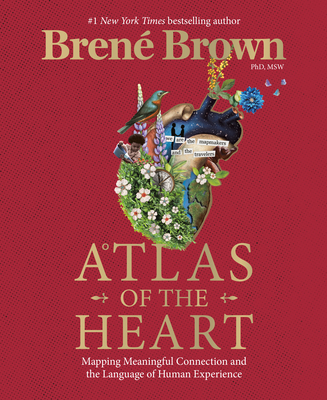
"Atlas of the Heart" by Brené Brown is an exploration of 87 emotions and experiences that define human connection and identity. Brown meticulously maps these states, providing precise definitions and nuanced distinctions, equipping us with a richer vocabulary to understand ourselves and others. It’s a guide to navigating the complexities of our inner lives and the relationships we forge.
This book shares a core purpose with Jennie Allen's "Find Your People." Both authors recognize a prevailing sense of isolation and actively seek to provide frameworks for deeper human connection. While Allen focuses on the practicalities of community building, Brown offers the foundational language and emotional literacy essential for fostering truly meaningful and authentic relationships within those communities. Both stem from a desire to address the human need for belonging and understanding.
Anyone seeking to enrich their emotional intelligence and improve their relational skills will find significant value here. The precise language and insightful distinctions offered by Brown empower individuals to articulate their feelings more effectively and comprehend the experiences of others with greater empathy. This deeper understanding cultivates stronger connections, both personal and communal, leading to a more fulfilling and less lonely existence.
Atlas of the Heart: Mapping Meaningful Connection and the Language of Human Experience
"Atlas of the Heart" by Brené Brown is an exploration of 87 emotions and experiences that define human connection and identity. Brown meticulously maps these states, providing precise definitions and nuanced distinctions, equipping us with a richer vocabulary to understand ourselves and others. It’s a guide to navigating the complexities of our inner lives and the relationships we forge.
This book shares a core purpose with Jennie Allen's "Find Your People." Both authors recognize a prevailing sense of isolation and actively seek to provide frameworks for deeper human connection. While Allen focuses on the practicalities of community building, Brown offers the foundational language and emotional literacy essential for fostering truly meaningful and authentic relationships within those communities. Both stem from a desire to address the human need for belonging and understanding.
Anyone seeking to enrich their emotional intelligence and improve their relational skills will find significant value here. The precise language and insightful distinctions offered by Brown empower individuals to articulate their feelings more effectively and comprehend the experiences of others with greater empathy. This deeper understanding cultivates stronger connections, both personal and communal, leading to a more fulfilling and less lonely existence.
Good Boundaries and Goodbyes: Loving Others Without Losing the Best of Who You Are
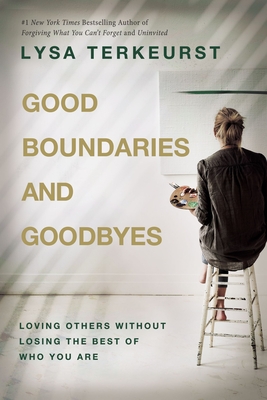
"Good Boundaries and Goodbyes" by Lysa TerKeurst offers practical guidance on establishing healthy boundaries in relationships. It delves into recognizing personal limits, understanding when and how to disengage from emotionally draining interactions, and prioritizing self-preservation while still loving others well. The book emphasizes communicating needs clearly to maintain integrity and peace.
This book shares common ground with "Find Your People" because both fundamentally address the health and sustainability of relationships. While Allen focuses on building and nurturing connection, TerKeurst provides the crucial framework for how to *manage* those connections effectively, ensuring they contribute positively to one's well-being rather than depleting it. Both ultimately aim for fulfilling relational experiences.
This work will resonate with individuals seeking to improve their relational dynamics and safeguard their emotional health. It offers actionable strategies for navigating complex personal interactions, reducing resentment, and fostering more authentic, respectful connections. The insights provided can empower individuals to cultivate a stronger sense of self and build more sustainable, joyful relationships.
Good Boundaries and Goodbyes: Loving Others Without Losing the Best of Who You Are
"Good Boundaries and Goodbyes" by Lysa TerKeurst offers practical guidance on establishing healthy boundaries in relationships. It delves into recognizing personal limits, understanding when and how to disengage from emotionally draining interactions, and prioritizing self-preservation while still loving others well. The book emphasizes communicating needs clearly to maintain integrity and peace.
This book shares common ground with "Find Your People" because both fundamentally address the health and sustainability of relationships. While Allen focuses on building and nurturing connection, TerKeurst provides the crucial framework for how to *manage* those connections effectively, ensuring they contribute positively to one's well-being rather than depleting it. Both ultimately aim for fulfilling relational experiences.
This work will resonate with individuals seeking to improve their relational dynamics and safeguard their emotional health. It offers actionable strategies for navigating complex personal interactions, reducing resentment, and fostering more authentic, respectful connections. The insights provided can empower individuals to cultivate a stronger sense of self and build more sustainable, joyful relationships.
God's Guest List: Welcoming Those Who Influence Our Lives
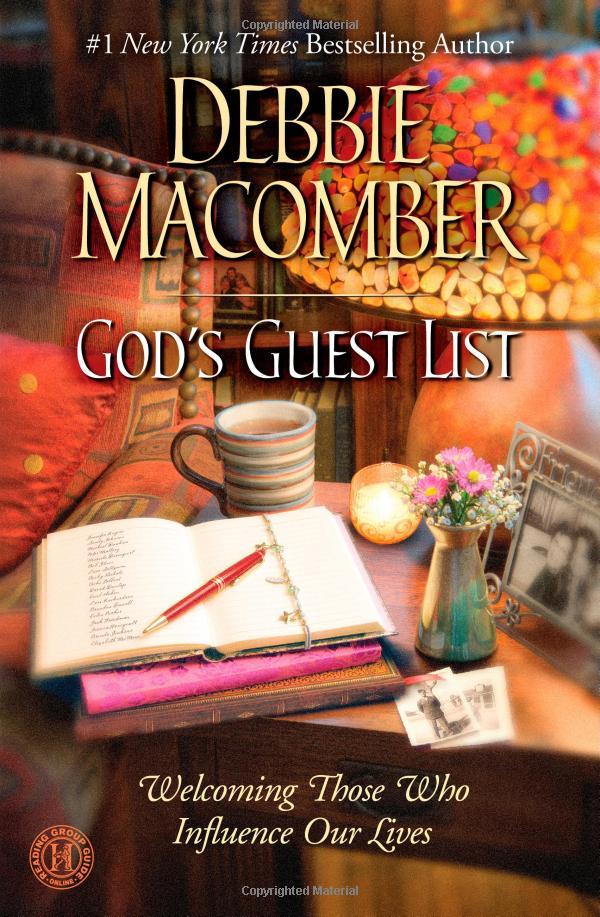
"God's Guest List" by Debbie Macomber explores the concept of recognizing and appreciating the diverse individuals who impact our lives, both large and small. It encourages a reflection on the people we encounter—family, friends, mentors, or even brief acquaintances—and how each contributes to our personal journeys, fostering a sense of gratitude and connection.
This book shares thematic roots with "Find Your People" as both emphasize the profound importance of human connection and relational intentionality. While Allen focuses on actively building deep community, Macomber highlights the value of acknowledging the existing web of relationships, recognizing how others shape us, and fostering appreciation for those connections. Both authors champion the idea that our lives are enriched and defined by the people we share them with.
Individuals seeking to cultivate a deeper sense of gratitude and awareness of their relational landscape will find significant value in Macomber's work. It offers a gentle yet powerful invitation to appreciate the tapestry of people in one's life, reinforcing the idea that acknowledging and valuing these connections fosters a richer, more meaningful existence. This perspective can bring comfort and a renewed sense of belonging.
God's Guest List: Welcoming Those Who Influence Our Lives
"God's Guest List" by Debbie Macomber explores the concept of recognizing and appreciating the diverse individuals who impact our lives, both large and small. It encourages a reflection on the people we encounter—family, friends, mentors, or even brief acquaintances—and how each contributes to our personal journeys, fostering a sense of gratitude and connection.
This book shares thematic roots with "Find Your People" as both emphasize the profound importance of human connection and relational intentionality. While Allen focuses on actively building deep community, Macomber highlights the value of acknowledging the existing web of relationships, recognizing how others shape us, and fostering appreciation for those connections. Both authors champion the idea that our lives are enriched and defined by the people we share them with.
Individuals seeking to cultivate a deeper sense of gratitude and awareness of their relational landscape will find significant value in Macomber's work. It offers a gentle yet powerful invitation to appreciate the tapestry of people in one's life, reinforcing the idea that acknowledging and valuing these connections fosters a richer, more meaningful existence. This perspective can bring comfort and a renewed sense of belonging.
The Art of Living Alone and Loving It

*The Art of Living Alone and Loving It* by Jane Mathews offers a practical and empowering guide for embracing an independent lifestyle. It delves into strategies for cultivating self-sufficiency, building a fulfilling personal world, and finding contentment without relying on external relationships for validation or happiness. The book encourages readers to reframe solitude not as loneliness, but as an opportunity for self-discovery and personal growth.
Despite their seemingly opposite titles, this book shares a core thematic resonance with Jennie Allen's *Find Your People*. Both address the fundamental human need for connection and belonging, albeit from different angles. While Allen focuses on outward-facing community building, Mathews explores the internal fortitude required to feel whole. Both books ultimately strive to combat the pervasive sense of isolation by empowering individuals to create a stable, satisfying existence, whether that involves deep community or rich personal independence.
This book will appeal to individuals seeking to thrive in their own company, those navigating a period of singleness, or anyone looking to cultivate a stronger sense of self-reliance. It offers actionable advice for building a fulfilling life from within, fostering a profound sense of self-worth and purpose regardless of one's relationship status. Its value lies in empowering individuals to confidently embrace and even celebrate their independence.
The Art of Living Alone and Loving It
*The Art of Living Alone and Loving It* by Jane Mathews offers a practical and empowering guide for embracing an independent lifestyle. It delves into strategies for cultivating self-sufficiency, building a fulfilling personal world, and finding contentment without relying on external relationships for validation or happiness. The book encourages readers to reframe solitude not as loneliness, but as an opportunity for self-discovery and personal growth.
Despite their seemingly opposite titles, this book shares a core thematic resonance with Jennie Allen's *Find Your People*. Both address the fundamental human need for connection and belonging, albeit from different angles. While Allen focuses on outward-facing community building, Mathews explores the internal fortitude required to feel whole. Both books ultimately strive to combat the pervasive sense of isolation by empowering individuals to create a stable, satisfying existence, whether that involves deep community or rich personal independence.
This book will appeal to individuals seeking to thrive in their own company, those navigating a period of singleness, or anyone looking to cultivate a stronger sense of self-reliance. It offers actionable advice for building a fulfilling life from within, fostering a profound sense of self-worth and purpose regardless of one's relationship status. Its value lies in empowering individuals to confidently embrace and even celebrate their independence.
The Power of Vulnerability: Teachings of Authenticity, Connections and Courage

"The Power of Vulnerability" by Brené Brown delves into the profound impact of embracing vulnerability in our lives, challenging the societal notion that it's a weakness. Brown, a research professor, uses extensive qualitative research to demonstrate how vulnerability is not only essential for authentic living but also the foundational pathway to genuine human connection, courage, and true belonging. She explores how shame and fear often prevent us from showing up fully, and offers empowering insights into cultivating a more wholehearted existence.
This book shares foundational themes with "Find Your People" because both fundamentally argue that deep, meaningful relationships are vital for well-being. While Allen focuses on the practicalities of *building* community, Brown explores the *internal work* necessary to make those communities thrive – specifically, the courage to be seen and known. Both emphasize that hiding our true selves impedes authentic connection and that vulnerability is the key to unlocking the intimacy we crave within social circles.
Individuals seeking to cultivate richer, more authentic relationships and a deeper sense of belonging will find this book invaluable. It offers a research-backed framework for understanding why we often struggle with connection and provides actionable insights for overcoming the internal barriers to intimacy. Anyone looking to live a more courageous, connected life, whether personally or within their communities, will appreciate its transformative message.
The Power of Vulnerability: Teachings of Authenticity, Connections and Courage
"The Power of Vulnerability" by Brené Brown delves into the profound impact of embracing vulnerability in our lives, challenging the societal notion that it's a weakness. Brown, a research professor, uses extensive qualitative research to demonstrate how vulnerability is not only essential for authentic living but also the foundational pathway to genuine human connection, courage, and true belonging. She explores how shame and fear often prevent us from showing up fully, and offers empowering insights into cultivating a more wholehearted existence.
This book shares foundational themes with "Find Your People" because both fundamentally argue that deep, meaningful relationships are vital for well-being. While Allen focuses on the practicalities of *building* community, Brown explores the *internal work* necessary to make those communities thrive – specifically, the courage to be seen and known. Both emphasize that hiding our true selves impedes authentic connection and that vulnerability is the key to unlocking the intimacy we crave within social circles.
Individuals seeking to cultivate richer, more authentic relationships and a deeper sense of belonging will find this book invaluable. It offers a research-backed framework for understanding why we often struggle with connection and provides actionable insights for overcoming the internal barriers to intimacy. Anyone looking to live a more courageous, connected life, whether personally or within their communities, will appreciate its transformative message.
More Books to Explore
Discover more titles that expand on these ideas and themes.
Get Out of Your Head: Stopping the Spiral of Toxic Thoughts
Anything: The Prayer That Unlocked My God and My Soul
Connect: 12 Vital Ties That Open Your Heart, Lengthen Your Life, and Deepen Your Soul
Braving the Wilderness
How to Know a Person: The Art of Seeing Others Deeply and Being Deeply Seen
Atlas of the Heart: Mapping Meaningful Connection and the Language of Human Experience